Weightlifting Plate Manufacturer: OEM Manufacturing
Weightlifting Plate Manufacturer: Strategic Sourcing for High-Volume Projects
Selecting a reliable weightlifting plate manufacturer requires a multidimensional evaluation of risk mitigation, technical specification alignment, and logistical reliability. For distributors and large-scale gym operators, the initial purchase price is only one component of the long-term equation. Professional procurement teams must account for the total cost of ownership, which includes the durability of the materials, the frequency of replacement, and the efficiency of the landed cost when importing from a China factory. Failure to vet the manufacturing depth can lead to uneven weight distribution or premature coating failure, both of which erode profit margins and brand reputation.
When sourcing wholesale weightlifting plates, the strategic focus shifts from individual unit costs to the efficiency of the entire supply chain. A professional commercial bumper plate supplier does more than just fulfill an order; they provide a scalable production foundation that supports your growth. This involves understanding how scale of economy affects your bulk pricing and how the MOQ requirements align with your warehouse capacity and cash flow cycles. By optimizing for both production speed and material integrity, importers can ensure a more predictable ROI for their commercial clients.
Commercial Utility and Material Selection Framework
Procurement specialists must differentiate between weight plate types based on the specific demands of the end-use environment. While cast iron remains a staple for strength training, the shift toward high-impact environments necessitates different manufacturing approaches. A professional custom weight plate factory will offer various material configurations to suit different commercial duty cycles, ensuring that your inventory meets the specific performance expectations of your clients.
The following table provides a qualitative comparison to assist in your sourcing decisions, focusing on the relationship between material, durability, and procurement variables.
| Material Type | Primary Process | Key Component | Commercial Duty | MOQ Impact | Factory QC Point |
|---|---|---|---|---|---|
| Cast Iron | Sand Casting | Gray Iron Core | Standard Strength Training | Lower | Weight Tolerance |
| Rubber Coated | Molding / Encapsulation | Steel Hub & Rubber Rim | High-Impact / CrossFit | Moderate | Coating Adhesion |
| PU Coated | Polyurethane Molding | Precision Steel Center | Premium / Competition | Higher | Concentricity |
When evaluating a weightlifting plate manufacturer, consider the long-term maintenance load. For instance, rubber or PU-encapsulated plates offer superior floor protection and noise reduction in high-traffic studios, but they require more complex assembly processes. Understanding these nuances allows for more accurate landed cost calculations and better inventory planning for your distribution network.
To ensure the highest standards for your upcoming project, we recommend moving to the next stage of technical validation. Please contact our team to request a full specification sheet, confirm the current MOQ for your specific material choice, or arrange for a sample evaluation to verify our production quality before proceeding with a bulk order.
| Material Type | Primary Process | Key Component | Commercial Duty | MOQ Impact | Factory QC Point |
|---|---|---|---|---|---|
| Cast Iron | Sand Casting | Gray Iron Core | Standard Strength Training | Lower | Weight Tolerance |
| Rubber Coated | Molding / Encapsulation | Steel Hub & Rubber Rim | High-Impact / CrossFit | Moderate | Coating Adhesion |
| PU Coated | Polyurethane Molding | Precision Steel Center | Premium / Competition | Higher | Concentricity |
When evaluating a weightlifting plate manufacturer, consider the long-term maintenance load. For instance, rubber or PU-encapsulated plates offer superior floor protection and noise reduction in high-traffic studios, but they require more complex assembly processes. Understanding these nuances allows for more accurate landed cost calculations and better inventory planning for your distribution network.
To ensure the highest standards for your upcoming project, we recommend moving to the next stage of technical validation. Please contact our team to request a full specification sheet, confirm the current MOQ for your specific material choice, or arrange for a sample evaluation to verify our production quality before proceeding with a bulk order.
Material Selection and Durability: Cast Iron vs. Bumper Plate Options
Selecting the appropriate material profile is a critical decision for importers and distributors managing long-term procurement cycles. As a professional weightlifting plate manufacturer, we understand that the choice between traditional metal and high-impact polymers directly influences your total cost of ownership and equipment lifespan. In high-volume wholesale weightlifting plates orders, the material dictates not only the training experience but also the maintenance requirements and floor protection needs of the end-user facility.
For heavy strength training environments, cast iron remains the industry standard due to its density and cost-effectiveness. These plates are typically produced through sand casting processes, resulting in a rugged, high-mass unit that is ideal for fixed-station strength training. Conversely, a commercial bumper plate supplier will often provide high-density rubber or PU-encapsulated options designed for high-impact Olympic lifting. These units are engineered to absorb kinetic energy, significantly reducing the impact on flooring and structural components in high-traffic commercial gym settings.
| Material Type | Primary Process | Commercial Duty Tier | Key Procurement Benefit | Durability Profile |
|---|---|---|---|---|
| Cast Iron | Sand Casting | Budget to Mid-Tier | Lowest landed cost per kg | High rigidity; prone to chipping |
| Rubber Coated | Rubber Molding | Standard Commercial | Improved floor protection | Moderate impact absorption |
| Polyurethane (PU) | Injection Molding | Premium/High-End | Maximum durability/color retention | Superior impact and abrasion resistance |
When evaluating a custom weight plate factory for your next project, it is essential to consider how these material choices affect your long-term ROI. While cast iron offers the most efficient way to build heavy weight loads with minimal capital expenditure, high-performance bumper plates reduce the frequency of floor repairs and equipment replacement. For large-scale gym deployments, a strategic mix of both materials—utilizing iron for stability and bumpers for high-impact zones—often yields the most balanced procurement outcome.
Material, Durability, and Sourcing Variables
A strategic procurement plan requires understanding how material density and surface treatments impact long-term maintenance. When sourcing through a weightlifting plate manufacturer, buyers must weigh the immediate benefits of lower unit costs against the long-term operational expenses of floor wear and noise mitigation. In professional environments, the selection of a custom weight plate factory partner often depends on whether the priority is high-density mass or high-impact energy absorption.
| Material | Process | Key Component | Commercial Duty | MOQ Impact | Factory QC Point |
|---|---|---|---|---|---|
| Cast Iron | Sand Casting | Steel Inner Ring | Budget/Strength Focus | Lower MOQ for standard stock | Surface texture and weight consistency |
| Rubber Coated | Compression Molding | Rubber Rim/Encapsulation | Standard Commercial | Moderate MOQ for custom colors | Bond line adhesion and coating thickness |
| Polyurethane (PU) | Injection Molding | High-Density Core | Premium/Competition | Higher MOQ for specialized runs | Concentricity and edge smoothness |
From a wholesale perspective, the choice of material significantly alters your shipping and storage logistics. Cast iron units provide high density for efficient weight-to-volume ratios in containers, whereas bumper plates require specialized handling to ensure the integrity of the outer layer. For distributors, the most efficient sourcing strategy involves balancing these material profiles to meet diverse client needs, from heavy lifting power racks to high-impact Olympic lifting platforms.
Precision Manufacturing: From Sand Casting to Surface Finishing
Selecting a professional weightlifting plate manufacturer requires a deep understanding of how foundational casting methods impact the long-term durability of your inventory. For high-volume distributors, the choice between sand casting and centrifugal casting determines the final product's concentricity and surface integrity. A reliable China factory will utilize standardized production sequences—moving from raw material melting to precision machining—to ensure every unit meets commercial-grade specifications for global export.
For traditional iron plates, sand casting is the industry-standard route for producing heavy, cost-effective units. This process involves pouring molten iron into a sand mold, which is ideal for creating the textured, rugged aesthetic required for commercial strength training environments. However, for high-performance wholesale weightlifting plates that require more uniform density and smoother edges, centrifugal casting is often preferred. This method uses high-speed rotation to distribute the material, resulting in a more compact structure that reduces the risk of structural flaws during heavy impact.
The manufacturing journey extends beyond the initial pour to include critical finishing stages. After casting, plates undergo CNC machining to ensure the central bore is perfectly centered, allowing for a seamless fit on Olympic barbells. The final surface treatment—whether it is a phosphate treatment for bare iron, a thick powder coating for color-coded identification, or a high-density rubber encapsulation for a bumper plate—is vital for protecting the steel hub and increasing the product's lifespan in high-traffic gym settings. For OEM projects, these finishing steps are where custom branding and weight markings are applied to meet specific distributor requirements.
| Material Type | Primary Process | Key Component | Commercial Duty | MOQ Impact | Factory QC Point |
|---|---|---|---|---|---|
| Cast Iron | Sand Casting | Central Bore | Standard Commercial | Lower | Weight Tolerance |
| Bumper Plate | Centrifugal Casting | Steel Hub/Rubber Rim | Premium/High-Impact | Higher | Coating Adhesion |
| Steel Plate | Precision Machining | Knurled Inner Ring | Professional/Competition | Variable | Concentricity |
When sourcing from a commercial bumper plate supplier, procurement leads should evaluate the transition from casting to final calibration. A professional custom weight plate factory will implement a strict sequence: casting, machining, surface finishing, and finally, weight calibration. This systematic approach minimizes the landed cost of returns caused by uneven weight distribution or poor coating adhesion, ensuring your bulk order meets the rigorous demands of international fitness distributors.
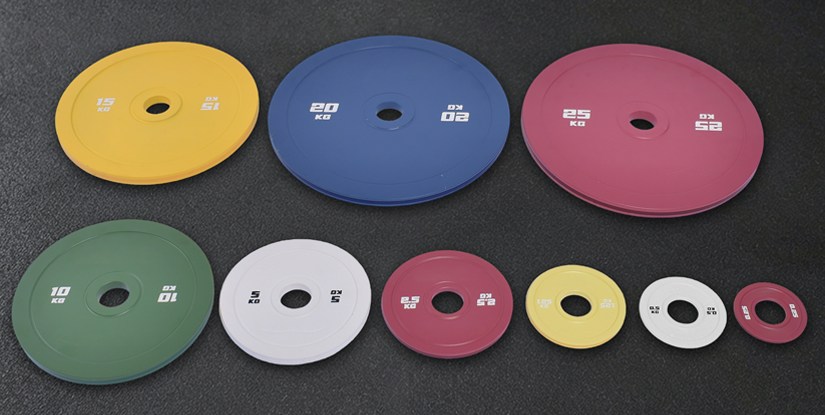
Standardizing Precision and Surface Integrity
The technical differentiation between a budget-tier unit and a premium commercial product often lies in the precision of the final finishing stages. In many commercial settings, the transition from the casting mold to the final product involves a series of calibrated steps designed to eliminate common failure modes like uneven weight distribution or coating peeling. For professional buyers, these technical details directly influence the total cost of ownership and the reliability of the brand identity being built through OEM production.
Precision CNC machining is essential for ensuring the central bore maintains a consistent diameter and perfectly centered axis. This step prevents the "wobble" often seen in lower-quality units, which can lead to increased wear on Olympic barbells and higher maintenance costs for gym operators. Following machining, the surface undergoes rigorous treatment. Whether it is a phosphate layer for oxidation resistance or high-grade powder coating for color-coded weight identification, the adhesion strength of the finish is a primary indicator of quality. A high-tier custom weight plate factory will typically perform adhesion tests to ensure the coating remains intact even under the friction of heavy, repetitive use.
For importers managing large-scale logistics, the final stage of the production cycle must include standardized export packaging. This involves securing the finished plates in reinforced, moisture-resistant containers to prevent damage during sea freight. Effective packaging strategies, including corner protection and palletization, are critical for reducing breakage rates and ensuring that the bulk shipment arrives at the warehouse in optimal condition, thereby protecting the distributor's margins and reducing the need for replacement parts.
Custom Branding and OEM Capabilities for Global Distributors
For international distributors and large-scale gym chains, sourcing from a professional weightlifting plate manufacturer involves more than just finding a product; it requires a partner capable of delivering a unique brand identity. Whether you are looking to expand your existing product line or launch a new premium series, our OEM and ODM services are designed to transition your concepts into market-ready commercial assets.
The strategic value of working with a dedicated custom weight plate factory lies in the ability to control every aspect of the product lifecycle. From the initial sourcing of raw materials to the final pre-shipment inspection, we provide the infrastructure necessary to scale your brand. We understand that for a supplier, maintaining consistent margins while offering high-end custom branding is essential for long-term distributor success.
Comprehensive Customization Range for Professional Series
Our production lines allow for a high degree of versatility to meet diverse market demands. We offer various color/material options to ensure your equipment stands out in a crowded commercial environment. Depending on your target segment, you can select between traditional cast iron for classic strength training or high-durability rubber coated or PU coated options for high-impact bumper plate requirements.
- Branding & Identity: High-precision silk-screen printing or laser-etched logos for a professional private label appearance.
- Material Versatility: Options ranging from standard gray iron to high-density urethane for specialized commercial use.
- Aesthetic Control: A wide palette of powder coating colors to align with your facility's interior design or brand guidelines.
- Technical Specifications: Customization of the steel hub diameter and knurled ring texture to meet specific Olympic standard requirements.
By leveraging our China factory capabilities, you can optimize your landed cost without compromising on the professional grade of the equipment. We assist with the entire wholesale process, ensuring that your custom weight plate factory requirements—from MOQ discussions to final container loading—are handled with industrial precision.
Tiered Customization Matrix for Procurement Planning
To assist procurement managers in evaluating the trade-offs between production complexity and unit cost, we have outlined the typical differentiation between standard and high-end orders. Choosing the right tier is critical when calculating your total landed cost and managing your wholesale inventory turnover. While standard options offer speed and volume, premium tiers provide the differentiation required for high-end studio deployments.
| Specification Tier | Primary Material | Surface Finish Process | Logo Application Method | Commercial Duty | Typical MOQ Impact |
|---|---|---|---|---|---|
| Standard Commercial | Cast Iron / Gray Iron | Basic Powder Coating | Stenciled Paint | General Gym / Strength Training | Lower MOQ |
| Premium Performance | High-Density Urethane / PU | Multi-Layer Polyurethane | Laser Etching or Embedded Logo | High-Impact / Olympic Training | Higher MOQ |
| Elite Professional | Precision Steel / Chrome | Advanced Electroplating | Precision Machined Relief | Competition / Professional Studio | Significant MOQ |
When selecting a commercial bumper plate supplier, it is essential to consider how these specifications affect your long-term maintenance and replacement cycles. For instance, a custom weight plate factory can implement specialized rubber coated or PU coated finishes that offer superior floor protection and noise reduction, which is a vital factor for high-traffic commercial facilities. We recommend requesting a sample evaluation to confirm that the coating adhesion and weight marking meet your specific brand standards before committing to a full-scale OEM production run.
For international distributors and large-scale gym chains, sourcing from a professional weightlifting plate manufacturer involves more than just finding a product; it requires a partner capable of delivering a unique brand identity. Whether you are looking to expand your existing product line or launch a new premium series, our OEM and ODM services are designed to transition your concepts into market-ready commercial assets.
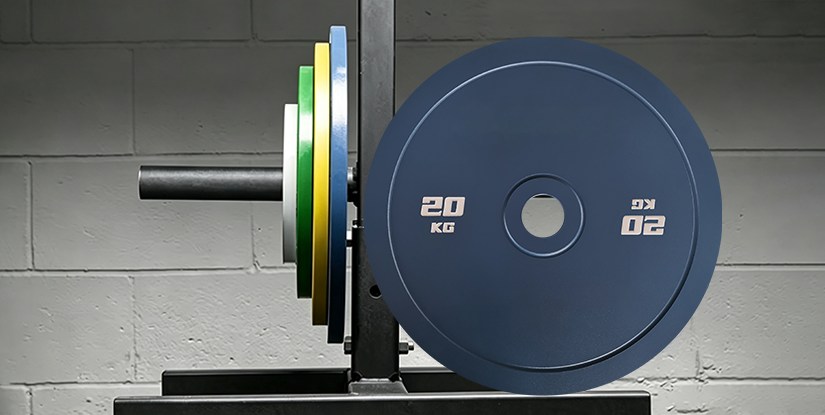
The strategic value of working with a dedicated custom weight plate factory lies in the ability to control every aspect of the product lifecycle. From the initial sourcing of raw materials to the final pre-shipment inspection, we provide the infrastructure necessary to scale your brand. We understand that for a supplier, maintaining consistent margins while offering high-end custom branding is essential for long-term distributor success.
Factory Quality Control and Pre-Shipment Inspection Standards
For international distributors and gym chains, the cost of a defective shipment far exceeds the initial savings of a low-budget weightlifting plate manufacturer. Relyity in a commercial bumper plate supplier is built through rigorous, multi-stage verification that ensures every unit meets international strength standards. When managing high-volume wholesale weightlifting plates orders, relying on luck is not a strategy; instead, professional procurement requires a standardized quality control framework to mitigate the risk of weight discrepancies or surface failures during transit.
A professional custom weight plate factory implements a structured inspection workflow to maintain consistency across thousands of units. This process typically begins with raw material verification of the cast iron or rubber compounds, followed by a strict weight tolerance check to ensure each plate aligns with the declared specifications. To prevent long-term durability issues, a secondary inspection focuses on the surface finish, checking for coating adhesion and the structural integrity of the inner ring or steel hub. By establishing these inspection stages, a factory can guarantee that the landed cost of the goods remains optimized by reducing the need for costly replacements or client returns.
Technical Comparison of Plate Construction and Inspection Points
Selecting between different plate types requires a deep understanding of how material and manufacturing processes impact long-term durability and maintenance. For procurement specialists, the choice between cast iron and bumper plates is not just about aesthetics, but about the total cost of ownership and the specific usage requirements of the target facility. A professional weightlifting plate manufacturer will provide distinct technical specifications for each type to ensure your wholesale weightlifting plates order aligns with your client's expectations.
| Material Type | Manufacturing Process | Key Component/Feature | Commercial Duty Tier | MOQ Impact | Factory QC Point |
|---|---|---|---|---|---|
| Cast Iron / Gray Iron | Sand Casting & Machining | Precision Knurled Inner Ring | Budget to Standard Commercial | Lower for Standard Casts | Bore Concentricity & Surface Smoothness |
| Rubber Coated Bumper | Steel Hub & Rubber Molding | Impact-Resistant Rubber Rim | Premium High-Volume Training | Higher for Custom Colors | Coating Adhesion & Hub Alignment |
| Polyurethane (PU) Bumper | Injection Molding / PU Coating | High-Density PU Layer | Elite / Competition Grade | Significant for Custom Branded Runs | Weight Calibration & Surface Uniformity |
When sourcing from a custom weight plate factory, it is essential to verify how these components are assembled. For instance, in high-end bumper plates, the bond line between the internal steel hub and the outer rubber or PU layer is a critical failure point. A reliable supplier ensures that the assembly process minimizes air gaps or uneven thickness, which can lead to uneven wear or weight shifts during heavy use. During a pre-shipment inspection, we recommend focusing on the thickness of the coating and the precision of the inner ring to ensure a smooth fit on Olympic barbells. This attention to detail protects your distributor margins by reducing the frequency of after-sales claims and replacement requests.
Export Packaging and Sea Freight Optimization
The final stage of the procurement process is as critical as the manufacturing itself. For large-scale importers, the risk of damage during long-distance sea freight can rapidly erode profit margins. A professional weightlifting plate manufacturer understands that standard domestic packaging is insufficient for international logistics. Instead, we implement specialized export packaging protocols designed to withstand the rigors of containerized shipping, including mechanical vibrations and humidity fluctuations during transit.
To minimize the landed cost and ensure product integrity, our custom weight plate factory utilizes heavy-duty palletizing and reinforced structural protection. High-density plates are typically stacked in optimized configurations to maximize container volume efficiency while preventing crushing or surface abrasion. Each pallet is secured with industrial-grade strapping and protective corner guards to stabilize the load. For high-volume wholesale weightlifting plates orders, we provide detailed packing lists and weight specifications, allowing your logistics team to accurately calculate container loading capacity and shipping schedules. By prioritizing these shipping safety standards, we ensure that your inventory arrives at your warehouse in pristine condition, ready for immediate commercial distribution.
Optimizing Your Sourcing Strategy and Lead Times
For international distributors and gym chains, managing the balance between inventory levels and capital expenditure is critical. Selecting a professional weightlifting plate manufacturer involves more than just comparing unit prices; it requires a deep understanding of how order volumes influence the entire supply chain. When you engage in bulk sourcing, you are not just buying products, but also optimizing your landed cost and warehouse turnover efficiency.
Understanding the relationship between MOQ and production efficiency is the first step toward maximizing your distributor margins. High-volume orders allow a China factory to run continuous production lines, which significantly reduces the lead time per unit and optimizes the production cycle. By streamlining the casting and coating stages through larger, consolidated batches, manufacturers can offer more competitive pricing for wholesale weightlifting plates.
In many commercial settings, small-batch orders often face higher logistical overhead and extended waiting periods due to frequent machine recalibration and setup changes. Conversely, committing to higher volumes for custom weight plate factory projects enables economies of scale that benefit both the supplier and the buyer. This efficiency extends to international logistics, where maximizing container utilization directly reduces your per-unit shipping costs. We recommend buyers evaluate their annual procurement forecasts to align with these production cycles, ensuring a steady flow of inventory without the volatility of small-batch lead times.
Comparison of Procurement Models: Stock vs. Custom Orders
To optimize your procurement budget, you must decide between purchasing ready-to-ship inventory or investing in a fully customized production run. A professional commercial bumper plate supplier typically offers two distinct paths, each with different impacts on your landed cost and market differentiation. While stock orders provide immediate availability, OEM and ODM projects allow you to build a unique brand identity through specialized materials and branding.
| Order Type | Customization Level | Typical Lead Time | Production Capacity Impact | Best For |
|---|---|---|---|---|
| Standard Stock | Low (Standard colors/sizes) | Short (Ready for export) | High (Uses existing production lines) | Quick replenishment & small studios |
| Custom Branding (OEM) | High (Logo, colors, weight marking) | Moderate to Long (Setup required) | Medium (Requires dedicated machine cycles) | Distributors & Gym Chains |
| Full Specification (ODM) | Very High (Material & structural changes) | Extended (R&D and tooling stages) | Low (Specialized manufacturing route) | Premium product lines |
When choosing a custom weight plate factory for a large-scale project, please consider that highly specialized requirements—such as specific rubber durometer or unique steel hub configurations—will naturally extend the production schedule. We suggest that buyers confirm their specific MOQ and design requirements during the initial consultation to ensure that the lead time aligns with your deployment or launch dates. For most large-scale commercial projects, we recommend a formal sample approval process and a pre-shipment inspection to ensure all custom specifications meet your quality standards before the container leaves the facility.