Wholesale Ankle Weights: Factory Direct Export Solutions
Optimizing Inventory with High-Quality Wholesale Ankle Weights
Professional procurement for fitness studios and distributors requires balancing three critical checkpoints: material specification integrity, long-term replacement cycles, and logistical footprint. When sourcing wholesale ankle weights directly from a China factory, buyers must prioritize products that mitigate the risks of premature wear and high turnover rates. Selecting a reliable fitness equipment manufacturer ensures that your inventory consists of high-performance assets rather than high-maintenance liabilities, ultimately protecting your distributor margins and brand reputation.
The primary challenge in managing small-format resistance tools is the rapid degradation of low-grade materials. Standard consumer-grade products often suffer from leaking filling or fabric tearing, which increases the total cost of ownership (TCO) for gym operators. By opting for factory-direct sourcing, commercial clients can secure products engineered with high-density filling. This specific material choice ensures consistent weight distribution and prevents the shifting or "clumping" common in inferior commercial gym supplies, providing the long-term durability required for high-traffic studio environments.
Beyond structural integrity, storage efficiency is a vital component of warehouse and floor-space management. High-quality bulk ankle weights are designed with ergonomic stacking capabilities and streamlined profiles. This allows distributors to optimize container loading density during export and enables gym owners to maximize floor space without the clutter of bulky, irregular-shaped equipment. Investing in precision-engineered weight sets reduces the frequency of reordering and simplifies inventory tracking, making it a superior choice for scaling fitness businesses.
Total Cost of Ownership (TCO) and ROI Analysis
For professional procurement leads, the lowest unit price often masks a significantly higher landed cost over the product lifecycle. Relying on generic, low-quality imports frequently results in high replacement frequency due to seam failures or material degradation. To assist in your sourcing decision, the following table compares the long-term economic impact of sourcing through a professional fitness equipment manufacturer versus purchasing unverified, low-tier generic stock.
| Procurement Metric | Generic/Low-Tier Imports | Factory-Direct Commercial Grade |
|---|---|---|
| Initial Unit Cost | Low (Base Price) | Moderate (Premium Build) |
| Quality Control (QC) | Minimal/Unverified | Strict/Standardized Protocols |
| Maintenance | High (Frequent Cleaning/Repair) | Low (Durable, Easy-Clean Materials) |
| Replacement Cycle | Short (6–12 Months) | Long (24+ Months in Commercial Use) |
| Long-Term ROI | Negative (High Turnover/Returns) | Positive (High Durability/Low Reorder) |
| Total Cost of Ownership | High (Due to Replacement Costs) | Optimized (Stable Inventory) |
When evaluating your next bulk ankle weights order, consider the impact of quality control on your operational efficiency. A single shipment of defective goods can disrupt your entire distribution timeline and damage client trust. We recommend requesting a detailed technical specification sheet or arranging a sample approval process to verify material density and stitching strength before finalizing your MOQ or bulk purchase agreement.
Logistics and Customization: Maximizing Export Efficiency
Effective procurement extends beyond product durability; it requires a sophisticated approach to shipping volume and warehouse management. For distributors and large-scale importers, the ability to optimize container loading density is a critical factor in reducing the landed cost of each unit. Working with a professional fitness equipment manufacturer allows you to leverage specialized export packaging solutions designed to minimize dead space within shipping containers. This precision in packaging ensures that your wholesale ankle weights arrive in a highly organized, stackable format, reducing the risk of transit damage and simplifying the unloading process at your local warehouse.
Furthermore, high-volume buyers often require more than just standardized stock. A versatile China factory provides the OEM/ODM capabilities necessary to align the product with your specific brand identity or regional market requirements. Whether you need customized colorways to match a studio's aesthetic or bespoke branding on the packaging to enhance your retail presence, these services allow for true product differentiation. By negotiating specific MOQ tiers and customization options during the initial sourcing phase, you can ensure that your inventory is not only high-performing but also optimized for both shipping efficiency and brand recognition.
Commercial-Grade Specifications and Durability Standards
For professional distributors and gym operators, sourcing wholesale ankle weights requires a focus on long-term durability to protect your margins. Low-quality imitations often suffer from premature material degradation, leading to high replacement costs and client dissatisfaction. To ensure a low total cost of ownership (TCO), it is critical to select products manufactured with high-performance materials that withstand high-frequency usage in commercial settings.
Our factory-direct production processes prioritize material integrity by utilizing high-density neoprene or silicone. These materials are selected for their ability to maintain shape and resist skin irritation even under intense perspiration. By working with a specialized fitness equipment manufacturer, importers can ensure that every batch meets rigorous standards for seam strength and weight distribution, reducing the frequency of returns and maintenance requests.
Material Performance Comparison for Bulk Procurement
| Material Type | Durability Profile | Commercial Suitability | Maintenance Requirement |
|---|---|---|---|
| High-Density Neoprene | Excellent resistance to tearing and abrasion | High (Standard for Studios/Gyms) | Low; easy to wipe down |
| Premium Silicone | High moisture and sweat resistance | Very High (Premium/Medical/Pilates) | Minimal; non-porous surface |
| Standard Fabric/Foam | Moderate; prone to compression fatigue | Low (Retail/Home-use only) | High; difficult to sanitize |
When sourcing commercial gym supplies, the difference in durability between premium and economy tiers becomes evident during the first six months of heavy use. We implement strict factory QC protocols to inspect stitch density and weight encapsulation, ensuring that the internal weights do not shift or leak. This level of oversight is essential for distributors looking to provide reliable bulk ankle weights to large-scale fitness franchises or professional training centers.
Choosing the correct material profile is a strategic decision for any procurement specialist. While neoprene offers a familiar, soft texture favored in boutique studios, silicone provides a superior, non-porous surface that is virtually impervious to sweat and environmental contaminants. For high-traffic facilities, the long-term ROI of a silicone-based product often outweighs the initial cost savings of lower-tier fabric alternatives due to the reduced labor required for sanitation and the extended product lifespan.
To optimize your landed cost and inventory turnover, we recommend evaluating the specific usage environment of your target clients. If your distribution focuses on high-intensity interval training (HIIT) or specialized physical therapy, the abrasion resistance of our premium options ensures your clients receive a product that maintains its structural integrity through rigorous training cycles. We invite professional buyers to request a technical spec sheet or a sample evaluation to verify these material standards firsthand before finalizing a large-scale purchase.
Logistics Optimization and Export-Ready Packaging
Beyond material integrity, the profitability of a bulk order depends heavily on how efficiently the products occupy space during transit and storage. For international distributors, high shipping volume translates directly to increased freight costs. A common pitfall in sourcing is receiving products in bulky, unoptimized packaging that inflates the total volume and diminishes the net weight-to-size ratio, negatively impacting the final landed cost optimization.
As a dedicated fitness equipment manufacturer, we engineer our export-ready packaging to maximize container density. By utilizing standardized, reinforced cartons and optimized stacking configurations, we ensure that every cubic meter of your shipping container is utilized effectively. This approach is particularly critical for importers managing large-scale inventory, as it allows for more units per shipment, effectively lowering the per-unit cost of logistics and improving overall storage efficiency in your local warehouse.
Our logistics workflow is designed to minimize friction for global procurement teams. From the moment a wholesale order is confirmed, our team coordinates precise labeling and palletization protocols to meet international shipping standards. Whether you are sourcing via FOB or CIF terms, our focus remains on providing a streamlined supply chain that protects the product from transit damage while ensuring rapid unloading and organization upon arrival at your distribution center.
Strategic Sourcing: Navigating MOQ and Lead Times with China Factories
For distributors and commercial gym supply importers, managing inventory levels requires a precise understanding of how volume affects procurement cycles. When sourcing wholesale ankle weights, the relationship between order scale and production efficiency is the primary driver of your landed cost and profit margins.
Achieving economies of scale is essential for maintaining competitive pricing in the fitness retail market. A higher MOQ (Minimum Order Quantity) typically allows a China factory to optimize material usage and machine uptime, which directly lowers the unit price. Conversely, smaller, frequent orders may lead to higher per-unit costs due to the setup time required for specialized production runs.
Understanding lead time variability is equally critical for your supply chain stability. Standardized production cycles for bulk ankle weights are generally more predictable, whereas custom OEM or ODM requests—such as specific colorways or branded packaging—will extend the manufacturing window. By aligning your procurement schedule with these production cycles, you can prevent stockouts and ensure a consistent flow of commercial gym supplies to your end customers.
Sourcing Model Comparison: Stock vs. Custom Orders
To optimize your procurement strategy, you must evaluate whether your business model favors rapid replenishment or brand exclusivity. Choosing between ready-to-ship inventory and customized production involves a trade-off between speed and the ability to differentiate your product line in a crowded market.
| Sourcing Metric | Standard Stock Orders | Custom OEM/ODM Orders |
|---|---|---|
| Minimum Order Quantity (MOQ) | Lower; optimized for rapid testing | Higher; requires scale for production setup |
| Average Lead Time | Short; ready for immediate export | Extended; includes design and tooling phases |
| Customization Level | Limited to standard colors/weights | High; includes private label and custom materials |
| Landed Cost Efficiency | Higher per-unit cost for small volumes | Superior unit economics at high volumes |
| Primary Use Case | Inventory replenishment & market testing | Brand building & long-term distribution |
When selecting your fitness equipment manufacturer, we recommend requesting a detailed specification sheet and a formal quote for both models. For distributors seeking to maximize margins, a hybrid approach—maintaining a baseline of stock items while planning ahead for high-margin custom orders—is often the most effective way to balance liquidity with brand growth.
Strategic inventory planning must also account for the complexities of international export logistics. Relying solely on local warehouse availability can be a high-risk strategy for large-scale distributors. Instead, professional procurement teams should build shipping buffers into their annual forecasting to mitigate the impact of global freight fluctuations, port congestion, or seasonal demand spikes.
Beyond the physical movement of goods, maintaining high standards for your product line requires rigorous QC protocols. For high-volume orders of bulk ankle weights, a standardized pre-shipment inspection is non-negotiable. This ensures that every unit meets the durability and stitching requirements expected in commercial environments before the container leaves the China factory. By integrating a formal inspection stage into your sourcing timeline, you reduce the risk of costly returns and protect your reputation as a reliable supplier of premium commercial gym supplies.
To ensure long-term inventory management success, we suggest contacting our sales team to confirm current MOQ tiers and request a sample for evaluation. Whether you are looking to expand your existing catalog or launch a new private label line, understanding the full scope of production and transit times is the first step toward a high-ROI partnership.
Customization and Private Labeling via OEM/ODM Solutions
For distributors and fitness brands, relying solely on generic stock can limit market positioning and profit margins. Transitioning from standard wholesale ankle weights to customized manufacturing allows you to build brand equity and meet specific market demands. Whether you require unique colorways, specific weight increments, or custom branding, leveraging a China factory with robust technical capabilities is essential for scaling a professional product line.
Standard wholesale procurement often leaves importers stuck with "off-the-shelf" designs that lack differentiation. By utilizing OEM/ODM services, you move beyond being a mere reseller to becoming a brand owner. This strategic shift enables you to control everything from material texture to the private label aesthetics, ensuring your products stand out in a crowded commercial gym supplies market. High-tier factory-direct manufacturing ensures that your custom specifications—such as specialized neoprene thickness or non-slip fastening systems—are executed with precision and consistency.
Comparing Sourcing Models: Standard vs. Customized
| Sourcing Dimension | Standard Wholesale (Stock) | OEM/ODM (Customized) |
|---|---|---|
| Product Differentiation | Low; generic designs | High; unique brand identity |
| MOQ Requirements | Lower; easier for small batches | Higher; requires production planning |
| Branding Control | Limited to logo stickers | Full private label integration |
| Design Flexibility | Fixed specifications | High; custom materials and weights |
| Profit Margin Potential | Standard market rates | Higher; through brand premium |
When evaluating your sourcing strategy, consider the long-term ROI of customization. While standard orders offer faster lead times, OEM solutions provide the structural control necessary for high-end studio equipment. We recommend requesting a detailed spec sheet or a sample evaluation to confirm how your custom design requirements align with our current factory production capabilities and material availability.
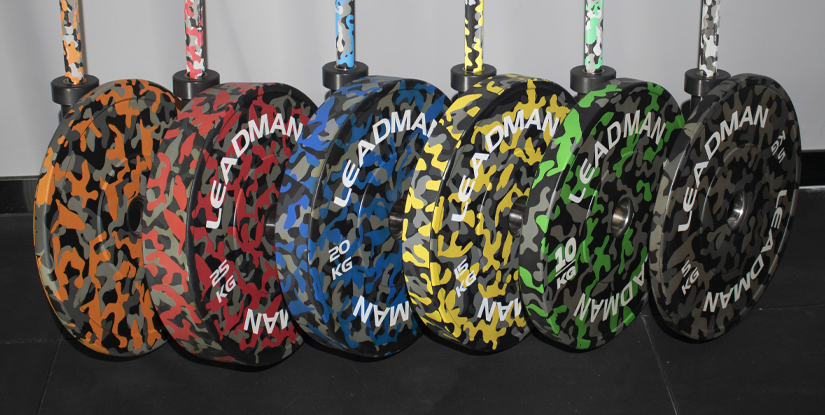
| Customization Level | Material & Color Selection | Branding & Logo | Typical MOQ | Lead Time Impact |
|---|---|---|---|---|
| Standard Wholesale | Pre-set colors/materials | Generic or No Logo | Low (Stock) | Fast (Immediate) |
| OEM (Light Custom) | Selected color palette | Single Color Logo | Medium | Standard Production |
| ODM (Full Custom) | Full material/weight specs | Full private label | High | Extended (R&D) |
Selecting the right tier of customization depends on your target market's sophistication. For distributors focused on high-volume, low-cost retail, standard stock is often sufficient. However, for premium fitness equipment manufacturer partners looking to supply high-end boutique studios, the ODM route offers the competitive edge required to command higher margins through proprietary designs and specialized weight distributions.
[IMAGE: A close-up shot of a premium ankle weight featuring a high-density neoprene texture and a subtle, embossed professional logo, highlighting the high-quality stitching and custom branding | ALT: professional custom branded ankle weight for private label fitness brands]Rigorous Quality Control and Export Logistics
The primary risk in high-volume bulk ankle weights procurement is product inconsistency, which can lead to high return rates and damaged distributor reputations. To mitigate this, a professional fitness equipment manufacturer must implement a multi-stage quality control (QC) framework. This begins with raw material verification—ensuring the density of the internal weight filling and the tensile strength of the outer fabric meet commercial-grade durability standards before the production line even starts.
Beyond material testing, we integrate a strict pre-shipment inspection protocol to ensure every unit in your order matches the approved sample. This includes weight tolerance checks, stitch durability testing, and fastening mechanism reliability. For international distributors, managing the total landed cost requires more than just a low unit price; it requires optimized export packaging. We utilize reinforced, moisture-proof, and stackable carton designs to maximize container loading efficiency, reducing the volumetric weight and protecting your inventory from transit damage.
To ensure seamless integration into your supply chain, we provide transparent documentation for all bulk shipments. Whether you are sourcing via FOB or CIF terms, our logistics team coordinates precise labeling and palletization to meet your local warehouse requirements. We recommend that buyers confirm their specific MOQ and shipping destination early in the process to allow for accurate freight forecasting and optimized production scheduling.
Logistics Excellence: Export Packaging and Container Loading Efficiency
Optimizing your supply chain begins with how your wholesale ankle weights are packed and staged for long-haul transit. For international distributors and gym equipment importers, the difference between a profitable shipment and a high-cost logistical error lies in shipping optimization. Efficiently managing the ratio of product volume to container space is a critical factor in maintaining healthy distributor margins when sourcing from a China factory.
A common procurement pitfall is overlooking the volumetric weight of soft fitness goods. Because ankle weights are relatively dense but often shipped in high-volume quantities, improper stacking or bulky individual packaging can lead to "shipping air," significantly inflating your landed cost. To mitigate this, professional bulk ankle weights procurement requires a focus on high-density packing configurations that maximize every cubic meter of a standard 20ft or 40ft container.
Storage and Loading Optimization Comparison
| Packaging Strategy | Space Utilization | Protection Level | Impact on Landed Cost |
|---|---|---|---|
| Standard Retail Blister Packs | Low (High Air Volume) | High (Individualized) | Increased due to volume |
| Compressed Polybagging | High (Compact Stacking) | Medium (Bulk Protection) | Optimized for weight/volume |
| Customized Export Cartons | Very High (Structured) | Maximum (Rigid Support) | Best for long-distance stability |
When ordering commercial gym supplies, we recommend discussing specific container loading efficiency requirements with your supplier during the initial sourcing phase. By utilizing nested packaging or vacuum-sealed options for non-rigid components, importers can increase the total unit count per shipment. This strategic approach ensures that your freight-to-value ratio remains optimal, protecting your bottom line against rising international shipping rates.
[IMAGE: A professional warehouse scene showing a high-density palletized shipment of fitness equipment, with neatly stacked export cartons and clear shrink-wrap, emphasizing organized logistics and volume utilization | ALT: optimized export packaging for bulk fitness equipment orders]Beyond individual unit density, professional export packaging must account for the structural integrity of the entire shipment during sea freight transit. A robust palletization strategy is essential to prevent crushed cartons and uneven weight distribution, which can lead to costly damage claims or rejected shipments at the port of entry. For high-volume buyers, the goal is to transition from loose-carton shipping to a standardized, heavy-duty pallet system that facilitates rapid unloading and efficient warehouse management.
Effective volume utilization involves more than just packing more units; it requires precision in weight-to-volume ratios. We provide detailed loading plans to our partners, ensuring that the weight of the wholesale ankle weights is distributed evenly across the pallet base to maintain stability. This level of technical oversight in the loading process minimizes the risk of shifting during transit, ensuring your commercial gym supplies arrive in a retail-ready state, ready for immediate distribution or studio deployment.
To ensure long-term product integrity, our fitness equipment manufacturer standards include rigorous moisture protection protocols. Long-distance sea freight often involves exposure to high humidity and temperature fluctuations within shipping containers. To prevent oxidation of internal weights or degradation of textile components, we utilize multi-layered protection, including moisture-absorbent silica packets and high-grade polybagging within our heavy-duty cartons. This proactive approach to sea freight durability ensures that your inventory arrives in pristine, sellable condition, regardless of the transit duration or external climate conditions.
For distributors managing complex international logistics, a reliable bulk procurement safety protocol is a non-negotiable requirement. We implement a strict QC (Quality Control) process that extends beyond the production line and into the final packaging stage. Every shipment undergoes a pre-shipment inspection to verify that carton strength, labeling accuracy, and pallet stability meet international export standards. By prioritizing these technical details, we help you reduce the risk of damaged goods and minimize the administrative burden of handling returns or insurance claims, ultimately protecting your distributor margins and ensuring a predictable landed cost.
Quality Control Protocols for Bulk Fitness Imports
For distributors and gym owners, the true cost of a bad shipment extends far beyond the initial invoice. When sourcing wholesale ankle weights, a single defective batch can trigger high return rates, damaged brand reputation, and unexpected liability claims. Relying on unverified suppliers increases the risk of weight shifting or strap failure, which directly impacts your long-term TCO (Total Cost of Ownership).
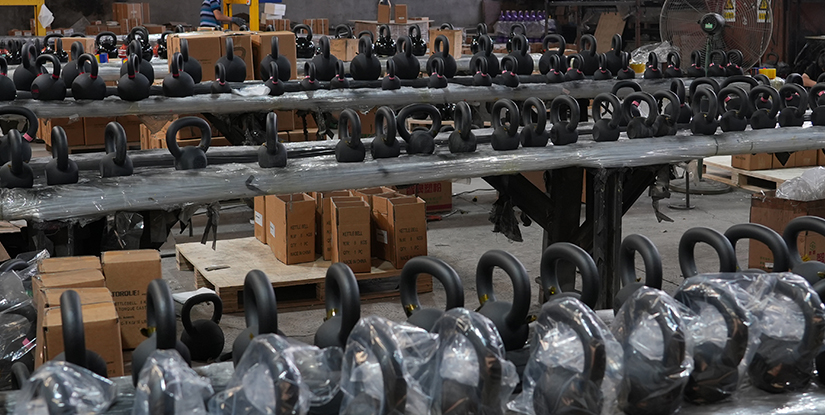
To mitigate these risks, a professional fitness equipment manufacturer must implement rigorous quality control protocols that go beyond basic visual inspections. We focus on ensuring material integrity and long-term durability through multi-stage testing. This includes verifying the density of the weight filling, the elasticity of the neoprene or silicone, and the stitch strength of the fastening systems. By maintaining strict standards during the production phase, our China factory ensures that every unit delivered meets the high-intensity demands of commercial gym supplies. This systematic approach reduces the need for replacement planning and protects your profit margins from the volatility of defective goods.
Standardized Inspection Parameters for High-Volume Sourcing
Precision is critical when ordering bulk ankle weights, as even minor deviations in weight or construction can lead to uneven training loads and consumer dissatisfaction. Our quality assurance team executes a tiered inspection process, focusing on three primary technical pillars: weight accuracy, structural integrity, and material durability. We maintain a strict weight tolerance of ±3% to ensure consistency across all SKUs within a single production run. This level of precision is essential for professional studios that require standardized equipment for group classes and specialized training protocols.
Beyond weight, we prioritize stitching strength and seam durability. High-intensity commercial use subjects equipment to constant tension and friction; therefore, we utilize reinforced double-stitching on all load-bearing points. Each batch undergoes stress testing to ensure the fabric and fasteners can withstand repetitive mechanical strain without tearing or losing shape. This rigorous oversight allows us to function as a reliable fitness equipment manufacturer that delivers high-performance gear capable of long-term use in high-traffic environments.
| Inspection Dimension | Standard Requirement | B2B Value Proposition | Sourcing Advantage |
|---|---|---|---|
| Weight Accuracy | ±3% Deviation Limit | Consistent training loads | Reduces returns/complaints |
| Stitching Strength | Reinforced Double-Stitch | High commercial durability | Lowers replacement frequency |
| Material Density | Uniform Fill Distribution | No shifting during use | Higher perceived quality |
| Fastener Reliability | High-Grade Velcro/Buckle | Secure fitment stability | Enhanced user safety |
Effective risk mitigation requires a seamless transition from the production line to the shipping container. For international buyers, the danger of a failed shipment lies not just in the product quality, but in inadequate protection against transit-related damage. A professional factory-direct approach ensures that your inventory arrives in pristine condition, regardless of the shipping distance or handling intensity.
Our export packaging protocols are specifically engineered for high-volume sea and air freight. We utilize heavy-duty, moisture-resistant outer cartons and reinforced internal dividers to prevent compression damage and maintain the structural shape of the weights. By optimizing the packing density and utilizing standardized palletization, we help you maximize container utilization, effectively lowering your per-unit landed cost. This focus on logistical efficiency ensures that your wholesale ankle weights arrive ready for immediate distribution or retail display, without the need for costly repackaging or dealing with damaged SKUs upon arrival.
To ensure complete transparency, we offer comprehensive pre-shipment inspection services. Before any order leaves our facility, a final audit is conducted to verify that the production output matches your approved samples and that the packaging meets international export standards. This final checkpoint is a critical tool for procurement managers to confirm that the lead time and quality benchmarks have been strictly honored. We encourage professional buyers to schedule a factory audit or request a detailed inspection report to validate our processes before final payment, ensuring a secure and predictable sourcing experience.
Procurement Checklist for Global Distributors
Optimizing your inventory requires moving beyond simple retail purchasing toward a professional sourcing strategy. For distributors, securing high-quality wholesale ankle weights directly from a China factory ensures better control over product consistency and long-term margins. Unlike small-scale trading, direct procurement allows you to align product specifications with the rigorous demands of commercial gym supplies and professional studio environments.
A successful import operation must account for more than just the unit price. Professional buyers must evaluate the total landed cost, which includes manufacturing, export packaging, and freight. Relying on a single-tier supplier without verifying MOQ requirements or lead time reliability can lead to stockouts or inflated warehousing costs. To maintain a competitive edge, distributors should prioritize manufacturers capable of providing scalable production and transparent shipping timelines.
Evaluating Sourcing Models and Customization Tiers
Before finalizing a purchase order, procurement managers must distinguish between the cost-efficiency of stock orders and the brand-building power of custom manufacturing. Choosing the wrong model can result in high inventory turnover but low brand loyalty, or conversely, high customization costs that erode your distributor margins. Use the following technical comparison to align your current procurement needs with the appropriate supply chain structure.
| Feature / Model | Standard Stock (Trader/Wholesale) | OEM / Private Label (Factory-Direct) |
|---|---|---|
| Primary Objective | Rapid replenishment & low initial risk | Brand differentiation & market authority |
| Customization Level | Limited to standard weight increments | Full control over materials, colors, and logos |
| Typical MOQ | Low (Small parcel or pallet quantities) | Higher (Volume-based production runs) |
| Production Lead Time | Short (Ready-to-ship inventory) | Extended (Includes material sourcing & tooling) |
| Quality Control (QC) | Standardized batch testing | Customized protocols per client specifications |
| Landed Cost Potential | Higher per-unit due to middleman margins | Optimized via direct-from-manufacturer scale |
For those looking to scale, leveraging bulk ankle weights through an OEM/ODM partnership allows for superior product differentiation. While stock orders serve immediate replenishment needs, a direct relationship with a fitness equipment manufacturer enables you to implement custom weight distributions or proprietary strap designs that meet specific commercial durability standards. We recommend requesting a detailed specification sheet and confirming the minimum production run for any custom branding to ensure your projected ROI remains healthy.
Optimizing Logistics and Storage Efficiency
Effective warehouse management for fitness accessories depends heavily on storage efficiency and volume density. For distributors managing high-SKU inventories, the physical footprint of a shipment can significantly impact your overhead. We prioritize highly stackable and compact packaging standards, ensuring that even large volumes of weight products are organized for rapid picking and minimal shelf disruption. By optimizing the ratio of product volume to container space, we help you reduce the per-unit shipping cost and improve your overall distributor margin.
To prevent damage during long-distance transit, every shipment undergoes rigorous export-ready testing. Our bulk orders are packed using reinforced, moisture-resistant materials designed for sea freight and heavy-duty handling. This focus on shipping optimization ensures that your inventory arrives at your warehouse in prime condition, reducing the need for costly returns or replacements due to transit-related wear. Before placing your next order, we suggest discussing your specific pallet configuration and container loading requirements with our export team to maximize your freight efficiency.