Wholesale Hand Weights: Bulk OEM from China Factory
Strategic Sourcing for Commercial Hand Weights
Many procurement professionals fail by prioritizing low unit costs from unverified traders, leading to high replacement frequencies and inconsistent weight tolerances. A more effective approach involves securing wholesale hand weights directly through a China factory to stabilize your Total Cost of Ownership (TCO). By bypassing intermediaries, distributors can secure consistent material grades and predictable bulk procurement cycles, ensuring long-term inventory reliability for commercial fitness facilities.
Direct sourcing from a specialized fitness equipment manufacturer allows you to control the variables that typically drive up operational expenses. Instead of dealing with the fluctuating quality of spot-market buys, professional buyers can establish a streamlined supply chain that emphasizes durability and standardized production. This strategic shift from reactive purchasing to proactive bulk dumbbell supply management reduces the frequency of equipment downtime and optimizes your long-term capital expenditure.
Evaluating Sourcing Models: Factory-Direct vs. Trading Companies
Choosing the right partner depends on your specific scale and customization requirements. While trading companies offer convenience for smaller, diverse orders, a direct fitness equipment manufacturer provides the structural advantages necessary for long-term brand stability and higher profit margins. For distributors and large-scale gym chains, the ability to control production parameters is a critical competitive advantage.
| Sourcing Dimension | Direct China Factory | Trading Company / Agent |
|---|---|---|
| Price Structure | Lowest landed cost; direct margin control | Higher unit price due to markup |
| Customization (OEM/ODM) | Full control over branding and specs | Limited to existing catalog items |
| MOQ (Minimum Order Quantity) | Higher requirements for custom production | Lower, more flexible for small batches |
| Quality Control (QC) | Direct oversight of production & raw materials | Dependent on third-party inspections |
| Lead Time | Predictable for large-scale production runs | Variable; subject to trader's inventory |
When planning your next inventory cycle, consider the long-term impact of your choice on your commercial hand weights specifications. For instance, if your business model relies on private labeling or specific ergonomic adjustments, a factory-direct partnership is indispensable. We recommend requesting a detailed technical spec sheet and confirming the MOQ for your specific weight ranges before initiating a sample approval process or a formal factory audit.
Mitigating Risks via QC and Optimized Logistics
The true cost of a bulk order is rarely found in the initial invoice, but rather in the hidden expenses of damaged goods and shipping inefficiencies. For importers managing a large-scale bulk dumbbell supply, a failure in QC (Quality Control) can lead to catastrophic results, such as uneven weight distribution or coating failures that necessitate costly returns. Implementing a rigorous pre-shipment inspection protocol ensures that every unit meets the exact density and finish requirements demanded by high-traffic commercial environments.
Beyond product integrity, professional export packaging is vital for protecting your investment during long-haul maritime transit. Standardized, reinforced palletizing and moisture-resistant wrapping are essential to prevent oxidation and physical damage. By coordinating closely with your fitness equipment manufacturer regarding container loading optimization, you can maximize volume efficiency. This attention to detail directly lowers your landed cost, allowing distributors to maintain healthier margins while delivering premium, unblemmed inventory to their end-users.
Evaluating Material Durability and Lifecycle Costs
For professional distributors and gym operators, the initial purchase price of wholesale hand weights is often a misleading metric. True profitability is determined by the Total Cost of Ownership (TCO), which accounts for the frequency of replacement and the impact of material degradation over time. In high-traffic gym environments, equipment is subjected to constant impact, sweat-induced oxidation, and friction. Sourcing low-grade components may lower your upfront landed cost, but it inevitably accelerates replacement cycles, forcing frequent re-ordering and disrupting your inventory stability.
When sourcing directly from a China factory, it is critical to evaluate the grade of the core material and the quality of the outer coating. High-quality commercial hand weights utilize high-density cast iron or specialized urethane coatings to prevent chipping and corrosion. Selecting premium materials reduces the long-term maintenance load and ensures that your bulk dumbbell supply remains a durable asset rather than a recurring expense.
| Procurement Factor | Standard Wholesale Grade | Premium Commercial Grade |
|---|---|---|
| Primary Material | Standard Cast Iron | High-Density Cast Iron / Urethane |
| Surface Durability | Basic Powder Coating | Anti-Corrosion / Impact-Resistant |
| Replacement Cycle | High (Frequent due to wear) | Low (Extended lifecycle) |
| Long-term TCO | Higher (Due to re-ordering) | Lower (Optimized ROI) |
| Best For | Budget Studios / Home Use | Full-Scale Commercial Gyms |
A strategic fitness equipment manufacturer will provide detailed specifications regarding the coating thickness and the density of the weight core. By prioritizing durability during the OEM or wholesale selection process, buyers can mitigate the risk of material failure and ensure a higher return on investment for their clients and distributors.
Material Comparison for Commercial Selection
Selecting the appropriate coating is not merely an aesthetic decision; it is a technical requirement that dictates the longevity of your inventory. For instance, neoprene-coated weights offer excellent grip and floor protection, but they are susceptible to tearing under heavy commercial use. Conversely, rubber-encapsulated weights provide superior wear resistance and impact absorption, making them a staple for high-intensity training facilities. When managing a bulk dumbbell supply, understanding these nuances prevents the common pitfall of importing products that fail to meet the rigorous demands of professional athletes.
The integrity of the coating determines the frequency of maintenance and the overall material durability of the product. High-grade urethane or heavy-duty rubber coatings ensure that the weight remains intact even after repeated drops, protecting the internal cast iron core from oxidation. When coordinating with a fitness equipment manufacturer, we recommend requesting specific data on coating integrity and thickness to ensure the product can withstand the environmental stresses of a commercial gym, such as high humidity and frequent chemical cleaning.
[IMAGE: A close-up, high-angle shot showing the texture difference between neoprene, rubber-coated, and cast iron hand weights on a gym floor | ALT: Comparison of commercial hand weight surface coatings and material durability]To optimize your procurement strategy, consider the following technical distinctions between common wholesale materials:
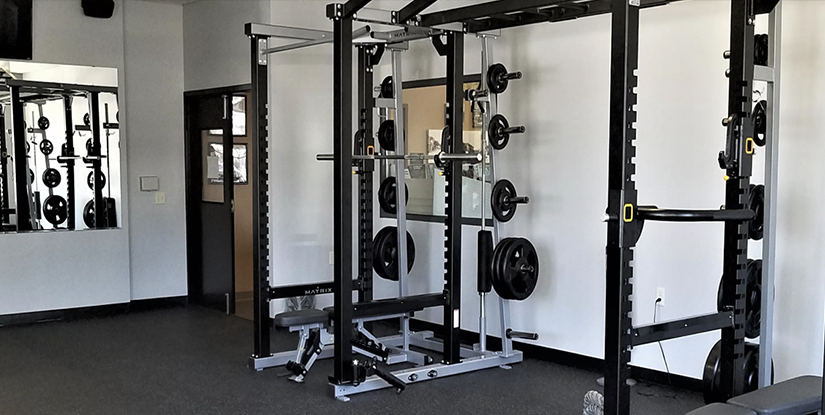
- Neoprene: Ideal for boutique studios and light commercial use; provides a soft grip but has lower resistance to punctures and heavy impact.
- Rubber/Urethane: The gold standard for high-traffic gyms; offers maximum protection against chipping and extends the product's functional lifespan.
- Cast Iron (Uncoated/Powder Coated): Most cost-effective for high-volume orders; requires strict QC standards to prevent rust and surface degradation in humid environments.
Before finalizing your next order, we suggest requesting a technical specification sheet or a sample evaluation to verify the density and finish of the chosen material. This step is essential to ensure your wholesale hand weights align with the quality expectations of your target market and to confirm that the China factory can meet your specific OEM requirements for long-term durability.
Optimizing OEM Customization and Private Labeling
For established fitness distributors and gym equipment brands, relying solely on generic, off-the-shelf products limits market differentiation and brand authority. Transitioning from standard procurement to a private label model allows you to control the aesthetic and functional identity of your inventory. When sourcing wholesale hand weights, choosing between ready-to-ship stock and customized manufacturing is a critical decision that impacts your long-term brand equity and profit margins.
Working directly with a specialized China factory offers two distinct paths for scaling your product line. Standard wholesale involves purchasing existing SKUs with minimal changes, which is efficient for rapid restocking. However, true OEM and ODM services enable you to specify material finishes—such as premium urethane coatings or specialized grip textures—and integrate your proprietary logo. This level of customization transforms a commodity item into a branded asset, increasing the perceived value for your end-users and strengthening your position in the premium commercial market.
| Procurement Model | Customization Depth | Typical MOQ | Lead Time Impact | Strategic Value |
|---|---|---|---|---|
| Standard Wholesale | Minimal (Logo only) | Low | Short / Immediate | Rapid inventory turnover |
| OEM Manufacturing | High (Color, Material, Shape) | Moderate to High | Extended | Brand differentiation |
| Full ODM Solution | Complete (New Product Design) | High | Longest | Intellectual property ownership |
Evaluating Cost Impact and Sourcing Strategy
Deciding between standard orders and customized production requires a precise calculation of landed cost versus long-term ROI. While a bulk dumbbell supply of standard stock offers the lowest initial barrier to entry and faster shipping, it lacks the competitive edge required for high-end studio franchises. For distributors aiming to build a proprietary product line, the higher upfront investment in customized production is often offset by increased brand loyalty and higher retail margins.
When negotiating with a fitness equipment manufacturer, procurement leads must account for the interplay between customization depth and the total cost of ownership. Specialized finishes, such as high-density neoprene or anti-slip rubber, may increase the unit price but significantly reduce long-term maintenance and replacement needs in high-traffic commercial environments. We recommend requesting a detailed spec sheet and a tiered pricing breakdown based on your target MOQ to accurately project your margins before finalizing a production schedule.
Technical Execution: Precision in Branding and Quality Control
Effective branding in the commercial sector extends far beyond a simple logo placement; it requires rigorous technical oversight to ensure aesthetic consistency and long-term material durability. A common failure in low-tier sourcing is the premature degradation of branding due to improper application methods. Whether you are opting for laser etching on cast iron or high-durability silk screening on neoprene-coated surfaces, the method must withstand the friction and chemical exposure typical of high-intensity commercial environments. When you commission a fitness equipment manufacturer for custom orders, you are essentially investing in the visual longevity of your brand assets.
To mitigate the risk of substandard batches, professional procurement teams must mandate strict QC standards throughout the manufacturing lifecycle. This includes oversight of the color coating process to prevent peeling or uneven textures, and rigorous testing of logo application techniques to ensure high-definition clarity that does not fade under heavy usage. We advise our partners to implement a multi-stage production oversight protocol. This should include a pre-production sample approval phase and a formal pre-shipment inspection to verify that every unit meets the exact technical specifications and color tolerances required for your professional product line.
Quality Control Protocols and Pre-Shipment Inspections
For distributors and gym operators, the cost of a defective shipment extends far beyond the initial wholesale hand weights purchase price. A single batch of substandard equipment can trigger high return rates, increased maintenance labor, and significant damage to your brand reputation. When sourcing commercial hand weights, relying on a generic supplier without rigorous oversight introduces unacceptable risks to your long-term TCO (Total Cost of Ownership).
To mitigate these risks, a professional China factory must implement a multi-stage quality assurance framework. This begins with raw material verification—ensuring steel density and coating adhesion meet durability standards—and continues through automated weight testing to prevent calibration errors. By prioritizing defect prevention through strict factory-direct oversight, importers can ensure that every unit in a bulk dumbbell supply arrives meeting exact technical specifications, protecting both their profit margins and client satisfaction.
Rigorous Inspection Stages for Bulk Orders
Reliability in a bulk dumbbell supply is not achieved by chance; it is the result of systematic, repeatable testing protocols. A professional manufacturing workflow separates high-tier commercial equipment from low-grade consumer products by focusing on structural integrity and weight precision. Our inspection framework is designed to eliminate the variables that typically lead to costly replacements or client complaints in high-traffic gym environments.
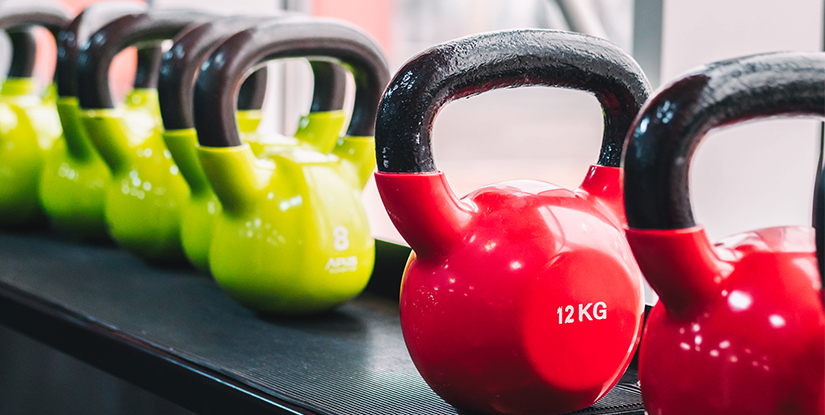
The process begins with raw material validation, where we verify the grade of steel and the chemical composition of the urethane or neoprene coatings. This is followed by rigorous material testing to ensure chemical stability and impact resistance. Once the cores are cast, every unit undergoes precision calibration to ensure weight accuracy, preventing the common issue of uneven weight distribution that can compromise professional training standards. Finally, a comprehensive pre-shipment inspection is conducted to verify packaging durability and shipping readiness, ensuring your landed cost remains predictable and your inventory arrives intact.
| Inspection Stage | Primary Focus Area | B2B Value Proposition |
|---|---|---|
| Raw Material Audit | Steel density & coating adhesion | Reduces long-term maintenance load |
| Production Sampling | Structural integrity & weld strength | Minimizes defective unit rates |
| Weight Calibration | Standardized mass accuracy | Ensures professional-grade consistency |
| Final Pre-Shipment | Packaging stability & SKU accuracy | Protects distributor profit margins |
For procurement leads managing large-scale fitness equipment manufacturer partnerships, these protocols serve as a critical layer of insurance. We recommend that buyers schedule a formal factory audit or request a sample evaluation to verify these inspection protocols firsthand. Confirming these standards before finalizing your MOQ ensures that your bulk investment translates into high-performance assets for your end-users.
Effective risk mitigation during the procurement cycle requires more than just a trust in a brand; it requires a verified system of accountability. For importers, the most significant hidden cost is not the unit price, but the logistical and reputational fallout of receiving non-compliant goods. Whether you are managing a single large-scale shipment or a recurring wholesale replenishment cycle, a lack of standardized oversight can lead to devastating delays in your supply chain and increased landed costs due to damaged or incorrect SKUs.
To prevent these disruptions, we provide a transparent sourcing framework that integrates directly with your procurement timeline. This includes detailed documentation for every stage of the manufacturing process, ensuring that your OEM/ODM specifications are met with precision. By aligning our internal QC checkpoints with your specific delivery deadlines and lead time requirements, we ensure that your inventory arrives ready for immediate distribution or installation, effectively reducing the friction between factory production and final market delivery.
Logistics Management: Export Packaging and Container Loading
Optimizing the landed cost of wholesale hand weights requires more than just low unit prices; it demands precision in how goods are secured for long-haul maritime transit. For distributors and gym equipment importers, the primary risk during sea freight is structural damage to packaging or weight shifts within the container, which can lead to costly returns and diminished profit margins.
To mitigate these risks, our China factory implements rigorous export packaging protocols designed specifically for high-density, heavy-duty fitness products. We utilize high-density, heavy-duty cartons that are reinforced to withstand stacking pressure and prevent bursting during handling. Each unit is strategically arranged to ensure stability, reducing the likelihood of dented coatings or damaged handles upon arrival at your warehouse.
Beyond individual box strength, we focus heavily on palletization and container loading optimization. By utilizing standardized pallet dimensions and professional shrink-wrapping techniques, we maximize the cubic capacity of every 20ft or 40ft container. This systematic approach ensures that your bulk dumbbell supply arrives in a consolidated, stable configuration, minimizing wasted space and reducing the overall freight cost per unit for your commercial hand weights inventory.
[IMAGE: A high-angle shot of a professional warehouse loading zone showing heavy-duty corrugated boxes and palletized fitness weights wrapped in industrial stretch film, ready for container loading | ALT: professional export packaging for bulk fitness equipment]Container Loading Efficiency and Freight Optimization
Procurement managers must decide between loose loading and palletized shipments based on their specific warehouse infrastructure and the total volume of the order. While loose loading might slightly increase the number of units per container, it significantly increases labor costs and the risk of product damage during unloading. For a high-volume bulk dumbbell supply, we recommend a standardized palletized approach to ensure rapid turnaround at your destination port.
The following table compares the two primary shipping configurations to help you calculate the most efficient way to manage your landed cost and warehouse throughput.
| Loading Method | Container Type | Primary Advantage | Best For |
|---|---|---|---|
| Loose Loading | 20GP / 40HQ | Maximizes total weight capacity and unit count | Low-margin, high-density items with simple shapes |
| Palletized Loading | 20GP / 40HQ | Reduces unloading time and minimizes product damage | Premium commercial hand weights and high-SKU orders |
| Mixed SKU Pallets | 40HQ | Optimizes space for varied weight ranges | Distributors managing diverse inventory profiles |
When calculating your final budget, always account for the distinction between volumetric weight and actual weight. Because hand weights are high-density products, containers often hit their maximum weight limit before they reach maximum volumetric capacity. Working closely with a professional manufacturer allows you to optimize the weight-to-volume ratio, ensuring you are not paying for empty space or exceeding maritime weight restrictions prematurely.
To ensure your specific shipping requirements are met, please contact our logistics team to request a detailed loading plan or a formal quote based on your preferred container type and destination port.
Effective procurement planning requires a clear understanding of the documentation and inspection workflows that bridge the gap between the factory floor and your local warehouse. Relying on a professional fitness equipment manufacturer ensures that your order is not only physically secure but also legally compliant with international trade standards, preventing costly delays at customs or port-of-entry inspections.
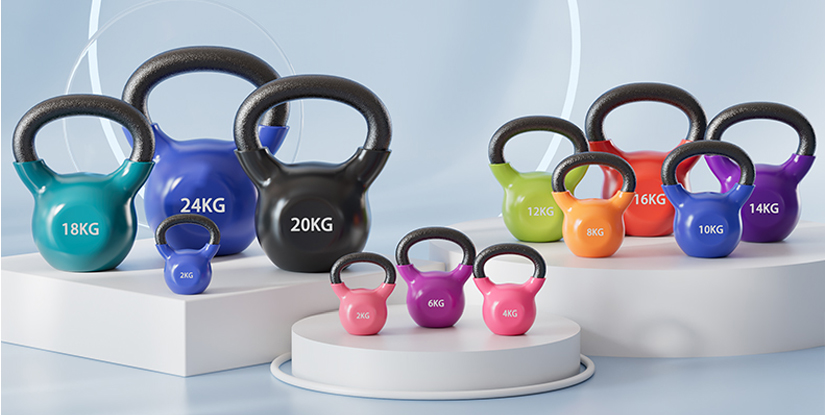
A standard lead time for high-volume orders typically includes a dedicated window for production, followed by a mandatory QC inspection before loading. This step is critical for distributors; it is the final opportunity to verify that the weight tolerances, coating finishes, and packaging integrity meet the agreed-upon specifications. We recommend that buyers either schedule a third-party inspection or request a detailed pre-shipment report to ensure the wholesale hand weights delivered are exactly what was ordered.
Furthermore, managing the complexities of international sea freight requires meticulous shipping documentation. Our export department handles the preparation of essential paperwork, including Commercial Invoices, Packing Lists, and Bills of Lading, to facilitate smooth bulk order logistics. By ensuring all shipping documentation is accurate and aligned with your local customs requirements, we help you minimize the risk of unexpected demurrage fees or clearance delays, ultimately protecting your distributor margins and maintaining a predictable supply chain.
Streamlining Bulk Procurement and Inventory Planning
Efficiently managing wholesale hand weights procurement requires a strategic balance between order volume and supply chain responsiveness. For distributors, the primary challenge lies in aligning MOQ requirements with predictable lead time cycles to prevent both stockouts and excessive capital tie-up.
When sourcing a bulk dumbbell supply, failing to account for production windows and shipping transit can disrupt your inventory turnover rates. Relying on a China factory that offers transparent scheduling allows you to optimize your distributor margin by reducing emergency air-freight costs and maintaining a lean, high-velocity warehouse model.
| Procurement Factor | Small-Batch Trading | Direct Factory Sourcing |
|---|---|---|
| MOQ Flexibility | Low (High Unit Cost) | Tiered (Optimized for Volume) |
| Lead Time Control | Limited/Unpredictable | High (Direct Production Oversight) |
| Distributor Margin | Compressed by Middlemen | Maximized via Factory-Direct |
| Customization (OEM) | Minimal/None | Full Brand Integration |
Selecting the right production model is a critical component of a long-term procurement strategy. Depending on your market positioning—whether you are a local retailer or a global equipment brand—the choice between purchasing existing stock or engaging in full-scale manufacturing will dictate your long-term profitability and brand equity.
Strategic Comparison: Stock vs. Custom Manufacturing
For rapid market entry, purchasing standard commercial hand weights from a factory's ready-to-ship inventory minimizes initial risk. However, for established distributors seeking to build brand loyalty, leveraging OEM or ODM capabilities is essential. Customization allows you to control the aesthetic and technical specifications of your product line, ensuring it meets the specific durability standards required by your target commercial clients.
| Sourcing Model | Best Use Case | Customization Scope | Landed Cost Impact |
|---|---|---|---|
| Stock/Ready-to-Ship | Testing new markets or quick replenishment. | Standard colors and existing branding only. | Lower initial outlay; higher per-unit cost. |
| OEM (Private Label) | Scaling a recognized brand identity. | Custom logos, colors, and packaging. | Improved margins through volume efficiency. |
| ODM (Full Development) | Launching proprietary/innovative designs. | Unique material composition and ergonomic shapes. | Highest initial R&D; lowest long-term TCO. |
Understanding these variables helps prevent the common pitfall of high landed cost due to unexpected customization fees or shipping delays. We recommend reviewing your projected annual volume before finalizing your request to ensure your chosen model provides the best return on investment and supports your long-term growth targets.
Mitigating Risk Through Quality Control and Export Logistics
The most significant threat to a distributor's profitability is not the unit price, but the hidden costs of poor QC and inefficient shipping logistics. A single batch of defective weights arriving at a commercial facility can lead to costly returns, damaged brand reputation, and significant logistical overhead. To protect your distributor margin, it is essential to partner with a fitness equipment manufacturer that maintains rigorous, multi-stage inspection protocols before any container is sealed.
Effective export packaging is equally critical for heavy, high-density products like hand weights. Standardized, reinforced palletization and moisture-proof wrapping are not optional; they are necessary to prevent damage during long-haul maritime transit. By prioritizing a supplier that understands the nuances of heavy-load shipping logistics, you can minimize the risk of transit-related breakage and ensure that your landed cost remains predictable and within budget.
Before finalizing your next bulk procurement order, we recommend a structured approach to verification. We encourage professional buyers to request a detailed specification sheet, confirm current MOQ tiers for custom branding, and arrange for a third-party factory audit or pre-shipment inspection. Establishing these protocols early ensures that your inventory arrives ready for immediate commercial deployment.