Premium Metal Weightlifting Plates for Commercial Gyms
Optimizing SKU Breadth and Inventory Turnover for Weightlifting Equipment
Many procurement managers fall into the trap of prioritizing low initial unit costs, only to face escalating long-term expenses due to frequent equipment failure. This mistake leads to high replacement frequency and disrupted supply chains. A more strategic approach involves sourcing high-performance metal weightlifting plates that offer a superior balance of initial investment and lifecycle longevity. By investing in commercial grade barbell plates with precision casting, distributors can ensure their clients receive equipment that withstands rigorous daily use without premature wear.
The direct correlation between durability vs replacement cycles is a critical metric for facility profitability. When a gym relies on substandard industrial iron weight plates, they face the hidden costs of constant reordering and shipping logistics. High-quality metal weightlifting plates minimize these disruptions, effectively reducing downtime in high-traffic facilities. For wholesalers, offering bulk gym weight equipment that maintains its structural integrity reduces the frequency of customer complaints and warranty claims, ultimately accelerating inventory turnover rates and stabilizing long-term revenue streams.
Strategic Sourcing: Bulk Procurement vs. Small-Batch Retail
From a procurement standpoint, the financial discrepancy between small-batch orders and volume sourcing is substantial. While retail-level purchasing might seem attractive for testing small inventories, it fails to leverage the economies of scale necessary for profitable distribution. Small-batch orders often incur disproportionately high per-unit shipping costs and administrative overhead, which erode your profit margins. In contrast, sourcing industrial iron weight plates through direct factory channels allows you to tap into significant wholesale pricing advantages.
For distributors managing high-volume fitness centers, the goal is to optimize the landed cost per unit. By investing in bulk gym weight equipment, you mitigate the risks of fluctuating freight rates and fragmented logistics. Large-scale procurement ensures a consistent supply of metal weightlifting plates that meet strict quality control standards, allowing you to fulfill large-scale facility contracts without the logistical bottlenecks associated with frequent, smaller shipments. Scaling your orders is not just about volume; it is about securing a competitive edge in the global export market.
Procurement Model Comparison: Direct Factory vs. Local Distributor
Deciding between direct sourcing and local procurement requires a calculated analysis of your margin requirements and operational capacity. While local distributors offer speed, direct factory sourcing provides the scale necessary for high-growth fitness brands. Use the comparison below to align your sourcing strategy with your current business objectives.
| Feature | Direct Factory Sourcing | Local Distributor |
|---|---|---|
| Pricing & Margins | Maximum wholesale advantage | Higher per-unit markup |
| MOQ (Minimum Order Quantity) | Strict/High volume requirements | Flexible/Low volume options |
| Logistics/Shipping costs | Optimized via sea freight/containers | Higher domestic freight costs |
| Quality Control (QC) oversight | Direct factory inspections/customization | Third-party oversight only |
| Product Type | Customized commercial grade barbell plates | Standardized, ready-to-ship stock |
For enterprises scaling their bulk gym weight equipment inventory, direct sourcing offers superior control over Quality Control (QC) oversight and long-term unit costs. However, buyers must account for higher MOQ (Minimum Order Quantity) thresholds and longer lead times for Logistics/Shipping costs. Selecting the right model ensures your metal weightlifting plates supply chain remains both profitable and resilient.
Engineering Durability for High-Traffic Commercial Environments
In high-volume fitness facilities, equipment failure is not an option. Standard fitness gear often fails under the relentless stress of daily heavy lifting, leading to replacement costs and downtime. To mitigate these operational risks, distributors must source industrial iron weight plates engineered for extreme longevity. Our manufacturing process focuses on maintaining rigorous structural integrity, ensuring that every unit can withstand the rigors of constant loading and unloading in professional environments.
Unlike consumer-grade alternatives, our commercial grade barbell plates are designed with high high-impact resistance to prevent cracking or deformation during heavy drops. For wholesale buyers and gym distributors, this means a lower total cost of ownership and fewer client complaints. By prioritizing density and precision casting, we provide metal weightlifting plates that meet the strict durability standards required for top-tier strength training facilities worldwide.
Achieving long-term reliability requires more than just raw material; it demands strict adherence to technical specifications during production. Our factory utilizes advanced precision casting techniques to ensure uniform density across every unit, eliminating the air pockets and structural weaknesses found in lower-tier bulk gym weight equipment. This level of engineering is critical for procurement managers who cannot afford the liability of uneven weight distribution or premature material fatigue.
To guarantee consistency for large-scale orders, we implement rigorous QC protocols at every stage of the manufacturing cycle. Every batch of metal weightlifting plates undergoes strict tolerance standards testing to ensure weight accuracy within a minimal margin of error. For international distributors, this commitment to precision means receiving a predictable, high-performance product that meets global compliance requirements. By auditing our industrial iron weight plates through multiple inspection layers, we ensure that your shipment arrives ready for immediate deployment in the most demanding professional strength environments.
Technical Material Specification and Performance Comparison
Selecting the correct substrate is a critical decision for procurement officers balancing upfront costs against long-term lifecycle value. While standard options suffice for home use, commercial facilities require specific material properties to ensure wear resistance and coating longevity. The choice between cast and forged materials directly impacts the frequency of replacement cycles and the overall maintenance budget of the facility.
The following table provides a technical breakdown to assist distributors in evaluating the structural advantages of different metal weightlifting plates based on high-traffic performance metrics:
| Feature | Cast Iron (Standard) | Forged Steel (Premium) |
|---|---|---|
| Density Consistency | High (Uniform Casting) | Extreme (High-Pressure Compression) |
| Impact Resistance | Moderate (Brittle under extreme drop) | Superior (High Tensile Strength) |
| Surface Durability | Standard Powder Coating | Advanced Industrial Grade Finish |
| Lifecycle Expectancy | Long-term (Standard Commercial) | Maximum (Heavy-Duty/Competition) |
When sourcing bulk gym weight equipment, understanding these nuances allows for more strategic inventory management. Our factory-direct commercial grade barbell plates are engineered to maintain precision even under the most aggressive usage patterns, ensuring your clients receive a product that retains its aesthetic and structural integrity over time.
Material Specifications and Precision Standards for Industrial Iron Weight Plates
For distributors sourcing high-volume inventory, the longevity of metal weightlifting plates depends entirely on metallurgical integrity. Low-quality imitations often suffer from structural fatigue, but our industrial iron weight plates are engineered through advanced precision casting techniques. This process ensures a consistent density that prevents cracking under heavy impact, a critical factor for high-traffic durability in commercial environments.
Beyond raw strength, professional procurement teams must prioritize tolerance standards. Inconsistent thickness or diameter variations can lead to uneven barbell loading, creating safety liabilities for gym owners. We maintain strict quality control to ensure every unit meets exact dimensional specifications, providing the reliability required for high-performance facilities.
| Material Grade | Casting Method | Structural Integrity | Best Use Case |
|---|---|---|---|
| Standard Cast Iron | Sand Casting | Moderate | Budget-Conscious Gyms |
| Premium Industrial Iron | Precision Casting | High | High-Traffic Commercial Facilities |
| Reinforced Alloy | Precision Forging | Extreme | Professional Training Centers |
When evaluating commercial grade barbell plates, technical specifications should outweigh low initial costs. Investing in superior metallurgical composition reduces long-term replacement cycles and enhances your reputation as a reliable supplier of bulk gym weight equipment.
To ensure long-term operational efficiency, procurement officers must validate the exact dimensional deviations allowed during production. Our manufacturing consistency is driven by rigorous QC inspection protocols, including weight verification and diameter precision testing, to mitigate the risk of uneven barbell distribution. The following technical breakdown illustrates our standard for commercial grade barbell plates, highlighting the relationship between material selection and dimensional accuracy.
| Material Type | Tolerance Threshold | Protective Coating | Durability Profile |
|---|---|---|---|
| Industrial Iron | ±1% Weight Variance | Electrostatic Powder Coat | High-Impact Resistance |
| Reinforced Alloy | ±0.5% Weight Variance | Polyurethane/Ceramic | Extreme Wear Protection |
By prioritizing these technical benchmarks, distributors can guarantee that their bulk gym weight equipment shipments meet the strict demands of international professional standards, reducing the overhead associated with defective returns or product failures.
Optimizing Asset Longevity and Global Distribution
Long-term profitability for distributors depends on the ability to provide equipment that withstands rigorous environmental exposure. To prevent the degradation common in lower-tier imports, our metal weightlifting plates undergo specialized surface coating maintenance protocols during the finishing stage. By utilizing high-grade electrostatic powder coatings and advanced chemical treatments, we maximize oxidation resistance, ensuring the iron remains structurally sound even in high-humidity fitness environments.
Managing large-scale inventory requires more than just product quality; it requires a seamless supply chain. We specialize in the complex global export logistics necessary to move massive volumes of bulk gym weight equipment across international borders without compromising shipment integrity. Our packaging solutions are engineered to prevent transit-related friction, preserving the wholesale durability of every unit from the factory floor to your warehouse. For B2B buyers, this means reduced breakage rates, minimal inspection overhead, and a reliable pipeline of high-performance commercial grade barbell plates ready for immediate market deployment.
Logistics and Volume Scaling for Bulk Gym Weight Equipment Procurement
Optimizing your procurement budget requires a strategic understanding of how volume directly influences your bottom line. When sourcing industrial iron weight plates for large-scale facility rollouts or retail distribution, the most significant lever for unit cost reduction is the implementation of economies of scale. Moving from small-batch orders to high-volume procurement allows distributors to tap into more aggressive wholesale pricing structures that are often unavailable at the retail or small-gym level.
For professional buyers, the goal is to minimize the landed cost per kilogram. By consolidating bulk gym weight equipment into full container loads (FCL), you effectively mitigate the impact of per-unit shipping overhead and leverage factory-direct pricing. High-volume orders enable us to streamline manufacturing runs, ensuring that your metal weightlifting plates benefit from optimized production cycles. This approach not only stabilizes your inventory costs but also provides the predictable margins necessary for scaling a competitive fitness brand in the global market.
Beyond unit pricing, the true complexity of international procurement lies in the precision of global export logistics. To ensure maximum efficiency, our facility prioritizes shipping container optimization, calculating the exact volumetric density of every shipment. This meticulous planning prevents wasted space and reduces the freight-to-value ratio, ensuring that your high-density commercial grade barbell plates arrive with the lowest possible landed cost per unit. We work closely with freight forwarders to manage the transition from factory floor to international ports, minimizing lead-time volatility.
To maintain high-margin reliability, we implement rigorous quality assurance protocols at every stage of the bulk manufacturing process. Every batch undergoes strict tolerance testing to ensure dimensional accuracy and material consistency before it leaves our warehouse. We also establish clear MOQ (Minimum Order Quantity) thresholds to provide distributors with a predictable framework for scaling. By combining strict quality control with advanced logistical management, we ensure that your large-scale orders of metal weightlifting plates meet the demanding standards of professional fitness facilities worldwide.
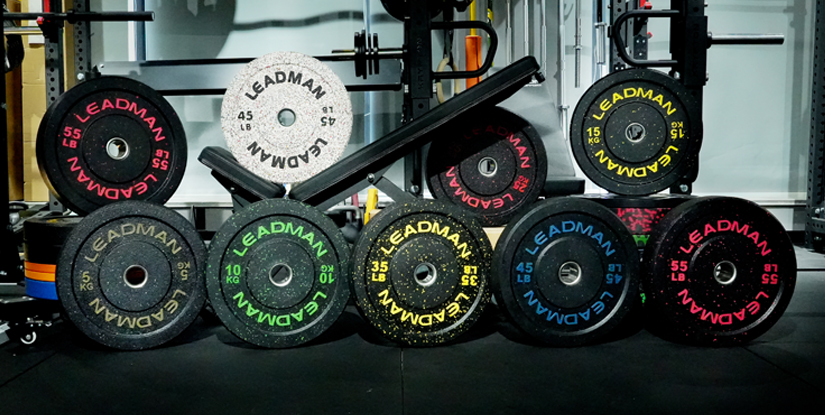
When deciding between direct sourcing and local procurement, B2B buyers must weigh immediate availability against long-term margin potential. Selecting the right procurement model is critical for maintaining a healthy cash flow and ensuring consistent inventory levels for your clients. The following comparison outlines the structural differences between sourcing metal weightlifting plates directly from a manufacturing facility versus utilizing a regional distributor.
Procurement Model Comparison: Direct Factory vs. Local Distributor
| Feature | Direct Factory Sourcing | Local Distributor | |
|---|---|---|---|
| Landed Cost | Lowest (Direct Wholesale) | Higher (Markup Included) | |
| Lead Times | Longer (Production + Transit) | Short (Local Stock) | |
| Supply Chain Reliability | High (Control over Manufacturing) | Moderate (Subject to Local Stock) | |
| Customization | Full OEM/ODM Capabilities | Limited to Existing SKU |
For distributors aiming for maximum scalability, direct factory sourcing offers the most robust supply chain reliability. While the initial lead times may be longer due to international freight, the ability to control production schedules and bypass middleman markups ensures your commercial grade barbell plates remain price-competitive in your local market. For high-volume projects, the direct model is the superior strategy for long-term capital efficiency.
Quality Control Protocols for Global Export of Commercial Grade Barbell Plates
For distributors sourcing commercial grade barbell plates, the primary concern is not just the initial aesthetic, but the long-term reliability of the inventory under heavy usage. High-traffic fitness facilities demand equipment that withstands constant impact without degradation. To meet these professional standards, our manufacturing process incorporates rigorous tolerance testing to ensure every unit adheres to precise dimensional specifications. This prevents uneven weight distribution and ensures a seamless fit on standard Olympic bars.
Beyond dimensions, we implement strict material density verification to guarantee that every piece of industrial iron weight plates possesses a consistent core. This prevents internal voids or structural weaknesses that can lead to premature failure. Furthermore, every batch undergoes comprehensive structural integrity assessments, including high-impact stress tests, to certify that these metal weightlifting plates can endure the rigors of professional training environments. By prioritizing these stringent QC protocols, we provide our global partners with bulk gym weight equipment that minimizes replacement costs and maximizes client satisfaction.
To ensure long-term durability for international distributors, our final inspection phase focuses heavily on surface integrity and environmental resilience. Each unit undergoes a meticulous surface coating inspection to identify any microscopic imperfections in the finish that could lead to premature wear. This step is critical for maintaining high oxidation resistance, ensuring that the metal weightlifting plates remain rust-free even in humid or high-traffic gym environments. We recognize that for wholesale buyers, the longevity of the product directly impacts their reputation and bottom line.
Our facility also enforces strict batch consistency protocols to ensure that weight tolerances and aesthetic qualities remain uniform across massive orders. Every shipment is accompanied by comprehensive QC documentation, providing verifiable proof that your commercial grade barbell plates have passed every rigorous stress and coating test. This transparency allows procurement managers to source bulk gym weight equipment with total confidence, knowing that the high-quality standards established at the factory level are strictly maintained through to the final export stage.
Understanding the technical lifecycle of your inventory is vital for accurate procurement planning. Different grades of bulk gym weight equipment exhibit varying wear-and-tear thresholds depending on the metallurgical composition and coating thickness. For distributors managing global logistics, selecting the correct grade ensures that the metal weightlifting plates arrive in optimal condition and remain functional in diverse climates.
The following table outlines the relationship between material composition, corrosion resistance levels, and long-term operational reliability to assist in your sourcing decisions.
| Material Type | Maintenance Frequency | Expected Lifespan | Corrosion Resistance |
|---|---|---|---|
| Standard Cast Iron | High (Bi-annual inspection) | 5-7 Years | Moderate |
| Industrial Iron Weight Plates | Medium (Annual inspection) | 10-12 Years | High |
| Commercial Grade Barbell Plates (Powder Coated) | Low (Every 24 months) | 15+ Years | Extreme |
By analyzing these metrics, procurement officers can better calculate the total cost of ownership and mitigate the risk of premature inventory turnover in high-traffic commercial environments.
OEM and Custom Branding Strategies for Fitness Distributors
Maximizing profit margins in the fitness supply chain requires moving beyond simple retail procurement toward strategic manufacturing partnerships. For distributors looking to scale, investing in custom-branded metal weightlifting plates offers a superior return on investment compared to white-labeling generic products. By leveraging economies of scale through direct factory engagement, you can significantly reduce the per-unit cost of your inventory.
When you transition from small-batch orders to high-volume production, you unlock factory-direct pricing that is unavailable through traditional wholesalers. While a higher MOQ (Minimum Order Quantity) may be required for custom logo application and specialized finishes, the long-term reduction in landed costs per unit is substantial. This approach allows you to build brand equity while maintaining a competitive edge in the bulk gym weight equipment market. Instead of competing solely on price, customized commercial grade barbell plates allow you to position your brand as a premium provider of high-durability industrial iron weight plates, ensuring long-term loyalty from high-traffic commercial facilities.
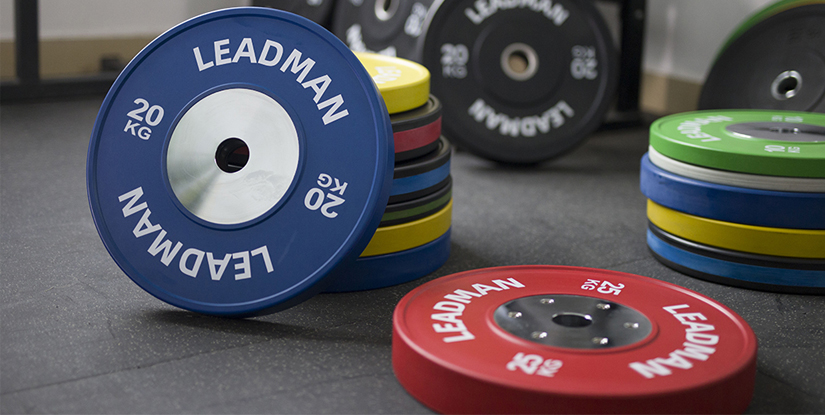
Understanding the distinction between durability vs. initial cost is critical for procurement specialists managing large-scale facility rollouts. While low-tier, unbranded options may offer a lower upfront price point, they often lack the rigorous quality control (QC) standards necessary for high-volume usage. Inexpensive imitations frequently suffer from uneven weight distribution and rapid oxidation, leading to frequent replacement cycles and increased operational downtime.
In contrast, sourcing premium industrial iron weight plates ensures that your inventory can withstand the mechanical stresses of a professional training environment. For gym owners and distributors, the long-term ROI for gym owners is realized through significantly extended product lifespans and reduced maintenance overhead. By prioritizing commercial grade barbell plates that meet strict tolerance specifications, you mitigate the risk of client dissatisfaction and costly re-orders. Investing in high-specification metal weightlifting plates transforms a recurring expense into a durable asset, providing a much more stable value proposition for your global clients.
Budget Planning: Branding Tiers and Procurement Impact
To optimize your procurement strategy, it is essential to evaluate how different branding options influence your landed costs and supply chain timelines. Choosing between standard unbranded inventory and fully customized solutions involves a strategic trade-off between immediate capital outlay and long-term brand differentiation. Below is a comparison to assist in your budget forecasting for bulk gym weight equipment.
| Feature | Standard (White Label) | Custom OEM (Premium) |
|---|---|---|
| Unit Cost Impact | Lowest baseline pricing | Moderate increase per unit |
| Custom Logo/Color Specifications | None (Generic markings) | Full laser engraving/color coating |
| Lead Time Variations | Short (Standard stock availability) | Extended (Production + customization) |
| Target Market | Budget-conscious facilities | Premium commercial/boutique gyms |
While standard metal weightlifting plates offer rapid fulfillment, customized commercial grade barbell plates provide the exclusivity required for high-end facility contracts. When calculating your total cost of ownership, consider that specialized industrial iron weight plates with custom finishes often command higher margins despite the increased lead time variations and initial setup requirements.
Total Cost of Ownership: Long-Term Value of Premium Metal Plates
For facility owners and fitness distributors, the procurement strategy must shift from viewing metal weightlifting plates as a simple line-item expense to viewing them as a long-term capital asset. While entry-level, low-grade iron may offer a lower initial invoice, the hidden costs of durability vs. cheap alternatives quickly erode profit margins. In high-traffic commercial environments, substandard equipment fails under heavy use, leading to frequent downtime and constant reordering cycles.
By sourcing industrial iron weight plates engineered for heavy-duty cycles, distributors can achieve a significantly reduced replacement frequency. This stability in inventory is critical for maintaining consistent cash flow and meeting the demands of large-scale gym chains. Investing in high-spec commercial grade barbell plates ensures that your procurement budget is spent on growth rather than constant replenishment of worn-out stock.
| Procurement Factor | Standard Iron Plates | Premium Metal Weightlifting Plates |
|---|---|---|
| Initial Unit Cost | Lower | Moderate |
| Replacement Cycle | High Frequency | Low Frequency |
| Maintenance Needs | Frequent | Minimal |
| Long-Term ROI | Diminishing | High/Stable |
Ultimately, choosing bulk gym weight equipment with superior manufacturing standards minimizes the logistical headache of frequent international shipping and customs clearance. High-quality sourcing is the most effective way to optimize your total cost of ownership.
To visualize the initial investment vs. long-term savings, consider the cumulative impact of maintenance costs and replacement cycles over a five-year operational period. Low-tier alternatives often present an illusion of savings, but the reality involves rising logistics costs and labor-intensive upkeep. Our lifespan comparison table highlights how high-spec commercial grade barbell plates stabilize your overhead by reducing the need for emergency reorders and expedited shipping fees.
| Metric (5-Year Projection) | Budget-Grade Iron | Premium Metal Weightlifting Plates |
|---|---|---|
| Total Replacement Cycles | 2–3 Cycles | 0–1 Cycle |
| Annual Maintenance Costs | Elevated | Negligible |
| Logistics/Shipping Frequency | High (Frequent Reordering) | Low (One-Time Bulk Import) |
| Asset Depreciation Rate | Rapid | Slow/Minimal |
For distributors managing large-scale bulk gym weight equipment contracts, this data proves that higher manufacturing standards directly protect the bottom line. By prioritizing quality during the initial sourcing phase, you mitigate the risks of substandard industrial iron weight plates failing in the field, ensuring a more predictable and profitable procurement lifecycle.
Maximizing Margins via Direct Sourcing and Logistics Efficiency
Optimizing your procurement model requires moving beyond retail-level purchasing to embrace high-volume, factory-direct advantages. By securing metal weightlifting plates directly from the manufacturing source, distributors bypass unnecessary middleman markups, accessing factory-direct pricing that preserves healthy margins even in competitive markets. This direct-to-factory model allows for more flexible MOQ (Minimum Order Quantity) negotiations, enabling you to scale your inventory according to actual market demand rather than arbitrary supplier constraints.
To mitigate the risks inherent in international trade, we implement rigorous QC (Quality Control) protocols at every stage of the production cycle. From raw material testing to final dimensional accuracy, these standards ensure that every unit of bulk gym weight equipment meets strict commercial specifications before leaving the floor. Furthermore, our specialized global export logistics framework is designed to streamline the complexities of transcontinental shipping. By consolidating high-density industrial iron weight plates into optimized freight loads, we reduce per-unit shipping costs and ensure predictable lead times, providing the reliability necessary for large-scale commercial distribution.