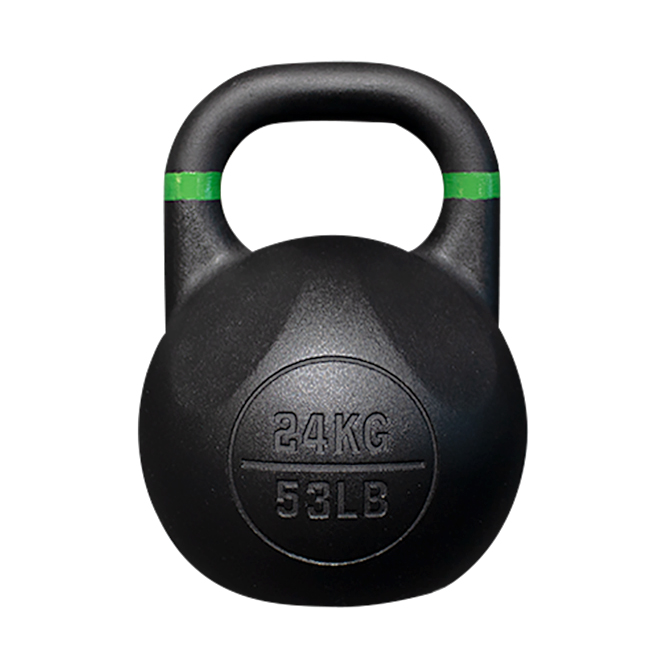
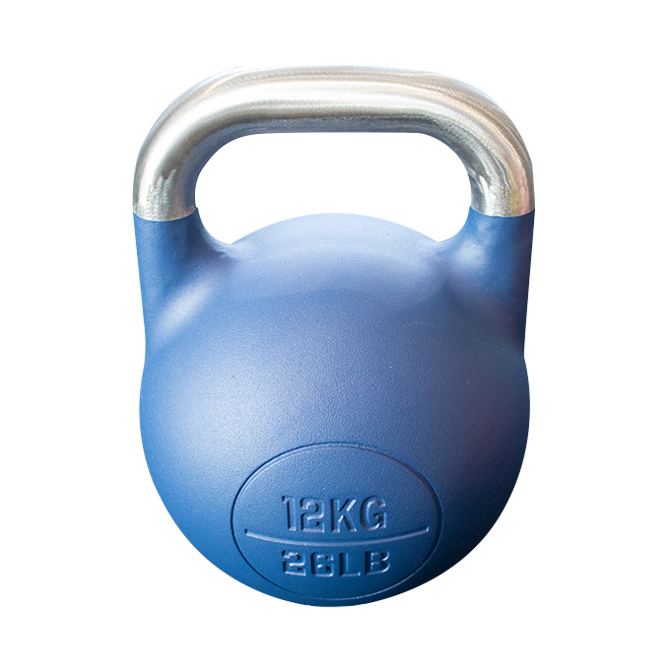
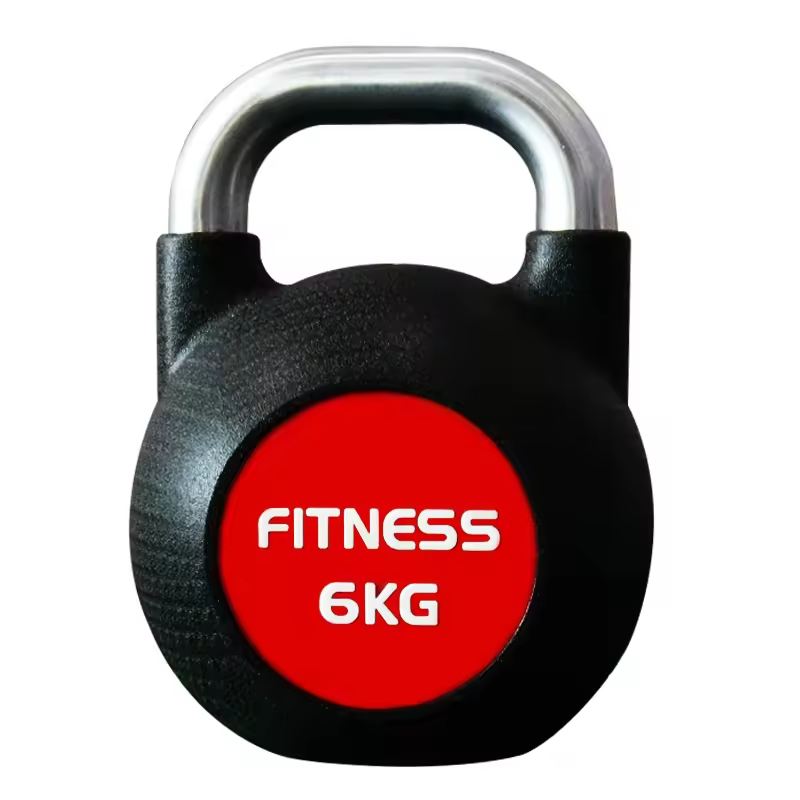
metal kettlebell set | Commercial Grade Metal Kettlebell Set
Vetting High-Capacity Manufacturers for Metal Kettlebell Set Production
For a regional gym franchise expanding across multiple territories, the primary concern is not just initial cost, but the lifecycle of their strength training inventory. A subpar metal kettlebell set can lead to premature oxidation or structural failure, increasing replacement frequencies and hurting long-term ROI. To prevent this, procurement officers must move beyond surface-level aesthetics and scrutinize the factory’s technical specifications regarding high-density casting processes. A premium metal kettlebell set must be engineered to withstand high-volume usage in rigorous environments.
When vetting suppliers for professional strength training equipment, demand transparency regarding manufacturing tolerances and material density. High-quality production ensures that every unit maintains consistent weight distribution and structural integrity, even under extreme impact. For distributors sourcing commercial gym weight sets at scale, verifying that the manufacturer utilizes precision molds is critical. This level of quality control ensures that your bulk shipment arrives with the uniformity required for professional-grade facility standards.
Beyond structural density, rigorous quality control (QC) benchmarks must be established for every batch of cast iron kettlebell bulk orders. For high-volume distributors, the most common failure point is inconsistent coating durability. A high-tier manufacturer must utilize advanced powder coating or electrostatic painting techniques to prevent chipping and corrosion under heavy use. We recommend requesting metallurgical reports to verify that the weight consistency across the entire range meets a strict tolerance threshold, often within a ±1% margin. Without these stringent protocols, commercial gym weight sets can suffer from uneven weight distribution, which compromises the training experience and degrades the brand reputation of the facility. When sourcing at scale, ensure your supplier provides documented proof of these testing phases to guarantee that every unit in your metal kettlebell set shipment meets international commercial standards for durability and long-term reliability.
Scaling a fitness facility requires more than just finding a vendor; it requires a strategic partnership with a manufacturer capable of managing complex global logistics. For large-scale deployments, relying on middle-market wholesalers often introduces unnecessary markups and communication delays. Instead, procurement specialists should prioritize factory-direct sourcing to ensure total control over the supply chain reliability. Direct-from-factory models allow for more precise customization of weight increments and specialized finishes required for premium branding.
When negotiating cast iron kettlebell bulk contracts, clarity on MOQ (Minimum Order Quantity) and shipping lead times is non-negotiable. A robust manufacturer should offer scalable production capacities that accommodate both single-facility upgrades and multi-national rollouts. Ensure your partner has a proven track record of navigating international freight and customs protocols to prevent costly downtime. By securing a supplier that integrates commercial-grade durability with sophisticated global logistics, you mitigate the risks of shipment delays and ensure your metal kettlebell set inventory arrives on schedule, ready for high-intensity deployment.
Standardizing Quality Control Audits for Cast Iron Kettlebell Bulk Orders
For international distributors and gym procurement managers, the biggest risk in high-volume sourcing is the degradation of product quality during transit or storage. When ordering a cast iron kettlebell bulk shipment, superficial flaws are often the least of your concerns; the real threat lies in hidden manufacturing inconsistencies. To protect your investment and ensure long-term durability, rigorous quality control audits must be integrated into the production lifecycle.
Our facility prioritizes structural integrity by implementing multi-stage testing to identify micro-fractures or casting voids that could compromise a metal kettlebell set under heavy use. Furthermore, we utilize advanced coating technologies specifically designed for oxidation prevention. This ensures that every piece in your commercial gym weight sets remains rust-free, even in high-humidity environments, maintaining the premium aesthetic and functional reliability your clients expect from professional strength training equipment.
Technical Audit Checklist for Procurement Managers
To mitigate the risks associated with high-volume sourcing, procurement specialists must move beyond visual inspections and implement technical performance benchmarks. When auditing a factory's production line for a metal kettlebell set, focus on three critical engineering metrics to ensure your commercial gym weight sets meet international standards.
First, mandate a strict weight tolerance threshold. In professional strength training equipment, even a 2% variance can compromise training accuracy and consumer trust. Second, verify the coating thickness using precision gauges. A consistent, thick-film application is essential to prevent premature peeling and rust, especially for cast iron kettlebell bulk orders destined for high-traffic facilities. Finally, demand a surface finish consistency report. Every unit in the batch must exhibit a uniform texture and seamless transition between the handle and the body. By enforcing these technical specifications during the factory audit, you secure the high-density durability required for premium commercial gym weight sets and maximize your long-term ROI.
To streamline the transition from factory floor to international shipping, we implement a standardized verification protocol. This ensures that your metal kettlebell set arrives at your facility in perfect condition, meeting all MOQ compliance and logistical requirements for sea or air freight. Use the following inspection matrix to verify the shipping readiness of your cast iron kettlebell bulk orders before final dispatch.
| Inspection Parameter | Standard Requirement | Verification Method |
|---|---|---|
| Weight Accuracy | ±1% to 2% tolerance | Precision digital scale calibration |
| Handle Smoothness | Zero burrs or sharp edges | Manual tactile stress test |
| Paint Adhesion | High-density, no peeling | Cross-cut adhesion test |
| Packaging Durability | Reinforced export-grade cartons | Drop test and stack strength check |
By enforcing these strict professional strength training equipment standards, distributors can guarantee that every commercial gym weight sets shipment is optimized for global logistics. This rigorous approach minimizes the risk of damage-related returns and ensures your metal kettlebell set inventory is always ready for immediate commercial deployment.
Mitigating Risk Through Robust Warranty and Defect Claims Protocols
For facility owners and distributors, the true cost of equipment is measured by longevity, not just the initial purchase price. Investing in a low-grade metal kettlebell set may offer short-term savings, but frequent replacements due to casting flaws or uneven weight distribution will erode your margins. To protect your capital, sourcing professional strength training equipment requires a partner that prioritizes manufacturing precision and rigorous QC protocols.
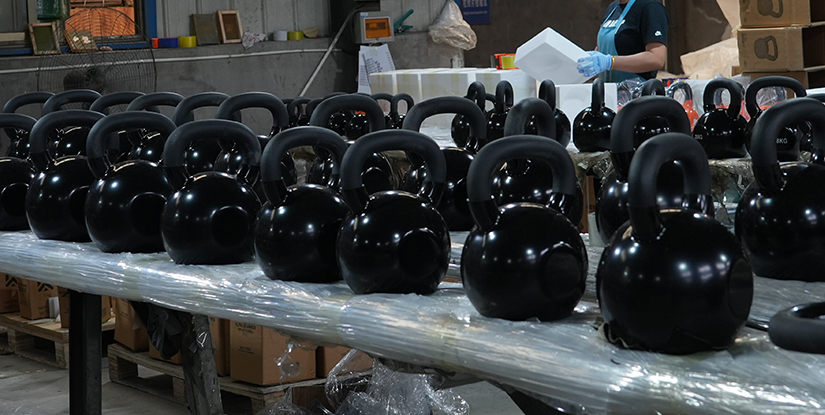
Our factory-level inspection standards ensure that every unit meets strict dimensional tolerances and structural integrity requirements. By implementing multi-stage testing—from raw material verification to final surface finish inspections—we mitigate the risk of defective shipments and costly returns. This commitment to quality control ensures that your bulk orders arrive ready for high-traffic commercial environments, maximizing your long-term return on investment.
| Procurement Factor | Standard Wholesale Sets | Our Commercial Grade Sets |
|---|---|---|
| QC Protocols | Basic visual check | Multi-stage weight & density testing |
| Manufacturing Precision | Variable weight margins | Strict tolerance compliance |
| Total Cost of Ownership | High replacement frequency | Extended operational lifespan |
To safeguard your procurement budget, we provide transparent warranty terms designed specifically for high-volume international trade. When sourcing cast iron kettlebell bulk orders, the risk of transit damage or manufacturing inconsistencies can be significant. We mitigate this by establishing a structured replacement policy that ensures your inventory remains intact without unexpected overhead. Our protocols are designed to handle defect claims with minimal friction, providing clear documentation requirements to expedite the resolution process for any non-compliant units.
For distributors managing commercial gym weight sets, we offer a comprehensive protection plan that covers structural casting flaws and weight deviations. Should a shipment fail to meet the pre-agreed specifications during your arrival inspection, our specialized logistics support facilitates a streamlined remedy. This rigorous approach to accountability ensures that your investment in a metal kettlebell set is protected against the volatility of global shipping and manufacturing errors, securing the long-term profitability of your fitness supply chain.
Selecting the wrong tier of equipment can lead to catastrophic depreciation. To assist procurement officers in calculating the true value of their purchase, we have outlined the fundamental differences in coverage. While generic suppliers often offer minimal protection, our commercial grade metal kettlebell set standards are designed to protect your long-term capital expenditure.
| Feature | Standard Grade | Commercial Grade Metal Kettlebell Set |
|---|---|---|
| Material Integrity | Basic casting; high risk of cracks | High-density, structural-grade iron |
| Surface Coating Durability | Rapid oxidation and chipping | Industrial-grade, corrosion-resistant finish |
| Replacement Timeline | Subject to lengthy dispute cycles | Expedited, documented resolution protocols |
By choosing a premium metal kettlebell set, you are not just buying inventory; you are securing a predictable asset. Our commitment to providing high-quality professional strength training equipment ensures that your replacement cycles are minimized, keeping your commercial gym weight sets in peak operational condition for years.
Optimizing Commercial Gym Weight Sets for Long-Term Durability
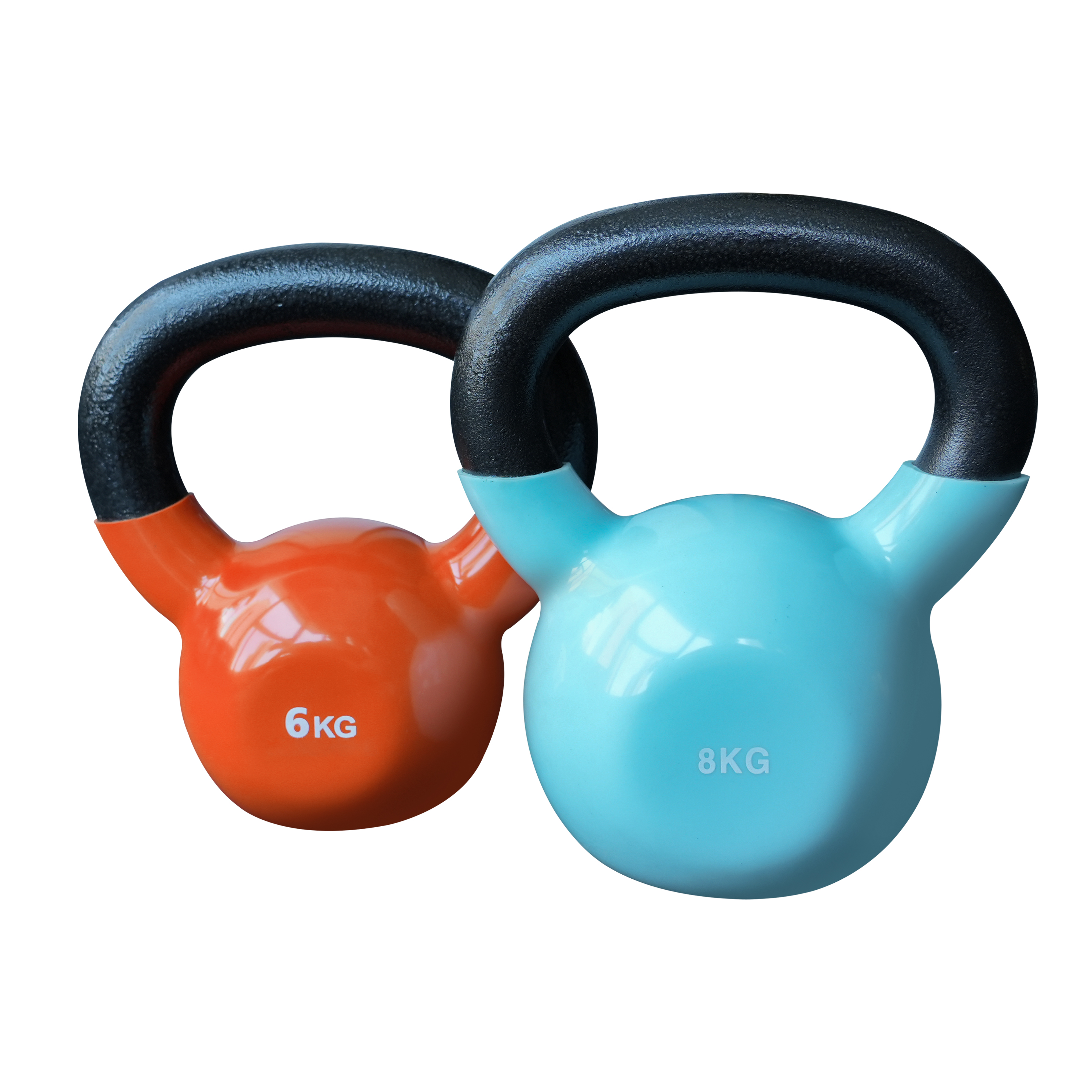
In high-traffic fitness facilities, the cost of frequent equipment replacement can devastate your operational margins. While polymer-coated alternatives may offer a lower initial price point, they often fail under the rigors of constant use. For procurement specialists sourcing professional strength training equipment, the choice between vinyl and a metal kettlebell set comes down to long-term ROI and structural reliability.
Our high-density casting process ensures that each unit maintains its exact weight calibration and structural integrity over years of heavy lifting. Unlike plastic shells that crack or leak sand when dropped, a premium metal kettlebell set offers superior impact resistance. This makes them the ideal choice for distributors and gym owners who require gear that survives the intense environment of a commercial floor without degradation. Investing in high-grade metal reduces your replacement frequency and ensures your facility maintains a professional standard of excellence.
Uncompromising Manufacturing Standards and Material Integrity
To guarantee long-term performance, our manufacturing facility implements rigorous quality control (QC) protocols at every stage of production. When sourcing cast iron kettlebell bulk orders, procurement managers must prioritize manufacturers that utilize high-grade foundry techniques to prevent casting defects or air pockets. Each piece undergoes precision weight verification to ensure strict adherence to international tolerance standards, a critical requirement for commercial gym weight sets used in professional settings.
Beyond structural density, the surface treatment is vital for longevity. We apply a high-performance, industrial-grade coating designed specifically for maximum wear resistance and oxidation prevention. This specialized finish protects the underlying iron from moisture and friction, ensuring the equipment remains aesthetically pristine despite heavy daily usage. By prioritizing these material standards, distributors can ensure a superior long-term ROI, minimizing maintenance costs and preventing the premature depreciation of their fitness inventory.
Selecting the right metal kettlebell set requires more than just comparing price per unit; it necessitates a deep dive into technical specifications that dictate the lifecycle of your inventory. For large-scale distributors and facility managers, understanding the nuances of material density and surface finish longevity is essential for mitigating long-term overhead. Below, we provide a technical comparison to assist in your procurement decision-making process.
| Metric | Standard Cast Iron | Our Commercial Grade Metal |
|---|---|---|
| Material Density | Variable/Lower Density | High-Density Uniform Casting |
| Surface Finish | Basic Powder Coat | Anti-Oxidation Industrial Finish |
| Maintenance | High (Rust Prevention) | Low (Minimal Upkeep) |
| Durability Profile | Moderate Wear | Extreme High-Traffic Ready |
When ordering cast iron kettlebell bulk shipments, these metrics directly impact your maintenance requirements. Our advanced finishing processes ensure that your commercial gym weight sets remain free from corrosion and chipping, significantly reducing the frequency of replacement and ensuring a consistent, professional aesthetic for your clients.
Precision Packaging and Container Loading for Professional Strength Training Equipment
When sourcing a metal kettlebell set at scale, the total landed cost is often dictated more by logistics than the unit price itself. For distributors and gym developers, inefficient packing leads to wasted container space and inflated freight bills. Our facility prioritizes high-density loading strategies to ensure your cast iron kettlebell bulk orders maximize every cubic meter of sea freight.
We utilize specialized reinforced crates and nested stacking configurations designed specifically for professional strength training equipment. By focusing on volume reduction and optimizing shipping density, we significantly lower the dimensional weight impact on your shipments. This systematic approach to freight cost optimization means you receive more units per container, reducing the per-unit shipping overhead. Whether you are fulfilling a large-scale contract or replenishing commercial gym weight sets, our precision-engineered packaging protocols protect your investment while ensuring your procurement budget goes further.
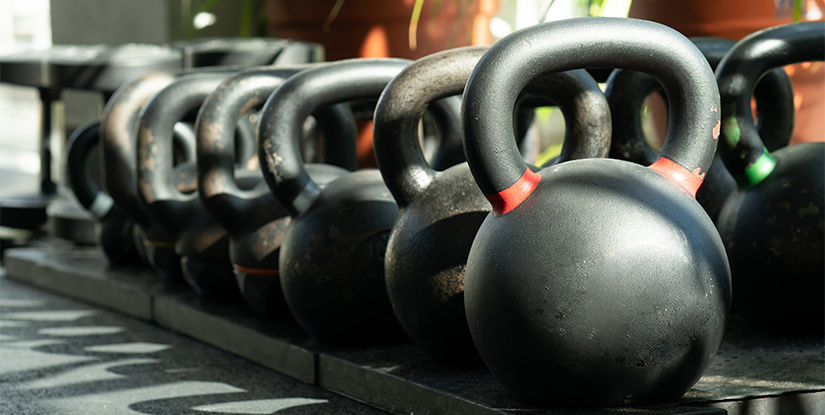
To ensure long-term damage prevention, our logistics team implements rigorous palletization standards for all commercial gym weight sets. Each unit undergoes a multi-layer protection process, utilizing heavy-duty corrugated dividers and moisture-resistant liners to prevent surface oxidation and impact damage during transit. This is critical for maintaining the aesthetic and structural integrity of high-density professional strength training equipment during long-haul voyages.
Beyond individual unit protection, we prioritize sea freight stability through advanced container loading protocols. We employ heavy-duty bracing and specialized weight-distribution techniques to prevent shifting within the container. For B2B buyers and large-scale distributors, this meticulous approach minimizes the risk of transit-related losses and ensures that your metal kettlebell set shipment arrives in factory-perfect condition. By managing the structural stability of the load, we safeguard your capital and ensure predictable arrival schedules for your global inventory replenishment.
To assist procurement managers in calculating precise landed costs, we have provided a technical breakdown of container capacities. Understanding the relationship between weight limits and volume optimization is essential when ordering a metal kettlebell set in volume. While 40ft containers offer more volume, the heavy density of cast iron kettlebell bulk orders often means you will hit the maximum weight capacity of the container before utilizing all available cubic space.
Optimizing your MOQ (Minimum Order Quantity) against these container constraints is a key strategy for maximizing your commercial gym weight sets ROI. Higher order volumes allow for better weight-to-volume ratios, effectively lowering your per-unit freight expenditure.
| Container Type | Max Payload Capacity (Approx.) | Typical Use Case for Professional Strength Training Equipment |
|---|---|---|
| 20ft Standard Container | ~28,000 kg | High-density metal kettlebell set shipments; weight-limited orders. |
| 40ft High Cube Container | ~28,500 kg | Mixed commercial gym weight sets; volume-heavy, lower-density gear. |
Procurement Note: Because cast iron kettlebell bulk orders are extremely dense, we recommend consulting with our logistics specialists to determine if a 20ft or 40ft container provides the most cost-effective solution for your specific SKU mix.
Calculating Landed Cost and Freight Logistics for Global Distribution
For procurement managers, the sticker price of a metal kettlebell set is only the starting point. To protect your margins, you must account for the total landed cost, which is heavily influenced by the weight-to-volume ratio. Because iron is high-density, shipping costs are driven primarily by weight rather than cubic volume, making efficient palletization critical for commercial gym weight sets.
When negotiating with manufacturers, clarity between factory EXW vs FOB pricing is essential. An EXW quote leaves the burden of local transport and export clearance to you, whereas FOB ensures the supplier handles the freight to the departure port. Furthermore, failing to factor in customs duties and import taxes can quickly erode the ROI of your cast iron kettlebell bulk orders. We recommend calculating these variables upfront to ensure your professional strength training equipment remains competitively priced in your local market.
| Procurement Model | Logistics Responsibility | Primary Cost Driver | Best For |
|---|---|---|---|
| EXW (Ex-Works) | Buyer handles all | Local trucking & port fees | Small sample testing |
| FOB (Free on Board) | Supplier to port | Ocean freight & weight | Standardized bulk orders |
| DDP (Delivered Duty Paid) | Supplier to warehouse | Import taxes & duties | Turnkey distribution |
Optimizing Freight and Container Load Efficiency
Strategic selection of transport modes is the most effective way to mitigate the high costs associated with cast iron kettlebell bulk shipments. For high-volume distributors, sea freight remains the gold standard, offering the most economical solution for heavy, high-density commercial gym weight sets. While air freight provides rapid transit, the extreme weight of a metal kettlebell set makes it cost-prohibitive for anything beyond small-scale sample testing or urgent replenishment.
To maximize your shipping ROI, focus on container load optimization. We recommend utilizing FCL (Full Container Load) for large-scale procurement to prevent the higher per-unit surcharges found in LCL (Less than Container Load) shipments. When planning your load, ensure the manufacturer adheres to strict heavy-duty packaging requirements. This includes reinforced export-grade cartons and heavy-duty pallets designed to withstand the immense pressure of high-density iron. Proper structural stacking prevents damage during transit, ensuring your professional strength training equipment arrives in retail-ready condition without the hidden costs of breakage or replacement.
Volume-Based Procurement and Total Landed Cost Comparison
Scaling your inventory requires a precise understanding of how MOQ (Minimum Order Quantity) levels influence both unit price and logistics overhead. For distributors of professional strength training equipment, moving from small batches to full container loads drastically reduces the per-unit landed cost by optimizing the weight-to-freight ratio. Below is a comparative breakdown to assist in your procurement planning.
| Order Volume Tier | Typical MOQ | Shipping Method | Lead Time (Est.) | Cost Efficiency |
|---|---|---|---|---|
| Sample/Trial | 1–5 Sets | Air Express | 7–12 Days | Low (High per-unit cost) |
| Standard Wholesale | 50–100 Sets | LCL (Sea Freight) | 30–45 Days | Moderate |
| Bulk Distribution | Full Container (FCL) | Ocean Freight | 45–60 Days | High (Lowest Landed Cost) |
When sourcing a metal kettlebell set, remember that larger orders allow for more aggressive negotiation on the base factory price. By meeting higher MOQ thresholds, you leverage economies of scale that offset the rising costs of ocean freight, making your cast iron kettlebell bulk shipments significantly more profitable for long-term retail or gym supply contracts.
Vendor due diligence and specification guardrails
When sourcing a metal kettlebell set for high-traffic facilities, procurement officers must look beyond aesthetic appeal to technical specifications. In a commercial gym environment, equipment failure is not just a maintenance issue; it is a liability risk. To ensure long-term durability, your factory audits must prioritize material density and the metallurgical composition of the casting. Low-grade alloys often result in internal air pockets or brittle shells that fail under heavy use.
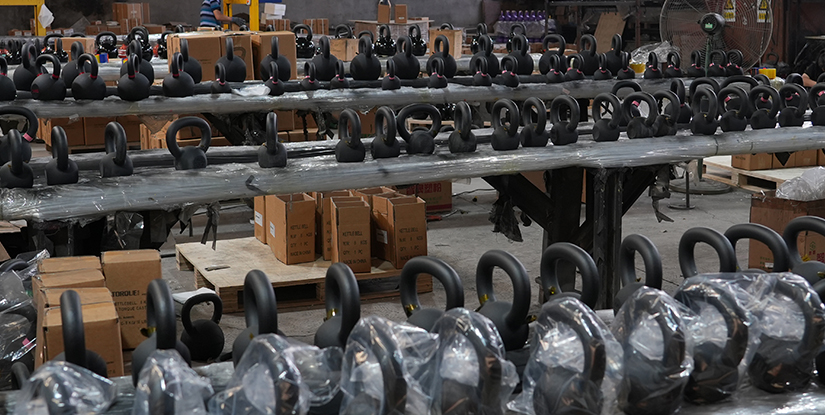
When negotiating cast iron kettlebell bulk orders, demand strict documentation regarding structural integrity. High-density iron ensures that the weight remains consistent and the center of gravity stays stable during high-velocity movements. Furthermore, superior impact resistance is non-negotiable. Whether dropped during a high-intensity interval training (HIIT) session or bumped against a weight rack, the casting must withstand blunt force without cracking or chipping. For distributors and global fitness brands, verifying these manufacturing tolerances is the only way to protect your ROI and ensure your metal kettlebell set inventory meets international safety standards for professional strength training.
Technical Specification Checklist for Procurement
To mitigate risk when ordering professional strength training equipment, implement a rigorous vetting process based on quantitative metrics rather than qualitative claims. Relying on a vendor's word is insufficient; you must demand verifiable QC standards that align with international manufacturing protocols. A high-quality metal kettlebell set must demonstrate strict tolerance levels to ensure uniform handling and safety across the entire weight range.
The following comparison table provides a benchmark for differentiating between budget-grade casting and the high-performance standards required for commercial gym weight sets:
| Specification Metric | Standard Grade (Retail) | Professional Grade (Commercial) |
|---|---|---|
| Weight Accuracy | ± 5% Variance | ± 1% to 2% Variance |
| Surface Coating Consistency | Uneven/Peeling | Uniform Powder Coating/High-Durability Finish |
| Cast Integrity | High Porosity Risk | High-Density, Zero-Void Casting |
| Handle Smoothness | Rough/Irregular | Precision-Machined/Ergonomic |
When evaluating cast iron kettlebell bulk shipments, ensure your factory audit includes a verification of surface coating consistency. A flawless, non-slip finish prevents oxidation and ensures the longevity of your investment in any climate.
Supply Chain Reliability and Scalability
For large-scale facility fit-outs, the complexity of the procurement process extends far beyond product quality into the realm of bulk supply logistics. When your project requires hundreds of units, the vendor's factory capacity becomes a critical variable in your project timeline. A manufacturer capable of producing high-quality commercial gym weight sets must demonstrate the ability to scale production without compromising the metallurgical standards or the precision of the casting process.
Negotiating the MOQ (Minimum Order Quantity) is only the first step in securing a reliable supply chain. You must also verify the vendor's expertise in global distribution to prevent costly delays at customs or transit hubs. Robust shipping durability is essential; ensure that your metal kettlebell set orders are packed in reinforced, export-grade packaging designed to withstand the rigors of international sea and air freight. A failure in bulk supply logistics—such as inadequate palletization or poor container optimization—can lead to surface abrasions or structural damage, effectively neutralizing your initial investment in high-grade professional strength training equipment.
Implementation checklist for buyers
Maximizing ROI through Asset Longevity
When sourcing professional strength training equipment, procurement officers often face the temptation of lower upfront costs. However, a strategic buyer understands that the true ROI is determined by the lifecycle of the asset, not just the initial invoice. Opting for a low-grade metal kettlebell set frequently leads to premature oxidation, handle fatigue, or coating failure, forcing frequent reinvestment.
By prioritizing high-density, industrial-grade manufacturing, you mitigate the long-term risks associated with durability vs. replacement costs. Investing in a premium metal kettlebell set ensures that your facility maintains a consistent inventory of functional weights despite high-volume commercial usage. For distributors and global gym chains, selecting high-quality cast iron kettlebell bulk orders reduces the logistical headache of frequent reordering and minimizes downtime caused by equipment failure, ultimately protecting your bottom line through superior structural integrity.
Technical Procurement Checklist for Bulk Sourcing
To safeguard your capital, move beyond superficial aesthetic inspections and implement rigorous QC standards during the vendor vetting process. When negotiating a cast iron kettlebell bulk order, your technical specifications must demand precise weight tolerances and high-grade powder coating to prevent chipping under heavy utilization. A robust metal kettlebell set should undergo standardized impact testing to ensure structural uniformity across the entire weight range.
Furthermore, evaluate the factory capability of your chosen manufacturer before finalizing any contract. A reliable supplier should offer a scalable MOQ that aligns with your expansion plans while maintaining consistent production output. Verify that the facility specializes in commercial gym weight sets rather than generic fitness products; this distinction ensures the manufacturer understands the rigorous demands of high-traffic environments. Prioritizing suppliers with established export-grade production lines minimizes the risk of shipment delays and ensures your professional strength training equipment arrives meeting international safety and density benchmarks.
Analyzing Asset Lifecycles: Commercial vs. Consumer Grade
To visualize the long-term financial implications of your procurement strategy, consider the following comparison. While consumer-grade options may offer a lower initial price point, they often lack the structural density required for high-traffic facilities. For wholesalers and gym owners, the choice between a standard set and a professional metal kettlebell set is a choice between recurring replacement costs and sustained asset value.
| Feature | Metal Kettlebell Set (Commercial) | Standard Set (Consumer) | Long-term ROI Impact |
|---|---|---|---|
| Material Density | High-density cast iron/steel | Low-grade composite/thin metal | Reduces weight variance/re-ordering |
| Coating Durability | Industrial powder coating | Basic paint/plastic wrap | Prevents oxidation/rust damage |
| Usage Capacity | High-volume/24-7 facility use | Light/Intermittent home use | Maximizes asset lifespan |
| Replacement Frequency | Minimal (5+ year lifecycle) | High (1-2 year lifecycle) | Protects operational margins |
Selecting commercial gym weight sets through a verified manufacturer ensures your cast iron kettlebell bulk orders meet the rigorous demands of global distribution while maintaining high durability standards.