For international distributors, large-scale gym chain operators, and fitness brand owners, the complexity of sourcing high-durability equipment extends far beyond simple price comparisons. The modern fitness market demands a sophisticated balance between equipment longevity, aesthetic consistency, and strict adherence to safety standards. Whether you are scaling a boutique studio network or managing a global distribution network, the primary challenge lies in identifying reliable workout equipment manufacturers who can translate technical specifications into high-performance physical assets. This guide is designed to move beyond surface-level product catalogs. We address the critical decision-making frameworks required to vet suppliers for complex categories, including strength training systems, cardio machinery, and specialized accessory lines. Navigating these tiers of production—from direct factory sourcing to high-end OEM manufacturing—requires a clear understanding of how different procurement models impact your total cost of ownership and brand positioning. In the following sections, we will dissect the essential dimensions of the commercial fitness supply chain, specifically focusing on: By establishing these professional standards early in the procurement cycle, businesses can mitigate common risks such as inconsistent material quality, extended lead times, and non-compliance with regional safety certifications. Our objective is to provide the technical depth necessary to transform a standard purchase order into a long-term, scalable supply chain advantage. When building a commercial fitness facility or scaling a distribution brand, the choice between sourcing from high-end retail-focused brands and direct workout equipment manufacturers significantly impacts both initial capital expenditure and long-term operational reliability. Understanding these distinctions is not merely about price, but about the technical specifications and the level of control you maintain over your product line. The following table provides a professional comparison of three common procurement tiers. This framework helps buyers evaluate whether a specific sourcing model aligns with their target market positioning—be it a high-end luxury fitness club, a mid-range commercial gym chain, or a high-volume distribution business focusing on cost-efficient solutions. For many professional buyers, the "High-End OEM/ODM Tier" represents the most strategic middle ground. This model allows a business to secure equipment that meets the rigorous durability standards of premium brands—such as specific steel thickness for strength machines or high-duty cycle motors for rowing machines—while maintaining the cost-efficiency of direct manufacturing. This approach is particularly effective for companies looking to build their own branded product lines without the overhead of developing internal R&D from scratch. When evaluating these tiers, it is crucial to move beyond marketing terminology. Instead, focus on verifiable technical data: the gauge of the steel tubing, the grade of the upholstery (e.g., high-density foam vs. standard foam), and the specific certifications held by the manufacturer. A professional procurement strategy relies on these measurable benchmarks to ensure that the "factory-direct" solution is a high-performance alternative rather than a low-quality compromise. A common pitfall in B2B procurement is the assumption that "commercial" is a universal standard. In reality, the term is often used loosely. To avoid the high costs of premature equipment failure and frequent maintenance, buyers must move beyond superficial descriptions and demand specific technical documentation. A professional procurement framework relies on verifying three core pillars: structural integrity, mechanical endurance, and regulatory compliance. For strength training equipment, the most critical factor is the steel tubing gauge. A high-performance manufacturer will provide specific millimeter or gauge thickness for all load-bearing frames. For instance, a commercial-grade power rack or multi-gym system should ideally utilize at least 11-gauge or 12-gauge steel to handle high-intensity usage. Relying on a supplier that cannot or will not disclose these dimensions is a significant red flag. Furthermore, the quality of the welding—specifically whether it is continuous or intermittent—determines the machine's resistance to vibration and structural fatigue over years of heavy use. When sourcing cardio machinery, such as rowing machines or cycles, the focus shifts from static strength to dynamic endurance. The primary metric here is the "duty cycle" of the motor and the durability of the electronic control systems. A professional manufacturer will define the maximum continuous operation time and the heat dissipation capabilities of the motor. In the case of resistance-based machines, the quality of the magnetic or air resistance mechanisms and the smoothness of the drive belt or chain are essential indicators of whether the machine can withstand the high-frequency use typical of commercial gym environments. Compliance is not just a checkbox; it is a risk management tool. Many distributors mistakenly assume that a manufacturer's internal "quality control" is sufficient. However, professional-grade procurement requires verifying third-party certifications that align with the target market's legal requirements. This includes checking for ISO quality management systems, as well as specific safety standards for mechanical components. A reliable manufacturer should be able to provide test reports for critical parts, such as the tensile strength of resistance bands or the impact resistance of upholstery, ensuring that the products meet the safety expectations of both insurance providers and end-users. By applying these rigorous standards, buyers can transition from reactive purchasing—fixing broken machines—to proactive asset management. This technical due diligence ensures that the equipment you source is not just a lower-cost alternative, but a high-performance asset that supports the long-term operational goals of your facility or brand. In the global fitness supply chain, there is a distinct segment of manufacturers capable of operating at the intersection of high-end technical capability and cost-efficient production. For distributors and gym chains, this means having access to two powerful procurement strategies: high-standard OEM/ODM manufacturing and high-performance "value-tier" solutions that align with premium market segments through verifiable metrics. The concept of a "value-driven alternative" is often misunderstood as a compromise in quality. However, in professional procurement, it is actually a strategic optimization. A high-performance factory-direct solution can match the core functional attributes of premium retail-grade equipment by focusing on the non-negotiable technical benchmarks. Instead of paying a significant premium for brand-driven marketing and retail distribution overhead, buyers can secure products that meet or exceed the same industrial standards. Key areas where this parity is achieved include: For brands looking to expand their proprietary product lines, leveraging a specialized manufacturer's OEM/ODM capabilities is the most efficient path to market. A professional factory does not merely "make products to order"; they provide a sophisticated manufacturing ecosystem. This involves a rigorous process that begins with technical specification alignment and prototype development, ensuring that every customized element—from the ergonomics of a weightlifting station to the software interface of a cardio machine—meets the brand's unique identity. Our production philosophy is built on the standards required by international high-volume orders. This includes strict adherence to IP (Intellectual Property) protection and compliance boundaries, ensuring that a client's unique designs and proprietary technologies remain secure throughout the manufacturing cycle. The transition from a verified sample to mass production is governed by a structured quality control framework, featuring multi-stage inspections at the raw material, assembly, and final functional testing phases. This level of precision ensures that whether you are ordering a single customized SKU or a full-scale facility shipment, the consistency of the output remains uncompromising. Theoretical specifications are essential, but the true test of a manufacturing partner lies in their ability to resolve complex, real-world constraints. The following anonymous case studies illustrate how professional workout equipment manufacturers transition from simple order-taking to active problem-solving during the procurement lifecycle. A growing fitness equipment distributor in Southeast Asia sought to launch a proprietary line of strength training equipment. Their primary objective was to differentiate themselves from low-end wholesale competitors by offering a "premium-feel" product, but they faced a strict budget ceiling and a requirement for a distinct aesthetic identity. The client's main constraint was the need for a unique color scheme and custom branding that did not match the standard industrial gray or black of most mass-market suppliers. The manufacturer responded by initiating a detailed prototyping phase. Rather than offering a standard catalog item, the engineering team adjusted the powder coating specifications to a custom matte finish and integrated a specific high-density upholstery texture that aligned with the client's brand guidelines. To ensure the "premium" feel was backed by substance, the factory increased the steel gauge on the weightlifting stations and provided detailed reports on the load-bearing capacity of the new frame design. The result was a successful product launch where the client achieved a high-margin brand positioning without the prohibitive costs of developing an entirely independent production line. A commercial facility management company was tasked with outfitting several high-traffic fitness centers across multiple international territories. The project faced two significant hurdles: a highly compressed installation timeline and the necessity of meeting stringent regional safety and packaging standards for heavy, bulky machinery. The client required a seamless transition from factory exit to on-site assembly, with minimal downtime for the facility openings. The manufacturing partner addressed these constraints through a dual-track solution. First, the production schedule was optimized to prioritize the high-demand cardio and multi-gym components, ensuring a staggered delivery that prevented site congestion. Second, the logistics team implemented an export-grade, reinforced packaging system specifically designed for the heavy-duty steel frames. Each unit was accompanied by a comprehensive, illustrated assembly manual and a specialized tool kit to facilitate rapid on-site setup. By providing this level of logistical foresight, the manufacturer ensured that the client met their grand opening deadlines and that all equipment passed local safety inspections without any structural or packaging-related delays. These examples demonstrate that successful B2B partnerships are built on more than just a product list. They are built on the ability to interpret a client's business constraints—whether they be branding, budget, or logistics—and translate them into a tangible, high-performance manufacturing solution. Moving from the selection phase to active procurement requires a transition from technical discussion to operational execution. For B2B buyers, the success of a partnership with workout equipment manufacturers is often determined by the clarity of the "soft" parameters: minimum order quantities, prototyping timelines, and the rigor of the quality assurance protocols. A structured approach to these variables ensures that large-scale shipments arrive on schedule and meet the exact specifications of the initial purchase order. Before committing to high-volume production, a professional manufacturing partner will always facilitate a formal sampling or prototyping phase. This stage is critical for verifying the tactile and functional aspects of the equipment, such as the resistance feel of a rowing machine or the ergonomic grip of a weightlifting station. The typical workflow involves: Understanding the Minimum Order Quantity (MOQ) is essential for managing cash flow and inventory levels. In the commercial fitness sector, MOQs often vary significantly by product category. For example, standardized strength machines may have lower MOQs, whereas highly customized OEM items—such as branded resistance bands or specialized cardio consoles—typically require higher volumes to offset the costs of custom tooling and specialized production lines. A transparent manufacturer will provide clear tiering for MOQs, allowing distributors to scale their orders as their market presence grows. A professional procurement strategy does not rely on trust alone; it relies on verifiable inspection points. Reliable manufacturers integrate quality control (QC) into every stage of the production cycle. Buyers should expect to see or request documentation for: Shipping heavy, bulky commercial fitness gear requires specialized logistical expertise. To mitigate the risk of transit damage, manufacturers utilize export-standard packaging, such as reinforced corrugated boxes, heavy-duty pallets, and corner protectors for steel frames. Furthermore, a professional partner will provide comprehensive documentation for international transit, including detailed assembly manuals and technical drawings, ensuring that the end-user can perform a safe and efficient on-site installation. This level of detail is vital for maintaining the integrity of the equipment from the factory floor to the final gym floor. Establishing a reliable supply chain for commercial workout equipment requires a shift from transactional purchasing to strategic partnership management. As the scale of your operations grows, the ability to verify technical benchmarks and manage manufacturing nuances becomes the primary differentiator between a successful facility launch and costly operational downtime. Use the following actionable points to guide your final vetting and procurement execution. By integrating these technical and operational rigor into your sourcing workflow, you secure more than just equipment; you secure a scalable foundation for your fitness brand or facility. A disciplined approach to vetting manufacturers and managing the OEM/ODM process ensures that your investment delivers long-term durability, brand consistency, and high operational efficiency.Navigating the Global Landscape of Commercial Fitness Procurement
Comparative Analysis of Sourcing Models and Quality Tiers
Procurement Dimension Premium Brand Tier (Retail-Focused) High-End OEM/ODM Tier (Factory-Direct) Standard Commercial Tier (Wholesale) Primary Target Market Luxury boutiques and high-end hotel chains. Global fitness brands and large-scale gym franchises. Local gyms, studios, and regional distributors. Customization Capability Limited to proprietary color palettes and branding. High: Full control over frame gauge, upholstery, and electronics. Low: Standardized configurations and limited SKU options. Material Specification High-grade proprietary alloys and advanced motor tech. Verifiable industrial-grade steel and high-duty cycle components. Standard commercial-grade steel and basic electronics. Cost Structure High premium due to brand equity and marketing overhead. Optimized: Direct factory-to-client value with high durability. Lowest entry price with standard durability profiles. Lead Time & Scalability Often longer due to complex global distribution chains. Highly scalable through direct production planning and OEM. Variable, often dependent on existing stock availability. Technical Benchmarks for Vetting Commercial-Grade Manufacturers
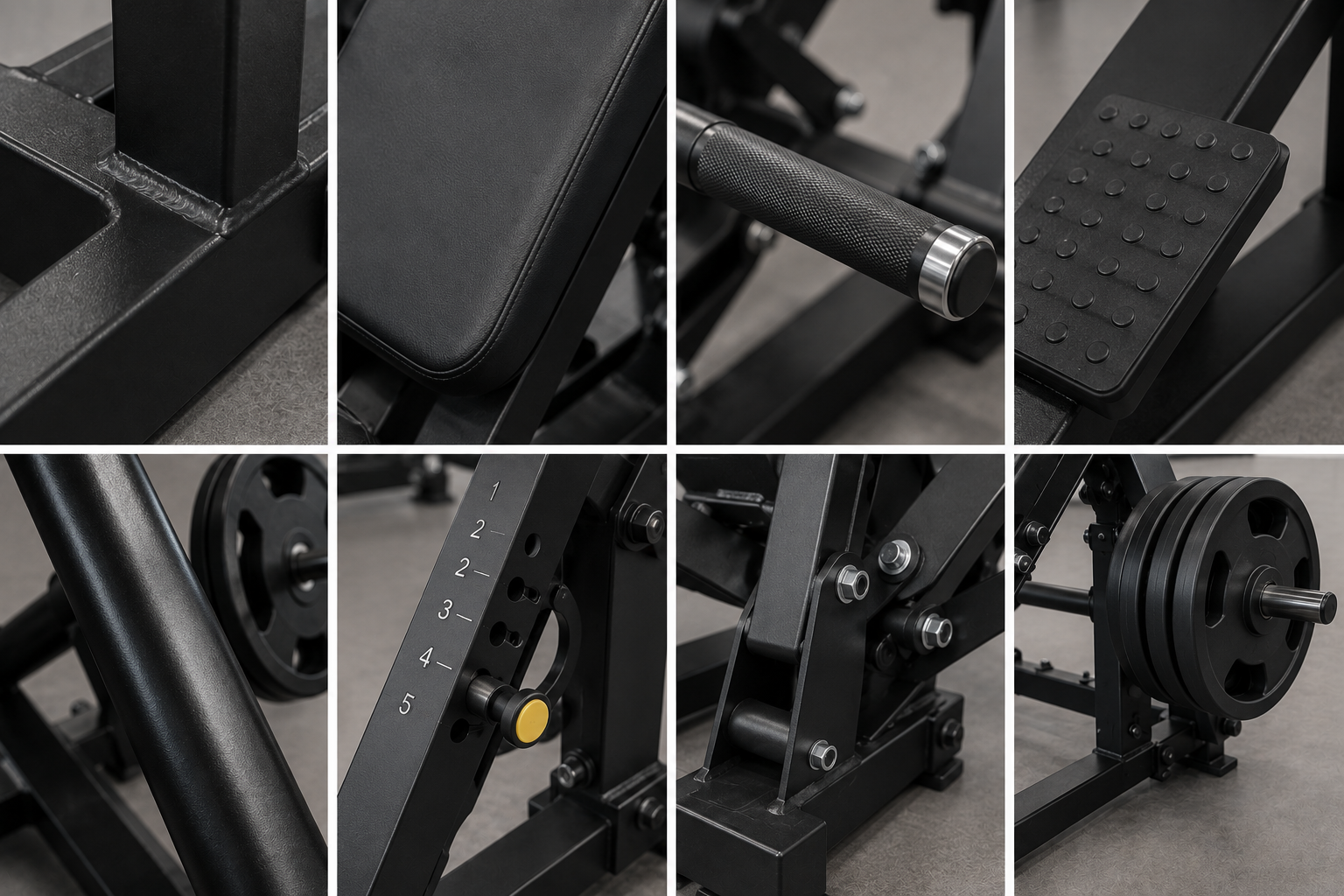
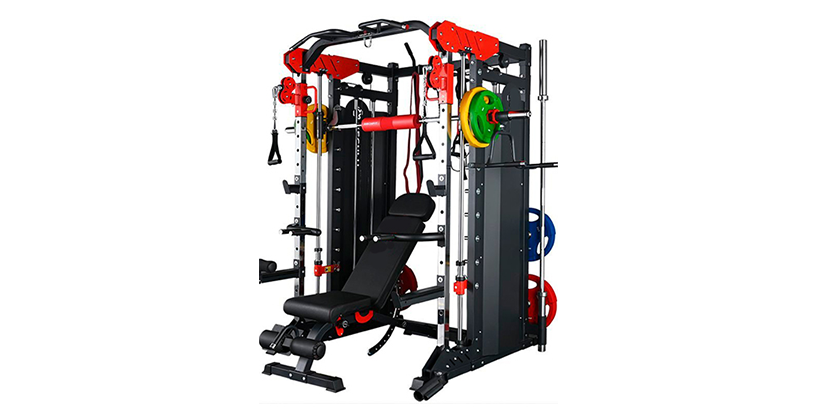
Structural Integrity and Material Gauges
Mechanical Endurance and Component Duty Cycles
The Compliance and Certification Reality
Strategic Alignment: High-Performance OEM and Value-Driven Alternatives
Achieving Parity with Premium Market Standards
Advanced OEM/ODM and Production Standards
Practical Implementation: Case Studies in Bespoke Procurement
Scenario A: Scaling a Regional Fitness Brand via Customized Strength Lines
Scenario B: Navigating Complex Logistics and Compliance for a Multi-Gym Project
Operationalizing the Partnership: MOQ, Sampling, and Logistics Execution
The Prototyping and Sampling Workflow
Managing MOQ and Scalability
Quality Control and Inspection Protocols
Logistics, Packaging, and Export Compliance
Strategic Procurement Checklist for Commercial Fitness Assets