Wholesale Weight Lifting Belts: China Manufacturer Bulk MOQ
Optimizing Commercial Training Environments with Wholesale Weight Lifting Belts
Selecting high-quality wholesale weight lifting belts requires professional buyers to evaluate three critical checkpoints: structural integrity under heavy load, material degradation rates in high-traffic zones, and the logistical reliability of the China factory. For gym operators and distributors, the decision to source wholesale weight lifting belts is not merely about unit price, but about minimizing long-term replacement costs and ensuring that inventory meets professional training standards. A failure to secure durable, high-performance gear leads to increased maintenance cycles and diminished member satisfaction in premium facilities.
In high-intensity strength training environments, equipment undergoes constant stress from high-frequency usage. Commercial facilities require accessories that maintain consistent tension and support without premature wear. By partnering with a specialized commercial gym equipment supplier, procurement leads can ensure that every batch of bulk weight lifting belts adheres to rigorous industry-standard specifications. This strategic approach to wholesale lifting accessories mitigates the risk of frequent stock-outs and ensures that the facility's strength training zone remains fully operational and professional-grade.
The transition from retail-grade accessories to professional-grade inventory is a critical milestone for facility expansion. While consumer-grade products often prioritize aesthetic appeal, professional training environments demand specialized construction that withstands the friction and heavy loading typical of commercial strength zones. Sourcing directly from a specialized China factory allows distributors to bypass the markup of finished consumer goods and access high-spec manufacturing processes designed specifically for high-traffic deployment. This shift in procurement strategy ensures that the gear provided to athletes meets the mechanical requirements of heavy lifting without the prohibitive costs of localized retail distribution.
Optimizing your procurement model involves more than just finding a lower unit price; it requires a focus on total cost of ownership (TCO). For a large-scale facility or a regional distributor, the true cost of a belt is measured by its lifecycle within a commercial setting. High-quality bulk weight lifting belts reduce the frequency of replacement cycles, thereby lowering the long-term maintenance load on facility management. By establishing a direct relationship with a reliable supplier, buyers can better manage their capital expenditure (CAPEX) through predictable lead times and consistent material quality, ensuring that the equipment supports rather than complicates the operational efficiency of the gym.
Evaluating Sourcing Models: Stock Procurement vs. Custom Solutions
Deciding between purchasing ready-to-ship inventory or investing in customized production is a pivotal step in long-term inventory management. For distributors and facility owners, the choice between standard stock and specialized production affects both the initial landed cost and the long-term strength of your brand identity. While stock orders offer immediate availability, specialized production allows for greater market differentiation.
| Sourcing Dimension | Standard Stock Procurement | Custom OEM/ODM Solutions |
|---|---|---|
| Primary Benefit | Rapid deployment and low initial risk | Enhanced brand identity and unique specs |
| Customization Level | Limited to standard sizes and colors | Full control over materials and branding |
| Order Requirement | Lower volume thresholds | Higher MOQ requirements |
| Production Lead Time | Short; relies on existing inventory | Extended; includes design and tooling phases |
| Strategic Value | Ideal for immediate facility needs | Optimized for long-term market dominance |
When a business chooses an OEM or ODM path, they are moving toward a more sophisticated supply chain model. This approach allows for the integration of specific technical requirements—such as specialized leather thickness or unique buckle mechanisms—that are tailored to a specific target demographic. While this requires a higher commitment to volume, it provides the stability needed to scale a private label brand effectively. For many professional buyers, the ability to implement customized branding through a direct supplier is the most efficient way to build brand equity while maintaining a competitive edge in the commercial fitness market.
Ultimately, the decision hinges on your current inventory turnover and growth objectives. If your goal is to replenish standard training zones quickly, standard wholesale lifting accessories are the most efficient choice. However, if you aim to establish a proprietary product line with specific technical advantages, engaging in a structured OEM process with a specialized manufacturer will yield a much higher return on investment through market differentiation and optimized supply chain stability.
Material Durability and Performance Standards for High-Traffic Facilities
Selecting high-quality wholesale weight lifting belts requires a strict focus on material density and structural integrity to withstand high-volume commercial use. For distributors and gym owners, sourcing from a specialized China factory ensures that the internal components, such as high-density leather or reinforced synthetic polymers, meet the rigorous demands of professional lifting environments. Investing in premium grades reduces the total cost of ownership by minimizing replacement cycles in high-traffic facilities.
The primary challenge in procurement is balancing durability vs. cost. Low-grade materials often fail under repetitive heavy loading, leading to increased maintenance and customer dissatisfaction. By working with a professional commercial gym equipment supplier, buyers can access factory-direct quality control protocols that verify the tensile strength and edge-finishing of every unit. This level of oversight is essential when managing bulk weight lifting belts orders intended for long-term deployment in commercial strength zones.
| Material Specification | Standard Grade (Retail/Home) | Commercial-Grade (Professional) | Procurement Advantage |
|---|---|---|---|
| Primary Material | Thin Synthetic/Soft Leather | High-Density Leather/Heavy-Duty Nylon | Longer lifespan in high-traffic gyms |
| Buckle Construction | Standard Zinc Alloy | Reinforced Steel/Heavy-Duty Lever | Reduced mechanical failure rates |
| Edge Finishing | Basic Stitched Edge | Double-Stitched/Reinforced Perimeter | Prevents fraying under heavy tension |
| Sourcing Context | Small Batch/Retail | wholesale lifting accessories | Optimized for wholesale distribution |
When managing wholesale weight lifting belts inventory, technical specifications should dictate the selection process. High-density leather provides the necessary rigidity for heavy compound movements, while high-grade synthetic materials offer consistent flexibility and sweat resistance. Ensuring your supplier utilizes these industry-standard materials is a critical step in maintaining high standards for your clients and protecting your brand reputation.
Technical Material Comparison for Commercial Deployment
To optimize the long-term value of your inventory, procurement officers must distinguish between material profiles based on the specific training environment. Whether your clients prioritize the rigid support of traditional leather or the high-frequency durability of modern synthetics, selecting the right wholesale weight lifting belts depends on understanding the lifecycle of each component. A technical evaluation of these materials assists in predicting replacement cycles and managing the total cost of ownership for large-scale facility deployments.
| Material Type | Structural Characteristic | Maintenance Requirement | Best Commercial Use Case |
|---|---|---|---|
| Genuine Leather | High Rigidity & Natural Tension | Low (Periodic conditioning) | Professional Powerlifting & Heavy Strength Zones |
| High-Density Nylon | Flexible & High Tensile Strength | Minimal (Easy wipe-down) | High-Throughput Cross-Training & General Gyms |
| Reinforced Suede | Grip-Focused & High Friction | Moderate (Dust/Sweat management) | Specialized Strength & Bodybuilding Studios |
Evaluating these specifications during the sourcing phase allows distributors to offer more specialized product tiers to their clients. For instance, while leather offers superior longevity in high-load settings, nylon-based wholesale lifting accessories often provide a more accessible price point and easier maintenance for general fitness centers. We recommend requesting material density samples from your supplier to verify that the thickness and grain consistency align with your specific market positioning and brand standards.
Customization and Branding Capabilities for Global Distributors
To maintain a competitive edge in the international market, distributors often require more than just a standard product; they need the ability to integrate their own brand identity. A professional China factory provides comprehensive OEM and ODM services, allowing you to customize everything from buckle plating and stitching colors to embossed logos. This level of customization ensures that your wholesale weight lifting belts align perfectly with your brand's premium positioning, whether you are supplying specialized powerlifting studios or large-scale commercial fitness chains.
Beyond aesthetics, technical customization is vital for meeting regional market demands. This includes adjusting belt thickness, width variations, and sizing increments to suit different consumer demographics. When you engage in wholesale procurement with a focus on OEM capabilities, you are not just buying a product; you are developing a proprietary line. We recommend discussing your specific design requirements and branding templates during the initial sourcing phase to ensure that the factory's production lines can accommodate your unique technical specifications and volume requirements.
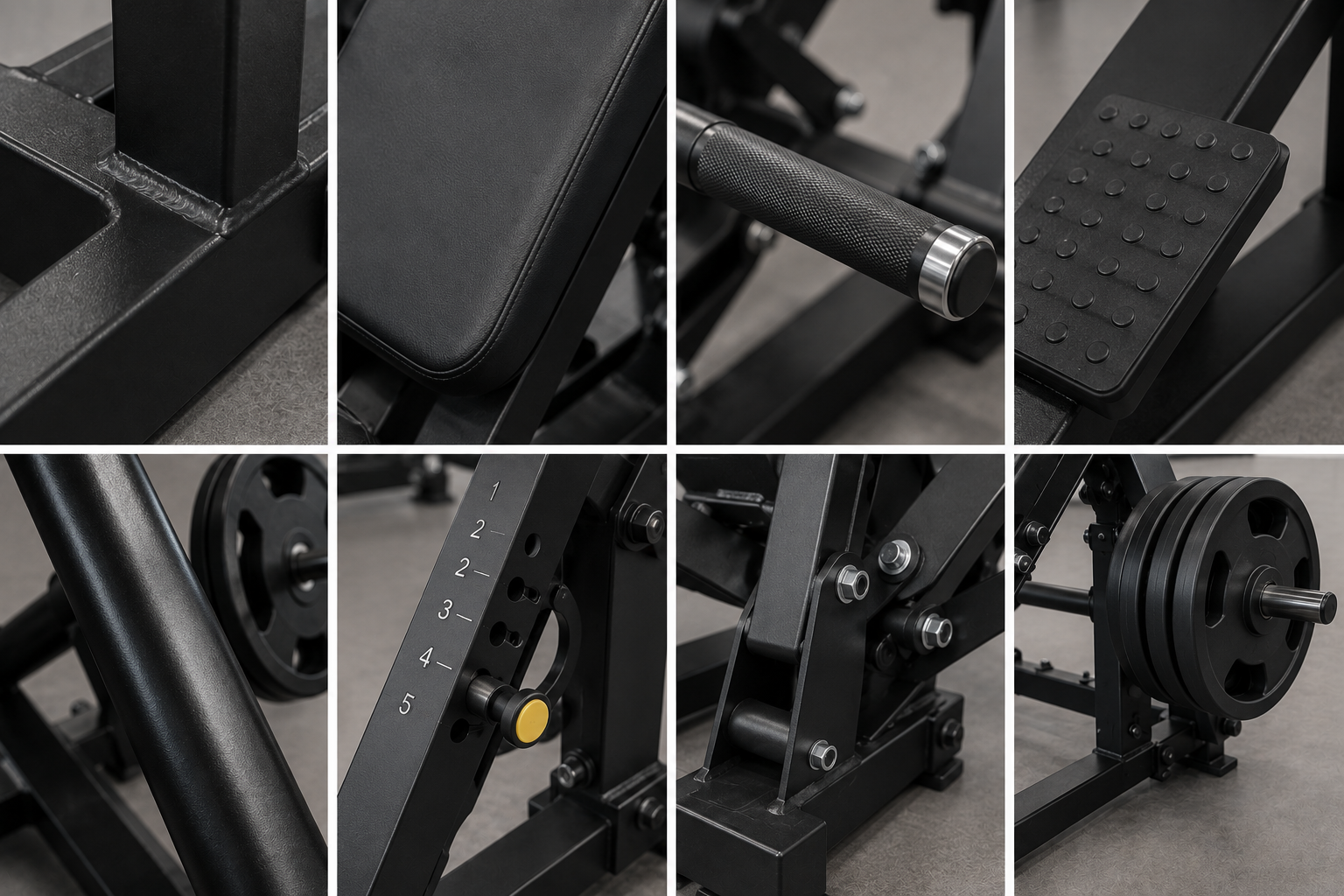
The final stage of a successful procurement cycle involves rigorous export-ready logistics. To protect the integrity of your bulk weight lifting belts during long-distance maritime or air freight, we utilize reinforced export packaging designed to prevent moisture damage and structural deformation. Each batch undergoes a strict pre-shipment inspection to ensure that the landed cost is not inflated by damaged goods or quality inconsistencies upon arrival at your warehouse. For high-volume distributors, confirming these packaging and QC protocols is essential for maintaining healthy margins and reliable delivery schedules.
Sourcing Strategies: China Factory Direct vs. Local Trading Companies
Selecting a reliable wholesale weight lifting belts partner requires understanding the structural differences between a direct China factory and a third-party trading company. For distributors and large-scale gym procurement leads, the primary objective is maximizing the margin between the landed cost and the retail price while maintaining strict quality standards.
When you engage in direct sourcing, you bypass the middleman markup that typically inflates the price of bulk weight lifting belts. Trading companies often add service fees and administrative overhead, which can significantly erode your profit margins. By working directly with the manufacturer, you gain transparent access to the production timeline and material specifications, ensuring that your wholesale orders align precisely with your brand's requirements.
Beyond cost, the most critical advantage of a specialized supplier is the ability to implement rigorous quality control protocols. A trading company often lacks the technical oversight to inspect raw leather thickness or stitching durability on-site. In contrast, a dedicated manufacturer provides direct oversight during the production of wholesale lifting accessories, reducing the risk of defective batches and ensuring every unit meets commercial-grade expectations before export.
| Sourcing Dimension | Direct Manufacturer (Factory-Direct) | Third-Party Trading Company |
|---|---|---|
| Pricing Structure | Optimized for high-volume wholesale | Includes service and agency markups |
| Product Customization | Full OEM and ODM capabilities | Limited to existing stock/catalog items |
| Quality Oversight | Direct factory inspection and QC | Dependent on third-party reports |
| Supply Chain Control | Direct control over MOQ and lead times | Indirect communication via intermediaries |
| Custom Branding | Integrated private label development | Standardized branding only |
Evaluating these models is essential for professional buyers to determine the true landed cost of their inventory. While trading companies may offer simplified logistics, they often lack the technical depth required for complex wholesale weight lifting belts orders involving custom specifications or specialized leather grades. For distributors seeking to scale, the transparency of a direct production line is a significant competitive advantage.
To optimize your procurement workflow, we recommend requesting a detailed specification sheet and a formal quote for your specific volume. A professional commercial gym equipment supplier will provide clear documentation regarding material density, stitching patterns, and hardware durability. Before finalizing a large-scale purchase, always confirm the current MOQ for custom branding and request a sample evaluation to verify that the production quality meets your commercial standards.
For distributors and brand owners, the ultimate goal of sourcing is not just finding a product, but building a scalable brand identity. Leveraging a professional OEM or ODM partner allows you to transition from a simple reseller to a specialized brand with unique market positioning. This level of customization is only achievable when you work with a specialized manufacturer that understands how to translate your technical requirements into a physical product that meets international commercial standards.
Effective scaling requires more than just a low unit price; it requires predictable production cycles and a stable supply chain. When you manage your inventory through a direct China factory, you gain control over critical variables such as production lead time and material consistency. This control is vital for preventing stockouts during peak seasons or when expanding your distribution network. A well-managed partnership ensures that your brand can grow without the constant friction of unexpected delays or inconsistent product quality.
Whether you are looking to launch a new line of premium leather belts or expand your existing catalog of wholesale lifting accessories, the ability to integrate custom branding and specialized hardware is a significant value driver. By establishing a direct relationship with the source, you can refine your product development process, ensuring that every batch of wholesale weight lifting belts reinforces your reputation for quality and reliability in the professional fitness market.
Customization and Brand Identity Through OEM and ODM Services
Building a recognizable fitness brand requires more than just generic inventory; it requires a distinct identity that separates your catalog from the competition. For distributors and large-scale gym operators, leveraging OEM and ODM capabilities is a strategic move to transition from a simple reseller to a specialized brand owner. By working directly with a China factory, you can move beyond off-the-shelf products to create high-margin, proprietary lifting accessories that align with your specific market positioning.
The ability to control custom specifications ensures that your product line meets the exact durability standards required for commercial environments. Whether you are refining the density of high-grade leather or adjusting the thickness of steel buckles, direct manufacturing access allows for precise material selection. This level of control is essential when your goal is to provide premium, heavy-duty gear that justifies a higher price point in the professional market.
Elevating Your Brand Identity with Private Label Solutions
A successful private label strategy relies on the subtle details that signal professional quality. High-volume buyers often utilize logo embossing on leather surfaces or custom metal plates to ensure their brand identity is permanently etched into the equipment. This not only builds customer trust but also increases the perceived value of your wholesale weight lifting belts during long-term deployment in commercial strength facilities.
Beyond aesthetics, custom sizing and technical adjustments are vital for global distribution. A specialized supplier can assist in developing a diverse size run that caters to various body types, ensuring your brand covers the full spectrum of professional athletes and casual lifters alike. This versatility reduces the risk of dead stock and optimizes your inventory turnover. When you source bulk weight lifting belts through these advanced manufacturing channels, you are investing in a scalable product ecosystem rather than just a single shipment of goods.
Strategic Comparison: Standard Wholesale vs. Full Customization
Deciding between purchasing standard stock and investing in a customized production run depends on your current scale and long-term brand objectives. While standard orders offer the fastest way to replenish inventory, full customization allows you to differentiate your catalog in a crowded market. For professional buyers, understanding these technical tiers is essential to managing both the initial landed cost and the long-term value of your product line.
The following table outlines the primary differences between standard procurement and specialized manufacturing to assist in your sourcing decision-making process.
| Feature | Standard Wholesale Purchase | Full OEM/ODM Customization |
|---|---|---|
| Product Specification | Industry-standard specifications and materials | Fully tailored dimensions, materials, and density |
| Branding Options | Generic or minimal logo application | Full private label, custom metal plates, and embossing |
| Customization Level | Limited to color or basic size variations | Complete control over technical construction |
| Typical MOQ | Lower thresholds for rapid replenishment | Higher requirements for specialized production lines |
| Lead Time | Shortest duration; suitable for immediate stock needs | Extended duration due to tooling and material sourcing |
| Ideal Use Case | Quick inventory turnover and testing market demand | Building a proprietary, high-margin brand identity |
When evaluating your next batch of wholesale weight lifting belts, consider whether your business model prioritizes immediate availability or long-term brand equity. A specialized commercial gym equipment supplier can often bridge these two needs by offering tiered customization options, allowing you to start with basic branding before moving into complex technical development. To ensure your technical requirements are met, we recommend requesting a detailed spec sheet and confirming the specific MOQ for your desired level of customization before initiating a formal purchase order.
Quality Control Protocols and Pre-Shipment Inspection Standards
Maintaining high standards for wholesale weight lifting belts requires a rigorous, multi-stage inspection framework that begins long before the final assembly. For distributors and gym operators, the cost of receiving a defective batch far outweighs the initial savings of a low-cost order. A professional China factory implements strict protocols to ensure every unit meets commercial-grade durability requirements, protecting your brand reputation and reducing replacement costs.
The process begins with raw material testing to validate the structural integrity of the leather or synthetic components. We evaluate the tensile strength of the leather and the density of the inner core to ensure consistent support under heavy loads. This stage is critical for a commercial gym equipment supplier to guarantee that the products can withstand the high-frequency usage typical in professional training environments.
Multi-Stage Inspection Framework
Quality assurance extends to every functional component of the belt. Our wholesale lifting accessories undergo specific stress tests on metal buckles and stitching lines. We verify that the metal hardware maintains its shape and function without deformation, and that the high-tensile stitching remains intact under repeated lateral tension. This systematic approach ensures that the bulk weight lifting belts delivered to your warehouse meet the uncompromising standards of professional strength athletes.
By prioritizing these technical checkpoints, our factory minimizes the risk of product failure and optimizes your total cost of ownership. We recommend that buyers review our pre-shipment inspection reports or request a sample evaluation to confirm that the material thickness and buckle weight align with your specific OEM or ODM requirements before proceeding with full-scale production.
| Inspection Category | Specific Check Points | B2B Quality Significance |
|---|---|---|
| Material Integrity | Leather thickness, density of inner core, synthetic grain consistency | Ensures uniform support and prevents premature wear in high-traffic gyms |
| Construction & Stitching | Thread tensile strength, edge beveling, seam alignment | Reduces returns and maintains professional aesthetics for your brand |
| Hardware & Buckles | Buckle metal density, spring tension, prong alignment, corrosion resistance | Prevents mechanical failure during heavy lifting sessions |
| Packaging & Export | Moisture-proof lining, carton crush strength, label accuracy | Protects inventory during long-distance sea freight and reduces landed cost |
Implementing this structured checklist allows procurement leads to conduct effective remote audits or guide third-party inspectors during a site visit. When sourcing wholesale weight lifting belts, verifying these specific technical tolerances is essential for maintaining high distributor margins and long-term customer satisfaction.
Optimizing Logistics and Final Verification
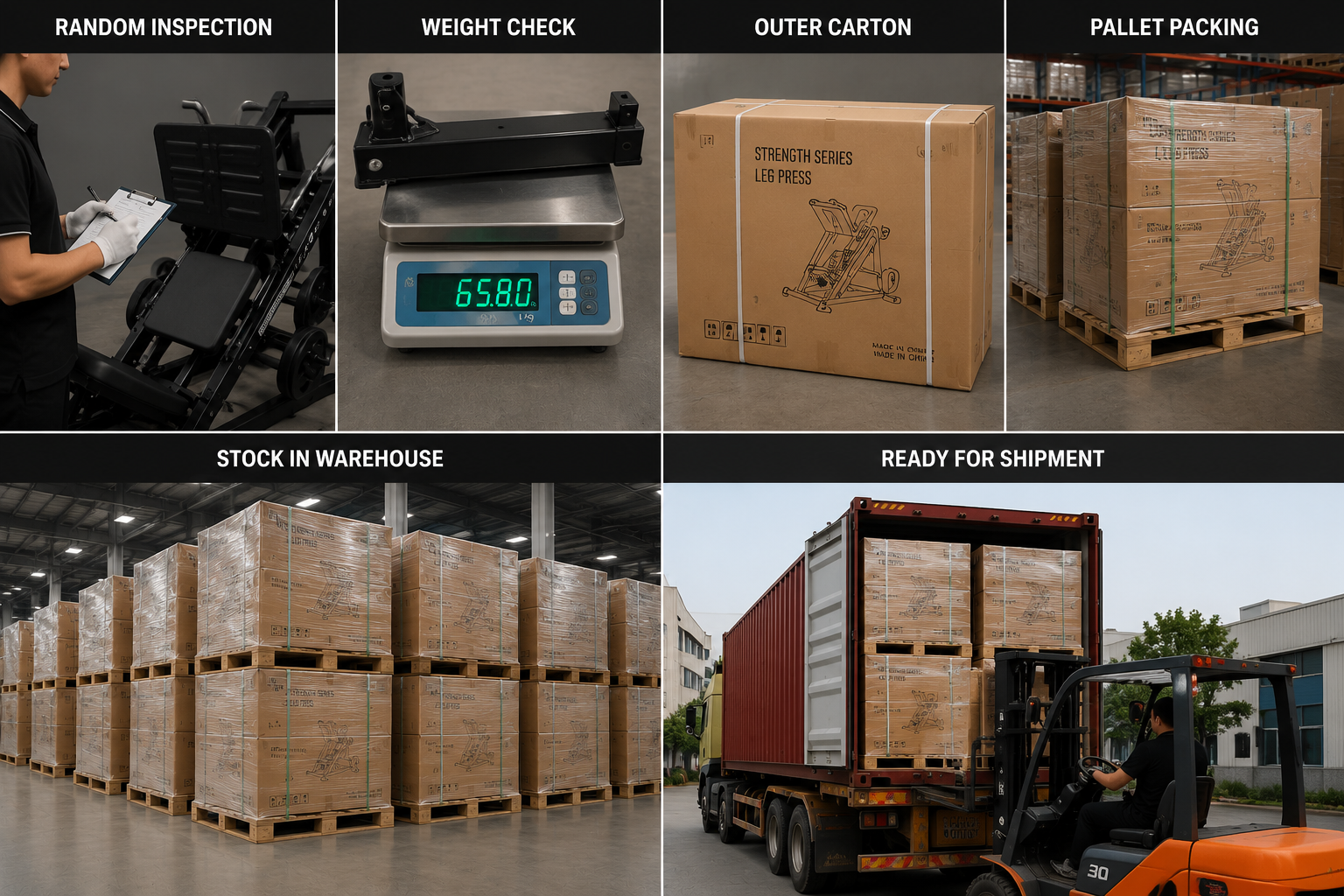
The final stage of the procurement cycle focuses on packaging integrity and volume verification to protect your investment. For international distributors, the actual landed cost is heavily influenced by how efficiently the product is packed and how well it survives the transit process. A reliable supplier ensures that every carton is optimized for container loading, minimizing wasted space and reducing the risk of product deformation during long-distance sea freight. We implement strict volume and weight verification to ensure that the dimensions reported in the shipping documents match the actual physical load, preventing unexpected surcharges at the port.
To ensure maximum shipping safety, we utilize reinforced export-grade packaging designed for high-density stacking. This includes moisture-proof linings and heavy-duty corrugated boxes that maintain their structural integrity even under the pressure of a full container load. This level of attention to detail is a standard requirement for any professional wholesale weight lifting belts order, as it prevents damaged goods from reaching your warehouse and disrupts your inventory turnover. We highly recommend that buyers confirm specific packaging requirements during the OEM or ODM design phase to ensure the protection of your branded products throughout the global supply chain.
Logistics Efficiency: Export Packaging and Container Loading Optimization
Optimizing your wholesale weight lifting belts procurement involves more than just selecting high-quality materials; it requires a strategic focus on how goods move from the China factory to your warehouse. For distributors and large-scale gym operators, the landed cost is heavily influenced by how effectively your wholesale weight lifting belts are packed and how much usable space is utilized within a shipping container.
Inefficient export packaging leads to excessive volumetric weight charges and wasted container capacity, which directly erodes your profit margins. A professional commercial gym equipment supplier must implement rigorous container loading optimization to ensure that every cubic meter is utilized. By minimizing air gaps and using standardized, stackable packaging, a reliable supplier helps reduce the frequency of shipments and lowers the per-unit freight expense.
High-density packing strategies are essential when sourcing accessories. Because lifting belts are relatively low-volume but high-value, the goal is to maximize the number of units per pallet without compromising structural integrity. This shipping efficiency ensures that your bulk weight lifting belts arrive in a compact, protected state, reducing the risk of transit damage and ensuring a more predictable landed cost for your inventory planning.
To assist procurement managers in calculating accurate budget projections, we have outlined the impact of packaging configurations on logistics overhead. Choosing between standard retail-ready packaging and optimized commercial-grade bulk packing can significantly alter your total volume and shipping density.
| Packaging Type | Volume Efficiency | Shipping Cost Impact | Ideal Use Case |
|---|---|---|---|
| Standard Individual Retail Packaging | Low (High air gaps) | Higher per-unit freight cost | Small-scale boutique distributors |
| Optimized Commercial Bulk Packaging | High (Maximized density) | Lowered per-unit landed cost | Large-scale gym equipment importers |
| Customized OEM Master Cartons | Very High (Stackable) | Optimized for container loading | Global brand-name distributors |
When you order bulk weight lifting belts, selecting the optimized or OEM configuration allows for a more streamlined wholesale lifting accessories supply chain. This strategic choice minimizes the number of containers required for large-scale deployments and protects your long-term margins by reducing the impact of dimensional weight charges during international transit.
Beyond spatial density, maintaining product integrity through rigorous QC and specialized protection is non-negotiable for long-distance maritime transit. A professional supplier understands that even high-quality leather or synthetic materials can suffer from environmental degradation if the pre-shipment inspection and protection protocols are insufficient. For distributors managing large-scale wholesale lifting accessories inventory, the risk of receiving moisture-damaged or deformed goods can lead to significant replacement costs and disrupted sales cycles.
To mitigate these risks, our China factory implements a multi-layered defense strategy. Each batch undergoes strict moisture protection, utilizing desiccants and heavy-duty poly-bagging within reinforced master cartons to prevent humidity-induced issues during transit. This level of attention to detail ensures that the durability of your wholesale weight lifting belts remains intact from the moment they leave the production line until they reach your local distribution center. By prioritizing these export-grade standards, we help you maintain a stable supply chain and protect your brand reputation.
Before finalizing your next procurement cycle, we recommend contacting our team to request a detailed specification sheet, confirm your specific MOQ requirements, or discuss custom OEM packaging configurations. We are available to facilitate sample approval and factory audits to ensure our quality standards align perfectly with your commercial requirements.
Procurement Roadmap for Bulk Orders and Global Distribution
Efficient wholesale weight lifting belts procurement requires more than just selecting a product; it demands a strategic alignment with a China factory that understands global supply chain variables. For distributors and large-scale gym operators, managing the balance between MOQ requirements and lead time is critical to maintaining consistent stock levels without overextending capital.
Unpredictable production cycles or rigid MOQ structures from a commercial gym equipment supplier can lead to stockouts during peak seasonal demand or excessive warehousing costs. A professional sourcing strategy focuses on stabilizing the lead time to ensure that your wholesale weight lifting belts arrive in sync with your inventory turnover cycles, protecting your profit margins and fulfillment reliability.
Optimizing Inventory via Strategic Sourcing
When scaling a product line, professional buyers must evaluate the total landed cost alongside the wholesale unit price. Relying on a single supplier without a clear understanding of their production capacity can jeopardize your distribution timeline. A reliable commercial gym equipment supplier provides transparency regarding raw material availability and production windows, allowing for better bulk weight lifting belts forecasting.
Effective inventory management involves coordinating with your factory to align OEM production runs with shipping schedules. By optimizing the lead time through advanced planning, importers can reduce the frequency of emergency air freight and maintain a steady flow of wholesale lifting accessories to their local markets.
Sourcing Model Comparison: Stock vs. Customization
Decision-makers must choose between immediate availability and brand differentiation. While standard stock orders offer the fastest turnaround, engaging in OEM or ODM processes allows for the development of a proprietary product line that strengthens your market position. The following table outlines the technical and logistical differences between these two primary procurement paths.
| Procurement Model | Typical Lead Time | Customization Depth | Primary Advantage | Best For |
|---|---|---|---|---|
| Standard Stock Order | 2–4 Weeks | Minimal (Logo Only) | Rapid replenishment and low risk | Small distributors or urgent restocks |
| OEM Production | 8–12 Weeks | High (Material, Color, Specs) | Complete brand control and differentiation | Established brands and large-scale retailers |
| ODM Development | 12–16 Weeks | Full (Product Design & Engineering) | Unique market-leading product features | Premium manufacturers and global distributors |
When evaluating wholesale weight lifting belts, consider that higher levels of customization typically necessitate a higher MOQ. For instance, a standard leather belt may have a lower entry point, whereas a custom-engineered competition belt with specific thickness and buckle dimensions requires a dedicated production run. We recommend requesting a detailed spec sheet and a sample evaluation before committing to large-scale bulk weight lifting belts orders to ensure the technical output meets your commercial standards.
Quality Control and Export Logistics Integration
A critical component of the procurement process is the integration of rigorous quality control (QC) protocols within the production cycle. For a global distributor, the cost of a defective batch extends far beyond the unit price; it impacts brand reputation and increases the total cost of ownership. We implement a multi-stage QC system that monitors material density, stitching strength, and buckle durability at the factory level to ensure every unit meets commercial-grade specifications before leaving the facility.
Beyond product integrity, optimizing the landed cost requires professional export packaging and strategic shipping coordination. High-performance accessories must be packed to withstand long-distance maritime transit and multiple handling points. By standardizing carton dimensions and optimizing container loading density, we help our partners reduce volumetric weight and minimize shipping expenditures. Whether you are sourcing through sea freight or air for rapid replenishment, a structured pre-shipment inspection ensures that your shipment arrives at your warehouse ready for immediate distribution.
To ensure complete transparency during your procurement journey, we encourage buyers to initiate a formal factory audit or request a pre-shipment inspection report. For those looking to build a long-term partnership, we provide comprehensive documentation, including material certifications and customized branding approvals. Contact our team today to request a formal quote, confirm the current MOQ for your specific requirements, or discuss your custom OEM project specifications.