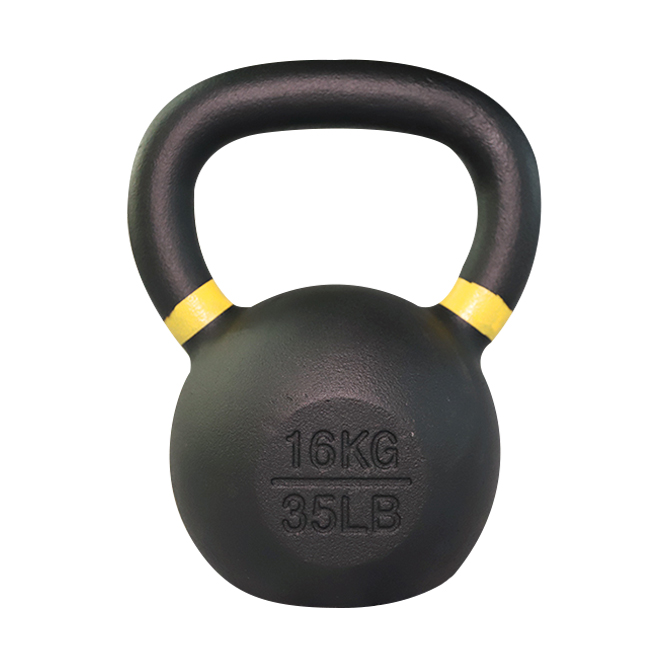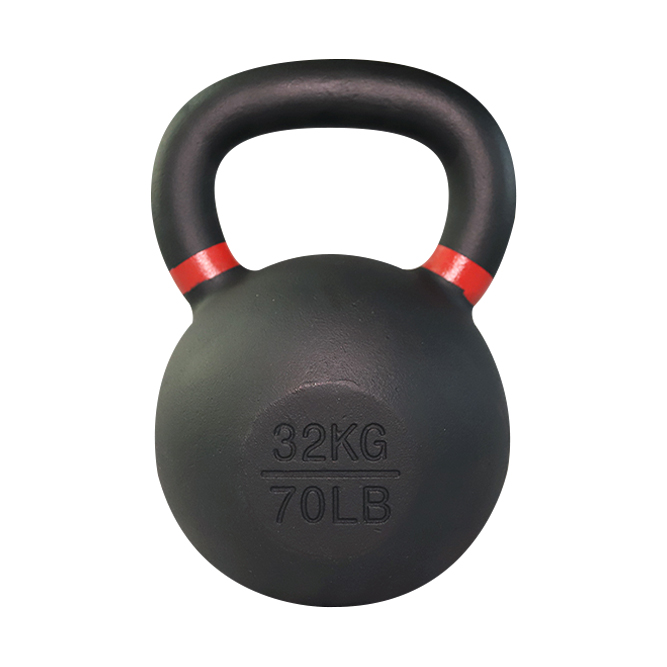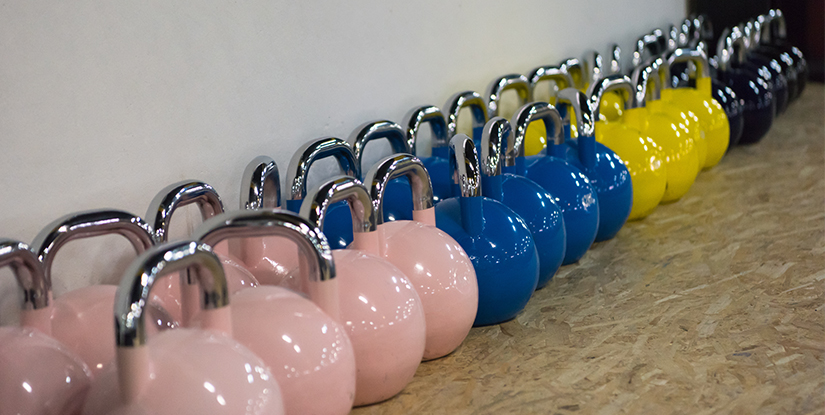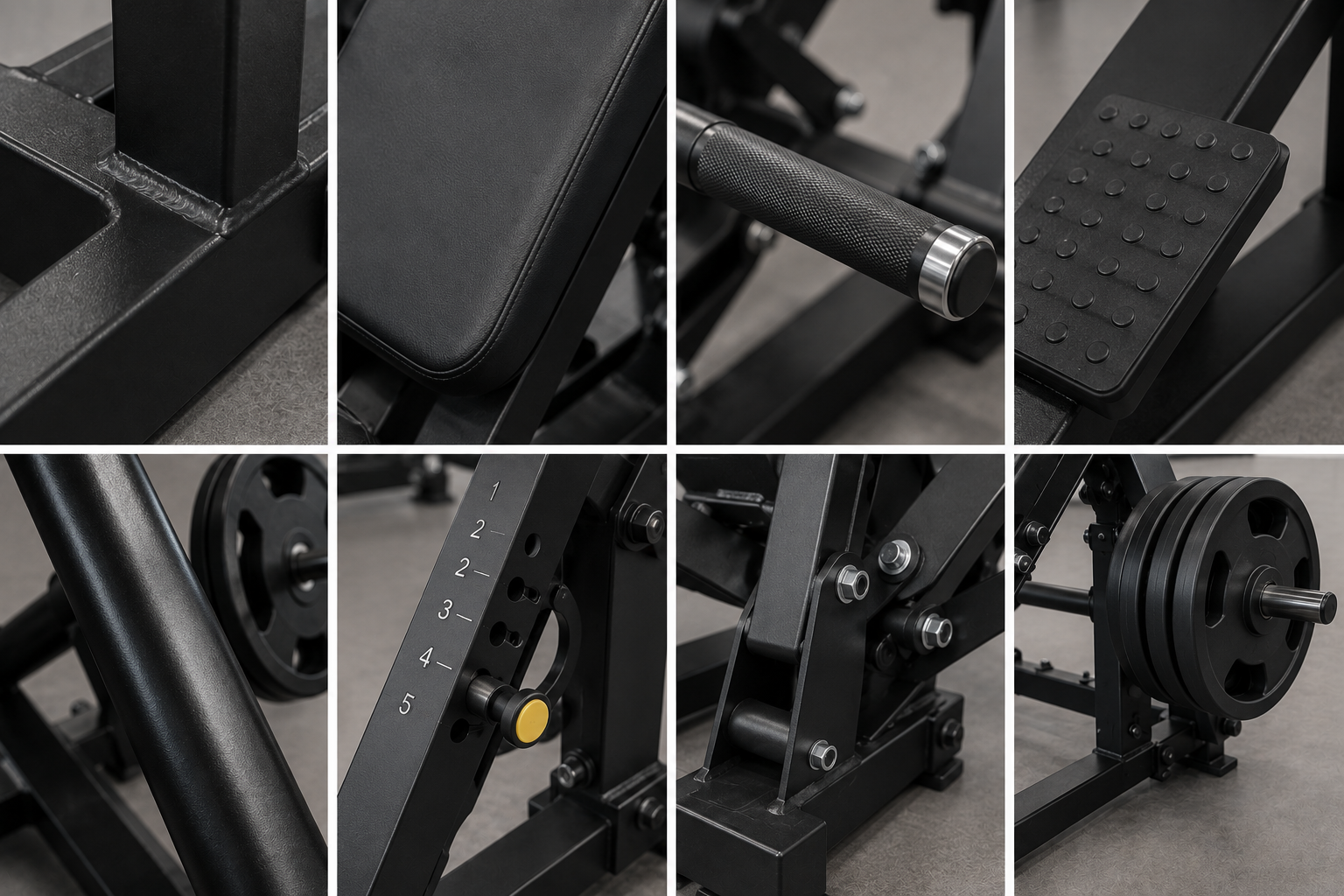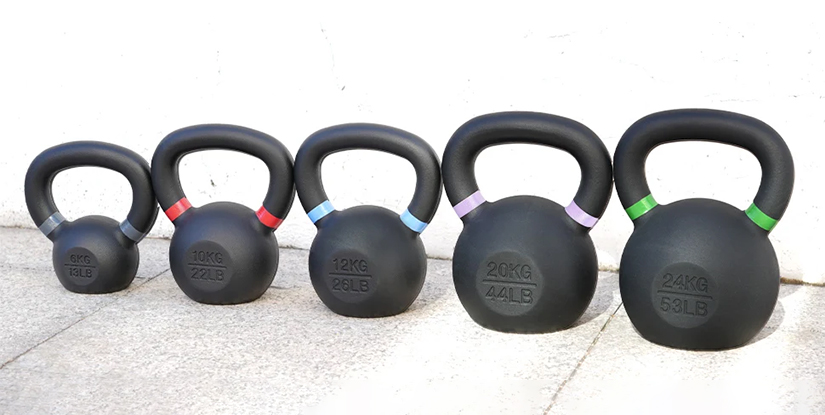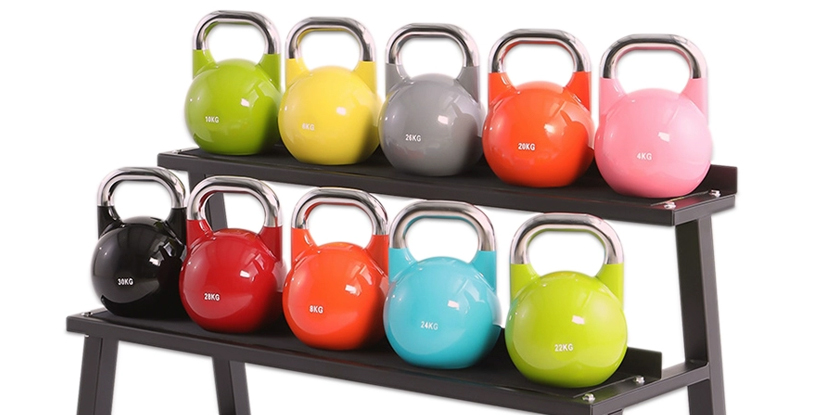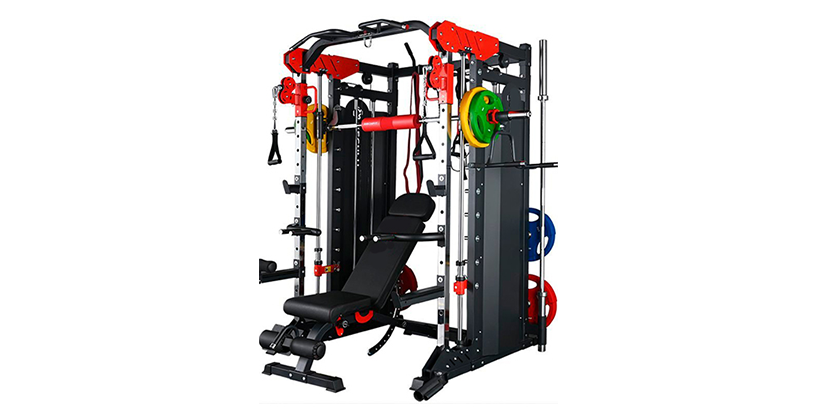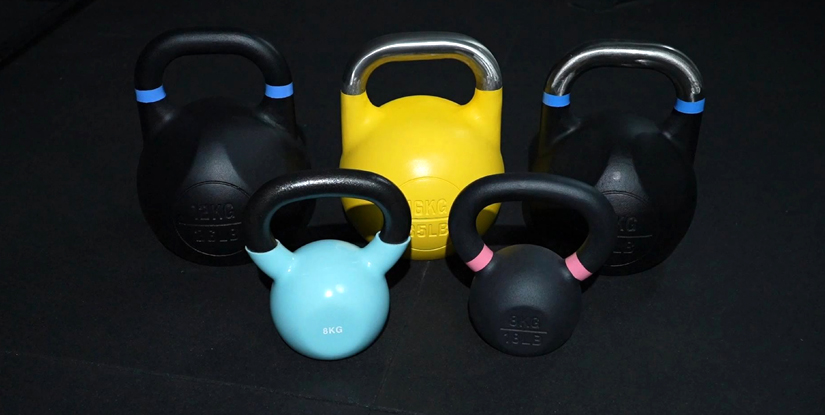
For global distributors, gym franchise owners, and large-scale fitness retailers, the complexity of building a robust inventory lies in balancing equipment durability with cost-efficiency. Navigating the vast landscape of wholesale weight training equipment requires more than just finding a low price; it demands identifying partners capable of delivering consistent quality across diverse product categories, from heavy-duty multi-gym systems to high-precision resistance gear. The primary challenge for procurement professionals is often the discrepancy between advertised specifications and actual field performance. A failure in material grade or a slight deviation in welding precision can lead to high maintenance costs and diminished brand reputation. This guide addresses these critical pain points by providing a framework for evaluating manufacturing capacity, understanding the nuances of OEM production, and identifying high-performance alternatives to premium retail-branded equipment. To build a competitive advantage, procurement teams must look beyond basic product lists and focus on the following core procurement dimensions: By shifting the focus from simple purchasing to strategic sourcing, businesses can secure long-term value through direct factory-to-distributor models, effectively optimizing their capital expenditure while maintaining high standards of facility excellence. When building a commercial fitness facility or expanding a distribution network, the choice between sourcing from high-end retail-oriented brands versus direct manufacturing channels significantly impacts both initial capital expenditure and long-term operational overhead. Understanding the technical trade-offs between these tiers is essential for making an informed decision that aligns with your business scale and service level agreements. The following table provides a benchmark for evaluating different sourcing tiers across critical technical and commercial dimensions. This comparison helps procurement officers distinguish between "brand premium" and "functional value," particularly when evaluating the viability of high-performance alternatives for commercial-grade strength and cardio gear. A critical takeaway for professional buyers is that the "Specialized Factory Direct Tier" is not merely a lower-cost option, but a strategically engineered middle ground. In this tier, the focus shifts from marketing to verifiable technical metrics. For instance, while a premium brand might charge a significant markup for a specific aesthetic, a specialized manufacturer can provide equipment with identical load-bearing capacities and mechanical smoothness by optimizing the production process and focusing on the core components such as bearings, motor duty cycles, and welding precision. When evaluating these tiers, we recommend that procurement teams request specific technical data sheets rather than relying on marketing brochures. For example, when sourcing resistance gear or weightlifting equipment, ask for the specific tension thresholds or the steel grade used in the construction. This level of scrutiny ensures that the "factory-direct" solution meets the actual demands of a high-traffic commercial environment. Successful procurement in the fitness industry requires moving beyond surface-level aesthetics to understand the engineering logic that dictates a machine's lifespan. A common pitfall for many distributors is overestimating the quality of equipment based solely on visual weight or paint finish. In reality, the durability of commercial-grade strength and cardio equipment is determined by internal components and structural metallurgy that are often invisible to the untrained eye. When sourcing heavy-duty machines, the distinction between "residential" and "commercial" grade often lies in the steel gauge and the welding technique. A standard gym machine factory might use 14-gauge steel for cost-saving, which is sufficient for home use but prone to structural fatigue in a high-traffic commercial gym. For professional facilities, we recommend specifying a minimum of 11-gauge or 12-gauge steel for main frames. Furthermore, the type of welding—whether it is standard MIG or more advanced robotic welding—directly impacts the vibration dampening and long-term stability of the equipment under heavy loads. A low initial unit price can often be a deceptive metric. The "true cost" of equipment includes the frequency of maintenance, the availability of replacement parts, and the potential for downtime. For example, in cardio equipment like rowing machines or cycles, the quality of the motor duty cycle and the grade of the bearings are the primary drivers of long-term reliability. Sourcing from a manufacturer that prioritizes high-grade bearings and heat-treated components may require a slightly higher upfront investment, but it drastically reduces the total cost of ownership by extending the service interval and preventing premature mechanical failure. For B2B buyers, especially those operating in highly regulated markets like North America or Europe, compliance is a non-negotiable aspect of the procurement framework. It is not enough to simply ask if a product is "safe." You must verify the specific documentation, such as ISO certifications for the manufacturing process and material test reports (MTRs) for high-stress components. A professional manufacturer should be able to provide a clear audit trail, from the raw steel batch to the final quality control (QC) sign-off. Neglecting this step can lead to significant legal and logistical complications during customs clearance or facility inspections. By implementing this multi-layered decision framework—focusing on metallurgy, mechanical precision, and documented compliance—procurement professionals can avoid the common traps of the wholesale market and build a reliable supply chain that supports long-term facility growth. In the global fitness market, the distinction between high-priced retail brands and specialized factory-direct solutions often lies in the allocation of capital toward marketing versus engineering. For distributors and gym owners, the goal is to source equipment that delivers the same functional performance and aesthetic reliability as premium tier brands, but with a more optimized cost structure. This is achieved through "high-performance alternatives" that focus on matching or exceeding verifiable technical benchmarks rather than relying on brand prestige. To ensure a high-performance alternative meets the demands of a commercial environment, procurement teams should shift their evaluation from brand names to specific, auditable metrics. A specialized manufacturer can deliver a product that aligns with premium tier standards by ensuring the following technical parity: Beyond providing high-quality off-the-shelf products, many specialized manufacturers operate as high-tier partners for global brands through professional OEM (Original Equipment Manufacturer) and ODM (Original Design Manufacturer) services. This capability is built upon production lines that adhere to the rigorous standards required by international orders, ensuring that customization does not come at the expense of quality or compliance. A professional OEM workflow typically follows a strict, documented process to protect both the client's intellectual property and the final product's integrity: By leveraging these advanced manufacturing processes, businesses can build their own branded lines or specialized product ranges that compete effectively on the global stage, offering high-durability gear that meets the professional expectations of the modern fitness consumer. Theoretical specifications are one thing, but the true test of a manufacturing partner lies in their ability to navigate real-world constraints. The following anonymous case studies illustrate how specialized manufacturers move beyond simple order-taking to provide comprehensive, solution-oriented engineering and logistics support for diverse client needs. A regional fitness distributor in Southeast Asia sought to launch a premium-branded line of resistance gear and multi-gym systems to differentiate themselves from low-end competitors. Their primary challenge was a dual constraint: they required high-durability specifications (specifically 12-gauge steel and high-tension resistance bands) to maintain a "premium" reputation, but they also faced a strict 90-day window to launch before the peak seasonal demand. Instead of providing a standard catalog, the manufacturer developed a customized production schedule. We implemented a phased manufacturing approach: first, producing a rapid prototype of the resistance bands to verify the tension thresholds and color accuracy against their brand guidelines. Once the sample was approved, the factory prioritized the assembly of the multi-gym frames using robotic welding to ensure both speed and structural consistency. To mitigate shipping risks, the manufacturer also redesigned the packaging for the resistance gear, using reinforced, moisture-resistant materials to ensure the products arrived in pristine condition despite the high-humidity transit environment. The result was a successful, on-time launch of a branded line that met all technical benchmarks for a high-end retail tier. A growing commercial gym franchise with locations across multiple countries needed to standardize their strength and cardio equipment. Their requirement was to maintain a consistent "look and feel" across all branches while managing a diverse set of international compliance standards (including specific weight markings and safety certifications for different regions). Their main constraint was a highly fragmented budget, requiring a solution that could scale in volume without a linear increase in per-unit costs. The manufacturer addressed this by acting as a central OEM hub. We provided a standardized "core chassis" for their strength machines, which allowed for high-volume production efficiency, while offering modular customization for the aesthetic components (such as upholstery color and logo placement) to suit regional branding nuances. For the cardio equipment, the factory provided detailed material test reports and motor duty cycle data to satisfy the franchise's rigorous internal audit process. By leveraging this modular OEM approach, the client achieved a unified brand identity across all locations while significantly reducing their overall procurement costs compared to sourcing from traditional high-end retail brands. These scenarios demonstrate that effective B2B partnerships are built on the ability to integrate technical precision with flexible problem-solving, ensuring that even the most complex logistical and branding constraints are met with a reliable, high-performance outcome. Transitioning from a single procurement cycle to a long-term strategic partnership requires a clear understanding of the operational workflows inherent in wholesale weight training equipment sourcing. For B2B clients, success is not determined solely by the final product, but by the predictability of the entire lifecycle—from the initial prototype to the final delivery at a regional warehouse. Unlike retail purchasing, professional B2B procurement is governed by Minimum Order Quantities (MOQ) and structured lead times. These thresholds are established to balance production efficiency with the client's inventory turnover needs. For standardized products like resistance bands or weight plates, MOQs are typically lower, whereas complex mechanical systems like multi-gyms or cardio machines require higher volumes to trigger the cost-benefits of an OEM production run. A typical engagement follows a structured timeline: To mitigate the risks associated with long-distance importing, B2B buyers should integrate a multi-stage inspection protocol into their contract. Relying on a manufacturer's internal reports is a starting point, but professional procurement often involves third-party verification. Key focus areas for quality control (QC) include: The final stage of the procurement process is as critical as the manufacturing itself. For heavy-duty equipment, the packaging must be engineered to withstand the rigors of sea freight and multiple handling points. We recommend discussing specific packaging options—such as reinforced double-wall corrugated boxes, high-density foam protection, and palletized shipping—during the prototyping phase. This ensures that the product arrives at your facility or your customer's doorstep in a condition that reflects the high standards of your brand. Furthermore, coordinating with the factory regarding container loading optimization can significantly reduce shipping costs per unit, a vital factor for distributors managing high-volume wholesale orders. Before finalizing any large-scale purchase order or initiating a new OEM project, procurement professionals should conduct a final audit of their technical and logistical requirements. Utilizing a structured checklist ensures that no critical specification is overlooked during the transition from negotiation to mass production. By adhering to these rigorous standards of due diligence, distributors and gym owners can effectively bridge the gap between high-level procurement goals and successful, long-term operational excellence in the competitive global fitness landscape.Strategic Sourcing for Commercial Fitness Infrastructure
Comparative Analysis of Procurement Models and Equipment Standards
Evaluation Dimension Premium Retail Tier Specialized Factory Direct Tier Standard Wholesale Tier Primary Value Driver Brand prestige and global marketing High durability and technical optimization Low entry cost and high volume Material Specification Certified high-grade steel and branded components Standardized heavy-duty steel (e.g., 11-gauge or 12-gauge) Variable steel thickness and lighter gauge frames OEM/ODM Capability Limited to strict brand-approved designs Highly flexible customization (color, logo, specs) Minimal customization; primarily off-the-shelf Cost Structure High markup due to brand and logistics Optimized for B2B and distributor margins Lowest unit price but higher risk variability Maintenance Cycle Predictable, supported by global networks High durability with readily available spare parts Requires frequent monitoring of wear parts Ideal Use Case Luxury boutique fitness studios Commercial gym chains and regional distributors Small residential gyms or budget fitness centers Technical Due Diligence: Navigating the Complexities of Manufacturing Standards
The Logic of Structural Integrity and Material Selection
Understanding the Hidden Costs of Low-Tier Sourcing
Compliance, Certification, and Global Logistics
Optimizing Value Through High-Performance Alternatives and OEM Excellence
Aligning Technical Benchmarks for High-Value Sourcing
Professional OEM and ODM Manufacturing Capabilities
Case Studies: Solving Complex Procurement Challenges through Custom Solutions
Case Study 1: Scaling a Regional Distributor's Specialized Product Line
Case Study 2: Optimizing a Commercial Gym Chain's Global Procurement
Operationalizing the Partnership: MOQ, Quality Control, and Logistics
Standard Procurement Protocols and MOQ Management
Rigorous Quality Assurance and Inspection Standards
Packaging and International Logistics Optimization
Essential Checklist for High-Volume Equipment Procurement
Pre-Order Verification Framework