Calibrated Steel Plate Distributor: Coating and Material
Calibrated Steel Plate Distributor: Material and Coating Standards
A professional calibrated steel plate distributor provides precision-engineered weight plates designed for high-frequency commercial use. These units utilize high-grade alloys to ensure strict weight tolerance and structural integrity, making them the preferred choice for distributors sourcing high-end gym equipment for premium fitness facilities.
For professional importers, the difference between standard plates and high-performance units lies in the metallurgy. Many high-tier commercial weight plate manufacturing facilities utilize solid steel or chrome-manganese steel to prevent warping and ensure long-term commercial durability. When you engage in China factory sourcing, understanding these material grades is essential to managing your landed cost and product longevity. A high-quality calibrated steel plate distributor will typically offer options ranging from standard iron to advanced steel alloys to meet different market tiers.
The steel plate coating process is equally critical for maintaining a professional aesthetic and preventing oxidation. In a standard factory setting, plates undergo several stages—from initial precision machining of the center bore to final surface treatment. Common finishes include high-durability powder coating or specialized plating, which protect the metal from sweat and environmental moisture, reducing the maintenance load for the end-user.
Surface Finishing and Coating Comparison
Selecting the correct finish is a strategic decision for any supplier. While a standard steel plate coating process focuses primarily on basic oxidation prevention, premium finishes are engineered for long-term commercial durability and high-traffic environments. For example, a chrome finish provides a high-luster, professional appearance that is highly resistant to corrosion, making it a top-tier choice for luxury studio equipment. Conversely, powder coating is a widely utilized method in commercial weight plate manufacturing due to its excellent impact resistance and ability to provide a consistent, matte or gloss aesthetic across large bulk orders.
When evaluating your next batch, consider how the surface treatment affects the total cost of ownership. A higher-grade finish may slightly increase the initial MOQ or unit price, but it significantly reduces the maintenance load and replacement frequency for your clients. The following table outlines the qualitative differences between common industrial coating options to assist in your procurement planning.
| Material Tier | Primary Coating | Surface Finish Profile | Commercial Duty | Sourcing Advantage |
|---|---|---|---|---|
| Budget/Standard | Basic Paint | Standard Matte | General Commercial | Lower Landed Cost |
| Commercial/Mid-Tier | powder coating | Durable Satin/Gloss | High-Traffic Gyms | Balanced ROI |
| Premium/Competition | chrome finish | High-Luster/Reflective | Luxury Studios | High Brand Value |
To ensure your brand identity remains intact, we recommend conducting a sample evaluation of the coating adhesion. A reliable calibrated steel plate distributor will provide detailed specifications regarding the coating thickness and the pre-treatment steps used to ensure the finish does not chip or peel during heavy usage. This attention to detail is a hallmark of a professional China factory specializing in export-grade fitness equipment.
Optimizing Commercial Weight Plate Manufacturing for Longevity
A professional calibrated steel plate distributor understands that the durability of a weight plate is determined long before it reaches a commercial gym floor. The relationship between base material selection and the final steel plate coating process dictates the lifecycle of the product and the total cost of ownership for the end-user. When sourcing in bulk, importers must prioritize a China factory that maintains strict control over the metallurgical consistency of the steel and the adhesion strength of the surface treatments.
In the context of commercial weight plate manufacturing, the goal is to minimize maintenance-related downtime and replacement costs. High-quality steel plates require a sequence of precise steps—starting from high-grade steel casting or machining, followed by rigorous calibration, and ending with a durable finish like powder coating or specialized enamel. This ensures the plates can withstand the high-impact environments typical of professional strength facilities.
Material and Coating Standards for Commercial Use
Selecting the right tier of equipment involves evaluating the trade-offs between initial procurement costs and long-term maintenance. A supplier offering premium-grade plates will typically provide more detailed documentation regarding their surface treatment and material grade. Below is a comparison of common commercial-grade options to assist in your sourcing decisions.
| Material Tier | Standard Process | Typical Coating | Commercial Duty | QC Focus Point |
|---|---|---|---|---|
| Standard Steel | Machining & Calibration | Paint or Enamel | Commercial/Studio | Coating Adhesion |
| Premium Steel | Precision Machining | Powder Coating | High-Traffic Gym | Surface Flatness |
| Elite/Competition | CNC Machining | Polyurethane or Chrome | Professional/Elite | Weight Tolerance |
Sourcing Strategy: MOQ and Factory QC
For distributors looking to build a reliable product line, understanding the MOQ and lead time requirements is essential for inventory management. A reputable factory will offer OEM or ODM services, allowing you to apply custom branding to the base material or the coating layer. This capability is a significant advantage for distributors looking to strengthen their brand identity in the North American market.
When managing large-scale wholesale orders, we recommend implementing a pre-shipment inspection focused on the specific steel plate coating process used. This includes checking for even thickness across the plate surface and ensuring that the coating does not chip at the edges during handling. A structured QC protocol at the China factory stage significantly reduces the risk of high landed costs caused by damaged or sub-standard shipments.
A professional calibrated steel plate distributor understands that the durability of a weight plate is determined long before it reaches a commercial gym floor. The relationship between base material selection and the final steel plate coating process dictates the lifecycle of the product and the total cost of ownership for the end-user. When sourcing in bulk, importers must prioritize a China factory that maintains strict control over the metallurgical consistency of the steel and the adhesion strength of the surface treatments.
In the context of commercial weight plate manufacturing, the goal is to minimize maintenance-related downtime and replacement costs. High-quality steel plates require a sequence of precise steps—starting from high-grade steel casting or machining, followed by rigorous calibration, and ending with a durable finish like powder coating or specialized enamel. This ensures the plates can withstand the high-impact environments typical of professional strength facilities.
Comparative Analysis of Plate Materials and Finishing
Selecting the right material profile is a critical decision for any calibrated steel plate distributor managing long-term inventory or gym installations. The choice between base materials and surface treatments directly dictates the Total Cost of Ownership (TCO), as it influences both the initial procurement budget and the long-term maintenance requirements of the facility. When sourcing through a China factory, understanding these trade-offs helps importers balance upfront landed costs against the durability required for high-traffic commercial environments.
Different commercial weight plate manufacturing routes offer varying levels of protection against oxidation and physical wear. While raw metal options may lower the initial wholesale price, the lack of a protective layer often leads to rapid degradation in humid or high-use settings. Professional buyers must evaluate whether the cost savings of a basic finish outweigh the potential for increased replacement frequency and higher maintenance labor.
| Material Base | Primary Process | Finish Type | Commercial Duty Tier | TCO Profile |
|---|---|---|---|---|
| Cast Iron | Sand Casting | Standard Paint | Budget / Entry-Level | Lower initial cost; higher maintenance |
| Solid Steel | CNC Machining | powder coating | Standard Commercial | Balanced durability and price |
| Chrome-Manganese Steel | Precision Forging | Chrome Plating | Premium / Competition | High initial cost; extremely low maintenance |
| Steel with Polymer | Molding / Vulcanization | PU or Rubber Coating | High-End Commercial | High upfront cost; excellent floor protection |
When evaluating a steel plate coating process, procurement leads should look beyond the aesthetic finish. A high-quality powder coating application provides a much more resilient barrier against scratches and moisture than standard liquid paint, making it a preferred choice for sourcing durable equipment. For distributors looking to provide premium solutions, understanding these material hierarchies ensures that the products delivered meet the rigorous demands of professional strength facilities.
Selecting the right material profile is a critical decision for any calibrated steel plate distributor managing long-term inventory or gym installations. The choice between base materials and surface treatments directly dictates the Total Cost of Ownership (TCO), as it influences both the initial procurement budget and the long-term maintenance requirements of the facility. When sourcing through a China factory, understanding these trade-offs helps importers balance upfront landed costs against the durability required for high-traffic commercial environments.
Different commercial weight plate manufacturing routes offer varying levels of protection against oxidation and physical wear. While raw metal options may lower the initial wholesale price, the lack of a protective layer often leads to rapid degradation in humid or high-use settings. Professional buyers must evaluate whether the cost savings of a basic finish outweigh the potential for increased replacement frequency and higher maintenance labor.
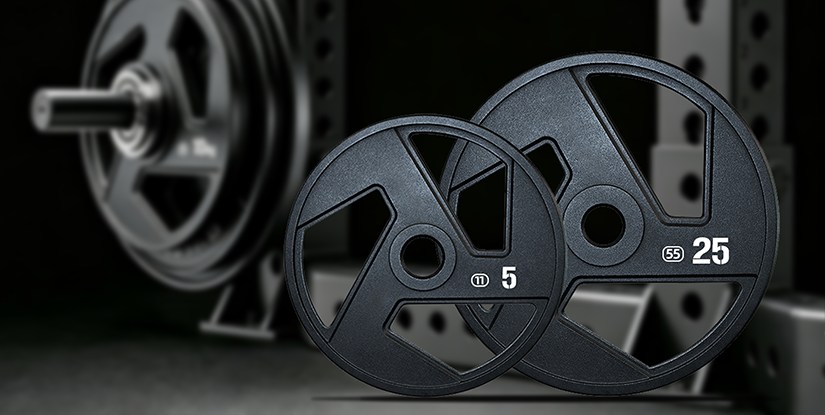
| Material Base | Primary Process | Finish Type | Commercial Duty Tier | TCO Profile |
|---|---|---|---|---|
| Cast Iron | Sand Casting | Standard Paint | Budget / Entry-Level | Lower initial cost; higher maintenance |
| Solid Steel | CNC Machining | powder coating | Standard Commercial | Balanced durability and price |
| Chrome-Manganese Steel | Precision Forging | Chrome Plating | Premium / Competition | High initial cost; extremely low maintenance |
| Steel with Polymer | Molding / Vulcanization | PU or Rubber Coating | High-End Commercial | High upfront cost; excellent floor protection |
When evaluating a steel plate coating process, procurement leads should look beyond the aesthetic finish. A high-quality powder coating application provides a much more resilient barrier against scratches and moisture than standard liquid paint, making it a preferred choice for sourcing durable equipment. For distributors looking to provide premium solutions, understanding these material hierarchies ensures that the products delivered meet the rigorous demands of professional strength facilities.
Sourcing Strategy: China Factory QC and Export Standards
When managing large-scale procurement, the reliability of your calibrated steel plate distributor determines your long-term landed cost and product replacement cycles. For distributors and gym equipment importers, sourcing directly from a China factory minimizes middleman margins but requires strict oversight of production consistency. Without rigorous oversight, bulk shipments may arrive with inconsistent weight variances or coating failures that damage your brand reputation.
To mitigate these risks, professional buyers must implement a multi-stage verification process. Effective commercial weight plate manufacturing relies on a sequence of casting, precision machining, and specialized surface treatment. A professional supplier should provide evidence of systematic pre-shipment inspection protocols to ensure that every unit meets the expected weight tolerance and structural integrity required for high-traffic commercial environments.
Standardizing the steel plate coating process is equally critical. Whether utilizing high-grade powder coating or specialized chemical treatments, the adhesion must withstand constant mechanical impact. We recommend that procurement leads request detailed documentation regarding the specific layers applied to the base metal to ensure durability and prevent premature oxidation during maritime transit.
A professional calibrated steel plate distributor must manage more than just weight accuracy; they must ensure the integrity of the entire export chain. For high-volume orders, the risk of surface degradation during long-distance maritime shipping is a significant concern for importers. To prevent issues such as coating chipping or oxidation, we prioritize a standardized steel plate coating process that includes thorough degreasing and multi-layer application before the product even reaches the container.
Tiered Quality Comparison for Commercial Sourcing
Understanding the trade-offs between different production methods allows buyers to align their procurement with their specific market positioning. When evaluating a China factory for bulk orders, it is essential to distinguish between basic industrial finishes and high-end commercial specifications to protect your distributor margins.
| Material Tier | Coating Type | Manufacturing Process | Primary QC Focus | Typical Commercial Use |
|---|---|---|---|---|
| Standard Cast Iron | Basic Paint | Sand Casting | Surface Smoothness | Budget Gyms / Basic Training |
| Premium Steel | powder coating | Precision Machining | Coating Adhesion | Commercial Fitness Centers |
| Professional Grade | PU coating | CNC Calibration | Weight & Concentricity | High-End Studios / Competition |
When negotiating your next wholesale contract, we suggest requesting a sample evaluation that specifically tests the surface finish and impact resistance. A reliable supplier will not only provide the weight but also the technical specifications regarding the thickness and durability of the outer layer. To ensure the highest material durability, we recommend a pre-shipment audit that includes spot-checks on the weight tolerance and the structural bond of the coating. Contact us to discuss your specific MOQ requirements or to request a detailed technical spec sheet for your OEM or private label project.
A professional calibrated steel plate distributor must manage more than just weight accuracy; they must ensure the integrity of the entire export chain. For high-volume orders, the risk of surface degradation during long-distance maritime shipping is a significant concern for importers. To prevent issues such as coating chipping or oxidation, we prioritize a standardized steel plate coating process that includes thorough degreasing and multi-layer application before the product even reaches the container.
Customization and OEM Capabilities for Global Distributors
For distributors seeking to build a premium market presence, a reliable calibrated steel plate distributor must offer more than just standard inventory. The ability to integrate custom branding into the production line allows your company to transition from a mere reseller to a recognized equipment provider. Whether you are launching a new fitness line or expanding an existing catalog, specialized OEM/ODM services provide the necessary flexibility to meet diverse market demands.
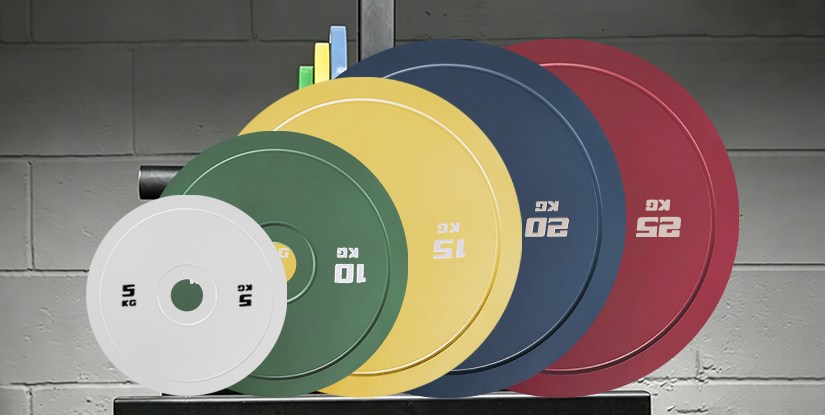
Professional commercial weight plate manufacturing involves more than just casting metal; it requires precision in how your brand identity is integrated into the physical product. We provide various tiers of customization, ranging from simple logo embossing on the steel surface to advanced private label solutions involving specialized colors and textures. This strategic approach helps you differentiate your offerings in a competitive global market.
To maintain high efficiency in your supply chain, we offer clear parameters regarding MOQ and lead time for all custom orders. While standard stock items can be shipped rapidly, customized projects involving specific steel plate coating process requirements or unique branding may require adjusted production schedules. We work closely with our partners to ensure that custom specifications do not compromise your warehouse turnover or seasonal launch timelines.
Strategic Sourcing and Customization Tiers
Choosing the right level of customization depends on your target market segment and your desired margin. A China factory specializing in export-grade equipment can offer different levels of service to optimize your landed cost and brand value.
| Service Tier | Branding Method | Customization Scope | Typical MOQ Impact | Commercial Application |
|---|---|---|---|---|
| Standard Wholesale | Standard Embossed Logo | Fixed Colors and Materials | Lower MOQ requirements | General Gyms and Retail |
| Private Label | Laser Etched or Painted Logo | Custom Color Powder Coating | Moderate MOQ increases | Premium Studios and Chains |
| Full OEM/ODM | Full Brand Integration | Custom Material and Finish | Higher MOQ for specialized runs | Professional Competition and High-End Commercial |
For distributors seeking to build a premium market presence, a reliable calibrated steel plate distributor must offer more than just standard inventory. The ability to integrate custom branding into the production line allows your company to transition from a mere reseller to a recognized equipment provider. Whether you are launching a new fitness line or expanding an existing catalog, specialized OEM/ODM services provide the necessary flexibility to meet diverse market demands.
Professional commercial weight plate manufacturing involves more than just casting metal; it requires precision in how your brand identity is integrated into the physical product. We provide various tiers of customization, ranging from simple logo embossing on the steel surface to advanced private label solutions involving specialized colors and textures. This strategic approach helps you differentiate your offerings in a competitive global market.
To maintain high efficiency in your supply chain, we offer clear parameters regarding MOQ and lead time for all custom orders. While standard stock items can be shipped rapidly, customized projects involving specific steel plate coating process requirements or unique branding may require adjusted production schedules. We work closely with our partners to ensure that custom specifications do not compromise your warehouse turnover or seasonal launch timelines.
Logistics and Bulk Order Management
Efficient procurement for high-volume distributors requires a deep understanding of how physical product density affects the total landed cost. When sourcing from a calibrated steel plate distributor, the relationship between weight tolerance and shipping density is a critical factor in maintaining distributor margins. Because steel plates are high-density, heavy-duty items, even slight variations in thickness or coating thickness can impact container loading optimization and overall freight expenses.
Professional commercial weight plate manufacturing must account for these logistical variables during the production and packing stages. For instance, managing the weight tolerance of each unit ensures that a full container load (FCL) does not exceed shipping weight limits, which could lead to unexpected surcharges or compliance issues at the port. A reliable China factory will implement strict pre-shipment protocols to ensure that the actual weight of the batch aligns with the manifest, preventing discrepancies during customs clearance and reducing the risk of damaged goods due to overloading.
For importers, effective bulk order management involves more than just selecting a supplier; it requires coordinating the lead time with sea freight schedules to optimize warehouse turnover. Whether you are managing a wholesale distribution network or a large-scale gym installation, understanding the steel plate coating process impact on pallet stability and stacking height is essential for reducing breakage and ensuring a smooth sourcing experience from the factory to your local facility.
Shipping Optimization and Cost Variables
To maximize your ROI, procurement teams must evaluate the total landed cost beyond the initial unit price. Different surface finishes and protective layers can influence the final dimensions and weight density of a shipment. For example, a thicker application in the steel plate coating process may slightly increase the volume per unit, which can affect how many units fit into a standard 20ft or 40ft container. A professional calibrated steel plate distributor will provide precise exterior dimensions to help you calculate container utilization accurately.
| Material Type | Coating/Finish | Typical Commercial Duty | Logistics Impact | QC Focus Point |
|---|---|---|---|---|
| Cast Iron | Paint or Enamel | Standard Commercial | High density, low volume | Coating adhesion and surface smoothness |
| Solid Steel | Powder Coating | Premium Commercial | Moderate volume increase | Uniformity of thickness and edge coverage |
| Steel Core | Rubber/PU Coating | High-End/Bumper Style | Higher volume per weight unit | Encapsulation integrity and seam strength |
Managing MOQ requirements is equally vital for optimizing shipping efficiency. Sourcing smaller batches often leads to higher per-unit freight costs due to inefficient container space usage. We recommend coordinating your wholesale orders to meet full container load (FCL) standards, which significantly lowers the landed cost per kilogram. Furthermore, specialized export packaging—such as reinforced steel pallets or heavy-duty corrugated dividers—is a standard requirement to prevent shifting and damage during long-haul maritime transit. Before finalizing a bulk order, we suggest requesting a detailed packing list and weight distribution report to ensure your commercial gym procurement plan remains within budget and on schedule.
Pre-Shipment Inspection and Quality Assurance
To mitigate the risks of receiving non-compliant batches, a rigorous pre-shipment inspection is non-negotiable for professional importers. Relying on a calibrated steel plate distributor means ensuring that every stage of the production line—from the initial casting to the final coating—is documented. A standard quality control protocol at a reputable China factory should include physical measurements of the plate diameter, thickness checks to ensure concentricity, and a visual inspection of the surface finish to prevent any premature oxidation or coating peeling during transit.
Beyond the product itself, the export packaging process serves as the final line of defense for your inventory. For high-volume wholesale orders, we implement strict palletization standards to ensure structural integrity. This includes using heavy-duty, moisture-resistant wrapping and reinforced corner protection to withstand the rigors of maritime shipping and port handling. By prioritizing these technical details during the sourcing phase, distributors can significantly reduce the likelihood of transit-related damage, thereby protecting their margins and ensuring a predictable arrival of goods for their commercial clients.