Cast Iron Fitness Equipment ODM: Wholesale Material Spec
Cast Iron Fitness Equipment ODM: Material Selection for Global Distributors
Distributors often face the dilemma of choosing between low-cost, unprotected iron and high-durability finished products. A common procurement mistake is prioritizing the lowest initial unit price, which frequently leads to rapid oxidation and high replacement costs for the end-user. A more strategic approach for cast iron fitness equipment ODM involves selecting specific surface treatments that protect the underlying gray iron, ensuring long-term durability and higher resale value for your clients. By partnering with a professional factory, you can secure products that balance material integrity with professional aesthetics.
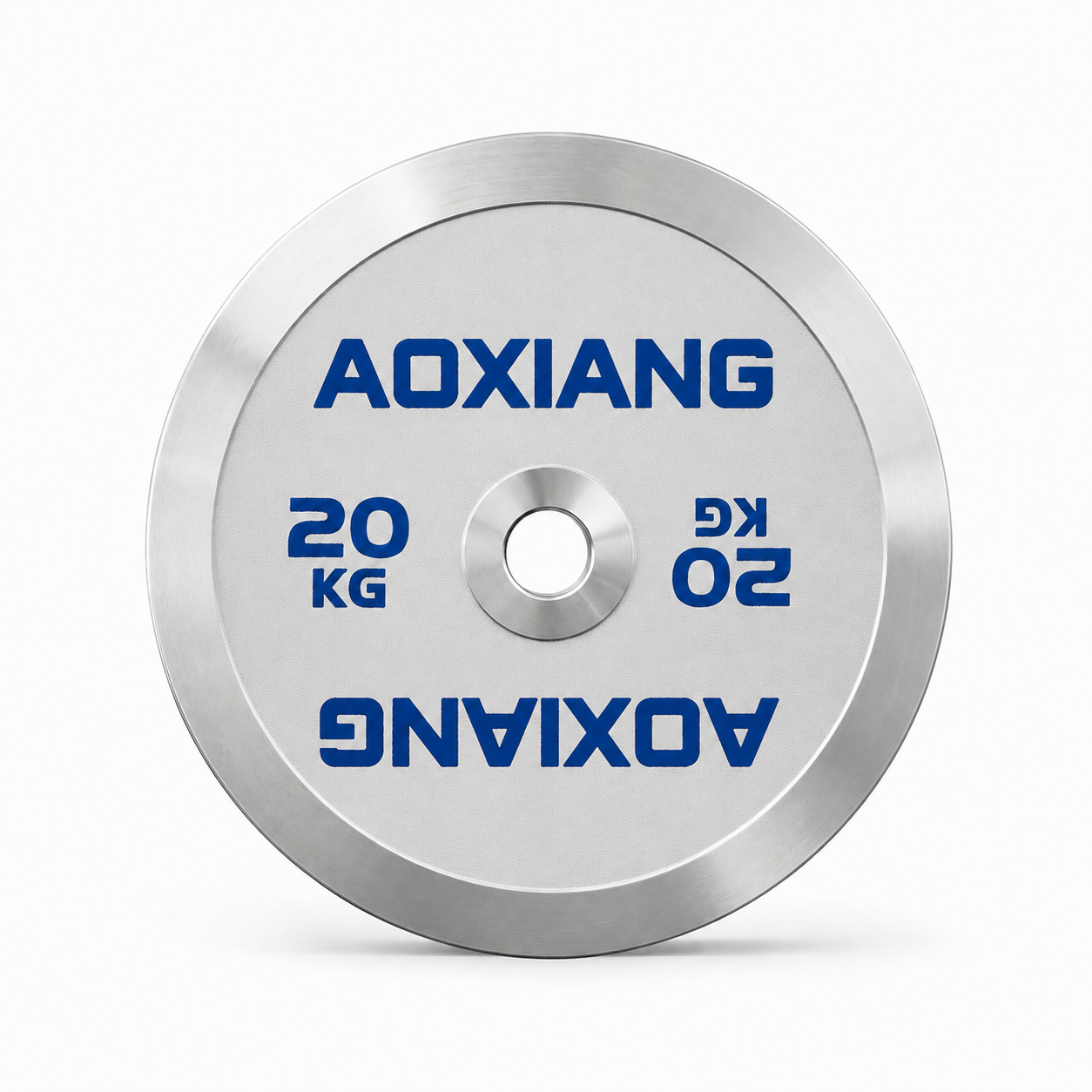
For those managing large-scale gym deployments, the choice of commercial weight plates wholesale options directly impacts the total cost of ownership. High-quality casting ensures weight consistency, while the right finish prevents the premature degradation often seen in budget-grade imports. When evaluating your next sourcing project, consider how the material grade and the gym equipment surface finishing methods will affect your long-term maintenance obligations and client satisfaction.
Technical Comparison of Casting and Surface Finishes
Selecting the correct manufacturing route is essential for maintaining a competitive edge in the distribution market. For instance, while sand casting is a standard method for producing heavy-duty plates, the secondary finishing process determines how the product survives high-traffic commercial environments. A professional cast iron fitness equipment ODM partner will offer various tiers of protection to meet different market segments, from budget-friendly gym startups to premium fitness centers.
The following table outlines the qualitative differences in production and finish to assist in your procurement planning. This comparison helps clarify how different options impact your final landed cost and the required level of maintenance for your clients.
| Material Tier | Surface Process | Key Component Focus | Commercial Duty | MOQ Impact | Factory QC Point |
|---|---|---|---|---|---|
| Gray Iron | Phosphate Treatment | Base Flatness | Entry-Level Commercial | Lower | Oxidation Check |
| Gray Iron | Powder Coating | Coating Adhesion | Standard Commercial | Moderate | Thickness Uniformity |
| Cast Iron | PU Coated | Encapsulation Layer | Premium Commercial | Higher | Surface Smoothness |
When evaluating a supplier, it is vital to confirm that the finishing process is integrated into the production sequence—typically moving from casting to machining, then to the specific coating line. A common failure mode in low-grade imports is poor coating adhesion, which leads to chipping under heavy use. To avoid this, we recommend requesting a sample evaluation or a detailed specification sheet to verify the durability of the gym equipment surface finishing before committing to a large-scale bulk order.
Comparing Surface Finishing and Coating Durability
For importers and professional distributors, selecting the right finish is a critical decision in the cast iron fitness equipment ODM process. The surface treatment directly impacts the total cost of ownership (TCO) for your end-clients, as it determines how well the equipment withstands high-traffic friction and environmental moisture. When sourcing commercial weight plates wholesale, understanding the trade-offs between various coating methods ensures you provide products that maintain their aesthetic and structural integrity over long-term deployment.
A common pain point for gym operators is premature oxidation or coating peel, which increases maintenance frequency and lowers the perceived value of the facility. By selecting a gym equipment surface finishing method that aligns with the specific environment—such as high-humidity hotel gyms versus high-impact commercial strength zones—you can optimize your distributor margins and reduce replacement cycles. Most China factory production lines offer several standardized options to meet different budget and durability tiers.
| Material & Coating Type | Durability Level | Best Use Case | Maintenance Load |
|---|---|---|---|
| Bare Iron with Phosphate | Standard | Budget-conscious commercial gyms | Moderate (requires oiling) |
| Powder Coating | High | High-traffic strength training facilities | Low (impact resistant) |
| PU Coating | Premium | Boutique studios and hotel gyms | Minimal (smooth and waterproof) |
| Rubber Encapsulation | Maximum | High-impact zones and premium facilities | Very Low (highly durable) |
The Impact of Coating Adhesion on Long-Term TCO
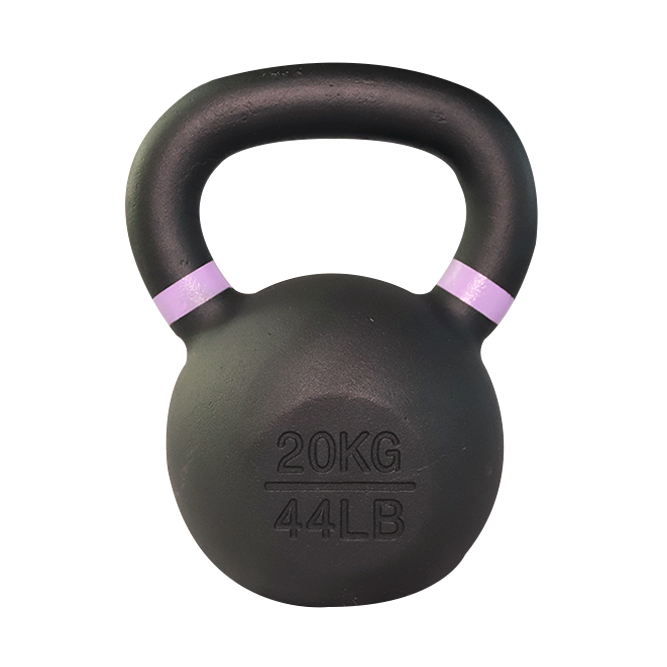
The quality of gym equipment surface finishing is not merely an aesthetic choice; it is a technical specification that dictates the long-term maintenance costs for your clients. In many commercial settings, poor coating adhesion leads to chipping or peeling under heavy use, which can expose the raw iron to oxidation. For a supplier managing large-scale deployments, this failure often results in increased service calls and diminished brand reputation for the end-user. When managing bulk orders, it is essential to verify that the factory utilizes a multi-stage preparation process—typically involving degreasing and surface roughening—to ensure the coating bonds effectively with the cast iron substrate.
To mitigate these risks during the sourcing phase, we recommend a rigorous pre-shipment QC protocol that specifically targets surface integrity. A professional China factory specializing in cast iron fitness equipment ODM will typically perform visual inspections and standardized adhesion checks on sample batches. For high-end wholesale projects, such as hotel or boutique studio deployments, prioritizing a multi-coat powder coating or high-grade polyurethane finish can significantly lower the total cost of ownership. This proactive approach ensures that your wholesale inventory remains in "like-new" condition, protecting your margins and providing better value to your distributors and gym owners.
Manufacturing Processes and Weight Calibration Standards
Selecting a reliable cast iron fitness equipment ODM partner requires a deep understanding of how casting methods impact the long-term durability and precision of your inventory. For distributors and gym equipment importers, the distinction between various production routes determines the total cost of ownership and the frequency of replacement requests from end-users.
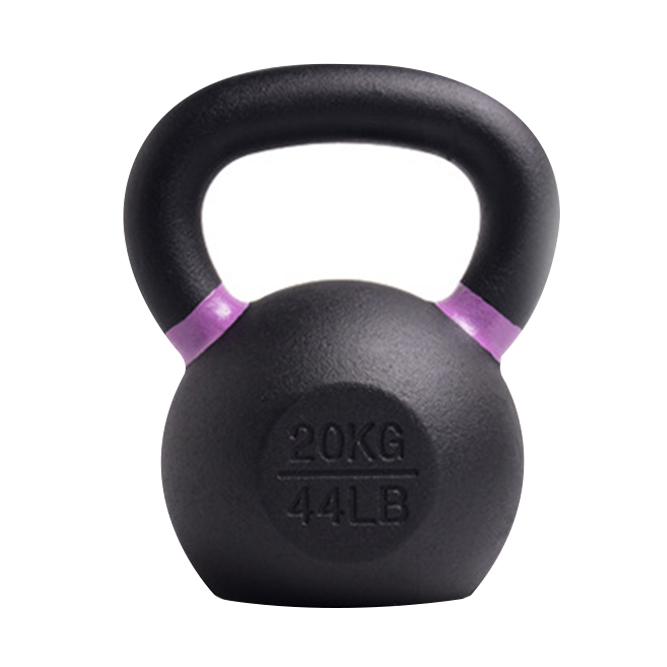
In many professional China factory settings, two primary methods dominate the production of weight plates and kettlebells: sand casting and centrifugal casting. Sand casting is a widely used, cost-effective method for producing complex shapes and textured surfaces, making it a standard choice for commercial weight plates wholesale orders. It involves pouring molten iron into a sand mold, which is ideal for achieving the classic, rugged aesthetic required for heavy-duty strength training equipment. While highly efficient for high-volume wholesale production, it requires rigorous monitoring to ensure surface consistency.
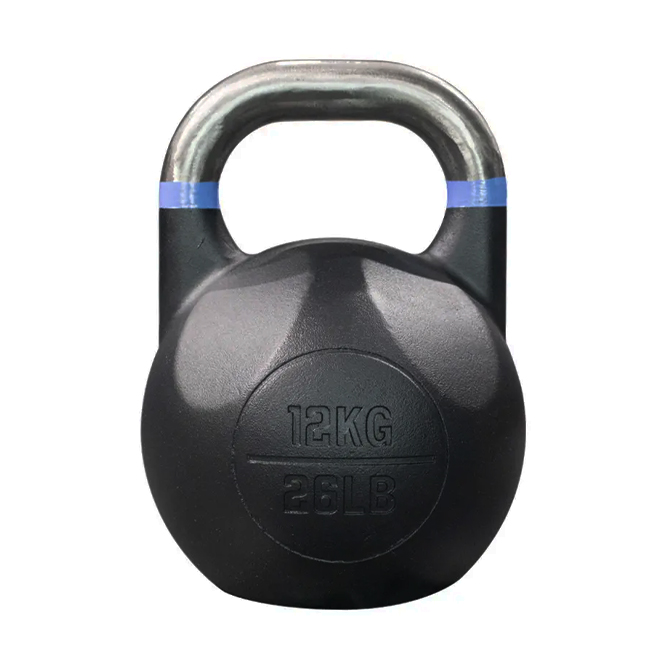
For buyers seeking higher density and smoother profiles, centrifugal casting offers an alternative. This process utilizes rotational force to distribute molten metal against the mold walls, typically resulting in a more compact grain structure. This method is often preferred when the sourcing requirement specifies a higher level of concentricity or a more uniform surface for subsequent gym equipment surface finishing applications. Choosing the correct method is a critical decision for an ODM project, as it directly affects the balance, vibration resistance, and the overall precision of the final product during high-intensity commercial use.
Beyond the initial shape, the most vital stage for professional-grade equipment is weight calibration. High-quality manufacturers do not rely solely on the mold volume; instead, they implement a strict post-casting process to ensure every unit meets the declared specification. This involves a controlled sequence of machining and weight adjustment to minimize tolerance deviations. For a supplier, maintaining tight weight consistency is not just about accuracy—it is about reducing the risk of client disputes and ensuring that heavy sets remain balanced during use. Professional QC protocols at a reputable factory will include randomized weight spot-checks and density verification to ensure that the bulk shipment matches the technical data sheets provided during the initial sourcing phase.
Comparison of Manufacturing Tiers and Surface Specifications
When evaluating your next bulk order, it is essential to align the manufacturing process with your target market's price point and durability requirements. A mismatch between the casting method and the intended environment—such as a high-traffic commercial gym versus a budget-friendly studio—can lead to higher maintenance costs and diminished distributor margins. To assist in your procurement planning, the following table outlines the qualitative tiers commonly used in professional cast iron fitness equipment ODM projects.
| Material Tier | Primary Process | Typical Surface Finish | Commercial Use Case | MOQ Impact | Factory QC Point |
|---|---|---|---|---|---|
| Budget / Standard | Sand Casting | Bare Iron or Paint | Basic Strength Gyms | Lower | Surface Smoothness |
| Commercial Grade | Sand Casting + Machining | Powder Coating | Full-Service Gyms | Moderate | Coating Adhesion |
| Premium / Competition | Centrifugal Casting | Chrome or PU Coating | High-End Studios | Higher | Weight Concentricity |
Selecting the appropriate gym equipment surface finishing is a strategic decision that affects both the aesthetic appeal and the long-term protection of the iron. For instance, while a standard paint finish is cost-effective for large-scale commercial weight plates wholesale distribution, a high-grade powder coating offers superior resistance to oxidation and impact. For buyers managing high-end facility deployments, opting for more advanced finishes can reduce the frequency of replacement and enhance the perceived value of your brand identity. We recommend requesting a sample evaluation or a detailed spec sheet from your supplier to confirm that the chosen finish meets your specific durability standards before finalizing a large-scale wholesale contract.
Custom Branding and OEM/ODM Capabilities for Commercial Projects
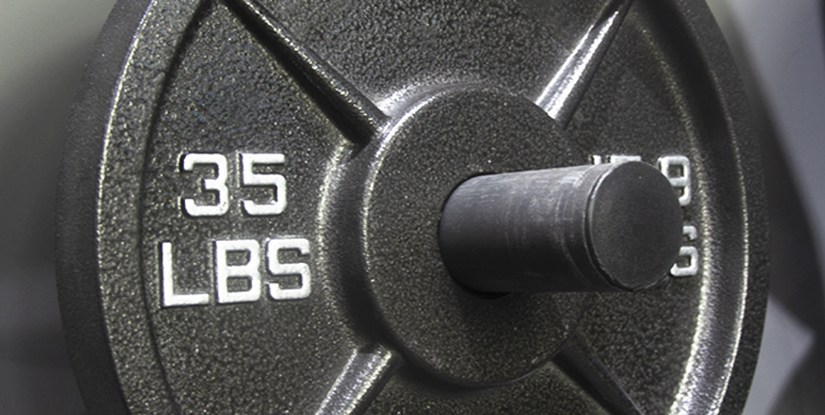
For professional distributors and gym owners, transitioning from generic stock to a specialized product line is a critical step in building long-term market authority. Utilizing cast iron fitness equipment ODM services allows importers to move beyond commodity trading and into the realm of high-margin, branded asset management. Whether you are supplying a single high-end fitness center or managing large-scale commercial gym projects, the ability to integrate a unique brand identity into your inventory differentiates your business from low-tier competitors.
A professional China factory provides more than just manufacturing; they offer the technical infrastructure required for private label development. This includes the ability to execute a custom logo via sandblasting, precision CNC engraving, or specialized professional surface finishing techniques. While generic products offer lower initial entry points, customized solutions allow you to control the aesthetic and functional standards of your catalog. Depending on your MOQ, a reliable supplier can adjust manufacturing routes to accommodate everything from standard weight plate sets to highly specialized, branded iron training tools.
Technical Comparison of Branding and Finishing Options
Selecting the correct surface treatment is a strategic decision that directly impacts the long-term TCO (Total Cost of Ownership) and the maintenance load for your clients. In the commercial weight plates wholesale market, the choice between a basic coating and a high-durability finish often determines whether a product remains a premium asset or becomes a maintenance liability. When managing B2B sourcing for large-scale facilities, understanding how different finishes interact with the cast iron base is essential for protecting your distributor margins.
The following table outlines the common technical tiers available through professional cast iron fitness equipment ODM workflows. This comparison focuses on the relationship between the application method and the resulting commercial durability.
| Material Base | Finishing Process | Branding Method | Commercial Duty | MOQ Impact | Factory QC Point |
|---|---|---|---|---|---|
| Cast Iron | Powder Coating | Pad Printing or Stencil | Standard Commercial | Lower | Coating Adhesion |
| Cast Iron | PU Coating | Embedded Logo/Molding | Premium/High-Traffic | Higher | Layer Uniformity |
| Cast Iron | Enamel Paint | Direct Paint Application | Budget/Entry-Level | Lowest | Surface Smoothness |
| Cast Iron | Phosphate/Bare | CNC Engraving | Industrial/Raw | Variable | Oxidation Resistance |
When evaluating your next batch, consider that advanced gym equipment surface finishing, such as high-grade polyurethane (PU) encapsulation, offers superior protection against oxidation and impact compared to standard paint. While these premium options may require a higher MOQ or affect the initial lead time due to additional drying and curing stages, they significantly reduce the long-term replacement frequency. We recommend discussing specific custom branding requirements with your manufacturer during the initial sample approval phase to ensure that your logo remains legible and durable under heavy commercial use.
China Factory QC and Export Packaging Protocols
Maintaining a consistent landed cost and protecting distributor margins requires more than just a reliable cast iron fitness equipment ODM partner; it requires a rigorous inspection framework. When sourcing commercial weight plates wholesale, the primary risk is not just material failure, but transit-related damage or weight inaccuracies that disrupt your inventory integrity.
A professional China factory must implement a multi-stage QC protocol that begins at the casting stage and extends through to final container loading. For high-volume sourcing, we focus on verifying the gym equipment surface finishing adhesion and ensuring that the weight tolerances meet commercial-grade standards before the goods leave the facility. This prevents the costly headache of receiving damaged or non-compliant stock at your warehouse.
Standardized Inspection and Export Packaging Layers
To ensure that your cast iron fitness equipment ODM orders arrive in retail-ready condition, we utilize specialized export-grade packaging designed for heavy-duty sea freight. This includes reinforced corner protection and heavy-duty corrugated layers to prevent chipping during ocean transit.
| Inspection Stage | Focus Area | Commercial Duty Tier | Packaging Requirement | QC Verification Point |
|---|---|---|---|---|
| Pre-Coating | Casting Integrity | Commercial | Bulk Palletized | Surface Smoothness |
| Post-Finishing | Adhesion & Color | Premium | Individual Polybags | Coating Uniformity |
| Final Pre-Shipment | Weight & Dimensions | Distributor Standard | Reinforced Crates | Weight Tolerance Check |
For wholesale buyers, we recommend confirming the specific MOQ for custom branded packaging or specialized crate configurations. If you are planning a large-scale deployment, please contact us to request a detailed technical spec sheet or to arrange a factory audit to verify our pre-shipment inspection workflows.
Logistics and Pre-Shipment Verification Checklist
Effective sourcing for international distributors requires a granular understanding of how products are secured for long-haul transport. A common failure in the supply chain occurs when heavy cast iron units are improperly palletized, leading to chipped coatings or structural shifts during sea freight. To mitigate this, a professional factory must provide a clear roadmap for weight tolerance, base flatness, and loading density to ensure your landed cost remains predictable and your inventory arrives intact.
When evaluating a cast iron fitness equipment ODM partner, we recommend auditing the following logistics-specific technicalities:
- Weight Tolerance: Verification that cast iron units meet standard commercial weight deviations through spot-checks.
- Base Flatness: Ensuring casting surfaces are level to prevent wobbling during high-intensity commercial use.
- Palletizing & Sea Freight Protection: Utilization of reinforced wooden pallets, corner protectors, and heavy-duty shrink wrap to withstand container stacking pressures.
- Lead Time & MOQ: Confirming production schedules and minimum order quantities to align with your seasonal stock replenishment cycles.
To optimize your procurement, please reach out to discuss your specific wholesale requirements, confirm the current MOQ for your custom specifications, or request a formal quote for your next bulk shipment.
Export Packaging Tier Comparison for Global Distribution
Selecting the correct packaging tier is a critical decision for importers to balance the total landed cost against the risk of transit-related damage. While standard options work for regional distribution, premium configurations are essential for long-distance sea freight to ensure your wholesale inventory arrives with zero defects.
| Packaging Tier | Protection Level | Best Suitability | Impact on Landed Cost |
|---|---|---|---|
| Standard Export | Basic Polybag & Bulk Pallet | Short-haul or Regional Transport | Lower / Budget-Friendly |
| Premium Export | Reinforced Crates & Corner Guards | Long-distance Sea Freight | Moderate / Optimized for Safety |
| Distributor Grade | Individual Branding & Heavy-Duty Box | Direct-to-Retail or High-End Gyms | Higher / Premium Presentation |
We advise all sourcing managers to evaluate these tiers based on their specific logistics route. For large-scale wholesale orders involving heavy iron weight, we typically recommend the Premium Export option to protect the integrity of the gym equipment surface finishing during multi-week ocean transit. Please contact our factory team to confirm the MOQ for custom crate configurations or to receive a detailed shipping specification sheet for your next bulk order.
Optimizing Sourcing Strategy for Bulk Orders
For professional distributors and gym equipment importers, understanding the relationship between material quality and Total Cost of Ownership (TCO) is essential for maintaining long-term profitability. When managing cast iron fitness equipment ODM projects, the initial purchase price represents only a fraction of the actual expense. High-quality commercial weight plates wholesale orders focus on minimizing the replacement frequency and maintenance overhead through superior casting integrity and gym equipment surface finishing.
Selecting a reliable China factory that prioritizes robust manufacturing processes ensures that your inventory can withstand high-traffic commercial environments. A lower-tier supplier might offer a lower upfront cost, but inadequate surface finishing often leads to premature oxidation or coating failure, significantly increasing the landed cost over the product lifecycle. By investing in premium cast iron fitness equipment ODM solutions, buyers can reduce long-term operational expenses and protect their brand reputation.
When evaluating sourcing options, professional buyers should prioritize the following commercial-grade tiering to align with their specific deployment needs:
| Material Tier | Surface Process | Primary Commercial Use | Durability Expectation | MOQ Impact |
|---|---|---|---|---|
| Standard Gray Iron | Phosphate or Basic Paint | Budget Gyms / Home Use | Moderate | Lower |
| Premium Cast Iron | Multi-coat Powder Coating | Commercial Fitness Centers | High | Medium |
| High-End Industrial | Polyurethane (PU) Coating | Premium Studios / Hotels | Very High | Higher |
Deciding between different coating methods requires a strategic assessment of the intended environment and the target client profile. For instance, a wholesale order of powder-coated units offers excellent resistance to scratches and oxidation, making it a standard for high-volume strength training facilities. Conversely, PU coating or high-grade rubber encapsulation provides a more premium tactile experience and superior floor protection, which is often required for luxury hospitality or high-end studio deployments. While these advanced options may involve a higher MOQ or increased unit price, the reduction in long-term maintenance and the ability to command a higher retail margin often justifies the initial investment.
To ensure successful sourcing, procurement managers should request specific technical details regarding the adhesion and application of the chosen finish. A professional factory will typically provide documentation or samples that demonstrate the consistency of the coating across different weight denominations. When negotiating cast iron fitness equipment ODM contracts, it is highly recommended to confirm the pre-shipment inspection protocols for surface integrity. This includes verifying the thickness of the coating and checking for any casting defects that could compromise the finish. Proactive communication regarding these technical standards will help mitigate the risk of receiving sub-standard batches and ensure that your landed cost remains optimized through high product reliability.
Managing Logistics, QC, and Lead Time Efficiency
For large-scale distributors, the complexity of a cast iron fitness equipment ODM project extends beyond the casting mold to the precision of the final shipment. A common pain point in bulk procurement is the discrepancy between theoretical weight and actual delivered weight, which can erode distributor margins and complicate inventory management. To mitigate this, a professional China factory must implement a rigorous QC protocol that includes weight tolerance spot-checks and concentricity verification before any product enters the packaging stage.
Efficient lead time management is heavily dependent on how well the manufacturing sequence—from casting to final gym equipment surface finishing—is synchronized with export schedules. Delays in the coating or calibration phase can lead to missed shipping windows, increasing warehouse holding costs. To ensure high shipping efficiency, we recommend that buyers verify the manufacturer's capacity for high-volume throughput and their ability to maintain consistent quality during peak production cycles. This reliability is critical when managing commercial weight plates wholesale orders that must arrive on a strict deployment schedule.
Furthermore, the integrity of the product during long-distance transit depends on specialized export packaging. For heavy cast iron components, this typically involves reinforced corner protection, heavy-duty corrugated boxes, or customized wooden crates to prevent impact damage. When coordinating your next wholesale shipment, confirm that the factory utilizes palletization methods that optimize container loading density. High-density loading not only reduces the per-unit landed cost but also ensures that the items arrive at your warehouse in a condition ready for immediate commercial distribution or retail sale.