Chrome Kettlebell Made in China: Factory Production
Optimizing Commercial Floor Layout with Chrome Kettlebell Production
For boutique studios and high-end hotel gyms, floor space is a premium asset that directly impacts revenue per square foot. Unlike standard cast iron options that may require bulky storage or frequent replacement due to surface oxidation, sourcing a chrome kettlebell made in China provides a sophisticated solution for space-efficient, high-aesthetic training environments. High-quality chrome kettlebell manufacturing ensures that each unit maintains a pristine, professional appearance without the need for constant cleaning or heavy maintenance, allowing operators to maximize their functional training zones.
When selecting a commercial kettlebell supplier, procurement leads must prioritize the relationship between plating quality and long-term TCO (Total Cost of Ownership). A precision-cast bell with a high-grade chrome finish prevents the common failure mode of surface pitting and rust, which often plagues lower-tier imports. This level of casting precision and surface integrity ensures that the equipment remains a permanent fixture rather than a recurring expense, optimizing the ROI for distributors and gym owners alike.
Evaluating Finish Durability and Wholesale Value
Distributors and gym operators must evaluate the trade-offs between initial landed cost and long-term maintenance loads. While standard cast iron is a budget-friendly option, it often requires more frequent replacement in humid environments. In contrast, a chrome kettlebell made in China offers a premium aesthetic that justifies higher retail margins for boutique studios. When evaluating your next bulk order, consider how different finishes impact your long-term operational efficiency and storage requirements.
| Material | Finish Type | Commercial Duty | Maintenance Level | Lifespan | Wholesale Value |
|---|---|---|---|---|---|
| Cast Iron | Powder Coated | Standard Commercial | Moderate | Medium | High Volume / Budget |
| Cast Iron | Bare Iron / Phosphate | Standard Commercial | High (Rust Risk) | Low to Medium | High Volume / Low Cost |
| Steel / Iron | Chrome Plating | Premium / Boutique | Low | High | Premium Tier |
| Cast Iron | PU / Rubber Coating | High-Traffic Commercial | Low | High | Mid-to-High Tier |
Selecting the right wholesale chrome kettlebells depends heavily on your target market's expectations. For high-end functional training zones, the chrome finish provides a seamless, professional look that resists the typical wear and tear of heavy usage. For those looking to optimize chrome kettlebell manufacturing workflows, we recommend confirming the coating adhesion standards with your factory to ensure long-term reliability before finalizing your MOQ or shipping schedules.
Efficiently managing a commercial gym layout requires more than just floor space; it requires equipment that minimizes operational friction. High-quality wholesale chrome kettlebells allow distributors to offer products that resist the oxidation and surface degradation typically found in lower-grade cast iron. This durability directly reduces replacement cycles and long-term maintenance costs, ensuring that your investment remains a high-value asset in any high-traffic training environment.
When calculating the total landed cost for a new facility or retail shipment, procurement professionals must account for the long-term ROI of the finish. A premium chrome kettlebell made in China offers a significant advantage by providing a high-end aesthetic that maintains its integrity under heavy use. By sourcing through a direct factory, you can secure competitive bulk pricing while ensuring the plating quality meets the rigorous standards required for professional-grade commercial environments.
Material Selection and Casting Standards for Chrome Kettlebell Made in China
High-quality chrome kettlebell made in China production begins with rigorous selection of base metal to ensure long-term durability for commercial gym environments. For professional importers and distributors, understanding the transition from standard cast iron to premium plated units is essential for calculating total cost of ownership and maintaining high equipment standards.
The foundation of premium chrome kettlebell manufacturing relies on high-grade gray iron or ductile iron. Most professional commercial kettlebell supplier facilities utilize a precision sand casting method to form the initial bell shape. This process ensures the structural integrity of the handle-to-body junction, which is a critical point of failure in lower-tier products. A well-executed casting process results in a consistent weight distribution and a smooth surface profile, providing the necessary foundation for the subsequent chrome finish application. When wholesale buyers evaluate a China factory, they often inspect the base metal for surface porosity or structural cracks before the plating stage begins.
Standardizing Production Tiers for Global Distribution
To optimize your procurement strategy, it is essential to differentiate between production tiers. A professional commercial kettlebell supplier will typically offer varying levels of surface treatment and casting precision. For distributors, selecting the correct tier ensures that the landed cost aligns with the intended market segment, whether it is for high-traffic commercial centers or specialized training studios.
The following table outlines the qualitative differences in production standards for wholesale chrome kettlebells, helping you evaluate the technical specifications of a chrome kettlebell made in China before placing a bulk order.
| Material | Casting Method | Surface Treatment | Commercial Durability | Sourcing Focus |
|---|---|---|---|---|
| Gray Iron | Sand Casting | Standard Chrome Plating | Moderate (Standard Gym Use) | High-volume wholesale |
| Ductile Iron | Precision Casting | Multi-layer Chrome Finish | High (Heavy-duty Commercial) | Premium Distributor Tier |
| Solid Steel | Machined/Forged | Competition-grade Chrome | Maximum (Elite/Studio) | Specialized OEM/ODM |
When negotiating wholesale chrome kettlebells, we recommend requesting a sample to inspect the coating adhesion and the smoothness of the handle texture. A reliable factory will provide clear documentation regarding their weight calibration and the consistency of the plating thickness. For large-scale sourcing projects, confirming the ability to perform a pre-shipment inspection on the base flatness and handle-to-body junction integrity is a vital step in mitigating long-term maintenance costs.
Critical QC Stages: Plating, Adhesion, and Pre-Shipment Standards
The final durability of a chrome kettlebell made in China depends heavily on the precision of the electrochemical plating process. After the initial casting and machining stages, the iron bell undergoes a series of chemical baths to prepare the surface for the chrome layer. A professional commercial kettlebell supplier must ensure rigorous control over the plating sequence to prevent common failure modes such as surface pitting or premature oxidation. For high-volume wholesale orders, the strength of the coating adhesion is the most critical factor in maintaining a premium aesthetic and preventing rust in high-humidity gym environments.
During the chrome kettlebell manufacturing process, a high-tier factory will implement multiple quality control checkpoints. This includes testing for coating adhesion to ensure the chrome layer does not flake under heavy use, as well as performing a weight tolerance spot-check to verify that each unit meets the declared specification. For buyers utilizing OEM or ODM services, these technical standards are essential to ensure that the finished product meets international commercial-grade requirements. Before finalizing any shipment, a thorough pre-shipment QC must be conducted to inspect the handle texture, base flatness, and the overall integrity of the plating. This level of scrutiny helps importers manage their total landed cost by reducing the need for expensive after-sales replacements or returns due to surface defects.
Technical Specifications: Casting vs. Coating Processes
Understanding the distinction between casting and plating is essential for distributors managing long-term inventory and client expectations. When sourcing a chrome kettlebell made in China, the structural integrity of the bell depends heavily on the initial casting method, while the surface longevity is determined by the quality of the chrome plating. For high-volume wholesale buyers, selecting the correct process ensures that the product meets the rigorous demands of commercial gym environments, reducing the frequency of replacements and improving the total cost of ownership for the end-user.
A professional commercial kettlebell supplier will typically utilize sand casting to create the foundational shape of the bell. This process involves pouring molten iron into a mold, which provides the necessary density and weight stability required for professional training. Once the base form is achieved, the secondary process of surface finishing—such as electroplating—is applied. High-quality chrome kettlebell manufacturing requires precise control over the plating thickness to ensure the coating does not chip or peel during heavy usage, which is a common failure mode in lower-tier sourcing options.
| Material/Process Type | Primary Manufacturing Method | Surface Finish | Commercial Duty Tier | Durability Profile |
|---|---|---|---|---|
| Standard Cast Iron | Sand Casting | Powder Coating | Budget/Commercial | High impact resistance; matte texture |
| Premium Chrome | Precision Casting | Electroplating | Premium/Competition | High luster; smooth grip; high oxidation resistance |
| Rubber/PU Coated | Injection/Dip | Encapsulation | High-End Commercial | Maximum floor protection; high abrasion resistance |
For distributors looking to optimize their product catalogs, evaluating the chrome kettlebell made in China through the lens of these technical layers is vital. While a standard powder-coated bell offers excellent durability for general strength training, a high-grade chrome finish provides the aesthetic and tactile precision required for premium studios and competition-style settings. We recommend reviewing the specific casting processes and plating adhesion standards with your factory to ensure the final product aligns with your brand's quality positioning.
Evaluating Manufacturing Tiers and Procurement Implications
Selecting the appropriate manufacturing route directly impacts your landed cost and the long-term maintenance load for your clients. When managing a bulk order, procurement managers must weigh the lower initial cost of standard casting against the premium value of high-precision electroplating. A professional chrome kettlebell manufacturing workflow ensures that the transition from the initial casting to the final surface finish is seamless, preventing common issues like coating delamination or handle-to-body structural weaknesses.
| Process Specification | Manufacturing Route | Key Component Focus | Commercial Duty Tier | MOQ Impact | Factory QC Point |
|---|---|---|---|---|---|
| Standard Cast Iron | Sand Casting & Powder Coating | Base Flatness & Texture | Budget/Commercial | Lower | Coating Adhesion |
| Premium Chrome | Precision Casting & Electroplating | Knurling & Handle Grip | Premium/Competition | Higher | Weight Tolerance |
| Encapsulated Finish | Molding or Dip Coating | Internal Filler & Shell Integrity | High-End Commercial | Variable | Surface Smoothness |
For those engaged in professional wholesale chrome kettlebells sourcing, the technical distinction in the table above serves as a guide for inventory planning. High-tier electroplated units typically require more stringent pre-shipment inspection to verify that the weight calibration and surface luster remain consistent across the entire batch. If your target market includes high-end boutique studios, prioritizing the precision casting and chrome plating methods will justify the higher investment through increased product longevity and a superior professional aesthetic.
Critical QC Inspection Points for Export-Grade Standards
Maintaining high standards during the final production stages is what separates a reliable commercial kettlebell supplier from low-tier manufacturers. For importers and distributors, the most significant risk in sourcing a chrome kettlebell made in China is the failure of the surface layer under heavy commercial use. To mitigate this, a rigorous pre-shipment QC protocol must be implemented, focusing specifically on the chemical and physical bond between the metal substrate and the decorative finish.
A primary inspection point for any export-grade order is the coating adhesion. During the plating process, if the surface preparation is insufficient, the chrome may flake or peel, leading to high replacement costs and diminished brand reputation. Professional chrome kettlebell manufacturing facilities utilize standardized adhesion tests to ensure the finish remains intact despite high friction and moisture exposure. Additionally, inspectors must verify the surface finish uniformity, checking for pitting, oxidation, or uneven luster that could compromise the aesthetic value of the premium units.
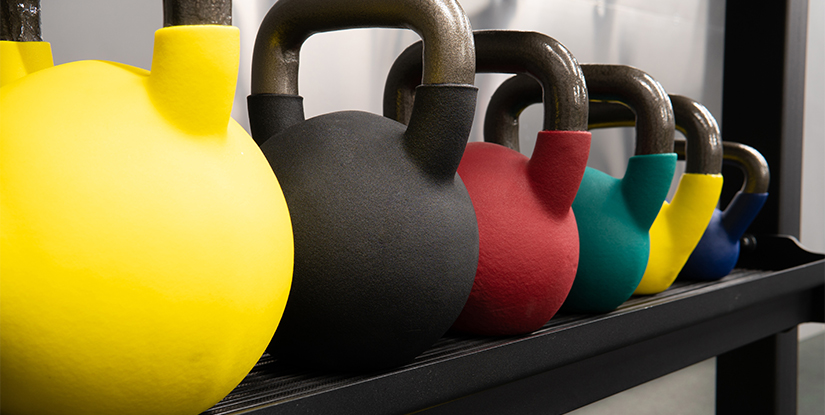
Beyond the surface, the structural integrity of the handle and the precision of the weight calibration are non-negotiable. Quality control teams at a reputable factory will perform spot checks on the handle-to-body junction and the consistency of the knurling to ensure a high-performance grip. For buyers utilizing OEM or ODM services, we recommend requesting a detailed inspection report that covers these specific technical benchmarks. This level of scrutiny ensures that your bulk order arrives ready for immediate deployment in high-traffic commercial environments, protecting your margins and your client's satisfaction.
Ensuring Precision in Chrome Kettlebell Manufacturing
Achieving high-end commercial standards requires a rigorous production sequence that goes beyond simple casting. For distributors and gym equipment importers, understanding the technical layers of a chrome kettlebell made in China is essential to ensuring long-term durability and minimizing replacement costs in high-traffic facilities.
The manufacturing process begins with high-quality sand casting to create a consistent bell shape. Once the raw cast iron form is prepared, it undergoes intensive precision machining to ensure the handle and body dimensions meet industry-standard specifications. This stage is critical for maintaining weight tolerance and ensuring the concentricity required for professional use. Following the structural refinement, the unit moves to a specialized electroplating line. This multi-stage surface finishing process involves thorough degreasing and base coating to ensure maximum adhesion before the final chrome layer is applied. This level of detail ensures that the chrome kettlebell manufacturing process results in a product that resists corrosion and maintains a premium aesthetic under heavy commercial use.
For professional wholesale chrome kettlebells, the quality of the handle-to-body junction and the depth of the knurling are the primary indicators of a premium build. A reliable commercial kettlebell supplier will implement strict weight calibration and surface adhesion checks before any unit leaves the factory. By prioritizing these technical benchmarks, importers can secure high-margin, durable inventory that meets the rigorous demands of global fitness markets.
Technical Comparison of Surface Finishing Methods
When sourcing professional-grade equipment, procurement managers must differentiate between various plating technologies to balance aesthetic longevity with landed cost. Selecting the appropriate finish impacts the long-term maintenance load and the perceived value of your inventory. The following table outlines the standard industry options available through professional chrome kettlebell manufacturing to assist in your technical evaluation.
| Plating Type | Adhesion Quality | Corrosion Resistance | Commercial Duty Tier | MOQ/Lead Time Impact | Primary QC Focus |
|---|---|---|---|---|---|
| Electroplating | High | Excellent | Premium/Competition | Higher MOQ/Longer Lead Time | Coating thickness & surface smoothness |
| Physical Vapor Deposition | Superior | Maximum | High-End Professional | Significant Lead Time Increase | Uniformity & micron-level precision |
| Standard Chrome Finish | Moderate | Standard Commercial | Mid-Tier Commercial | Standard MOQ/Faster Turnaround | Adhesion & base metal cleanliness |
Understanding these nuances allows a commercial kettlebell supplier to better align production with your specific market positioning. For example, while electroplating offers the classic high-luster look required for premium studios, the specialized equipment required for such precision may influence the total lead time for bulk orders. When negotiating with a China factory, it is advisable to request specific details regarding the degreasing and base-layering stages, as these are the most common failure points for surface peeling in high-humidity gym environments. For those managing large-scale wholesale chrome kettlebells distribution, matching the plating method to the intended facility type is a critical step in optimizing the total cost of ownership and ensuring high distributor margins.
Standardizing Export-Grade Quality Control and Logistics
For high-volume distributors, the technical excellence of a chrome kettlebell made in China is only as reliable as the final inspection and logistics framework. A professional commercial kettlebell supplier must bridge the gap between factory output and international delivery standards to protect your landed cost and ensure product integrity upon arrival.
The final stage of the production cycle involves rigorous pre-shipment QC protocols. This includes a comprehensive weight calibration to ensure every unit falls within acceptable industry-standard tolerances, alongside a visual inspection of the handle-to-body junction and knurling consistency. Beyond the unit itself, export-grade packaging is a non-negotiable requirement for bulk shipments. This typically involves heavy-duty reinforced cartons and optimized palletization strategies to prevent impact damage and maximize container loading efficiency during sea freight. By implementing these strict protocols, a factory ensures that your wholesale chrome kettlebells arrive at your warehouse ready for immediate commercial deployment, minimizing the risk of returns or client dissatisfaction due to transit-related defects.
Sourcing Strategies for a Commercial Kettlebell Supplier
Optimizing your inventory with a high-quality chrome kettlebell made in China allows distributors to capture the premium segment of the market without the prohibitive costs of domestic manufacturing. By partnering with a professional commercial kettlebell supplier, importers can secure products that balance high-end aesthetic appeal with the structural integrity required for high-traffic fitness environments. This strategic approach ensures that your wholesale chrome kettlebells meet the rigorous demands of commercial gym owners while protecting your distributor margin through competitive landed costs and scalable production models.
Selecting the right factory involves evaluating more than just the surface finish. A reliable China factory will offer clear MOQ tiers and established lead time windows to assist with your seasonal inventory planning. Furthermore, high-tier sourcing partners provide robust OEM and ODM capabilities, allowing you to implement custom branding or specialized weight configurations that differentiate your product line in a crowded marketplace.
Evaluating Manufacturing Standards and Procurement Tiers
To maximize your return on investment, procurement professionals must distinguish between different production standards during the chrome kettlebell manufacturing process. The quality of the casting and the precision of the plating directly impact the long-term durability and the perceived value of the unit in a commercial setting. Choosing the correct tier ensures that the weight tolerance and surface adhesion meet the expectations of high-end studios and professional training facilities.
| Material & Process | Key Component | Commercial Duty | MOQ Impact | Factory QC Point |
|---|---|---|---|---|
| Cast Iron + Chrome Finish | Handle & Grip | Premium / Competition | Higher | Coating Adhesion |
| Cast Iron + Powder Coating | Base Flatness | Standard Commercial | Moderate | Weight Tolerance |
| Ductile Iron + PU Coating | Handle-to-Body Junction | High-Traffic / Durable | Variable | Encapsulation Layer |
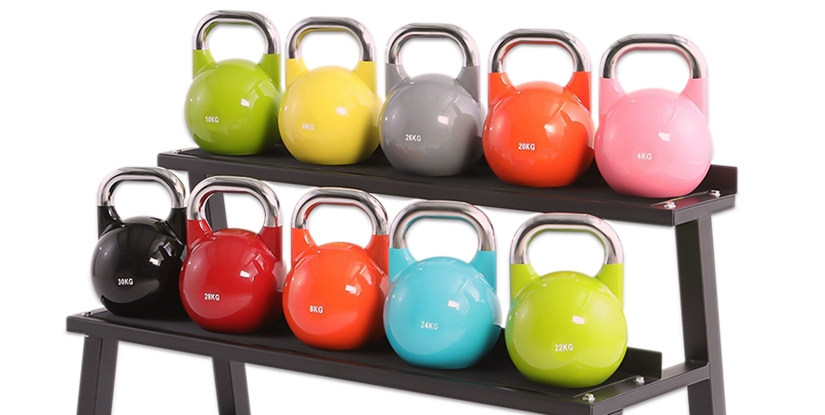
When evaluating a potential chrome kettlebell made in China, it is critical to verify the specific technical benchmarks of the casting process. A professional supplier will provide detailed documentation regarding the weight calibration and the uniformity of the plating layer. For distributors, understanding these qualitative tiers—from budget-friendly cast options to premium chrome-finished units—is essential for managing the total cost of ownership and ensuring that your bulk shipments arrive with consistent quality and zero defects.
Critical QC Checkpoints for Bulk Procurement
Maintaining high margins depends on reducing after-sales replacement costs caused by surface defects or structural failures. During the chrome kettlebell manufacturing process, the most frequent failure points involve the integrity of the handle and the durability of the finish. A professional supplier must implement rigorous inspection protocols to ensure that every unit in a bulk shipment meets international commercial standards.
The first priority in a high-end chrome kettlebell made in China is verifying the coating adhesion. In high-traffic environments, any weakness in the plating can lead to peeling or oxidation, which compromises the product's professional appearance. Inspectors should check that the plating is uniform across the bell body and the handle. Additionally, the handle knurling must be precisely machined to ensure a consistent grip texture that does not become abrasive or uneven over time. Finally, a comprehensive pre-shipment inspection must include a logistics safety check, verifying that the export packaging can withstand the weight and impact of long-distance sea freight to prevent damage before the product reaches your warehouse.
Factory QC and Export Standards for Wholesale Chrome Kettlebells
Maintaining consistent chrome kettlebell made in China standards requires a rigorous transition from the initial casting process to the final surface treatment. For professional distributors and gym equipment importers, a failure in chrome plating quality results in immediate oxidation, high replacement costs, and damaged brand reputation. A professional commercial kettlebell supplier must implement multi-stage inspections to ensure every unit meets strict commercial gym requirements and survives high-frequency usage in professional environments.
Reliable B2B sourcing depends on a factory that prioritizes structural integrity before aesthetics. The sequence typically begins with high-precision sand casting to ensure base flatness and weight concentricity, followed by mechanical grinding to smooth the handle-to-body junction. Only after the surface is perfectly calibrated can the electroplating process begin. This systematic approach reduces the risk of coating delamination, ensuring a higher ROI for your wholesale orders and lowering long-term maintenance liabilities for your clients.
Standardizing Inspection and Export Logistics
To mitigate the risks of high landed costs and damaged inventory, a leading commercial kettlebell supplier must implement a strict pre-shipment inspection protocol. Professional buyers should verify that the chrome kettlebell manufacturing process includes specific checkpoints for weight tolerance and surface durability. A typical high-standard inspection covers the handle-to-body junction for smoothness, the depth of the knurling, and the adhesion of the plating layer. These technical audits prevent the common issue of premature rust or flaking, which often plagues lower-tier production and increases the total cost of ownership for gym operators.
Efficient bulk order logistics are just as critical as the product itself to ensure the shipment arrives in retail-ready condition. For international distributors, the export packaging must include heavy-duty, reinforced corrugated boxes and moisture-resistant liners to protect the chrome finish during long-haul sea freight. When negotiating with a China factory, it is essential to confirm the specific export packaging standards and the expected lead time for your volume. High-tier manufacturers often offer customized palletization and container loading optimization to maximize space efficiency, helping you reduce shipping costs per unit and improve your overall distributor margins.
| Sourcing Tier | Primary Focus | Typical QC Checkpoint | Packaging Standard | Impact on Landed Cost |
|---|---|---|---|---|
| Standard Wholesale | Volume and Speed | Weight and Surface Finish | Standard Brown Carton | Low initial cost; higher breakage risk |
| Premium OEM | Brand Identity and Durability | Plating Adhesion and Handle Texture | Reinforced Color/Branded Box | Higher upfront; lower replacement cost |
| Custom Private Label | Full Specification Control | Full Dimensional and Weight Calibration | Custom Export-Grade Palletized Unit | Optimized for high-end distribution |
When evaluating your next procurement cycle, we recommend requesting a detailed specification sheet and a sample for physical evaluation. Confirm the minimum MOQ and the current lead time for your specific volume to ensure your inventory planning aligns with global shipping schedules. A direct consultation with the factory regarding OEM or ODM capabilities can also help you tailor the final product to your specific market's premium requirements.
| Quality Tier | Surface Finish | QC Focus | Commercial Suitability | Sourcing Impact |
|---|---|---|---|---|
| Budget Tier | Basic Chrome or Enamel | Weight Consistency | General Fitness Centers | Low MOQ; High Turnover |
| Commercial Tier | Standard Chrome Plating | Handle-to-Body Junction | Commercial Gyms | Standard Wholesale Rates |
| Premium Tier | High-Grade Polished Chrome | Plating Adhesion & Knurling | Boutique Studios & Competition | Custom OEM/ODM Requirements |
Before finalizing your procurement, we suggest requesting a full technical specification sheet and a sample for physical evaluation. Confirm the specific MOQ and current lead time for your volume to ensure your inventory planning aligns with global shipping schedules. Engaging directly with the factory regarding OEM or ODM capabilities will also allow you to tailor the final product to your specific market's premium requirements and brand identity.
Direct Procurement and Customization via OEM/ODM
For distributors and commercial gym equipment importers, sourcing a chrome kettlebell made in China offers significant advantages in terms of scalable branding and cost-effective product differentiation. Relying on a professional commercial kettlebell supplier allows you to move beyond generic stock items and instead build a distinct market presence through high-end finishing and specialized specifications.
A specialized China factory can provide comprehensive OEM and ODM services to meet specific regional market demands. Whether you require a specific weight ranges expansion—from light training bells to heavy professional sets—or a unique handle texture for improved grip ergonomics, the manufacturing process is highly adaptable. Most wholesale chrome kettlebells orders can be customized with your own logo via laser etching or high-durability plating to strengthen your brand identity. This custom branding capability ensures that your commercial gym branding remains consistent across all strength equipment lines, providing a premium look that justifies higher distributor margins.
When managing sourcing for large-scale fitness projects, understanding the MOQ for private label production is essential for maintaining a healthy landed cost. Most manufacturers offer tiered pricing based on volume, allowing you to balance initial inventory investment with the long-term value of a proprietary product line.
Customization Tiers and Procurement Requirements
Navigating the complexities of chrome kettlebell manufacturing requires a clear understanding of how customization affects both your unit cost and the total lead time. For professional buyers, the choice between standard stock and full OEM production is a strategic decision between speed-to-market and long-term brand equity. High-end chrome finishes require specific plating durations and quality checks that can influence the final production schedule.
The following table outlines the typical procurement structures available when working with a professional commercial kettlebell supplier. These tiers are designed to help importers and distributors align their inventory strategies with their specific market positioning and budget constraints.
| Customization Level | Primary Branding Options | Typical MOQ | Estimated Lead Time | Commercial Application |
|---|---|---|---|---|
| Standard Wholesale | Generic or existing stock | Low (per weight set) | Short (Stock availability) | Budget-friendly gym setups |
| Basic Private Label | Laser-etched logo | Medium (Volume dependent) | Standard Production Cycle | Mid-tier fitness studios |
| Full Customization | Custom handle texture and plating | High (Project-based) | Extended (Custom tooling) | Premium boutique franchises |
When evaluating your next batch of wholesale chrome kettlebells, we recommend requesting a detailed spec sheet to confirm the specific plating and knurling requirements. To ensure your procurement aligns with your warehouse and distribution timelines, please contact our team to confirm current MOQ thresholds, discuss custom branding possibilities, or request a formal quote for your upcoming bulk order.