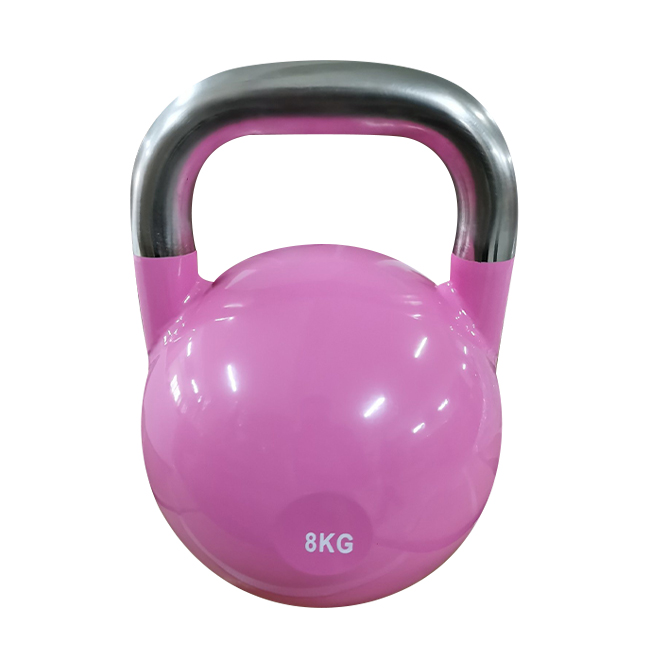
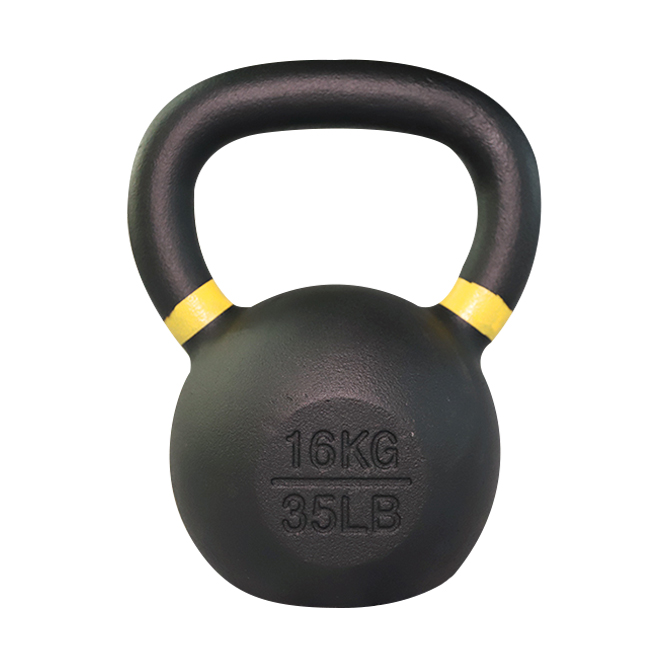
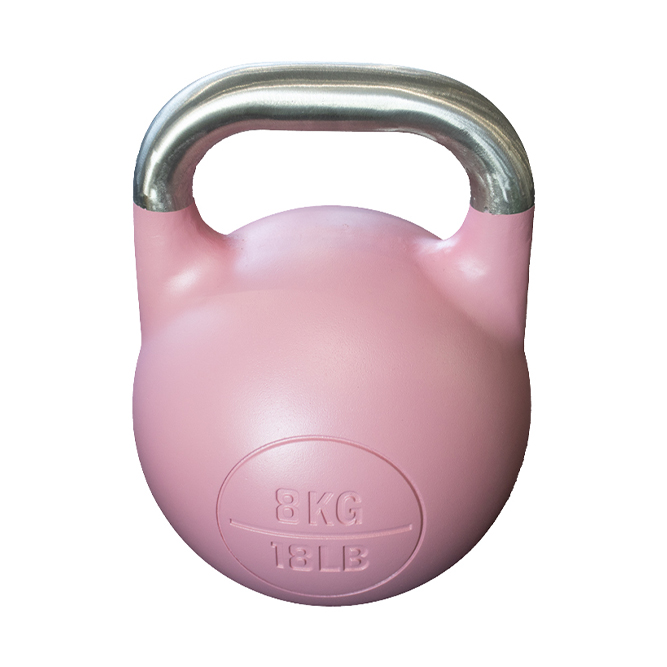
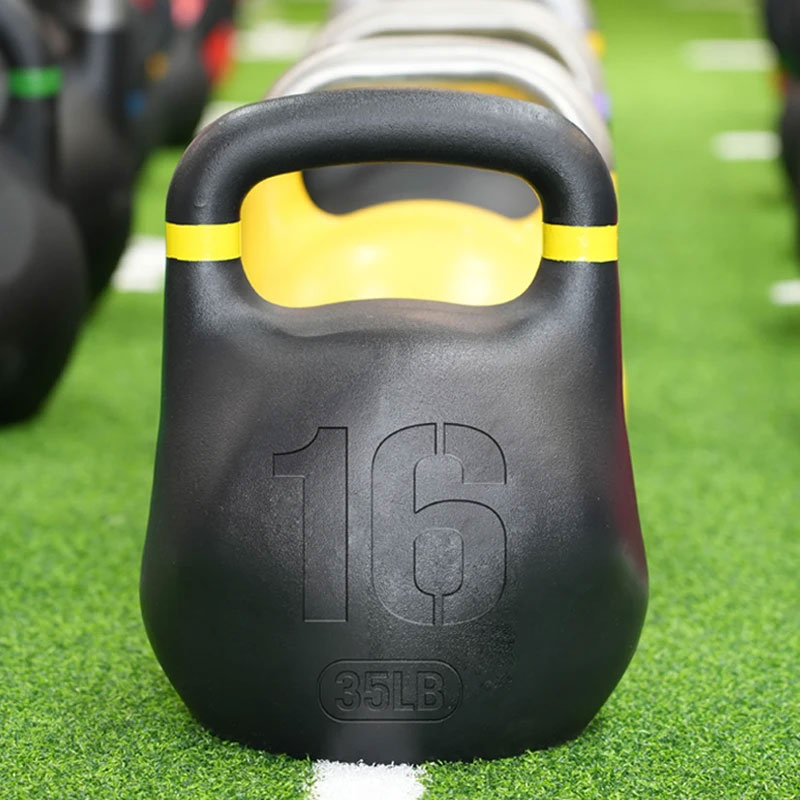
Competition Kettlebell vs Standard Kettlebell: Factory
Competition Kettlebell vs Standard Kettlebell: Technical Specifications and Sourcing Context
Distinguishing between a competition kettlebell vs standard kettlebell is critical for procurement leads to avoid the high replacement costs associated with low-tolerance equipment. Many distributors mistakenly source standard cast-iron models for high-performance training environments, only to face issues with dimensional inconsistency and grip irregularities. A professional China factory approach focuses on high-precision casting to ensure that every unit meets strict competition-grade standards, protecting your long-term ROI and client safety.
Engineering Precision and Dimensional Tolerance
The fundamental difference in competition kettlebell vs standard kettlebell engineering lies in the dimensional tolerance and casting precision. Standard models often feature irregular surface textures and inconsistent weight distributions, which can lead to unpredictable movement in high-intensity commercial settings. In contrast, high-end competition models are engineered with a uniform sphere shape and a standardized handle diameter to ensure consistent hand positioning. For professional gym equipment sourcing, prioritizing units with tight tolerances reduces the risk of injury and ensures a premium experience for end-users.
From a commercial gym safety perspective, the casting precision of the bell itself is non-negotiable. While standard weights may suffice for general strength training, competition-grade units require a smoother, more predictable surface to prevent grip slips during rapid transitions. When managing large-scale wholesale orders, verifying these technical specs with your supplier is essential to maintain high standards of commercial gym safety and equipment longevity.
| Technical Specification | Standard Kettlebell (General Use) | Competition Kettlebell (High-Performance) |
|---|---|---|
| Weight Tolerance | +/- 5% to 10% variance common | Strict +/- 1% industry-standard precision |
| Surface Texture | Irregular, rough cast iron finish | Smooth, uniform, and high-density coating |
| Handle Diameter | Variable based on weight size | Consistent diameter across all weight increments |
| Shape Consistency | Non-uniform, irregular bell shape | Perfectly spherical for predictable movement |
| Procurement Use Case | General strength and basic training | Professional athletics and precision lifting |
When evaluating the competition kettlebell vs standard kettlebell distinction, procurement officers must weigh the initial unit cost against the total cost of ownership. Relying on low-tolerance models for specialized training facilities often results in higher maintenance loads and faster replacement cycles. For high-volume commercial kettlebell wholesale, selecting a manufacturer that offers standardized dimensional control is a strategic move to ensure equipment consistency across multiple weight sets.
Reliable gym equipment sourcing requires more than just comparing weights; it requires auditing the technical capacity of the production line. A professional factory should be able to provide detailed reports regarding their weight tolerance protocols and casting methods. Whether you are requesting a OEM custom specification or buying stock units, ensuring that the manufacturing precision matches the intended commercial application is vital for protecting your brand reputation and minimizing client complaints.
To ensure these standards are met, we recommend that distributors request a technical spec sheet and confirm the specific QC protocols used during the pre-shipment phase. For large-scale orders, you may also request a sample approval process to verify the handle uniformity and surface finish before the full production run begins. Contact us today to discuss your bulk requirements, MOQ, or to initiate a custom branding consultation.
Competition Kettlebell vs Standard Kettlebell: Dimensional and Material Differences
Understanding the technical divergence in competition kettlebell vs standard kettlebell specifications is vital for professional gym equipment sourcing. While standard models often prioritize cost-efficiency for general fitness, competition-grade units require strict dimensional consistency and specialized material engineering to meet international training standards. For distributors and large-scale facility managers, selecting the correct specification directly impacts equipment longevity and user safety.
When managing commercial kettlebell wholesale orders, procurement leads must distinguish between cast iron and steel construction. Competition models typically utilize high-grade steel with precision-milled surfaces to ensure a uniform handle diameter and consistent weight distribution. This level of engineering prevents the dimensional variances often found in lower-tier production, ensuring that every unit in a bulk shipment meets the exact tolerances required for professional strength and conditioning environments.
| Feature Specification | Competition-Grade Steel | Standard Cast Iron |
|---|---|---|
| Surface Texture | Smooth, precision-milled | Rough, textured cast |
| Dimensional Consistency | High precision/uniformity | Variable/standard tolerance |
| Handle Diameter | Consistent/optimized | Variable by weight |
| Commercial Durability | High (optimized for high-volume) | Moderate (general use) |
| Best Sourcing Use Case | Professional/Sanctioned Sport | General Commercial Gyms |
For high-volume importers, these material distinctions influence the total landed cost and long-term maintenance load. A reliable factory will provide detailed specification sheets to ensure that the competition kettlebell vs standard kettlebell distinction is clearly documented during the pre-shipment inspection. Depending on your specific MOQ and branding requirements, many China factory partners offer OEM customization to ensure the handle grip and powder coating align perfectly with your brand identity.
Procurement officers should note that the discrepancy in handle diameter and weight tolerance is a primary driver of long-term ROI. While standard cast iron units may offer a lower initial unit price, the lack of precision in handle ergonomics can lead to higher replacement rates in high-traffic commercial settings. Conversely, investing in high-precision steel models via direct wholesale channels ensures a consistent user experience, reducing the long-term maintenance load for facility operators.
To mitigate the risks of dimensional variance during bulk shipments, we recommend requesting a formal sample approval and a detailed technical spec sheet before finalizing any large-scale purchase. A professional supplier will provide documented weight tolerance levels and handle diameter measurements to ensure the competition kettlebell vs standard kettlebell distinction meets your specific facility requirements. For distributors looking to establish a premium product line, leveraging ODM services allows for the customization of handle coatings and branding, ensuring your inventory stands out in the competitive commercial market.
Engineering Precision and Long-Term ROI
Selecting the correct specification for a competition kettlebell vs standard kettlebell is a strategic decision that dictates the total cost of ownership. While standard cast iron models are suitable for general use, the dimensional irregularities in handle diameter and surface texture can lead to higher maintenance loads and faster replacement cycles in high-traffic environments. For professional buyers, the increased precision of competition-grade steel provides a more stable long-term ROI by ensuring consistent ergonomics and superior durability under heavy usage volumes.
When managing large-scale gym equipment sourcing, procurement professionals must look beyond the initial unit price to the total landed cost. High-precision models sourced through direct wholesale channels offer greater structural integrity, which is critical for maintaining brand reputation in premium fitness facilities. To ensure these standards are met, we recommend conducting a thorough factory audit and requesting a detailed weight tolerance report. Depending on your volume, a reliable factory can provide OEM or ODM solutions that include customized handle coatings and precise weight calibration, ensuring your inventory meets the highest commercial-grade expectations.
Optimizing Commercial ROI Through Proper Kettlebell Selection
Deciding between competition kettlebell vs standard kettlebell models directly impacts your facility's long-term ROI and operational efficiency. For professional buyers, the choice is not merely about aesthetics but about the TCO of the equipment over a multi-year lifecycle. When engaging in commercial gym procurement, understanding how material durability and weight precision affect replacement cycles is essential for maintaining a high-performance training environment.
Selecting the wrong specification can lead to premature wear or frequent replacement requests, which complicates gym equipment sourcing strategies. While standard models offer a lower initial landed cost, competition-grade units often provide superior longevity in high-traffic environments. For distributors and large-scale facility managers, balancing these upfront investments with long-term durability is a core component of successful wholesale procurement from a reliable China factory.
Technical Specification and Lifecycle Comparison
To accurately calculate the total cost of ownership, procurement officers must evaluate the technical divergence in manufacturing standards. A competition-grade unit is engineered for precision and consistent handling, whereas a standard unit is often optimized for cost-effective bulk distribution. Choosing the correct model based on your facility's training intensity ensures that your initial commercial kettlebell wholesale investment translates into years of uninterrupted service without the need for frequent replenishment.
| Technical Feature | Competition Grade Specification | Standard Commercial Specification |
|---|---|---|
| Weight Tolerance | Strict precision (±1% to ±3%) | General tolerance (±5% or higher) |
| Surface Finish | Smooth, powder-coated or cast iron | Textured cast iron or rough finish |
| Handle Diameter | Consistent, optimized for grip | Variable depending on weight class |
| Durability Profile | High-frequency impact resistance | General commercial usage |
| Maintenance Needs | Minimal; optimized for longevity | Periodic inspection for surface wear |
| Primary Use Case | Professional competition/high-end studio | General strength training/functional gyms |
When evaluating the competition kettlebell vs standard kettlebell distinction, the primary variable is the long-term maintenance load. High-performance facilities often find that the precision of a competition model reduces user complaints regarding grip consistency and weight accuracy. Conversely, for general strength areas where budget optimization is the priority, standard models serve as a reliable baseline. We recommend requesting a detailed specification sheet from your supplier to confirm that the weight tolerances meet your specific facility standards before finalizing a bulk order.
Strategic Sourcing: Scalability and Customization
Beyond technical specifications, professional buyers must consider how customization and volume impact their long-term brand identity. When moving from standard models to high-end competition-grade equipment, many distributors utilize OEM or ODM services to differentiate their product lines. Whether you require specific handle textures, custom color schemes, or your own logo casting, working directly with a specialized factory allows for greater control over the final product quality and brand consistency.
Optimizing your procurement involves more than just selecting the right weight; it requires managing the complexities of international logistics and production cycles. To maintain a competitive edge, we recommend discussing MOQ requirements and lead time expectations during the initial inquiry phase. A clear understanding of these variables ensures that your inventory levels remain stable, preventing stockouts during peak training seasons. Furthermore, ensuring that your supplier utilizes professional export packaging and standardized container loading protocols is vital to minimizing damage risks and reducing the total landed cost during transit.
To secure the most advantageous terms for your next shipment, please contact us to request a formal quote. Our team can provide detailed documentation regarding weight tolerances, available OEM customization options, and specific MOQ tiers for bulk orders. We also welcome requests for sample evaluations and factory audit scheduling to ensure our production standards align with your commercial requirements.
China Factory Quality Control and Pre-Shipment Inspection Standards
When managing commercial gym procurement, the technical variance between a competition kettlebell vs standard kettlebell determines both user safety and your long-term replacement cycles. For distributors and large-scale gym operators, sourcing from a China factory requires strict oversight of manufacturing tolerances to ensure every unit meets international competition standards.
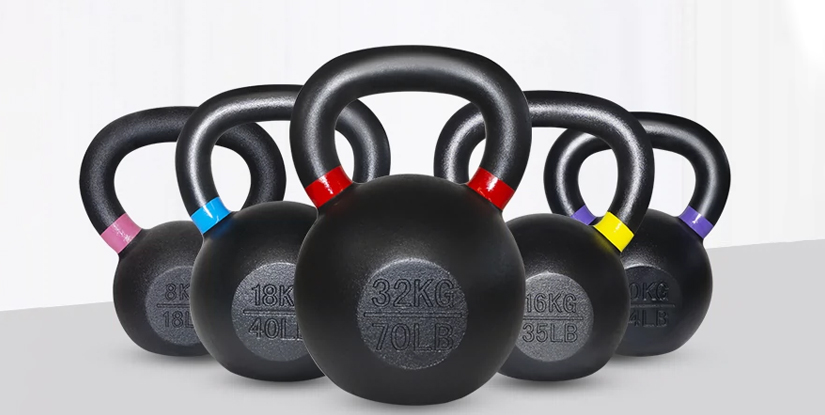
The primary risk in gym equipment sourcing is the discrepancy in weight accuracy and dimensional consistency. While standard models may allow for wider margins, a competition kettlebell vs standard kettlebell comparison reveals that competition-grade units demand much tighter dimensional tolerance and a specialized surface finish to ensure uniform grip and movement. Without rigorous factory QC, a bulk shipment may arrive with uneven weight distribution or surface irregularities, leading to increased liability and diminished brand reputation for the importer.
To mitigate these risks, professional sourcing protocols must include a formal pre-shipment inspection. This process verifies that the weight accuracy of the entire batch aligns with the specific requirements of the order, whether you are importing standard cast iron or high-end competition steel. Establishing these benchmarks during the wholesale negotiation phase ensures that your landed cost includes high-quality, reliable equipment that performs consistently under heavy commercial use.
Technical Inspection Checklist for Bulk Orders
To ensure your commercial kettlebell wholesale order meets high-performance benchmarks, implement a multi-point verification process during the pre-shipment stage. A professional China factory should provide documentation or allow third-party audits to confirm that the technical specifications of each unit are consistent across the entire shipment. This reduces the risk of receiving defective inventory that could impact your distributor margins or client satisfaction.
| Inspection Parameter | Standard Kettlebell Requirement | Competition Kettlebell Requirement |
|---|---|---|
| Weight Consistency | +/- 3% to 5% tolerance common | Strict +/- 1% tolerance required |
| Handle Surface | Rough cast or textured coating | Precision-ground smoothness for grip |
| Casting Quality | Standard surface finish | Zero casting defects or protrusions |
| Coating Durability | Basic powder or paint layer | High-grade, abrasion-resistant finish |
During the final audit, focus on the handle smoothness and the absence of casting defects, as these are critical for high-end users. When evaluating the competition kettlebell vs standard kettlebell distinction, the precision of the handle and the uniformity of the coating are the most frequent points of failure in low-quality production. We recommend requesting a sample approval and a detailed technical spec sheet before finalizing the MOQ to ensure the OEM or ODM output aligns perfectly with your brand identity and commercial durability standards.
Beyond unit precision, the logistical integrity of your shipment is a critical factor in calculating the true landed cost. For high-volume importers, the distinction between a competition kettlebell vs standard kettlebell extends into the durability of the export packaging. Competition-grade equipment, often featuring more sensitive surface finishes, requires specialized protection to prevent scuffing or dimensional shifts during long-haul ocean freight. A failure in packaging strength can lead to damaged inventory, directly eroding your distributor margin and increasing the frequency of replacement claims.
Effective gym equipment sourcing must therefore prioritize the entire supply chain, from the initial casting to the final container loading. We implement a rigorous shipping weight verification process for every bulk order to ensure that the net weight of the products matches the gross weight listed on the packing list. This level of transparency is essential for customs clearance and prevents unexpected surcharges at the port of destination. By standardizing export packaging and ensuring strict weight compliance, we help our partners maintain predictable logistics costs and a stable supply of high-performance inventory.
Custom Branding and OEM/ODM Capabilities for Global Distributors
Distributors seeking to expand their market share often face the challenge of product homogeneity. When sourcing competition kettlebell vs standard kettlebell models, relying on generic stock limits your ability to build a premium brand identity. By leveraging OEM and ODM services from a specialized China factory, you can move beyond basic commodity trading to offering high-spec, branded solutions that command higher margins in the professional strength training sector.
The strategic value of custom branding lies in the ability to differentiate your product line through precise technical specifications. While standard models focus on basic utility, competition-grade units require strict adherence to weight tolerances and handle diameters. A professional supplier can provide private label solutions that include custom colorways, laser-etched logos, and specialized coatings, ensuring your inventory meets the exact requirements of high-end strength facilities and professional athletes.
Effective gym equipment sourcing involves more than just selecting a product; it requires a partner capable of executing complex design requests. Whether you need a specific cast-iron texture for a competition model or a specialized powder coating for a standard series, custom branding allows you to align your inventory with your specific market positioning. This level of differentiation is essential for distributors looking to transition from low-cost volume shipping to high-value, specialized equipment distribution.
Technical Specification Comparison for Wholesale Customization
To optimize your procurement strategy, it is essential to understand how customization parameters vary between these two product tiers. While standard models are typically optimized for high-volume wholesale distribution with limited design variables, competition-grade units offer extensive customization to meet the rigorous standards of professional training centers. The following table outlines the technical differentiation available when working with a professional China factory to ensure your branded inventory meets specific market demands.
| Specification Feature | Standard Kettlebell (Bulk Sourcing) | Competition Kettlebell (Premium Tier) |
|---|---|---|
| Branding Method | Paint stencil or basic decal | Laser engraving or high-precision casting |
| Color & Finish | Standard powder coating (Black/Red/Blue) | Custom matte or gloss finishes with color-coded weights |
| Handle Texture | Natural cast iron or rough powder coat | Precision-smooth or micro-textured ergonomic grip |
| Weight Increments | Broad intervals (e.g., 4kg or 5kg steps) | Strict 2kg or 4kg precision intervals |
| Shape Consistency | Variable casting tolerances | Uniform, standardized dimensions for competition |
| Typical MOQ | Lower thresholds for standard stock | Higher requirements for specialized OEM runs |
When evaluating competition kettlebell vs standard kettlebell options for your catalog, consider the long-term TCO (Total Cost of Ownership) for your clients. A competition model with custom private label branding offers higher perceived value and durability for professional strength clubs, whereas standard models provide excellent ROI for general commercial fitness centers. Contact us to request a detailed specification sheet or to discuss your specific MOQ requirements for custom production runs.
Optimizing Logistics and Global Distribution Efficiency
Successful commercial kettlebell wholesale procurement requires more than just selecting the right weight; it demands a rigorous focus on the supply chain to protect your distributor margins. A common pain point for importers is the discrepancy between expected product quality and the actual arrived goods, often caused by inadequate quality control (QC) during the manufacturing stage. When you source high-spec competition models, the margin for error in weight tolerance and surface finish is significantly lower than with standard utility models, making a reliable factory essential for maintaining your brand reputation.
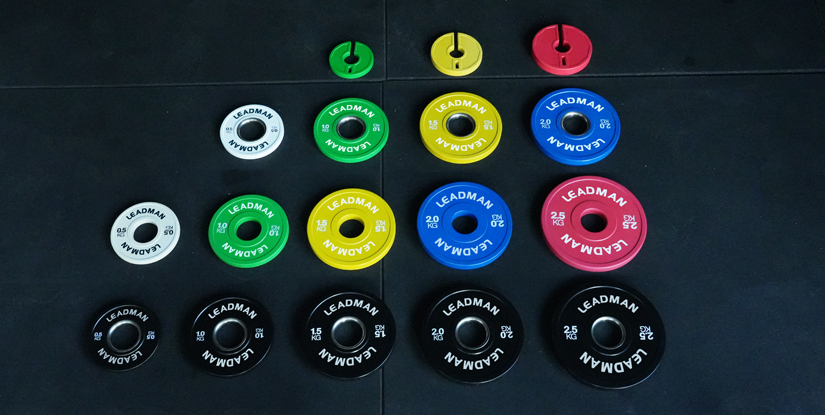
To mitigate the risks of international shipping, we implement a multi-stage quality control (QC) process that covers everything from raw material inspection to pre-shipment verification. This ensures that every unit in your bulk orders meets the exact technical specifications promised. Furthermore, we optimize our export packaging to withstand long-haul sea freight, utilizing reinforced cartons and palletization strategies that minimize movement and prevent surface damage. This attention to detail directly reduces your landed cost by lowering the incidence of damaged goods and subsequent replacement claims.
Understanding the relationship between lead time and production complexity is vital for effective inventory planning. While standard models can often be fulfilled from existing stock, specialized OEM or ODM requests for competition-grade equipment require a dedicated production window. We provide transparent timelines to help you manage your warehouse stocking efficiency and meet your local market demand without unexpected stockouts. For distributors looking to scale, we recommend discussing your annual volume requirements early to secure priority production slots and more competitive pricing structures.
Logistics, Export Packaging, and Landed Cost Management
Optimizing the competition kettlebell vs standard kettlebell selection process requires a deep understanding of how physical dimensions influence your total landed cost. For distributors and large-scale gym operators, the choice between these two models directly impacts container loading efficiency and long-term gym equipment sourcing budgets. While standard models often feature larger, more irregular casting shapes, competition-grade units are engineered with consistent, compact dimensions to maximize space utility during international transit.
When managing commercial kettlebell wholesale orders, the volume-to-weight ratio becomes a critical variable in your procurement math. A higher density model allows for more units per pallet, effectively reducing the per-unit shipping cost. A professional China factory will provide precise volumetric data to help you calculate the most cost-effective way to fill a 20ft or 40ft container, ensuring you are not paying to ship empty air.
| Procurement Factor | Standard Cast Iron Model | Competition Grade Model |
|---|---|---|
| Dimensional Consistency | Variable/Irregular | High/Uniform |
| Volume-to-Weight Ratio | Lower (More air space) | Higher (Compact density) |
| Container Loading Efficiency | Moderate | Optimized |
| Primary Sourcing Use | General Commercial Gyms | Professional/Competition Facilities |
To mitigate risks during sourcing, we recommend requesting a detailed packing specification from your supplier before finalizing a bulk order. Understanding the exact dimensions of both the competition kettlebell vs standard kettlebell types allows for better warehouse planning and more predictable freight expenditures. Please contact us to request a detailed spec sheet or to confirm the MOQ for your specific volume requirements.
Before finalizing your procurement plan, ensure you have reviewed the specific packaging standards required for your region. A reliable factory will offer various export options, ranging from standard carton boxing to reinforced wooden crates for heavy-duty shipments. For high-volume commercial kettlebell wholesale, coordinating with your supplier to optimize pallet stacking and weight distribution is essential to prevent damage and minimize breakage during long-haul sea freight. We recommend requesting a sample or a full packing list to verify that the dimensions of the competition kettlebell vs standard kettlebell units align with your local warehouse racking and shipping constraints.
To mitigate risks during sourcing, we recommend requesting a detailed packing specification from your supplier before finalizing a bulk order. Understanding the exact dimensions of both the competition kettlebell vs standard kettlebell types allows for better warehouse planning and more predictable freight expenditures. Please contact us to request a detailed spec sheet or to confirm the MOQ for your specific volume requirements.
Before finalizing your procurement plan, ensure you have reviewed the specific packaging standards required for your region. A reliable factory will offer various export options, ranging from standard carton boxing to reinforced wooden crates for heavy-duty shipments. For high-volume commercial kettlebell wholesale, coordinating with your supplier to optimize pallet stacking and weight distribution is essential to prevent damage and minimize breakage during long-haul sea freight. We recommend requesting a sample or a full packing list to verify that the dimensions of the competition kettlebell vs standard kettlebell units align with your local warehouse racking and shipping constraints.
Final Procurement Checklist for Bulk Kettlebell Orders
Navigating the technical distinction between competition kettlebell vs standard kettlebell models is a critical step in professional commercial gym procurement. For distributors and gym owners, selecting the wrong specification can lead to increased replacement frequency or mismatched training standards for high-end clients. A structured approach to gym equipment sourcing ensures that your inventory meets both functional requirements and long-term durability expectations.
To optimize your landed cost and ensure product consistency, buyers must move beyond surface-level aesthetics. Whether you are ordering standard cast iron units for general strength training or precision-engineered competition models for professional athletes, your sourcing strategy should prioritize technical tolerances and material stability. A failure to verify these details at the factory level often results in unexpected shipping weight discrepancies or surface defects that diminish your brand's reputation.
Technical Specification Comparison for Bulk Orders
| Specification Dimension | Standard Commercial Model | Competition Grade Model |
|---|---|---|
| Primary Material | Cast Iron or Coated Steel | High-Density Polyurethane or Precision Cast Iron |
| Handle Diameter | Variable (Often wider/irregular) | Strictly standardized for grip consistency |
| Surface Texture | Smooth or High-Grade Rubberized Finish | |
| Weight Tolerance | Standard Commercial Deviation | High-Precision (Minimal deviation per unit) |
| Ideal Sourcing Use | General Gyms / Cross-Training | Professional Competitions / High-End Studios |
Before finalizing your purchase, we recommend a formal quality control (QC) protocol. This includes requesting a detailed spec sheet to confirm the exact dimensions of the handle and the weight tolerance of the competition kettlebell vs standard kettlebell variations. To ensure a seamless import process, confirm the MOQ for custom branding and request a pre-shipment inspection report to validate that the batch meets your specific commercial-grade requirements.
Strategic Sourcing and Batch Management
Once technical specifications are aligned, the focus must shift to the logistical execution of your order. Efficient commercial kettlebell wholesale procurement requires a deep understanding of how manufacturing processes affect your final landed cost. When deciding between high-volume standard models or high-precision competition units, your choice will impact not only the initial purchase price but also your long-term warehouse efficiency and distributor margins.
For professional buyers, the ability to leverage OEM or ODM services is a significant competitive advantage. A capable China factory can provide more than just a finished product; they can offer custom branding, specialized handle coatings, or specific color palettes that align with your brand identity. This level of customization allows distributors to differentiate their product lines in a crowded market, provided the supplier can maintain strict consistency across large-scale production runs.
To minimize risk during large-scale imports, we advise establishing a clear protocol for sample approval and batch verification. Before committing to a full container load, request a sample to evaluate the surface finish and weight accuracy of the competition kettlebell vs standard kettlebell models you have selected. Furthermore, always confirm the MOQ for custom labeling and discuss lead times for both production and sea freight to ensure your inventory replenishment cycles remain uninterrupted.
Finalizing a bulk purchase requires moving from technical selection to rigorous logistical planning. To avoid the common pitfalls of international trade, such as unexpected delays or damaged goods, professional buyers must coordinate directly with their China factory regarding the complete lifecycle of the order. This transition from product approval to container loading is where the most significant risks to your landed cost and delivery schedule reside.
Effective commercial kettlebell wholesale management begins with verifying the export packaging standards. Because high-density competition models and heavy cast iron units present different impact risks, ensure your supplier utilizes reinforced, moisture-resistant cartons and heavy-duty pallets. For high-volume shipments, confirm how the units are nested or stacked to maximize container space efficiency, which directly impacts your freight-per-unit ratio and overall ROI.
A successful procurement cycle should follow a strict sequence: initial sample evaluation, technical sign-off, and then the formalization of shipping logistics. We recommend requesting a detailed lead time breakdown that accounts for both the production duration and the buffer required for sea freight. By aligning your bulk order timeline with these manufacturing realities, you can maintain consistent stock levels for your clients and avoid the high costs of emergency air-freight shipments.