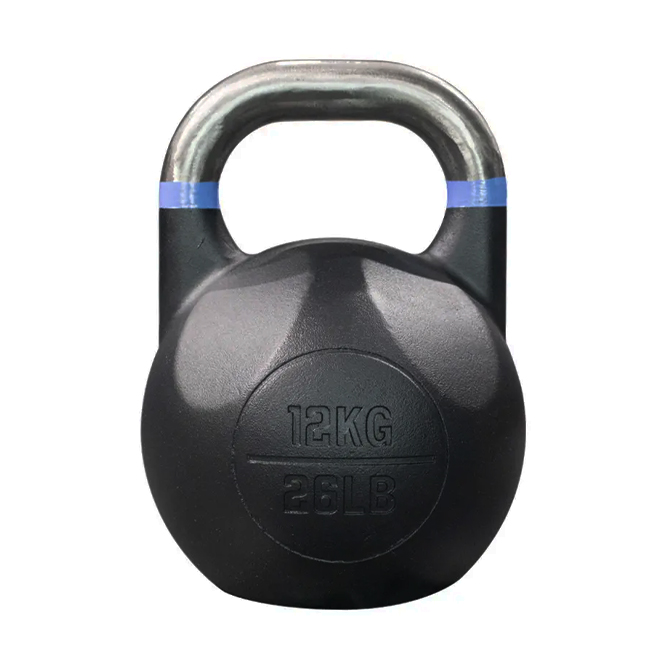
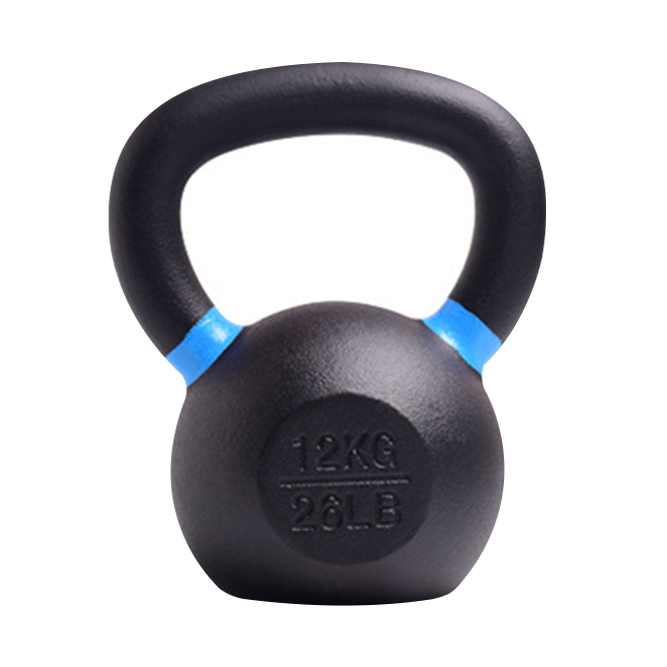
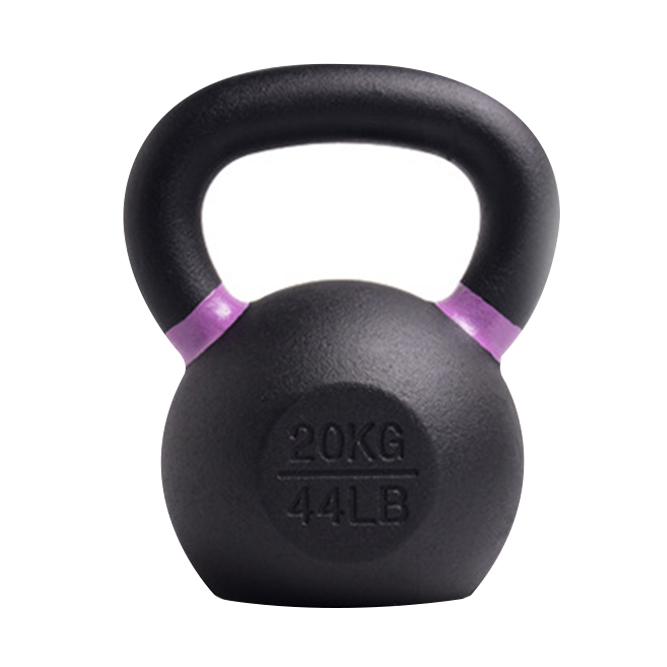
balancefrom colored vinyl coated cast iron kettlebell | Why
Optimizing Procurement: A Checklist for High-Volume Kettlebell Sourcing
When scaling a fitness facility or restocking a distributor warehouse, professional buyers must look beyond the initial unit price to identify hidden operational risks. A low-cost acquisition often masks long-term liabilities in three critical areas: material specification integrity, logistics-related damage, and the eventual degradation of the surrounding environment. Relying solely on a single-purchase price point ignores the reality of high-traffic usage, where the true cost of equipment is measured by its lifecycle rather than its invoice total.
For commercial operators, the Total Cost of Ownership (TCO) serves as a more accurate metric for evaluating the balancefrom colored vinyl coated cast iron kettlebell. While standard iron weights may appear budget-friendly, the lack of a protective layer often leads to escalating maintenance costs and premature surface rust. Furthermore, high-quality vinyl coated cast iron equipment acts as a vital component of your gym floor protection solutions. By mitigating the impact of heavy drops and preventing metal-to-surface abrasion, these commercial grade kettlebells significantly reduce the frequency of costly flooring repairs and resurfacing projects, ensuring your facility remains a premium environment without constant structural upkeep.
To facilitate a more data-driven procurement process, we have outlined a comparison framework. This helps buyers weigh the immediate savings of uncoated options against the long-term value of specialized coatings. Use this checklist to evaluate your current supplier's specifications against your facility's expected wear patterns.
| Evaluation Metric | Standard Cast Iron | Vinyl Coated Cast Iron |
|---|---|---|
| Initial Unit Cost | Lower; optimized for low-budget setups. | Moderate; reflects specialized coating process. |
| Durability vs. Cost | High risk of oxidation and chipping. | High resistance to moisture and impact. |
| Replacement Frequency | Higher in high-humidity or high-traffic zones. | Low; ideal for long-term commercial use. |
| Surface Protection | Requires secondary mats to prevent floor damage. | Integrated protection for flooring longevity. |
When finalizing your order, ensure your procurement criteria include specific details on coating thickness and adhesion strength. For bulk shipments, verify that the manufacturer's quality control protocols address color consistency and seamless edges, as these factors directly impact the aesthetic longevity of your premium fitness space.
Managing Bulk Logistics and Material Integrity
Transitioning from small-batch orders to large-scale bulk procurement requires a shift in focus toward shipping stability and manufacturing precision. Because the balancefrom colored vinyl coated cast iron kettlebell is a high-density product, shipping weight optimization is a critical factor in controlling landed costs. Buyers should coordinate closely with suppliers to ensure palletization methods can withstand the significant gravitational forces inherent in heavy iron goods during long-haul transit, preventing crushed packaging or structural deformation.
Beyond the weight, the primary technical risk in high-volume sourcing is the integrity of the finish. A substandard manufacturing process can lead to poor coating adhesion, where the vinyl layer begins to peel or bubble under the stress of repetitive impact. To mitigate this, professional wholesale logistics planning must include a rigorous quality inspection phase. We recommend requesting samples that specifically demonstrate edge-to-mold seamlessness and high-impact resistance. For distributors, verifying that the factory maintains strict MOQ standards alongside consistent color batches ensures that your facility or retail inventory remains aesthetically uniform and professionally graded.
Why Vinyl Coating Matters for Commercial Grade Kettlebells
In high-traffic strength training zones, the environmental stressors on equipment are relentless. For facility managers and distributors, the primary concern isn't just aesthetic wear, but the structural integrity of the metal core over time. Standard uncoated cast iron is highly susceptible to moisture-induced oxidation, which can lead to rust, surface pitting, and eventual degradation of the weight distribution. This is where the balancefrom colored vinyl coated cast iron kettlebell provides a distinct competitive advantage in the procurement lifecycle.
The premium vinyl layer serves as a high-performance barrier that ensures superior oxidation resistance, effectively sealing the cast iron core from humidity and perspiration. By preventing the onset of rust, this coating maintains the structural consistency of the weight, ensuring that commercial grade kettlebells remain a reliable asset rather than a maintenance liability. For B2B buyers, investing in this specialized coating translates directly into higher durability and enhanced long-term asset value, reducing the frequency of replacement cycles and lowering the total cost of ownership for the end-user facility.
Beyond oxidation resistance, the functional utility of a vinyl layer extends to the preservation of the facility's infrastructure. One of the most overlooked expenses in gym management is the repair of damaged flooring caused by heavy metal implements. When unshielded cast iron hits the ground, the high-velocity impact can cause micro-fractures in rubber mats or permanent indentations in high-end synthetic surfaces. The balancefrom colored vinyl coated cast iron kettlebell acts as a built-in buffer, providing essential impact absorption that mitigates these structural risks.
This coating serves as a critical component of comprehensive gym floor protection solutions. By dampening the kinetic energy during accidental drops, the vinyl layer preserves the surface integrity of the training area, preventing costly resurfacing projects. For wholesalers and large-scale distributors, highlighting this benefit is essential when pitching to commercial fitness facilities that prioritize acoustics and floor longevity. Ultimately, this specialized coating leads to significant maintenance reduction, as it simultaneously minimizes both equipment wear and the degradation of the surrounding environment.
To assist procurement officers in calculating the long-term value of their inventory, it is essential to look beyond the initial unit price. While standard cast iron options may offer a lower entry cost, the hidden expenses related to maintenance and facility upkeep often shift the economic advantage toward coated alternatives. The following comparison highlights the practical differences in total cost of ownership (TCO) between standard and premium coated options.
Total Cost of Ownership: Material Comparison
| Evaluation Metric | Standard Cast Iron | Vinyl Coated Cast Iron |
|---|---|---|
| Surface Wear Resistance | High risk of rust and pitting | High resistance to oxidation |
| Floor Impact Force | High; potential for surface damage | Low; dampened kinetic energy |
| Maintenance Frequency | Regular cleaning/rust prevention required | Minimal; easy to sanitize/wipe down |
| Typical Lifespan Expectancy | Variable; dependent on humidity control | Extended; high durability in diverse climates |
| Long-term Asset Value | Depreciates via surface degradation | Maintains high resale and utility value |
For distributors and gym owners, the selection of vinyl coated cast iron equipment is a strategic decision. By choosing a product that addresses both equipment longevity and gym floor protection solutions, buyers mitigate the risk of frequent replacement and secondary facility repairs, ensuring a more stable return on investment.
Protecting Facility Assets with Specialized Gym Floor Protection Solutions
For facility managers and distributors, the true cost of equipment extends far beyond the initial purchase order. A common oversight in procurement is failing to account for the secondary damage caused by high-impact iron. When standard cast iron is dropped or placed abruptly, the direct contact can cause micro-fractures in rubber flooring or permanent indentations in high-end turf. This is where the balancefrom colored vinyl coated cast iron kettlebell provides a strategic advantage. By integrating a high-density vinyl layer, the equipment acts as a buffer, significantly increasing floor impact reduction and preserving the integrity of the gym surface.
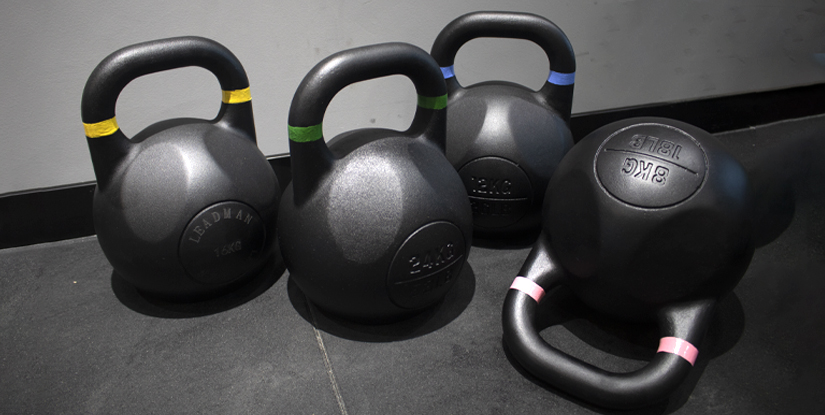
Investing in high-quality vinyl coated cast iron equipment is a proactive measure to lower long-term maintenance overhead. While raw iron may have a lower upfront cost, the recurring expenses related to floor resurfacing and structural repairs can quickly erode profit margins. Choosing commercial grade kettlebells with specialized coatings ensures that your facility remains aesthetically pristine and structurally sound under heavy usage cycles.
| Equipment Type | Surface Impact Risk | Long-term Maintenance Cost | Ideal Use Case |
|---|---|---|---|
| Raw Cast Iron | High (Direct Metal-to-Floor) | Elevated (Frequent Floor Repair) | Budget-focused outdoor training |
| Vinyl Coated Cast Iron | Low (Buffered Impact) | Minimal (Extended Floor Life) | High-traffic commercial studios |
| Rubber Encased | Very Low (Maximum Cushion) | Lowest (High Durability) | Premium wellness & boutique gyms |
To effectively calculate the Total Cost of Ownership (TCO), procurement specialists must weigh the initial unit price against the frequency of facility upkeep. The following comparison highlights how the material properties of the balancefrom colored vinyl coated cast iron kettlebell influence long-term operational expenditures compared to standard uncoated options.
| Evaluation Metric | Uncoated Cast Iron | Vinyl Coated Cast Iron |
|---|---|---|
| Surface Impact | High (Sharp/Rigid) | Low (Buffered/Softened) |
| Floor Wear Rate | Accelerated (Scuffs & Dents) | Slow (Surface Protection) |
| Maintenance Frequency | High (Frequent Floor Refinishing) | Low (Standard Cleaning) |
| Long-term Value | Low (Hidden Secondary Costs) | High (Asset Preservation) |
From a wholesale sourcing perspective, opting for vinyl coated cast iron equipment reduces the likelihood of client complaints regarding floor damage and equipment oxidation. For distributors managing high-volume shipments, the added layer of protection serves as a reliable insurance policy for the end-user's facility infrastructure.
Ensuring Batch Consistency and Bulk Procurement Reliability
For international distributors and large-scale gym developers, the primary risk in high-volume sourcing is not just the unit price, but the variance in quality across shipments. When ordering large quantities of the balancefrom colored vinyl coated cast iron kettlebell, the most critical technical concern is coating uniformity. Inconsistent application can lead to peeling, uneven thickness, or air bubbles, which eventually compromise the equipment's durability and its role as an effective gym floor protection solution.
To mitigate these risks, professional procurement teams must demand rigorous QC inspection for commercial facilities. A reliable supplier should provide documentation regarding batch consistency, ensuring that the first unit in a container matches the last in both color saturation and coating adhesion. Whether you are managing a single boutique studio or a global distribution network, prioritizing bulk procurement reliability through strict inspection protocols is essential. This ensures that every piece of equipment delivered meets the high standards required for heavy-duty commercial use, protecting both your reputation and your clients' facility assets.
Technical Specifications and Material Integrity Standards
For facility managers and wholesale distributors, the longevity of strength equipment is measured by how well it survives the rigors of high-traffic environments. The structural foundation of the balancefrom colored vinyl coated cast iron kettlebell relies on a high-density cast iron core. This solid core provides the necessary stability and weight consistency required for professional training, ensuring the center of gravity remains fixed even under heavy use. Unlike hollow alternatives, this solid construction prevents internal shifting and maintains structural integrity over years of service.
A critical differentiator in commercial grade kettlebells is the quality of the exterior finish. We focus on a precise vinyl coating thickness that serves two purposes: providing a tactile, non-slip grip and acting as a protective barrier. This high-grade coating is engineered for superior resistance to chipping and cracking, even when subjected to the impact of being set down on hard surfaces. For procurement professionals, this level of durability under high-frequency use means a lower total cost of ownership (TCO) and reduced replacement cycles for your clients' fitness centers.
When evaluating procurement options, it is essential to distinguish between standard cast iron and premium coated versions. The choice between raw metal and vinyl-coated cast iron equipment significantly impacts both the equipment's lifespan and the maintenance of the facility's flooring. Standard raw iron often requires frequent cleaning to prevent rust and can cause significant damage to specialized surfaces if dropped.
The following comparison highlights why the balancefrom colored vinyl coated cast iron kettlebell is a preferred solution for high-end commercial environments seeking effective gym floor protection solutions.
| Feature Specification | Raw Cast Iron | Vinyl Coated Cast Iron |
|---|---|---|
| Impact Resistance | High risk of surface chipping and rust exposure | High; engineered to absorb shock and prevent cracking |
| Floor Protection | Minimal; prone to scuffing and structural floor damage | Excellent; acts as a buffer for gym floor protection solutions |
| Surface Longevity | Requires periodic oiling or painting to prevent oxidation | Long-term durability with high resistance to sweat and wear |
| Maintenance Needs | Frequent; susceptible to corrosion in humid environments | Low; easy to wipe down and resistant to environmental moisture |
For distributors and bulk buyers, investing in coated specifications reduces the long-term liability associated with equipment wear and facility maintenance. Selecting high-grade vinyl coatings ensures that the equipment remains a durable asset rather than a recurring replacement expense.
Beyond surface aesthetics, professional procurement requires a rigorous assessment of quality control standards during the manufacturing stage. A reliable supplier must demonstrate consistent material integrity across every batch, ensuring that the bond between the cast iron core and the vinyl exterior is seamless. In high-volume orders, even minor inconsistencies in coating adhesion can lead to premature peeling, which compromises both the visual appeal and the functional safety of the equipment.
When calculating the long-term value of your inventory, consider the impact of maintenance cycles on facility operations. High-quality vinyl coated cast iron equipment minimizes the need for constant refurbishment or rust remediation, which is a common issue with unprotected metal. By prioritizing products that meet strict industrial tolerances, distributors can offer their clients a solution that offers true procurement reliability. This proactive approach to sourcing ensures that the equipment remains a high-performing asset, effectively lowering the total cost of ownership through extended service life and minimal upkeep requirements.
Logistics and Bulk Inventory Management for Global Distributors
For distributors and large-scale gym developers, the true cost of equipment extends far beyond the initial purchase price. A significant portion of the total cost of ownership is often hidden in the logistics phase—specifically in the risks of transit damage and long-term warehousing. When sourcing balancefrom colored vinyl coated cast iron kettlebells, the integrity of the outer layer becomes a critical factor in determining volume shipping efficiency and inventory shelf-life.
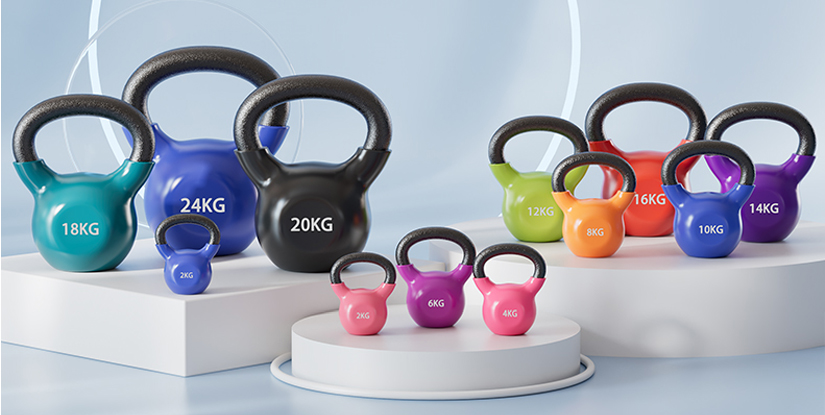
Standard cast iron equipment is highly susceptible to surface oxidation and moisture-induced rust if the protective barrier is compromised. The high-grade vinyl coating on these units serves as a robust seal, providing essential oxidation resistance during long-haul sea freight and extended periods in non-climate-controlled warehouses. This transit durability ensures that when a shipment arrives at a destination facility, the units are in pristine, retail-ready condition, eliminating the need for costly returns or local refurbishing.
From a procurement standpoint, choosing vinyl coated cast iron equipment offers a more predictable inventory cycle. Below is a comparison of how different coating qualities impact your stocking strategy:
| Procurement Factor | Standard Painted Cast Iron | Balancefrom Vinyl Coated Series |
|---|---|---|
| Transit Risk | High (Chipping/Rust) | Low (Impact Resistant) |
| Storage Environment | Requires Climate Control | Suitable for Standard Warehousing |
| Inventory Lifespan | Limited by Humidity | Extended via Protective Seal |
| Shipping Efficiency | Sensitive to Packing Density | Optimized for Bulk Crating |
By prioritizing products with superior coating thickness, buyers can mitigate the logistical headaches associated with high-volume imports and ensure a higher margin of safety for their global supply chain.
Beyond surface durability, professional buyers must evaluate the volumetric efficiency of their shipments. Maximizing storage density is essential for optimizing shipping costs and managing warehouse footprints. When importing commercial grade kettlebells, the configuration of the load—whether palletized for bulk stability or individually boxed for retail distribution—directly affects your weight-to-volume ratio and overall landed cost.
For distributors managing high-turnover inventory, understanding the technical specifications of pallet dimensions and stacking limits is vital for inventory turnover optimization. The following table provides a technical comparison to assist in calculating freight volumes and planning warehouse space for different weight classes.
| Weight Class (kg) | Primary Configuration | Typical Pallet Dimensions | Shipping Stability | Storage Density Profile |
|---|---|---|---|---|
| 4kg – 12kg | Individual Boxing | Standard Euro/US Pallet | High (Lightweight/High Volume) | Optimized for Retail Shelving |
| 16kg – 24kg | Mixed/Bulk Crating | Standard Euro/US Pallet | Moderate (Medium Density) | Optimized for Gym Racks |
| 28kg – 40kg+ | Heavy-Duty Palletization | Reinforced Industrial Pallet | Critical (High Mass/Low Volume) | Optimized for Bulk Wholesale |
When planning large-scale procurement, we recommend requesting specific packing lists that detail the total cubic volume and net weight per pallet. This data allows your logistics team to accurately forecast freight expenses and ensure that your gym floor protection solutions and heavy equipment arrive without compromising the structural integrity of the shipment or your warehouse racking systems.
Beyond the logistical constraints of shipping, procurement managers must also consider the operational impact of equipment handling within the facility. A critical but often overlooked aspect of long-term inventory management is the physical interaction between the weight and the facility's surfaces. In high-traffic commercial environments, the constant movement of heavy iron can lead to significant wear on flooring if the equipment lacks a specialized buffer.
The integrated vinyl layer on the balancefrom colored vinyl coated cast iron kettlebell serves a dual purpose that extends into daily facility maintenance. During warehouse handling, unboxing, and the initial deployment of stock, the coating acts as a shock-absorbing interface. This reduces the high-frequency vibrations and impact energy typically transferred to the floor when heavy weights are set down or moved during inventory reorganization. By incorporating these gym floor protection solutions at the product level, distributors can offer a more comprehensive value proposition to gym owners who are concerned about the longevity of their specialized rubber flooring and sub-structures.
For those managing large-scale stock, this shock-absorption capability contributes to long-term inventory integrity. It minimizes the micro-fractures in both the equipment's coating and the facility's flooring during transit and setup, ensuring that bulk procurement stability is not undermined by preventable surface damage or high maintenance overheads during the first phase of equipment deployment.
Quality Control Protocols for Large-Scale Overseas Orders
For distributors and gym operators managing high-volume inventory, the long-term reliability of a shipment depends on more than just initial delivery. When sourcing commercial grade kettlebells in bulk, the focus must shift toward rigorous inspection protocols that address the physical integrity of the product. A primary concern for procurement managers is coating adhesion; even minor defects in the vinyl layer can lead to peeling or cracking under heavy usage, which compromises the aesthetic and structural longevity of the equipment.
Beyond surface durability, professional-grade procurement requires verifying weight tolerance across the entire set. Discrepancies in mass can disrupt training consistency and affect the perceived quality of your facility. When auditing a shipment of balancefrom colored vinyl coated cast iron kettlebell units, inspectors should look for uniform thickness and seamless application. Ensuring that your vinyl coated cast iron equipment meets these strict standards during the factory inspection phase significantly reduces the total cost of ownership and minimizes the need for costly replacements or warranty claims in the future.
To mitigate the risk of receiving substandard batches, procurement teams should implement a structured Pre-Shipment Inspection (PSI) process. This is especially critical when the equipment is intended as part of a comprehensive set of gym floor protection solutions, where uneven surfaces or coating failures can cause unintended abrasions or impact damage. A systematic audit ensures that the aesthetic and functional qualities of the balancefrom colored vinyl coated cast iron kettlebell remain consistent across the entire order.
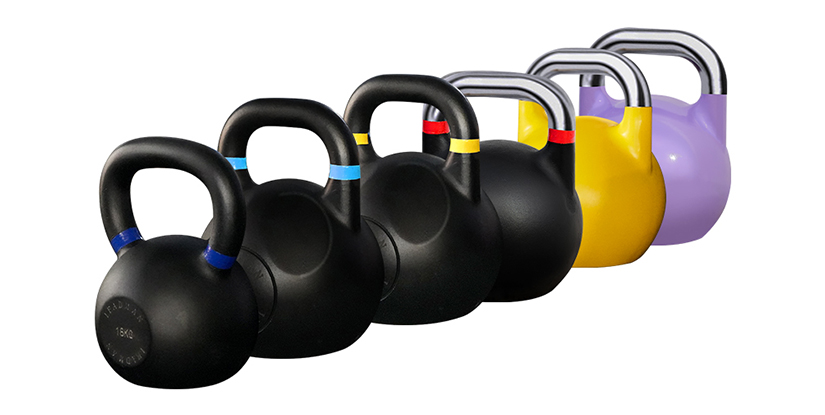
The following checklist is designed for quality control specialists to use during factory audits or onsite inspections to verify the integrity of the vinyl layer and the precision of the casting.
| Inspection Criterion | Target Specification | Procurement Focus |
|---|---|---|
| Thickness Uniformity | Seamless, consistent layer thickness | Prevents localized peeling or uneven weight distribution |
| Surface Smoothness | Zero air bubbles or tactile irregularities | Ensures a premium grip and protects flooring surfaces |
| Color Consistency | Uniform hue across all weight increments | Critical for facility branding and visual organization |
| Adhesion Strength | High resistance to edge lifting | Reduces long-term maintenance and replacement needs |
By adhering to these technical benchmarks, buyers can confirm that their vinyl coated cast iron equipment is truly built for the high-traffic demands of modern commercial fitness environments.
Logistics Integrity and Transit Protection
While factory-level quality control is essential, the final test of a procurement strategy occurs during international transit. For distributors managing bulk orders, the risk of surface abrasions or dented cast iron cores is a significant variable in calculating the true long-term value of an investment. A single damaged unit can diminish the professional aesthetic of a high-end fitness studio and increase the administrative burden of returns.
To ensure effective transit damage prevention, high-standard manufacturers utilize specialized protective packaging designed for heavy, dense objects. This typically involves reinforced corrugated outer cartons and individual compartment dividers that prevent the weight of one unit from impacting the coating of another. By prioritizing robust packaging protocols, procurement managers can mitigate the risks associated with long-haul ocean freight and multiple handling points. This attention to detail ensures that your balancefrom colored vinyl coated cast iron kettlebell inventory arrives in showroom condition, protecting your margins and maintaining the high standards expected by your end-users.
Strategic Sourcing: Evaluating Long-Term ROI in Commercial Fitness
For facility managers and procurement specialists, the true cost of equipment is rarely found on the initial purchase order. While low-cost iron alternatives may seem attractive during the bidding phase, they often fail to account for the hidden expenses associated with high-traffic environments. A common oversight in commercial procurement is neglecting the impact of heavy iron on specialized flooring, which can lead to significant floor maintenance costs and premature surface degradation.
To optimize the Total Cost of Ownership (TCO), buyers must look beyond the unit price and evaluate the durability of the protective layers. The balancefrom colored vinyl coated cast iron kettlebell is engineered specifically to address these operational variables. By integrating a high-density vinyl coating, these commercial grade kettlebells act as a functional component of your gym floor protection solutions. This coating mitigates the impact energy and prevents the direct metal-to-surface contact that typically causes gouges or cracks in high-end rubber flooring. For distributors and gym owners, investing in this level of protection reduces the frequency of facility repairs and extends the lifecycle of both the equipment and the surrounding infrastructure.
When calculating procurement budgets, it is essential to differentiate between the upfront cost of standard cast iron and the long-term savings provided by vinyl coated cast iron equipment. Standard iron weights often suffer from oxidation and surface chipping, which necessitates more frequent replacement cycles and higher labor costs for maintenance. In contrast, the protective layer on a balancefrom kettlebell serves a dual purpose: it shields the cast iron core from moisture and provides a buffer for the facility floor.
The following comparison illustrates how the choice of material affects your operational expenditure over several years of heavy commercial use. While the initial unit cost may be higher, the reduction in maintenance frequency and the extended lifespan of the flooring contribute to a superior return on investment.
| Metric | Standard Cast Iron | Vinyl Coated Cast Iron |
|---|---|---|
| Maintenance Frequency | High (Rust/Chipping) | Low (Protective Layer) |
| Surface Protection | Minimal (Impact Risk) | High (Impact Buffering) |
| Typical Replacement Cycle | Moderate/Short | Extended/Long-term |
| Floor Impact Risk | Significant (Gouging) | Negligible (Softened Contact) |
For wholesale buyers and distributors, selecting equipment that prioritizes commercial durability ensures that clients receive a product that remains aesthetically and structurally sound through years of high-intensity training. This strategic selection minimizes the need for reinvestment and strengthens your reputation as a provider of high-quality, long-lasting fitness assets.
Beyond the immediate physical durability of the product, high-volume procurement requires a focus on supply chain reliability and manufacturing precision. For large-scale commercial fitness facility setup projects, the complexity shifts from individual unit quality to the consistency of the entire shipment. Discrepancies in color shades or varying thicknesses in the protective layer can compromise the professional aesthetic and functional uniformity of a training zone.
Optimizing Wholesale Procurement and Quality Assurance
When managing wholesale procurement for multiple locations or large gym fit-outs, the primary risk is inconsistent coating integrity. A high-quality manufacturer must demonstrate rigorous quality control protocols to ensure that every balancefrom colored vinyl coated cast iron kettlebell meets the same thickness and adhesion standards. A failure in the dipping or curing process can lead to peeling or uneven surfaces, which not only looks unprofessional but also creates a liability in high-use environments.
Furthermore, logistics stability is a critical variable in the total cost calculation. Bulk shipping heavy iron equipment involves complex weight-to-volume ratios and significant freight considerations. Professional suppliers must offer optimized packaging solutions that prevent shifting during transit, ensuring that the vinyl coated cast iron equipment arrives without impact damage to the coating. For distributors and large-scale buyers, choosing a partner with proven factory capability for high-volume, standardized output is the most effective way to mitigate the risks of delays and inconsistent product quality during a major rollout.