Weightlifting Belt Manufacturers: Installation and Safety
Evaluating Long-Term Value and Lifecycle Costs of Bulk Lifting Belt Orders
For distributors supplying large-scale commercial gym chains, the initial unit price is often a deceptive metric. While low-cost options may seem attractive for high-volume orders, sourcing from premium weightlifting belt manufacturers ensures that the total landed cost remains low over the product's lifecycle. Choosing substandard materials frequently leads to premature wear, high return rates, and damaged brand reputation.
Durability vs. Initial Procurement Savings
When managing strength training gear sourcing, importers must weigh the immediate savings of cheap alternatives against the long-term reliability of professional-grade leather or nylon. High-quality weightlifting belt manufacturers implement rigorous quality control (QC) protocols to prevent stitching failure and buckle degradation. By prioritizing factory-direct sourcing, distributors can secure high-spec equipment that withstands heavy daily use in commercial environments, ultimately reducing the frequency of replacement cycles and protecting profit margins.
Sourcing Model Comparison for Distributors
Selecting the optimal procurement model depends on your inventory strategy and brand positioning. To maximize margins, professional importers must evaluate the trade-offs between stock availability and customization depth. The following table compares common B2B engagement models when working with a China factory to assist in your decision-making process.
| Sourcing Model | Typical MOQ | Lead Time | Customization Level | Primary Advantage |
|---|---|---|---|---|
| Standard Wholesale | Low (50–100 units) | Short (7–14 days) | Minimal (Existing SKUs) | Rapid inventory turnover |
| Private Label | Medium (300–500 units) | Moderate (30–45 days) | Branding & Packaging | Brand recognition building |
| Full OEM/ODM | High (1,000+ units) | Long (60+ days) | Full Spec/Material Control | Maximum competitive edge |
Before finalizing any bulk purchase, we recommend requesting a detailed technical spec sheet, confirming the exact MOQ for custom designs, and scheduling a sample approval process to verify material density and buckle integrity.
Optimizing Total Landed Cost Through Logistics and Packaging
The final budget for a bulk procurement project is heavily influenced by variables beyond the base unit price. When negotiating with weightlifting belt manufacturers, professional buyers must account for the complexities of shipping logistics and specialized export packaging. Efficient bulk order optimization involves more than just volume; it requires a strategic approach to container loading density to minimize freight-per-unit costs.
To prevent damage during long-distance transit, high-tier strength training gear sourcing requires robust, reinforced packaging that protects leather integrity and metal buckles. We recommend that importers mandate a formal pre-shipment inspection to verify that the export packaging meets international shipping standards. This proactive step ensures that the goods arriving at your warehouse match the approved sample quality, preventing costly delays and mitigating the risk of damaged inventory during sea or air freight.
Standardizing Fit and Safety Protocols for Professional Strength Training Gear
For international distributors and gym equipment importers, maintaining high wholesale quality standards is non-negotiable. When sourcing high-volume orders, the structural integrity of the gear directly impacts your brand reputation. Relying on experienced weightlifting belt manufacturers ensures that every unit meets the rigorous physical demands of professional athletes, preventing premature wear that leads to costly returns.
The Link Between Manufacturing Precision and Durability
High-performance strength training requires materials that resist deformation under extreme tension. A professional lifting belt supplier must implement strict QC standards during the stitching and leather tanning processes to ensure long-term reliability. For bulk procurement, choosing a factory-direct partner allows for better oversight of material density and buckle strength. Without these high-level manufacturing protocols, even a slight deviation in thickness can compromise the safety of the end-user and the long-term reliability of your inventory.
To effectively manage your strength training gear sourcing, importers must differentiate between standard retail-grade products and professional-grade equipment. Evaluating the technical specifications of leather grade, stitching density, and hardware durability is essential to minimizing your landed cost through reduced defect rates. When negotiating with weightlifting belt manufacturers, we recommend requesting specific material data sheets to verify that the weightlifting belt wholesale quantities you receive meet the expected structural benchmarks.
Technical Specification Comparison for Bulk Procurement
| Technical Feature | Standard Commercial Grade | Professional/Elite Grade |
|---|---|---|
| Leather Grade | Synthetic or Split Leather | Full-Grain Genuine Leather |
| Stitching Density | Single-row standard stitch | High-density reinforced double-stitch |
| Metal Buckle Quality | Zinc Alloy or Light Steel | Heavy-duty Stainless Steel/Steel |
| Typical MOQ | Low (50–100 units) | Medium to High (300+ units) |
| Estimated Lead Time | 15–25 Days | 30–45 Days (depending on OEM) |
Before finalizing your purchase order, ensure you confirm MOQ requirements and request a physical sample for a stress test. We suggest booking a pre-shipment inspection to verify that the metal buckle quality and leather thickness align with your brand's premium positioning.
Rigorous Quality Control and Production Oversight
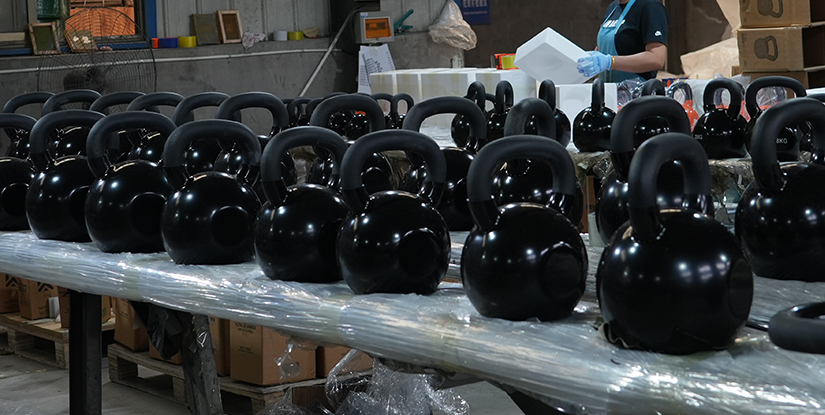
To mitigate the risk of defective shipments, professional importers should prioritize a China factory that integrates systematic quality management into every production phase. High-volume orders require more than just visual checks; they demand rigorous batch consistency protocols to ensure that the thousandth unit is as durable as the first. Whether you are engaging in OEM/ODM services for a private label or purchasing standard stock, the production oversight must cover everything from raw material density to the tensile strength of the buckles.
A comprehensive pre-shipment inspection is a vital step in protecting your margins. We recommend that distributors mandate a third-party audit to verify that all weightlifting belt manufacturers have adhered to the agreed-upon technical specifications. This scrutiny extends to export packaging standards, ensuring that bulk containers are loaded to prevent moisture damage or structural crushing during transit. By verifying these details before the goods leave the floor, you can accurately calculate your final landed cost and avoid the logistical headaches of receiving substandard inventory.
Optimizing Sourcing from weightlifting belt manufacturers via OEM/ODM Specifications
To maintain high distributor margins, importers must move beyond standard stock orders and define rigorous technical specifications during the sourcing process. When negotiating OEM or ODM contracts with a China factory, the distinction between premium and budget lines lies in the granular detail of the material composition and construction methods.
Defining Material and Durability Standards
A professional supplier must provide detailed documentation regarding material durability. For leather belts, specify the thickness (e.g., 10mm vs. 13mm) and the grade of top-grain leather to prevent cracking. For synthetic options, define the density of the EVA foam core and the tensile strength of the outer nylon or PU coating. These maintenance standards ensure the product survives high-frequency commercial use, reducing your after-sales return rates.
| Procurement Model | Customization Depth | Typical MOQ | Best For |
|---|---|---|---|
| Standard Wholesale | Low (Logo Only) | Low | Quick Market Entry |
| ODM Customization | Medium (Materials/Colors) | Medium | Brand Differentiation |
| Full OEM Production | High (Full Spec Design) | High | Private Label Scaling |
Before finalizing your bulk order, always request a technical spec sheet and a pre-production sample to verify that the weightlifting belt manufacturers can meet your specific density and stitching requirements.
Sourcing Model Comparison: Customization and Oversight
Choosing the right procurement route depends on whether you prioritize speed or brand identity. When engaging in weightlifting belt wholesale, you typically receive standardized products with minimal deviations. However, for distributors seeking to build a premium brand, working with a professional lifting belt supplier for customized production offers better long-term control over product longevity and maintenance-related durability.
| Procurement Model | Customization Level | Typical MOQ | Lead Time | QC & Maintenance Oversight |
|---|---|---|---|---|
| Standard Wholesale | Low (Logo/Color) | Low | Short (7–15 days) | Standardized factory QC |
| ODM (Design Support) | Medium (Material/Size) | Medium | Medium (30–45 days) | Material-specific testing |
| Full OEM (Private Label) | High (Custom Specs) | High | Long (60+ days) | Strict pre-shipment inspection |
To ensure long-term reliability, request a detailed maintenance instruction manual from your weightlifting belt manufacturers to include in your bulk shipments. This documentation should specify leather care or synthetic cleaning protocols to minimize liability for your end-users. Always confirm the lead time and QC protocols for custom stitching or buckle durability before initiating a production run.
Logistics and Quality Control Protocols
Reliability in bulk procurement extends beyond the design phase into rigorous logistics management. To protect your margins, ensure your China factory partner utilizes standardized export packaging to prevent moisture-induced leather degradation or buckle oxidation during sea freight. A robust pre-shipment inspection is non-negotiable for high-volume orders; this process should verify that every unit meets the dimensional tolerances and stitching density established in your initial strength training gear sourcing agreement.
Furthermore, professional distributors must calculate the total landed cost by accounting for specialized container loading techniques and potential inspection fees. By implementing a strict quality control (QC) checklist—covering everything from buckle tension to edge finishing—you mitigate the risk of receiving defective batches. Before finalizing any large-scale shipment, always confirm the specific QC documentation and inspection protocols to ensure your inventory arrives ready for immediate commercial distribution.
Quality Control Benchmarks for Leather and Nylon Belt Production
Distributors and professional importers must establish rigorous technical benchmarks when vetting weightlifting belt manufacturers to ensure long-term product reliability. For high-volume wholesale orders, material integrity is the primary differentiator between premium professional gear and low-margin retail products. Relying on factory-direct technical specifications prevents common issues like premature cracking or structural deformation during heavy lifting sessions.
Material Durability and Tensile Standards
When sourcing high-end lifting gear, procurement teams should demand specific data regarding leather tensile strength and grain density. For leather models, the consistency of the hide thickness and the ability to maintain structural rigidity under high pressure are critical. For synthetic options, weightlifting belt manufacturers must provide documentation on nylon density and weave stability to ensure the belt does not stretch or fray over time. Establishing these sourcing durability standards during the initial factory audit allows distributors to maintain high brand reputation and minimize return rates for their end-users.
Pre-Shipment Inspection and QC Protocols
To mitigate risks during large-scale strength training gear sourcing, importers must mandate a formal pre-shipment inspection (PSI) before any container is sealed. Relying solely on factory-provided photos is insufficient for high-volume orders; a third-party or on-site inspection ensures that batch consistency remains intact across thousands of units. This step is vital when managing weightlifting belt manufacturers to verify that every single item adheres to the approved prototype's dimensions and stitching density.
A robust QC protocols framework should include random sampling of leather thickness and buckle tension testing. Be aware that rigorous quality testing can have a direct lead time impact; however, sacrificing speed for thoroughness is essential to avoid the massive landed cost optimization failures caused by high return rates or defective bulk shipments. When negotiating MOQ requirements, always clarify if the China factory includes comprehensive testing documentation within the standard production cycle to ensure seamless customs clearance and distribution.
Managing Lead Times and Export Packaging for Global Distribution
When managing high-volume procurement, professional distributors must align their inventory cycles with the actual production capacity of their chosen weightlifting belt manufacturers. Unlike small-batch retail, large-scale bulk orders are highly sensitive to the seasonal demand fluctuations common in the fitness industry, such as the pre-season spikes in Q1 and Q3.
Balancing Capacity and Delivery Schedules
A reliable China factory typically requires a longer lead time to accommodate specialized leather cutting and stitching processes. To avoid stockouts, importers should confirm the MOQ and production window well in advance of peak shipping seasons. For instance, while standard stock items may ship quickly, custom weightlifting belt manufacturers often face extended timelines when executing complex OEM requests or high-volume wholesale distributions. Planning your sourcing strategy around these capacity constraints ensures your landed cost remains predictable and your supply chain stays resilient during global demand surges.
Optimizing Landed Cost via Specialized Export Packaging
For large-scale importers, the total landed cost is heavily influenced by the efficiency of the final packaging. When sourcing weightlifting belt wholesale volumes, choosing the wrong protection method can lead to costly damage during transit, negating the savings gained from factory-direct pricing. A professional professional lifting belt supplier will offer tiered packaging solutions tailored to specific logistics requirements.
The choice between shipping methods dictates the necessary durability of the protective packaging. For example, sea freight requires robust, moisture-resistant materials to withstand long-duration humidity and stacking pressure in containers, whereas air freight focuses on minimizing weight to reduce volumetric costs. Below is a comparison of standard logistics-based packaging options used in global distribution:
| Logistics Method | Primary Packaging Goal | Recommended Protection Level | Impact on Landed Cost |
|---|---|---|---|
| Sea Freight (LCL/FCL) | Moisture & Compression Resistance | Heavy-duty double-wall corrugated cartons + Silica gel | Lower per-unit cost; higher protection requirement |
| Air Freight | Weight & Volume Optimization | Standardized export cartons with lightweight reinforcement | Higher per-unit cost; focus on dimensional efficiency |
| Express/Courier | Speed & Individual Integrity | Individual polybags + compact retail-ready boxes | Highest per-unit cost; optimized for small bulk shipping |
To ensure your strength training gear sourcing remains profitable, always request a detailed packaging specification sheet from your manufacturer. Before finalizing your order, confirm the specific export packaging standards and request a sample of the shipping carton to verify it meets your local distributor requirements.
To ensure your strength training gear sourcing remains profitable, always request a detailed packaging specification sheet from your manufacturer. Before finalizing your order, confirm the specific export packaging standards and request a sample of the shipping carton to verify it meets your local distributor requirements.
Packaging & Logistics Optimization Matrix
Selecting the appropriate configuration depends on your volume-to-urgency ratio. For high-volume weightlifting belt wholesale contracts, sea freight remains the standard for maintaining healthy margins. However, for rapid market entry or testing new product lines, air freight may be necessary. Always verify that the chosen method aligns with the manufacturer's internal QC standards to prevent transit-related defects.
| Shipping Mode | Packaging Type | Typical Lead Time | Cost Impact | Best For |
|---|---|---|---|---|
| Sea Freight (FCL/LCL) | Heavy-duty Double-Wall Corrugated | 30–45 Days | Lowest (High Volume) | Bulk wholesale distribution |
| Air Freight | Standard Reinforced Export Box | 7–12 Days | Moderate (Mid Volume) | Seasonal inventory top-ups |
| Express/Courier | Retail-Ready Individual Polybags | 3–5 Days | Highest (Low Volume) | Sample approval & small sourcing tests |
Before confirming your final shipment, we recommend you request a formal spec sheet, confirm the current MOQ for your specific packaging tier, and book a third-party pre-shipment inspection to validate both product quality and container loading integrity.
Technical Inspection Checklist for Pre-Shipment Approval
To maintain high margins and minimize returns, professional importers must verify that weightlifting belt manufacturers adhere to rigorous quality control before final payment. When managing bulk orders, relying on visual inspection alone is insufficient for professional-grade gear. A structured pre-shipment inspection is mandatory to ensure every unit meets the specified structural tolerances required for commercial gym environments.
Critical QC Parameters for Bulk Procurement
Reliable weightlifting belt manufacturers implement strict QC protocols focusing on three core pillars: material durability, mechanical reliability, and structural integrity. For leather models, inspectors must verify material integrity by checking for consistent grain density and edge treatment to prevent fraying. For synthetic variants, the tensile strength of the core must be tested against high-load simulations.
Beyond the surface, the stitching strength is a non-negotiable safety metric; high-density reinforced stitching must be inspected under tension to ensure no thread slippage occurs. Additionally, the buckle mechanism functionality must be tested across multiple cycles to confirm smooth engagement and reliable locking. For distributors, ensuring these technical standards are met at the factory level prevents the high landed cost of defective replacement shipments.
| Component | Inspection Standard | Pass/Fail Criteria |
|---|---|---|
| Buckle / Lever | Uniformity & Smoothness | No mechanical resistance; consistent engagement under tension. |
| Leather / Core Material | Edge Finishing & Grain | Smooth, non-frayed edges; no surface cracks or uneven density. |
| Stitching | Thread Tension & Density | Zero loose threads; uniform stitch length; no skipped loops. |
| Metal Hardware | Corrosion Resistance & Fit | No oxidation; hardware fits snugly without excessive play. |
Utilizing this checklist during your factory audit ensures that your weightlifting belt wholesale order meets global safety compliance. We recommend requesting a sample approval for every new OEM specification before full-scale production begins. Once the technical benchmarks are verified, confirm the final MOQ and lead time to secure your shipping window.
Logistics Optimization and Export Documentation
Effective procurement from a professional lifting belt supplier extends beyond product quality into the complexities of international logistics. To protect your margins, you must verify that the export packaging is engineered for long-haul stability. High-density cartons should be utilized to prevent crushing, and each unit must feature clear, legible shipping marks to ensure accurate sorting at transit hubs.
Furthermore, a transparent volume/weight verification process is essential to avoid unexpected surcharges. Discrepancies between the packing list and actual container load can drastically increase your landed cost. Always confirm how packaging dimensions might impact your lead time impact, as over-sized master cartons can reduce container utilization efficiency. Ensuring high bulk shipment stability through standardized palletization and moisture-proof liners is a critical final step before finalizing your sourcing agreement.