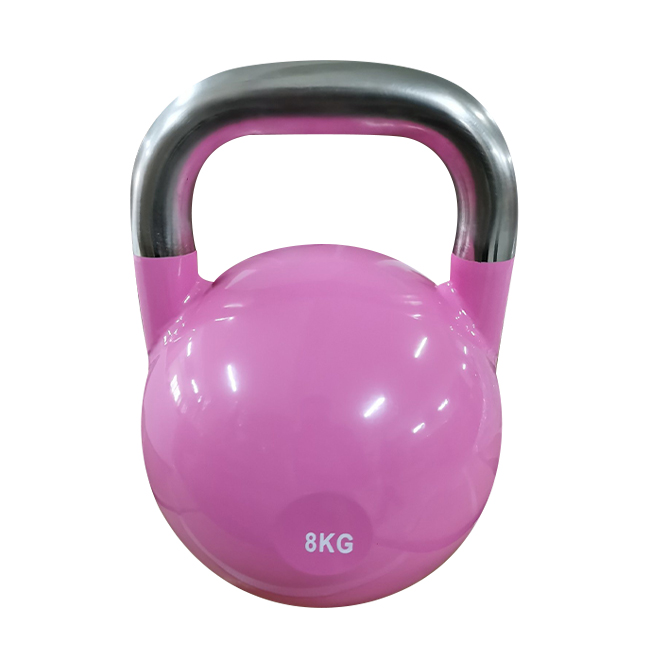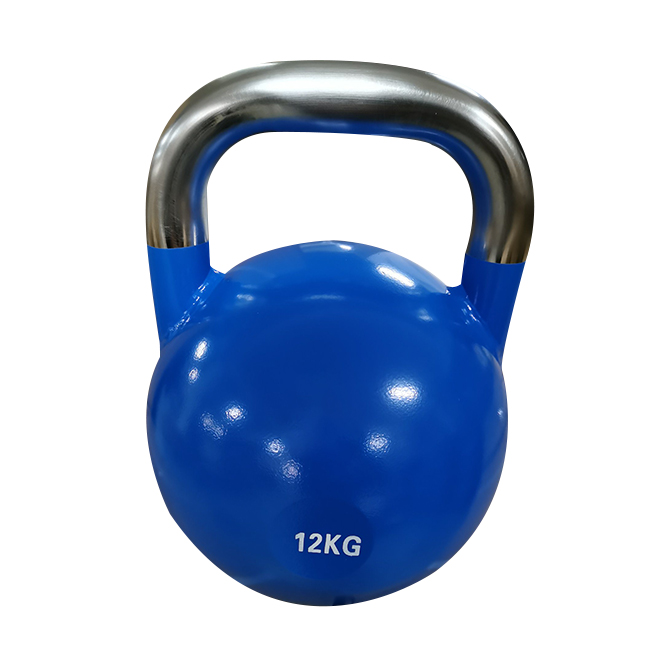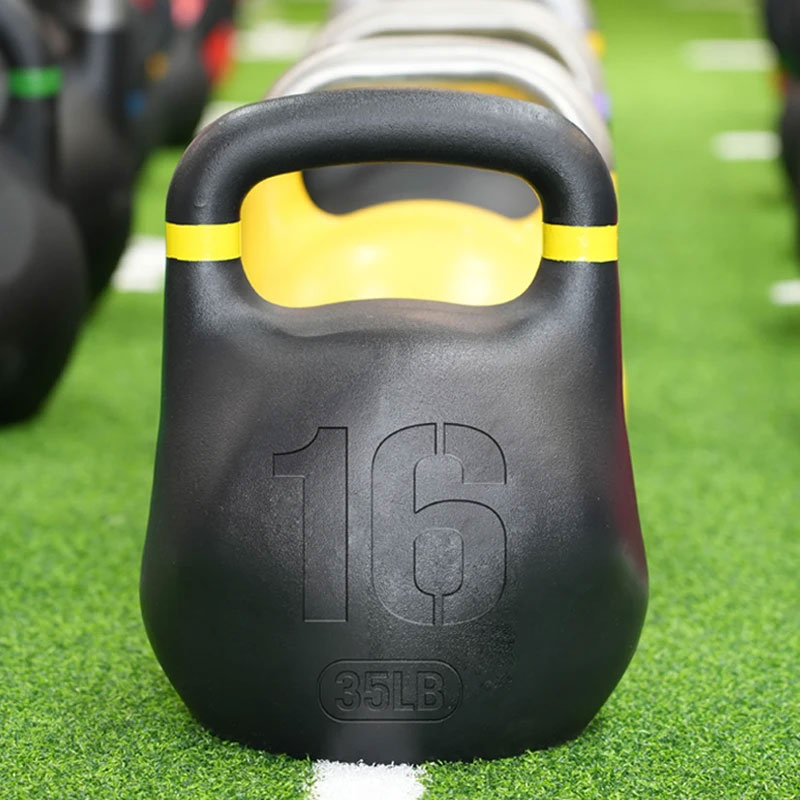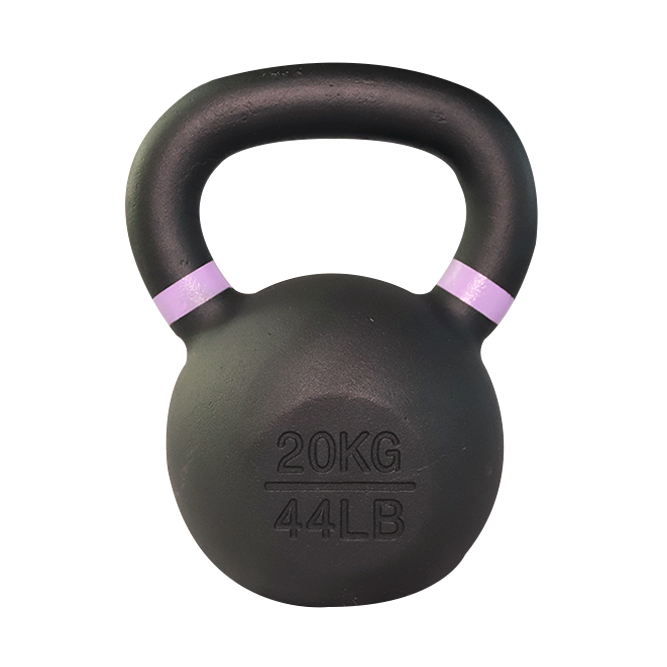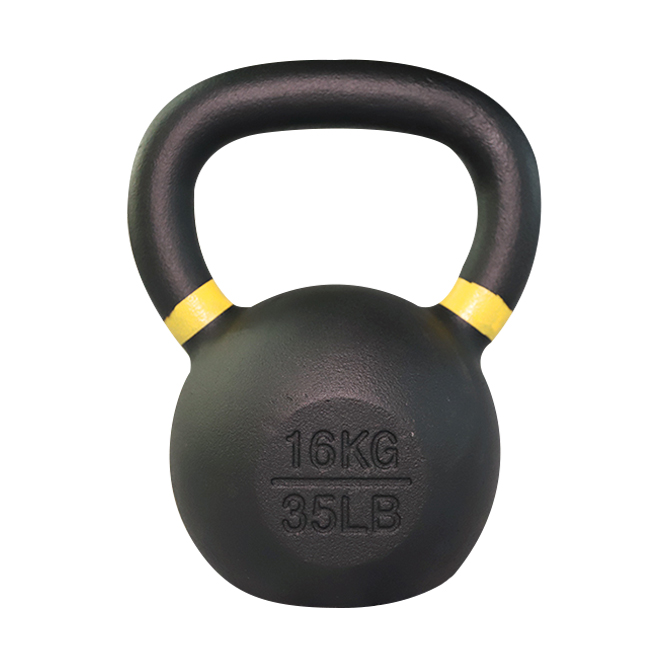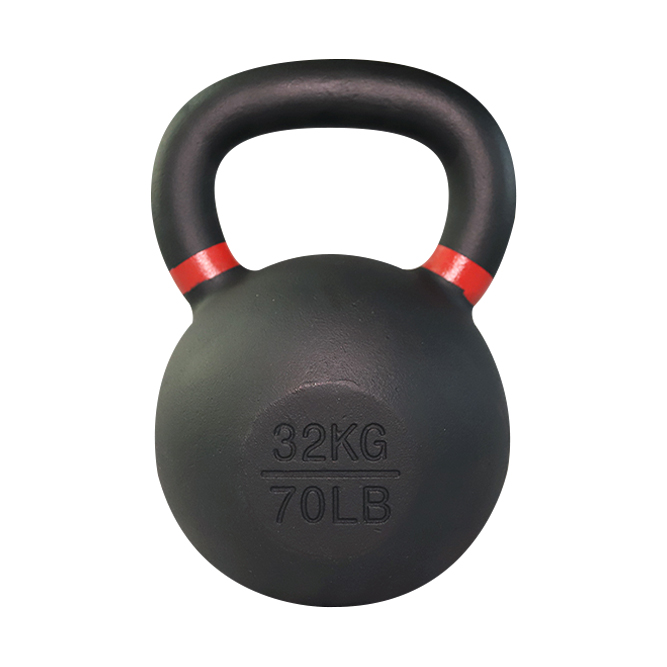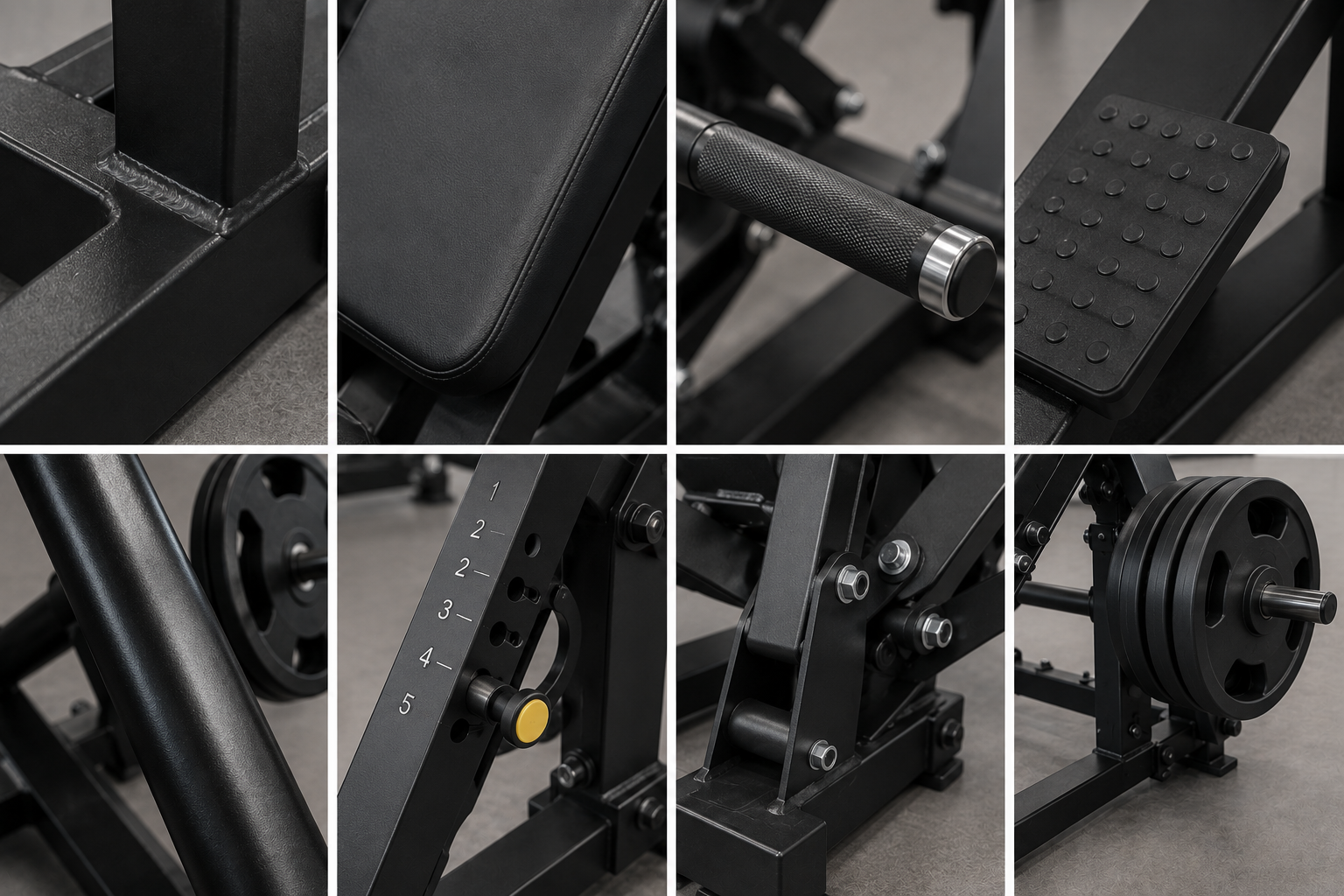
For global distributors, gym franchise owners, and fitness brand developers, the challenge of scaling an inventory or a facility is rarely about finding any equipment; it is about securing a reliable supply of wholesale weight sets that meet rigorous commercial-grade durability standards. The market is often bifurcated between low-cost, low-durability consumer goods and high-priced, premium-branded retail equipment. Professional procurement specialists need a middle ground: a direct-from-factory solution that provides the precision of high-end gear without the brand-name markup. This guide addresses the complexities of sourcing at scale, specifically focusing on the technical requirements of strength training equipment, cardio systems, and specialized accessories. Whether you are managing a multi-facility rollout or launching a private-label fitness line, understanding the distinction between a simple trading company and a dedicated manufacturer is vital for long-term operational stability. Our objective is to provide a framework for evaluating the reliability of your supply chain across several critical dimensions: By focusing on these technical benchmarks, procurement professionals can move beyond superficial price comparisons and build a robust inventory of wholesale weight equipment that stands up to the rigors of high-traffic commercial environments. When building a commercial fitness facility or a distribution network, the choice between sourcing from high-end retail brands, mid-tier distributors, or direct manufacturers significantly impacts both the initial capital expenditure and the long-term maintenance lifecycle. A common misconception in the industry is that high price always equates to superior durability; however, in the realm of wholesale weight sets and heavy-duty strength gear, the real differentiator is the technical specification and the manufacturing process rather than the marketing budget. To assist in strategic decision-making, the following table compares three common procurement tiers. This comparison focuses on verifiable metrics such as material gauge, customization depth, and cost-efficiency, rather than brand prestige. This allows procurement managers to align their sourcing strategy with their specific business goals, whether they are launching a budget-friendly fitness chain or a premium boutique studio. As demonstrated, the gym machine manufacturer model offers a distinct advantage for those seeking to control their own brand identity through OEM services. While the retail tier provides immediate availability, the direct factory model allows for a deeper integration of quality control and cost management, ensuring that every piece of strength training equipment or cardio machine is tailored to the specific requirements of the end-user environment. A common pitfall in large-scale procurement is focusing exclusively on the purchase price per unit while overlooking the total cost of ownership (TCO). In a commercial setting, the durability of wholesale weight sets and the mechanical stability of strength machines are the primary drivers of long-term profitability. A machine that is 20% cheaper upfront but requires replacement or significant maintenance within 18 months due to inferior bearing quality or thin-gauge steel will inevitably erode a gym's margins. To avoid these high-cost errors, procurement specialists must move beyond basic descriptions and demand specific technical data during the vetting process. For instance, when evaluating strength training equipment, the distinction between "commercial grade" and "home grade" lies in the structural engineering and the load-bearing capacity of the moving parts. True commercial-grade equipment is defined by several non-negotiable technical attributes. When auditing a potential partner, look for the following indicators of industrial-standard production: Many buyers inadvertently partner with trading companies that act as brokers rather than manufacturers. While brokers can offer a wide variety of products, they often lack control over the actual production line. This leads to significant risks regarding OEM customization and quality consistency. When you order customized resistance bands or branded weight sets from a broker, you are often at the mercy of their third-party suppliers, which complicates the process of troubleshooting defects or implementing design changes. A dedicated factory-direct model provides a direct line to the engineering team, ensuring that any specific requirement—such as a custom resistance level or a unique logo placement—is executed according to the exact technical specification in the purchase order. In the global fitness market, there is a significant gap between premium-branded equipment and standard wholesale options. Many distributors seek a "high-end alternative" strategy—not by looking for imitations, but by sourcing products that meet the exact technical specifications and performance benchmarks of top-tier brands. Achieving this level of quality requires a manufacturer that operates with a high degree of technical transparency and rigorous internal control. When we speak of high-end alternatives, we are referring to the ability to match specific, verifiable metrics found in premium retail solutions. For instance, a manufacturer can provide gear that aligns with high-end standards through several key technical vectors: Beyond providing high-quality alternatives, many leading factories specialize in professional OEM (Original Equipment Manufacturer) services for international fitness brands. This involves more than just applying a logo; it is a comprehensive integration of a client's brand identity into the manufacturing lifecycle. Our production lines are designed to meet the stringent requirements of global brands, focusing on high-standard quality control (QC) at every stage. A professional OEM workflow typically follows a disciplined, multi-phase process to ensure compliance and brand integrity: For brands looking to expand their product lines, this level of manufacturing discipline provides the necessary security. We maintain strict confidentiality regarding client designs and proprietary specifications, ensuring that your brand's intellectual property and unique market positioning remain protected throughout the production and scaling process. Theoretical specifications are essential, but the true value of a professional manufacturing partner is demonstrated through the ability to solve real-world logistical and technical constraints. In the high-stakes environment of commercial fitness expansion, a "one-size-fits-all" approach often fails to meet the specific nuances of local markets or brand identities. The following anonymous case studies illustrate how technical problem-solving and customized production can resolve critical procurement bottlenecks. A prominent regional fitness distributor sought to launch a private-label line of resistance bands and small-scale strength accessories. Their primary challenge was not just the design, but the strict requirement for consistent material elasticity and high-durability packaging that could withstand long-distance sea freight without degradation. The client had a tight budget and a fixed window of 60 days before their seasonal marketing launch. The manufacturer's response involved a three-step technical solution. First, instead of using standard latex, a customized high-density TPE (Thermoplastic Elastomer) was selected to ensure both durability and eco-friendly compliance. Second, the factory implemented a specialized vacuum-sealed packaging process to prevent oxidation during transit. Finally, a rapid prototyping cycle was initiated, where three distinct tension levels were produced and tested within 10 days. The result was a high-quality, branded product line that was delivered 5 days ahead of schedule, meeting all functional benchmarks and passing the distributor's third-party quality inspection upon arrival. A growing commercial gym chain faced a significant dilemma during their expansion phase. They needed to outfit ten new locations simultaneously, requiring a mix of heavy-duty multi-gym systems and cardio equipment. The constraint was twofold: they needed to maintain a consistent aesthetic across all locations to protect their brand image, but they also had to manage a highly fragmented budget that varied by facility size. The manufacturer provided a tiered procurement solution. For the flagship locations, the factory utilized a premium production line, focusing on high-gauge steel and custom-colored powder coating to match the brand's luxury aesthetic. For the smaller, suburban branches, the factory offered a high-durability, standard-color version of the same core mechanical components. This ensured that the mechanical reliability and user experience remained identical across the chain, while the cost-efficiency of the tiered approach kept the total project within the client's capital expenditure limits. All equipment was delivered in synchronized batches, ensuring that all ten facilities could launch their grand openings on the same date without any equipment-related delays. These scenarios highlight that successful B2B procurement is not merely about purchasing goods, but about integrating manufacturing expertise with strategic business objectives. Whether the goal is product differentiation or cost optimization, a dedicated factory-direct model provides the agility required to navigate modern supply chain complexities. Transitioning from a technical evaluation to a formal purchase order requires a clear understanding of the operational protocols that govern professional B2B manufacturing. Successful procurement of wholesale weight sets and commercial-grade equipment is not merely about the initial transaction, but about the structured phases of engagement that ensure the final delivery aligns with your facility's or brand's specific requirements. To facilitate seamless coordination between international buyers and the production facility, we maintain standardized protocols across several critical touchpoints: Reliability in the strength and cardio equipment sector is built on rigorous, repeatable testing. Before any shipment leaves our facility, it must pass through a multi-layered quality control (QC) framework. We encourage partners to utilize third-party inspection services to verify our internal reports. Key inspection areas include: Given the weight and volume of commercial gym equipment, logistical efficiency is a primary concern for distributors. We offer several packaging and shipping configurations to optimize container utilization and reduce transit damage: By establishing these clear operational boundaries, we ensure that the transition from design to global delivery is predictable, transparent, and aligned with your commercial growth objectives. Before finalizing any purchase order for wholesale weight sets or specialized strength training equipment, procurement professionals should execute a final verification against these high-level operational benchmarks. Moving from a successful sampling phase to full-scale production requires a rigorous alignment of technical, logistical, and branding requirements to ensure the final shipment meets the expectations of your end-users and facility standards. Use the following actionable points to validate your readiness for the next stage of the partnership: By adhering to these professional procurement standards, distributors and gym owners can mitigate the risks inherent in high-volume sourcing and build a durable, high-performance inventory that supports long-term commercial success.Navigating High-Volume Procurement of Commercial Strength and Cardio Gear
Evaluating Procurement Models: Direct Factory Sourcing vs. Retail Tiered Solutions
Procurement Dimension Premium Retail Tier Mid-Tier Distributor Tier Direct Factory Sourcing Tier Core Material Standard High-grade reinforced steel with proprietary finishes Standard commercial-grade steel and powder coating Customizable gauge steel with precision welding and anti-corrosion coatings OEM/Branding Capability Strictly limited to official brand-authorized channels Basic logo application and standard color options Full customization of logo, color, and specialized packaging Cost Structure High premium due to brand equity and marketing Moderate markup for distribution and service Optimized cost-efficiency via direct-to-client models Customization Depth Low; products are standardized and pre-set Limited to SKU-level variations High; from specialized dimensions to bespoke resistance levels Typical Lead Times Variable; often dependent on regional stock availability Standardized 4–8 weeks for replenished inventory Defined production cycles (e.g., 30–45 days) based on PO specs Best Use Case High-end boutique studios with high brand sensitivity Standard commercial gyms and retail outlets Gym chains, large-scale distributors, and private-label brands Technical Benchmarks for High-Performance Strength and Cardio Equipment
The Logic of Quality and Compliance
Avoiding the "Trading Company" Trap
Aligning with Global Standards: High-End Alternatives and OEM Capabilities
Practical Implementation: Solving Complex Procurement Challenges Through Custom Solutions
Case Study 1: Scaling a Specialized Resistance Gear Line for a Regional Distributor
Case Study 2: Optimizing Equipment Mix for a Multi-Facility Gym Chain Expansion
Operationalizing the Partnership: MOQ, Sampling, and Global Logistics
Production and Customization Protocols
Quality Assurance and Inspection Standards
Packaging and Global Logistics Options
Strategic Checklist for Finalizing Your Procurement Plan