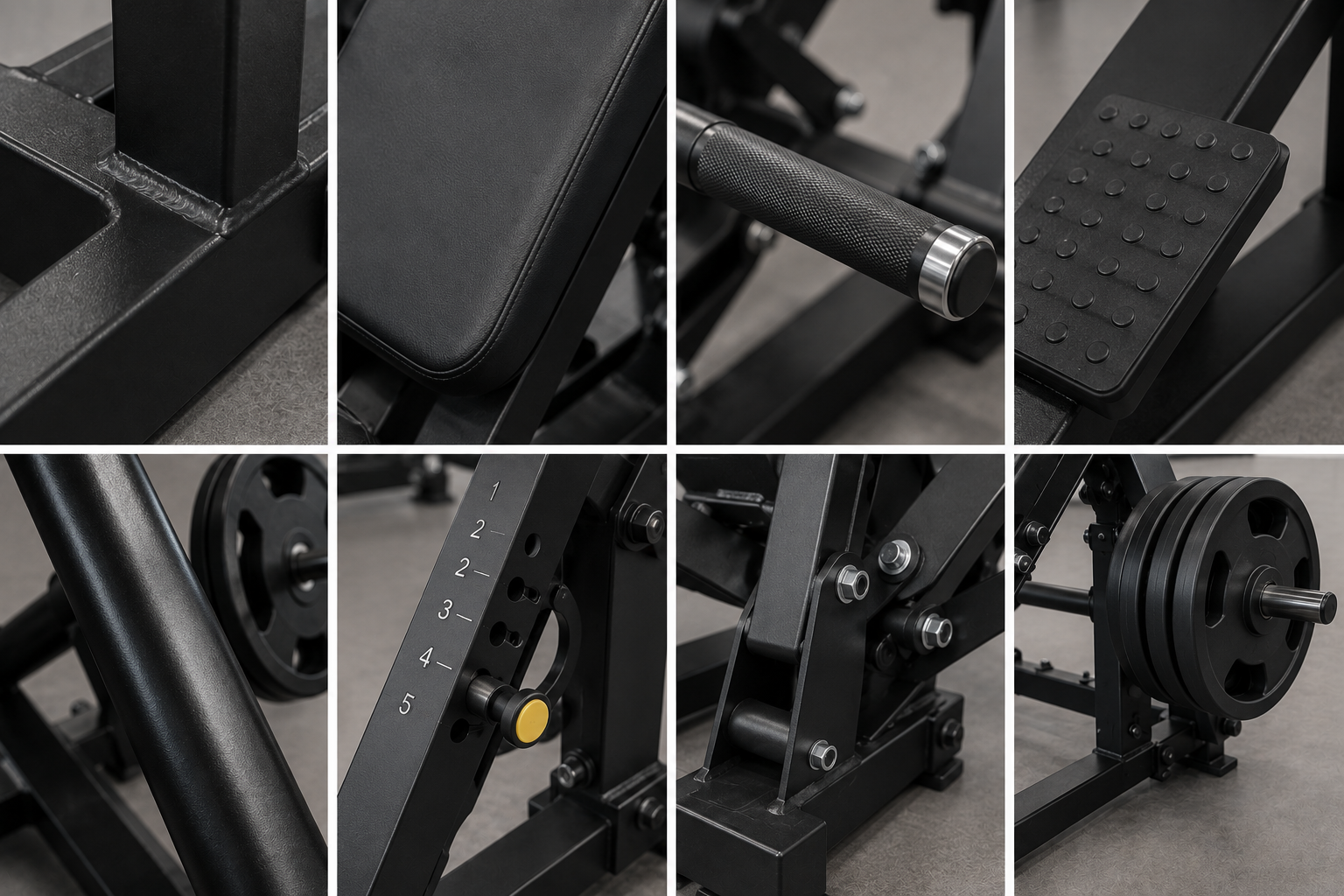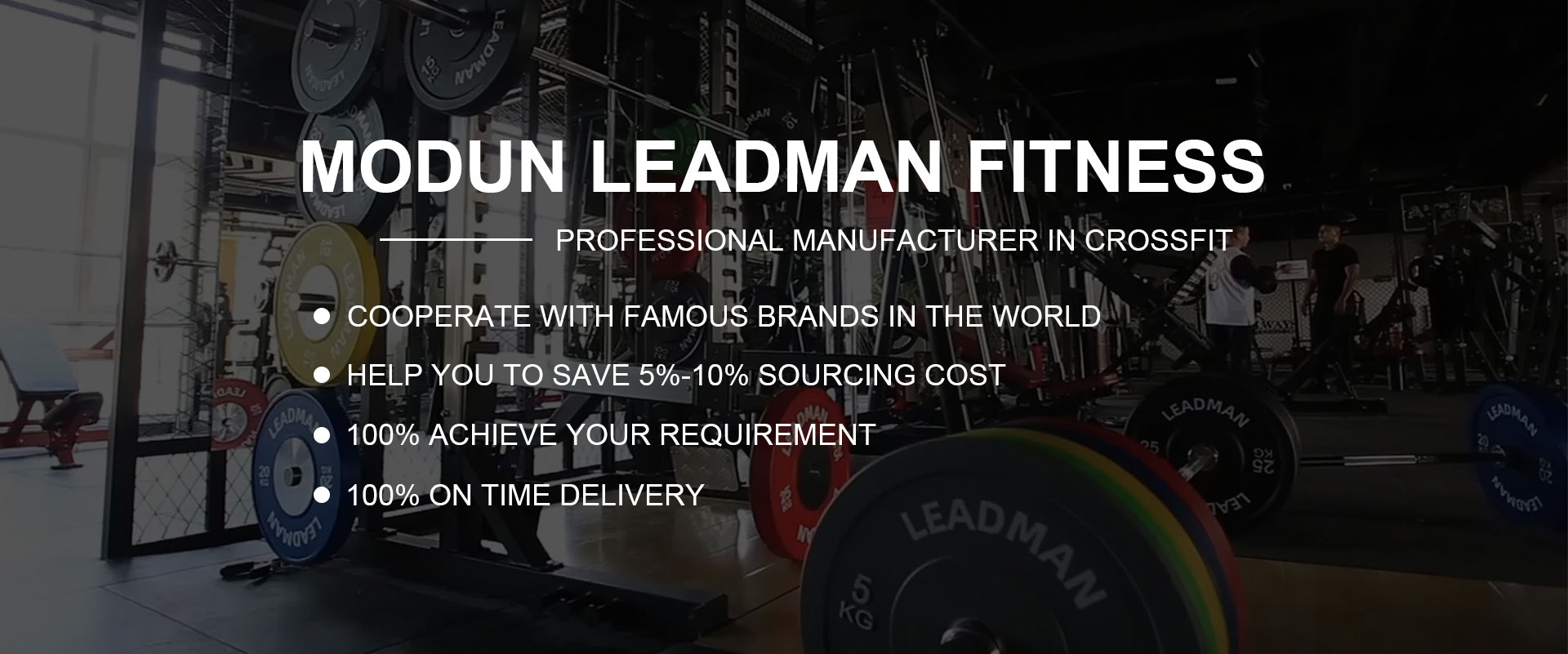
For gym owners, international distributors, and fitness brand developers, the challenge of scaling a facility or a product line often hinges on a single critical factor: the reliability of the supply chain. Sourcing wholesale weight equipment is not merely about finding the lowest unit price; it is about securing assets that maintain structural integrity under high-frequency usage while meeting the rigorous aesthetic and functional standards of the modern fitness market. Whether you are outfitting a boutique strength studio, expanding a franchise network, or launching a private-label brand, the complexities of procurement extend far beyond simple ordering. You must navigate technical specifications, international shipping compliance, and the delicate balance between high-end performance and cost-efficiency. This guide addresses the fundamental questions regarding equipment durability, customization depth, and the strategic advantages of working directly with specialized production facilities. To successfully manage a large-scale procurement project, professionals must focus on several key dimensions: By understanding these variables, procurement specialists can transition from reactive purchasing to strategic asset management, ensuring that every piece of strength or cardio gear contributes to the long-term value and reputation of their fitness enterprise. When planning a large-scale facility setup or a brand launch, procurement professionals must distinguish between various sourcing channels. The choice between a high-end retail brand, a mid-tier distributor, and a direct factory-to-client model significantly impacts both the initial capital expenditure and the long-term operational maintenance costs. Understanding these distinctions allows for more accurate budgeting and strategic alignment with your business goals. The following table provides a comparative overview of how different procurement tiers typically perform across critical technical and commercial dimensions. This comparison is designed to help you identify where a direct factory approach offers the most significant advantages in terms of customization and cost-efficiency. A key takeaway for procurement specialists is that the "Direct Factory Sourcing" model—specifically when working with a gym machine factory—does not necessarily mean sacrificing quality. Instead, it shifts the focus from paying for a brand name to paying for verifiable technical standards. For instance, while a "Premium Retail Tier" product may offer a polished aesthetic, a direct manufacturer can produce equipment with identical frame thickness and high-grade steel, provided the specific requirements are clearly defined in the production contract. When evaluating these tiers, it is essential to look beyond the surface-level appearance. A professional procurement strategy involves auditing the underlying technical documentation—such as welding standards, bearing durability, and electronic component certifications—to ensure that the chosen wholesale weight equipment can sustain the high-intensity demands of a commercial environment. A common pitfall in global procurement is equating a polished exterior with long-term mechanical reliability. In the world of commercial strength and cardio gear, the most critical components are often the ones that are invisible to the end-user: the steel gauge of the frame, the quality of the internal bearing assemblies, and the precision of the weld joints. Relying solely on visual inspections or brand reputation can lead to significant long-term maintenance costs and premature equipment failure. When sourcing wholesale weight equipment, the decision-making framework must prioritize structural specifications over aesthetic finishes. For instance, a commercial-grade weight machine should ideally utilize high-gauge steel (typically 11-gauge or thicker for heavy-duty frames) to prevent warping under repetitive high-load cycles. Furthermore, the welding process is a critical differentiator; continuous, smooth welding indicates a higher level of structural stability than intermittent or "tack" welding, which may present stress points under heavy use. Another essential technical dimension is the tolerance of moving parts. In resistance-based machines or rowing systems, the precision of the pulleys and cables dictates the smoothness of the user experience. Procurement specialists should demand documentation regarding the duty cycle of motors in cardio equipment and the durability of synthetic cables or chains in strength systems. A high-performing manufacturer will provide specific data on the tensile strength of these components and the lifespan of the electronic control units (ECUs) used in modern cardio consoles. Compliance is not merely a checkbox; it is a risk management strategy. For distributors entering highly regulated markets like North America or the European Union, ensuring that the manufacturer adheres to international safety and quality standards is non-negotiable. This includes verifying that the production processes align with ISO standards and that the final products meet specific safety certifications for commercial use. A lack of rigorous testing protocols for weight-bearing stability or electrical safety can lead to catastrophic liability issues for the importer. Common misconceptions in the industry often involve the assumption that "standard" manufacturing is sufficient for commercial environments. However, there is a distinct technical gap between residential-grade and commercial-grade equipment. Commercial-grade equipment is engineered for a much higher volume of daily cycles and requires more robust lubrication systems, heavier-duty upholstery (often high-density foam with reinforced vinyl), and more resilient electronic components. Successful procurement requires a clear distinction between these two tiers to avoid under-speccing a facility's capabilities. Beyond the physical product, the reliability of the manufacturer's production-to-logistics pipeline is a key metric of success. A professional-grade facility should be able to demonstrate a structured production schedule that accounts for raw material buffering and quality control checkpoints. When a manufacturer provides a quote, the lead time should be a realistic reflection of their actual production capacity, including time for assembly, testing, and packaging, rather than an optimistic estimate designed to secure the order. Understanding the interplay between seasonal demand and production cycles is essential for maintaining a consistent inventory level in a competitive retail or distribution environment. In the competitive landscape of global fitness distribution, the ability to offer high-performance equipment at a more optimized price point is a significant competitive advantage. Many procurement specialists seek "high-end alternatives"—solutions that align with the technical benchmarks of premium retail brands without the substantial brand-name markup. Achieving this requires a shift in focus from marketing imagery to verifiable technical specifications. To ensure that a factory-direct solution meets the expectations of a high-end facility, procurement teams should focus on matching specific, measurable indicators. When sourcing wholesale weight equipment, the following dimensions can be used to verify if a product aligns with "premium-tier" performance: By utilizing these objective metrics, distributors can confidently offer products that perform at a level comparable to top-tier retail brands, providing significant value to gym owners and facility managers. For brands looking to expand their product lines, engaging in Original Equipment Manufacturer (OEM) or Original Design Manufacturer (ODM) services is the most effective way to build a unique identity. High-level manufacturing facilities operate with a structured approach to ensure that custom requirements do not compromise product reliability or compliance. A professional production workflow typically follows a rigorous sequence: initial requirement definition (including technical specs and aesthetic preferences), followed by the creation of a detailed 3D prototype or physical sample. This sample stage is critical; it allows the client to verify the fit, finish, and functional resistance profiles before any mass production begins. Once the sample is approved, the process moves into a highly controlled production phase where strict quality control (QC) checkpoints are integrated into every stage—from raw steel inspection to final assembly testing. Maintaining professional boundaries is a cornerstone of high-level OEM services. Reputable manufacturers implement strict confidentiality protocols to protect a client's intellectual property, including proprietary mechanical designs or unique branding elements. This ensures that the production lines used to fulfill international brand orders remain secure and that all custom configurations are produced exclusively for the designated client, adhering to the highest standards of industrial compliance and professional ethics. The true value of a specialized manufacturer is often best demonstrated through complex, real-world problem-solving. Unlike standard transactional orders, professional B2B partnerships frequently involve navigating a unique intersection of rigid constraints and high-performance requirements. The following anonymous case studies illustrate how technical expertise and customized planning can resolve critical procurement bottlenecks. A growing fitness franchise in Southeast Asia sought to launch a proprietary line of strength equipment to establish brand identity across its expanding network. The primary challenge was twofold: they required a cohesive, high-end aesthetic that matched the look of premium global brands, but they were operating under a strict budget that precluded purchasing top-tier retail-branded assets. Additionally, they required specific colorway integration—a deep matte charcoal with customized neon accents—to differentiate their brand in a crowded market. The manufacturer provided a comprehensive ODM solution. This began with the development of a physical sample that matched the exact frame gauge and upholstery density specified in the franchise's brand guidelines. To address the branding requirement, the factory implemented a multi-stage process involving laser-etched logos on the weight stacks and high-durability heat-transfer decals on the machine frames. By utilizing a direct-from-factory model, the client achieved a premium brand appearance while maintaining a cost-to-value ratio significantly lower than their initial retail-focused projections. The entire customized line was delivered across multiple regional hubs on schedule, meeting all local safety standards for commercial use. A major international distributor of fitness accessories faced a critical inventory shortage during a peak seasonal window. They needed to rapidly replenish their stock of high-durability resistance bands and specialized weightlifting gear for several large-scale retail clients. The constraint was not just speed, but the uncompromising quality of the elastic materials, as previous low-cost suppliers had failed to meet the necessary tensile strength and durability benchmarks required for commercial-grade retail. The manufacturer responded by prioritizing a high-speed, high-precision production run for the distributor. Rather than simply fulfilling a standard order, the factory team optimized the packaging and logistics plan to accommodate rapid overseas shipping. They implemented an accelerated QC protocol that included specialized stress-testing for the resistance bands to ensure they met the specific durability thresholds required by the client's high-end customers. By leveraging existing production lines and optimizing the raw material buffering process, the manufacturer successfully delivered the customized, branded gear within a compressed timeframe, allowing the distributor to fulfill their retail commitments without losing market momentum. These examples highlight that professional manufacturing goes beyond simple production; it is about providing integrated solutions that account for branding, technical precision, and logistical agility. Whether the goal is brand differentiation or rapid inventory replenishment, the ability to execute a tailored technical plan is what separates a standard supplier from a strategic manufacturing partner. Transitioning from a successful technical evaluation to a full-scale commercial rollout requires a clear understanding of the operational workflows inherent in B2B manufacturing. Professional engagement with a specialized facility is defined by structured milestones that manage risk and ensure that the final delivery aligns with the initial project scope. Establishing these parameters early in the negotiation phase is essential for maintaining predictable timelines and budget control. Effective procurement cycles for commercial-grade equipment typically follow a standardized progression. Navigating these stages requires active participation from the buyer to ensure that the final output meets both functional and branding expectations: The final phase of the procurement process involves the transition from the factory floor to the global market. Given the weight and volume of commercial strength and cardio gear, packaging and shipping strategies are critical to preventing transit damage and optimizing landed costs. Manufacturers typically offer several logistics-ready packaging options. For heavy-duty items like weightlifting gear or multi-gym frames, heavy-duty corrugated boxes and reinforced steel palletization are standard to ensure structural protection during sea freight. For high-precision components, specialized protective foam and moisture-resistant wrapping are utilized to prevent oxidation and mechanical misalignment. Furthermore, professional B2B partners can coordinate various shipping methodologies—from Full Container Loads (FCL) for large-scale facility setups to Less than Container Loads (LCL) for smaller distributor restocks. This flexibility allows procurement specialists to align their shipping frequency with their actual inventory turnover and cash flow requirements, ensuring a lean and responsive supply chain. Establishing a resilient supply chain for commercial fitness assets requires moving beyond transactional purchasing toward a rigorous, specification-driven framework. Before finalizing high-volume orders or initiating complex OEM projects, procurement professionals should utilize the following action-oriented benchmarks to ensure alignment between technical requirements and operational delivery. By implementing these structured verification and operational steps, distributors and gym owners can secure high-performance, high-durability equipment that supports long-term facility growth and brand reputation.Comparative Analysis of Procurement Models and Quality Tiers
Procurement Dimension Premium Retail Tier Mid-Tier Distributor Model Direct Factory Sourcing (OEM/B2B) Primary Value Proposition Brand prestige and established market presence Convenient availability and standardized stock High customization and optimized cost-to-performance ratio Customization Depth Limited to standard colorways and basic logos Pre-defined product assortments with minimal changes Deep OEM/ODM integration (colors, logos, and specs) Technical Specification Control Fixed specifications set by the brand Standardized builds with limited technical adjustments Direct control over frame gauge, material, and tolerances Unit Cost Efficiency Highest (includes brand premium and retail markup) Moderate (includes distributor margins and logistics) Highest (direct production pricing and bulk advantages) Lead Time Management Dependent on retail stock availability Subject to distributor inventory cycles Structured via direct production scheduling and PO milestones Ideal Use Case High-end boutique fitness showrooms Standard commercial gyms and local retailers Global distributors, franchise chains, and private labels Technical Benchmarks for Verifying Manufacturing Excellence
The Logic of Material and Structural Integrity
Navigating the Compliance and Certification Landscape
Verifying Factory Capacity and Lead Time Accuracy
Strategic Value: High-End Alternatives and OEM Manufacturing Standards
Aligning with Premium Standards via Verifiable Metrics
Professional OEM and ODM Production Capabilities
Case Studies in Strategic Procurement and Custom Solutions
Scenario A: Scaling a Regional Gym Franchise via Optimized OEM Branding
Scenario B: Resolating Supply Chain Disruptions for a Global Distributor
Operationalizing the Partnership: MOQ, Sampling, and Logistics
Standardized Procurement Milestones
Packaging and International Logistics Strategies
Strategic Checklist for Long-Term Procurement Success
Pre-Contract Verification and Technical Audit
Operational Readiness and Logistics Planning