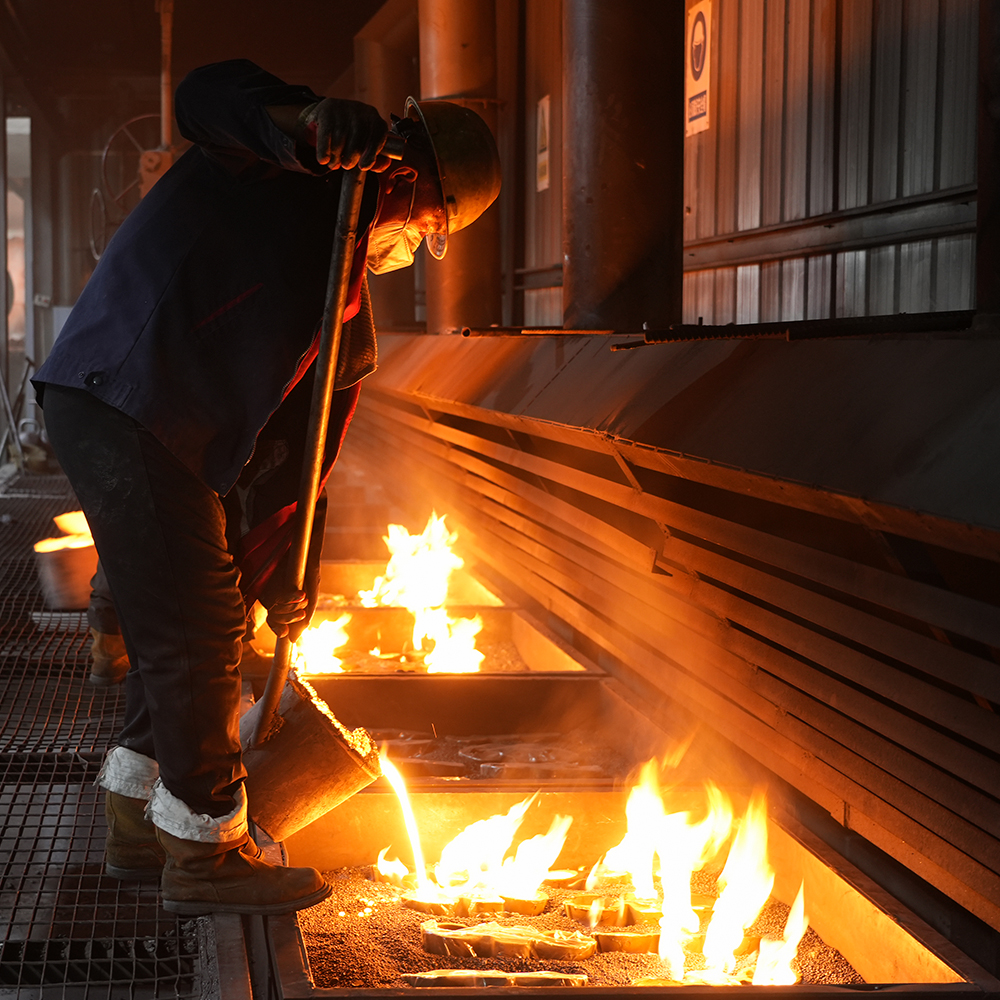
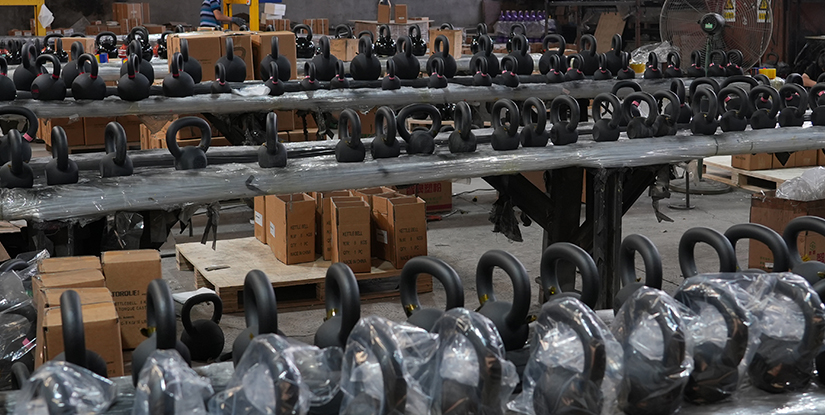
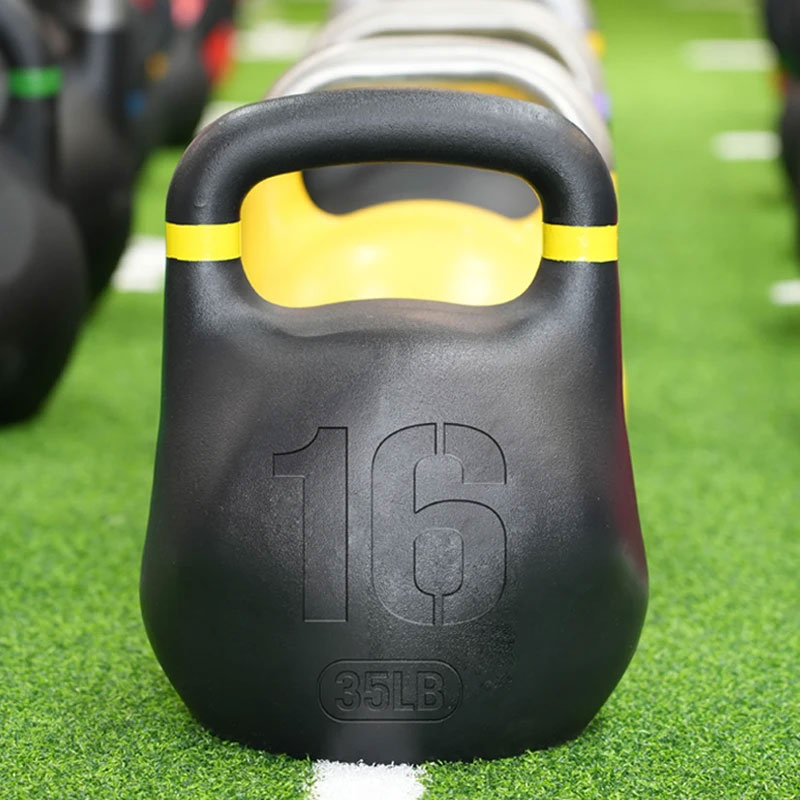
For commercial gym owners, fitness distributors, and global brand managers, the complexity of scaling a fitness facility or a retail product line often hinges on a single critical decision: the reliability of the manufacturing partner. Finding a competent gym machine factory is not merely about locating a producer of steel and electronics; it is about securing a partner capable of translating technical specifications into durable, high-performance assets that withstand the rigors of daily commercial use. The primary challenge in the current market is the gap between high-cost retail brands and low-quality, unverified manufacturers. Procurement professionals often struggle to find a middle ground where durability meets cost-efficiency. This guide addresses those specific pain points, focusing on how to bridge the gap between raw manufacturing capacity and the sophisticated requirements of modern fitness centers, including: Whether you are looking to refresh a single boutique studio or equip a nationwide chain of commercial gyms, understanding the nuances of the production process—from frame gauge thickness to the precision of cardio machine electronics—is essential for long-term operational success. We provide the technical perspective needed to navigate these procurement decisions with confidence. When selecting a partner for commercial gym equipment, procurement officers must distinguish between different sourcing tiers. The choice is rarely a simple binary between "expensive" and "cheap"; rather, it is a strategic decision regarding the level of technical oversight, customization depth, and long-term maintenance support required for the specific business model. To assist in your decision-making process, we have outlined a comparison of the three primary sourcing tiers encountered in the global market. This framework focuses on verifiable metrics such as material standards, customization capabilities, and total cost of ownership, rather than subjective brand prestige. Understanding these distinctions allows you to align your procurement strategy with your actual facility requirements. As shown in the table above, the "Professional OEM Tier" often represents the optimal equilibrium for distributors looking to scale. While the "Premium Retail Tier" offers high brand recognition, the "Professional OEM Tier" provides the technical control necessary to build a unique brand identity without the prohibitive costs of a retail markup. Meanwhile, for smaller-scale facility setups, the "Direct Factory Tier" offers the most aggressive pricing structure, provided the buyer conducts sufficient due diligence on the manufacturer's technical capacity. When evaluating these tiers, we recommend focusing on the "Technical Control" aspect. A competent gym machine factory should be able to provide specific data on frame thickness (e.g., 3mm vs 2mm steel), bearing quality, and the precision of electronic components in cardio machines. This level of transparency is the true differentiator between a high-quality partner and a basic trading entity. A common pitfall in B2B procurement is equating a low price point with high value. In the fitness equipment industry, a lower initial quote often masks significant long-term costs associated with mechanical failure, high maintenance frequency, and premature structural fatigue. To avoid these "hidden costs," procurement professionals must move beyond surface-level aesthetics and focus on the underlying engineering and manufacturing rigor. The durability of strength training equipment is primarily determined by the gauge of the steel used in the frame and the precision of the welding. When vetting a gym machine factory, do not simply ask if the steel is "heavy-duty." Instead, demand specific technical data. For commercial-grade machines, a frame thickness of at least 3mm is a standard benchmark for stability under high load. Furthermore, verify the type of welding used; continuous, full-seam welding is essential for high-traffic commercial environments to prevent stress fractures at the joints. A manufacturer that can provide material mill certificates or specific steel grade documentation (such as Q235 or similar industrial standards) demonstrates a higher level of professional transparency. For machines involving moving parts—such as rowing machines, multi-gym systems, or cycles—the quality of the bearings and drive systems is the most frequent point of failure. A high-quality manufacturer will use sealed, high-precision bearings that minimize friction and noise while extending the service life of the machine. When sourcing cardio equipment, the electronic control units (ECUs) and motor duty cycles are equally critical. A motor designed for intermittent home use will fail rapidly in a commercial setting. Ensure that the manufacturer provides specifications for the motor's continuous duty cycle and the durability of the electronic interface under constant use. The relationship between production speed and quality is often misunderstood. While rapid lead times are desirable, an overly aggressive schedule can lead to bypassed QC protocols. A professional factory operates on a structured production cycle: raw material arrival, precision cutting, welding, powder coating, component assembly, and finally, a multi-stage inspection. A reliable partner will allow for a specific window for "pre-shipment inspection" (PSI), where the buyer or a third-party agency can verify that the finished goods match the approved samples. If a supplier cannot explain their specific QC checkpoints—such as load testing for weight stacks or stress testing for resistance bands—they may be prioritizing volume over structural compliance. Ultimately, a robust procurement framework should prioritize "Total Cost of Ownership" (TCO) over "Initial Purchase Price." A machine that costs 20% less but requires replacement or major repairs after 18 months of commercial use is significantly more expensive than a high-spec machine that lasts five years. By focusing on these technical benchmarks, you transition from a reactive buyer to a strategic partner in your facility's long-term growth. In the global fitness market, the distinction between "premium retail brands" and "professional factory-direct solutions" is often more about the markup and distribution layers than the fundamental engineering. For distributors and gym owners, the goal is to identify products that meet or exceed the performance benchmarks of high-end brands while maintaining a more efficient cost structure. This is achieved through a focus on verifiable technical indicators rather than brand prestige. When sourcing "brand-equivalent" solutions, the focus must shift to a side-by-side comparison of measurable specifications. A high-quality gym machine factory provides the technical transparency necessary to ensure that a direct-sourced machine performs identically to a retail-branded one. Key metrics for alignment include: For companies looking to build their own proprietary fitness lines, our manufacturing processes are designed to meet the rigorous demands of international brand standards. We operate under a structured production framework that ensures every customized order—from specialized resistance bands to complex multi-gym systems—is treated with the same level of precision as a high-volume global order. Our facility maintains strict boundaries regarding intellectual property and compliance, ensuring that client designs and proprietary specifications remain confidential throughout the manufacturing lifecycle. The transition from a prototype to full-scale production follows a disciplined sequence: initial technical consultation, material selection, 3D prototyping, and a rigorous sampling phase. Each sample undergoes a series of stress tests and functional verifications before the final sign-off. Once approved, the production moves into a controlled environment where automated welding and precision CNC machining ensure that the thousandth unit produced is identical in quality to the first. This systematic approach allows us to serve as a reliable backbone for brands that require high-standard production without the overhead of managing their own manufacturing plants. Theoretical standards are essential, but the true test of a gym machine factory lies in its ability to solve complex, real-world procurement challenges. Successful B2B partnerships are built on the manufacturer's capacity to navigate constraints such as rigid budget ceilings, strict delivery timelines, and specific branding requirements without compromising the structural integrity of the final product. A growing fitness equipment distributor in Southeast Asia approached us with a specific challenge: they wanted to launch a proprietary line of strength training equipment that could compete with established premium brands in terms of aesthetics and durability, but at a much more competitive price point for their local market. Their primary constraints were a highly specific color palette for the frame powder coating and a requirement for customized logo embossing on the weight stacks and upholstery. Instead of offering a generic catalog item, we developed a customized solution. We adjusted the standard production workflow to include a specialized color-matching stage for the electrostatic powder coating, ensuring the brand's signature matte charcoal finish was consistent across all SKUs. To meet their durability requirements, we upgraded the standard bearing sets to high-precision sealed units and increased the frame gauge to 3mm. We also implemented a dedicated QC checkpoint for the customized branding elements to ensure every logo was perfectly centered and resistant to wear. The result was a successful brand launch where the distributor achieved a 30% higher margin than their previous sourcing model, while maintaining a high level of customer satisfaction due to the professional finish of the equipment. A large-scale commercial gym operator was tasked with equipping several new fitness centers across multiple cities within a very compressed six-month window. Their main constraint was not just the budget, but the extreme pressure of the opening dates. They needed a diverse range of equipment—including multi-gym systems, rowing machines, and specialized resistance bands—all delivered in synchronized batches to meet different construction timelines. The client's concern was that a rapid production schedule might lead to quality compromises. To mitigate this, we provided a highly structured project roadmap. We integrated their procurement schedule with our production planning, utilizing a "staggered assembly" approach. This allowed us to prioritize the high-complexity machines first while simultaneously running high-volume production for smaller accessories like resistance bands. We also implemented a transparent, real-time reporting system, providing the client with photographic evidence of the pre-shipment inspection (PSI) for each batch. By aligning our production cycles with their site readiness, we ensured that all equipment arrived on-site precisely when needed, passing all local safety and structural inspections without delay. These cases demonstrate that professional manufacturing goes beyond simple production; it involves active problem-solving and the ability to act as a strategic extension of the client's own supply chain and brand team. Transitioning from a technical selection to a finalized purchase order requires a clear understanding of the operational workflows that govern a professional gym machine factory. Successful B2B procurement is not just about the final product, but about the predictability of the entire lifecycle—from the first sample to the final arrival at the destination warehouse. Establishing these procedural benchmarks early in the negotiation phase prevents common friction points in international trade. Before committing to high-volume production, every professional procurement cycle should begin with a formal sampling phase. This stage is critical for verifying that the physical output matches the technical specifications discussed during the design phase. Whether you are customizing the tension of a resistance band or the electronic interface of a rowing machine, the sample serves as the definitive "gold standard" for the entire production run. To ensure that the bulk production adheres to the approved sample, a multi-stage quality control (QC) process is indispensable. A professional factory does not wait until the end of the production cycle to inspect goods; instead, quality is integrated into every step. We encourage clients to utilize several layers of verification: Shipping heavy, high-precision fitness equipment requires specialized logistics strategies to prevent transit damage. A competent manufacturer provides tiered packaging options tailored to the specific product type and shipping method. For large-scale items like strength training equipment or cardio machines, we utilize heavy-duty, reinforced corrugated cartons and high-density foam protection to secure moving parts and sensitive electronics. For smaller accessories, such as resistance bands or kettlebells, more compact and efficient packaging is used to optimize container space. We work closely with freight forwarders to provide detailed packing lists, including precise dimensions and weights, to facilitate smooth customs clearance and final-mile delivery to your facility or distribution center. Before finalizing a contract with a gym machine factory, procurement teams should verify that the manufacturer's operational capabilities align with their long-term business objectives. A successful partnership is built on technical transparency and the ability to scale alongside your brand's growth. Use the following checklist to ensure your sourcing strategy is robust and risk-mitulated. By focusing on these structural and technical benchmarks, distributors and gym owners can transition from a transactional purchasing model to a strategic manufacturing partnership. This approach ensures that your investment in commercial strength and cardio equipment yields long-term operational stability and a sustainable competitive advantage in your local or global market.Navigating Global Sourcing with a Professional Gym Machine Factory
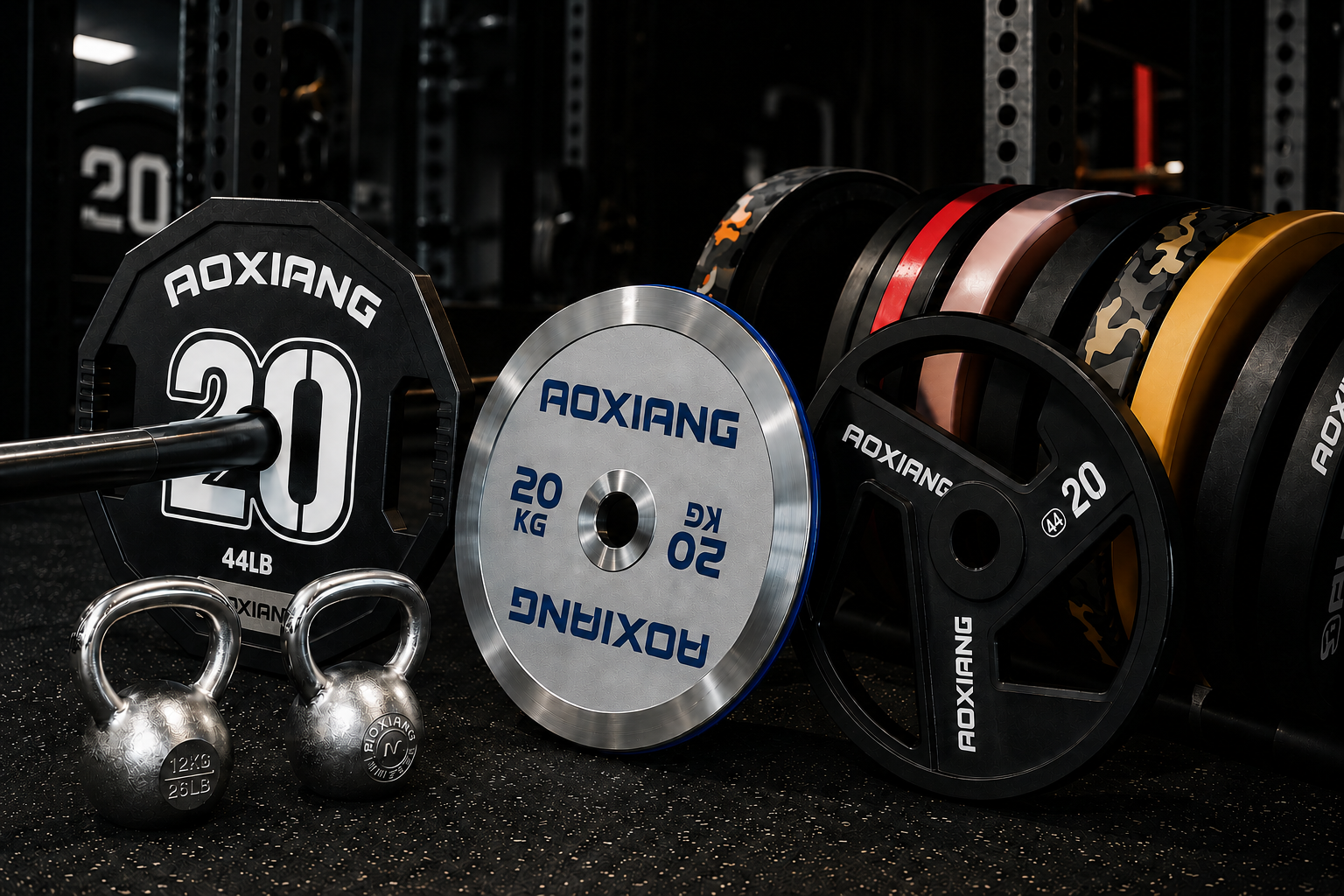
Comparative Framework for Procurement: Sourcing Models and Value Drivers
Procurement Dimension Premium Retail Tier Professional OEM Tier Direct Factory Tier Primary Target Audience High-end boutique studios and luxury fitness chains Established fitness brands and regional distributors Gym owners, local retailers, and large-scale projects Customization Scope Highly restricted; fixed product lines and colors High; full control over branding, colors, and specs Moderate to High; focused on SKU expansion and OEM Material Standards Certified industrial-grade high-gauge steel Consistent industrial-grade steel with verified gauges Verified steel gauges based on specific order specs Cost Structure Highest; includes significant brand premium Balanced; optimized for volume and brand growth Most efficient; direct-from-source pricing Typical Lead Times Longer due to complex logistics and brand protocols Structured; based on production cycles and customization Highly efficient; optimized for rapid B2B replenishment Technical Support Global service networks and high-end training Technical documentation and specialized OEM support Direct technical communication and production guidance Technical Benchmarks: How to Vet a Reliable Gym Machine Factory
Structural Integrity and Material Verification
Mechanical Precision and Component Lifecycle
The Logic of Lead Times and Quality Control (QC)
Aligning Standards: High-End OEM Capabilities and Value-Driven Alternatives
Bridging the Gap with High-Performance Alternatives
Professional OEM and ODM Production Standards
Strategic Solutions in Action: Case Studies of Successful Procurement
Scenario A: Scaling a Regional Fitness Brand via Customized OEM
Scenario B: Rapid Replenishment for a Large-Scale Commercial Project
Execution and Logistics: Standard Operating Procedures for B2B Procurement
Sampling, MOQ, and Customization Protocols
Quality Assurance and Inspection Frameworks
Packaging and Global Logistics Optimization
Pre-Procurement Checklist for Strategic Partnerships