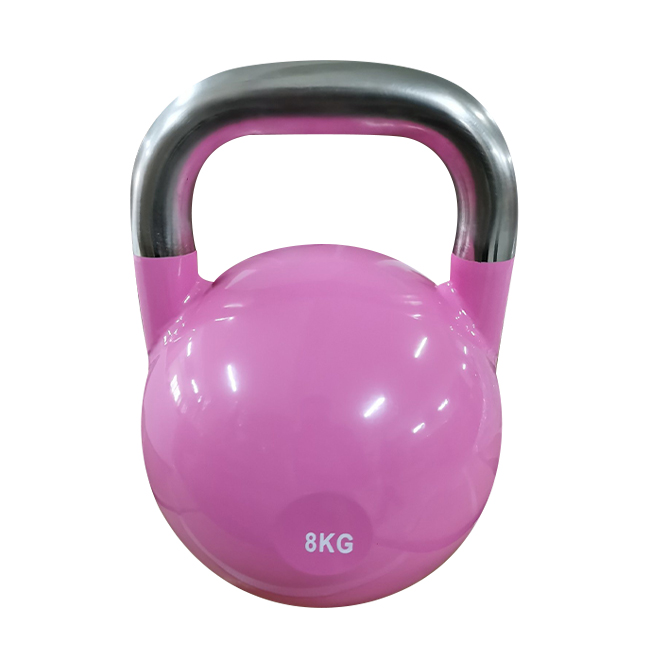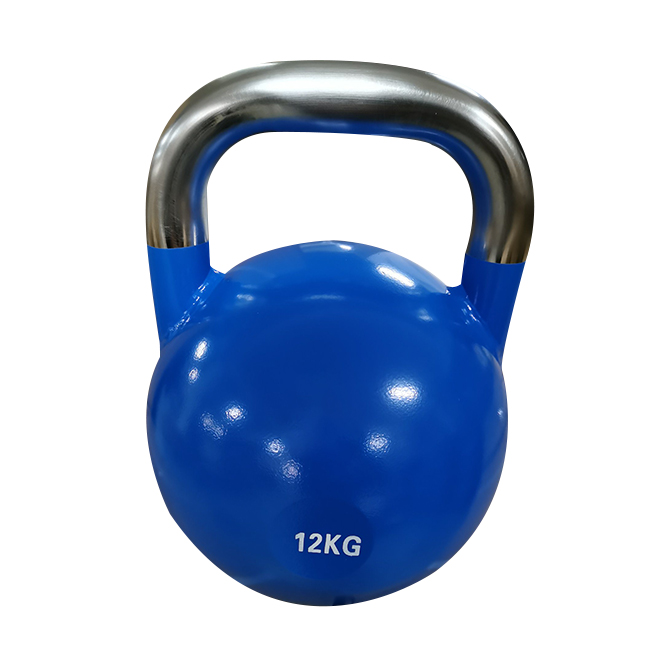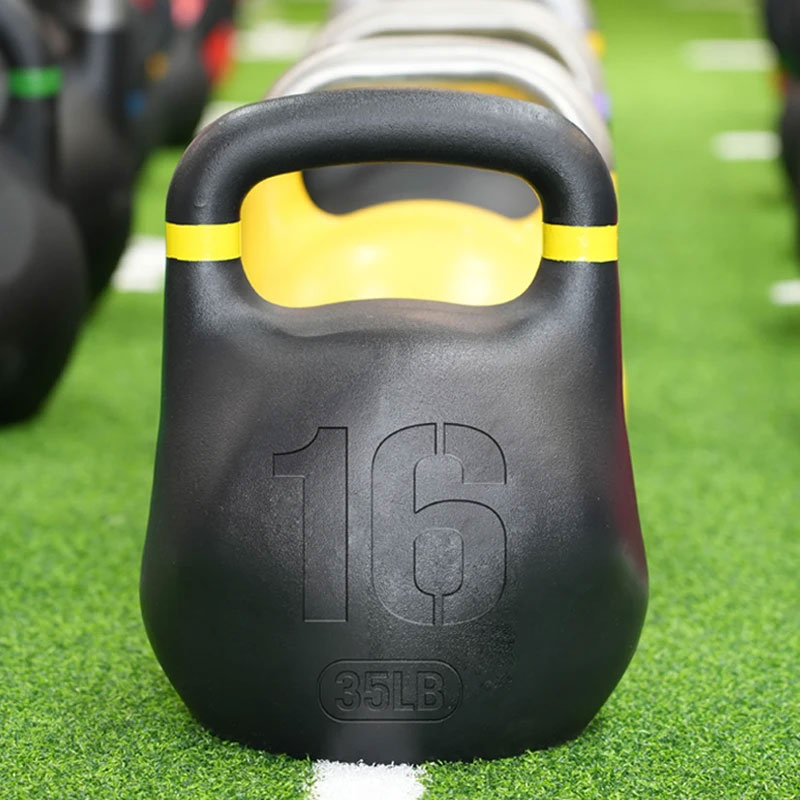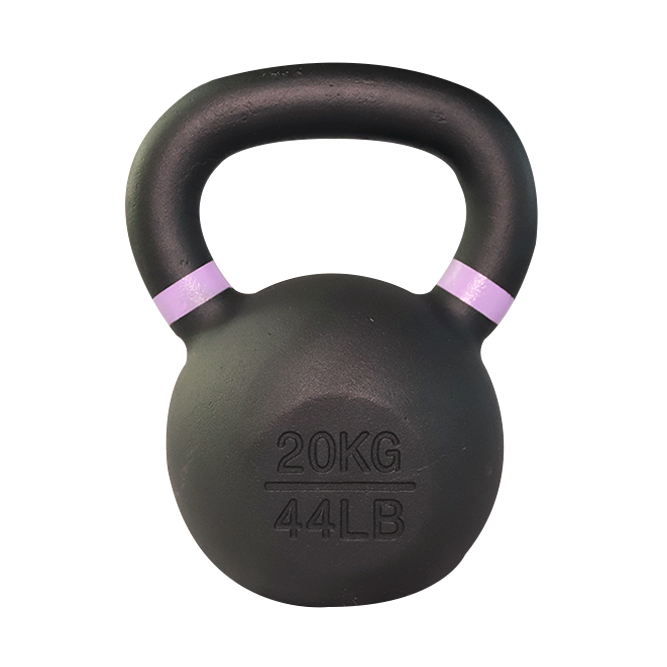
For commercial gym owners, international distributors, and fitness brand developers, the challenge of scaling a facility or a product line lies in balancing capital expenditure with long-term equipment durability. Sourcing wholesale fitness products requires more than just finding a low price; it demands a strategic understanding of how manufacturing standards, customization capabilities, and supply chain reliability intersect to create a sustainable business model. The modern fitness landscape is increasingly fragmented, with demand shifting rapidly between heavy-duty strength training, high-intensity cardio, and specialized functional training gear. Whether you are equipping a boutique studio with premium resistance bands or outfitting a large-scale commercial gym with multi-gym systems, the primary friction points remain consistent: ensuring consistent product tolerances, managing lead times for customized orders, and verifying that the manufacturer can uphold the quality standards required by your local market. This guide is designed to assist professional buyers in navigating these variables. We address the critical decision-making frameworks used when evaluating various production models, from direct factory-to-client sourcing to high-specification OEM manufacturing. By focusing on technical transparency and operational excellence, we help you move beyond basic procurement toward a sophisticated supply chain strategy that supports brand growth and facility longevity. Key considerations for professional procurement include: When building a procurement strategy, professionals must distinguish between different levels of the supply chain. The choice between a high-end retail brand, a specialized distributor, and a direct manufacturer depends heavily on your specific business objectives—whether you are seeking immediate availability for a single facility or building a long-term, proprietary product line through OEM services. To assist in your decision-making process, the following table compares the three most common procurement pathways. This comparison focuses on the technical and operational variables that impact total cost of ownership and brand control. Understanding these distinctions is vital for long-term planning. For instance, while the Premium Retail Tier offers speed, the Direct Factory Tier provides the necessary leverage for distributors looking to establish a unique market presence. When sourcing gym machine factory direct solutions, the focus shifts from buying a finished product to managing a production specification, which allows for much tighter control over the actual structural integrity and long-term maintenance costs of the equipment. The transition from retail-level procurement to industrial-scale sourcing requires a fundamental shift in how quality is verified. In the world of wholesale fitness products, "quality" is not a vague marketing term but a measurable set of technical tolerances. A common mistake made by novice distributors is focusing solely on the final product appearance while overlooking the structural engineering that dictates long-term durability. When sourcing heavy-duty strength training equipment, the most critical variable is the steel gauge and the welding quality. High-traffic commercial environments demand frames that can withstand thousands of cycles without structural fatigue. A professional buyer should demand specific documentation regarding the steel thickness (e.g., 3 mm vs. 2 mm) and the type of powder coating used. A superior finish is not just about aesthetics; it is a defense mechanism against oxidation and mechanical abrasion in high-humidity or high-use gym environments. Furthermore, the precision of moving parts—such as the bearings in a rowing machine or the pulleys in a multi-gym system—determines the user experience and the frequency of maintenance. A manufacturer that provides detailed technical drawings and can specify the exact grade of bearing or the tension of the resistance band is far more reliable than one that provides only generic product descriptions. These details are the difference between a machine that lasts five years and one that requires replacement in eighteen months. Many procurement failures stem from a misunderical of the relationship between customization and lead time. While a standard product might be ready for immediate dispatch, any deviation—such as a custom color, a specific logo placement, or a change in weight plate dimensions—triggers a complete production cycle. This includes the time required for material procurement, tooling adjustments, and the subsequent quality control (QC) testing phase. A sophisticated procurement framework treats lead time as a dynamic variable. Instead of asking "when will it ship?", professional buyers ask "what is the lead time for the raw material procurement versus the assembly phase?" This level of inquiry reveals whether a manufacturer is truly managing their own supply chain or is merely a broker. Relying on a manufacturer that maintains a stable inventory of core components can significantly mitigate the risks of production delays during peak seasons. In the global market, compliance is often treated as a checkbox, but for B2B clients, it is a liability shield. Verifying that a factory follows standardized testing protocols for load-bearing capacity and mechanical safety is non-negotiable. This includes checking for consistency in the manufacturing of accessories like kettlebells or resistance bands, where material density and durability must be uniform across every unit in a bulk shipment to avoid brand damage and customer dissatisfaction. In the competitive landscape of commercial fitness, there is a significant opportunity for distributors to offer high-performance equipment that aligns with the specifications of premium retail brands without the associated markup. This "high-spec alternative" model is not about imitation, but about achieving parity in measurable technical benchmarks. By focusing on the core engineering requirements—such as steel gauge, bearing grade, and upholstery density—buyers can source products that deliver a similar user experience and longevity at a more optimized cost structure. To ensure a high-spec alternative meets professional standards, procurement teams should focus on these verifiable alignment indicators: For companies looking to launch their own proprietary lines, the transition to OEM (Original Equipment Manufacturer) manufacturing requires a partner capable of adhering to rigorous international standards. Professional manufacturing facilities operate with segmented production lines designed to handle diverse product categories—from heavy strength machines to precision-engineered cardio equipment—ensuring that specialized assembly protocols are met for each specific item. A robust OEM workflow is built on a foundation of strict quality control (QC) and technical documentation. The process typically begins with a detailed specification phase, where client requirements for dimensions, materials, and branding are codified. This is followed by a formal prototyping and sampling stage, where physical models are tested against the client's specific benchmarks. Only after a formal sign-off on the sample—covering everything from logo placement to mechanical tolerances—does the factory transition to bulk production. Confidentiality and compliance are the non-negotiable boundaries of high-level OEM services. Top-tier facilities implement strict intellectual property (IP) protections and standardized production protocols to ensure that a client's unique product designs and branding assets are handled with professional integrity. This structured approach allows global brands to scale their product offerings with the confidence that the manufacturing partner can uphold their reputation for quality and reliability. Moving beyond theoretical frameworks, the practical application of specialized manufacturing expertise is best illustrated through real-world procurement challenges. These scenarios demonstrate how a deep understanding of technical specifications and a flexible production approach can resolve complex supply chain constraints for global clients. A growing fitness brand specializing in home-based functional training required a customized line of resistance bands and small-format weightlifting gear to expand their product catalog. Their primary constraint was not just cost, but brand identity; they needed a specific color palette and a highly durable material texture that differentiated them from the generic options available in the mass market. Furthermore, they required a low initial MOQ for the first batch to test market reaction without overextending capital. The manufacturer responded by implementing a tailored OEM workflow. Instead of offering only standard stock items, the factory provided custom material density samples and color-matching swatches for approval. To address the branding requirement, the factory utilized high-precision silk screening for logo placement on the bands and customized the packaging design to reflect the client's premium aesthetic. By managing the production in smaller, specialized batches, the factory met the client's budget and branding needs while ensuring that every unit passed a rigorous tension-test protocol. The result was a successful product launch that achieved high customer satisfaction due to the consistent quality and unique visual identity. An international gym operator faced a significant challenge when expanding into a new region. They needed to furnish multiple large-scale facilities with a comprehensive mix of heavy-duty strength machines, rowing machines, and cardio equipment. The main constraints were a strict delivery window to coincide with the grand openings and a requirement for high-durability specifications that could withstand high-intensity commercial use without constant maintenance. The procurement team shifted from buying finished goods to a direct-factory sourcing model to gain better control over the production schedule and technical specs. The manufacturer provided a comprehensive equipment solution that included heavy-gauge steel frames for the strength machines and specialized high-duty cycle motors for the cardio units. To manage the logistical complexity, the factory utilized reinforced, customized internal structural supports and moisture-proof wrapping for all heavy components, ensuring that the massive shipment arrived at the construction sites without any structural deformation or surface oxidation. By coordinating the production phases with the shipping schedule, the manufacturer ensured that the entire equipment suite was delivered and ready for installation within the designated timeframe, allowing the gym chain to open its doors as planned. Transitioning from a theoretical procurement plan to an active production order requires a clear understanding of the operational milestones that define a successful B2B partnership. For professional buyers, managing the lifecycle of an order—from the initial sample approval to the final arrival at a destination warehouse—is a process of constant verification and communication. Effective engagement with a manufacturer begins with the establishment of clear Minimum Order Quantities (MOQ) and lead-time expectations. Unlike retail, where stock is immediate, industrial-scale production of wholesale fitness products is governed by material availability and production capacity. A structured engagement typically follows these critical nodes: To mitigate the risk of receiving substandard goods, professional distributors should integrate multi-stage quality control (QC) into their procurement contracts. This is not merely about checking the final box, but about verifying the integrity of the production process. Effective inspection points include: Shipping high-volume, high-weight equipment requires specialized logistical handling. Manufacturers experienced in B2B export provide various solutions, ranging from standard palletized shipping to customized container loading plans designed to maximize space efficiency and minimize movement during transit. For clients managing large-scale facility setups, understanding the distinction between FOB (Free On Board) and CIF (Cost, Insurance, and Freight) terms is essential, as it dictates the point at which the risk of loss or damage transfers from the manufacturer to the buyer. A professional partner will provide detailed packing lists and weight specifications early in the process to facilitate smooth customs clearance and local transport coordination. Establishing a sustainable supply chain for commercial fitness equipment requires a transition from transactional purchasing to strategic partnership management. Before finalizing any large-scale procurement or OEM agreement, professional buyers should utilize the following operational benchmarks to ensure alignment between technical requirements and business objectives. By implementing these rigorous verification steps, distributors and gym owners can effectively leverage the advantages of direct manufacturing, securing high-performance equipment that supports long-term facility growth and brand reputation.Navigating the Complexities of Global Fitness Equipment Procurement
Evaluating Sourcing Models: Tiered Comparison for Commercial Procurement
Procurement Dimension Premium Retail Brand Tier Specialized Distributor Tier Direct Factory/OEM Tier Primary Value Proposition Brand prestige and immediate availability. Curated selection and localized support. Cost optimization and custom specification. Product Customization Limited to standard color palettes. Minor branding options for large orders. Deep OEM/ODM (logo, color, dimensions). Material Control High transparency in finished goods. Variable based on brand selection. Direct control over steel gauge and finish. Typical Lead Times Short (stock-based delivery). Moderate (dependent on regional stock). Longer (production and sea freight cycles). Minimum Order Quantity (MOQ) Low (single unit to small sets). Moderate (case or pallet quantities). Higher (focused on full container/bulk). Cost Efficiency Lowest (includes brand premium). Balanced (includes markup and service). Highest (direct manufacturing advantage). Critical Benchmarks for Verifying Manufacturer Integrity
Structural Integrity and Material Standards
The Hidden Logic of Lead Times and MOQ
Compliance and Certification Realities
Bridging the Gap: High-Spec Alternatives and OEM Manufacturing Excellence
Standardizing OEM Production for Global Brands
Case Studies in Strategic Sourcing and Custom Solutions
Scenario A: Scaling a Boutique Fitness Brand via Custom Resistance Gear
Scenario B: Outfitting a Multi-Facility Commercial Gym Chain
Operationalizing the Partnership: MOQ, Sampling, and Logistics Execution
Standardized B2B Engagement Protocols
Quality Assurance and Inspection Frameworks
Logistics and Export Compliance
Strategic Checklist for Long-Term Procurement Success