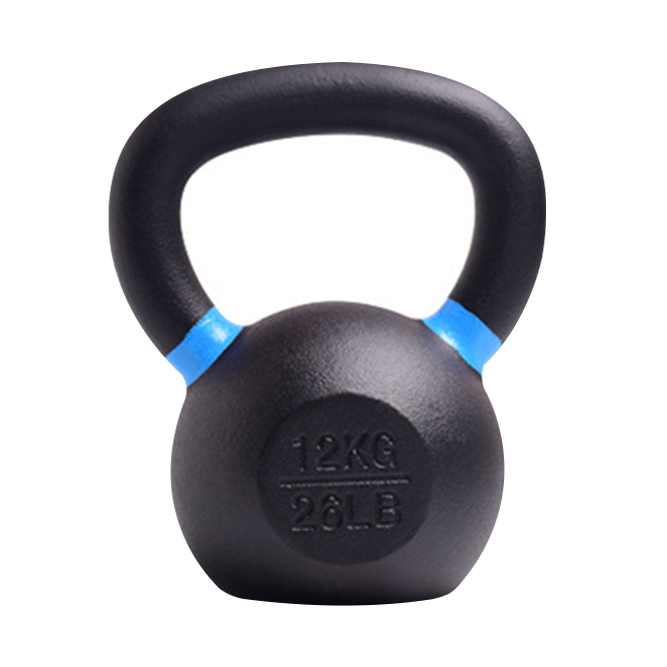
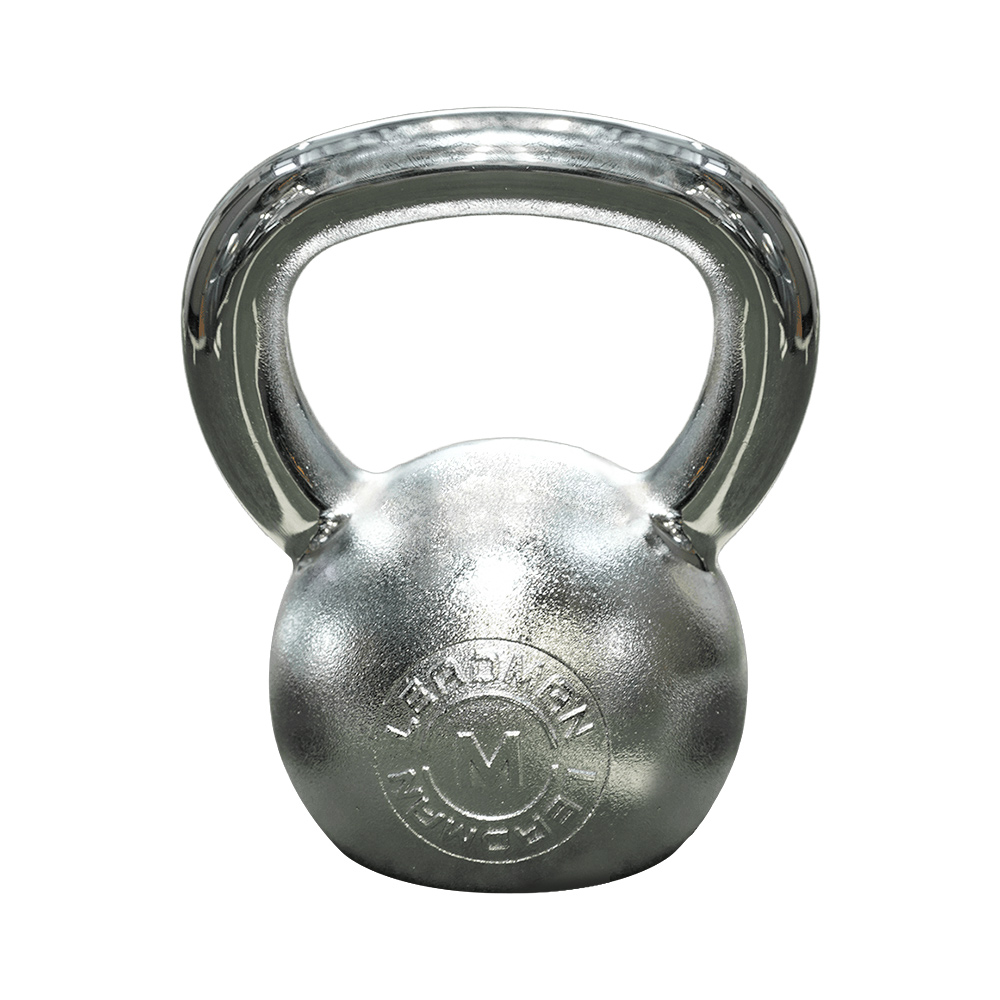
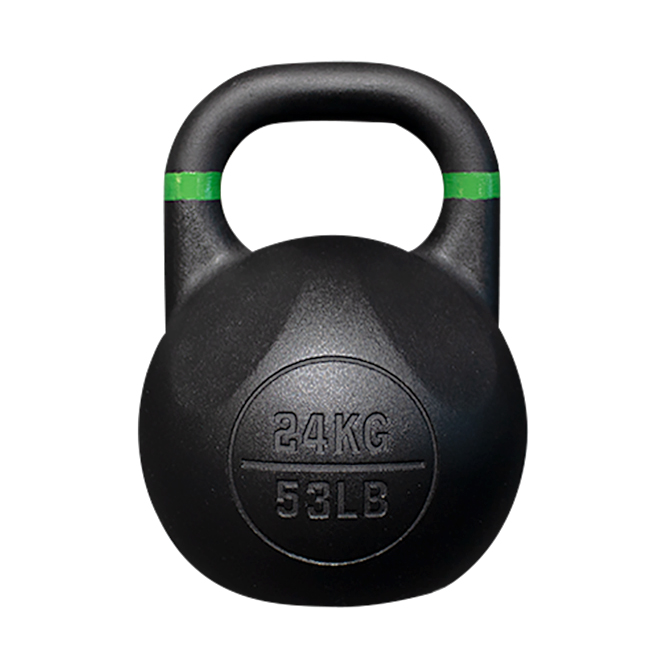
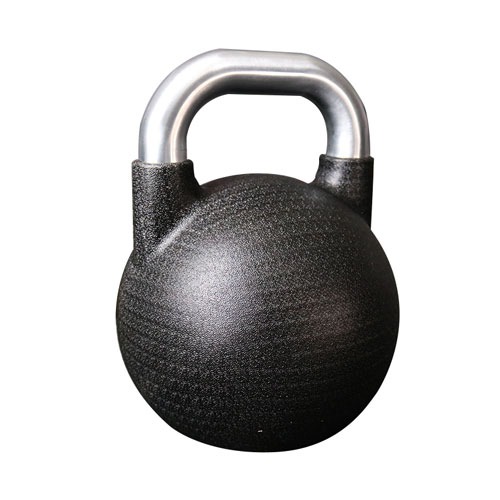
Best Kettlebells: OEM Partner Selection Standards Supply
Best Kettlebells: Commercial Deployment and Sourcing Overview
For high-traffic gym environments, such as large-scale fitness franchises or boutique strength studios, the selection of equipment directly impacts long-term operational costs. Unlike residential use, commercial deployment requires equipment that can withstand constant impact and heavy daily turnover. Finding the best kettlebells involves more than just weight selection; it requires a deep understanding of how material durability and manufacturing precision affect the total cost of ownership. When managing large-scale wholesale orders, procurement leads must look beyond the surface to evaluate the structural integrity of the cast iron and the quality of the handle-to-body junction.
Sourcing from a China factory offers significant advantages in terms of scalability and custom branding, but it also introduces complexities in quality control. Professional buyers often face a spectrum of quality, ranging from budget-tier sand-cast units to premium-grade competition-spec models. Navigating this sourcing landscape requires a clear strategy to ensure that every unit delivered meets the rigorous standards of a professional facility. Whether you are looking for a commercial kettlebell manufacturer to produce a private label line or a kettlebell OEM factory for a standardized gym setup, understanding the trade-offs between production methods and material finishes is essential for maintaining high distributor margins.
Manufacturing Processes and Material Specifications
The structural integrity of professional-grade kettlebells is determined by the initial casting method. For high-volume wholesale best kettlebells procurement, understanding the difference between sand casting and die casting is critical for predicting long-term maintenance loads. While sand casting is a standard, cost-effective method for producing heavy iron bells, it can sometimes result in slight surface irregularities. In contrast, more advanced processes yield smoother finishes and more consistent weight distribution, which is essential for high-end studio environments where precision is a key selling point for clients.
Beyond the core shape, the surface treatment determines the longevity of the product in high-humidity or high-impact settings. A high-quality commercial kettlebell manufacturer will typically utilize a professional powder coating line to ensure coating adhesion, preventing the chipping often seen in lower-tier units. This is particularly important for maintaining a clean, professional aesthetic in premium fitness facilities. Buyers should also inspect the handle-to-body junction and the knurling depth, as these components are the first to show wear in a commercial setting.
| Material Type | Primary Process | Key Component Detail | Commercial Duty Tier | MOQ Impact | Factory QC Point |
|---|---|---|---|---|---|
| Cast Iron | Sand Casting | Standard Handle Texture | Budget / Standard | Lower MOQ typical | Base Flatness |
| Ductile Iron | Precision Casting | Refined Knurling | Premium Commercial | Moderate MOQ | Weight Tolerance |
| Steel (Solid) | Machining / CNC | Seamless Junction | Elite / Competition | Higher MOQ | Handle Symmetry |
| Steel (Coated) | Powder Coating | Encapsulated Grip | High-Traffic Studio | Variable MOQ | Coating Adhesion |
When evaluating a potential kettlebell OEM factory, we recommend requesting a sample to verify the weight calibration and the smoothness of the handle. For distributors managing large-scale imports, a pre-shipment inspection should always include a spot-check of the coating adhesion and the base flatness to minimize the risk of damaged goods upon arrival at the destination warehouse. Confirming these technical specs early in the process helps stabilize your landed cost and protects your brand reputation.
Logistics, QC Protocols, and Export Readiness
Effective bulk procurement requires a shift in focus from individual product features to supply chain reliability. For professional importers, the risk of receiving inconsistent batches or damaged goods can quickly erode distributor margins and increase the total cost of ownership. A reliable kettlebell OEM factory must demonstrate rigorous QC protocols that extend far beyond simple visual checks. This includes a standardized weight tolerance band to ensure consistency across a full set, as well as structural audits of the handle-to-body junction to prevent failure during high-intensity training sessions.
Logistics management is equally critical when handling heavy iron products. High-density cargo requires optimized export packaging to prevent movement and impact damage during ocean freight. We recommend that buyers verify the use of reinforced cartons and palletized loading configurations to ensure stability within a shipping container. Before finalizing any wholesale best kettlebells order, confirm the lead time and the specific pre-shipment inspection steps the manufacturer performs. A transparent factory will provide detailed documentation regarding weight calibration and coating adhesion tests, ensuring that your landed cost remains predictable and that the arriving stock is ready for immediate commercial deployment.
Material and Casting Standards for Durable Kettlebell Production
Achieving long-term commercial durability starts with selecting a commercial kettlebell manufacturer that prioritizes structural integrity over low-cost casting shortcuts. For high-volume wholesale procurement, the quality of the raw material and the precision of the molding process directly impact your total cost of ownership and replacement cycles. A single failure in a batch of low-grade units can damage your brand reputation and increase maintenance overhead for your clients.
To secure the best kettlebells for professional gym environments, importers must verify the specific casting methods used by the China factory. High-quality units typically utilize sand casting with high-grade cast iron to ensure a consistent density and a smooth, ergonomic grip. This process minimizes internal air pockets and structural weaknesses that often lead to premature cracking in inferior products. When sourcing in bulk, understanding these material-to-process links is essential for maintaining high distributor margins and ensuring product longevity.
A reliable kettlebell OEM factory will implement a multi-stage surface treatment to protect the iron from oxidation. Most premium commercial-grade units undergo a standard phosphate treatment or a multi-layer powder coating application. This ensures high coating adhesion, preventing the finish from chipping or peeling during heavy usage. For distributors, this level of detail means fewer customer complaints regarding rust or surface degradation, which is a critical factor when evaluating the best kettlebells for long-term commercial deployment.
Casting Methods and Coating Durability Comparison
When evaluating the best kettlebells for high-traffic training facilities, professional buyers must distinguish between casting techniques to avoid the high replacement costs associated with brittle or unevenly weighted equipment. In many commercial settings, the choice between sand casting and die casting—or selecting between various surface finishes—determines whether a batch will withstand years of impact or fail within months of deployment. For a commercial kettlebell manufacturer, maintaining strict weight tolerance and surface consistency is the primary indicator of a reliable production line.
The following table outlines the typical procurement tiers found when sourcing from a kettlebell OEM factory. This comparison focuses on how material and coating choices influence the long-term ROI and the wholesale value of your order.
| Material & Process | Key Component Focus | Commercial Duty Tier | MOQ Impact | Factory QC Point |
|---|---|---|---|---|
| Sand Casting (Cast Iron) | Handle-to-body junction | Standard Commercial | Standard | Base flatness & density |
| Die Casting (Steel/Iron) | Precision knurling | Premium / Competition | Higher | Weight tolerance band |
| Powder Coating | Coating adhesion | High-Durability Commercial | Standard | Surface smoothness |
| PU Coating | Encapsulation layer | Premium / Studio | Variable | Thickness consistency |
For distributors managing large-scale gym fit-outs, selecting the appropriate coating—such as a high-grade powder coating versus a specialized PU coating—is a strategic decision. While powder coating offers excellent resistance to chipping and oxidation for standard strength training, PU coating provides a more ergonomic, premium feel often required for boutique studio environments. When calculating your total landed cost, always confirm with your supplier whether the weight calibration is performed before or after the coating process, as this ensures the final product meets your exact weight specifications without deviations.
Critical QC Checkpoints for Handle Integrity and Surface Finish
Beyond the casting itself, the long-term reliability of the best kettlebells depends on the precision of the secondary machining and finishing stages. For professional importers, the most common failure points are not found in the center of the bell, but at the handle-to-body junction and the surface texture. A high-standard commercial kettlebell manufacturer must implement rigorous inspection protocols to ensure that the handle remains ergonomic and structurally sound under heavy, repetitive use.
One essential checkpoint during the pre-shipment QC process is the evaluation of the knurling depth and handle texture. In a professional kettlebell OEM factory, the knurling should be consistent and neither too aggressive—which causes skin abrasion—nor too shallow, which leads to grip slippage. Furthermore, the handle-to-body junction must be inspected for any casting imperfections or welding weaknesses that could compromise safety. High-quality production ensures that the transition from the handle to the bell body is smooth and free of sharp edges, reducing the risk of injury and long-term maintenance requests.
For those managing large-scale wholesale orders, verifying coating adhesion is a non-negotiable step to protect your distributor margins. A reliable supplier will test the bond between the metal substrate and the final finish—whether it be a standard powder coating or a premium PU layer—to ensure it can withstand the friction of high-volume training. When you request a sample or a factory audit, ask specifically about their protocols for checking coating thickness and handle durability. Confirming these technical details early in the sourcing process prevents the high landed cost of shipping defective or rapidly degrading units back from your destination market.
Comparing Manufacturing Routes and Commercial Specifications
Understanding the Total Cost of Ownership (TCO) is essential for distributors and gym owners when sourcing the best kettlebells. While the initial purchase price from a China factory is a primary factor, the long-term value is dictated by how the equipment withstands high-frequency commercial use. Choosing between different manufacturing routes affects not only the landed cost but also the long-term maintenance costs and replacement cycles of your inventory.
When evaluating wholesale best kettlebells, procurement professionals must differentiate between standard sand casting and more advanced production methods. A lower MOQ might offer immediate relief for small studio setups, but for large-scale commercial gym procurement, the durability of the material and the quality of the surface finish will determine the actual ROI over a five-year period.
| Material Route | Primary Process | Commercial Duty Tier | Maintenance Profile | TCO Impact |
|---|---|---|---|---|
| Cast Iron | Sand Casting | Standard Commercial | Low; requires periodic oxidation check | Optimized for high-volume wholesale |
| Competition Steel | Die Casting / Machining | Premium / Professional | Minimal; high surface integrity | Higher initial cost; lower replacement rate |
| PU/Rubber Coated | Injection Molding | Moderate; monitor coating adhesion | Higher landed cost; high floor protection |
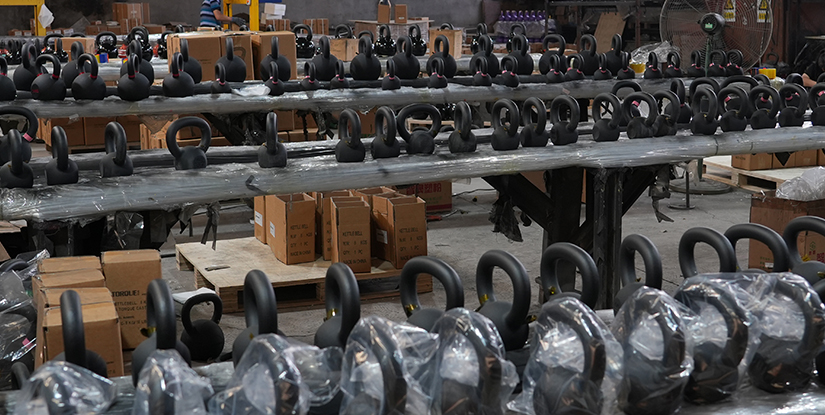
For those seeking a reliable commercial kettlebell manufacturer, it is vital to analyze how the casting processes influence the final product's weight consistency and handle ergonomics. A professional kettlebell OEM factory will typically provide options ranging from basic bare iron to high-end powder coated finishes, allowing you to tailor your order to your specific market segment or brand identity.
Technical Specifications and Sourcing Nuances
The distinction between budget-tier and professional-grade equipment often lies in the precision of the manufacturing sequence. A professional kettlebell OEM factory manages several critical stages—from the initial sand casting to the final weight calibration—to ensure that the handle-to-body junction remains structurally sound under heavy use. When you are sourcing for a large-scale distribution network, understanding these technical nuances helps in predicting the replacement rate of your inventory and the overall reliability of your product line.
For high-volume importers, the choice of surface treatment is a strategic decision regarding the landed cost versus product longevity. For example, while a basic phosphate treatment is cost-effective for bulk orders, a high-quality powder coating or PU coating provides a superior finish that prevents oxidation and increases the perceived value of your brand. This level of detail is what separates a standard commercial kettlebell manufacturer from a premium partner capable of delivering specialized equipment for high-end fitness studios.
Before finalizing a bulk order, we recommend that procurement leads request a detailed specification sheet or a sample for evaluation. This allows your team to inspect the knurling depth, the thickness of the coating layer, and the weight tolerance levels. Confirming these details during the initial inquiry stage ensures that your wholesale best kettlebells shipment meets your specific commercial durability standards and minimizes the risk of post-delivery quality disputes.
Precision in Handle Design and Surface Finishing
For distributors and gym equipment importers, the technical specifications of the handle are just as critical as the weight itself. When sourcing best kettlebells through a China factory, procurement professionals must look beyond basic weight accuracy to evaluate the long-term maintenance requirements and Total Cost of Ownership (TCO). A poorly executed handle or inconsistent surface texture leads to premature wear, client complaints, and increased replacement frequency, which directly erodes your profit margins.
High-quality wholesale best kettlebells must feature a standardized knurling depth and a consistent handle texture to ensure grip reliability under various conditions, such as sweaty palms or chalk use. From a commercial kettlebell manufacturer perspective, the transition between the handle and the bell body—the handle-to-body junction—must be seamless. In many commercial settings, a rough or uneven casting at this junction can lead to grip fatigue or even structural failure over time. Ensuring high commercial durability through precision machining or high-grade sand casting is essential for maintaining a premium brand image for your kettlebell OEM factory partnership.
A professional kettlebell OEM factory typically manages these details through a rigorous production sequence: starting with the initial casting, followed by CNC machining of the handle to ensure concentricity, and ending with a specialized coating process. Whether you are selecting bare iron with a phosphate treatment or a more robust powder coating, the adhesion of the finish to the textured surface is a key metric during pre-shipment QC. For bulk buyers, prioritizing these ergonomic and structural details reduces the long-term maintenance load and ensures a superior ROI for the end-user.
Technical Comparison of Surface Finishes and Grip Durability
Selecting the correct surface treatment is a strategic decision for any importer or distributor. The choice between different finishes significantly impacts the long-term maintenance load and the landed cost of your inventory. For instance, while bare iron options offer a traditional aesthetic, they often require more frequent upkeep to prevent oxidation in high-humidity environments. Conversely, advanced coatings provide a layer of protection that enhances the durability of the product in high-traffic commercial facilities.
When evaluating a commercial kettlebell manufacturer, it is vital to understand how different finishing processes affect the handle-to-body junction and the overall grip integrity. A high-quality kettlebell OEM factory will implement specific QC steps to ensure that the coating does not chip or peel under heavy use, which would otherwise create a safety hazard and increase replacement costs for your clients.
| Finish Type | Primary Material Base | Typical Process | Commercial Duty Tier | Sourcing Advantage |
|---|---|---|---|---|
| Bare Iron | Cast Iron | Sand Casting & Phosphate | Budget / Standard | Lowest initial landed cost |
| Powder Coating | Cast Iron / Steel | Electrostatic Spray Application | Commercial / Premium | High durability & color options |
| PU Coating | Cast Iron / Steel | Polyurethane Injection/Dip | Premium / Specialized | Superior grip & floor protection |
For those seeking the best kettlebells for high-end studio environments, a PU coating or high-grade powder coating is often the preferred choice due to its resistance to impact and moisture. When negotiating wholesale best kettlebells, we recommend requesting a sample to inspect the coating adhesion and the smoothness of the handle texture. This step ensures that the finished product meets your brand's quality standards before the full production run begins. A clear understanding of these technical variables allows you to manage your distributor margins more effectively by reducing the frequency of returns and warranty claims.
China Factory QC Protocols and Export Standards
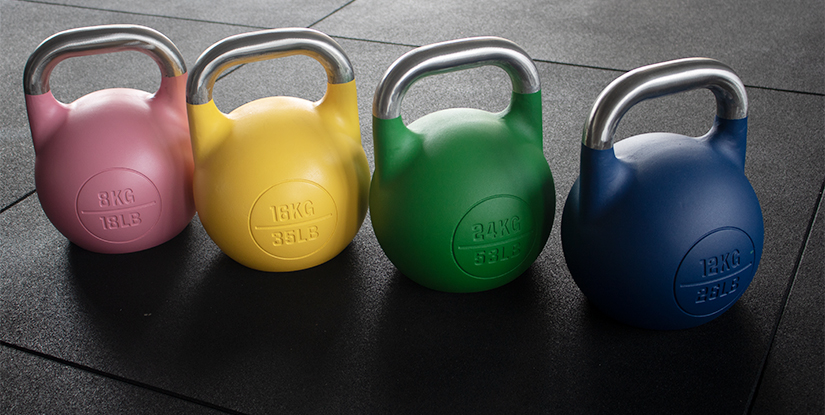
Maintaining strict quality control is essential when sourcing the best kettlebells for global distribution. A professional China factory must implement a multi-stage inspection sequence that begins at the raw casting stage and continues through to final pre-shipment verification to ensure every unit meets commercial-grade durability standards.
The production cycle typically follows a rigorous path: initial sand casting, followed by precision machining of the handle, surface finishing, and finally, weight calibration. For distributors, a failure in any of these steps—such as inconsistent handle-to-body junction integrity or poor coating adhesion—can lead to high return rates and damaged profit margins. Reliable commercial kettlebell manufacturer partners prioritize these technical checkpoints to ensure long-term utility in high-traffic gym environments.
During the weight calibration phase, technicians perform spot-checks to ensure the bells fall within industry-standard tolerance bands. This is followed by a detailed surface inspection to verify the uniformity of the powder coating or PU coating. A professional kettlebell OEM factory will also conduct a flatness test on the base to prevent wobbling during use. For high-volume wholesale orders, these protocols are critical to maintaining a consistent brand reputation and minimizing the landed cost of defective goods.
Before any container is loaded, a final pre-shipment inspection should verify the integrity of the export packaging. This ensures that the heavy iron units are secured against impact during sea freight, preventing damage to the coating or structural shape. When negotiating your MOQ or discussing lead time, always confirm that these specific QC steps—especially weight calibration and handle texture verification—are integrated into the production timeline to guarantee product excellence.
Technical Comparison of QC Checkpoints by Product Type
To assist in your procurement evaluation, the table below outlines the critical inspection points required for different kettlebell categories. Understanding these nuances allows importers to better assess a supplier capability and avoid common quality failures. A reliable commercial kettlebell manufacturer will provide specific documentation regarding these checkpoints during the pre-shipment phase.
| Product Type | Key QC Checkpoint | Commercial Impact | Inspection Focus |
|---|---|---|---|
| Cast Iron | Base Flatness & Weight Tolerance | Prevents wobbling and ensures consistent weight accuracy for professional training. | Base levelness and weight calibration consistency. |
| Powder Coated | Coating Adhesion & Surface Uniformity | Reduces chipping and peeling, extending the product lifecycle in high-traffic gyms. | Smoothness of finish and resistance to surface cracking. |
| PU Coated | Encapsulation Integrity | Prevents the internal weight from shifting and ensures the outer layer remains intact. | Thickness of the polyurethane layer and seam strength. |
When sourcing the best kettlebells, we recommend requesting a sample or a detailed inspection report that covers these specific technical areas. Whether you are looking for wholesale best kettlebells for a single boutique studio or a large-scale gym chain, verifying these manufacturing standards will protect your long-term investment and distributor margins.
Optimizing Export Packaging and Shipping Safety
For distributors managing high-volume wholesale best kettlebells, the final stage of the supply chain is often the most volatile. Even the highest-grade cast iron units can suffer from surface abrasions or coating damage if the export packaging is insufficient. A professional kettlebell OEM factory must implement robust packing solutions designed specifically for the high density and impact potential of iron weight equipment during long-haul sea freight.
Standard shipping protocols should include heavy-duty corrugated cartons and reinforced corner protectors to mitigate the risk of crushing. For premium or PU-coated models, specialized internal dividers or individual protective sleeves are often utilized to prevent friction-induced scuffing between units. This level of attention to detail is a critical factor in reducing the landed cost of goods by minimizing the need for replacements or discount claims upon arrival at your warehouse.
When finalizing your bulk order specifications, we advise confirming the exact dimensions and weight limits of the master cartons. This allows you to optimize container loading efficiency and plan your local drayage and storage logistics with precision. Whether you are working with a small MOQ for a boutique studio or a full container load for a national distributor, rigorous pre-shipment inspection of the packaging integrity is as vital as the product quality itself.
OEM/ODM Capabilities and Wholesale Logistics Management
For global distributors and gym equipment importers, sourcing the best kettlebells requires more than just finding a reliable commercial kettlebell manufacturer; it requires a partner with sophisticated OEM and ODM infrastructure. Relying on generic stock often limits your ability to build a distinct brand identity in competitive markets. High-tier wholesale buyers demand the ability to customize handle textures, coating colors, and branding placement to meet specific regional or premium tier requirements.
Effective procurement management also hinges on navigating the complexities of the China factory supply chain. Beyond the physical product, your profitability is dictated by how a supplier manages lead time, MOQ, and the final landed cost. A mismatch in production scheduling or a failure to optimize container loading can quickly erode your distributor margin. Professional buyers should evaluate potential partners based on their ability to integrate custom specifications into standardized mass-production workflows without compromising weight calibration or surface integrity.
| Sourcing Model | Customization Depth | Typical MOQ | Primary Benefit | Logistics Focus |
|---|---|---|---|---|
| Standard Stock | Minimal (Logo only) | Low | Rapid fulfillment | Standard export packaging |
| OEM Customization | Medium (Color/Texture) | Medium | Brand differentiation | Optimized container volume |
| ODM Full Development | High (New Molds/Specs) | High | Market exclusivity | Complex assembly/QC protocols |
Optimizing your procurement strategy involves assessing how manufacturing nuances impact your total landed cost and inventory turnover. When sourcing the best kettlebells, the distinction between a standard product and a high-performance commercial asset lies in the precision of the manufacturing route. For instance, a transition from basic sand casting to more advanced die casting or centrifugal casting can significantly impact the weight tolerance and the smoothness of the handle-to-body junction, which are critical for long-term durability in high-traffic facilities.
Professional buyers must also consider the interplay between material selection and shipping efficiency. Choosing between bare iron with a phosphate treatment and a full powder coating or PU coating affects both the product's weight-to-volume ratio and the protection required during transit. A high-quality commercial kettlebell manufacturer will implement rigorous pre-shipment QC protocols—such as checking coating adhesion and base flatness—to ensure that bulk shipments arrive without surface defects that could lead to costly returns or diminished brand reputation. For those seeking to scale, understanding these technical trade-offs is essential for maintaining a healthy wholesale best kettlebells procurement cycle and ensuring consistent product quality across all orders.
Critical QC and Logistics Checkpoints for Bulk Imports
Mitigating the risk of high return rates begins with a rigorous pre-shipment QC protocol. For distributors importing heavy iron goods, the primary pain point is often receiving batches with inconsistent weight calibration or compromised surface finishes. A professional kettlebell OEM factory must move beyond basic visual inspections to implement standardized testing for coating adhesion and handle texture consistency. If the knurling depth is uneven or the handle-to-body junction exhibits casting flaws, the product will fail to meet the durability standards required by commercial gym operators, directly impacting your long-term brand reputation.
Furthermore, efficient export packaging is a non-negotiable factor in protecting your wholesale best kettlebells during long-haul maritime transit. Because cast iron products are dense and prone to impact damage, the packaging must be engineered to prevent metal-on-metal friction and moisture-induced oxidation. We recommend that procurement leads verify the use of reinforced corrugated boxes and heavy-duty palletizing methods to optimize container loading density. By ensuring that every bulk order undergoes a final weight tolerance spot-check and a thorough inspection of the base flatness before leaving the China factory, you can stabilize your landed cost and maintain high levels of satisfaction across your distribution network.