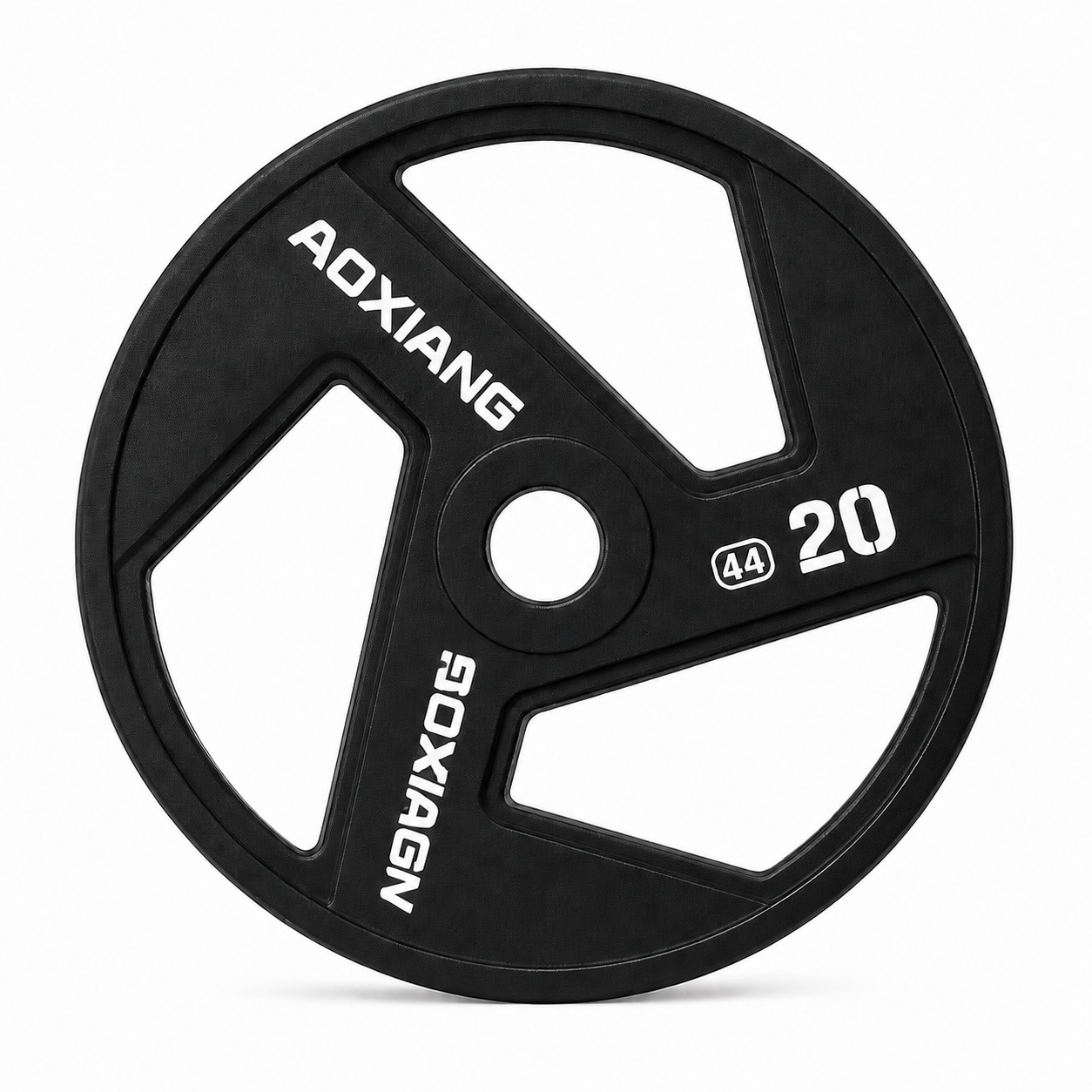
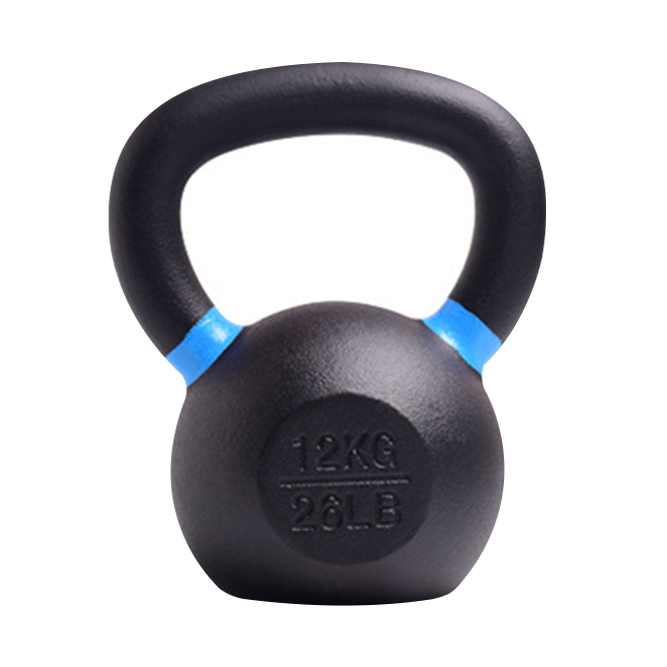
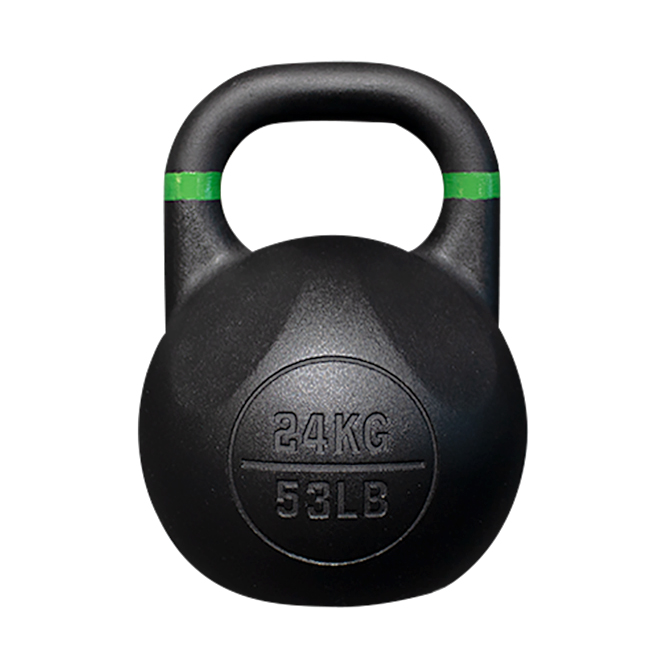
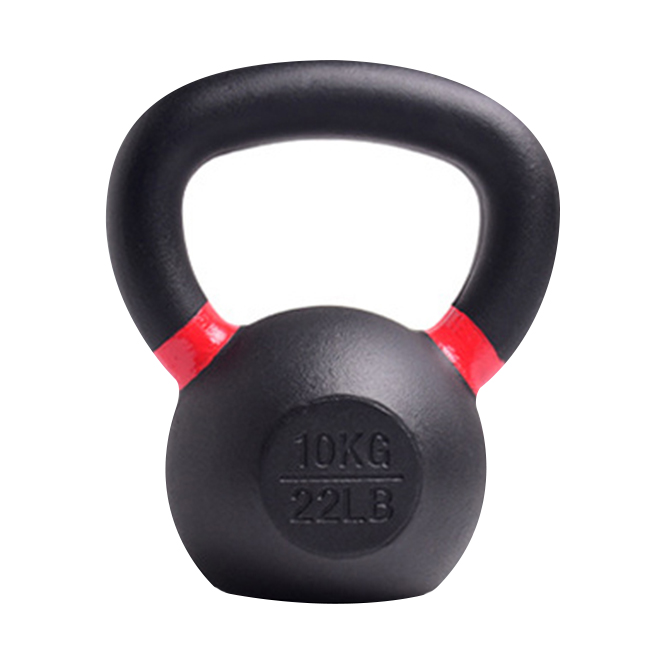
Gym Machine Wholesale Price: China Factory Bulk Supply
Understanding the Gym Machine Wholesale Price for Large-Scale Deployments
Distributors often mistake a low initial invoice for a successful procurement strategy, failing to account for the hidden costs of frequent repairs and premature equipment replacement. A professional approach shifts focus from the immediate gym machine wholesale price to the total lifecycle value. By sourcing directly from a China factory, professional buyers can secure high-spec machinery that balances upfront savings with long-term operational stability.
When managing large-scale commercial gym deployments, the relationship between initial capital expenditure and TCO determines the ultimate profitability of a facility. Low-quality units may offer a deceptive discount, but they quickly become liabilities due to high maintenance requirements and downtime. Conversely, prioritizing durability through commercial gym equipment sourcing ensures that the hardware can withstand high-volume usage cycles without constant intervention.
Calculating the true landed cost is essential for accurate long-term ROI. This calculation must include not just the wholesale unit price, but also shipping, customs, and the eventual cost of replacing worn components. A strategic bulk fitness machine procurement plan focuses on acquiring equipment that minimizes these variables, ensuring the investment continues to generate revenue throughout its intended service life.
Comparing Sourcing Models for Commercial Deployments
To optimize a procurement budget, decision-makers must evaluate the structural differences between various supply channels. Choosing between a direct manufacturer and a trading company affects not only the unit cost but also the ability to implement custom specifications and manage long-term maintenance. A transparent comparison of these models illustrates why professional buyers prioritize direct access to production lines.
| Sourcing Dimension | Trading Company / Agent | Direct Factory-Direct Sourcing |
|---|---|---|
| Unit Cost Structure | Includes markup and service fees | Direct manufacturer pricing |
| Customization Ability | Limited to existing stock options | High capacity for OEM and ODM |
| Technical Oversight | Dependent on third-party QC | Direct control over factory production and QC |
| Supply Chain Transparency | Indirect visibility into manufacturing | Full visibility into factory direct gym equipment specs |
| Long-Term Value | Higher risk of inconsistent replacement parts | Stable access to original component specifications |
| Scalability | Subject to agent inventory limits | Scalable based on MOQ and production capacity |
The primary objective of commercial gym equipment sourcing is to stabilize the relationship between initial investment and operational uptime. While trading companies may offer convenience for small orders, large-scale facility deployments require the rigorous standards and direct communication available through factory direct gym equipment channels. This direct approach allows for better management of the gym machine wholesale price by eliminating unnecessary middleman margins and ensuring that every unit meets the specific durability requirements of a high-traffic commercial environment.
Strategic procurement requires a shift from viewing equipment as a one-time expense to viewing it as a long-term asset. For large-scale operators, the true gym machine wholesale price is a variable that must be managed against the depreciation curve and the frequency of replacement cycles. By leveraging bulk fitness machine procurement, distributors can achieve a lower cost-per-use ratio, ensuring that the initial capital expenditure supports years of high-intensity commercial use without the need for premature hardware turnover.
Advanced manufacturers provide more than just hardware; they provide the ability to scale a brand through customized solutions. Utilizing OEM and ODM capabilities allows a buyer to integrate their unique brand identity directly into the machinery, creating a cohesive professional environment. This level of customization, combined with the ability to scale orders based on specific MOQ requirements, ensures that facility owners can expand their footprint or refresh their equipment lineups with precision, maintaining a competitive edge in their local market.
Comparing Procurement Models: Factory-Direct vs. Local Distributors
Understanding the gym machine wholesale price requires a clear distinction between sourcing from a China factory and purchasing through domestic distributors. While local distributors offer immediate availability, they often include significant service and logistics markups within their pricing structures. For large-scale projects, commercial gym equipment sourcing directly from the source allows for greater transparency in the total landed cost and provides direct control over specifications that middleman models cannot offer.
By choosing factory direct gym equipment, procurement leads can achieve elimination of middleman markups, effectively reallocating those savings toward higher-grade components or expanded product lines. This model is particularly advantageous for bulk fitness machine procurement where customization and volume-based wholesale discounts are critical for maintaining healthy distributor margins.
| Procurement Factor | Factory-Direct Sourcing | Local Distribution Model |
|---|---|---|
| Base Unit Cost | Lowest possible due to wholesale volume | Higher due to regional markup |
| Customization Capability | High OEM and ODM flexibility | Limited to existing stock selections |
| Specification Control | Full control over materials and branding | Standardized commercial specifications |
| Logistics Management | Requires oversight of export and shipping | Simplified domestic delivery |
| Total Cost of Ownership | Optimized for high-volume deployment | Higher per-unit cost for smaller batches |
| Feature | Factory-Direct (China) | Local Distributor |
|---|---|---|
| Price | Optimized through volume-based wholesale | Premium pricing including service margins |
| MOQ | Tiered based on order volume | Low or no minimums for retail stock |
| Customization (OEM/ODM) | High OEM and ODM capability | Standardized inventory only |
| Lead Time | Dependent on production and shipping cycles | Immediate or short-term domestic delivery |
| Quality Control | Direct oversight of pre-shipment inspections | Relies on distributor's local standards |
When calculating the long-term value of your procurement, consider that the gym machine wholesale price is only one component of the total landed cost. While local models offer speed, direct sourcing allows you to negotiate specific technical requirements that align with your brand identity. For distributors looking to scale, the ability to implement private label solutions directly at the factory level provides a significant competitive edge in the regional market.
Before finalizing your budget, we recommend requesting a detailed specification sheet and confirming the MOQ for your specific product categories. To ensure full alignment with your commercial deployment standards, professional buyers should also inquire about the factory audit process and pre-shipment QC protocols to mitigate any risk during large-scale international transit.
When calculating the long-term value of your procurement, consider that the gym machine wholesale price is only one component of the total landed cost. While local models offer speed, direct sourcing allows you to negotiate specific technical requirements that align with your brand identity. For distributors looking to scale, the ability to implement private label solutions directly at the factory level provides a significant competitive edge in the regional market.
Before finalizing your budget, we recommend requesting a detailed specification sheet and confirming the MOQ for your specific product categories. To ensure full alignment with your commercial deployment standards, professional buyers should also inquire about the factory audit process and pre-shipment QC protocols to mitigate any risk during large-scale international transit.
Optimizing Commercial Gym Equipment Sourcing via Direct Manufacturing
Securing a competitive gym machine wholesale price requires a strategic shift from purchasing through regional distributors to engaging in direct manufacturing. When procurement leads attempt to scale operations, the layers of middleman margins often inflate the landed cost without adding functional value to the hardware itself.
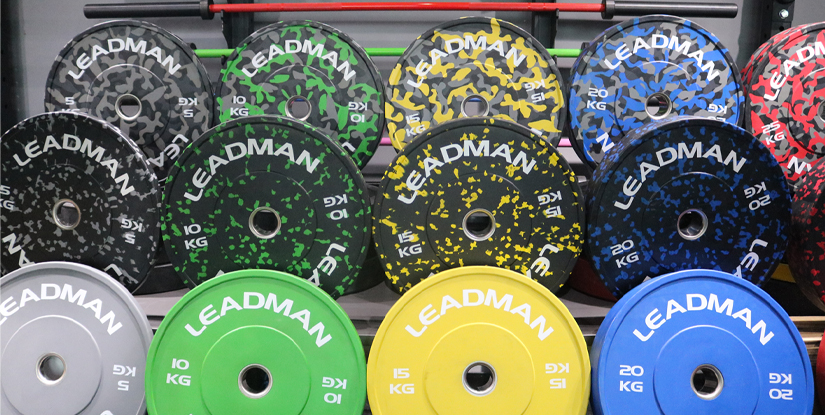
By establishing a direct relationship with a China factory, importers and large-scale gym developers can bypass unnecessary markups. This approach facilitates more efficient commercial gym equipment sourcing by providing transparent access to production cycles, material specifications, and real-time capacity updates. Transitioning to factory direct gym equipment models allows distributors to capture higher margins while maintaining strict control over the total cost of ownership and equipment standardization.
Comparing Sourcing Models for Scalability and Efficiency
Selecting the right supply chain partner depends on your specific business volume and customization requirements. A common friction point in bulk fitness machine procurement is the lack of control over production timelines when working through secondary agents. To optimize your procurement strategy, evaluate the following differences between direct-to-factory engagement and traditional trading company models.
| Sourcing Dimension | Direct Manufacturer Model | Trading Company Model |
|---|---|---|
| Primary Advantage | Optimized cost and direct control | Simplified communication |
| MOQ Requirements | Tiered based on production line | Typically lower for small batches |
| OEM/ODM Capability | High; direct engineering access | Limited to existing catalog |
| Quality Control (QC) | In-house factory inspection | Third-party or agent-led |
| Lead Time Control | Direct oversight of production | Subject to agent coordination |
| Price Structure | Direct factory pricing | Markup-inclusive pricing |
For distributors aiming to build a unique brand identity, working with an OEM or ODM capable supplier is essential. While trading companies may offer easier entry for small orders, direct engagement with a factory ensures that your technical specifications and wholesale branding requirements are executed with precision. We recommend requesting a detailed specification sheet and confirming MOQ thresholds during your initial sourcing phase to ensure alignment with your deployment timeline.
Customization and Logistics for Large-Scale Deployments
Scaling a fitness facility or a regional distribution network requires more than just finding a low price; it requires deep integration with the production process. Professional buyers often face the risk of receiving standardized units that do not align with their specific brand identity or facility layout. By leveraging advanced OEM/ODM capabilities, procurement specialists can dictate technical specifications, from frame thickness to upholstery textures, ensuring the final product meets the exact standards of their target market.
Furthermore, efficient customized branding is a critical lever for distributors looking to establish market presence. A direct China factory can integrate your unique logos and color schemes directly into the manufacturing stage, rather than applying superficial stickers post-production. This level of control extends to logistics optimization, where working directly with the source allows for better container loading density and more robust export packaging. Managing these variables at the source is the most effective way to stabilize your landed cost and ensure that high-volume shipments arrive at your warehouse without unexpected damage or assembly delays.
Customization Capabilities: OEM and ODM Services for Brand Identity
Distinguishing between customization levels is critical for distributors looking to stabilize their gym machine wholesale price and long-term margins. When sourcing from a China factory, buyers must decide between standardized production and deep customization to align with their specific brand identity.
Understanding OEM vs. ODM in Bulk Procurement
OEM (Original Equipment Manufacturer) services typically focus on visual and superficial branding. This level of customization allows a supplier to apply your specific logo, custom color schemes, or unique upholstery textures to existing machine architectures. This is a cost-effective way to build a private label presence without the high R&D costs associated with new engineering. Because the mechanical structure remains standard, the MOQ for OEM is generally lower, making it ideal for rapid wholesale distribution of proven equipment models.
In contrast, ODM (Original Design Manufacturer) involves a much deeper integration of brand identity into the product's DNA. Under an ODM agreement, the factory provides full product design and R&D capabilities. This means you can request changes to the frame geometry, proprietary resistance mechanisms, or integrated digital consoles. While ODM offers the highest level of market differentiation, it requires a higher MOQ and longer lead time due to the complex engineering and testing phases required to ensure the new design meets commercial-grade standards.
| Customization Tier | Technical Scope | Typical Branding | Impact on Sourcing |
|---|---|---|---|
| Standard Stock | Existing specifications | None or generic | Lowest gym machine wholesale price |
| OEM | Mechanical structure fixed | Logo, color, upholstery | Moderate MOQ and lead time |
| ODM | Full R&D and design | Proprietary architecture | High MOQ; requires commercial gym equipment sourcing expertise |
Choosing the right path depends on your bulk fitness machine procurement strategy. If you aim for rapid market entry with a consistent brand identity, OEM is the most efficient route. However, if you seek to develop a unique product line that competitors cannot easily replicate, investing in ODM through a capable China factory will provide a stronger competitive moat in the long run.
Deciding between these two models requires a clear understanding of your capital expenditure and long-term market positioning. A mismatch in the customization tier can lead to unexpected costs or inventory delays that disrupt your deployment schedules.
| Feature | OEM | ODM |
|---|---|---|
| Design Control | Limited to aesthetics and colors | Full control over mechanical engineering |
| Branding | Standardized machine with custom logos | Fully proprietary product identity |
| Development Time | Short; utilizes existing production lines | Extended; requires new R&D and testing |
| Cost Structure | Predictable and optimized for wholesale | Higher initial investment for custom tooling |
| MOQ Requirements | Lower; based on existing model volumes | Higher; due to specialized production runs |
For most distributors, the choice hinges on the balance between speed to market and product exclusivity. If your goal is to maintain a lean factory direct gym equipment supply chain with high turnover, OEM provides the most reliable way to scale. If you are developing a premium, signature line of equipment to establish a unique market presence, the ODM process is the necessary investment to secure that differentiation.
Deciding between these two models requires a clear understanding of your capital expenditure and long-term market positioning. A mismatch in the customization tier can lead to unexpected costs or inventory delays that disrupt your deployment schedules.
For most distributors, the choice hinges on the balance between speed to market and product exclusivity. If your goal is to maintain a lean factory direct gym equipment supply chain with high turnover, OEM provides the most reliable way to scale. If you are developing a premium, signature line of equipment to establish a unique market presence, the ODM process is the necessary investment to secure that differentiation.
Managing MOQ and Lead Times for International Bulk Orders
Optimizing the gym machine wholesale price requires a strategic understanding of how volume dictates manufacturing efficiency. For professional distributors and large-scale facility developers, the MOQ serves as the primary lever for reducing unit costs and securing specialized production slots within a China factory.
When executing commercial gym equipment sourcing, procurement teams must balance order size against production cycles. Low-volume orders often rely on existing stock, whereas bulk orders allow for deeper integration into the manufacturing process. This scale enables high-level OEM and ODM capabilities, allowing you to implement custom branding or specific mechanical configurations that are not available in standard catalog runs. While higher volumes may extend initial lead time due to complex assembly and QC protocols, the resulting reduction in landed cost per unit significantly improves long-term distributor margins and overall ROI for large-scale deployments.
Strategic Planning for Production and Logistics
Effective bulk fitness machine procurement requires more than just selecting a product; it requires precise synchronization between the production cycle and international shipping schedules. Unlike small-scale retail purchases, industrial-grade orders involve complex assembly, specialized testing, and rigorous pre-shipment inspection protocols. Failure to account for these variables can lead to delayed facility openings or broken supply chain continuity. To maintain a competitive edge, procurement specialists must evaluate whether their current project requires the speed of ready-to-ship inventory or the customization depth of a full production run.
The following table illustrates the operational differences between selecting standard stock versus initiating a custom production cycle for your next deployment:
| Order Specification | Standard Stock Orders | Customized Production Orders |
|---|---|---|
| Typical Production Cycle | Immediate to 15 days | 30 to 60+ days |
| Customization Capability | Limited to standard color/spec | Full OEM/ ODM integration |
| Minimum Order Quantity | Lower threshold for standard units | Higher MOQ for custom builds |
| Logistics Planning | Fast dispatch for rapid deployment | Requires long-term vessel booking |
| Cost Efficiency | Standardized wholesale pricing | Optimized gym machine wholesale price via volume |
For distributors managing large-scale projects, understanding these timelines is essential for calculating the true landed cost and ensuring your logistics provider is ready for container arrival. Whether you are prioritizing speed through stock or long-term brand identity through custom manufacturing, aligning your sourcing strategy with these factory realities will mitigate risk and protect your project margins.
To ensure a predictable gym machine wholesale price, professional buyers must integrate rigorous quality oversight into the procurement timeline. Relying solely on a factory to self-report status is a common pitfall in international trade; instead, proactive management of the pre-shipment phase is required to protect your capital investment. A structured approach to factory direct gym equipment procurement involves verifying that every unit meets the exact mechanical tolerances and aesthetic standards required for high-traffic commercial environments before the container is sealed.
Effective sourcing protocols should mandate a formal QC (Quality Control) checklist that covers structural integrity, paint finish durability, and electronic component stability. For large-scale deployments, we recommend scheduling a third-party or factory-led inspection once assembly is 100% complete but prior to loading. This step is critical to avoid the high cost of returns or onsite repairs, which can drastically inflate your total landed cost. By verifying compliance at the source, you ensure that your bulk fitness machine procurement results in a reliable, ready-to-use inventory that maintains your brand's reputation for excellence.
Quality Control and Export Packaging Standards for Global Shipping
Maintaining a consistent gym machine wholesale price requires rigorous oversight to prevent the high costs of replacement parts or faulty shipments. For professional importers, the risk of receiving a damaged or non-functional batch can instantly erase distributor margins and increase the total cost of ownership for the end-user.
To mitigate these risks, a professional China factory implements multi-stage quality assurance protocols. This process begins with raw material verification and extends through assembly to ensure batch consistency across large-scale orders. Without strict factory QC standards, even a high-volume wholesale order can suffer from mechanical misalignment or surface finish defects that compromise commercial durability.
Ensuring Reliability via Pre-Shipment Inspection
The most critical phase for commercial gym equipment sourcing is the pre-shipment inspection. Rather than relying on standard production outputs, professional buyers should mandate a formal inspection to verify that every unit meets the specified technical tolerances. This stage is essential for defect prevention, ensuring that moving parts, electronic components, and upholstery meet the demands of high-traffic commercial environments.
A thorough inspection process provides the necessary documentation to validate that the bulk fitness machine procurement meets international safety and durability standards. By confirming quality control at the source, distributors can confidently manage their landed cost and reduce the frequency of after-sales claims or on-site repairs.
Advanced Export Packaging and Sea Freight Logistics
Standard domestic packaging is insufficient for international transit. To protect your investment during long-distance ocean freight, professional factory direct gym equipment suppliers utilize specialized export-grade protection. This includes reinforced heavy-duty sea freight crates and multi-layer corrugated cardboard to shield equipment from moisture, salt air, and physical impact. Proper export packaging ensures that high-value mechanical components and sensitive electronic control boards arrive in factory-new condition, effectively minimizing the risk of transit-related damage.
Optimizing logistics efficiency is just as vital as the physical protection of the units. We implement strict palletization protocols to maximize container density, ensuring that every cubic meter of space is utilized to reduce your shipping-related landed cost. By utilizing standardized dimensions and heavy-duty pallet wrapping, we provide a stable load structure that prevents shifting during sea transit. This meticulous approach to shipping protection and load stability is a core requirement for any successful large-scale bulk fitness machine procurement strategy, ensuring your inventory is ready for immediate deployment upon arrival at the destination port.
Packaging Selection Matrix for Global Importers
Choosing the correct protection level is a strategic decision that directly influences your final gym machine wholesale price and overall landed cost. While standard packaging may suffice for short-distance domestic transport, long-distance sea freight requires reinforced solutions to prevent mechanical misalignment or surface oxidation caused by salt air and humidity. Selecting the appropriate tier allows distributors to balance budget constraints with the necessity of protecting high-value assets during transit.
| Packaging Feature | Standard Export Option | Premium Export Option |
|---|---|---|
| Crate Type | Reinforced Corrugated Cardboard | Heavy-Duty Wooden Crate or ISPM 15 Pallet |
| Protection Level | Basic Moisture and Dust Shield | Multi-Layer Waterproof & Impact Protection |
| Primary Use Case | Regional Distribution or Short Sea Transit | Long-Distance International Ocean Freight |
| Risk Mitigation | Surface Scratch Prevention | Structural Integrity & Electronic Component Safety |
| Logistics Profile | Optimized for Lightweight/Small SKUs | Optimized for High-Density Commercial Units |
When managing bulk fitness machine procurement, we recommend the Premium Export Option for any large-scale deployment involving multiple ocean transits. This ensures that even the most complex mechanical parts arrive in factory-new condition, reducing the need for costly on-site assembly adjustments. For distributors looking to maintain high service standards, investing in superior packaging is a proactive way to protect your brand identity and ensure long-term operational efficiency.
Finalizing Your Bulk Fitness Machine Procurement Strategy
Transitioning from initial price research to a formal purchase requires a systematic approach to mitigate risk. To secure the most competitive gym machine wholesale price, professional buyers must move beyond simple quotes and focus on the technical and logistical validation of the China factory.
Successful commercial gym equipment sourcing involves more than comparing unit costs; it requires a rigorous verification of the entire supply chain. A failure to audit the factory or confirm QC protocols can result in unexpected expenses that diminish your distributor margins or increase the total landed cost beyond the initial budget.
Procurement Checklist for Professional Buyers
Before finalizing any bulk fitness machine procurement agreement, ensure your team has verified the following critical supply-side metrics to protect your capital expenditure and ensure long-term operational efficiency:
- Confirm the exact MOQ for custom OEM or ODM branding requests to ensure alignment with your inventory capacity.
- Request detailed technical specification sheets to verify that the equipment meets the durability standards required for your specific commercial environment.
- Validate the lead time for both production and ocean freight to prevent delays in facility deployment or studio openings.
- Establish a clear factory-direct verification process, including a request for pre-shipment inspection reports or a third-party audit.
- Calculate the total landed cost, incorporating FOB/CIF terms, import duties, local warehousing, and last-mile delivery logistics.
By addressing these variables during the sourcing phase, you transition from a speculative buyer to a strategic partner, ensuring that your wholesale order delivers both high-performance equipment and predictable ROI.
Sourcing Model Comparison: Direct vs. Intermediary
Selecting the correct supply channel is a critical decision that dictates your long-term margins and customization capabilities. While trading companies offer convenience, a factory-direct model typically provides the most transparent gym machine wholesale price for large-scale deployments. Use the following comparison to align your procurement method with your specific business scale and branding requirements.
| Feature | Direct Factory Model | Trading Company Model |
|---|---|---|
| Primary Advantage | Optimized unit cost and direct control | Simplified logistics and diverse SKU access |
| Customization Depth | High capacity for OEM and ODM | Limited to existing catalog variations |
| Minimum Order Quantity | Strict MOQ requirements per SKU | More flexible for smaller, mixed volumes |
| Communication | Direct technical and production alignment | Indirect through intermediary agents |
| Quality Control | Direct oversight of factory processes | Reliance on third-party inspection reports |
| Best For | Large-scale distributors and brand owners | Small studios or boutique fitness startups |
When executing bulk fitness machine procurement, the choice between these models should be driven by your long-term growth strategy. If your goal is to establish a unique brand identity through private label manufacturing, establishing a direct relationship with a China factory is the most efficient way to scale your product line and maintain high-performance standards.
Moving Toward Execution: Professional Inquiry and Evaluation
Once your procurement criteria and supply-chain models are established, the final phase involves direct engagement with the manufacturer. Transitioning from research to a formal request a quote stage requires a high level of technical specificity to ensure the data provided by the supplier is actionable and accurate for your business model.
To minimize friction during the transition from a single unit test to full-scale bulk fitness machine procurement, we recommend a phased approach to validation. This ensures that your capital expenditure is protected by verified performance metrics and logistics-ready data.
Start by initiating a professional consultation to discuss your specific deployment needs, whether you are sourcing for a single large-scale facility or building an inventory for regional distribution. During this stage, clearly define your requirements for OEM/ODM requests, including specific color palettes, frame dimensions, or proprietary branding elements that will differentiate your product line in your local market.
Following the initial technical alignment, move to a formal sample evaluation phase. This step is critical for verifying the build quality, upholstery density, and mechanical smoothness of the equipment before committing to a full wholesale order. Validating a single unit or a small batch allows you to assess the actual finish and durability that will represent your brand in the field.
After successful sample approval, you may proceed to finalize your volume-based pricing and logistics schedules. We invite professional buyers to reach out to secure a detailed specification sheet and a customized quotation tailored to your specific volume requirements and shipping destinations.