Exercise Equipment Wholesale Distributors: China Factory
Establishing Reliability in Global Fitness Procurement
Many procurement professionals fail by relying on localized middle-men who inflate margins, or by sourcing low-grade equipment that increases long-term maintenance costs. To maximize ROI, professional buyers transition toward direct exercise equipment wholesale distributors and China factory-direct sourcing. This strategic shift eliminates unnecessary layers, providing direct access to production schedules and specialized manufacturing capabilities.
By engaging directly with a China factory, importers can secure commercial gym equipment sourcing that meets international durability standards while maintaining a competitive landed cost. This approach is essential for scaling operations, as it allows for better control over product specifications, wholesale volume pricing, and long-term supply chain stability.
Optimizing your wholesale fitness machinery procurement requires more than just finding a low price; it requires a partner capable of managing complex scale advantages and rigorous quality standards. Whether you are an established gym equipment importer or a growing regional distributor, direct factory engagement ensures your capital expenditure is backed by technical transparency and reliable production capacity.
Evaluating Sourcing Channels: Factory-Direct vs. Trading Companies
The decision between sourcing from a dedicated manufacturer or a trading company significantly impacts your net margins and supply chain transparency. While trading companies may offer a broader product catalog, they often act as a buffer that obscures technical details and increases the final landed cost. For high-volume distributors, this lack of direct contact can lead to unforeseen delays in lead time management and reduced oversight during critical production phases.
In contrast, working directly with a China factory provides the technical depth required for high-performance commercial setups. Direct engagement allows for precise control over QC control and custom specifications, ensuring that every unit meets your brand's durability expectations. Below is a comparative analysis of the two primary procurement models used in the global fitness industry.
| Procurement Dimension | Direct Factory Sourcing | Trading Company / Middleman |
|---|---|---|
| Pricing Structure | Optimized for high-volume/wholesale | Includes markup and service fees |
| Customization (OEM/ODM) | Full technical control and branding | Limited to existing catalog options |
| MOQ Flexibility | Negotiable based on production lines | Standardized by distributor stock |
| Quality Oversight | Direct pre-shipment inspection | Dependent on third-party reporting |
| Supply Chain Visibility | Direct access to raw material/production | Opaque; limited to final product status |
For professionals managing large-scale gym installations, the ability to bypass the trader layer is a competitive advantage. Direct factory engagement simplifies the commercial gym equipment sourcing process, allowing you to align production cycles with your specific project timelines and inventory requirements.
Advanced Customization and Global Logistics Integration
Beyond simple bulk procurement, high-tier exercise equipment wholesale distributors must offer sophisticated technical integration to support growing fitness brands. For distributors aiming to establish a unique market presence, leveraging OEM/ODM capabilities is a critical lever for differentiation. This goes beyond basic color changes; it involves deep technical collaboration to adjust frame thickness, upholstery density, or component weight to meet specific regional or premium market standards.
Effective custom branding and specialized export packaging are also non-negotiable for reducing the total cost of ownership. High-quality, reinforced packaging protects heavy-duty steel frames during long-haul sea freight, minimizing the risk of transit damage and reducing the overhead of replacement parts. When a China factory integrates rigorous shipping logistics planning—including container loading optimization and precision palletization—the resulting reduction in volumetric weight directly improves your final landed cost and warehouse efficiency upon arrival.
To ensure long-term reliability, we recommend that procurement leads initiate the following steps during the vendor evaluation phase: request a detailed technical specification sheet for high-wear components, confirm the specific MOQ for custom branding, and schedule a virtual or third-party factory audit to verify production consistency. For complex projects, requesting a sample approval or a pre-shipment inspection report is the most effective way to validate that the commercial-grade durability meets your project's strict operational requirements.
Engineering Standards and Structural Integrity for Commercial Use
When sourcing heavy-duty machinery, procurement professionals must prioritize structural stability over initial unit cost. Selecting reliable exercise equipment wholesale distributors ensures that your inventory meets the rigorous demands of high-volume fitness centers. For importers, the primary risk is not just equipment failure, but the long-term liability and increased maintenance load caused by substandard builds. Relying on a China factory with established engineering protocols mitigates these risks by providing hardware designed for continuous, heavy-duty cycles.
Standard consumer-grade frames often lack the gauge thickness and weld strength required for commercial environments. Professional commercial gym equipment sourcing requires a focus on material density and load-bearing capacity to ensure long-term ROI. Without strict factory-direct QC, distributors face the high cost of replacement parts and damaged reputation due to equipment instability. High-traffic facilities demand equipment that maintains its structural integrity under constant mechanical stress and heavy user weight.
Durability Benchmarks: Commercial vs. Light-Duty Sourcing
Understanding the technical delta between equipment tiers is essential for calculating total cost of ownership (TCO). The following comparison outlines why professional wholesale fitness machinery procurement focuses on high-spec engineering rather than low-cost, thin-gauge alternatives.
| Feature Specification | Commercial-Grade (Factory-Direct) | Light-Duty / Residential Grade |
|---|---|---|
| Steel Tube Gauge | Heavy-duty 11-14 gauge steel | Thin 18-22 gauge steel |
| Weld Quality | Full-penetration continuous welds | Spot welding or partial beads |
| Usage Environment | High-traffic commercial gyms | Low-frequency home use |
| Maintenance Load | Low; built for high durability | High; frequent part replacement |
| Sourcing Intent | Gym equipment importer / Distributor | Retail consumer / Hobbyist |
For large-scale projects, verifying these engineering standards during a factory audit or via sample evaluation is a non-negotiable step. High-quality wholesale manufacturing ensures that every component—from the bearing systems to the frame geometry—is optimized for high-traffic durability, protecting your capital investment and ensuring user safety.
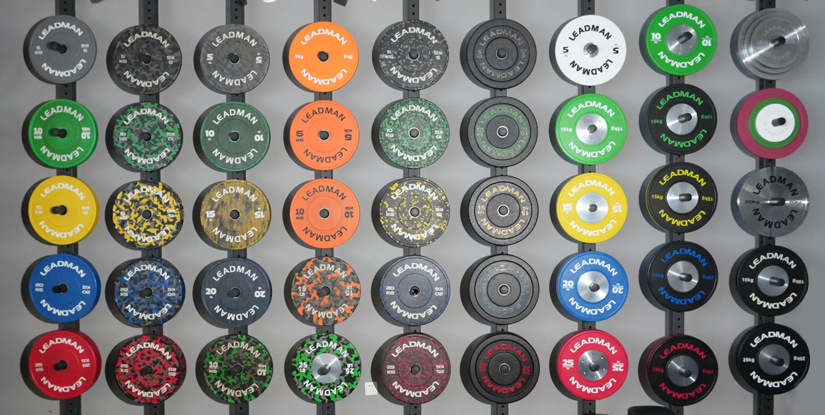
Beyond structural thickness, the mechanical reliability of moving parts dictates the long-term operational efficiency of a facility. A sophisticated gym equipment importer must evaluate the quality of internal components such as high-tensile cables, precision bearings, and heavy-duty pulley systems. In a commercial setting, even minor mechanical friction can lead to increased maintenance costs and downtime, which directly erodes the profit margins of distributors and gym operators. This is why choosing a partner capable of OEM/ODM customization is vital; it allows you to specify reinforced components that are tailored to your local market's specific usage intensity.
Investing in high-spec wholesale fitness machinery is essentially a strategy to minimize the total cost of ownership (TCO). While low-cost alternatives may offer a lower initial landed cost, they often fail to provide the necessary safety certifications required for global commercial compliance. This lack of certification can lead to significant legal and financial liabilities for the distributor. By prioritizing a manufacturer that adheres to strict international standards, you ensure that every piece of equipment provides a consistent, safe, and high-performance user experience, thereby securing a higher long-term ROI for your end clients.
Optimizing Sourcing via China Factory-Direct Models
For professional importers and distributors, selecting the right exercise equipment wholesale distributors is a decision that directly impacts long-term margins and product reliability. Moving beyond traditional trading intermediaries to a China factory-direct model allows procurement leads to gain transparency into the production cycle, ensuring that the high-spec requirements of commercial facilities are met without the added markup of a middleman.
Effective commercial gym equipment sourcing requires a clear understanding of how different supply chain structures affect your landed cost and customization capabilities. While trading companies offer convenience, direct factory partnerships provide the technical depth necessary for wholesale fitness machinery development and brand scaling.
| Sourcing Dimension | Factory-Direct Model | Traditional Trading Company |
|---|---|---|
| Pricing Structure | Lowest landed cost via direct manufacturer pricing | Higher markup due to intermediary margins |
| Customization | High OEM/ODM and private label flexibility | Limited to existing stock or standard catalogs |
| Quality Control | Direct oversight of factory QC and testing | Relies on third-party inspection reports |
| Order Volume | Optimized for bulk orders and high MOQ | Flexible for smaller, low-volume shipments |
| Supply Chain | Direct communication with production engineers | Communication via sales agents/brokers |
Technical Specifications: MOQ, Lead Times, and Customization
Navigating the complexities of international procurement requires more than just finding a low price; it requires managing the variables of production capacity and customization depth. For a gym equipment importer, the most significant risks involve unexpected delays or receiving equipment that does not align with brand identity. A professional China factory mitigates these risks by offering standardized protocols for volume-based orders and technical adjustments.
Understanding the MOQ (Minimum Order Quantity) is critical for managing inventory turnover and capital expenditure. While high-volume orders for standard strength or cardio lines typically command the most competitive pricing, many manufacturers offer tiered MOQ structures to accommodate diverse distributor needs. When moving into OEM/ODM territory—such as requesting custom upholstery colors, specific frame dimensions, or branded logo placement—buyers should expect higher minimums to cover tooling and specialized production setup costs. This level of customization is essential for distributors looking to build a proprietary product line rather than just reselling generic stock.
Effective lead time management is the difference between a successful facility launch and a costly operational delay. A standard production cycle for wholesale fitness machinery generally includes a pre-production phase (material procurement and component verification), the actual assembly period, and a rigorous testing phase. Buyers should factor in both the manufacturing lead time and the transit window to calculate a realistic arrival date. To ensure reliability, we recommend requesting a detailed production schedule and confirming pre-shipment inspection dates early in the process to prevent bottlenecks at the port of departure.
To ensure long-term durability and minimize maintenance-related downtime for your clients, a strict quality control (QC) protocol is non-negotiable. This involves multi-stage verification: from raw steel thickness testing and welding integrity checks to final functional testing of moving parts under load. For large-scale commercial projects, we suggest arranging a third-party factory audit or a specialized inspection to verify that every unit meets the structural standards required for high-traffic environments, ultimately protecting your brand reputation and reducing total cost of ownership.
Quality Control Protocols and Pre-Shipment Inspection Standards
For professional importers, the greatest risk in commercial gym equipment sourcing is not the initial purchase price, but the long-term cost of failure. Relying on exercise equipment wholesale distributors who lack rigorous oversight often leads to high maintenance loads and premature equipment replacement. To protect your margins, establishing a strict factory-direct inspection framework is essential.
Reliable wholesale fitness machinery must undergo multi-stage quality control protocols to ensure structural integrity and mechanical precision. A professional China factory should implement standardized testing for weld strength, coating thickness, and component tolerance. Without these verified quality control protocols, distributors face the high cost of returns and damaged brand reputation due to substandard durability.
Mitigating Risk Through Pre-Shipment Verification
Effective risk mitigation requires moving beyond simple visual checks. High-tier manufacturers provide comprehensive documentation and allow for third-party audits to verify that every unit meets commercial-grade specifications. For large-scale wholesale orders, we recommend a structured inspection process that covers material certification, functional testing, and final packaging durability to ensure a seamless landed cost and reliable performance in high-traffic environments.
Technical Breakdown: In-Process vs. Pre-Shipment Inspection
A disciplined China factory manages quality through two distinct phases to ensure that wholesale fitness machinery meets international durability standards. The first phase, in-process inspection, focuses on the foundational components before they are integrated into the final product. This prevents costly delays during the final assembly stage and ensures that the core structure is sound.
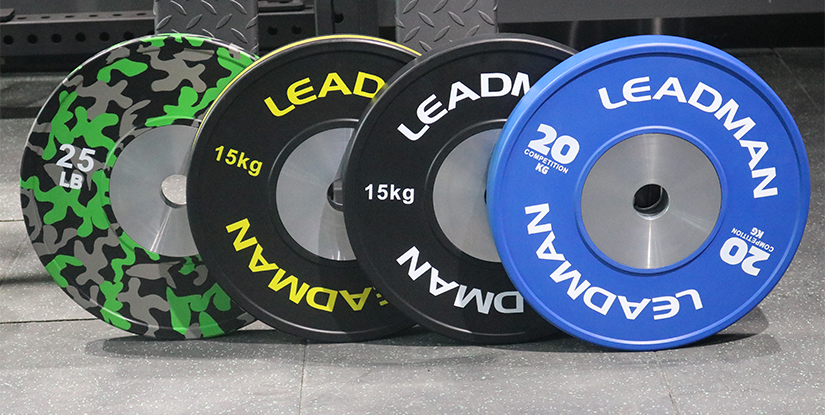
The second phase, the pre-shipment inspection, is the final gatekeeper before the goods leave the warehouse. This stage is critical for importers to verify that the finished units are fully functional and that the export packaging is sufficient for long-distance maritime transit. By understanding these stages, procurement leads can better manage their sourcing timelines and mitigate the risk of receiving damaged or non-functional inventory.
| Inspection Stage | Focus Area | Typical Verification Requirements | Procurement Objective |
|---|---|---|---|
| Raw Material Testing | Steel & Components | Thickness, alloy composition, and surface finish | Ensure structural durability |
| In-Process Inspection | Assembly Check | Weld integrity, bolt torque, and alignment | Minimize mid-production defects |
| Functional Testing | Mechanical Movement | Cable tension, pulley smoothness, and weight stack travel | Verify commercial-grade performance |
| Pre-Shipment Inspection | Final Unit & Packing | Cosmetic finish, assembly check, and container loading safety | Protect landed cost and reduce returns |
Compliance, Certification, and Documentation Standards
For a professional gym equipment importer, technical compliance is not optional; it is a legal and operational necessity. Navigating international markets requires more than just physical durability; it requires verified compliance with global safety standards. Whether your target market requires CE, ISO, or specific regional certifications, ensuring your China factory partner maintains up-to-date documentation is vital to avoiding customs delays or legal liabilities.
Beyond basic safety, rigorous third-party inspection protocols act as your primary defense against inconsistent quality. When managing high-volume OEM/ODM projects, relying on factory-provided photos is insufficient. We recommend engaging independent inspectors to verify material specifications and mechanical tolerances on-site. This level of scrutiny ensures that your shipping readiness is truly optimized—confirming that every container is loaded with products that meet the exact engineering standards promised, thereby securing your landed cost protection and long-term distributor margins.
Logistics Management: Export Packaging and Container Loading Efficiency
For professional importers, the total landed cost of a shipment is often determined more by logistics efficiency than the unit price itself. When sourcing heavy-duty machinery, inefficient export packaging or poor spatial planning can lead to damaged components and excessive freight expenses. Reliable exercise equipment wholesale distributors must prioritize standardized, reinforced packaging to protect structural integrity during long-haul sea freight.
Optimizing container loading efficiency is a critical component of professional commercial gym equipment sourcing. A China factory with advanced logistics capabilities will utilize modular stacking patterns and specialized palletizing to maximize every cubic meter of a 40Hq container. By minimizing volumetric waste and ensuring high-density loading, distributors can significantly reduce the per-unit shipping cost, directly improving the profit margins for their global clients.
Standardized Packaging and Load Optimization Strategies
To mitigate the risks of transit damage, high-tier wholesale fitness machinery suppliers implement rigorous multi-layer protection. This includes high-density foam padding, corner reinforcements, and heavy-duty corrugated cardboard for individual units. For large-scale gym equipment importer operations, verifying that the factory utilizes moisture-proof vacuum packaging or shrink wrapping is essential to prevent oxidation and rust during extended sea freight transit across maritime corridors.
Efficient volume optimization requires a technical approach to palletization and container nesting. A professional China factory will provide detailed loading plans that distinguish between heavy structural frames and lighter accessory components to ensure stable weight distribution. This prevents shifting within the container, reducing the likelihood of impact damage. We recommend that buyers request a 3D loading diagram or a detailed packing list during the sourcing phase to validate that the MOQ requirements align with optimal container utilization and your specific landed cost targets.
[IMAGE: A high-angle shot of a 40HQ shipping container being loaded with palletized commercial gym equipment, showing organized stacking and protective shrink wrapping | ALT: professional container loading for wholesale fitness machinery]Standardizing the export packaging process is not merely about protection; it is about protecting the distributor's bottom line. When managing bulk orders, even minor structural damage to a single frame can jeopardize the entire shipment's profitability. A professional China factory must employ multi-layered defense strategies, including reinforced corner protectors, high-density foam, and heavy-duty corrugated boxes to maintain the structural stability of heavy-duty steel components throughout the long-distance transit process.
Furthermore, moisture is a persistent threat during transoceanic shipping. For a gym equipment importer, ensuring that all moving parts, bearings, and exposed steel surfaces are treated with anti-rust coatings and encased in moisture-proof vacuum wrapping or specialized shrink wrap is non-negotiable. This attention to detail prevents oxidation and ensures that equipment arrives in "ready-to-assemble" condition, reducing the overhead costs associated with post-arrival maintenance or replacement claims. We advise all procurement leads to confirm these specific shipping damage prevention protocols during the initial sourcing stage to ensure high-quality delivery of all wholesale fitness machinery.
Evaluating Total Cost of Ownership and Long-Term Maintenance
Effective exercise equipment wholesale distributors recognize that the lowest purchase price often masks significant long-term liabilities. For professional gym operators, the true cost of a machine includes not just the landed cost, but also the cumulative expense of spare parts, technician labor, and downtime. When engaging in commercial gym equipment sourcing, procurement professionals must weigh the initial capital expenditure against the durability of the components provided by the China factory.
A common pitfall in wholesale fitness machinery procurement is overlooking the frequency of maintenance required for high-use strength equipment. Choosing a supplier that utilizes low-grade bearings or thinner steel tubing may save 15% upfront but can double your operational expenses within 24 months due to premature wear. Strategic sourcing requires a shift in focus from "cheapest unit price" to "lowest cost per year of service."
| Procurement Metric | Low-Cost/Trader Model | Factory-Direct/OEM Model |
|---|---|---|
| Initial Capital Outlay | Lowest upfront price | Moderate (Value-driven) |
| Component Durability | Standard/Consumer grade | High-grade commercial spec |
| Maintenance Frequency | High (Frequent adjustments) | Low (Optimized for heavy use) |
| Long-term TCO | Unpredictable/Higher | Controlled/Predictable |
| Spare Part Availability | Limited/Generic | Direct from factory |
To mitigate these risks, we recommend requesting detailed technical specifications and component lists during your initial inquiry. Confirming the grade of steel, the type of upholstery, and the availability of replacement parts ensures that your initial investment vs. maintenance ratio remains favorable throughout the equipment's lifecycle. Always verify if the manufacturer offers OEM support for high-wear parts to ensure seamless long-term operation.
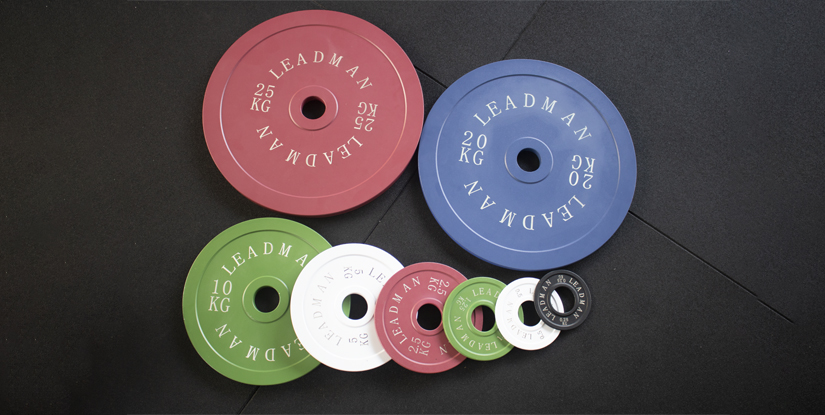
Beyond the initial purchase, the logistical complexity of maintaining a high-performance facility depends heavily on the reliability of your supply chain. A fragmented procurement process often leads to extended downtime when critical components fail. By establishing a direct relationship with a China factory, importers can bypass the middleman to secure a more robust after-sales ecosystem. This includes easier access to specialized replacement parts, consistent material grades, and predictable shipping timelines for essential upkeep components.
Effective commercial gym equipment sourcing requires a proactive approach to spare parts management. Rather than treating repairs as an afterthought, professional distributors integrate a maintenance-first strategy into their bulk orders. This involves vetting the factory-direct capability to provide not just the machinery, but also the technical documentation and specialized hardware required for long-term facility uptime. Prioritizing these structural and mechanical details during the initial RFQ stage prevents the operational bottlenecks common in lower-tier trading models.
Reliability is the cornerstone of professional facility management. When a piece of equipment goes out of service, the cost is not just the repair fee, but the lost revenue and diminished member satisfaction. This is why a professional gym equipment importer must prioritize manufacturers who maintain strict control over their spare parts inventory and technical support structures. Relying on generic, hard-to-find components from third-party vendors often leads to extended downtime and increased labor costs.
To ensure long-term operational efficiency, procurement leads should verify the manufacturer's ability to support maintenance cycles through standardized parts. A high-tier China factory will offer more than just the base machinery; they provide a structured ecosystem of replacement cables, bushings, and electronic modules. Furthermore, when negotiating MOQ or lead time for bulk orders, always include a percentage of critical wear-and-tear components in your initial purchase. This proactive approach to sourcing mitigates the risk of logistical delays when an urgent repair is required, ensuring your facility remains fully functional and profitable.
Strategic Partnership: Moving from Sourcing to Scalable Distribution
Successful expansion in the fitness industry requires a shift from transactional purchasing to long-term structural advantages. Relying on middle-tier traders often limits your growth due to inconsistent quality and lack of control over lead times. To achieve true scalability, professional importers must transition toward working directly with exercise equipment wholesale distributors that maintain China factory-direct connections. This model ensures you control the entire value chain, from initial design to final delivery.
By establishing a direct line to the factory, distributors can move beyond simple commercial gym equipment sourcing and begin building proprietary product lines. This strategic depth allows for margin optimization, as you eliminate the "middleman markup" typically found in standard wholesale fitness machinery. Instead of just buying stock, you are investing in a supply chain capable of supporting private label expansion and rapid market response.
Direct Factory Access vs. Trading Company Models
For many professional buyers, the decision between a trading company and a direct manufacturer is a trade-off between convenience and long-term profitability. While traders offer ease of communication, they often introduce hidden costs and lack the technical depth required for complex wholesale fitness machinery orders. A direct gym equipment importer working with a specialized manufacturer gains control over the most critical variables: product engineering, material consistency, and the final landed cost.
The following comparison outlines how different sourcing structures impact your ability to scale and maintain high-quality standards in the commercial sector:
| Sourcing Dimension | Trading Company Model | Direct China Factory Model |
|---|---|---|
| Pricing Structure | Includes markup for service and logistics | Factory-direct pricing for higher margins |
| Customization | Limited to existing stock or basic branding | Advanced OEM/ODM capability for custom builds |
| Quality Control | Relies on third-party inspections | In-house QC control and pre-shipment audits |
| Order Flexibility | High flexibility, low MOQ requirements | Scalable volumes with optimized MOQ tiers |
| Supply Chain Control | Indirect; subject to trader lead times | Direct visibility into production and lead times |
Choosing the direct route allows you to mitigate the risks of equipment failure and inconsistent specifications. When you engage with a dedicated gym equipment importer who manages a direct production line, you are not just purchasing machines; you are securing a predictable supply chain. This level of oversight is essential for managing large-scale gym deployments where downtime and maintenance costs can quickly erode your initial ROI.
Operational Excellence: Managing Lead Times and Export Logistics
For high-volume distributors, the complexity of international trade extends far beyond the initial purchase order. One of the most significant friction points in exercise equipment wholesale distributors operations is the management of unpredictable lead time and shipping logistics. A delay in a single container can disrupt entire gym deployment schedules, causing missed deadlines for clients and damaging professional reputations. Effective procurement requires a partner who treats logistics as a core competency, not an afterthought.
Reliable wholesale fitness machinery procurement necessitates a focus on standardized export packaging and container loading efficiency. Because commercial-grade equipment is often heavy, bulky, and sensitive to transit vibrations, specialized crating is essential to prevent structural damage. Professional manufacturers provide optimized packaging solutions that maximize container volume while ensuring the safety of high-value components. This attention to detail directly impacts your landed cost by reducing the risk of transit-related damage and optimizing shipping density. To ensure long-term stability, we recommend confirming specific export packaging protocols and requesting detailed loading plans during the initial sourcing phase to align with your local warehouse capacity and delivery timelines.