Selecting Cast Iron Plate Manufacturing Standards for Gyms
High-Traffic Deployment and Facility Layout Integration
For large-scale multi-site operators, managing floor real estate is as critical as managing equipment uptime. When planning a facility layout, procurement managers must account for how various weight plate thicknesses impact barbell loading density and rack depth. In high-traffic deployment zones, such as heavy lifting platforms or crowded strength circuits, the physical volume of the equipment directly dictates the usable square footage of the training area.
Dimensional Consistency and Footprint Optimization
Precision in cast iron plates manufacturing ensures that every unit adheres to strict dimensional tolerances, preventing the "stacking creep" often seen with lower-quality industrial weight plate production. When plates vary even slightly in diameter or thickness, it disrupts the predictable spacing on barbell sleeves and weight trees. For distributors and gym owners, maintaining high dimensional consistency is essential for footprint optimization; standardized dimensions allow for denser, more organized storage solutions and more efficient use of space in compact commercial environments.
The relationship between plate diameter and thickness determines how much weight can be loaded onto a single barbell before reaching the sleeve limit. Choosing between thin-profile or wide-profile configurations is a strategic decision that impacts both barbell capacity and the physical footprint of storage racks during commercial gym equipment sourcing.
| Configuration Profile | Primary Benefit | Ideal Application | Storage Efficiency |
|---|---|---|---|
| Slim-Profile (High Density) | Maximizes barbell sleeve capacity | Heavy lifting platforms & powerlifting | High; smaller footprint on trees |
| Standard-Profile (Traditional) | Cost-effective & durable | General strength zones & circuit training | Moderate; requires more rack depth |
| Wide-Diameter (Low Profile) | Reduces barbell whip/oscillation | Specialized heavy barbell training | Low; occupies significant shelf space |
Procurement teams must weigh the trade-off between high-density loading and storage volume. While slim-profile plates allow for more weight on a single bar—extending the utility of a single barbell—they require tighter quality control in the casting process to ensure center-hole alignment remains precise. For distributors managing large inventories, standard-profile plates often offer a more predictable shipping volume and more stable stacking characteristics in high-density storage environments.
Operational inefficiencies often stem from uneven weight distribution across storage systems. If a manufacturer lacks rigorous cast iron casting quality control, subtle deviations in plate thickness can lead to uneven loading on barbell sleeves and weight trees. This lack of uniformity creates a cascading effect on rack density, where slightly thicker plates may cause uneven pressure or premature wear on loading pins and racks. For facility managers, this translates into higher long-term maintenance costs and a less professional aesthetic in high-traffic training zones.
From a logistics and procurement decision standpoint, prioritizing standardized thickness is a safeguard against unpredictable inventory footprints. When sourcing for multi-site rollouts, even minor variances in plate volume can disrupt the calculated volume of shipping containers or the precise capacity of specialized storage racks. Selecting manufacturers that prioritize structural uniformity ensures that your facility layout remains optimized, predictable, and capable of handling heavy-use cycles without constant mechanical adjustments.
Evaluating Material Consistency in Industrial Weight Plate Production
The long-term durability of a fitness facility's inventory depends heavily on the metallurgical stability achieved during cast iron plates manufacturing. For high-traffic commercial environments, material consistency is not merely a quality preference but a structural requirement to prevent premature cracking or chipping under heavy impact.
Impact of Density Variations on Structural Integrity
In high-volume commercial gym equipment sourcing, buyers must account for the risks associated with uneven cooling and inconsistent alloy mixing. Significant density variations within a single casting can create internal stress points, compromising the structural integrity of the plate over years of heavy use. When industrial weight plate production lacks rigorous control over the molten metal's composition, the resulting plates may exhibit brittle behavior during drop tests or high-velocity loading. Ensuring a uniform grain structure is essential for distributors looking to minimize replacement costs and maintain a reliable product lifecycle for their clients.
Facility managers must evaluate the relationship between casting precision and the Total Cost of Ownership (TCO). While lower-cost manufacturing options might offer attractive upfront pricing, hidden defects like internal voids or surface irregularities significantly increase long-term maintenance and replacement frequency. Inconsistent industrial weight plate production often results in plates that are prone to chipping or uneven weight distribution, which can lead to unbalanced barbell loading and increased wear on other gym equipment.
Casting Quality Indicators and Lifecycle Impact
The following comparison highlights how specific manufacturing variables influence the operational lifespan and maintenance cycles of commercial-grade inventory.
| Quality Indicator | Standard Casting (Low Precision) | High-Grade Industrial Casting | Impact on TCO |
|---|---|---|---|
| Porosity | High (Internal Voids) | Minimal (Dense Structure) | Prevents structural cracking under impact |
| Density | Inconsistent/Variable | Highly Uniform | Ensures balanced barbell loading |
| Surface Uniformity | Rough/Irregular | Smooth/Consistent | Reduces coating degradation and rust |
| Maintenance Cycle | Frequent Inspection | Low/Standard | Reduces labor and replacement overhead |
For distributors and large-scale facility owners, prioritizing high-density casting ensures that the equipment survives the rigors of daily commercial use without requiring unscheduled inventory replenishment.
Verifying Reliability via Inspection Protocols
To mitigate the risk of structural failure prevention issues, B2B buyers should demand transparency regarding a factory's quality control framework. Relying solely on basic visual checks is insufficient for wholesale procurement of large-scale orders. Instead, verify if the manufacturer utilizes standardized inspection protocols, such as ultrasonic testing or X-ray scans, to detect subsurface defects that are invisible to the naked eye. These non-destructive testing methods are vital for ensuring that every unit within a high-volume shipment meets the same density specifications.
Furthermore, when negotiating MOQ requirements, insist on documentation regarding batch consistency. A reliable supplier should provide batch-specific metallurgical reports to prove that the chemical composition of the iron remains stable across different production runs. For multi-site rollouts, this level of rigor ensures that plates ordered six months apart will remain functionally identical, preventing discrepancies in weight calibration and equipment performance. Establishing these technical benchmarks during the initial sourcing phase protects your investment from the high costs of defective inventory and logistics-heavy returns.
Precision and Tolerance in Cast Iron Casting Quality Control
High-volume cast iron plates manufacturing requires strict adherence to dimensional standards to ensure long-term operational reliability. In a commercial setting, even minor deviations in thickness or diameter can lead to uneven weight distribution, affecting the structural integrity of barbell setups and increasing wear on equipment sleeves.
For professional commercial gym equipment sourcing, the primary concern is stackability. When plates are manufactured with inconsistent thickness consistency, they fail to nest properly, creating gaps that lead to instability during heavy lifts. Maintaining a tight dimensional tolerance ensures that plates stack flush, maximizing vertical space efficiency in high-density training zones and reducing the mechanical stress caused by wobbling loads.
| Tolerance Standard | Impact on Durability | Procurement Risk Level |
|---|---|---|
| High Precision (Strict) | Optimal stackability; minimal sleeve wear | Low (Premium Tier) |
| Standard Industrial | Consistent performance; acceptable nesting | Moderate (Standard) |
| Loose/Variable | Uneven loading; high vibration oise | High (Budget/Low Quality) |
Evaluating technical specifications requires looking beyond the visual finish. Buyers should request specific data regarding dimensional deviation to ensure the plates meet the rigorous demands of multi-use facilities. A detailed comparison of manufacturing accuracy helps distinguish between high-performance inventory and budget-grade commodities.
| Metric | Premium High-Precision | Standard Industrial |
|---|---|---|
| Diameter Accuracy | ±1.0mm to 2.0mm | ±3.0mm to 5.0mm |
| Thickness Deviation | Highly Uniform (Strict Control) | Variable (Standard Casting) |
| Stacking Behavior | Flush & Stable | Minor Gaps/Nesting Issues |
| Long-Term Durability | Minimal Sleeve/Barbell Wear | Moderate Mechanical Stress |
When managing large-scale distributor stock or facility rollouts, prioritizing high-precision casting reduces the total cost of ownership. While standard production may offer lower initial costs, the lack of dimensional consistency often results in higher maintenance frequency and premature wear on expensive barbell sleeves. Selecting a manufacturer with tight diameter and thickness control ensures a seamless, professional user experience across all training zones.
Long-Term TCO and the Cost of Neglecting Quality Control
Neglecting the rigor of quality control (QC) inspection during industrial weight plate production often leads to hidden expenses that surface months after deployment. In high-traffic commercial environments, plates with substandard casting integrity frequently exhibit uneven wear patterns. This lack of uniformity does more than just affect aesthetics; it causes uneven weight distribution that places lateral stress on barbell sleeves and storage racks.
From a procurement standpoint, this creates a significant B2B sourcing risk. While low-cost manufacturers may offer attractive initial quotes, the resulting maintenance costs—including premature barbell sleeve replacement and frequent equipment recalibration—can drastically inflate the total cost of ownership (TCO). For facility managers and distributors, investing in a manufacturer that prioritizes consistent metallurgical stability is a strategic move to protect long-term asset lifespans and reduce unplanned replacement cycles.
Optimizing Multi-Site Rollouts with Standardized Sourcing
For procurement managers overseeing multi-facility expansions, the initial purchase price is often a deceptive metric. True profitability in commercial gym equipment sourcing depends on the Total Cost of Ownership (TCO), where standardized cast iron plates manufacturing acts as a hedge against future operational volatility and equipment turnover.
The Relationship Between Precision and Long-Term ROI
When scaling across dozens of locations, even minor deviations in weight accuracy can lead to significant logistical headaches. Relying on low-tier industrial weight plate production may offer immediate savings through lower MOQs or unit prices, but it often results in inconsistent weight distribution and premature surface degradation. For high-traffic environments, these discrepancies drive up long-term replacement costs as plates become unbalanced or visually weathered.
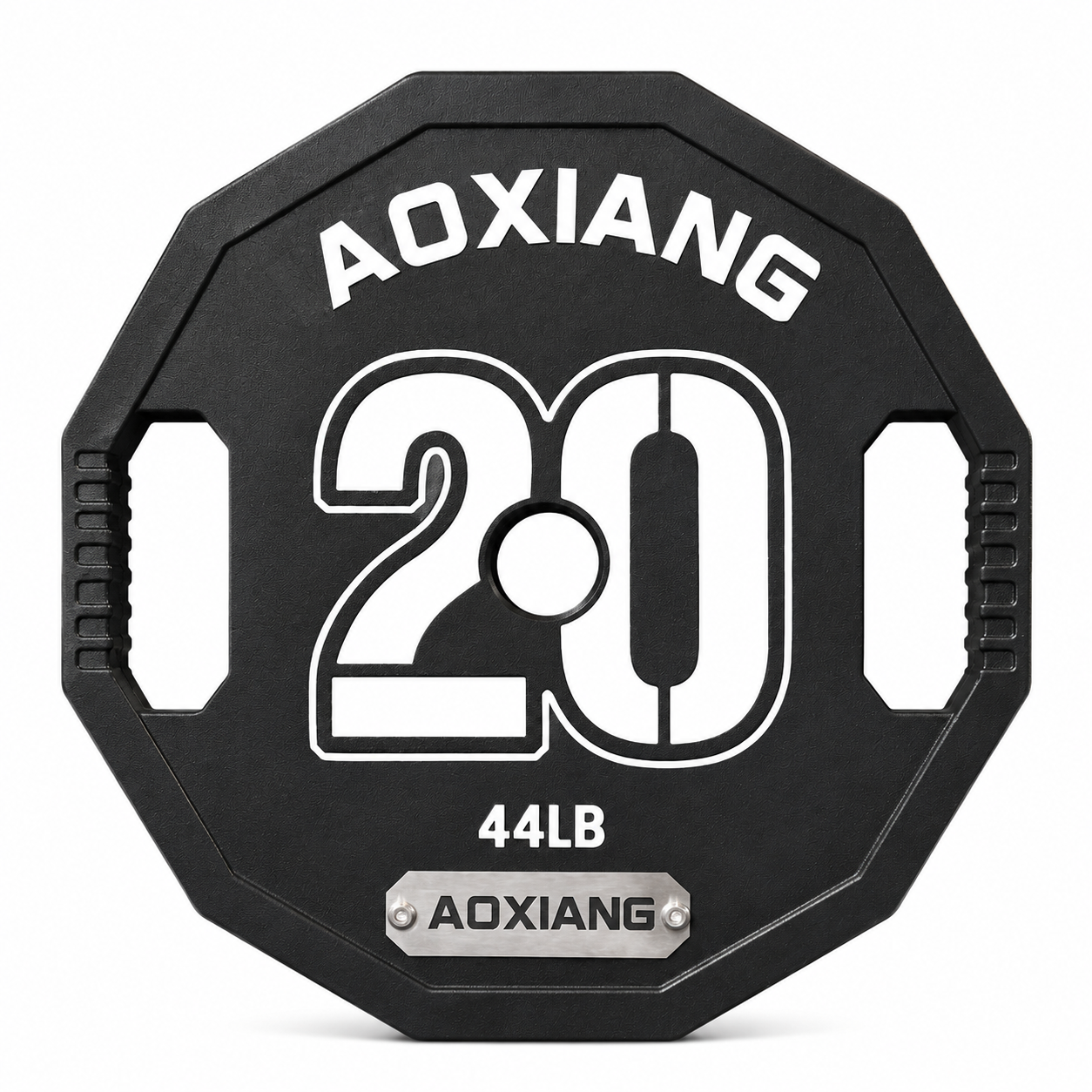
By prioritizing high-standard cast iron plates manufacturing, distributors leverage economies of scale to secure predictable inventory. This consistency ensures that a 20kg plate ordered for a facility in New York matches the physical dimensions and weight tolerance of one shipped to California, simplifying global inventory management and reducing the need for localized re-orders.
Evaluating Financial Trade-Offs: Standardized vs. Unregulated Sourcing
Procurement specialists must weigh the immediate allure of lower unit prices against the long-term stability of a supply chain. While non-standardized production might satisfy a small-scale boutique requirement, it often fails the rigorous demands of a multi-site rollout where logistics efficiency and product uniformity are non-negotiable.
The following comparison highlights the operational impact of choosing between high-standard industrial weight plate production and low-cost, unregulated alternatives:
| Metric | Standardized Industrial Production | Low-Cost Unregulated Sourcing |
|---|---|---|
| Cost-per-unit vs. Durability | Higher initial cost; extended lifecycle | Lower initial cost; high replacement rate |
| Quality Control | Strict weight tolerance and surface finish | Inconsistent density and dimensional variance |
| Logistics Efficiency | Optimized packaging and palletization | Variable dimensions; higher shipping volatility |
| Typical MOQ | Volume-based for distribution scale | Low, but lacks scalability for rollouts |
| Brand Reputation | Consistent professional aesthetic | High risk of uneven wear and visual aging |
Choosing standardized manufacturing reduces the "hidden costs" of procurement, such as shipping damaged or underweight inventory and the labor required to manage inconsistent stock. For large-scale distributors, the predictability of a controlled production environment is a vital component of a scalable business model.
Beyond the unit price, procurement professionals must account for the indirect expenses triggered by dimensional variability. Rigorous cast iron casting quality control is essential for shipping volume optimization; when plate thickness and diameter vary even slightly, it disrupts standardized palletization and container loading patterns. This inconsistency can lead to wasted freight space and increased per-unit shipping costs during bulk international transit.
Furthermore, inventory uniformity across multiple gym locations significantly lowers facility maintenance overhead. When every facility uses plates with identical profiles, staff can more easily manage stock rotations and equipment organization. A reliable supply chain reliability strategy ensures that replenishment orders match existing floor setups perfectly, preventing the operational friction caused by mismatched hardware and reducing the long-term labor costs associated with troubleshooting irregular equipment sets.
Logistics and Bulk Inventory Management for Distributors
Managing high-volume inventory requires a deep understanding of how cast iron plates manufacturing affects long-term stock reliability. For distributors and large-scale facility planners, the primary challenge lies in ensuring that massive shipments arrive with uniform physical characteristics, preventing costly returns or mismatched sets during multi-site rollouts.
The Necessity of Volume Consistency
When scaling up commercial gym equipment sourcing, the risk of receiving heterogeneous batches increases. Discrepancies in weight or thickness can disrupt facility layouts and barbell balance. High-tier industrial weight plate production must prioritize strict dimensional tolerances to ensure every unit fits standardized Olympic bars and storage racks seamlessly. Without rigorous quality control, even minor deviations in diameter or center-hole alignment can lead to significant logistical bottlenecks and client dissatisfaction during large-scale installations.
Selecting the appropriate supply model is a strategic decision that impacts both your immediate capital expenditure and long-term operational stability. Depending on whether your priority is absolute control over technical specifications or rapid, low-friction replenishment, you must weigh the advantages of direct manufacturing against the flexibility of wholesale distribution.
Comparison of Sourcing Models for Bulk Orders
| Feature | Direct Factory Sourcing | Wholesale Distributor Model |
|---|---|---|
| Minimum Order Quantity (MOQ) | High (Typically full container loads) | Low to Moderate (Pallet or mixed SKU options) |
| Lead Times | Extended (Production + Sea Freight) | Short (Ready-to-ship local or regional stock) |
| Quality Control Oversight | Direct control over casting standards | Dependent on distributor's vetting process |
| Shipping Efficiency | Optimized for massive, single-destination moves | Optimized for frequent, smaller-batch replenishment |
| Customization Potential | High (Custom branding and specialized molds) | Limited to existing catalog offerings |
For large-scale facility rollouts where brand identity and specific weight tolerances are non-negotiable, direct factory engagement offers the most robust path for cast iron casting quality control. However, for distributors managing rapid turnover and frequent SKU replenishment, the wholesale model reduces the logistical burden of warehouse management and provides a buffer against global supply chain fluctuations.
Optimizing Warehouse Storage and Transit Durability
Effective inventory management extends beyond the initial purchase; it requires assessing how products withstand long-term warehouse storage and the rigors of transit. A critical factor in cast iron casting quality control is the prevention of oxidation and physical damage during the shipping lifecycle. High-quality production must include standardized protective coatings to mitigate rust during extended sea freight or humid warehouse conditions.
Furthermore, distributors must demand strict palletization standards to ensure bulk shipping durability. Unsecured or poorly stacked weight plates can shift during transit, leading to structural damage or compromised weight precision. To prevent significant weight deviation caused by physical impact or environmental exposure, ensure that all shipments utilize reinforced crates or heavy-duty pallets. Utilizing standardized stacking protocols not only protects the product integrity but also optimizes vertical space in your facility, reducing the overall footprint and total cost of ownership for your inventory.
Long-Term Total Cost of Ownership for Commercial Facilities
For multi-site operators and large-scale distributors, the true cost of weight sets extends far beyond the initial invoice. While lower-tier cast iron plates manufacturing processes may offer attractive upfront savings, they often result in higher long-term expenditures due to frequent replacements and maintenance issues. A strategic procurement approach prioritizes material consistency and structural integrity to ensure a lower Total Cost of Ownership (TCO).
Durability vs. Initial Acquisition Cost
The relationship between durability and initial cost is a critical metric in commercial gym equipment sourcing. High-quality casting ensures that weight increments remain precise over years of heavy use, preventing the uneven wear or structural cracking often seen in substandard batches. Investing in premium production standards reduces the frequency of replacement cycles, protecting your bottom line against rising shipping and logistics costs associated with reordering.
| Procurement Factor | Standard Industrial Grade | Premium Commercial Grade |
|---|---|---|
| Initial Unit Cost | Lower | Moderate to High |
| Material Consistency | Variable density | High precision/uniformity |
| Replacement Frequency | Higher (due to wear/cracks) | Low (long-term durability) |
| Long-term ROI | Diminishing over time | Optimized for multi-year use |
Ultimately, prioritizing rigorous quality control during the manufacturing stage mitigates the risk of premature equipment failure. For facility managers, this means fewer service disruptions and a more predictable capital expenditure budget across the lifecycle of the gym's inventory.
Evaluating the technical nuances of industrial weight plate production allows buyers to predict operational expenses more accurately. Discrepancies in casting density or surface treatment directly influence how often a facility must allocate budget for new inventory. When sourcing at scale, the distinction between standard and premium manufacturing often dictates the frequency of secondary procurement cycles.
Operational Impact of Manufacturing Standards
A robust quality control framework ensures that plates maintain their structural integrity under high-volume usage. In many commercial settings, substandard casting leads to surface oxidation or edge chipping, which increases maintenance requirements for staff. By selecting manufacturers with advanced metallurgical oversight, distributors can ensure that their stock remains in showroom condition for longer durations, reducing the overhead associated with constant inventory turnover.
| Operational Metric | Standard Production Output | High-Spec Industrial Casting |
|---|---|---|
| Maintenance Requirements | Frequent cleaning/rust prevention | Minimal; high-durability coatings |
| Replacement Frequency | High (2–4 year cycles) | Low (5+ year lifecycle) |
| Weight Tolerance Risk | Higher deviation potential | Strict precision standards |
| Long-term Logistics Cost | Frequent small-batch reorders | Single, durable bulk deployments |
Optimizing your procurement strategy requires balancing Minimum Order Quantities (MOQ) with rigorous factory capability assessments. While high MOQs can lower the unit price, they also increase the capital tied up in inventory and the logistical complexity of storage. To maximize ROI, procurement managers should look for partners who offer scalable production models without compromising on QC inspection protocols.
Balancing MOQ and Logistics Efficiency
A sophisticated sourcing model treats the relationship between production volume and shipping efficiency as a single variable. When negotiating with manufacturers, evaluate how their factory capability handles both specialized small-batch requests and large-scale industrial weight plate production. High-volume orders often yield better economies of scale, but only if the manufacturer possesses the automated inspection technology to ensure consistency across thousands of units. A strategic buyer focuses on total landed cost—factoring in the reliability of the shipping timeline and the potential for damage-related returns—rather than just the per-unit price. By selecting a manufacturer with a proven track record in global logistics, you minimize the risk of stockouts and the hidden costs of frequent, small-scale freight shipments.