Wholesale Kettlebell Handle Diameter and Grip Guide: China
Standardizing Kettlebell Handle Diameter and Grip Guide for Bulk Procurement
Distributors often face high replacement costs when sourcing substandard units that lack uniform dimensions. A common procurement mistake is prioritizing low unit prices over diameter consistency, leading to uneven grip performance across a full set. For professional importers, a reliable kettlebell handle diameter and grip guide ensures that every piece in a bulk shipment meets the same ergonomic standard, reducing client complaints and long-term maintenance liabilities.
In high-traffic commercial environments, even slight deviations in handle thickness can compromise commercial durability and user safety. High-volume gym operators require precision to ensure that athletes can transition between different weights without adjusting to varying grip feels. By sourcing directly from a China factory that utilizes standardized casting molds, buyers can mitigate the risk of receiving inconsistent batches that fail to meet international commercial-grade specifications.
Maintaining strict standardized specifications is essential for wholesale gym equipment sourcing success. When a supplier provides a kettlebell handle diameter and grip guide that aligns with industry-standard tolerances, it protects the distributor's reputation and ensures the product survives the rigors of high-volume usage. Rely ultimately to China factory precision to ensure that your wholesale orders arrive with the dimensional accuracy required for premium commercial fitness installations.
Technical Comparison of Handle Diameters and Grip Specifications
Selecting the correct diameter is a critical decision for product assortment planning. For distributors, understanding the distinction between standard training diameters and specialized competition dimensions is vital for meeting diverse client needs. A precise kettlebell handle diameter and grip guide allows you to categorize your inventory based on intended use cases, from general strength training to high-performance functional fitness.
| Use Case Category | Typical Diameter Range | Grip Texture & Surface Finish | Sourcing Application |
|---|---|---|---|
| Standard Commercial Training | 32mm – 35mm | Smooth or lightly textured cast iron | General gym sets and functional training |
| Competition & High-Performance | 38mm + | Precision knurling or specialized coating | Professional strength and conditioning |
| Specialized Grip/Cross-Training | Variable (Ergonomic) | High-friction powder coating | High-intensity interval training (HIIT) |
When managing wholesale gym equipment sourcing, the texture of the grip is as important as the diameter. A high-quality supplier must ensure that the surface finish—whether it is a smooth cast iron, a powder coating, or a specialized knurled texture—is applied uniformly across the entire batch. Inconsistent texture application is a common failure in low-tier manufacturing, often leading to grip slippage during heavy lifts. To avoid these issues, procurement leads should request specific commercial kettlebell specifications regarding surface roughness and coating thickness before finalizing a bulk order. Ensuring these details are part of your pre-shipment inspection protocol will protect your landed cost by reducing the rate of returns and defective units.
Maximizing Distributor Margin Through OEM/ODM Customization
For professional importers, the ability to offer specialized products is a key driver of profitability. While standard cast iron sets are common, leveraging factory-direct customization allows you to differentiate your catalog. By working with a China factory that offers robust OEM/ODM services, you can move beyond generic stock to provide unique ergonomic solutions. Whether it is a specific handle diameter for a niche market or a custom high-friction coating for professional strength centers, these tailored options allow you to command a premium price point and increase your distributor margin.
Strategic wholesale gym equipment sourcing is not just about the lowest price; it is about the long-term value of your brand identity. When you utilize OEM capabilities to implement a custom grip profile or a branded color scheme, you build a more resilient business model. Instead of competing solely on price against mass-market commodity sellers, you provide high-value, specialized equipment that meets specific professional requirements. This approach optimizes your landed cost by reducing the need for diverse, low-quality SKUs and focusing instead on high-margin, high-demand customized products that satisfy the most demanding commercial gym operators.
Ergonomic Specifications and Commercial Kettlebell Specifications
Understanding the technical nuances of a kettlebell handle diameter and grip guide is critical for distributors ensuring long-term product utility. When sourcing for high-traffic environments, the relationship between handle geometry and structural integrity determines the total cost of ownership. Standardized commercial kettlebell specifications must account for both grip ergonomics and the mechanical stress placed on the casting during heavy use.
For professional buyers, selecting the correct diameter is not just about user comfort; it is about mitigating the risk of handle failure or coating degradation in high-volume settings. A China factory capable of precise casting can offer varied handle profiles that meet different professional requirements, from standard cast iron to specialized powder-coated finishes. Choosing the wrong specifications can lead to increased maintenance costs and lower replacement cycles in commercial facilities.
| Specification Type | Standard Cast Iron | Premium Powder Coated | Professional Competition Grade |
|---|---|---|---|
| Typical Handle Diameter | 35mm - 38mm | 35mm - 40mm | 33mm - 35mm |
| Surface Texture | Rough/Natural | Smooth/Textured | High-Precision Smooth |
| Durability Rating | High (Heavy Use) | Very High (High Friction) | Extreme (Precision/Stability) |
| Best Sourcing Use Case | General Gyms | CrossFit/High-Intensity | Elite Training/Sanctioned Events |
When evaluating durability in high-traffic gyms, the kettlebell handle diameter and grip guide serves as a baseline for quality control. A well-engineered handle ensures that even under heavy wholesale volume, the structural consistency remains uniform across all weight increments. This level of precision is essential for maintaining high standards of safety and reliability in a professional fitness environment.
Technical Comparison of Handle Geometry and Sourcing Value
For procurement specialists, the kettlebell handle diameter and grip guide serves as a critical tool to balance user ergonomics with long-term replacement cycles. A mismatched diameter can lead to premature coating wear or handle deformation in high-intensity settings, ultimately increasing the total cost of ownership for a facility. When managing wholesale gym equipment sourcing, it is vital to verify that the handle thickness and texture remain consistent across an entire weight range to ensure uniform quality control.
The following technical breakdown illustrates how different diameter profiles impact commercial utility and how these specifications align with various procurement strategies. Whether you are ordering standard cast iron for general fitness or high-precision units for specialized training, ensuring the correct technical profile is essential for maximizing your distributor margins and client satisfaction.
| Handle Profile | Typical Diameter | Primary Commercial Use Case | Sourcing Consideration |
|---|---|---|---|
| Standard Cast Iron | 38mm | General Strength & Conditioning | High durability, lower cost per unit |
| Standard Powder Coated | 35mm - 36mm | CrossFit & High-Intensity Training | Improved grip friction, medium MOQ |
| Competition Smooth | 33mm - 35mm | Elite Training & Sanctioned Events | High precision, requires strict QC |
Selecting the appropriate commercial kettlebell specifications depends heavily on your target market's intensity levels. For instance, a larger, rougher diameter is often preferred for heavy lifting in general commercial gyms, whereas a smoother, slightly smaller diameter facilitates rapid transitions in high-intensity training. When negotiating with a supplier, confirm whether these dimensions are standard or if they can be customized via OEM or ODM processes to meet your specific brand identity requirements.
Ensuring Uniformity Through Factory QC and Customization
Reliability in bulk procurement depends on the strictness of the manufacturer's quality control protocols. For high-volume importers, the primary risk is diameter variance between different weight increments within the same batch. A professional kettlebell handle diameter and grip guide must be backed by a factory that implements rigorous pre-shipment inspections to ensure every handle maintains a uniform circumference and surface texture. Without these standardized commercial kettlebell specifications, distributors face the high cost of product returns and diminished brand reputation due to inconsistent user experiences.
Beyond standard stock, the ability to leverage OEM and ODM services allows distributors to differentiate their product lines. A specialized China factory can offer custom handle profiles, specialized coating thicknesses, or even branded etching to enhance your unique brand identity. This level of customization is a significant advantage for large-scale wholesale gym equipment sourcing, as it allows you to move from a generic commodity provider to a premium, specialized equipment partner for your clients. When planning your next bulk order, always confirm the capability for custom branding and the specific QC steps used to verify handle uniformity across your entire weight range.
Optimizing Grip Versatility for Diverse Training Environments
Selecting the correct kettlebell handle diameter and grip guide standards is a strategic decision for distributors and gym operators. In high-traffic commercial gym environments, the handle specification directly dictates how effectively your equipment serves a diverse clientele, from professional athletes to general fitness members. When sourcing from a China factory, understanding these technical nuances ensures your inventory remains versatile and high-performing.
Standardizing handle diameters across your product lines is a critical component of space optimization and long-term ROI. A single, well-engineered handle profile can accommodate various hand sizes and grip styles, reducing the number of unique SKUs a distributor needs to stock. By focusing on commercial kettlebell specifications that offer high versatility, buyers can maximize the utility of their floor space while minimizing the long-term costs associated with equipment replacement and specialized inventory management. This approach ensures that your wholesale gym equipment sourcing strategy prioritizes products that offer the highest functional value per square foot of facility space.
Technical Comparison of Handle Diameters for Commercial Utility
To ensure your inventory meets the rigorous demands of professional training centers, you must align your procurement with specific use cases. A precise kettlebell handle diameter and grip guide allows importers to differentiate between high-performance competition models and general-purpose training units. When managing wholesale gym equipment sourcing, selecting the appropriate diameter is not just about ergonomics; it is about ensuring the durability and marketability of your shipment in various global regions.
| Handle Diameter Range | Primary Training Use Case | Commercial Suitability | Procurement Advantage |
|---|---|---|---|
| 32mm – 34mm | Strength & Powerlifting | High-end Performance Centers | Optimized for heavy lifting stability |
| 35mm – 38mm | Standard Commercial Training | General Gyms & Studio Chains | Universal appeal for diverse users |
| 40mm+ | Specialized Grip & Endurance | CrossFit & Functional Training | High demand for niche specialized SKUs |
For distributors seeking to maximize their margin, it is often more efficient to source a balanced mix of these specifications. While specialized diameters may require a higher MOQ, a standardized diameter compliant with commercial kettlebell specifications offers a lower risk of dead stock and higher turnover in general retail or commercial distribution. Before finalizing your order, we recommend requesting a detailed technical spec sheet from your supplier to confirm that the casting or machining tolerances meet your specific regional requirements.
Aligning your procurement strategy with standardized dimensions reduces the risk of inventory obsolescence. When managing large-scale wholesale gym equipment sourcing, the goal is to provide equipment that remains relevant across multiple training modalities. By selecting diameters that fall within the most widely recognized commercial kettlebell specifications, importers can ensure their products are suitable for both strength-focused and endurance-focused facilities, thereby increasing the total addressable market for each shipment.
From a logistics standpoint, maintaining a standardized kettlebell handle diameter and grip guide profile across your weight range simplifies the production process for your factory. This consistency allows for more predictable MOQ requirements and smoother production scheduling. Furthermore, a consistent handle design ensures that your wholesale orders benefit from optimized container loading and more efficient warehouse management, ultimately protecting your distributor margins and improving the total landed cost of your imported goods.
China Factory Quality Control and Handle Precision Standards
Maintaining strict kettlebell handle diameter and grip guide standards is a critical requirement for distributors and gym equipment importers. When sourcing high-volume orders, even minor deviations in handle thickness can lead to inconsistent user experiences and increased product returns. A professional China factory must implement rigorous measurement protocols to ensure every unit meets your specific commercial kettlebell specifications.
Precision in handle production directly impacts the long-term reliability of the equipment in high-traffic commercial environments. During the wholesale gym equipment sourcing process, we prioritize a strict QC protocol that monitors diameter consistency across every production batch. This includes checking for tolerance deviations in the casting or machining phase to ensure the grip remains uniform. By enforcing these high-level kettlebell handle diameter and grip guide requirements, a reliable supplier minimizes the risk of defective inventory and protects your brand reputation during large-scale distribution.
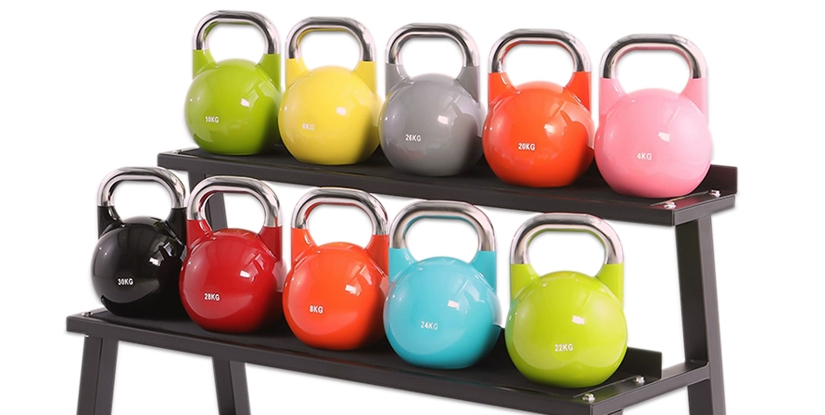
Standardized Inspection Protocols for Diameter Accuracy
To ensure every shipment aligns with your procurement standards, we utilize specialized measurement tools to validate handle dimensions. A high-tier manufacturer employs digital calipers and precision gauges to monitor diameter consistency throughout the production cycle. This level of technical oversight prevents the common pitfalls of substandard casting, where uneven surfaces or incorrect thicknesses can compromise the grip integrity of a wholesale batch.
| Inspection Phase | Measurement Tool | Target Metric | Tolerance Threshold |
|---|---|---|---|
| Raw Casting Verification | Digital Caliper | Handle Diameter | ± 0.5 mm |
| Surface Texture Check | Tactile/Visual Inspection | Grip Uniformity | No Sharp Edges |
| Final Weight/Size Audit | Precision Scale/Gauge | Total Volume Consistency | Standard Commercial Grade |
For distributors managing large-scale inventory, these technical checkpoints are non-negotiable. We recommend that buyers request a sample approval or a detailed specification sheet before finalizing any large-scale order. Confirming these exact kettlebell handle diameter and grip guide parameters during the pre-shipment phase allows you to mitigate the risk of receiving inconsistent stock, ensuring your landed cost remains optimized through high-quality, reliable product arrival.
The cost of inconsistent manufacturing is not just measured in defective units, but in the long-term erosion of your distributor margins and increased replacement rates. For professional buyers, a single batch with irregular handle dimensions can trigger high return rates and damage client trust. To prevent these procurement risks, we integrate strict oversight into every stage of the production cycle. This ensures that your bulk orders arrive with the exact dimensions required for professional training, protecting your total cost of ownership and maintaining high standards across your entire inventory.
Mitigating Procurement Risks Through Pre-Shipment Verification
Effective wholesale gym equipment sourcing requires more than just selecting a manufacturer; it requires verifying their ability to maintain consistency across high-volume production. We address the primary pain point of bulk procurement—variability—by implementing a multi-stage verification process. Whether you are ordering standard stock or utilizing an OEM partnership for custom branding, our quality protocols are designed to stabilize your supply chain. By validating handle diameter accuracy before the final shipment, we ensure that every unit in your container meets the rigorous demands of a commercial fitness environment.
To ensure full transparency, we encourage all professional importers to engage in a formal sample approval process. Before scaling to full production, you can request a detailed specification sheet to confirm that the handle dimensions align with your specific market needs. Once the prototype is approved, we maintain that standard through the entire run, providing you with the confidence that your landed cost is protected by high-quality, durable, and consistent commercial-grade equipment.
Custom Branding and OEM/ODM Options for Handle Textures
Distributors seeking to build a premium brand identity must look beyond basic dimensions. While a standard kettlebell handle diameter and grip guide ensures functional compliance, the tactile experience of the handle is where market differentiation occurs. High-end studio operators and equipment distributors often require more than generic stock; they need specialized surface finishes that align with their specific brand positioning and target user base.
When sourcing through a China factory, the ability to implement custom branding and specialized textures significantly enhances your product's perceived value. Rather than offering a one-size-fits-all solution, professional importers can leverage OEM and ODM capabilities to offer diverse texture options. These include high-friction powder coating for grip stability, precision knurling for a traditional feel, or specialized rubberized finishes for high-traffic commercial environments. This level of customization allows a supplier to move from a commodity provider to a strategic partner, helping clients justify higher price points through superior ergonomics and distinct visual aesthetics.
Strategic sourcing of commercial kettlebell specifications should include a review of these customization tiers. For instance, a wholesale order for a boutique strength studio might prioritize a matte, non-slip powder coating, whereas a large-scale functional training facility might demand heavy-duty knurling for long-term durability. By integrating these specific texture options (powder coating, knurling, rubberized) into your product catalog, you secure a competitive edge in the global market, ensuring your inventory meets the rigorous demands of professional athletes and high-end commercial gym environments.
Customization Matrix for Global Importers
To optimize your procurement strategy, it is essential to understand how different manufacturing processes impact your landed cost and product differentiation. Choosing between standard stock and a full ODM solution depends heavily on your target market segment and the required volume. A specialized kettlebell handle diameter and grip guide should always be paired with a clear understanding of branding tiers to ensure your inventory meets both functional and aesthetic expectations.
The following table outlines the technical capabilities available when engaging in wholesale gym equipment sourcing. This comparison assists procurement officers in evaluating the trade-offs between customization depth, branding precision, and the necessary MOQ for each tier.
| Customization Tier | Branding Method | Surface Finishes | Typical MOQ Requirement | Ideal Use Case |
|---|---|---|---|---|
| Standard Wholesale | None or Basic Cast Logo | Matte, Gloss, or Textured | Low (Standard Volume) | General Commercial Gyms |
| Private Label (OEM) | Laser Engraving or Silk Screen | Premium Powder Coating | Medium (Bulk Orders) | Fitness Studio Chains |
| Full Custom (ODM) | Custom Molded Handle/Logo | Specialized Grip Textures | High (Custom Production) | Premium Global Brands |
When finalizing your order, consider that advanced surface treatments like specialized knurling or high-friction matte finishes can impact your long-term maintenance load. We recommend requesting a sample evaluation or a technical spec sheet to confirm that your chosen commercial kettlebell specifications align with your durability requirements. Once the finish and branding methods are approved, you can proceed with a formal quote to confirm final pricing and lead times for your specific container loading plan.
Production Reliability and Export Logistics
Managing the transition from sample approval to full-scale production requires rigorous oversight to prevent discrepancies in handle texture and weight accuracy. When executing a large-scale wholesale order, the primary risk is inconsistency across batches, which can damage your brand reputation. Professional procurement teams must establish clear QC standards during the initial sample evaluation phase to ensure that every unit in a container meets the exact grip specifications and surface finish requested.
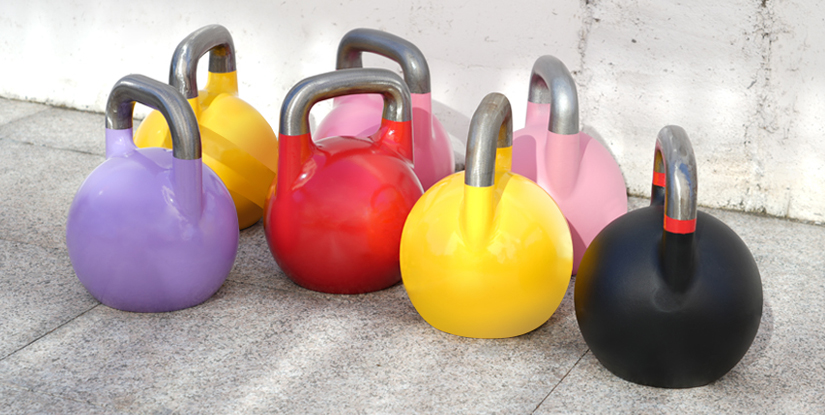
To mitigate these risks, work with a factory that provides transparent documentation regarding their mass production workflows. A reliable China factory will offer a structured pre-shipment inspection process, allowing you to verify the uniformity of the handle diameter and the durability of the coating before the goods leave the facility. This oversight is critical for maintaining a predictable landed cost and ensuring that your inventory arrives ready for immediate commercial deployment without the need for costly replacements or returns.
Logistics planning should also account for the lead time required for specialized OEM or ODM orders, as custom textures often necessitate additional drying or curing stages. Efficient export packaging is equally vital; heavy cast-iron units must be secured to prevent impact damage to the handles or coatings during sea freight. By aligning your production schedule with these technical requirements, you can optimize your supply chain and ensure a seamless arrival of high-quality, branded equipment to your distribution center.
Logistics and Export Packaging for Heavy Weight Distribution
Optimizing your kettlebell handle diameter and grip guide involves more than just ergonomic specifications; it directly impacts your landed cost through shipping efficiency. For professional importers and distributors, understanding how handle geometry and weight distribution affect volumetric weight is essential for maximizing container utility during wholesale gym equipment sourcing.
When managing bulk orders from a China factory, the relationship between product density and packaging dimensions determines your final margins. High-density cast iron kettlebells are often weight-limited rather than volume-limited in sea freight. However, inconsistent handle designs or bulky packaging can decrease shipping density, leading to wasted space in a 20ft or 40ft container. A specialized supplier will provide optimized palletization and export-grade boxing to ensure your kettlebell handle diameter and grip guide standards are met without inflating freight expenses.
To minimize landed cost, we recommend coordinating closely with your factory to align container optimization strategies with your specific SKU mix. By balancing different weight increments and handle profiles, you can achieve higher shipping density, ensuring that every cubic meter of your sea freight shipment is utilized effectively.
Evaluating Packaging Efficiency and Dimensional Impact
Effective wholesale gym equipment sourcing requires a technical understanding of how physical dimensions translate into freight expenses. For professional buyers, the interplay between the kettlebell body diameter and the handle profile determines the final volumetric footprint. A standardized kettlebell handle diameter and grip guide helps in predicting how many units can fit within a standard export carton, which is a critical factor for calculating the total landed cost per unit.
The following table provides a technical comparison of how different product configurations and packaging types influence shipping density and container utilization for large-scale imports.
| Packaging Configuration | Volume Impact | Shipping Density | Best Use Case for Importers |
|---|---|---|---|
| Standard Individual Box | High (Increased volume per unit) | Lower (Ideal for retail-ready stock) | Direct-to-consumer or boutique studio distribution |
| Bulk Nested/Grouped Crates | Medium (Optimized for weight) | High (Maximizes weight-to-volume ratio) | Large-scale commercial gym setups |
| OEM Custom Palletization | Low (Most efficient spatial use) | Maximum (Optimized for sea freight) | High-volume wholesale distributor shipments |
| Standard Export Carton | Medium (Standardized dimensions) | Moderate (Standardized for logistics) | General commercial kettlebell specifications compliance |
To ensure the highest ROI on your sea freight, we suggest requesting a detailed packing list during the sourcing phase. This allows your logistics team to calculate the exact number of units per 40HQ container based on the specific commercial kettlebell specifications of your order. By aligning your SKU selection with optimized export packaging, you can mitigate the risks of excessive volumetric weight and ensure a more predictable landed cost for your entire inventory.
Beyond volumetric efficiency, professional buyers must account for the physical risks associated with transporting high-density iron goods. During sea freight, the primary threat to your inventory is not just movement, but the impact of shifting weight and structural integrity. A high-quality supplier must implement rigorous protocols to protect the specialized coatings and handle geometries that define your premium product line.
Damage Prevention and Pre-Shipment Quality Control
When managing bulk orders, the risk of surface abrasions or handle deformation increases with container vibration and stacking pressure. Relying on a standard factory that lacks specialized export experience can lead to high return rates and diminished distributor margins. To protect your investment, ensure your production partner utilizes reinforced corrugated cartons and heavy-duty pallets designed specifically for high-density iron products.
A robust QC process should include a multi-stage inspection before the container is sealed. This includes verifying the structural integrity of the handle under load, checking the uniformity of the coating, and ensuring that the weight distribution remains within tolerance. For large-scale wholesale importers, a third-party pre-shipment inspection is a critical tool for verifying that the commercial kettlebell specifications match the approved samples before the goods leave the China factory.
To mitigate logistical risks, we recommend requesting a video of the final loading process and a detailed weight-per-carton report. This level of transparency ensures that the kettlebell handle diameter and grip guide standards are preserved from the production line to your warehouse, effectively lowering the total cost of quality and protecting your long-term brand reputation.
Final Procurement Checklist for Wholesale Gym Equipment Sourcing
Standardizing your inventory begins with a strict kettlebell handle diameter and grip guide to ensure consistency across all weight classes. For professional distributors, relying on vague descriptions leads to high return rates and damaged brand reputation. A precise kettlebell handle diameter and grip guide allows you to verify that every unit meets the commercial kettlebell specifications required for high-traffic strength facilities.
When managing wholesale gym equipment sourcing, procurement teams must move beyond basic visual inspections. Successful sourcing requires a formal factory audit and a documented QC protocol to manage tolerance standards. Without these benchmarks, your landed cost may appear low initially, but the long-term cost of defective grip textures or inconsistent diameters will erode your margins.
Inventory Strategy: Stocking vs. Custom Orders
| Procurement Model | Typical MOQ | Customization Level | Lead Time Impact |
|---|---|---|---|
| Standard Stock | Low | Minimal (Standard Colors) | Fastest (Ready to Ship) |
| OEM Branding | Medium | High (Logo & Color) | Moderate (Production Cycle) |
| ODM Full Spec | High | Maximum (Custom Handle) | Longest (R&D + Tooling) |
To mitigate risk during China factory procurement, always request a technical spec sheet that explicitly defines the allowable deviation for handle diameter. A reliable supplier will provide a QC report confirming that the commercial kettlebell specifications are met before the pre-shipment phase. We recommend requesting a sample approval for the grip texture to ensure it aligns with your target market's expectations before finalizing a bulk wholesale order.
Evaluating your final procurement options requires a clear understanding of how customization affects your bottom line. Whether you are looking for rapid turnover through standard stock or building a premium brand through custom specifications, your choice of wholesale gym equipment sourcing model will dictate your long-term scalability and distributor margins.
Optimizing Logistics and Total Landed Cost
Successful high-volume importing depends on more than just the kettlebell handle diameter and grip guide; it requires precise coordination of shipping volume and weight distribution. Because kettlebells are high-density products, maximizing container utilization is critical to reducing your unit landed cost. When negotiating with a factory, request detailed packing dimensions and weight per carton to optimize your sea freight or air freight logistics planning.
Finalize your partnership by requesting a formal quote that includes a breakdown of bulk pricing tiers and clear MOQ requirements. Before proceeding with a large-scale shipment, ensure your sourcing workflow includes a final inspection of the export packaging to prevent transit damage. A professional supplier will offer transparent lead times and support for custom branding to help you build a differentiated product line in your local market.