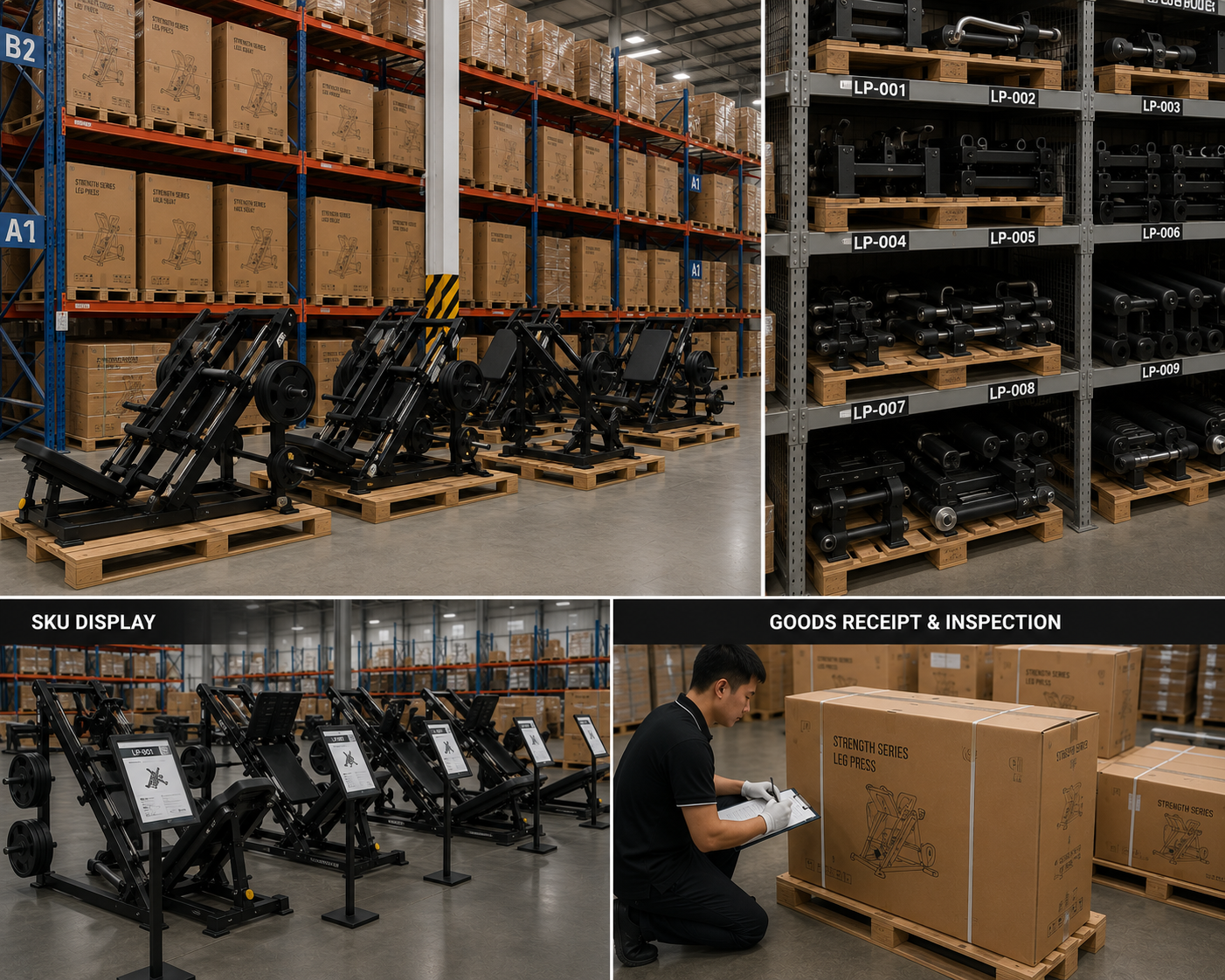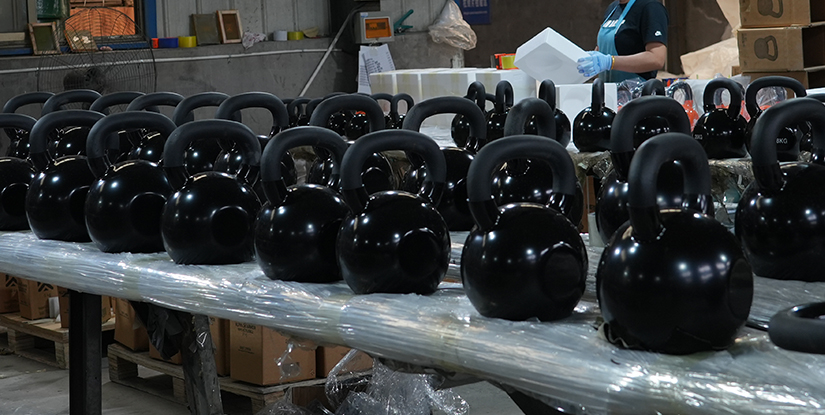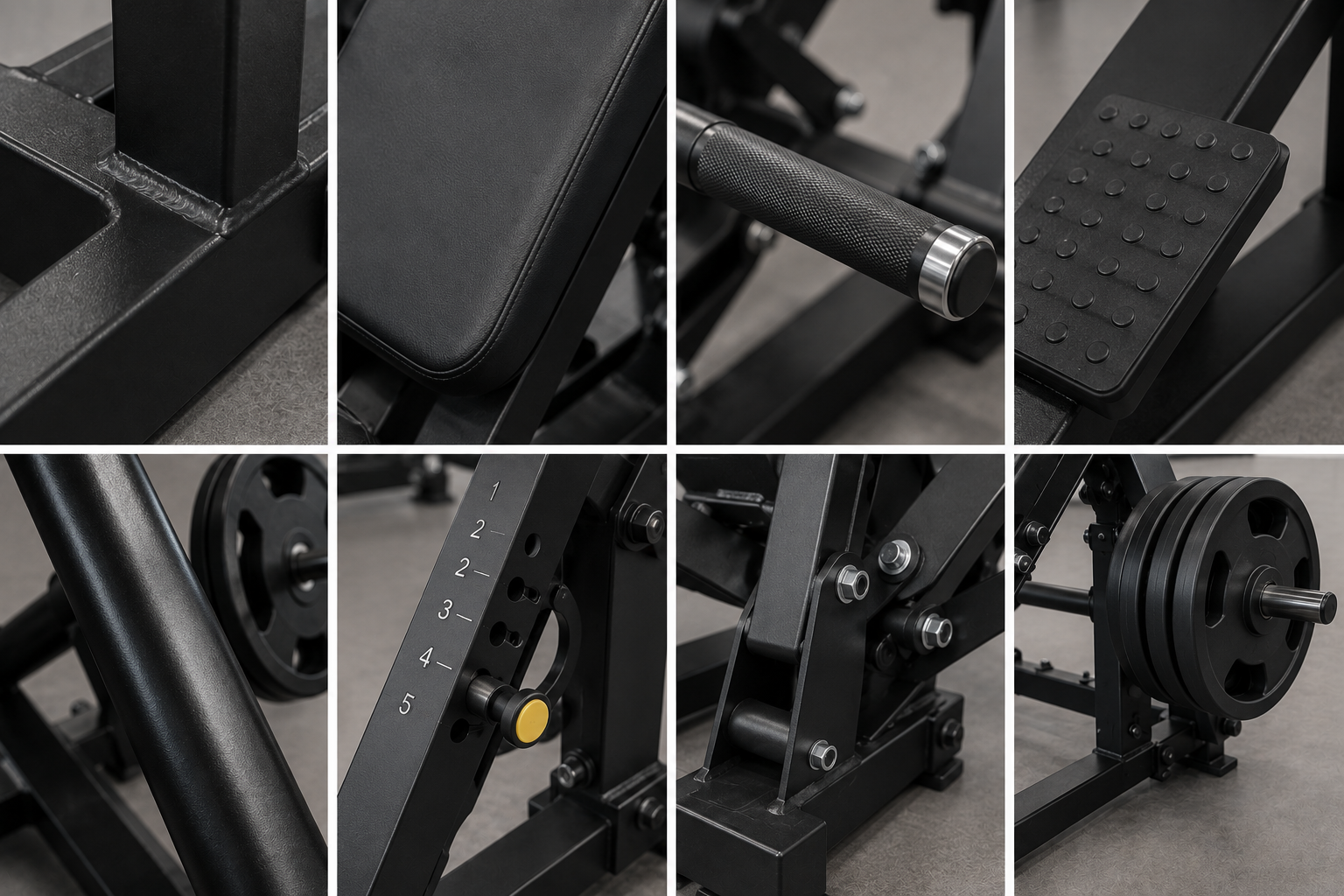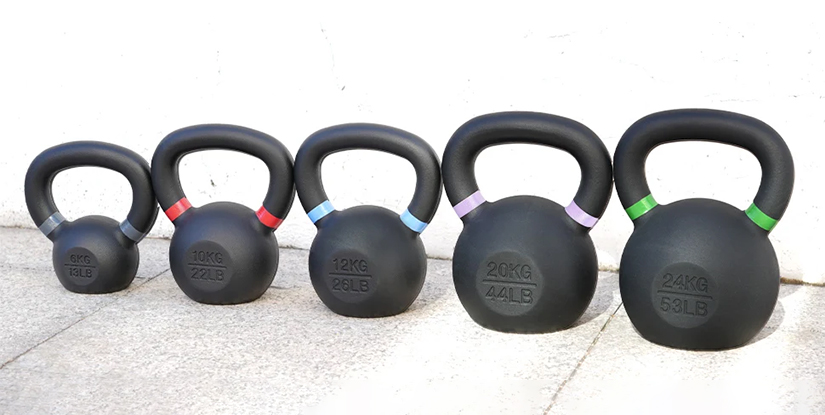
For gym owners, international distributors, and fitness brand developers, the challenge of building a high-performance facility or a scalable product line often hinges on one critical variable: the reliability of the supply chain. Sourcing directly from a fitness equipment factory is no longer just about finding the lowest unit price; it is about securing a partner capable of delivering consistent durability, technical precision, and customized solutions that meet localized market demands. Whether you are an independent gym owner looking to upgrade your strength training zone or a global distributor requiring high-volume shipments of cardio systems and resistance gear, the complexities of procurement are multifaceted. You must navigate varying standards of steel gauge, motor duty cycles for rowing machines, and the intricate compliance requirements for B2B trade. This guide addresses the core operational concerns of professional buyers, focusing on how to bridge the gap between factory-direct cost advantages and the high-performance expectations of the modern fitness consumer. In this specialized overview, we examine the strategic dimensions of working with a professional manufacturer, including: By understanding these variables, procurement professionals can move beyond simple transactional buying and toward building a resilient, high-quality equipment ecosystem that supports long-term facility growth or brand expansion. When professional buyers evaluate their sourcing options, the decision often rests on a trade-off between brand recognition and technical specification. To make an informed decision, it is essential to look beyond the marketing veneer and focus on verifiable technical attributes. Whether you are sourcing from a global retail brand or a specialized fitness equipment factory, the underlying structural integrity and component quality remain the most critical factors for long-term facility maintenance and user safety. The following table provides a comparative framework to help procurement managers and distributors distinguish between different sourcing tiers. This comparison focuses on the technical and operational variables that impact the total cost of ownership (TCO) and product lifecycle. For distributors looking to scale, the "Specialized Factory Direct Tier" offers a unique advantage: the ability to control the technical specifications of the product before it reaches the end-user. For instance, when sourcing cardio equipment, a factory-direct approach allows you to specify the exact motor duty cycle or the thickness of the resistance band material, ensuring the product meets the specific durability requirements of your local market without the excessive overhead of a premium retail brand. Understanding these distinctions allows B2B buyers to move from a purely price-driven model to a value-driven model. Instead of simply looking for the lowest quote, professional procurement teams use these benchmarks to verify that a manufacturer's output—whether it be multi-gym systems or individual strength machines—aligns with the intended usage environment, be it a high-traffic commercial gym or a boutique fitness studio. A common pitfall in B2B procurement is equating a low initial quote with high value. In the fitness industry, the true cost of equipment is measured by its "uptime" and maintenance frequency. A gym machine manufacturer might offer a significantly lower price by utilizing thinner steel tubing or lower-grade bearings, but this often results in structural fatigue and mechanical failure within 18 to 24 months of commercial use. Professional buyers must look beyond the surface and demand specific technical data to justify their procurement decisions. The structural longevity of strength training equipment is dictated by two primary factors: steel gauge and welding precision. When sourcing multi-gym systems or heavy-duty racks, a specification of 11-gauge or 12-gauge steel is a baseline for commercial durability. Thinner gauges (such as 14-gauge or 16-gauge) are common in home-use models but are insufficient for the high-impact, high-frequency environments of professional fitness centers. Furthermore, the quality of the weld—specifically whether it is a full-penetration weld or a superficial bead—determplements the machine's ability to withstand lateral forces and heavy load cycles without developing structural cracks. For cardio equipment, the complexity shifts from structural steel to electronic and mechanical endurance. When evaluating rowing machine manufacturers or cycle suppliers, the "duty cycle" of the motor is the most critical metric. A motor designed for a 2-hour daily duty cycle will inevitably fail in a commercial setting where machines run for 12+ hours. Similarly, for resistance gear like bands, the chemical stability of the latex or TPE determines how long the product maintains its elastic memory before losing tension or degrading due to environmental exposure. One of the most frequent mistakes in international sourcing is failing to account for the "hidden" lead time in the B2B cycle. A factory might claim a 30-day production window, but this often excludes the time required for raw material procurement, customs clearance, and ocean freight. A professional procurement framework should always include a buffer for these variables. Additionally, compliance is not optional; ensuring that your partner adheres to international safety standards—such as specific load-bearing certifications or electronic safety protocols—is essential to avoid legal liabilities and ensure the product is fit for the target market's regulatory environment. By focusing on these technical benchmarks—steel gauge, motor duty cycles, and material stability—rather than just the unit price, procurement managers can build a more predictable and profitable supply chain that supports the long-term operational goals of their clients or facilities. In the global fitness market, a significant segment of the industry operates on a model of "performance parity." This involves sourcing equipment that meets the exact technical benchmarks of premium retail brands but at a direct-from-factory price point. Rather than focusing on brand prestige, professional buyers focus on the alignment of measurable specifications. When a procurement team seeks a "brand-equivalent" solution, they are essentially looking for a fitness equipment factory that can replicate high-end standards in material thickness, bearing smoothness, and electronic stability. To successfully implement a high-value alternative strategy, buyers must move from qualitative descriptions to quantitative requirements. For example, instead of requesting "high-quality strength machines," a professional procurement spec should demand: By utilizing these verifiable metrics, distributors can offer products that perform identically to high-priced retail options in a commercial setting, effectively optimizing their capital expenditure without compromising the end-user experience. For brands looking to expand their product lines, the transition to OEM (Original Equipment Manufacturer) production requires a partner with established industrial rigor. A professional manufacturing facility does not merely "make products"; it manages a complex lifecycle of design, prototyping, and mass production. High-tier production lines—those capable of servicing international commercial orders—operate under strict protocols that ensure both product quality and intellectual property security. The typical workflow for a sophisticated OEM partnership follows a structured progression: first, the technical translation of the client's design or requirement into a manufacturable blueprint; second, the creation of a precision sample (prototyping) for physical testing and sign-off; and finally, the transition to full-scale production governed by rigorous QC (Quality Control) checkpoints. At each stage, the factory maintains a strict boundary of compliance, ensuring that all customized branding, such as logos or unique colorways, is applied according to the client's exact specifications while adhering to international manufacturing and safety standards. This level of professionalized production allows global brands to scale their product offerings rapidly, leveraging the manufacturing expertise and specialized machinery of a dedicated factory to maintain high-tolerance output across diverse product categories. The true value of a specialized fitness equipment factory is best demonstrated through its ability to solve non-standard problems. Unlike mass-market retailers that offer rigid, off-the-shelf inventories, a professional manufacturer functions as a technical partner capable of navigating specific constraints regarding branding, logistics, and localized technical requirements. A growing boutique fitness brand in Europe sought to launch a signature line of resistance gear and small-scale strength accessories. Their primary challenge was not just the design, but the need for extreme consistency in material density and high-end aesthetic differentiation. They required a partner that could handle low-volume, high-specification initial runs before scaling to larger volumes. The client's constraints included a strict requirement for natural latex purity to avoid common allergic reactions and a specific matte finish for all resistance bands to match their premium brand identity. The factory responded by developing a customized production protocol: first, providing a multi-stage sampling process where the client could approve three distinct tension levels and two different surface textures. The manufacturing team then implemented a specialized batch-coding system to ensure that every custom colorway remained consistent across different production cycles. The result was a successful product launch that met the brand's high-end market positioning, with the factory providing full transparency on material sourcing and quality testing throughout the process. A regional distributor responsible for equipping several mid-sized commercial gyms faced a critical bottleneck. They needed to source a complete set of cardio and strength equipment—including rowing machines and multi-gym systems—within a compressed six-month window to meet a grand opening deadline. Their primary constraints were a fixed capital budget and the necessity for all equipment to pass rigorous local safety inspections for commercial use. Rather than providing a standard catalog, the factory team developed a tailored procurement solution. They identified high-performance components that met the required duty cycles but optimized the frame design to reduce shipping volume and assembly time. To address the budget constraint, the factory suggested a "hybrid specification" model: utilizing high-grade 12-gauge steel for primary load-bearing structures while using more cost-effective, high-durability materials for non-structural components. Additionally, the factory provided pre-assembled modules for the larger machines to reduce on-site installation time. By managing the logistics and providing comprehensive technical documentation for local compliance, the factory ensured the distributor met both their timeline and their budget, resulting in a fully operational facility that passed all safety certifications on the first attempt. Transitioning from initial inquiry to a stable B2B supply chain requires a clear understanding of the operational milestones inherent in professional manufacturing. Unlike consumer-facing retail, working with a fitness equipment factory involves structured phases of negotiation, technical validation, and logistical planning that dictate the success of a product launch or facility upgrade. A professional procurement workflow is typically structured around several critical checkpoints to ensure that the final output aligns with the initial technical specifications. Navigating these stages effectively minimizes the risk of costly errors in the final shipment. Once production is finalized, the focus shifts to the safe and efficient movement of heavy or sensitive goods. Because commercial gym machines and cardio equipment are often high-volume and heavy, the packaging strategy must be designed for long-distance transit. Professional manufacturers offer tiered packaging solutions, ranging from reinforced single-unit cartons for smaller items like resistance bands to heavy-duty, palletized wooden crates for multi-gym systems and large-scale strength machines. For international B2B buyers, the complexity extends to shipping and compliance. It is essential to coordinate with the factory regarding the documentation required for customs clearance, including material safety data sheets (MSDS) for any chemical components or specialized electronic certifications. Whether opting for Full Container Load (FCL) for maximum efficiency or Less than Container Load (LCL) for smaller facility upgrades, clear communication regarding lead times, port-to-port transit, and local compliance documentation ensures a seamless transition from the factory floor to the final installation site. Establishing a reliable supply chain with a fitness equipment factory requires moving beyond the initial transaction toward a structured framework of technical and operational verification. To ensure that your procurement efforts result in high-performance assets rather than long-term maintenance liabilities, utilize the following critical checkpoints during your next sourcing cycle. By integrating these technical and operational rigor points into your procurement strategy, you can effectively bridge the gap between factory-direct cost advantages and the high-performance standards required by professional fitness facilities and global distribution networks.Navigating Complexities in Global Fitness Equipment Procurement
Evaluating Procurement Channels: Benchmarking Value and Performance
Procurement Dimension Global Brand-Name Tier Specialized Factory Direct Tier Procurement Focus/Value Core Construction High-grade steel with proprietary coating standards. Heavy-duty steel (e.g., 11-gauge or 12-gauge) with high-tolerance welding. Structural durability and weight-bearing stability. Component Precision Standardized high-performance bearings and electronics. Customizable precision components (e.g., high-duty cycle motors for rowing). Mechanical smoothness and long-term reliability. Customization (OEM/ODM) Limited to minor color or branding adjustments. Deep customization of frame geometry, resistance levels, and branding. Brand differentiation and market-specific tailoring. Pricing Model High markup due to brand equity and distribution layers. Direct factory pricing with optimized B2B volume discounts. Maximizing ROI and lowering initial capital expenditure. Supply Chain Control Managed through complex, multi-tier distribution networks. Direct communication with production and QC management. Transparency in lead times, MOQ, and production status. Deep Dive: Critical Benchmarks for High-Performance Equipment Sourcing
The Logic of Material Integrity and Durability
Technical Specifications for Cardio and Resistance Gear
Mitigating Lead Time and Compliance Risks
Bridging the Gap: High-Performance OEM and Value-Driven Alternatives
Achieving Specification Alignment in Sourcing
The Standard of Professional OEM and ODM Manufacturing
Case Studies: Solving Complex Procurement Challenges via Custom Solutions
Scenario 1: Expanding a Boutique Brand via Specialized OEM Production
Scenario 2: Optimizing a Regional Distributor's Commercial Facility Launch
Operationalizing the Partnership: MOQ, Sampling, and Logistics Execution
The Lifecycle of an Order: From Prototypes to Mass Production
Logistics, Packaging, and Global Compliance
Strategic Checklist for Long-Term Procurement Success