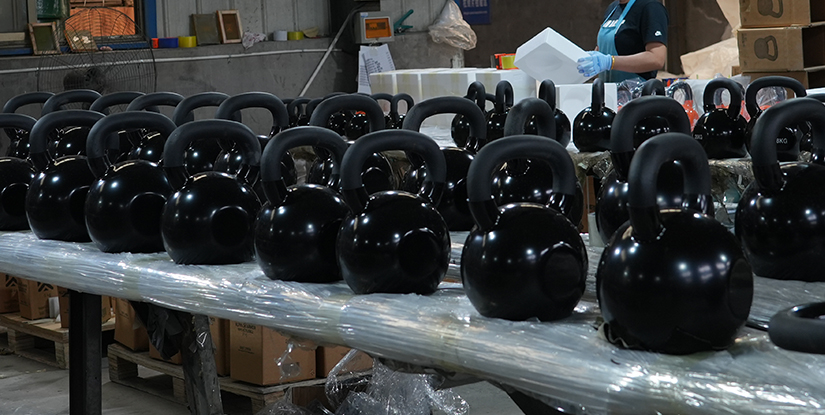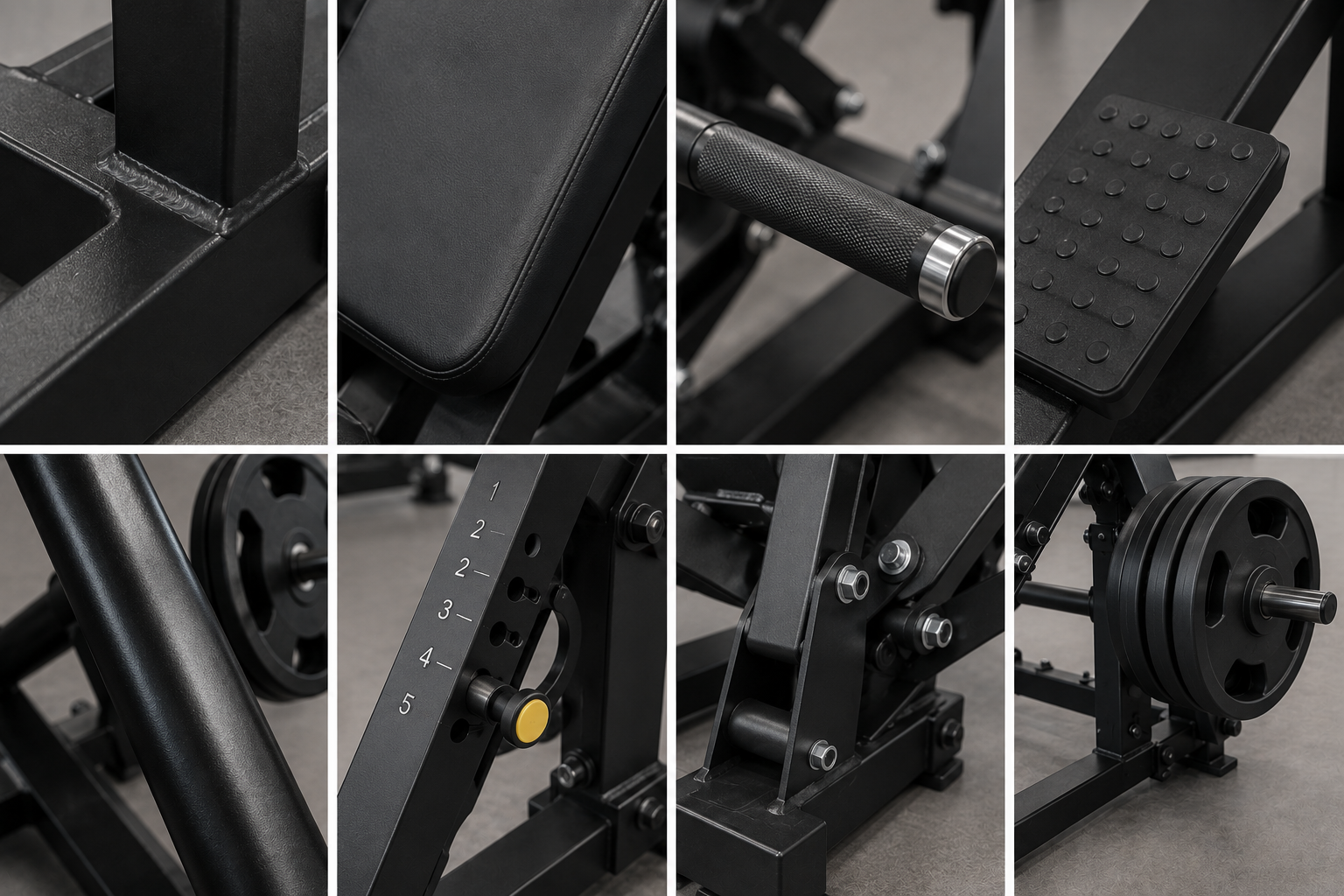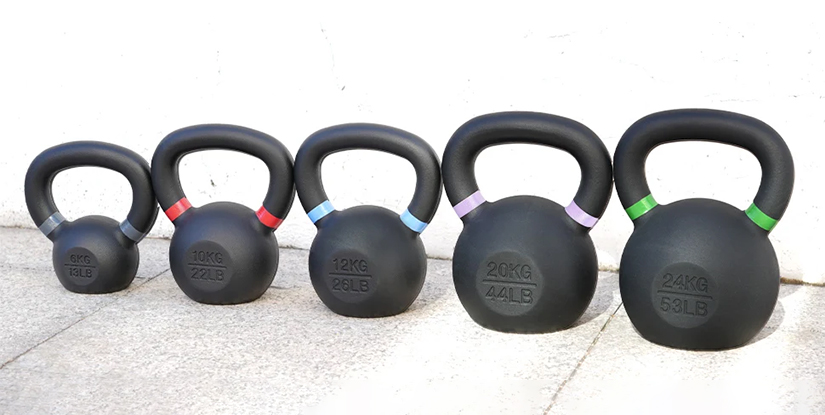
This guide addresses the critical complexities inherent in B2B procurement, specifically focusing on how to move beyond superficial specifications to evaluate the true manufacturing depth of a partner. We aim to solve the common pain points encountered during high-volume orders, such as inconsistent build quality, lack of OEM customization flexibility, and the difficulty of finding high-performance alternatives to premium-priced brands.
As you evaluate potential partners, consider the following core dimensions that differentiate a standard supplier from a specialized industrial manufacturer:
By understanding these structural layers, procurement professionals can better navigate the transition from simple purchasing to long-term strategic partnership, ensuring that every piece of equipment—from a multi-gym system to a simple set of resistance bands—meets the rigorous demands of professional fitness environments.
In the professional fitness industry, procurement strategies are often dictated by the intended use-case and the scale of the operation. A common misconception among new facility owners is that a higher price tag automatically guarantees higher durability. In reality, professional-grade equipment is defined by verifiable engineering metrics rather than brand prestige. By understanding the structural differences between various sourcing tiers, B2B buyers can make more informed decisions regarding their budget allocation and long-term maintenance costs.
The following table provides a technical comparison between the three primary sourcing tiers encountered in the global market. This comparison focuses on the essential dimensions that a professional gym equipment manufacturer must satisfy to ensure commercial-grade performance.
| Procurement Dimension | Premium Retail Tier | Mainstream Distributor Tier | Direct Factory/OEM Tier |
|---|---|---|---|
| Primary Focus | Brand prestige and lifestyle marketing | Retail availability and brand recognition | Engineering precision and cost-efficiency |
| Material Standards | High-grade steel with proprietary coatings | Standardized commercial-grade steel | Customizable gauge and high-tolerance finishes |
| Customization (OEM) | Limited to seasonal color variations | Standardized logo and minor branding | Full technical and aesthetic customization |
| Typical Lead Times | Long (due to global logistics/stocking) | Moderate (dependent on distributor stock) | Scalable (aligned with production cycles) |
| Cost Structure | High (includes brand premium and markup) | Moderate (includes distributor margins) | Optimized (direct-to-client pricing) |
| Technical Support | High-level service via retail networks | Standardized warranty and support | Direct technical and production-level support |
When transitioning from a retail-oriented model to a direct-factory model, the focus shifts from "buying a product" to "specifying a solution." For example, when sourcing strength training equipment, a buyer is no longer just selecting a machine from a catalog; they are defining the steel gauge, the resistance profile, and the upholstery density to match the specific high-traffic needs of their facility. This shift allows for much higher control over the total cost of ownership (TCO), as the initial investment is optimized through direct negotiation and technical alignment rather than through multiple layers of middleman markup.
For those looking to scale, the Direct Factory/OEM tier offers the most significant advantage in terms of long-term brand building. By working closely with a manufacturer, a distributor can ensure that every piece of equipment—whether it is a heavy-duty rowing machine or a set of resistance bands—carries their unique brand identity and meets a specific set of quality benchmarks that are often overlooked in standard retail-ready products.
A common pitfall in B2B procurement is evaluating a gym equipment manufacturer based solely on the final aesthetic or the quoted price. High-performance commercial gear is a product of rigorous structural engineering and precise manufacturing tolerances. To avoid the hidden costs of premature equipment failure, procurement professionals must look into the technical layers that dictate long-term durability in high-traffic environments.
The primary differentiator between high-end commercial machines and standard consumer-grade products is the specification of the steel frame and the welding precision. In a professional setting, a strength machine must withstand repeated high-impact loading without structural fatigue. This requires a higher steel gauge (thickness) and more sophisticated heat treatment processes. When evaluating a supplier, do not simply ask if they use "steel"; ask for the specific gauge of the tubing and the type of welding used—such as robotic MIG welding, which ensures uniform strength across all joints, unlike manual welding that can lead to inconsistent load-bearing capacities.
For cardio equipment, the complexity increases significantly. The reliability of a rowing machine or a gym cycle depends on the duty cycle of the motor and the quality of the electronic control unit (ECU). A common mistake is overlooking the "duty cycle"—the amount of time a machine can operate continuously under load before overheating. A professional-grade manufacturer will provide specific data on motor endurance and the grade of the bearings used in the flywheel system. High-quality bearings reduce friction and noise, which are critical for maintaining a premium user experience in commercial studios.
Compliance is often treated as a checkbox, but it is actually a foundational risk management tool. A reputable manufacturer does not just claim to be "compliant"; they provide verifiable documentation for the target market. This includes ISO standards for manufacturing processes and CE or UL certifications for electrical components. For distributors, sourcing equipment that meets these standards is essential to mitigate liability and ensure that the products can be legally and safely integrated into commercial facilities across different jurisdictions. Relying on uncertified components may save costs initially, but it often leads to catastrophic failures and legal complications during facility audits.
Ultimately, a successful procurement framework relies on moving from "product selection" to "specification management." By focusing on these verifiable technical benchmarks—steel gauge, motor duty cycles, and certified compliance—buyers can transition from a reactive purchasing model to a proactive, quality-driven strategy that secures both the facility's longevity and its operational profitability.
In the global fitness market, a significant gap exists between "premium retail brands" and "industrial-grade factory direct" solutions. Many procurement professionals seek high-performance alternatives that align with the technical standards of top-tier brands without the excessive markup associated with retail-oriented branding. The key to a successful "brand-equivalent" strategy is not imitation, but rather the rigorous alignment of verifiable physical metrics.
When sourcing a high-performance alternative for a commercial facility, buyers should move away from brand names and focus on the structural components that define quality. A professional gym equipment manufacturer can provide solutions that match or exceed the performance of premium retail options by adhering to the following technical benchmarks:
For distributors and fitness brands looking to establish their own identity, the OEM (Original Equipment Manufacturer) process must be handled with extreme professional rigor. A specialized manufacturer operates with a structured workflow designed to protect the client's intellectual property and brand integrity. This process begins with a strict technical specification phase, where every detail—from the Pantone color of the frame to the specific tension of a resistance band—is documented and approved.
Our production lines follow the same stringent quality control standards required for international brand orders. This includes a multi-stage verification process: starting from raw material inspection (checking steel grade and component certifications), moving to a dedicated prototyping and sampling phase, and culminating in a full-scale production run with end-of-line testing. During the mass production stage, each batch undergoes randomized load testing and functional checks to ensure that the final product delivered to the client meets the exact specifications of the initial sample. This commitment to process-driven quality ensures that your brand identity is supported by a reliable, high-performance hardware foundation.
In the B2B fitness sector, the most valuable partnerships are built not through simple transactions, but through the ability to solve specific logistical and technical constraints. A professional gym equipment manufacturer must act as a consultant, translating complex client requirements into manufacturable, high-performance reality. The following two anonymous cases illustrate how tailored technical solutions can overcome common industry hurdles.
A growing regional fitness chain in Southeast Asia required a complete facility overhaul, including strength machines and cardio systems. Their primary challenge was twofold: they needed a highly specific "industrial-chic" aesthetic to match their brand identity, but they were also operating under a strict budget and a non-negotiable 90-day rollout timeline across multiple locations. They could not afford the high costs of premium retail brands, nor could they risk the quality inconsistency of standard wholesale suppliers.
The manufacturer provided a comprehensive solution by first developing a customized colorway using specific Pantone matching for the frame powder coating and upholstery. To meet the durability requirements of a high-traffic commercial environment, the strength machines were upgraded from standard steel to a higher-gauge tubing with reinforced welding points. Furthermore, the production schedule was optimized by prioritizing the most critical machines first, ensuring a phased delivery that aligned with the opening of each new branch. The result was a cohesive, branded facility experience delivered on time and within the projected budget, without compromising on the structural integrity required for commercial use.
A prominent international fitness influencer and e-commerce brand sought to launch a premium line of resistance bands and weightlifting gear. Their core constraint was the need for extreme consistency in material tension and packaging quality. The client was concerned that mass-produced resistance bands often suffer from rapid loss of elasticity or irregular thickness, which would damage their brand reputation in the high-end consumer market.
To address this, the manufacturer implemented a specialized production protocol. Instead of standard bulk production, the team established a dedicated line for this project, focusing on precision extrusion to ensure uniform thickness across every band. A rigorous multi-stage testing process was introduced, including high-frequency stretch-and-release tests and material density inspections to guarantee consistent tension levels. Additionally, the manufacturer worked closely on the packaging design, ensuring that the custom-branded pouches and protective sleeves met the premium unboxing experience expected by the client's audience. The project successfully launched with high customer satisfaction ratings, as the products demonstrated the durability and consistency of a high-end professional brand.
These cases highlight that effective B2B manufacturing goes beyond simply following a blueprint; it requires a deep understanding of the client's operational constraints—whether they are aesthetic, temporal, or quality-driven—and the ability to engineer a solution that addresses those specific needs.
Transitioning from a technical selection to a successful shipment requires a clear understanding of the operational protocols that govern professional B2B manufacturing. Successful procurement is not merely about the final product, but about the predictability of the entire supply chain—from the initial sample approval to the final arrival at a commercial facility or distribution warehouse.
To ensure transparency and minimize risk, a professional gym equipment manufacturer typically operates within a structured timeline. Navigating these stages is essential for project managers to align their facility openings or product launches with incoming stock:
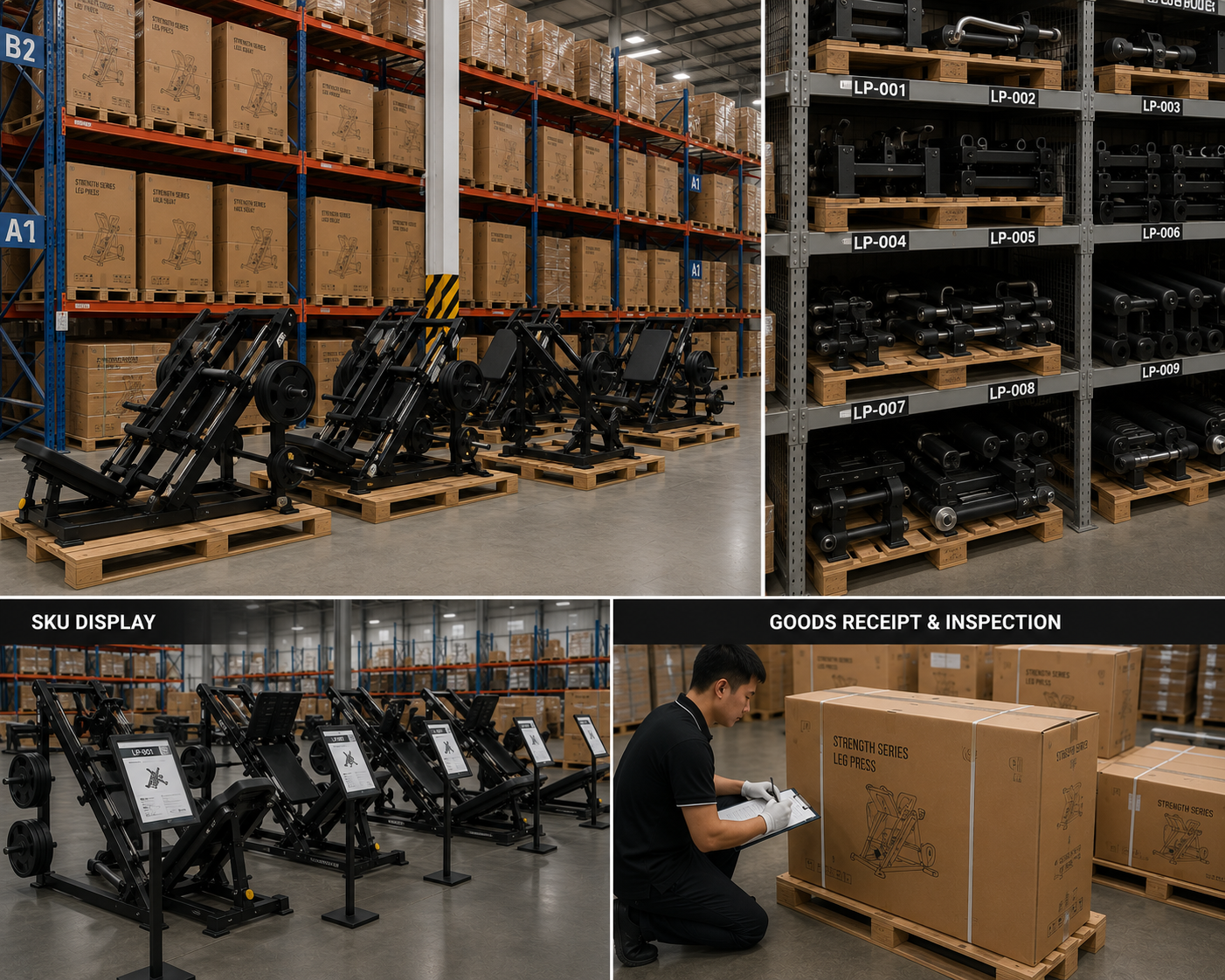
For B2B buyers, the most effective way to ensure long-term reliability is to integrate quality control (QC) directly into the manufacturing workflow. Rather than waiting for the goods to arrive, professional procurement strategies involve several touchpoints for verification:
Shipping heavy-duty commercial gym machines requires specialized logistics expertise. A professional manufacturer provides diverse packaging and shipping options to suit different business models. For distributors and large-scale gym chains, this may include heavy-duty, reinforced corrugated boxes and customized wooden crates to prevent structural damage during sea freight. Furthermore, the ability to provide "knock-down" (KD) or semi-assembled packaging options can significantly reduce shipping volumes and lower the total cost of logistics, making the procurement of high-volume orders more economically viable for international clients.
Transitioning from a standard supplier to a strategic manufacturing partner requires a disciplined approach to vetting and specification. To ensure that your procurement of strength, cardio, or resistance gear results in a high-performance facility or a successful product line, utilize the following operational checkpoints before finalizing any large-scale purchase orders.
Effective B2B sourcing continues long after the initial deposit is made. Maintain a proactive stance by integrating quality control into the production cycle rather than relying on end-of-line inspections. Requesting mid-production updates on material arrival and assembly progress allows you to manage lead-time risks more effectively, especially when dealing with complex multi-gym systems or customized branding projects. By treating the manufacturer as a technical extension of your own brand, you secure the ability to scale your facility or distribution network with confidence and long-term operational stability.