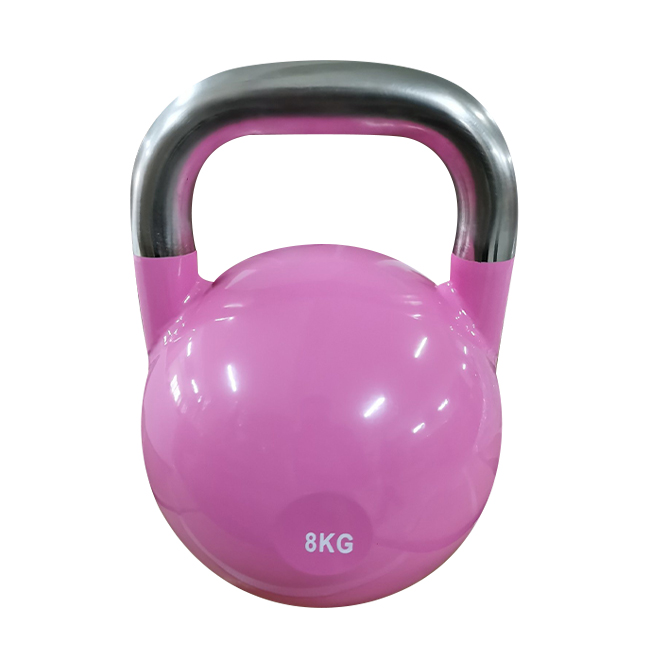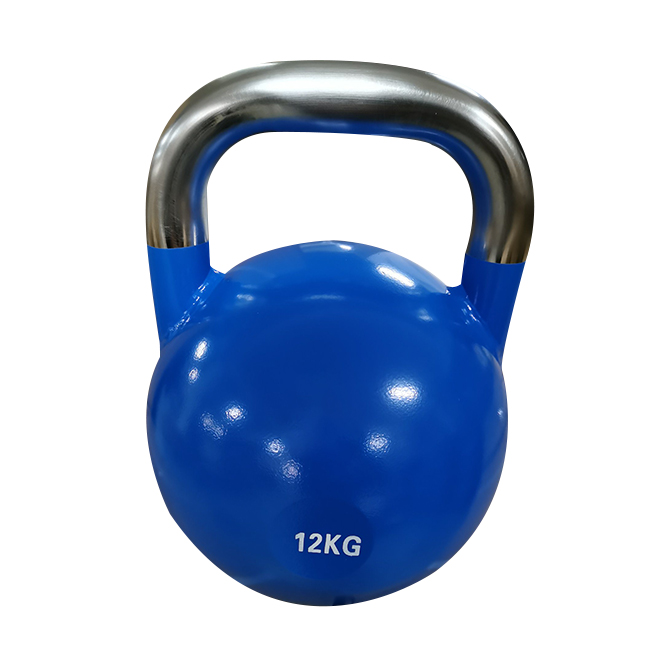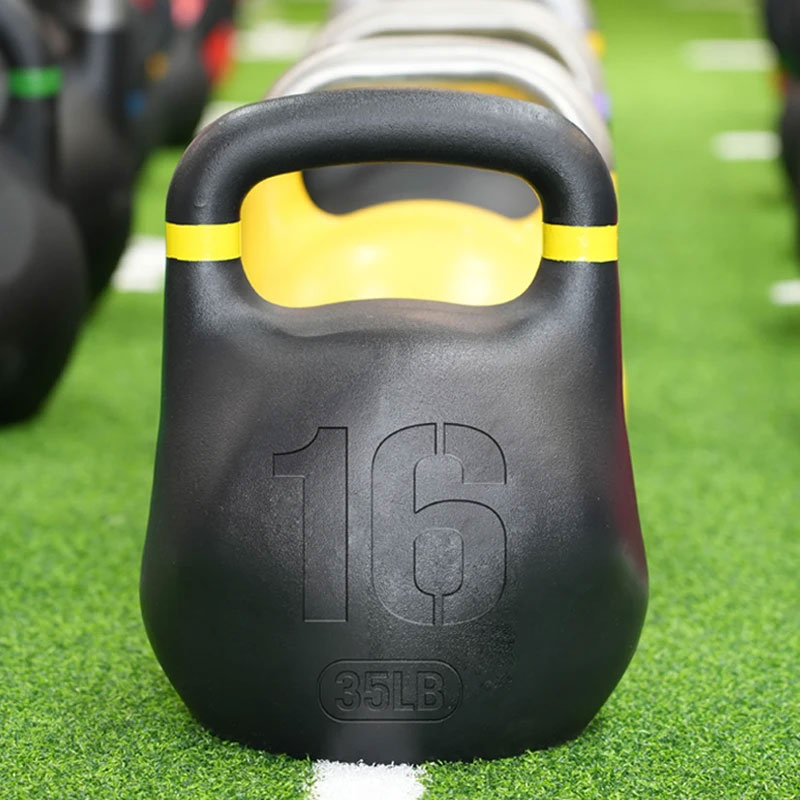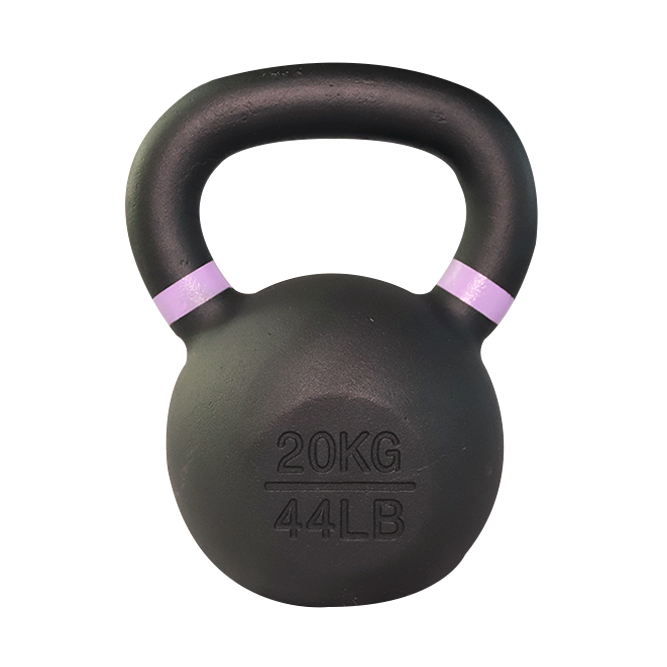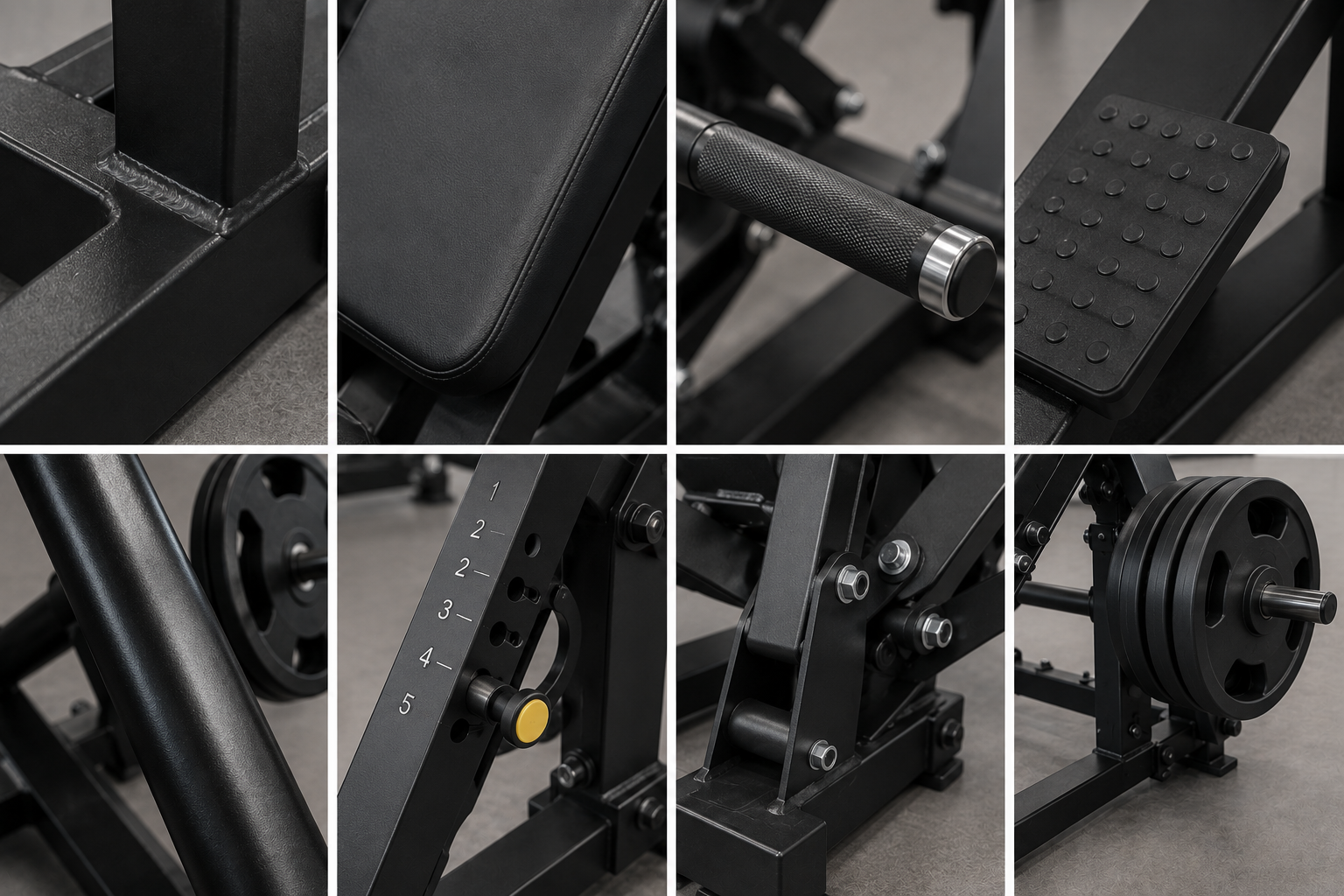
For gym owners, international distributors, and fitness brand developers, the challenge of scaling a facility or a product line often hinges on a single critical factor: the reliability of the supply chain. Sourcing gym sets wholesale requires more than just finding a low price; it demands a partner capable of balancing high-durability engineering with cost-effective production. Whether you are outfitting a high-traffic commercial fitness center or launching a private-label line of resistance gear, the technical specifications of your equipment directly impact your long-term operational costs and brand reputation. This guide addresses the complexities inherent in high-volume fitness procurement. We move beyond basic product catalogs to explore the structural realities of manufacturing, helping professional buyers navigate the nuances of equipment durability, customization, and logistics. By understanding the distinction between various tiers of manufacturing, you can make informed decisions that align with your specific business model—be it high-end boutique fitness, large-scale commercial gym chains, or specialized retail distribution. Specifically, we will focus on the following core procurement dimensions: Navigating the global market for commercial gym machines requires a shift in perspective from retail shopping to industrial sourcing. This article provides the framework necessary to vet potential partners and secure high-performance assets that stand the test of time. When planning a large-scale facility setup or a distribution expansion, understanding where your equipment sits on the spectrum of value and durability is essential. The market is broadly divided into three distinct tiers: premium retail brands, specialized distributors, and direct-to-factory sourcing. Each tier offers a different balance of brand recognition, immediate availability, and long-term cost-efficiency. For professional buyers, the goal is to identify which model provides the highest functional performance relative to the capital investment. The following table provides a comparative analysis of these procurement models across key technical and commercial dimensions. This comparison is designed to help you determine whether a direct factory model or a specialized supplier model better suits your specific business objectives, such as high-margin retail or high-volume facility outfitting. Selecting the right tier is not merely about finding the lowest price; it is about matching the equipment's lifecycle to your business model. For instance, a distributor might offer faster delivery for a small boutique gym, but a direct factory approach is often more sustainable for a global distributor looking to build a proprietary brand through customized OEM production. When sourcing gym sets wholesale, the ability to control the technical specifications—such as the gauge of the steel or the specific tension of a resistance band—becomes a significant competitive advantage in a crowded market. Professional procurement of gym sets wholesale extends far beyond comparing price lists. To build a sustainable facility or a profitable distribution brand, buyers must understand the technical causality behind costs. A low initial quote often masks hidden long-term expenses, such as high maintenance frequency or premature structural fatigue. Successful procurement specialists focus on the underlying engineering standards that dictate the total cost of ownership (TCO). The primary differentiator between consumer-grade and commercial-grade equipment is the structural gauge and the quality of the welding processes. In a high-traffic commercial environment, machines undergo constant mechanical stress and vibration. If a manufacturer uses thin-walled tubing or substandard welding techniques, the equipment will develop structural micro-cracks and loose joints within months of heavy use. When vetting a strength training equipment manufacturer, you should demand specific details regarding the steel thickness (e.g., 11-gauge or 12-gauge steel) and the type of welding used for load-bearing joints. Furthermore, the quality of moving parts—such as bearings, pulleys, and cables—is a common oversight. High-end commercial machines require heavy-duty, industrial-grade bearings that can handle continuous rotation without heat buildup or friction-induced wear. A common mistake is focusing solely on the frame while ignoring the lifecycles of these consumable components. A robust procurement strategy involves verifying the load-bearing capacity of cables and the durability of the upholstery, as these are the most frequent points of failure in a commercial setting. For distributors and large-scale gym chains, compliance is not optional; it is a risk management requirement. Relyity on a supplier who understands international standards is vital. This includes not only the physical durability of the gear but also the safety of the electrical components in cardio equipment and the chemical safety of the finishes used on resistance bands. A professional resistance band factory, for instance, must ensure that the latex or TPE materials are free from harmful phthalates and maintain consistent tension levels throughout their lifespan. A sophisticated procurement framework also requires a deep dive into the manufacturer's quality control (QC) protocols. You should look for evidence of a multi-stage inspection process: raw material testing, in-process assembly checks, and final functional testing. Relying on a supplier's word is insufficient; request documentation of their ISO certifications or third-party test reports for high-stress components. Understanding these technical layers allows you to move from a reactive purchasing model to a proactive, quality-driven sourcing strategy that protects your capital investment. In the modern fitness landscape, the gap between premium retail brands and high-end factory-direct solutions has narrowed significantly due to advancements in industrial manufacturing. Many distributors and facility owners now seek "brand-tier" performance through more efficient procurement channels. Rather than focusing on brand names, professional buyers prioritize verifiable technical benchmarks—such as steel gauge, bearing grade, and coating thickness—to ensure the equipment meets the rigorous demands of commercial environments. A "brand-tier" alternative does not mean compromising on quality; it means optimizing the supply chain to remove the heavy marketing premiums associated with retail-driven brands. To ensure your procurement aligns with high-end standards, focus on these comparable metrics: For businesses looking to establish their own proprietary identity, our manufacturing processes are designed to meet the exacting standards required by international fitness brands. We operate under a strict production-to-delivery framework that ensures every customized order maintains absolute consistency and compliance. This is particularly critical when managing the transition from a single prototype to large-scale global distribution. Our OEM/ODM workflow is built upon three foundational pillars: By leveraging these industrial-grade manufacturing standards, distributors can confidently offer products that compete on functionality and durability while maintaining a highly competitive market position. This approach allows for the creation of a high-value brand identity that is rooted in actual product performance rather than just marketing expenditure. The true value of a manufacturing partner is often revealed not in standard catalog orders, but during complex, constraint-driven projects. Moving from theoretical specifications to practical, large-scale deployment requires a high degree of technical coordination. The following anonymous case studies illustrate how professional manufacturers address specific procurement hurdles through customized engineering and logistical solutions. A growing fitness distributor in Southeast Asia sought to launch a proprietary line of high-intensity resistance gear to differentiate themselves from generic importers. Their primary challenge was twofold: they required a specific aesthetic—a matte charcoal finish with minimalist branding—and they needed to ensure that the resistance bands met strict durability standards for high-frequency commercial use. Their budget was constrained by the need to maintain competitive retail pricing, yet they could not afford the high failure rates typical of low-cost alternatives. The manufacturing response involved a phased OEM approach. First, we developed a custom tension profile for the resistance bands, utilizing a reinforced latex core to prevent premature snapping. To achieve the requested aesthetic, we implemented a specialized high-micron powder coating process for the associated weight accessories. By optimizing the packaging design to be more compact and durable, we also helped the client reduce international shipping volumes. The result was a cohesive, branded product line that passed all localized safety inspections and successfully established the client's new market position without exceeding their initial capital expenditure targets. A commercial gym operator expanding into three new metropolitan areas faced a critical timeline constraint. They needed to outfit multiple locations with a consistent set of strength and cardio equipment within a strict 90-day window to meet their grand opening schedule. The primary difficulty lay in the complexity of the order: they required a mix of heavy-duty multi-gym systems, rowing machines, and specialized weightlifting gear, all while ensuring that the equipment remained uniform in color and build quality across all sites. To address this, the factory implemented an integrated production and logistics plan. We prioritized the production of the most complex multi-gym systems first to account for longer assembly times. Simultaneously, a dedicated QC team was assigned to monitor the batch-consistency of the powder coating and the mechanical tolerances of the cardio components. We utilized a customized palletizing and labeling system to ensure that each shipment was clearly marked for its specific destination, facilitating a seamless unboxing and assembly process for the onsite installation teams. The project was completed within the 90-day window, allowing the client to launch all three locations simultaneously with a unified, professional equipment aesthetic. Transitioning from a successful technical vetting process to an active production cycle requires a structured approach to B2B engagement. Successful procurement of gym sets wholesale is not merely about the final product, but about the transparency and predictability of the operational milestones. Professional buyers must establish clear protocols for sampling, volume thresholds, and logistical handovers to mitigate the risks associated with long-distance manufacturing. To ensure alignment between client expectations and factory output, we follow a rigorous engagement roadmap. This structured workflow is designed to eliminate ambiguity during the customization and scaling phases: The final stage of the procurement cycle involves securing the assets for safe international transit. A common failure point in fitness equipment shipping is insufficient protective packaging, which can lead to cosmetic damage or structural misalignment during sea freight. We offer tiered packaging solutions designed for different transit needs: Effective communication throughout these stages is essential. We maintain regular reporting on production progress, allowing distributors and gym owners to coordinate their local marketing, staffing, and installation schedules with high precision. This level of operational transparency ensures that the transition from factory floor to facility floor is seamless, predictable, and aligned with the client's commercial launch timelines. Establishing a reliable supply chain for gym sets wholesale requires a shift from transactional purchasing to strategic partnership management. To ensure that your capital investment translates into long-term operational stability, use the following technical and commercial benchmarks during your final selection and onboarding phases. By focusing on these high-density technical details, distributors and gym owners can effectively mitigate the risks of equipment failure, brand inconsistency, and shipping damage. A successful procurement outcome is defined by the seamless integration of high-performance hardware into your business model, ensuring that your facility or brand remains competitive in a high-demand market.Optimizing Global Procurement for Commercial Fitness Facilities
Evaluating Procurement Models: Sourcing Tiers and Performance Benchmarks
Procurement Dimension Premium Brand Tier Specialized Distributor Tier Direct Factory Sourcing (OEM/B2B) Primary Value Driver Brand prestige and high-end marketing Established local availability and service Cost-efficiency and customized specifications Material Standards High-gauge steel and premium finishes Standard commercial-grade components Variable (Customizable to industrial specs) Customization Capability Very limited (Standardized models) Moderate (Limited to color or minor SKU) High (Full OEM branding and geometry) Pricing Structure High markup (Retail-driven) Moderate markup (Margin-driven) Low markup (Volume and direct-driven) Lead Time & Logistics Fast (Stock-based) Moderate (Regional warehouse-based) Defined (Production-based cycles) Ideal For Boutique fitness and luxury clubs Local gym chains and retail shops Global distributors and large-scale chains Critical Decision Frameworks for High-Volume Fitness Procurement
Decoding Material Integrity and Structural Durability
Navigating the Compliance and Quality Control Landscape
High-Performance Alternatives and Professional OEM Manufacturing Capabilities
Achieving Performance Parity with High-End Solutions
Professional OEM and Brand-Building Standards
Strategic Problem-Solving: Real-World Sourcing Scenarios
Scenario A: Brand Expansion for a Regional Fitness Distributor
Scenario B: Rapid Facility Outfitting for a Multi-Location Gym Chain
Operationalizing the Partnership: From Initial Inquiry to Global Delivery
Standardized B2B Engagement Milestones
Logistics, Packaging, and Global Compliance
Strategic Checklist for Commercial Equipment Procurement
Pre-Contract Verification Checklist