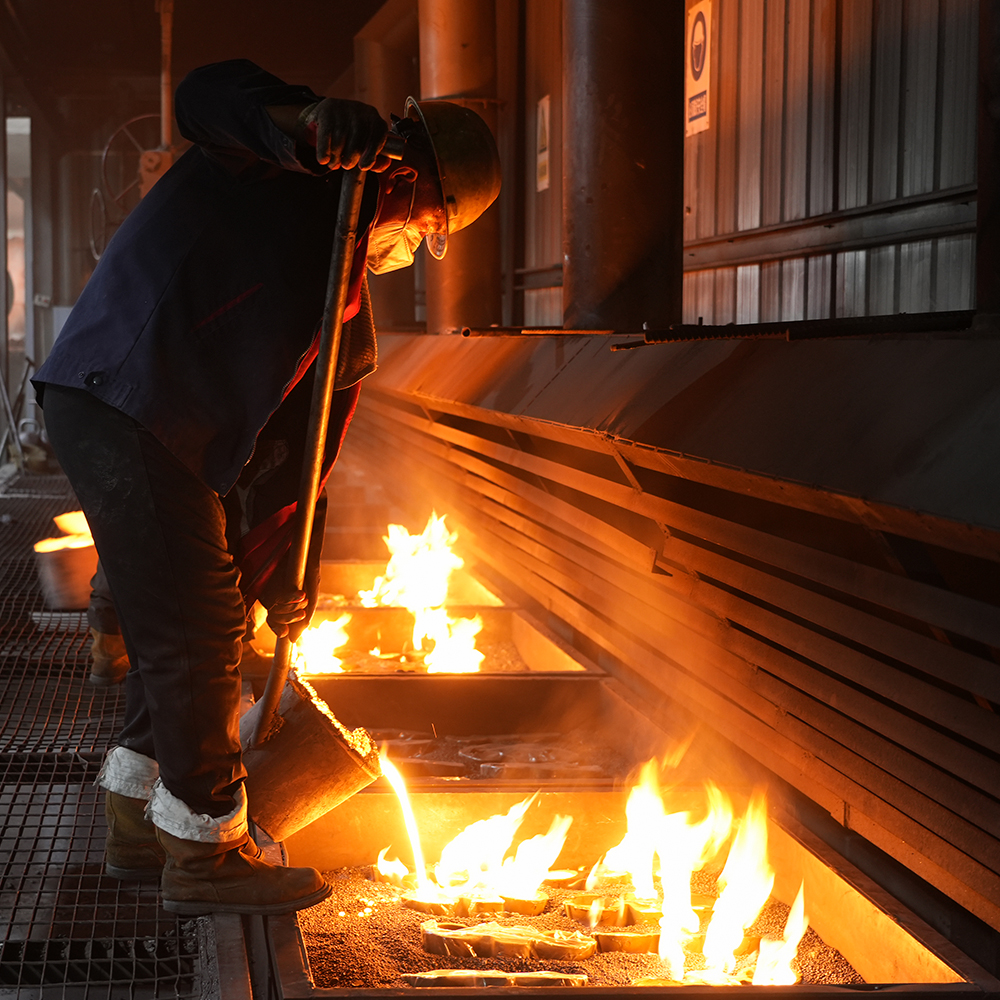
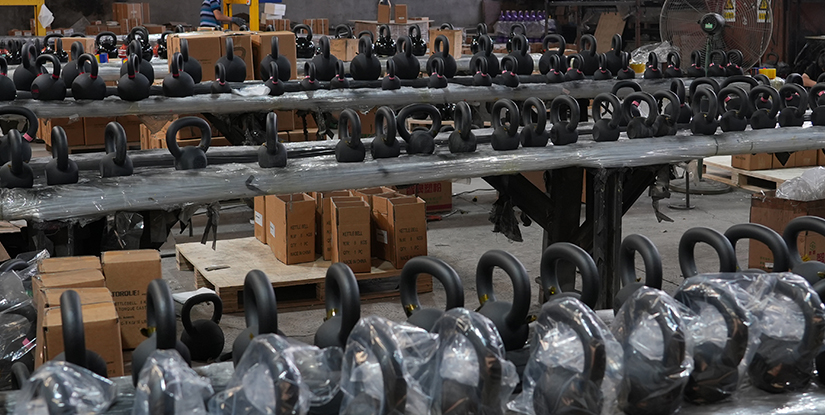
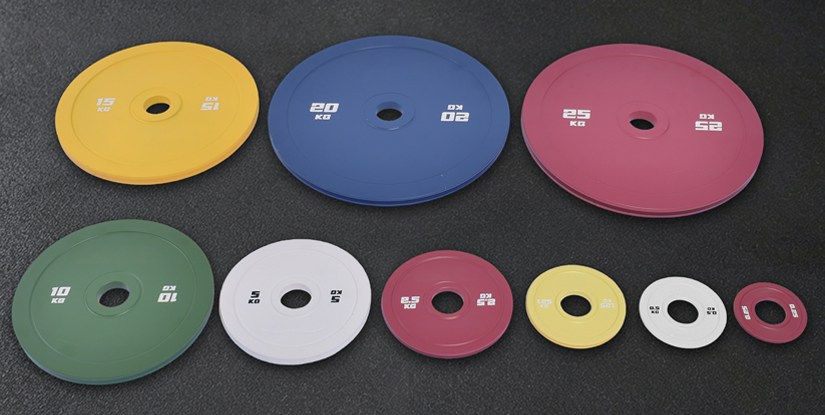
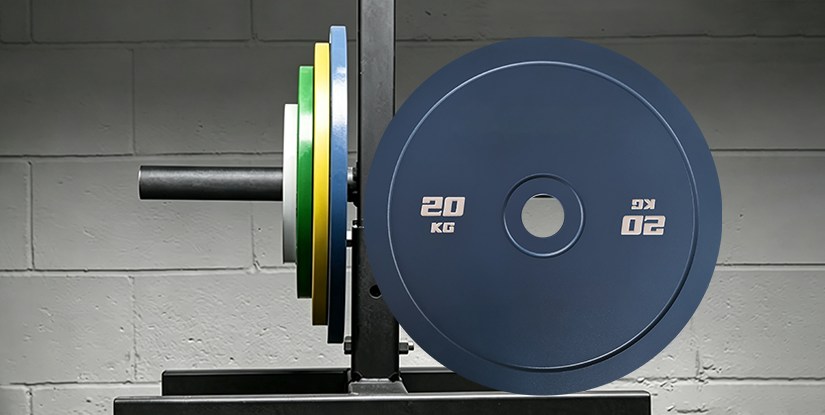
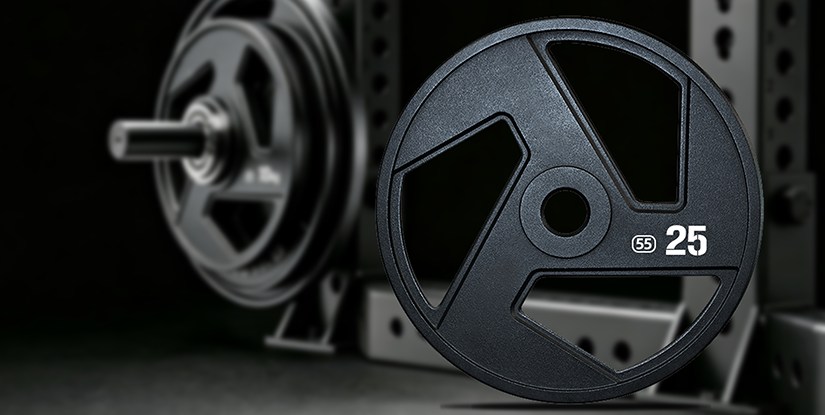
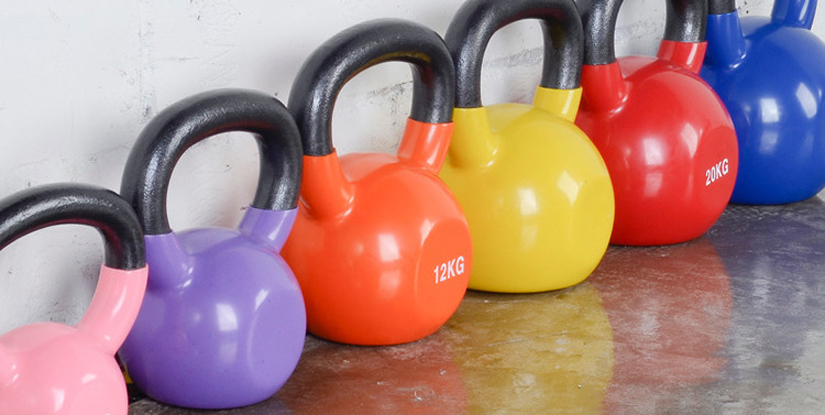
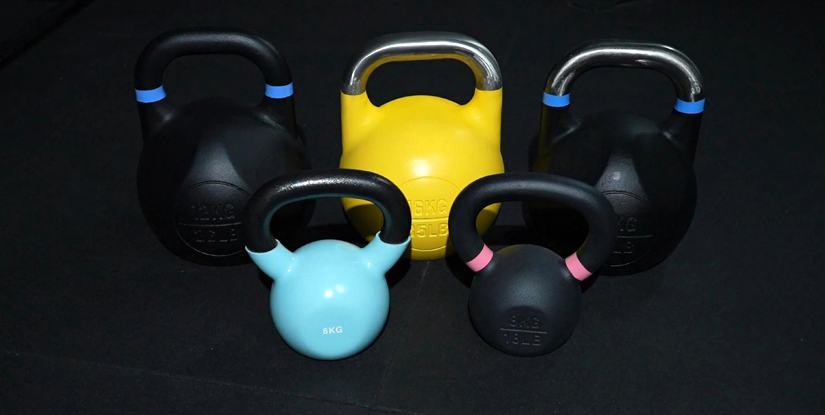
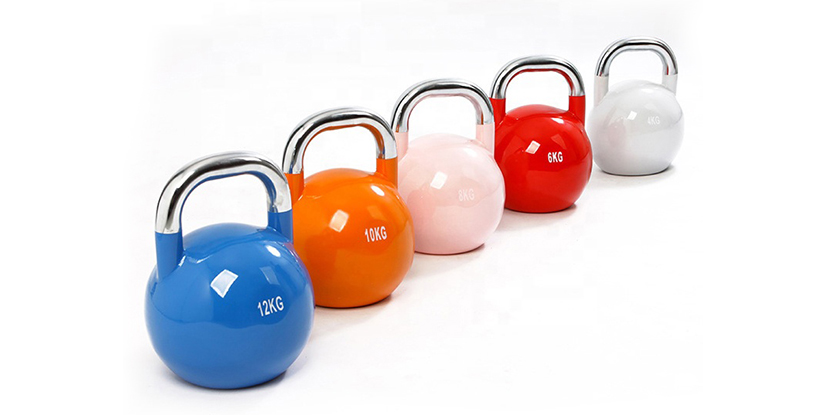
For professional gym owners, global distributors, and fitness brand developers, the challenge of scaling a facility or a product line often hinges on one critical decision: how to identify and vet reliable fitness product manufacturers. The market is saturated with options, ranging from small-scale workshops to massive industrial complexes, making it difficult to distinguish between a simple trading company and a true factory-direct source capable of handling complex OEM/ODM requirements. This guide is designed to assist procurement professionals in navigating these complexities. Whether you are looking to source high-durability strength equipment, high-performance cardio machines, or customized resistance gear, understanding the operational depth of your supplier is essential for long-term asset stability. We focus on the structural and logistical realities of the industry to help you move beyond basic product specifications toward a comprehensive procurement strategy. In the following sections, we will address the core pillars of professional sourcing, including: By understanding these professional dimensions, buyers can mitigate risks related to mechanical failure, inconsistent lead times, and brand misalignment, ensuring that their investment in commercial fitness equipment delivers sustained value in a competitive market. When building a commercial facility or launching a private label line, procurement professionals often face a choice between high-end retail brands and direct-from-factory sourcing. To make an informed decision, it is necessary to look beyond the marketing and examine the verifiable technical dimensions that define the actual value of the equipment. The following comparison outlines the structural differences between common market tiers, helping you identify where a fitness product manufacturer provides the most strategic advantage for your specific business model. Understanding these distinctions is vital when evaluating a gym machine manufacturer. While the premium tier offers stability through name recognition, the factory-direct tier offers scalability through technical flexibility. For instance, when sourcing cardio equipment or strength systems, a manufacturer's ability to adjust the motor duty cycle or the frame thickness according to your specific regional usage patterns can be a decisive factor in the long-term total cost of ownership (TCO). A professional procurement strategy does not simply look for the lowest price; it looks for the highest degree of specification control. Whether you are developing a specialized line of resistance bands or a full suite of commercial strength machines, the goal is to align the manufacturer's production capabilities with your brand's quality promises. This alignment ensures that the "factory-direct" solution remains a high-performance alternative rather than a budget compromise. The distinction between a low-cost workshop and a professional fitness product manufacturer lies in the rigor of their operational systems. For procurement specialists, the risk is rarely found in the initial product appearance, but rather in the hidden variables of mechanical tolerance, material traceability, and certification compliance. A failure to vet these deep-level technicalities often leads to high maintenance costs or premature equipment failure in high-traffic commercial environments. A common misconception in B2B sourcing is that lower prices inherently signify lower quality. In reality, professional manufacturers achieve cost optimization through economies of scale and optimized production workflows, not by compromising on core components. When sourcing strength training equipment, the true cost lies in the "hidden" specifications: the gauge of the steel tubing, the quality of the bearing systems, and the durability of the upholstery. A manufacturer that can provide verifiable data on steel density and weld strength is offering a more sustainable value proposition than one that only offers a low per-unit price. To move beyond superficial assessments, buyers should implement a multi-dimensional vetting framework. This goes beyond asking for a catalog and involves investigating the manufacturer's actual production capabilities and compliance history. Key areas to scrutinize include: One of the most frequent errors in global procurement is the "spec-gap" error—where a buyer assumes a product meets a certain standard based on a description, without verifying the underlying technical execution. For example, when sourcing resistance bands or weightlifting gear, the difference between "commercial-grade" and "fitness-grade" is often found in the tension consistency and the chemical composition of the materials. Relying on a precision tolerance standard rather than a vague marketing claim is the only way to ensure long-term reliability. Furthermore, many buyers overlook the importance of the "lead-time buffer." A manufacturer might promise a rapid turnaround, but without a robust supply chain for raw materials and specialized components (like high-duty cycle motors for cardio gear), these promises often fail during peak seasons. A professional manufacturer will provide a realistic timeline that accounts for production cycles, testing phases, and international shipping logistics. In the modern fitness procurement landscape, the ability to source "brand-equivalent" solutions has become a cornerstone for distributors and gym chains looking to optimize their capital expenditure. This does not imply a compromise in quality, but rather a strategic shift toward identifying manufacturers who can align specific technical benchmarks with the performance levels of premium retail brands. By focusing on verifiable metrics rather than brand prestige, buyers can secure high-performance assets at a more sustainable cost structure. To successfully implement a brand-equivalent strategy, procurement professionals must define the exact parameters that differentiate a top-tier product from a standard one. When sourcing commercial-grade strength or cardio equipment, the comparison should be based on measurable indicators. A professional fitness product manufacturer can match the performance of higher-priced retail options by focusing on the following critical alignment points: For companies looking to expand their own product lines, engaging with a manufacturer's OEM/ODM division requires a deep understanding of the production-to-compliance pipeline. Professional manufacturing facilities that serve international brands operate under strict operational boundaries to ensure both product excellence and intellectual property security. The process is structured around several non-negotiable stages: The workflow typically begins with a rigorous technical consultation and the development of high-fidelity 3D models or technical drawings. This is followed by a dedicated prototyping phase, where a single-unit sample is produced to undergo physical testing and aesthetic sign-off. Only after the client approves the prototype and the manufacturer verifies that the design meets all safety and mechanical specifications does the project move into mass production. During this phase, the factory maintains strict control over the production line, ensuring that every SKU adheres to the approved quality control (QC) plan and that all branding elements—such as logo placement and custom packaging—are executed with precision. This level of professional management ensures that the final delivery is a seamless extension of the client's brand identity. The true value of a professional fitness product manufacturer is best demonstrated through the resolution of complex, multi-dimensional procurement challenges. Moving beyond simple order-taking, a high-tier factory acts as a technical partner capable of navigating constraints involving regional certifications, strict branding requirements, and rigorous logistics timelines. The following anonymous case studies illustrate how customized solutions are engineered to meet specific commercial demands. A growing fitness equipment distributor in Southeast Asia sought to launch a proprietary line of high-intensity strength training gear. Their primary objective was to offer a "premium-tier" aesthetic and mechanical feel, but they faced a significant constraint: a strict six-month window to achieve local safety compliance and market entry. The client's requirement included specific heavy-duty frame gauges and a unique matte-finish color palette to differentiate themselves from entry-level competitors. The manufacturer responded by initiating an accelerated R&D phase. Instead of using off-the-shelf designs, the engineering team developed customized technical drawings that optimized the use of 11-gauge steel while maintaining a streamlined assembly process. To address the branding needs, the factory provided high-fidelity 3D renders for color sign-off and produced a specialized prototype that underwent rigorous stress testing. By integrating the certification-required documentation into the initial production planning, the factory ensured that all mechanical tolerances and material reports were ready for the client's regulatory submission. The result was a successful, on-time launch of a high-margin product line that met all regional safety standards without compromising on the brand'_s premium positioning. An international commercial gym chain required a synchronized rollout of multi-gym systems and cardio equipment across several new regional hubs. The project was complicated by two major constraints: highly varied shipping container volumes and a requirement for "plug-and-play" installation to minimize on-site labor costs. The client needed to ensure that the heavy-duty components would arrive without structural damage and that the assembly process would be standardized across different technical teams. The manufacturing partner developed a customized logistics and assembly solution. This involved designing reinforced, export-standard packaging specifically engineered for the unique dimensions of the multi-gym components, reducing the risk of impact damage during sea freight. To address the installation constraint, the factory produced highly detailed, step-by-step assembly manuals and provided pre-assembled sub-sections for the most complex mechanical parts. Furthermore, the factory implemented a specialized QC protocol that included a final "pre-shipment assembly check" to ensure every bolt and bearing was perfectly aligned before the units were crated. This comprehensive approach enabled the gym chain to complete their facility openings on schedule, with minimal technical friction during the deployment phase. Transitioning from a successful technical design to a full-scale commercial rollout requires a disciplined approach to the operational and logistical phases of procurement. For professional buyers, managing the transition from a single approved prototype to high-volume production involves navigating specific commercial thresholds, such as Minimum Order Quantities (MOQ), lead-time buffers, and international shipping compliance. A professional fitness product manufacturer provides a structured framework to manage these variables, ensuring that the final delivery aligns with the initial purchase order (PO) specifications. Engaging with a specialized factory involves several critical touchpoints that define the timeline and cost structure of a project. Understanding these stages allows procurement teams to set realistic expectations with their internal stakeholders and end-clients: For heavy-duty equipment such as multi-gym systems or large-scale strength machines, the logistics phase is as critical as the production phase. The risk of structural deformation or cosmetic damage during sea freight is high if the packaging is not engineered for the specific product geometry. Professional manufacturers offer several specialized shipping solutions to mitigate these risks: Standard export-grade packaging typically includes reinforced corrugated cardboard and protective corner buffers. However, for high-value or high-mass items, customized solutions—such as heavy-duty wooden crates or specialized palletized shipping—are often required to ensure stability within a sea container. Furthermore, a reliable manufacturer will provide detailed packing lists and dimensional data (weight and volume) well in advance, enabling distributors to optimize their container loading plans and manage landed cost calculations accurately. The final stage of the procurement process involves verifying that the bulk shipment matches the approved sample and the technical documentation. This includes checking that all branding, such as logo placement on weight stacks or cardio consoles, is executed according to the approved design. For products requiring specific certifications, the manufacturer must provide the necessary compliance reports and documentation to facilitate smooth customs clearance in the destination country. By managing these final checkpoints, the manufacturer ensures that the transition from the factory floor to the commercial facility is seamless and professional. Securing a reliable partnership with fitness product manufacturers requires more than a simple price comparison. To ensure that your commercial gym equipment or private label line meets the rigorous demands of the global market, procurement teams should utilize a systematic approach to final vetting and ongoing management. The following action items serve as a final verification framework before committing to large-scale production or international shipping. By implementing these rigorous checkpoints, distributors and gym owners can transition from reactive purchasing to proactive supply chain management. This disciplined approach ensures that your investment in high-durability fitness gear provides sustained operational value and supports the long-term growth of your fitness brand or facility.Navigating the Global Landscape of Fitness Product Manufacturers
Comparative Analysis: Procurement Models and Equipment Standards
Procurement Dimension Premium Retail Tier (Brand-Focused) Factory-Direct OEM Tier (Performance-Focused) Core Value Proposition High brand recognition and premium showroom experience. Optimized cost-to-performance ratio and high customization. Material & Build Specs Standardized high-grade steel with established branding. Customizable gauge and alloy density based on specific load requirements. Customization Capability Limited to standard color palettes and pre-set logos. Full control over aesthetics, mechanical adjustments, and unique branding. Supply Chain Control High reliance on distributor-managed inventory and lead times. Direct engagement with production schedules and raw material sourcing. Cost Structure Significant markup for brand equity and retail overhead. Direct factory-to-client pricing with optimized B2B margins. Primary Target Audience End-user consumers and luxury fitness boutiques. Global distributors, gym chains, and private label brands. Critical Benchmarks for Evaluating High-Performance Manufacturers
The Logic of Quality and Cost Control
Vetting the Production and Compliance Framework
Avoiding Common Procurement Pitfalls
Strategic Alignment: High-End Brand Equivalents and OEM Capabilities
Achieving High-Performance Benchmarks
The Rigor of Professional OEM and ODM Services
Applied Expertise: Real-World Sourcing and Customization Scenarios
Scenario 1: Scaling a Private Label Strength Line Under Tight Certification Windows
Scenario 2: Managing Complex Logistics for a Multi-Gym System Rollout
Operational Execution: MOQ, Sampling, and Global Logistics
Standardized B2B Engagement Protocols
Packaging and International Shipping Logistics
Ensuring Compliance and Final Delivery
Strategic Checklist for Long-Term Procurement Success