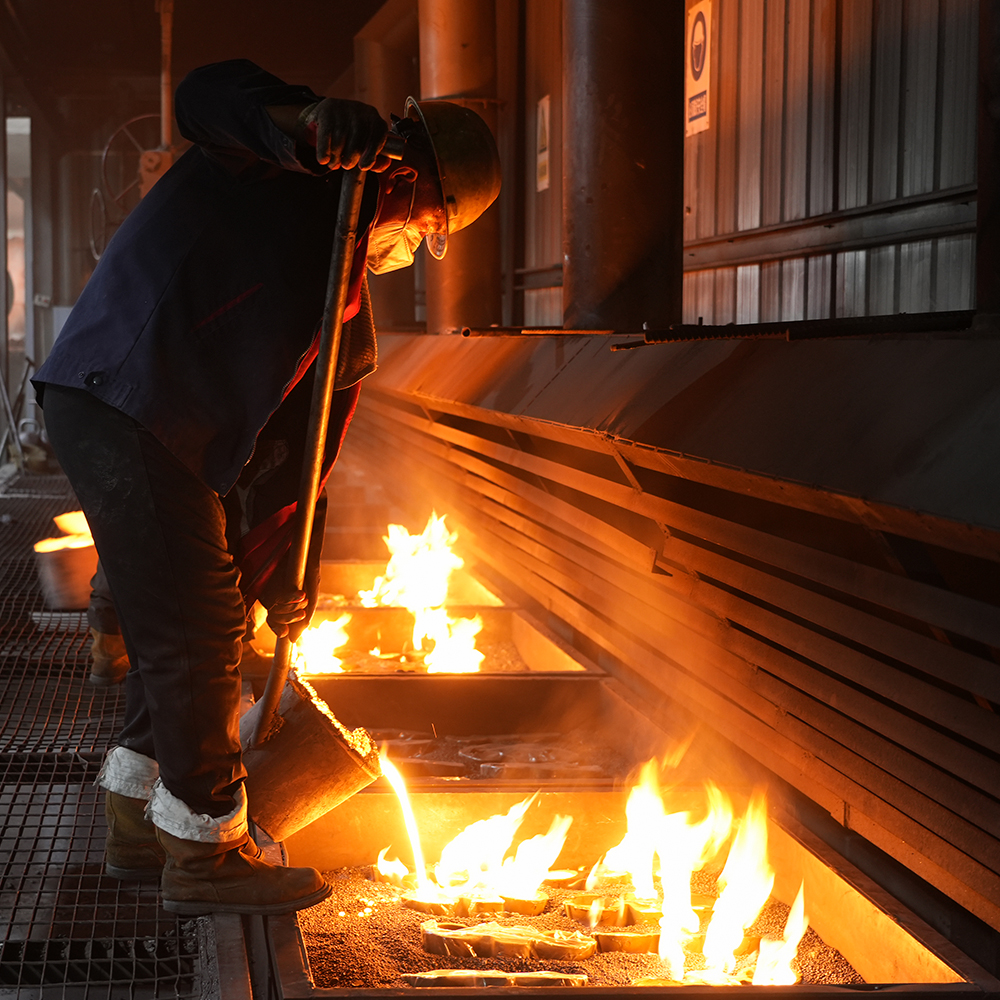
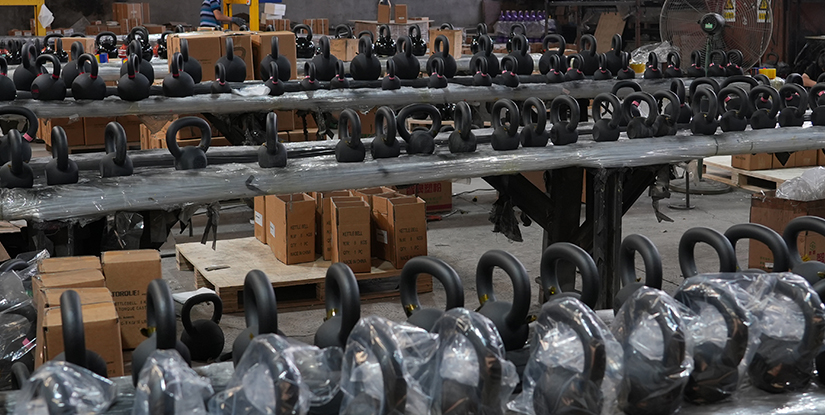
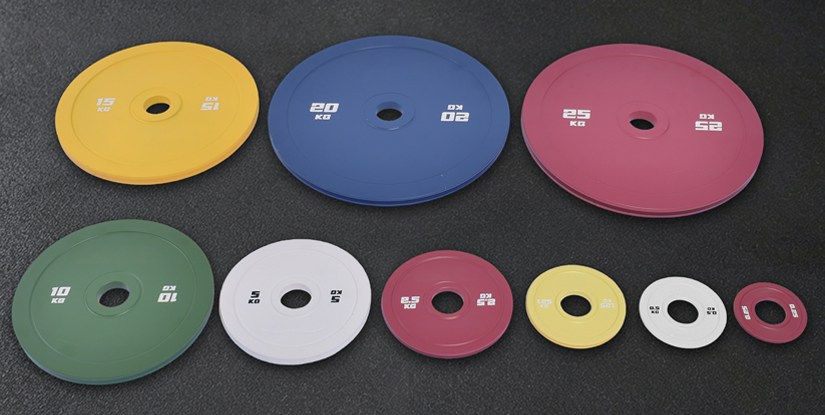
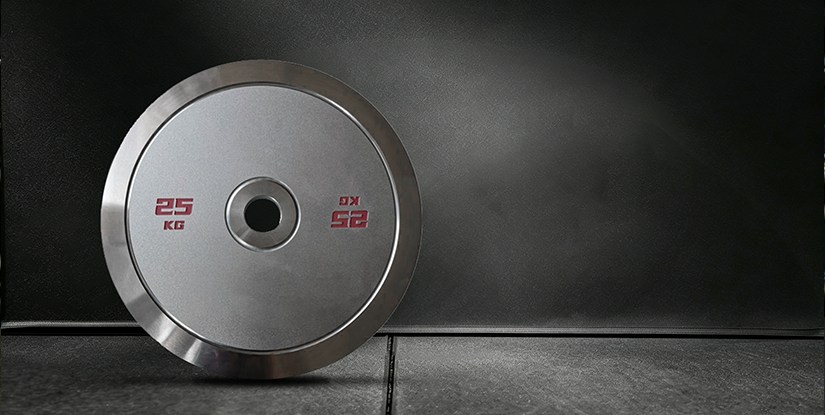
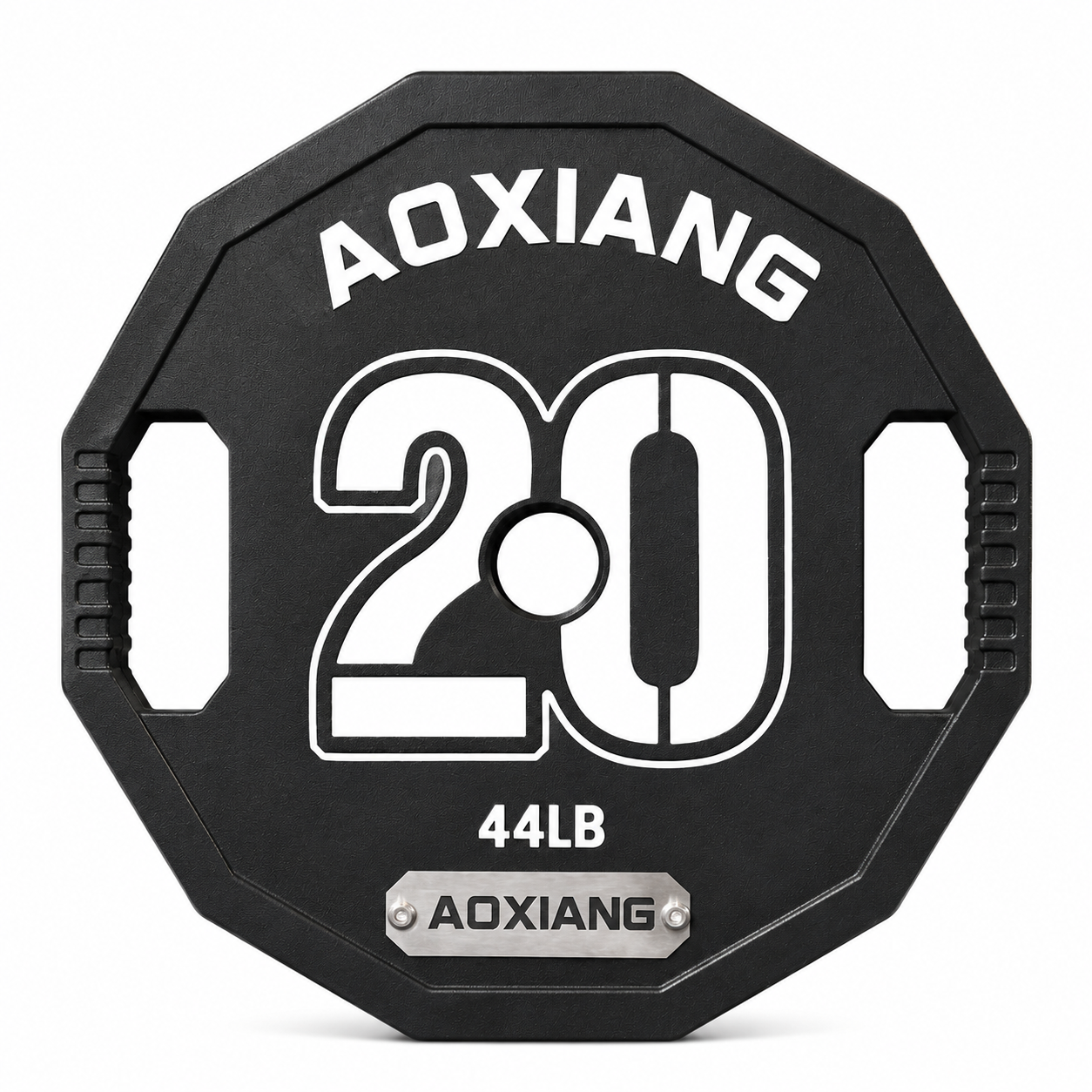
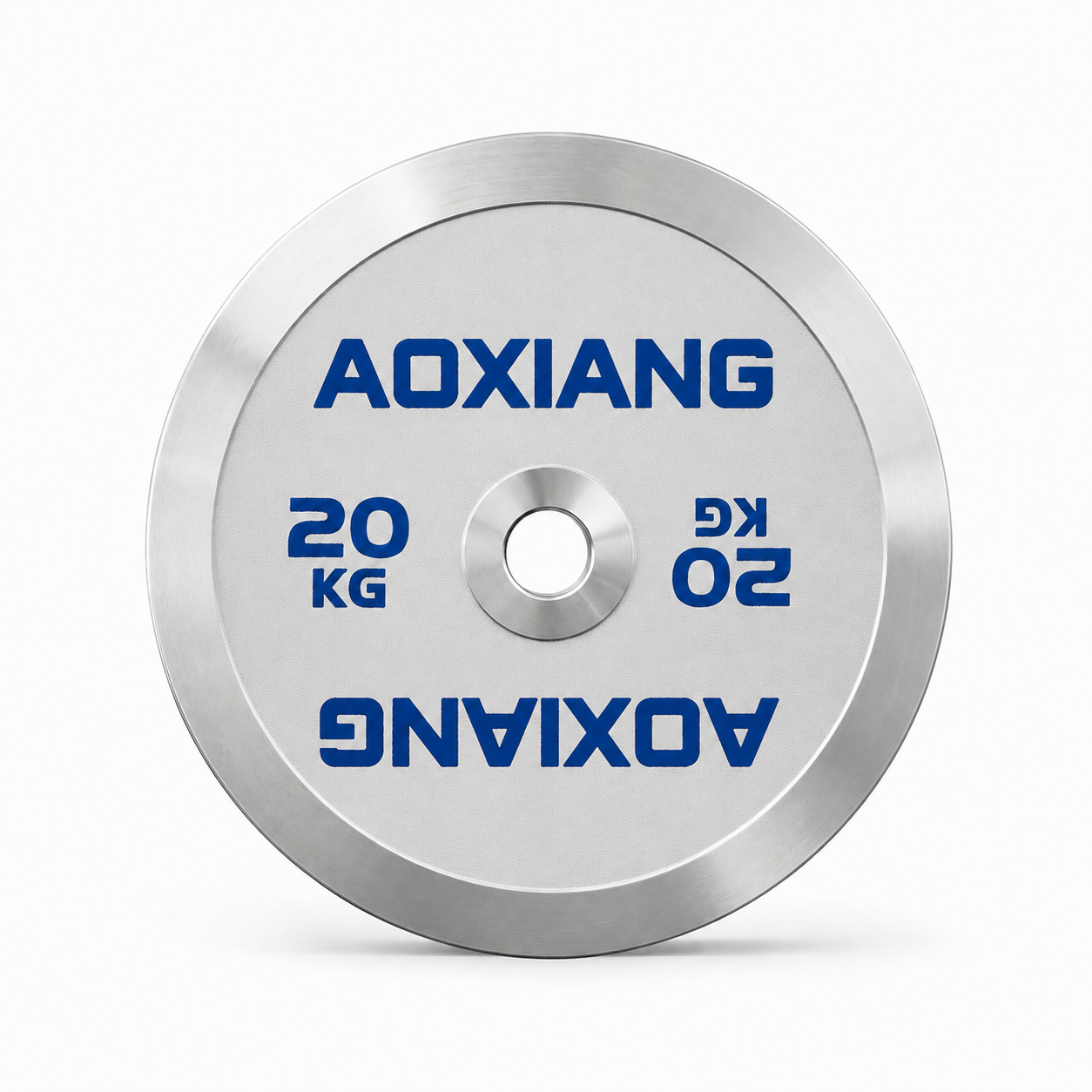
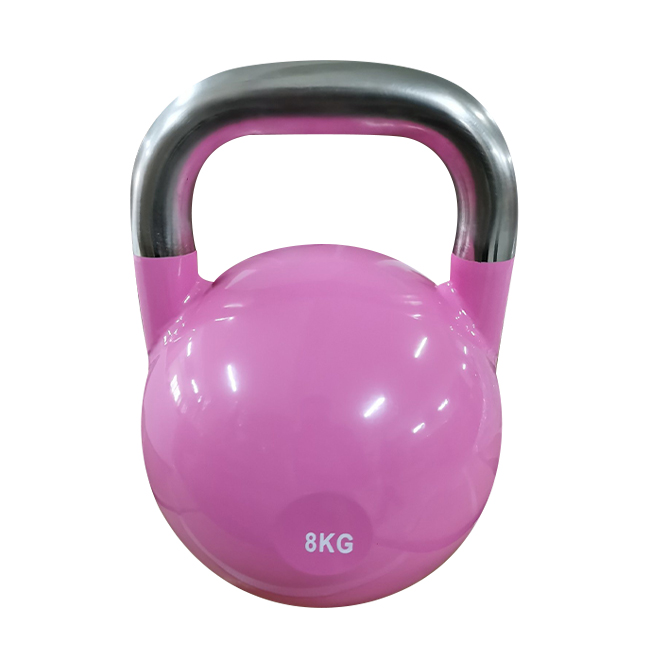
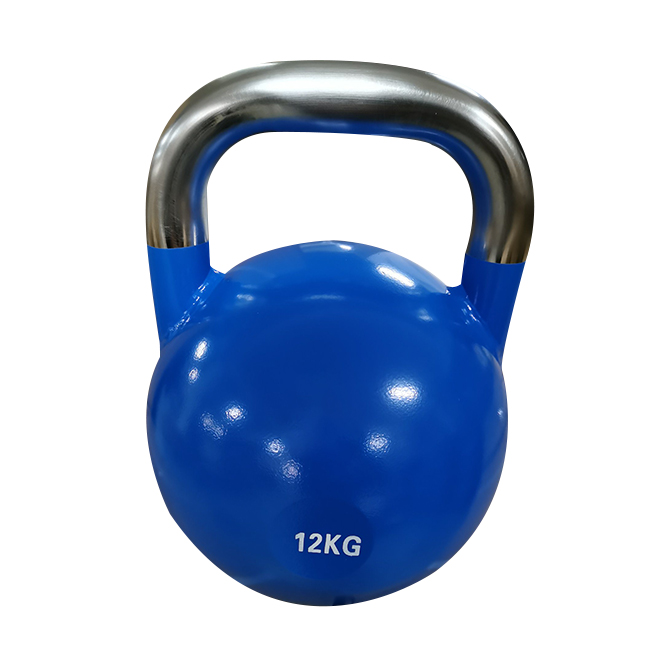
For fitness facility owners, regional distributors, and global fitness brands, the procurement phase is often the most critical juncture in establishing a competitive edge. The challenge is not merely finding a supplier, but identifying professional commercial exercise equipment manufacturers that can balance high-durability specifications with cost-effective scalability. Whether you are equipping a boutique studio, a large-scale commercial gym chain, or launching a private label brand, the complexity of sourcing strength and cardio gear requires a deep understanding of manufacturing capabilities and supply chain reliability. This guide is designed for B2B professionals who need to move beyond superficial product catalogs to understand the structural realities of the industry. We address the core dilemmas faced during large-scale procurement: how to verify mechanical precision, how to manage the transition from OEM prototyping to mass production, and how to secure equipment that meets international safety standards without the prohibitive markup of premium retail brands. By focusing on the technical and operational aspects of manufacturing, we provide a framework for making informed decisions that protect your long-term investment. The scope of modern fitness procurement extends far beyond simple weightlifting gear. A comprehensive sourcing strategy must now account for a diverse range of specialized equipment, including: Understanding the distinction between a simple trading company and a dedicated gym machine manufacturer is essential. True manufacturers possess the internal control over steel gauge selection, welding precision, and component testing that ensures a machine survives years of high-frequency usage in a commercial setting. This distinction becomes particularly visible when evaluating the long-term total cost of ownership versus the initial purchase price. When building a commercial fitness facility or a distribution network, the decision-making process often centers on the trade-off between brand prestige and operational cost-efficiency. To make an informed procurement decision, it is necessary to look beyond marketing collateral and focus on verifiable technical specifications. The following comparison outlines how different sourcing models—ranging from premium retail brands to direct factory procurement—impact your facility's long-term performance and budget. Understanding these distinctions helps procurement managers identify where to invest in "prestige" and where to leverage "direct-to-factory" advantages for better margins. For instance, while premium retail tiers offer high brand recognition, direct-to-factory models provide significantly better control over customization and the ability to scale without the brand-name markup. For many B2B buyers, the "Direct Factory/OEM Tier" represents a strategic sweet spot. By working directly with specialized commercial exercise equipment manufacturers, businesses can achieve a level of technical parity with mainstream brands while maintaining a much more competitive price point. This approach is particularly effective for distributors looking to launch their own branded lines or for gym owners who require high-durability strength and cardio gear tailored to a specific space or aesthetic requirement. A key metric in this comparison is the "Total Cost of Ownership" (TCO). While a premium brand might offer a sense of security, a direct manufacturer specializing in high-traffic equipment can provide comparable durability—measured by frame thickness, bearing quality, and upholstery resilience—at a fraction of the long-term cost. This allows for more efficient capital allocation when scaling multiple locations or expanding product catalogs. Successful procurement of commercial-grade gear requires moving beyond visual inspections to a rigorous evaluation of mechanical integrity. A common mistake in B2B sourcing is prioritizing the aesthetic finish of a machine while overlooking the structural tolerances that dictate its lifespan. In a high-traffic environment, even a 1mm deviation in a load-bearing weld or a slight misalignment in a pulley system can lead to catastrophic failure or premature wear, significantly increasing maintenance costs. The durability of strength training equipment is primarily determined by the steel gauge and the precision of the welding process. Professional manufacturers do not just use "heavy steel"; they provide specific technical data regarding the wall thickness of the tubing (e.g., 3mm vs. 2mm) and the grade of the steel used. When auditing a facility, procurement managers should look for evidence of automated welding or high-precision robotic welding, which ensures consistent bead depth and strength across every joint. A lack of standardized welding documentation is often a red flag indicating a lower-tier production line that may struggle with long-term structural stability. For cardio equipment like rowing machines and cycles, the focus shifts to the endurance of moving components. The quality of bearings, drive belts, and electronic control units (ECUs) determines the smoothness of the user experience and the frequency of technical downtime. A high-quality manufacturer will implement a "duty cycle" test, simulating thousands of hours of continuous use to ensure that components like the flywheel or the resistance motor do not overheat or degrade under load. In the context of resistance bands or weightlifting gear, the focus must remain on material elasticity and tensile strength consistency to prevent unexpected snapping or weight fluctuations. A common pitfall in the procurement cycle is failing to account for the "hidden" time required for compliance and customization. While a factory might quote a short production lead time, this often excludes the time needed for QC (Quality Control) sign-offs, export packaging, and international shipping documentation. Professional manufacturers integrate these phases into their project management. Furthermore, sourcing for global distribution requires strict adherence to international safety standards (such as ISO or CE). A manufacturer that can provide a full audit trail—from raw material testing to the final assembly inspection—is a much safer partner than one that only offers a finished product without process transparency. To avoid the trap of "low initial cost, high maintenance," buyers should utilize a decision-making framework that weighs the following three pillars: Material Specification (verifiable gauge and grade), Mechanical Tolerance (precision of moving parts), and Operational Transparency (documentation and certification). This approach shifts the focus from a simple transaction to a strategic partnership with a manufacturer capable of supporting long-term facility growth. In the modern fitness market, the distinction between "premium retail brands" and "direct-to-factory solutions" is increasingly defined by technical transparency rather than just marketing budgets. Many procurement professionals seek high-performance alternatives that can match the mechanical standards of top-tier brands while optimizing the capital expenditure of a project. Achieving this level of parity requires a manufacturer that understands how to translate high-end specifications into scalable production realities. When sourcing an alternative to a high-priced retail model, the focus must remain on verifiable, comparable metrics. A high-performance "factory-direct" solution is not a low-quality imitation, but rather a optimized version of a standard high-end design. To ensure quality alignment, buyers should compare the following critical indicators: For businesses looking to establish their own brand identity, the transition from a concept to a finished product requires a manufacturer with a sophisticated OEM (Original Equipment Manufacturer) workflow. High-tier production lines are designed to serve the rigorous demands of international orders, where consistency is the primary benchmark of success. This process is governed by strict protocols that protect both the product integrity and the client's intellectual property. A professional OEM workflow typically follows a structured progression: from initial design consultation and technical drawing verification to the creation of a functional prototype. Once a sample is approved, the production moves into a controlled mass-manufacturing phase. During this stage, the factory maintains high-level compliance with international standards, utilizing standardized quality control (QC) checkpoints at every critical juncture—including raw material incoming inspection, mid-process welding/assembly checks, and final load-testing. This disciplined approach ensures that every unit in a bulk shipment maintains the same high-standard finish and mechanical precision, regardless of the total volume. By adhering to these professional boundaries and documentation requirements, manufacturers provide a reliable foundation for brands to scale their presence in the global fitness market. The true value of a specialized manufacturer is best demonstrated through the resolution of complex, real-world procurement challenges. Unlike standard off-the-shelf transactions, professional B2B partnerships often involve navigating specific constraints related to branding, regional compliance, and logistical efficiency. The following anonymous case studies illustrate how a manufacturer's ability to provide tailored solutions can directly impact a client's business success. A regional fitness distributor in Southeast Asia aimed to launch a private-label line of functional training accessories to differentiate themselves from low-cost generic competitors. Their primary requirement was a high-quality, custom-branded resistance band and weightlifting belt collection that could pass rigorous quality checks for their premium gym clients. The key constraints were a strict requirement for consistent colorway matching across different product types and a need for high-durertion, non-slip textures that would not degrade under high humidity. The manufacturer responded by moving beyond a standard catalog offering. They developed a customized production plan that included a specific material blend for the resistance bands to ensure consistent elasticity and a specialized coating for the belts to improve grip. A multi-stage sampling process was initiated, where the distributor reviewed three distinct versions of the product—focusing on color precision, texture, and logo embossing—before bulk production began. By implementing a strict batch-testing protocol for tensile strength and colorfastness, the factory ensured that the final shipment met the distributor's high brand standards. The result was a successful product launch that allowed the distributor to establish a premium identity in their local market with high customer satisfaction. An expanding commercial gym chain in Europe required a complete overhaul of their strength and cardio sections across twelve new locations. The client faced a dual challenge: they needed a highly cohesive aesthetic across all machines to maintain brand identity, and they had a very tight 90-day window for delivery and installation across multiple international sites. The procurement budget was optimized, requiring a balance between high-end visual appeal and cost-effective manufacturing. The manufacturer provided a comprehensive OEM solution that addressed both the aesthetic and logistical constraints. First, a custom color scheme was developed, utilizing high-durability powder coating that matched the client's brand guidelines. To manage the tight timeline, the manufacturer utilized a phased production schedule, prioritizing the most critical strength machines first to allow for early installation. Simultaneously, the logistics team optimized the container loading plan, using reinforced, export-standard packaging to minimize the risk of damage during transit and to maximize space efficiency. By providing detailed assembly documentation and pre-verified component lists, the factory helped the client's on-site teams complete the installation ahead of schedule. The project was completed within the 90-day window, providing the gym chain with a professional, branded environment that met their rigorous operational standards. These scenarios highlight that professional manufacturing is not just about producing hardware; it is about providing a strategic service that addresses the specific operational, branding, and logistical needs of the client. Whether the goal is brand differentiation or rapid scaling, the ability to deliver customized, high-quality solutions is what defines a successful partnership in the commercial fitness industry. Moving from a theoretical sourcing plan to an active procurement cycle requires a clear understanding of the operational protocols that govern professional B2B relationships. Successful commercial exercise equipment manufacturers operate with a structured framework designed to mitigate risk for the buyer, ensuring that every stage—from the initial purchase order (PO) to final container loading—is predictable and verifiable. For distributors and gym owners, clarity on these practicalities is just as important as the technical specifications of the machines themselves. A common concern in B2B procurement is the Minimum Order Quantity (MOQ). While standard stock items may have lower thresholds, customized OEM orders typically require a higher volume to justify the setup costs for specialized tooling, paint colors, or branded components. Professional manufacturers provide clear MOQ tiers to help clients plan their inventory scaling. The prototyping stage is a non-negotiary step for any customized project. A typical sampling cycle involves several key milestones: To ensure that the bulk production maintains the integrity of the approved sample, professional manufacturers implement a multi-layered Quality Control (QC) system. Buyers should integrate specific inspection nodes into their procurement timeline. This includes raw material testing (verifying steel gauge and grade), in-process inspections (checking welding consistency and paint thickness), and final load-testing (simulating high-frequency use on weight stacks and cardio motors). For large-scale international orders, many clients opt for third-party factory audits or on-site inspections to verify that the production line is adhering to the agreed-upon ISO or safety standards before the goods are cleared for shipment. Shipping heavy, high-precision equipment across international borders presents unique logistical challenges. The risk of damage during transit—whether from vibration, moisture, or impact—can negate the cost-savings of direct sourcing. A professional manufacturer treats packaging as a critical component of the product itself. Standard export protocols include: By aligning on these operational details early in the negotiation phase, procurement professionals can ensure a smooth transition from the factory floor to the final installation site, minimizing the potential for delays, damage, or unexpected technical issues during the setup of a new commercial facility. Establishing a long-term partnership with commercial exercise equipment manufacturers requires a proactive approach to verification and technical alignment. Rather than relying on general assurances, professional buyers should implement a structured verification process before finalizing any large-scale purchase orders. The following actionable points serve as a final framework for ensuring your facility or distribution network receives equipment that meets both your operational and branding standards. By focusing on these measurable technical and operational benchmarks, procurement professionals can successfully navigate the complexities of the global fitness supply chain. This rigorous approach ensures that the transition from sourcing to facility installation is seamless, providing a high-performance foundation for long-term commercial growth.Comparative Analysis: Sourcing Models and Procurement Value
Procurement Dimension Premium Retail Tier Mainstream Brand Tier Direct Factory/OEM Tier Core Value Proposition Brand prestige and high market recognition Reliable performance and established reputation High durability and optimized cost-efficiency Customization Depth Limited to standard color/logo options Moderate customization for large contracts Deep OEM/ODM (bespoke specs and branding) Material Standards High-grade steel and certified components Standard commercial-grade materials Verifiable steel gauge and precision welding Price Structure High premium (brand markup included) Mid-range (standardized pricing) Direct factory pricing (optimized for B2B) Typical Client Base Luxury boutique studios and high-end clubs Franchise gym chains and large distributors Private labels, gym owners, and wholesalers Supply Chain Control Low (dependent on brand distributors) Moderate (controlled by brand HQ) High (direct control over production and QC) Technical Benchmarks: Deep-Dive into Manufacturing Rigor and Quality Control
Structural Integrity and Material Verification
Mechanical Precision in Cardio and Resistance Systems
The Logic of Lead Times and Compliance
Bridging the Gap: High-Performance Alternatives and OEM Capabilities
Aligning Specifications for High-Value Alternatives
Professional OEM and ODM Manufacturing Standards
Case Studies in Strategic Procurement and Custom Solutions
Scenario 1: Branding and Product Differentiation for a Regional Distributor
Scenario 2: Scaling a Commercial Gym Chain via Optimized Logistics and OEM Specs
Operationalizing the Partnership: MOQ, Sampling, and Logistics Execution
Managing Order Volume and Prototyping Cycles
Quality Control and On-Site Inspection Protocols
Export Packaging and Global Logistics Optimization
Strategic Checklist for Commercial Procurement Success