China Manufacturer

commercial exercise equipment - China Factory,Supplier,Manufacturer

Navigating the Landscape of Commercial Exercise Equipment Brands and Sourcing Channels

For gym owners, fitness distributors, and global brand managers, the decision-making process regarding equipment procurement often hinges on a single critical question: should we invest in high-premium established brands or pivot toward direct factory-sourced solutions? Navigating the complex world of commercial exercise equipment brands requires more than a cursory look at a catalog; it demands a deep understanding of the structural, mechanical, and logistical differences between tier-one retail brands and specialized manufacturing partners.

This guide is designed for B2B professionals who must balance capital expenditure with long-term operational durability. Whether you are scaling a boutique studio, managing a regional gym chain, or developing a private label line, the primary challenge remains the same: securing high-performance strength and cardio gear that meets rigorous commercial standards without the prohibitive markup of traditional brand-name premiums. We will address the nuances of sourcing across several key dimensions:

  • Brand Identity vs. Functional Performance: Understanding how to match technical specifications (such as frame gauge and motor duty cycles) to actual training requirements.
  • The OEM and ODM Landscape: How to leverage specialized manufacturers to build unique product lines that carry your own brand identity.
  • Procurement Risk Management: Identifying the critical checkpoints in the manufacturing process to ensure consistent quality across large-scale orders.
  • Cost-Efficiency Strategies: Moving beyond simple price-per-unit comparisons to evaluate the true total cost of ownership in a commercial environment.

By shifting the focus from "who is the most famous brand" to "which manufacturer provides the required technical compliance," procurement specialists can build more resilient and profitable fitness enterprises. This article explores the strategic advantages of working directly with the source, providing the frameworks necessary to vet suppliers and implement high-standard customization protocols.
Evaluating Procurement Models: Premium Retail Brands vs. Direct Factory Solutions

To make an informed decision, procurement managers must look beyond the marketing narrative of established commercial exercise equipment brands and focus on verifiable technical benchmarks. The primary difference between a high-premium retail brand and a direct factory-to-client model often lies in the overhead costs associated with global marketing, retail distribution networks, and brand-name premiums rather than the fundamental mechanical quality of the machines themselves.

The following comparison table provides a framework for evaluating these different sourcing paths based on critical operational dimensions. This is intended to help distributors and gym owners determine which model aligns best with their current business scale and long-term expansion goals.

Procurement DimensionPremium Retail Brand ModelDirect Factory/OEM ModelStrategic Impact for B2B Buyers
Primary Value DriverBrand recognition and global service networks.Technical specification control and cost-efficiency.Determines whether you pay for a name or a spec.
Customization DepthLimited to standard catalog options and colors.High: deep integration of OEM/ODM and branding.Crucial for building unique private label lines.
Cost StructureHigh markup due to multi-tier distribution.Optimized via direct manufacturer-to-buyer.Directly affects your facility's ROI and margins.
Technical ControlReliance on brand-standardized specifications.Direct input on steel gauge, bearings, and motors.Allows for "brand-level" performance at lower costs.
Lead Time & MOQOften faster for stock; high MOQs for custom.Variable; requires structured production planning.Requires better inventory forecasting and planning.
Typical Use CaseStandardized boutique or high-end studio setups.Scaling gym chains, distributors, and brands.Aligns with business growth and scaling strategies.

When selecting a path, it is essential to recognize that the "Direct Factory" model is not merely about finding a lower price, but about gaining control over the product's DNA. For instance, when sourcing gym machine manufacturer solutions, a buyer can specify the exact thickness of the steel tubing or the specific grade of the upholstery to ensure the equipment survives the high-traffic environment of a commercial gym. This level of granular control is often unavailable when purchasing from traditional retail-focused brands.

Deep Dive: Technical Benchmarks and Procurement Decision Frameworks

Successful procurement of commercial-grade fitness gear requires moving past surface-level aesthetics to evaluate the engineering integrity of the equipment. A common mistake among novice gym owners is focusing heavily on the digital console or the brand's social media presence while overlooking the structural components that dictate the product's lifespan. In a high-traffic commercial environment, the durability of a machine is a direct function of its mechanical tolerances and material grades.

The Logic of Cost vs. Durability

The price variance between a premium retail brand and a specialized factory-direct solution is often inflated by non-manufacturing costs such as global advertising, retail showroom maintenance, and extensive dealer margins. However, to ensure you are not sacrificing quality for a lower price, you must implement a rigorous technical verification process. For example, when evaluating strength equipment, the "cost-per-use" is a more critical metric than the initial purchase price. A machine with a 12-gauge steel frame and high-density commercial upholstery will drastically reduce long-term maintenance and replacement costs compared to a cheaper, 16-gauge alternative that may warp or tear under heavy use.

Critical Verification Checkpoints for B2B Buyers

To mitigate risk when sourcing from a commercial gym machine supplier, procurement specialists should utilize a structured vetting framework. Do not rely on verbal assurances; instead, demand documented proof of the following standards:

  • Material Specifications: Request the exact steel gauge (thickness) for frames and the weight of the steel plates used in resistance systems. In the cardio segment, verify the motor's duty cycle to ensure it can handle continuous high-intensity use without overheating.
  • Mechanical Precision: For rowing machines or cycles, inquire about the type of bearings and drive systems (belt vs. chain) used. High-quality commercial machines should exhibit minimal friction and consistent resistance levels.
  • Compliance and Certification: Ensure the manufacturer adheres to recognized safety and quality management systems, such as ISO standards. This is particularly vital for strength training equipment where structural failure can lead to liability issues.
  • Production Transparency: A reliable partner should be able to provide a detailed production timeline, including specific stages for raw material testing, assembly, and final quality control (QC) inspections.

By applying these technical filters, buyers can avoid the "low-cost trap" where initial savings are erased by frequent equipment downtime and high repair costs. The goal is to identify a manufacturing partner that treats technical specifications as a binding contract rather than a suggestion, ensuring that the final product matches the intended commercial performance profile.

Achieving High-End Performance via Strategic OEM and Brand-Tier Alignment

In the global fitness market, the gap between premium retail brands and specialized manufacturing-direct solutions is often narrower than perceived. For many distributors and gym chains, the objective is not to find a "cheaper version," but to source equipment that meets the exact technical benchmarks of high-end tier-one brands while optimizing the procurement budget. This is achieved through a rigorous focus on "comparable specifications" rather than brand-name recognition.

The Logic of High-Performance Alternatives

When procurement teams seek high-value alternatives to premium commercial exercise equipment brands, they must move toward a metric-based evaluation. A "brand-tier" solution can be achieved by ensuring that the fundamental components—the parts that actually touch the user or drive the movement—are of equivalent or superior quality. For example, a high-performance alternative to a premium rowing machine or cycle is defined by:

  • Component Durability: Using high-grade steel tubing (e.g., 11-gauge or 12-gauge) and industrial-grade bearings that match the load-bearing capacity of premium models.
  • Electronic Precision: Implementing high-duty cycle motors and high-resolution consoles that provide the same level of data tracking and user experience found in high-end cardio equipment.
  • Ergonomic Integrity: Utilizing high-density, anti-microbial upholstery and precision-engineered adjustment points that ensure long-term comfort and safety.

By focusing on these verifiable benchmarks, buyers can secure equipment that delivers the same professional training experience while significantly reducing the total cost of ownership.

Professional OEM/ODM and Production Standards

For companies looking to develop their own proprietary product lines, working with a specialized fitness machine manufacturer offers a pathway to scale through professional OEM/ODM services. A high-standard production facility does not just "make machines"; it operates within a strict framework of technical compliance and intellectual property protection. The process typically follows a structured workflow designed to meet the requirements of international brands and large-scale distributors:

  1. Technical Requirement & Concept Phase: The manufacturer works with the client's design or engineering team to define the mechanical architecture, material grades, and aesthetic direction.
  2. Prototyping and Sample Approval: A physical sample or functional prototype is produced. This stage is critical for verifying tolerances, resistance curves, and branding integration (such as logo placement and color matching) before any mass production begins.
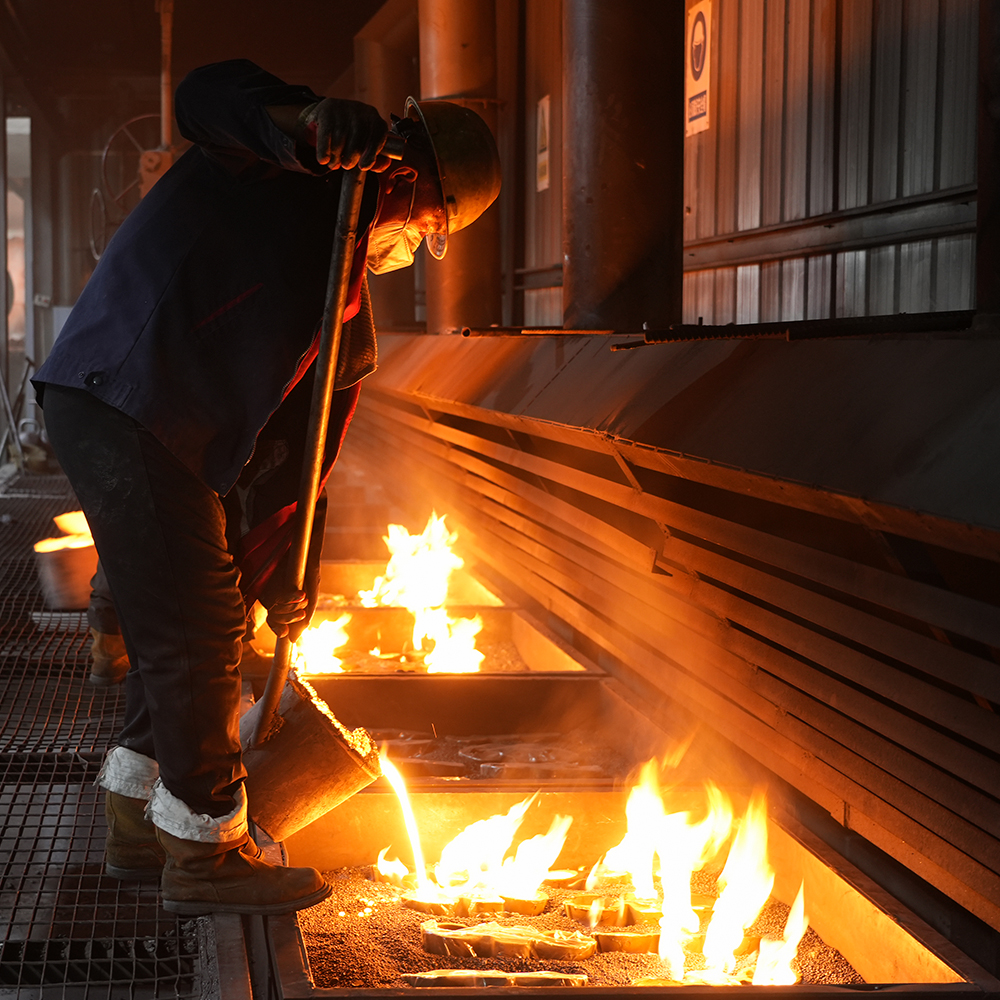
  3. Standardized Mass Production: Once the sample is approved, production moves to a controlled environment. This includes standardized welding, precision CNC machining, and automated assembly to ensure every unit is identical.
  4. Rigorous Quality Control (QC) & Compliance: Each batch undergoes multi-stage testing, from raw material verification to final load-testing and electrical safety checks, ensuring that the output meets both the client's specific standards and international safety regulations.

This structured approach allows brands to maintain strict control over their product quality and identity. By leveraging production lines that are already optimized for high-volume, high-standard international orders, businesses can scale their product offerings with the confidence that their manufacturing partner operates with the necessary technical depth and professional discipline.

Case Studies: Solving Complex Procurement Challenges via Tailored Solutions

In the professional fitness industry, standard catalog orders rarely address the unique constraints of large-scale facility launches or specialized brand expansions. Real-world success often depends on a manufacturer's ability to act as a technical partner rather than a mere vendor. The following anonymous case studies illustrate how customized manufacturing solutions can resolve critical bottlenecks in budget, compliance, and product differentiation.

Scenario A: Navigating Rigid Branding and Certification Constraints for a Regional Gym Chain

A growing regional fitness chain in Southeast Asia sought to upgrade its strength training zones with a cohesive, premium-looking aesthetic. Their primary constraint was not just a strict budget, but the need for a highly specific brand identity that their previous suppliers could not achieve. They required a uniform color palette and custom logo integration across all multi-gym systems and weightlifting gear to maintain brand consistency across ten new locations.

The client's challenge was further complicated by a tight 90-day launch window and the requirement for all equipment to meet specific local safety standards. Instead of providing off-the-shelf models, the manufacturing partner developed a customized OEM workflow. This included a rapid prototyping phase where the client approved a single functional sample with the exact powder-coating finish and laser-etched branding requested. To ensure compliance, the factory integrated a dedicated QC stage specifically for testing the load-bearing stability of the custom-welded frames. The result was a complete, branded equipment suite delivered on time, allowing the chain to launch its new facilities with a high-end, unified brand presence that exceeded client expectations.

Scenario B: Optimizing Inventory and Differentiation for a Global Fitness Distributor

An international distributor specializing in high-end home and boutique studio gear faced a different problem: market saturation. Their existing product line, consisting of standard rowing machines and resistance bands, was becoming commoditized, making it difficult to maintain healthy margins. They needed to introduce a "Pro-Series" line that offered higher technical specifications—such as enhanced magnetic resistance and premium upholstery—to justify a higher price point to their retail customers.

The distributor approached a specialized manufacturer to transition from simple purchasing to a full ODM (Original Design Manufacturer) model. The core requirement was to upgrade the internal components of their existing rowing machine architecture without a complete redesign, which would have been too costly and time-consuming. The manufacturer provided a solution by upgrading the resistance mechanism to a high-precision magnetic system and sourcing higher-grade, anti-microbial fabrics for the seat and hand grips. By providing detailed documentation on these upgraded components, the manufacturer enabled the distributor to market a genuinely superior product. The project resulted in a successful product launch that allowed the distributor to capture a more profitable segment of the boutique studio market with a unique, high-performance product line.

These examples highlight that the value of a professional manufacturing partner extends far beyond the production line. Whether the hurdle is a branding requirement, a strict regulatory environment, or a need for product differentiation, a successful B2B partnership is built on the ability to translate complex client constraints into precise technical and logistical execution.

Operationalizing the Partnership: MOQ, Sampling, and Global Logistics

Transitioning from a traditional retail brand model to a direct manufacturing partnership requires a shift in how procurement teams manage order cycles and technical handovers. Unlike the instant gratification of retail purchasing, B2B manufacturing relies on structured timelines and clearly defined milestones to ensure that the final delivered goods—whether they are multi-gym systems, rowing machines, or specialized resistance gear—match the initial technical intent.

Managing Minimum Order Quantities (MOQ) and Prototyping

One of the first practical hurdles in working with a commercial gym machine supplier is navigating the MOQ requirements. While mass-produced standard items often have lower thresholds, customized OEM or ODM projects typically require higher volumes to justify the setup of specialized production lines and tooling. To manage this, professional manufacturers often provide two distinct pathways:

  • Standard Catalog Sourcing: Lower MOQs for existing designs, allowing for smaller-scale facility upgrades or testing a new market segment.
  • Customized OEM/ODM Sourcing: Higher MOQs designed for brands seeking full control over specifications, branding, and unique mechanical features.

Before committing to a full production run, the sampling phase is non-negotiable. A professional manufacturer will produce a functional prototype that incorporates your specific requirements—such as a custom logo, a specific color of powder coating, or a unique resistance level. This sample serves as the "Gold Standard" for the entire production run; all subsequent mass-produced units must be benchmarked against this approved sample to ensure consistency.

Quality Assurance and Inspection Protocols

To ensure that the technical benchmarks discussed earlier are actually met, procurement specialists must integrate formal inspection nodes into their Purchase Orders (PO). Rely-on-trust is not a viable strategy in commercial procurement. Instead, implement a multi-stage verification process:

  • Pre-Production Inspection: Verifying that the raw materials (steel, motors, electronics) match the approved specification sheets before fabrication begins.
  • In-Process Quality Control (IPQC): Checking critical welding points, paint thickness, and mechanical assembly during the production cycle.
  • Final Lot Inspection (Pre-Shipment): A comprehensive test of the finished products, including load testing, electronic console functionality, and aesthetic uniformity.

Packaging and Global Logistics Optimization

For international distributors and gym chains, the final stage of the procurement process is the transition from the factory floor to the destination facility. High-durability commercial equipment requires specialized packaging to survive long-distance maritime or overland transport. Professional manufacturers offer various packaging and logistics options to mitigate the risk of transit damage:

  • Reinforced Export Packaging: Utilizing heavy-duty corrugated boxes, reinforced corner protectors, and customized palletizing to secure large-scale items like treadmills or weight benches.
  • Container Optimization: Working with the factory to optimize the loading plan (20ft or 40ft containers) to maximize volume efficiency and reduce shipping costs per unit.
  • Document Compliance: Ensuring all shipping documentation, including packing lists, commercial invoices, and any necessary safety certifications, is precisely prepared to facilitate smooth customs clearance.

Effective B2B procurement is a discipline of constant communication. By establishing clear milestones—from the initial technical briefing and sample sign-off to the final QC report and shipping documentation—buyers can build a predictable and scalable supply chain that supports long-term business growth.

Strategic Checklist for Commercial Equipment Procurement

Transitioning from a brand-centric to a specification-centric procurement model requires a disciplined approach to vendor management. To ensure your investment yields the highest possible return in a commercial setting, utilize the following actionable checkpoints during your next sourcing cycle.

  • Verify Technical Compliance via Documentation: Before signing any purchase agreement, demand a comprehensive technical data sheet that explicitly lists steel gauge, bearing types, motor duty cycles, and upholstery density. A professional partner should provide these as binding technical commitments rather than vague marketing descriptions.
  • Implement a Tiered Sampling Protocol: Never skip the prototype or sample stage, even for established product lines. Use the approved sample as the baseline for all future Quality Control (QC) inspections to ensure that the mass-produced units—whether strength machines or cardio equipment—strictly adhere to your branding and structural requirements.
  • Audit the Production and Logistics Workflow: Ensure your contract includes specific milestones for pre-production material verification, in-process inspections, and final load testing. Additionally, confirm that the manufacturer’s packaging and container optimization strategies are sufficient to protect high-durability gear during long-distance international transit.

By shifting the focus from the prestige of commercial exercise equipment brands to the precision of technical execution, B2B buyers can build more profitable, scalable, and resilient fitness enterprises. Whether you are pursuing a high-performance "brand-tier" alternative or developing a custom private label through OEM services, success is found in the details of the specification.

Related Products

commercial exercise equipment

Top Selling Products

Contact Us

Format: +[country code][number] (e.g. +1234567890)