China Manufacturer

commercial fitness equipment manufacturer - China Factory,Supplier,Manufacturer

For gym owners, international distributors, and fitness brand developers, the challenge of scaling a facility or a product line often hinges on a single critical variable: the reliability of the supply chain. Rely much on high-end retail brands can lead to prohibitive costs, yet relying on unverified small-scale workshops often results in catastrophic maintenance issues and premature equipment failure. This guide is designed for professional procurement officers and facility managers who require more than just a simple transaction; they need a strategic partner capable of delivering high-tolerance, durable, and scalable solutions.

A professional commercial fitness equipment manufacturer does more than just assemble parts. They act as an extension of your brand, providing the technical foundation required to support high-traffic environments. Whether you are outfitting a boutique strength studio, a multi-functional commercial gym, or launching a private-label line of resistance gear, the complexities of material selection, structural engineering, and logistics must be addressed at the source. We focus on solving the core tensions in the industry: balancing premium performance with optimized capital expenditure.

By engaging directly with specialized production facilities, B2B buyers can address several high-level procurement objectives, including:

  • Standardization of Quality: Ensuring that every unit, from a single rowing machine to a hundred multi-gym systems, meets identical structural tolerances and aesthetic finishes.
  • Customization and Brand Alignment: Leveraging OEM/ODM capabilities to integrate specific color palettes, logo placements, and specialized ergonomic features that distinguish your brand in a crowded market.
  • Risk Mitigation in Logistics: Working with partners who understand the nuances of heavy-duty shipping, waybill documentation, and the specific packaging requirements for international commercial delivery.
  • Cost-Efficiency via Direct Sourcing: Eliminating the markup layers often found in traditional distribution models by sourcing directly from the production line.

As you move through this technical overview, we will dissect the specific benchmarks required to vet a potential partner, compare the advantages of different sourcing models, and demonstrate how factory-direct solutions can align with the rigorous demands of modern commercial fitness environments.
Comparative Analysis: Sourcing Models and Performance Tiers

When building a commercial facility or a distribution network, procurement professionals must decide between three primary sourcing tiers. Each tier offers a different balance of brand prestige, cost-efficiency, and technical control. Understanding these distinctions is crucial for long-term capital expenditure management, as the total cost of ownership (TCO) is driven more by durability and maintenance requirements than by the initial purchase price.

The following table provides a technical comparison between different procurement models. This is not a ranking of quality, but rather a breakdown of how different tiers typically align with specific business objectives and operational constraints.

Procurement DimensionPremium Global Brand TierSpecialized Commercial Manufacturer (Direct)Standard Retail/Wholesale Tier
Primary Target AudienceLuxury Gym Chains & High-End ResortsGym Owners, Distributors & OEM BrandsHome Users & Small Studio Owners
Material & Build StandardsHighest grade steel; proprietary finishesHigh-tolerance steel; industrial-grade coatingsStandard gauge steel; basic powder coating
Customization (OEM/ODM)Extremely limited; brand-protectedHigh; customizable colors, logos, and specsMinimal; standard product SKUs only
Cost StructurePremium pricing (High markup/Brand tax)Optimized (Factory-direct efficiency)Variable (Dependent on volume/retailer)
Lead Time & ScalabilityLong lead times due to complex logisticsScalable; production-aligned deliveryImmediate for stock; limited for bulk
Maintenance & DurabilityDesigned for extreme 24/7 usageEngineered for high-traffic commercial useDesigned for moderate/intermittent use

For most professional operators, the "Specialized Commercial Manufacturer" tier offers the most strategic advantage. This model allows for the procurement of equipment that meets the rigorous mechanical standards of a heavy-duty gym while maintaining the flexibility to implement brand-specific aesthetics. Unlike the premium global tier, which often carries significant intangible costs, or the retail tier, which may lack the structural integrity for high-volume commercial environments, the direct manufacturer model provides a verifiable path to both quality and scalability.

When evaluating these tiers, we recommend focusing on "verifiable metrics" rather than "brand names." A commercial fitness equipment manufacturer can provide detailed technical datasheets—specifying steel gauge (e.g., 3mm vs 2mm), bearing types, and welding techniques—which are far more valuable to a facility manager than a marketing slogan. This technical transparency is the hallmark of a professional B2B partnership.

Technical Benchmarks for Vetting Commercial-Grade Manufacturers

A common pitfall in B2B procurement is equating "heavyweight" with "commercial grade." Many distributors fall into the trap of purchasing equipment that is visually imposing but structurally insufficient for the high-frequency, high-impact cycles of a professional gym. To avoid this, procurement officers must move beyond superficial aesthetics and implement a rigorous vetting framework based on verifiable engineering standards.

Structural Integrity and Material Specifications

The longevity of strength training equipment is dictated by the precision of its skeletal structure. When auditing a potential partner, do not simply ask if they use "high-quality steel." Instead, demand specific technical data. A reliable commercial fitness equipment manufacturer should be able to provide the exact gauge of the steel tubing used in their multi-gym systems or rowing machines. For example, a 3mm wall thickness in a heavy-duty squat rack provides significantly higher structural stability and resistance to deformation under repetitive load than a 2mm or 1.5mm alternative common in the retail sector.

Furthermore, the quality of the welding process is a non-negotiable indicator of durability. Continuous seam welding, rather than intermittent stitch welding, is essential for high-traffic commercial environments to prevent stress fractures at joint intersections. If a factory cannot demonstrate their welding standards or provide documentation regarding their welding technology, it is a red flag for long-term structural reliability.

Mechanical Precision and Bearing Lonagement

In cardio equipment and weight-stack machines, the primary failure point is rarely the frame, but rather the mechanical moving parts. The "smoothness" of a machine is a direct result of the quality of its bearings and drive systems. In professional-grade rowing machines or cycles, the resistance mechanism must maintain consistent tension without excessive friction or heat buildup. A high-tier manufacturer will use industrial-grade bearings and high-tolerance bushings that are designed for hundreds of thousands of cycles, rather than the standard components found in budget-oriented products.

Compliance, Certification, and the Cost of Non-Conformance

The true cost of a "cheap" machine is often realized through downtime and liability. A professional procurement strategy must include a verification of compliance with international safety standards. While many manufacturers claim to meet global requirements, a serious buyer should request specific documentation, such as CE or ISO certification, and verify that the equipment has undergone rigorous testing for both load capacity and mechanical safety. In the commercial sector, a single failure due to substandard parts can lead to significant operational disruptions and increased insurance risks. Therefore, the decision-making framework should prioritize manufacturers who view compliance as a core production pillar rather than an optional add-on.

Strategic Value: High-Performance Alternatives and OEM Capabilities

In the global fitness market, a significant gap often exists between "premium retail brands" and "direct-from-factory" solutions. Many procurement professionals assume that a higher price tag automatically translates to superior durability. However, in the commercial sector, value is better defined by the alignment of technical specifications with operational requirements. A specialized commercial fitness equipment manufacturer can provide solutions that match the performance benchmarks of high-end brands while offering a much more optimized cost structure.

The Logic of High-Performance Alternatives

Rather than focusing on brand prestige, sophisticated buyers focus on "comparable technical indicators." For instance, when sourcing strength equipment, the primary objective is to ensure that the structural frame, the weight-stack guide rods, and the upholstery durability meet the same high-frequency usage standards as premium-tier products. By identifying these core metrics—such as steel gauge, bearing precision, and coating thickness—distributors can secure high-performance equipment that delivers a similar user experience without the excessive "brand tax." This approach allows gym owners to allocate more capital toward facility expansion or digital integration rather than being locked into high-margin retail models.

Professional OEM and ODM Manufacturing Standards

For brands looking to expand their own product lines, leveraging a professional manufacturer's OEM/ODM capacity is a highly efficient way to scale. We operate under the strict assumption that a partner's production line must adhere to the same rigorous standards required by international brand orders. This is not merely about assembly, but about a comprehensive manufacturing ecosystem that includes:

  • Standardized Prototyping: A disciplined transition from initial 3D design and CAD modeling to physical sample production. This ensures that ergonomic adjustments and structural nuances are perfected and approved before the bulk production phase begins.
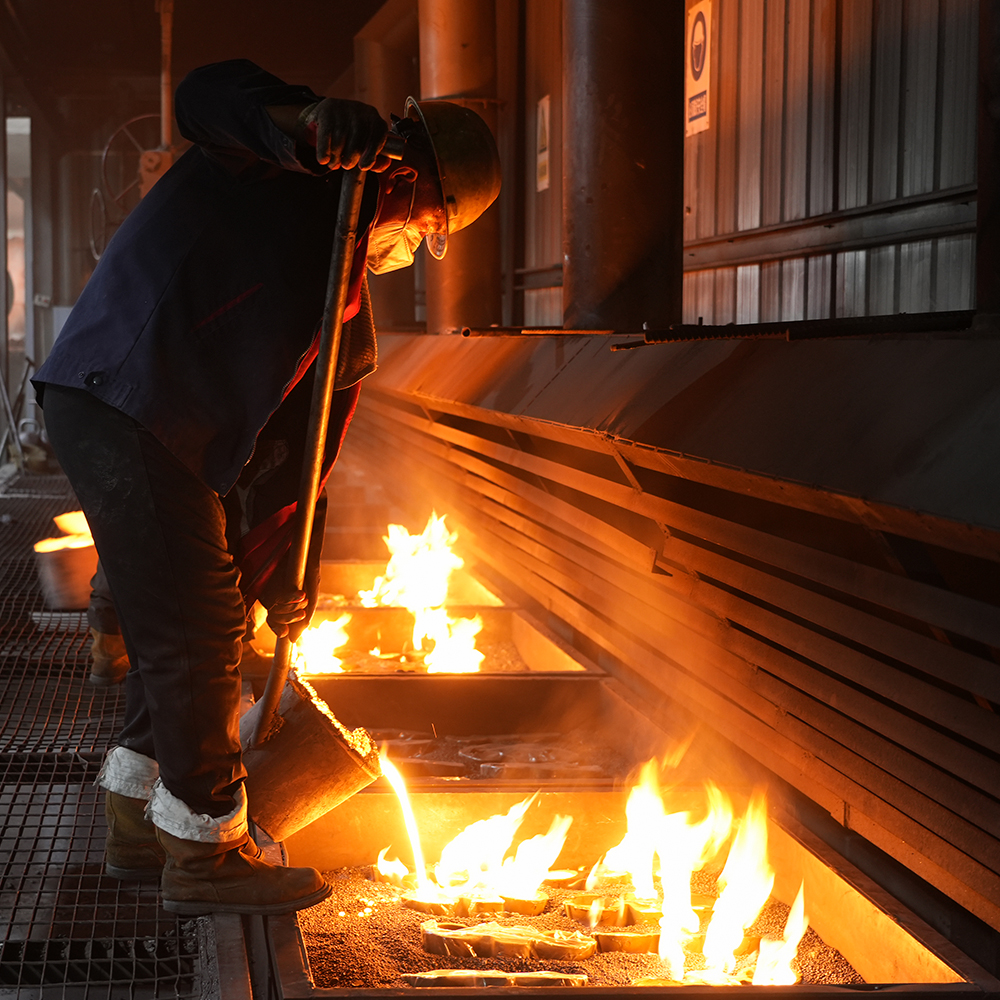
  • Rigorous QC Control Points: Quality control is integrated into every stage of the production line, from raw material testing (verifying steel grade and resistance band elasticity) to final assembly and functional testing of moving parts.
  • <strong class="spec-item>Confidentiality and Compliance: Maintaining strict boundaries regarding intellectual property and design specifications. A professional partner respects the proprietary nature of client designs and ensures that all production processes meet international safety and environmental regulations.
  • Scalable Production Capacity: The ability to transition seamlessly from low-volume specialized orders to high-volume, standardized commercial production, ensuring that lead times remain predictable even during peak demand.

By utilizing these professional manufacturing frameworks, brands can launch customized product lines that are engineered for durability, backed by a reliable supply chain, and positioned competitively in the global B2B market.

Case Studies: Solving Complex Procurement Challenges through Custom Solutions

Theoretical specifications are essential, but the true test of a commercial fitness equipment manufacturer lies in their ability to navigate real-world constraints. The following anonymous case studies illustrate how a focus on technical problem-solving—rather than just product catalog sales—can resolve critical bottlenecks for global partners.

Scenario A: Scaling a Regional Fitness Brand via OEM Customization

A growing fitness brand in Southeast Asia sought to launch a proprietary line of high-durability resistance gear and small-scale strength equipment to differentiate themselves from generic wholesalers. Their primary challenge was twofold: they required a specific aesthetic—a matte charcoal finish with neon accents—to match their boutique studio branding, and they needed to ensure the resistance bands met strict elasticity retention standards for high-temperature environments.

The manufacturer responded by initiating a structured prototyping phase. Instead of offering standard stock items, the engineering team developed a custom specification for the resistance bands, utilizing a higher-grade TPE material with enhanced thermal stability. For the strength gear, the factory provided customized powder coating samples to ensure the matte finish would not peel under heavy use. By managing the process from color-matching samples to final functional testing, the manufacturer enabled the client to launch a cohesive, branded product line that met both their aesthetic vision and their rigorous durability requirements. The project was delivered within the specified lead time, allowing the client to hit their seasonal market entry window.

Scenario B: Optimizing a Multi-Facility Outfitting Project under Strict Budgetary Constraints

An international gym operator was tasked with outfitting five new commercial facilities across different continents. The project faced a significant constraint: the client required high-traffic, commercial-grade multi-gym systems and cardio equipment that aligned with the performance of premium global brands but stayed within a strictly defined capital expenditure limit. Furthermore, the equipment had to pass localized safety inspections in each region to avoid operational delays.

The solution involved a detailed technical consultation to identify "performance-critical" components. The manufacturer provided a customized procurement package that prioritized high-tolerance steel frames and industrial-grade bearings for the cardio machines, while optimizing costs on non-mechanical elements like aesthetic shrouds and peripheral accessories. To address the compliance concern, the factory provided comprehensive technical dossiers and material certifications for every SKU, ensuring that the structural integrity of the equipment met the necessary international safety benchmarks. The result was a synchronized, multi-continent delivery that provided the client with a high-performance facility setup while remaining 25% under the initial high-end retail budget.

These instances demonstrate that successful B2B partnerships are built on the ability to translate abstract business needs—such as brand identity, budget limits, or regulatory compliance—into concrete engineering and logistical execution. A professional manufacturer acts as a technical consultant, ensuring that the final delivered solution is optimized for the client's specific operational environment.

Operational Execution: From Prototyping to Global Delivery

Transitioning from a technical specification to a physical shipment requires a structured operational framework. For B2B buyers, the complexity of international procurement is not merely about the product itself, but about the predictability of the entire lifecycle—from the first sample to the final arrival at the destination facility. A professional commercial fitness equipment manufacturer operates through a series of defined milestones to ensure transparency and mitigate the inherent risks of long-distance logistics.

The Prototyping and Sample Approval Process

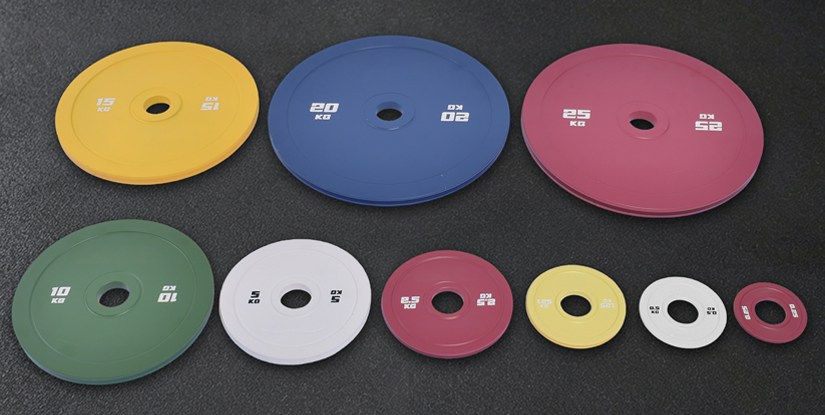
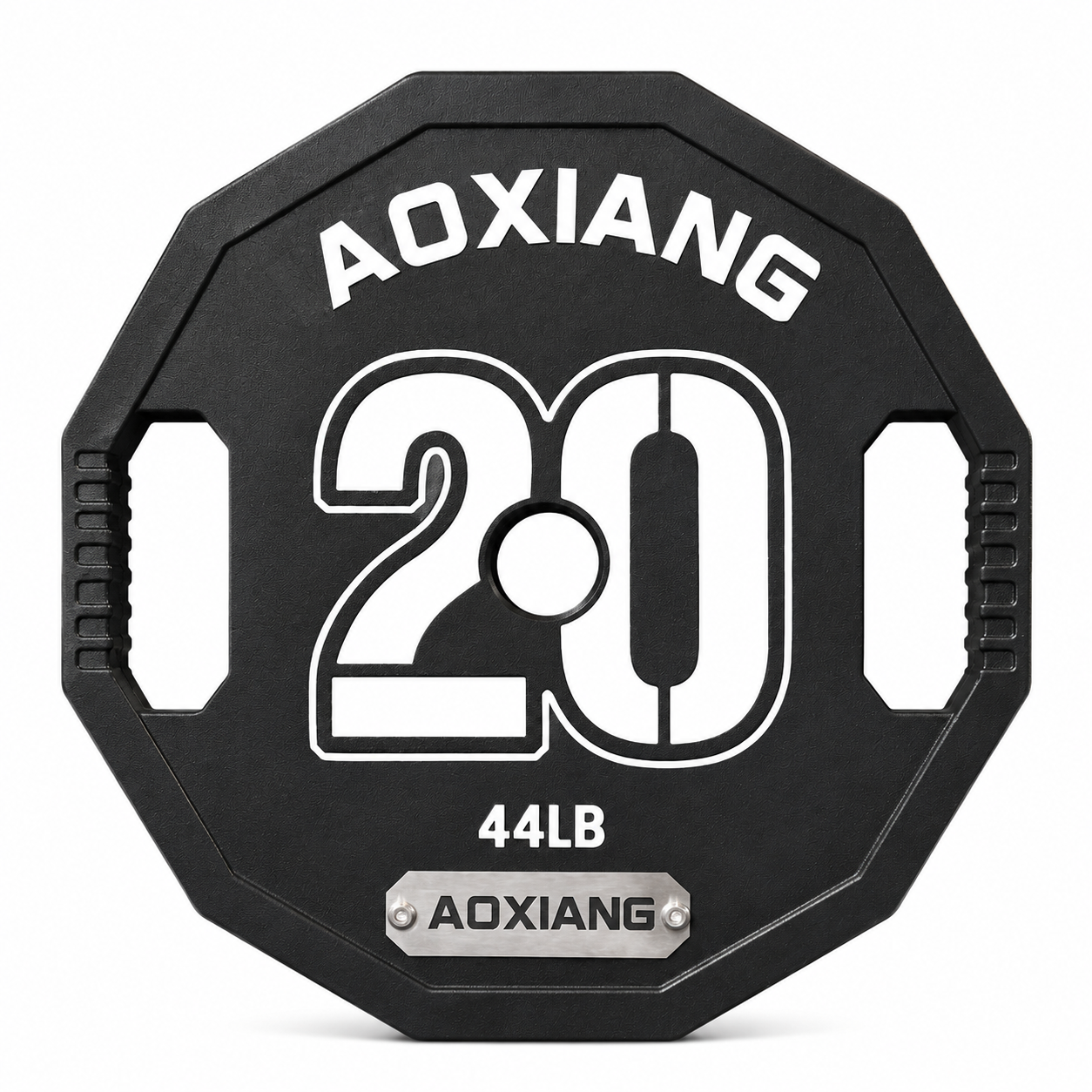
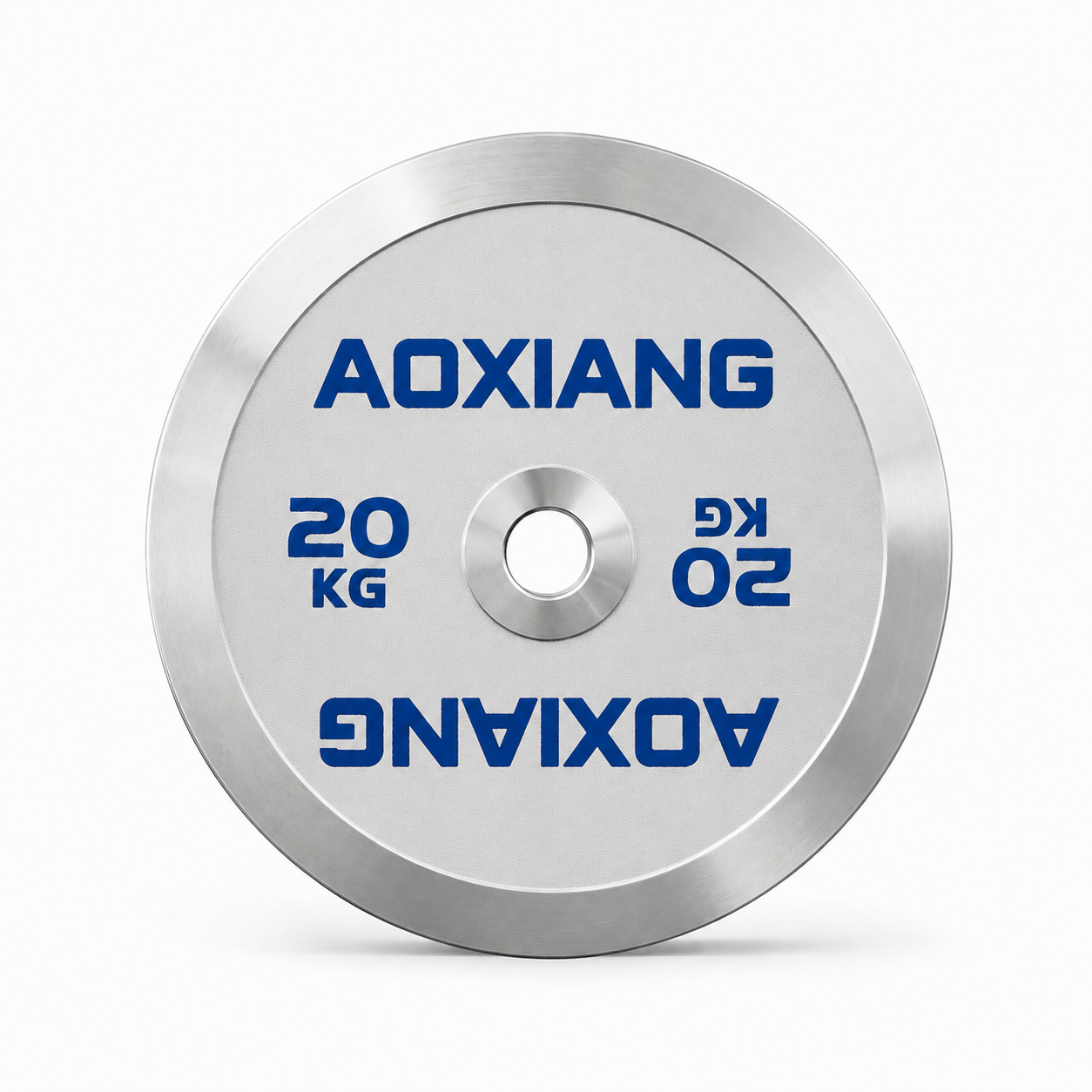
Before any bulk production begins, a rigorous sampling phase is mandatory. This stage is critical for verifying that the engineering tolerances, material textures, and branding elements align with the client's expectations. The process typically follows a structured workflow: initial 3D design approval, followed by the creation of a functional prototype. For customized items like resistance bands or branded weight plates, this includes color-matching and logo-printing tests. Only after the client provides a formal sign-off on the physical sample—confirming that the weight, tension, and aesthetic finish meet the agreed-upon PO (Purchase Order) specifications—does the factory move into full-scale production. This step is the most effective way to prevent costly errors in the final bulk delivery.

Production Milestones and Quality Control (QC) Protocols

Once the sample is approved, the production cycle enters several key stages. A professional manufacturer maintains strict control over the following nodes:

  • Raw Material Inspection: Verifying that incoming steel tubing, bearings, and electronic components for cardio machines meet the specified gauge and grade before they enter the assembly line.
  • In-Process QC: Regular spot checks during the welding, assembly, and painting stages to ensure consistency across the entire production run.
  • Final Functional Testing: Subjecting finished machines—such as rowing machines or multi-gym systems—to load tests and mechanical cycle tests to ensure smooth operation under stress.
  • Pre-Shipment Inspection (PSI): A final audit of the finished goods, checking for any cosmetic defects and ensuring that every unit matches the approved SKU and technical dossier.

Logistics, Packaging, and International Compliance

Shipping heavy-duty commercial equipment requires specialized handling and packaging strategies. Unlike standard retail parcels, commercial-grade gear—especially large-scale strength machines and cardio equipment—must be protected against structural deformation and environmental damage during long-distance transit. We utilize reinforced, high-density cardboard packaging and customized wooden crates for oversized or high-value items to ensure they arrive in a "ready-to-assemble" state.

Furthermore, the documentation aspect is a critical component of the delivery process. A professional partner provides a complete set of shipping documents, including commercial invoices, packing lists, and, where required, certificates of origin and compliance (such as CE or ISO documentation). This level of detail ensures smoother customs clearance and helps distributors and gym owners manage their local regulatory and tax obligations without unexpected delays. By treating logistics as a technical discipline rather than a simple transport task, we ensure that the transition from the factory floor to your facility is seamless and predictable.

Strategic Checklist for Commercial Procurement Success

Navigating the complexities of global sourcing requires a transition from passive purchasing to active technical management. To ensure your partnership with a commercial fitness equipment manufacturer yields long-term operational stability, implement the following high-level verification steps during your next procurement cycle.

  • Prioritize Technical Documentation over Marketing Claims: Before issuing a Letter of Intent (LOI), demand specific material datasheets. Verify the exact steel gauge, bearing load ratings, and coating durability protocols. A partner that provides quantitative data (e.g., 3mm wall thickness or specific ISO compliance numbers) is significantly more reliable than one offering only qualitative descriptions like "premium quality."
  • Implement a Multi-Stage Sample Approval Protocol: Never bypass the physical prototyping phase for customized or high-volume orders. Ensure your technical team reviews a physical sample that includes the final branding (logo placement, color precision) and mechanical performance (resistance tension, movement smoothness) before the mass production milestone is reached.
  • Audit the Logistics and Compliance Readiness: Confirm that the manufacturer’s packaging standards are engineered for the specific weight and dimensions of commercial-grade gear. Verify that they can provide the necessary documentation—such as commercial invoices, packing lists, and compliance certifications—to facilitate seamless customs clearance and reduce the risk of port-side delays.

By treating the procurement process as a structured engineering and logistical workflow, facility owners and distributors can secure high-performance equipment that optimizes both brand identity and long-term capital expenditure.

Related Products

commercial fitness equipment manufacturer

Top Selling Products

Contact Us

Format: +[country code][number] (e.g. +1234567890)