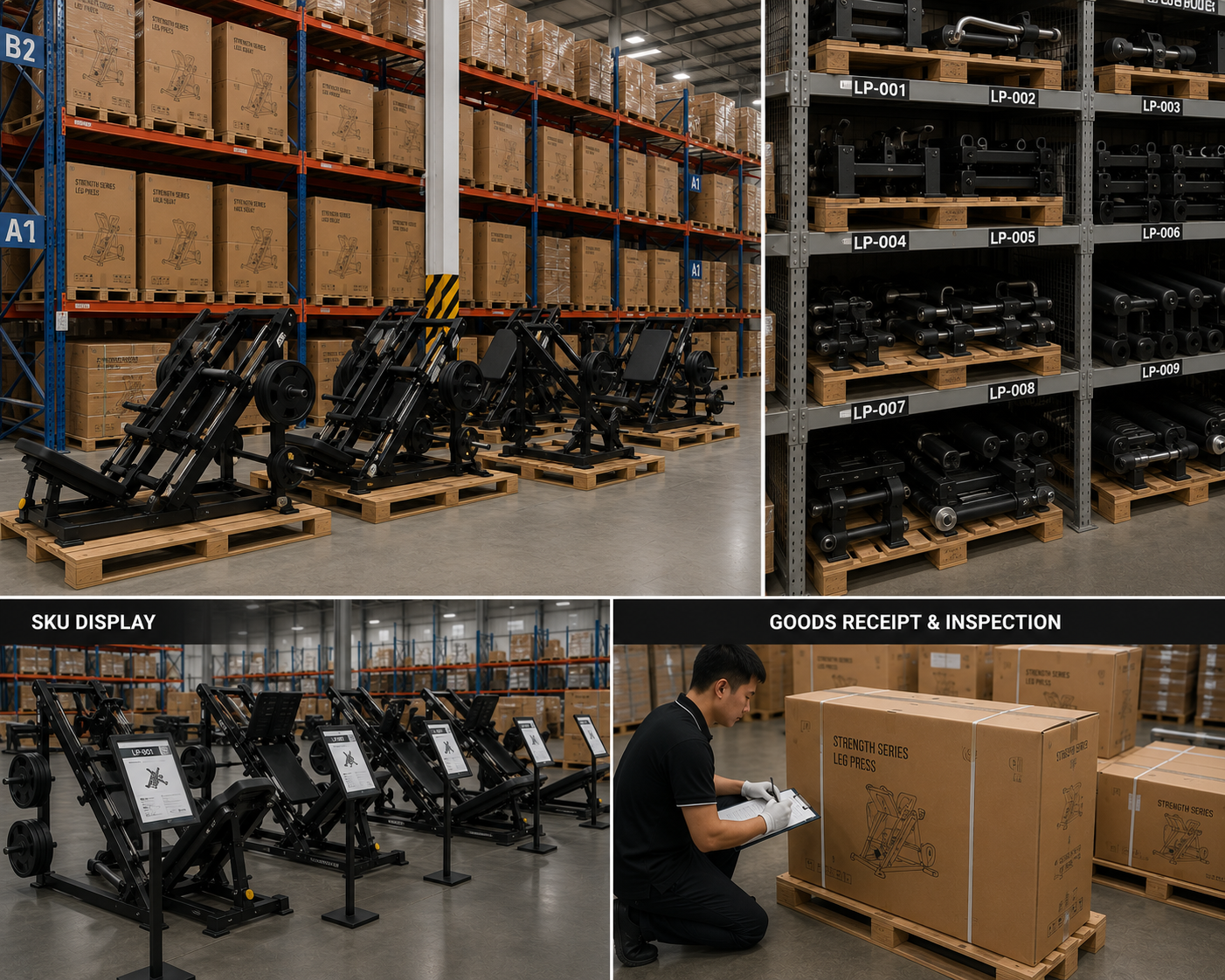
Navigating the complexities of large-scale procurement requires more than just finding a vendor; it demands a partnership with a reliable commercial gym equipment manufacturer that understands the nuances of durability, mechanical precision, and brand identity. Whether you are a fitness distributor expanding your regional inventory, a commercial gym owner outfitting a new high-traffic facility, or a global brand looking for a specialized OEM partner, the quality of your foundational equipment dictates your long-term operational success and maintenance costs. This guide is specifically designed to address the critical pain points encountered during B2B procurement cycles. We move beyond basic product descriptions to explore the structural integrity, manufacturing standards, and customization capabilities required to compete in the modern fitness market. By focusing on the technical realities of production, we help you identify the right partners for: A successful procurement strategy relies on understanding the distinction between simple trading companies and true manufacturing entities. A specialized factory provides the direct access needed to control tolerances, material grades, and lead times, which are essential when deploying large-scale commercial strength and cardio equipment across multiple locations or global markets. When planning a facility upgrade or a new product line, procurement professionals must distinguish between different sourcing tiers. The choice between a high-end retail brand, a traditional distributor, and a direct manufacturer significantly impacts your capital expenditure (CAPEX) and long-term operational expenditure (OPEX). Understanding these distinctions through verifiable technical metrics allows for a more data-driven decision-making process. The following table illustrates how different sourcing models typically perform across key performance indicators. This comparison focuses on the functional requirements of high-traffic commercial environments, where durability and maintenance cycles are the primary concerns. For distributors seeking to build a unique market presence, the "Factory Direct Tier" offers a distinct advantage. Rather than merely reselling existing stock, working with a specialized commercial gym machine manufacturer allows for the creation of proprietary product lines. This capability is particularly vital when your target market demands specific mechanical features, such as specialized resistance profiles for rowing machines or custom tension levels for resistance bands, which are often unavailable through standard wholesale channels. Furthermore, the ability to control the manufacturing process at the source means that quality control is not a secondary check, but an integrated part of the production line. In a commercial setting, where equipment failure can lead to both safety liabilities and lost revenue, having direct oversight of welding quality, bearing durability, and electronic component testing is a strategic necessity rather than an optional luxury. In the high-stakes environment of commercial fitness, the difference between a high-performing facility and one plagued by downtime often comes down to the technical rigor of the supply chain. Many procurement officers fall into the trap of prioritizing the lowest initial quote, failing to account for the "hidden costs" of substandard manufacturing, such as premature component fatigue, inconsistent tension profiles in resistance gear, or non-compliance with international safety standards. A professional procurement framework must look beyond the price tag to evaluate the structural and operational reliability of a potential partner. When sourcing heavy-duty equipment, such as multi-gym systems or weightlifting gear, the most critical variable is the gauge and grade of the steel used in the frame construction. A reputable commercial gym equipment manufacturer will not only provide the thickness of the steel but also specify the type of powder coating or electroplating used to prevent oxidation in humid gym environments. For example, a common pitfall is accepting equipment that uses standard industrial paint rather than high-durability, scratch-resistant finishes designed for heavy contact. Furthermore, the precision of the weld joints—specifically the depth and consistency of the penetration—determines whether a machine can withstand the lateral stresses of high-intensity use without structural cracking. For brands and distributors, the ability to execute a seamless OEM (Original Equipment Manufacturer) process is a major differentiator. This involves more than just slapping a logo on a pre-made machine. True high-tier manufacturing allows for deep integration during the design and prototyping stages. This includes adjusting the ergonomic angles of a seat, the resistance curve of a rowing machine, or the specific tension density of resistance bands. A professional manufacturer provides a structured workflow: from initial technical drawings and 1:1 scale sample prototyping to final mass production. This structured approach ensures that the final product matches the brand's unique identity and functional requirements, rather than being a generic "white-label" item with no distinctive market value. A common mistake in B2B procurement is failing to distinguish between a factory's theoretical capacity and its actual production throughput. When a manufacturer claims high output, it is essential to verify their production scheduling logic. A reliable partner maintains a transparent view of their production cycles, allowing clients to understand how raw material procurement, assembly, and final QC (Quality Control) affect the estimated delivery date. For large-scale facility openings or seasonal inventory refreshes, even a two-week delay in a shipment of exercise machines can result in significant lost revenue and broken distribution contracts. Therefore, a robust procurement strategy must prioritize manufacturers who utilize sophisticated ERP (Enterprise Resource Planning) systems to manage both material availability and machine-level production timelines. In the global fitness market, there is a significant distinction between "premium retail brands" and "high-performance factory-direct solutions." Many commercial facility owners seek to achieve the aesthetic and functional standards of top-tier brands while optimizing their capital expenditure. This is achieved not through imitation, but through rigorous alignment with verifiable technical benchmarks. A professional commercial gym equipment manufacturer provides solutions that match the mechanical performance of premium retail-grade equipment by focusing on the core metrics that define long-term usability. When evaluating a "brand-tier alternative," procurement professionals should move away from marketing terminology and focus on measurable engineering standards. A high-quality factory-direct solution can achieve parity with premium brands across several critical dimensions: For international brands and large-scale distributors, the ability to leverage a manufacturer's production line for custom product development is a strategic necessity. Our manufacturing philosophy is built upon the standards required by international orders, where precision and confidentiality are paramount. The transition from a customized concept to a mass-produced product follows a highly disciplined protocol designed to mitigate risk and ensure consistency. The OEM workflow begins with a rigorous technical validation phase. Once a client provides a design concept or a specific functional requirement—such as a unique resistance profile for a specific type of cardio gear—the factory initiates the prototyping stage. This involves creating a 1:1 scale functional sample that undergoes intensive stress testing before any bulk production is greenlit. This ensures that the final product meets both the client's aesthetic branding and the structural requirements of a commercial environment. Furthermore, we maintain strict boundaries regarding intellectual property and compliance. A professional manufacturer operates with a clear separation between different client production lines, ensuring that proprietary designs and customized components remain confidential. Every production run is governed by a standardized QC (Quality Control) checklist, which includes raw material verification, welding integrity checks, and final electronic/mechanical testing. This disciplined approach allows us to serve as a reliable backbone for brands that demand high-tolerance manufacturing without compromising on legal compliance or design exclusivity. To illustrate the practical application of specialized manufacturing, we examine two distinct scenarios where a customized approach solved complex procurement challenges. These cases highlight how technical problem-solving and flexible production management can overcome typical industry constraints such as rigid branding requirements, tight logistics windows, and strict material specifications. A mid-sized fitness distributor in Southeast Asia aimed to launch a proprietary line of heavy-duty strength equipment to differentiate themselves from generic importers. Their primary challenge was a dual constraint: they required a highly specific aesthetic—matte black finishes with customized neon accent colors—while maintaining a strict budget that precluded the use of premium-tier retail brands. Furthermore, they needed to ensure that the resistance profiles of their multi-gym systems were consistent across a large, multi-unit order to maintain brand reputation. The manufacturer provided a comprehensive solution by integrating the client's design requirements into the early prototyping stage. We utilized a specific 3mm gauge steel tubing and a specialized electrostatic powder coating process to achieve the requested matte finish and high-durability surface. To address the resistance consistency requirement, each machine underwent a standardized load-bearing test with calibrated weight stacks before leaving the factory. The result was a successful market launch where the distributor could offer a "premium-feel" product at a competitive price point, backed by a consistent and reliable technical specification. A global fitness franchise was tasked with outfitting several high-traffic urban locations within a condensed 90-day window. The procurement team faced a significant risk: the typical lead times for high-end branded cardio equipment were exceeding 120 days due to global supply chain disruptions. They needed a high-performance alternative that could be delivered on-site without the risk of mechanical failure during the high-visibility grand opening phase. The manufacturer responded by prioritizing a dedicated production track for the client's rowing machines and cycles. To meet the accelerated timeline, we utilized a pre-verified inventory of high-precision electronic components and industrial-grade bearings, ensuring that the technical validation stage did not delay the assembly process. We also implemented a specialized packaging protocol designed for high-density sea freight to minimize the risk of transit-related damage. By maintaining real-time transparency regarding the production schedule, the client was able to coordinate their installation teams precisely. The equipment arrived on schedule, passed all on-site mechanical inspections, and the facilities successfully opened without any equipment-related downtime. Transitioning from a single inquiry to a long-term procurement partnership requires a clear understanding of the operational milestones involved in commercial-scale manufacturing. Professional B2B engagement is not merely about selecting a product; it is about aligning on the technical, logistical, and financial frameworks that ensure a predictable and scalable supply chain. The initial phase of a partnership typically centers on defining the Minimum Order Quantity (MOQ) and the technical scope of work. For customized OEM projects, the MOQ is often determined by the complexity of the customization—such as specialized frame dimensions or unique electronic console configurations. A standard procurement workflow follows these essential stages: To mitigate the risks associated with high-volume imports, professional buyers should implement a multi-layered inspection strategy. Rather than relying solely on final reports, a robust procurement process integrates quality checks at several key nodes. This includes raw material verification (checking steel gauge and coating quality), in-process inspection (monitoring welding consistency and assembly precision), and final functional testing (validating the mechanical movement and electronic stability of cardio or strength machines). For distributors and large-scale facility owners, we recommend conducting or requesting third-party factory audits. These audits should focus on the facility's production capacity, the sophistication of their testing equipment, and their adherence to international manufacturing standards. Verifying that a manufacturer possesses dedicated production lines for specific categories—such as specialized resistance gear or heavy-duty multi-gym systems—ensured that your order receives the necessary technical attention. The final stage of the procurement cycle involves the transition from the factory floor to the end-user location. For commercial-grade equipment, packaging must be engineered for high-density sea freight and long-distance transit. We utilize reinforced, multi-layered boxing and specialized protective padding to prevent damage to sensitive components like electronic consoles or precision bearings. Regarding logistics, partners can choose between various shipping modalities depending on their inventory needs and budget constraints. Whether you are shipping full container loads (FCL) for a large-scale gym deployment or less-than-container loads (LCL) for regional distribution, maintaining clear communication regarding the "Estimated Time of Arrival" (ETA) and "Time of Departure" (ETD) is vital. This ensures that your installation teams and local distributors are prepared for the arrival of the shipment, preventing bottlenecks in your facility rollout or retail restocking processes. Before finalizing any high-volume purchase order or entering a long-term OEM agreement, professional buyers should execute a final validation of their technical and logistical requirements. A systematic review ensures that the transition from the negotiation phase to the production phase is seamless and that all performance expectations are documented and verifiable. By adhering to these structured procurement stages, distributors and gym owners can move beyond simple transactional purchasing and toward a sophisticated, scalable supply chain model that priorits long-term mechanical reliability and brand integrity.Comparative Analysis: Sourcing Models and Procurement Tiers
Procurement Dimension Premium Brand Tier (Retail/Showroom) Standard Commercial Tier (Distributor/Agent) Factory Direct Tier (OEM/Direct Sourcing) Primary Value Driver Brand prestige and lifestyle marketing Established service networks and availability Cost optimization and technical customization Mechanical Specification Fixed, proprietary high-end standards Standardized commercial-grade specs Highly adjustable/customizable tolerances Customization (OEM/ODM) Extremely limited; fixed product lines Limited to color and basic logo options Full control over frame, tension, and branding Lead Time Control Subject to brand-wide global shortages Depends on distributor stock levels Directly managed via production scheduling Pricing Structure Highest (includes significant brand premium) Moderate (includes markup and service fees) Optimized (direct factory-to-client pricing) Ideal Use Case Boutique studios and luxury fitness clubs Regional gym chains and retail showrooms Global distributors and large-scale facility owners Critical Benchmarks for Evaluating Manufacturers and Suppliers
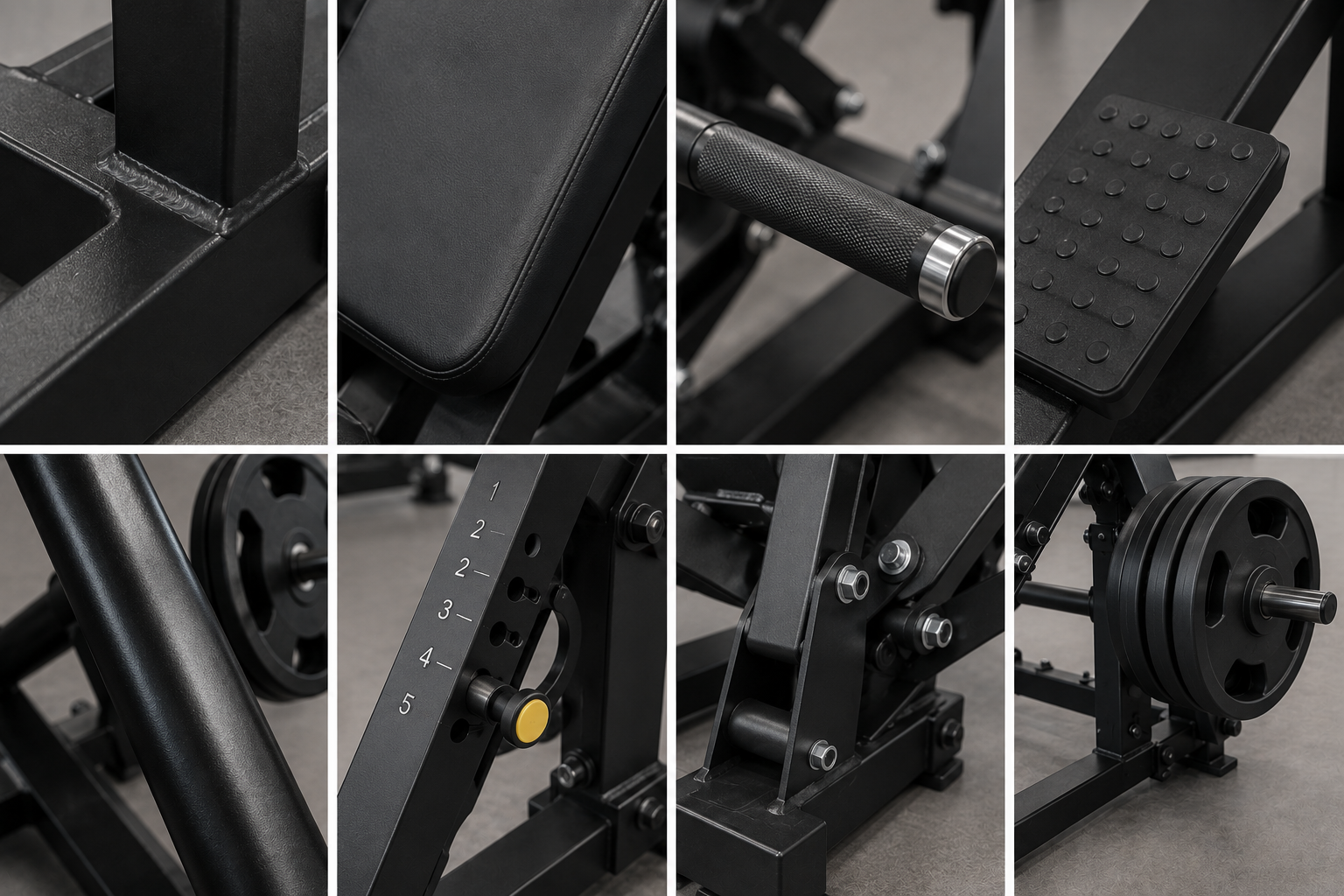
Verifying Structural Integrity and Material Grades
Navigating the OEM and Customization Process
The Logic of Lead Time and Production Capacity
High-Performance Alternatives and OEM Manufacturing Standards
Achieving High-End Performance via Verifiable Metrics
Professional OEM Capabilities and Compliance Boundaries
Practical Implementation: Case Studies in Bespoke B2B Solutions
Case 1: Regional Distributor Scaling a Proprietary Strength Line
Case 2: Rapid Facility Deployment for a Global Gym Chain
Standard Operating Procedures for B2B Partnership and Logistics
Onboarding, Prototyping, and MOQ Frameworks
Quality Assurance and Factory Audit Protocols
Packaging, Logistics, and Global Compliance
Essential Pre-Procurement Checklist for B2B Partners