China Manufacturer

Sourcing Commercial Strength and Cardio Gear from a Professional Gym Manufacturer - China Factory,Supplier,Manufacturer

Navigating Global Procurement for Commercial Fitness Infrastructure

For fitness distributors, gym owners, and international brand managers, the challenge of sourcing high-durability equipment extends far beyond simple price comparisons. The primary objective is to identify a reliable gym manufacturer that can balance technical precision with scalable production capabilities. Whether you are outfitting a boutique studio with specialized resistance gear or equipping a massive commercial fitness chain with heavy-duty strength and cardio machines, the quality of your supply chain determines your long-term operational stability and brand reputation.

This guide addresses the critical complexities inherent in high-volume procurement, specifically focusing on the structural and mechanical requirements of commercial-grade equipment. We aim to provide professional buyers with the frameworks necessary to evaluate manufacturing capacity, technical compliance, and the ability to execute complex OEM/ODM projects. By understanding the nuances of the manufacturing landscape, procurement professionals can mitigate risks related to product failure, inconsistent lead times, and branding misalignment.

In the following sections, we will dissect the essential dimensions of professional fitness sourcing, including:

  • Evaluating the structural integrity and mechanical tolerances of strength and cardio machines.
  • Understanding the differentiation between direct factory-to-distributor models and traditional trading structures.
  • The technical requirements for high-end OEM/ODM production and branding integration.
  • Strategic frameworks for selecting high-performance alternatives to premium retail brands.
  • Real-world application of customized procurement solutions for diverse facility needs.

Effective sourcing requires looking past the surface-level specifications to understand the engineering logic behind the equipment. From the gauge of the steel used in a multi-gym system to the duty cycle of a commercial rowing machine motor, every detail impacts the total cost of ownership (TCO) and the safety of the end-user. As you navigate the selection process, use the technical benchmarks and comparative data provided herein to ensure your investment aligns with international commercial standards.
Comparative Framework: Direct Factory Sourcing vs. Traditional Procurement Models

When building a commercial fitness facility or expanding a distribution network, procurement professionals must decide between sourcing from high-end retail brands or working directly with a specialized gym manufacturer. While premium retail brands offer high brand recognition, the direct factory-to-distributor model provides significant advantages in terms of cost control, technical customization, and supply chain transparency. The following table outlines the key differentiation across several critical procurement dimensions to assist in your strategic decision-making.

Procurement DimensionPremium Retail TierDirect Factory-to-Distributor Model
Core Value PropositionHigh brand equity and perceived prestige.Optimized cost-to-performance ratio and technical flexibility.
Customization CapabilityLimited to standard color palettes and basic logo placement.Deep OEM/ODM integration (custom steel gauge, upholstery, and branding).
Product SpecificationsFixed, standardized designs for global markets.Tailored engineering to meet specific regional or facility requirements.
Pricing StructureHigh markup due to marketing and retail overhead.Direct factory pricing with scalable volume discounts.
Supply Chain ControlDependent on third-party distributor availability.Direct oversight of production cycles and material quality.
Lead Time ManagementOften subject to retail stock fluctuations.Structured production windows based on agreed PO timelines.

Choosing a direct manufacturing partner allows for a more granular approach to equipment selection. For instance, when procuring high-traffic cardio equipment, a direct factory can adjust the motor duty cycle or the durability of the resistance components based on your specific climate or usage frequency. Similarly, for strength training gear, working with a manufacturer allows you to specify the exact thickness of the steel tubing or the density of the foam padding, ensuring the final product meets the durability standards of your target market without the excessive markups found in the retail tier.

Understanding these differences is essential for long-term facility management. A facility built on "brand-name" equipment may suffer from high replacement costs if the retail model does not allow for easy parts sourcing. In contrast, a well-vetted gym manufacturer can act as a long-term technical partner, providing consistent spare parts, customized replacement components, and the ability to scale your inventory as your business grows. This level of control is a significant driver in reducing the total cost of ownership over a five-to-ten-year equipment lifecycle.

Technical Benchmarks for Evaluating High-Performance Equipment

A common pitfall in commercial procurement is over-reliance on superficial aesthetics or basic weight capacity numbers. To truly vet a gym manufacturer, buyers must demand transparency regarding the underlying mechanical architecture. A high-quality strength machine is not merely defined by its weight stack, but by the precision of its movement mechanics, the durability of its bearings, and the structural integrity of its frame. Without these technical benchmarks, facilities often face premature mechanical failure or excessive maintenance costs within the first 18 months of operation.

Structural Integrity and Material Standards

The longevity of strength training equipment is fundamentally tied to steel gauge and welding precision. In high-traffic commercial environments, using thin-walled tubing leads to structural fatigue and frame warping. Professional procurement teams should specify minimum steel thickness requirements—often 11-gauge or 12-gauge for heavy-duty racks and multi-gym systems. Furthermore, the quality of the welding process (such as robotic continuous welding versus manual intermittent welding) significantly impacts the machine's ability to withstand lateral forces during heavy lifts. A reliable manufacturer will provide documentation or test reports confirming the load-bearing capacity of their frame designs.

Mechanical Precision and Component Durability

For cardio equipment and resistance-based machines, the focus shifts to the duty cycle and component tolerance. In the context of rowing machines or cycles, the motor and electromagnetic resistance systems must be engineered for continuous, high-intensity use. A common mistake is sourcing equipment with low-duty cycle motors that are only suitable for light residential use, leading to overheating and failure in a commercial gym setting. When evaluating a supplier, ask for the specific duty cycle ratings and the type of bearings used in the pivot points. High-grade industrial bearings are essential for maintaining a smooth, silent, and consistent resistance profile over thousands of repetitions.

The Logic of Quality Control and Compliance

True quality control (QC) happens long before the final inspection. It begins with raw material verification and continues through every stage of production. A sophisticated gym manufacturer implements multi-stage QC protocols: checking the electrical stability of cardio consoles, testing the tension of resistance bands, and verifying the precision of the weight stack guide rods. Beyond internal standards, compliance with international safety certifications is a non-negotiable baseline. This ensures that the equipment meets global safety and ergonomic requirements, reducing the liability risks for gym owners and distributors. When a manufacturer can articulate their specific testing procedures for parts like cables, upholstery, and electronic modules, it serves as a strong indicator of their technical maturity and commitment to commercial-grade standards.

Aligning Performance: High-End Brand Alternatives and OEM Capabilities

In the global fitness market, there is a significant distinction between "premium retail tier" equipment and "high-performance direct sourcing" solutions. Many distributors seek to provide a user experience that matches the highest market standards while maintaining a competitive price point. Achieving this requires a deep understanding of how to align technical specifications with the performance profiles of established brands. Rather than focusing on brand names, professional buyers should focus on verifiable metrics such as material grade, mechanical smoothness, and ergonomic precision.

Strategic Benchmarking for High-Performance Alternatives

A high-performance alternative is not a budget version; it is an optimized version of a high-end specification. To ensure a direct-sourced solution meets the expectations of a premium commercial facility, procurement teams should utilize the following benchmarking framework:

  • Frame Architecture: Match the high-gauge steel (e.g., 3mm or 11-gauge) and heavy-duty welding standards used in premium strength machines to ensure identical structural stability.
  • Movement Fluidity: Verify that the bearing systems and cable-drive mechanisms utilize industrial-grade components to replicate the smooth, silent resistance profiles of top-tier cardio and strength gear.
  • Upholstery and Ergonomics: Ensure that the high-density foam and medical-grade, sweat-resistant upholstery meet the comfort and durability standards required for heavy-duty commercial use.
  • Electronic Reliability: For cardio equipment, ensure the motor duty cycles and console responsiveness align with the high-intensity requirements of professional training environments.

Professional OEM/ODM and Production Standards

For brands looking to expand their product lines, working with a gym manufacturer that possesses advanced OEM/ODM capabilities is essential. A professional manufacturing partner operates with a structured workflow designed to protect intellectual property and ensure product consistency. This process typically begins with a rigorous technical consultation and prototyping phase, where custom dimensions, branding elements, and specific mechanical requirements are finalized. Only after a formal sample approval—which includes testing the physical prototype against the client's specific performance benchmarks—does the project move into mass production.

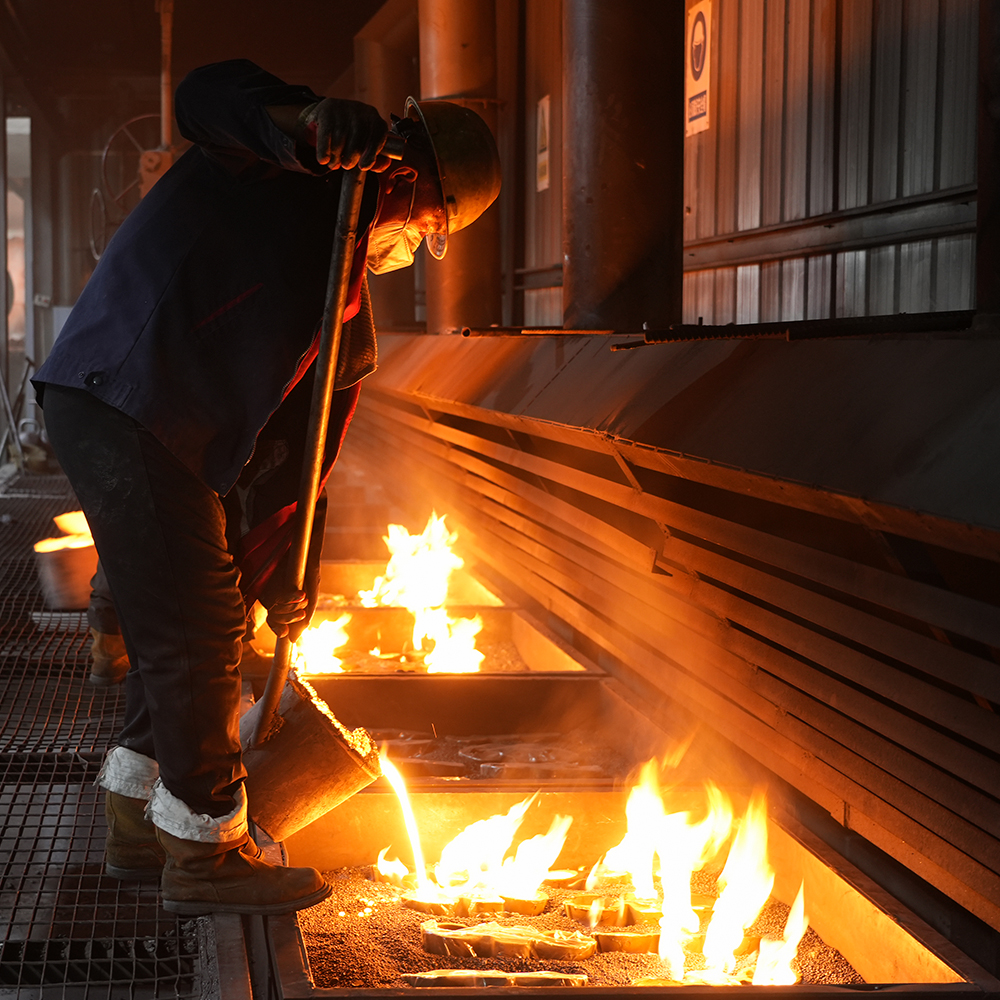
Our production lines are engineered to meet the stringent requirements of international orders, adhering to strict quality control (QC) nodes throughout the manufacturing cycle. This includes raw material testing, automated precision machining, and multi-stage assembly inspections. We maintain a high level of confidentiality and compliance, ensuring that all custom designs and proprietary technical specifications remain secure. By utilizing production standards that align with the needs of international brands, we provide a scalable solution for companies looking to launch or expand their own branded lines of commercial strength and cardio equipment.

Case Studies: Translating Complex Requirements into Delivered Solutions

In the professional fitness procurement landscape, technical challenges rarely involve simple product selection. Most high-value orders arise from specific operational constraints, such as strict branding guidelines, tight installation windows, or highly specialized facility dimensions. The following anonymous case studies illustrate how a structured manufacturing approach resolves these complexities through technical adaptation and rigorous project management.

Scenario A: Customizing a Multi-Gym Line for a Regional Fitness Chain

A mid-sized fitness chain in Southeast Asia required a standardized strength training line to outfit ten new locations simultaneously. Their primary constraints were a highly specific color scheme to match their brand identity and a strict requirement for compact footprints due to limited floor space in their urban studio models. The client initially struggled with standard catalog offerings that were either too bulky or lacked the necessary aesthetic cohesion.

The manufacturing partner responded by initiating a customized OEM workflow. This began with a technical consultation to adjust the frame dimensions of several multi-gym systems, ensuring they fit the client's specific spatial constraints without sacrificing structural stability. To meet the branding requirements, we utilized custom powder coating processes and precision laser-engraved logos on the weight stacks and frame uprights. Furthermore, the production schedule was phased to align with the staggered opening dates of the ten locations. By providing detailed assembly manuals and ensuring all components underwent a final tolerance check, the project was completed on schedule, providing the client with a cohesive, high-performance branded environment that met both aesthetic and durability standards.

Scenario B: High-Volume Resistance Gear Procurement for an E-commerce Brand

A growing international fitness e-commerce brand sought to expand its catalog with premium-grade resistance bands and small-format strength gear. Their main challenge was the high threshold for material consistency; the client’s previous suppliers had issues with inconsistent band tension and packaging durability during international transit, leading to high return rates.

The solution involved moving beyond basic commodity sourcing to a specialized production protocol. We implemented a two-stage verification process: first, testing the tensile strength and elasticity recovery of the latex and fabric materials under simulated high-frequency use, and second, upgrading the packaging specifications to include reinforced, moisture-resistant containers designed for long-distance sea freight. By providing the client with batch-specific test reports and a more robust packaging architecture, the manufacturer helped the brand reduce its product defect rate significantly. The result was a reliable, high-performance product line that maintained its structural integrity from the factory floor to the end-user's doorstep, supporting the brand's reputation for quality in a competitive digital marketplace.

Operationalizing the Partnership: MOQ, Sampling, and Logistics Execution

Transitioning from a technical selection to a successful bulk delivery requires a highly structured operational framework. For professional distributors and gym owners, understanding the practicalities of the procurement lifecycle—from the initial sample approval to the final arrival at the destination warehouse—is critical for managing cash flow and facility opening timelines. A professional gym manufacturer operates through defined milestones to ensure that both the physical product and the logistical execution meet the agreed-upon commercial specifications.

The Sampling and Prototyping Workflow

Before committing to large-scale production, a formal sampling phase is indispensable, particularly for OEM or customized orders. This stage serves as the final verification of technical tolerances, branding integration, and material feel. The typical workflow includes:

  • Technical Drawing Approval: Finalizing 2D and 3D blueprints that specify frame dimensions, welding types, and component placement.
  • Prototype Production: Manufacturing a single unit that incorporates all custom elements, such as specific powder coating colors or branded upholstery.
  • Functional Testing: Subjecting the prototype to load-bearing and mechanical cycle tests to ensure it performs according to the defined specifications.
  • Sign-off: Formal client approval of the physical sample, which serves as the "Golden Sample" for all subsequent mass production runs.

Managing MOQ and Production Timelines

Minimum Order Quantities (MOQ) are typically dictated by the level of customization required. While standardized commercial gym machines may have lower thresholds, highly specialized OEM projects—such as custom-colored resistance bands or uniquely branded weightlifting gear—often require higher volumes to offset the costs of specialized tooling and material setup. We recommend that procurement managers plan their orders at least 3 to 6 months in advance to account for the production window, which includes raw material procurement, assembly, and the mandatory multi-stage quality control (QC) cycles.

Quality Inspection and Shipping Logistics

To mitigate the risks of international transit, a robust inspection and packaging protocol must be established. Professional manufacturers offer several layers of protection for high-value, heavy-duty equipment:

  • In-Process Inspection: Verifying component precision during the assembly stage to catch defects before the final finish is applied.
  • Pre-Shipment Inspection (PSI): A final, comprehensive check of the entire order against the PO specifications, including weight stack accuracy, electronic functionality, and surface finish.
  • Industrial-Grade Packaging: Utilizing reinforced corrugated boxes, high-density foam inserts, and heavy-duty pallets to protect steel frames and sensitive electronic consoles during sea or air freight.
  • Documentation Support: Providing all necessary commercial invoices, packing lists, and technical manuals required for smooth customs clearance and on-site installation.

By treating the procurement process as a series of verifiable technical milestones rather than a single transaction, distributors and gym owners can ensure that their capital investment translates into a reliable, high-performance asset for their facilities.

Strategic Checklist for Long-Term Procurement Success

Establishing a high-performance fitness infrastructure requires a shift from transactional purchasing to strategic partnership management. To ensure that your selection of a gym manufacturer translates into operational excellence and brand growth, utilize the following technical and operational checkpoints during your next procurement cycle.

  • Verify Technical Documentation Early: Before finalizing any PO, demand detailed specification sheets that include steel gauge thickness, bearing types, and motor duty cycle ratings. Do not rely on marketing descriptions; insist on verifiable mechanical benchmarks that align with your facility's expected traffic density.
  • Execute a Multi-Stage Sampling Protocol: For all OEM or customized orders, treat the physical prototype as the absolute standard for mass production. Ensure the "Golden Sample" undergoes rigorous functional testing—including load-bearing and electronic stability checks—before granting final sign-off.
  • Align Logistics with Installation Timelines: Account for a minimum 3-to-6-month lead time to accommodate raw material sourcing, specialized production, and mandatory multi-stage quality control. Coordinate closely with the manufacturer regarding industrial-grade packaging requirements to protect heavy-duty steel frames during international transit.

By focusing on these granular technical and logistical details, procurement professionals can move beyond the limitations of traditional retail models. Whether you are seeking a high-performance alternative to premium brands or a dedicated partner for large-scale OEM production, a rigorous, specification-driven approach ensures that your investment delivers long-term durability, safety, and professional-grade performance for your end-users.

Related Products

Sourcing Commercial Strength and Cardio Gear from a Professional Gym Manufacturer

Top Selling Products

Contact Us

Format: +[country code][number] (e.g. +1234567890)