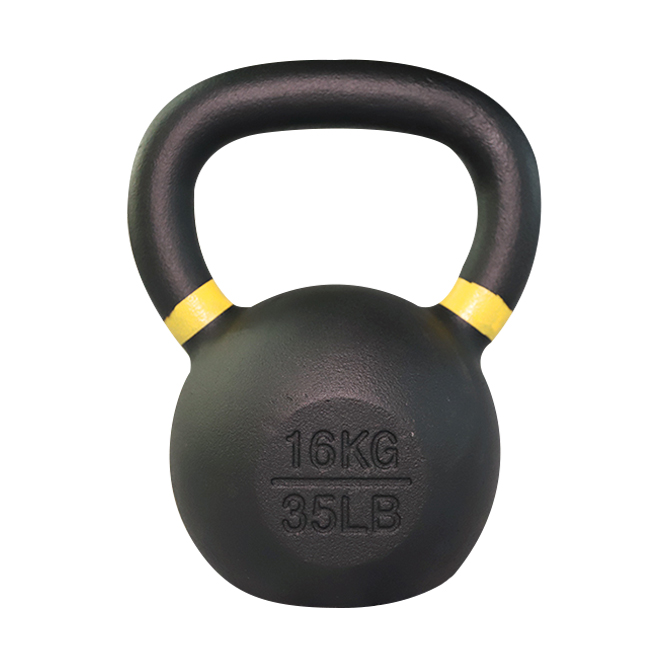
AoXiang Factory

Premium Brand Alternative

gym machine suppliers

Big-brand quality without the markup — factory-direct kettlebells & plates from one source.

Get Free Consultation

gym machine suppliers - China Factory,Supplier,Manufacturer

For commercial gym owners, international distributors, and fitness brand developers, the search for reliable gym machine suppliers is rarely about finding the lowest price alone. Instead, the core challenge lies in balancing capital expenditure with long-term operational durability. Whether you are outfitting a high-traffic urban fitness center or launching a private-label line of strength and cardio gear, the quality of your upstream supply chain directly dictates your facility's maintenance costs and brand reputation.

This guide serves as a strategic framework for professional buyers navigating the global market. We address the critical variables that often separate a successful procurement cycle from a costly operational failure, such as mechanical tolerance consistency, material certification, and the nuances of OEM production. By understanding the structural differences between various types of manufacturers and suppliers, procurement professionals can make informed decisions that protect their margins and ensure equipment longevity.

In the following sections, we will explore several key dimensions essential for high-level sourcing, including:

  • The technical distinctions between different tiers of gym machine suppliers and manufacturers.
  • How to evaluate manufacturing standards for high-intensity strength and cardio equipment.
  • Strategies for implementing "brand-equivalent" solutions that maintain high performance without the premium retail markup.
  • The essential checkpoints for managing customized OEM/ODM production workflows.
  • Real-world procurement scenarios involving complex logistics and customized equipment specifications.

By focusing on verifiable technical metrics rather than marketing claims, procurement officers can build a resilient inventory of commercial gym machines and specialized strength gear that meets the rigorous demands of modern fitness environments.
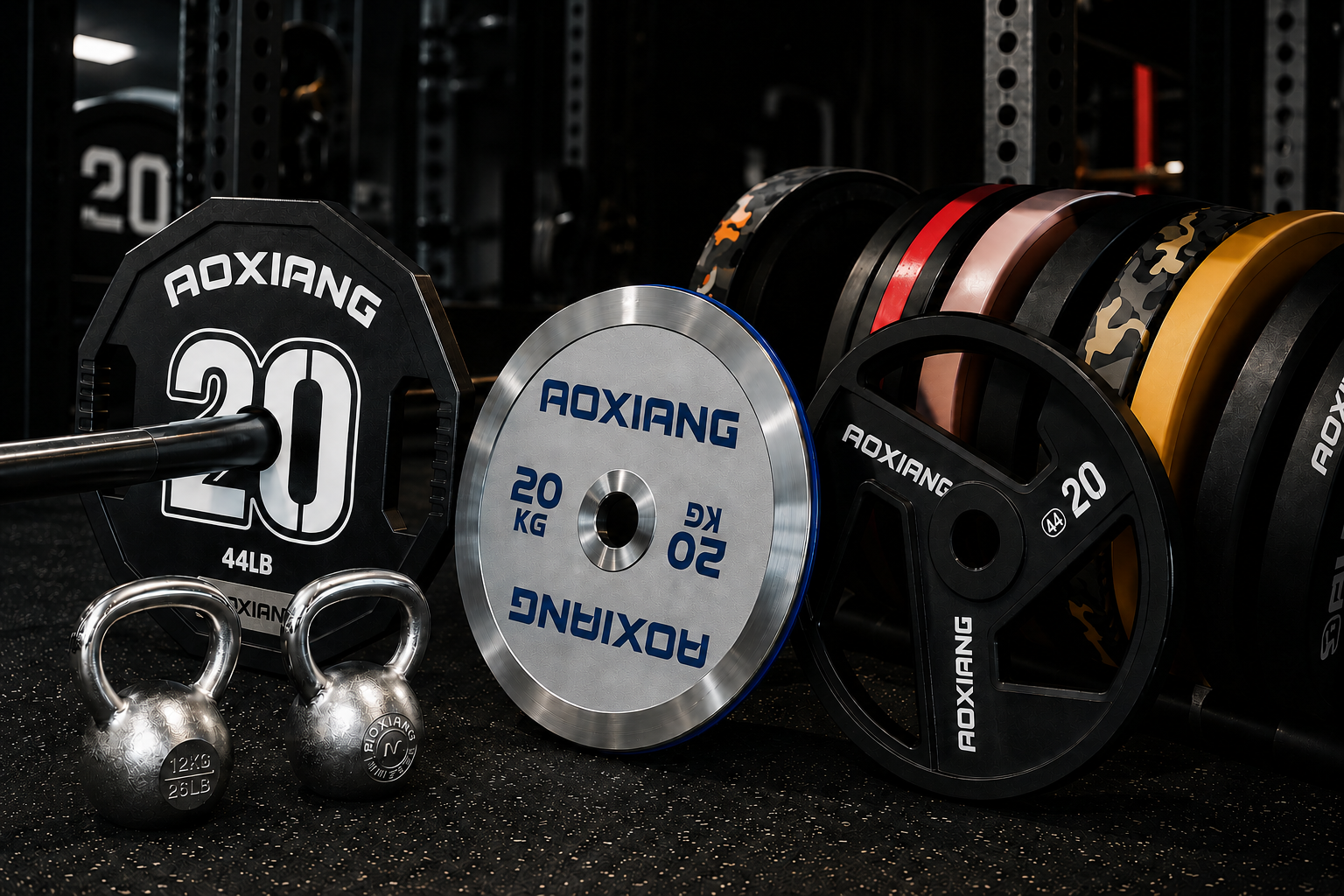
Comparative Analysis of Procurement Models and Equipment Tiers

When building a commercial fitness facility or expanding a distribution network, understanding the structural differences between various sourcing models is critical. The decision to source from a high-end retail brand versus a direct-to-factory model involves more than just a price comparison; it is a trade-off between brand prestige, customization flexibility, and total cost of ownership. Professional buyers must look beyond the surface-level marketing to evaluate the actual technical specifications that define long-term reliability.

The following table provides a strategic comparison between three common procurement tiers. This framework helps procurement officers identify where their specific business needs—whether they prioritize brand recognition or high-margin customization—align with the available supply chain options.

Procurement DimensionPremium Retail Tier (Brand-Led)Professional Distributor Tier (Hybrid)Factory-Direct Tier (OEM/B2B Focus)
Primary Value PropositionHigh brand recognition and established market presence.Balanced reliability with optimized regional availability.High customization capacity and direct cost-efficiency.
Customization (OEM/ODM)Extremely limited; standard product lines only.Moderate; focused on limited color or accessory variations.High; full control over frame gauge, color, and branding.
Technical ControlControlled via strict proprietary specifications.Limited to pre-approved product catalogs.Direct involvement in material and tolerance selection.
Typical Lead TimesVariable, often dependent on regional stock levels.Standardized cycles based on distributor inventory.Structured based on production run and shipping schedules.
Cost StructureHigh premium due to marketing and retail overhead.Mid-range; includes distributor margins and logistics.Optimized; direct-from-source pricing for bulk orders.
Target AudienceLuxury boutique studios and high-end fitness clubs.Regional gym chains and fitness retailers.Global distributors, large-scale gym owners, and brands.

A common misconception in the industry is that "factory-direct" implies a compromise in quality. However, as shown in the comparison above, the primary distinction lies in the control of the specification process. While the premium retail tier offers a turnkey solution with established brand equity, the factory-direct model allows professional buyers to dictate the exact metallurgical and mechanical standards required for their specific environment. This is particularly advantageous for large-scale projects where standard retail-grade equipment might not meet the specific durability or spatial requirements of the facility.

For instance, when sourcing fitness machine manufacturers for high-traffic commercial environments, the ability to specify high-gauge steel (e.g., 3mm vs 2mm) and specialized bearing systems can significantly extend the equipment's lifecycle, regardless of whether the final product carries a high-street brand name. The goal for a savvy procurement officer is to achieve "brand-equivalent" performance through rigorous technical oversight during the sourcing phase.

Technical Benchmarks for Evaluating High-Performance Equipment

A critical error in professional procurement is treating all gym machine suppliers as equal based solely on their product catalogs. To build a high-performance facility, buyers must transition from a "catalog-based" selection process to a "specification-based" vetting process. This requires a deep understanding of the mechanical and metallurgical standards that dictate how equipment responds to high-frequency, high-intensity use over several years.

The Logic of Structural Durability and Material Integrity

The durability of strength training equipment is not an abstract concept; it is a direct function of steel gauge, welding precision, and coating thickness. When sourcing heavy-duty machines, procurement officers should demand specific material reports. For example, a frame constructed from 3mm heavy-gauge steel will offer significantly higher torsional rigidity than a 2mm equivalent, even if they look identical in a studio setting. This difference becomes apparent only after months of heavy mechanical stress, where lower-gauge frames may develop micro-fractures or structural instability.

Furthermore, the quality of the powder coating and the precision of the welding points are often overlooked. High-quality suppliers utilize automated robotic welding to ensure uniform bead depth and consistency, which minimizes human error and prevents structural weak points. A high-end coating process—involving multi-stage chemical pre-treatment and high-micron electrostatic powder application—is essential for preventing corrosion in humid environments, such as commercial gyms or specialized training centers.

Mechanical Tolerances and Motion Smoothness

For cardio equipment and selectorized strength machines, the "smoothness" of the movement is determined by the quality of the bearing systems and cable paths. A common mistake is focusing on the motor power of a rowing machine or cycle while ignoring the friction coefficients within the mechanical assembly. High-performance suppliers utilize precision-ground bearings and high-tensance cables that are engineered to maintain a consistent resistance profile throughout the entire range of motion.

When evaluating a potential partner, ask for the technical data regarding the duty cycle of motors in cardio machines and the tolerance levels of moving parts in strength machines. A supplier that can provide specific micron-level tolerances or detailed testing protocols for component wear-and-tear is far more reliable than one that offers only generalized performance claims. This level of transparency in the technical specification is the hallmark of a professional-grade manufacturing partner capable of supporting long-term commercial operations.

Achieving High-Performance Standards through OEM and Brand-Equivalent Solutions

In the modern fitness landscape, the distinction between "premium retail brands" and "direct-factory solutions" is increasingly defined by technical compliance rather than marketing budgets. For distributors and gym owners, the strategic objective is to source equipment that delivers the same mechanical reliability and user experience as high-street names, but at a cost structure optimized for commercial scaling. This is achieved through a rigorous "brand-equivalent" approach, where procurement is driven by verifiable performance metrics rather than brand prestige.

The Mechanics of Brand-Equivalent Sourcing

To successfully implement a brand-equivalent strategy, buyers must identify the specific high-value components that define a premium machine and ensure they are present in the factory-direct version. We focus on aligning these critical indicators:

  • Structural Rigidity: Matching the frame gauge (e.g., 3mm steel) and welding standards (robotic vs. manual) to ensure long-term stability under heavy loads.
  • Resistance Consistency: Utilizing high-grade weight stacks and precision-engineered pulleys to replicate the smooth, consistent resistance profiles found in premium selectorized machines.
  • Component Durability: Specifying high-duty cycle motors for cardio equipment and industrial-grade bearings for strength machines to ensure operational longevity in high-traffic environments.
  • Aesthetic and Ergonomic Alignment: Matching the high-micron electrostatic powder coating and ergonomic upholstery standards used by top-tier global brands.

Professional OEM/ODM Production and Compliance Standards

For organizations looking to launch their own proprietary lines, partnering with a manufacturer that operates under international brand-grade standards is essential. Our production philosophy is built upon the rigorous protocols required to service high-level international orders. This involves a highly structured workflow that ensures every customized piece of equipment meets the client's unique brand identity and quality expectations.

The process begins with a strict pre-production phase, where technical specifications—including CAD drawings, material certifications, and color profiles—are finalized. We prioritize a transparent sampling-to-mass-production pipeline: once a prototype or sample is approved through rigorous stress testing, the production line follows a standardized sequence of automated fabrication, precision assembly, and multi-stage quality control. To protect our partners, we maintain strict confidentiality protocols and compliance boundaries, ensuring that all proprietary designs and brand-specific engineering remain secure throughout the manufacturing lifecycle. This level of professionalized OEM service allows brands to scale with confidence, knowing that their production capacity is managed with the same precision as a global industry leader.

Real-World Procurement: Navigating Complex Requirements Through Custom Solutions

Theoretical specifications are essential, but the true test of a manufacturing partner lies in their ability to solve practical, real-world constraints. In the professional fitness industry, procurement is rarely a simple transaction; it often involves navigating strict budget ceilings, rigid delivery timelines, and highly specific regional compliance standards. Below are two anonymous case studies that illustrate how a technical, solution-oriented approach can resolve common supply chain bottlenecks.

Scenario A: Rapid Expansion of a Regional Fitness Chain

A mid-sized fitness chain in Southeast Asia was planning to open twelve new locations within a single six-month window. Their primary challenge was a dual constraint: they required a consistent, high-end aesthetic to match their premium branding, but they were working with a fixed capital expenditure budget that precluded sourcing from top-tier Western retail brands. Furthermore, the local logistics infrastructure meant that any delays in equipment arrival would directly stall their grand opening schedules.

The procurement team approached us with a request for a customized "brand-equivalent" solution. Instead of sourcing from a standard catalog, we developed a tailored specification package. We matched their brand's signature matte-black finish and ergonomic upholstery standards using high-micron electrostatic powder coating and industrial-grade foam. To address the budget, we utilized a high-gauge steel frame (2.5mm) that provided the necessary commercial durability while optimizing material costs compared to ultra-heavyweight luxury models. By synchronjizing the production schedule with a staggered shipping plan, we ensured that equipment arrived in batches, allowing them to open each location on time without overwhelming their local warehouse capacity. The result was a unified, premium-looking facility across all twelve locations, achieved within their original budget.

Scenario B: Custom Branding for a Specialized Strength Product Line

An international fitness distributor sought to launch a proprietary line of specialized resistance gear and weightlifting accessories to differentiate themselves in a crowded e-commerce market. Their requirement was not just for bulk supply, but for a highly controlled OEM process that could handle unique packaging dimensions and specific branding placements for their logo and instructional graphics.

The core constraint was the strict requirement for consistent product weight and tactile feel across thousands of units, as any deviation would undermine their brand's reputation for quality. We implemented a specialized production protocol that included a rigorous pre-production sampling phase. We provided the client with multiple prototypes, allowing them to verify the texture of the resistance bands and the balance of the weightlifting accessories. Once the samples passed their internal stress tests, we moved to mass production using an automated QC system that tracked every batch. We also customized the internal packaging to ensure the items were protected during long-distance maritime transit, significantly reducing the rate of transit-related damage. The product line launched successfully, meeting the distributor's high standards for both product performance and brand presentation.

Operationalizing the Partnership: MOQ, Sampling, and Global Logistics

Transitioning from a technical selection to an active procurement cycle requires a clear understanding of the operational protocols that govern B2B manufacturing. For professional buyers, the success of an order is determined not just by the initial specification, but by the predictability of the production and delivery phases. Managing these variables effectively ensures that capital is deployed efficiently and that facility launch timelines remain intact.

Standardized B2B Engagement Protocols

A professional engagement with a manufacturer follows a structured sequence designed to mitigate risk and ensure technical alignment. Understanding these stages allows procurement officers to better manage internal stakeholder expectations:

  • Minimum Order Quantities (MOQ): Most commercial-grade production runs are subject to MOQs that reflect the setup costs of specialized machinery and raw material procurement. While specialized OEM orders for custom colors or branding may have higher thresholds, standard catalog items often allow for more flexible volume-based ordering.
  • The Sampling and Validation Cycle: Before moving to full-scale production, a rigorous sampling phase is mandatory. This involves the fabrication of a prototype based on the client's technical spec sheet. The client must conduct physical stress tests, ergonomic verifications, and branding inspections to sign off on the sample. This step is the primary safeguard against mass-production errors.
  • Quality Control (QC) and Inspection Nodes: Reliable suppliers integrate multiple inspection points throughout the manufacturing process. This includes raw material testing (verifying steel gauge and coating thickness), in-process inspection (checking welding consistency and mechanical tolerances), and final pre-shipment inspection (testing moving parts and electrical components in cardio machines).

Packaging and International Logistics Management

Shipping large-scale commercial equipment requires specialized logistics expertise to prevent transit-related damage and optimize container utilization. Professional suppliers offer several strategic options for global distribution:

For high-volume B2B shipments, heavy-duty, reinforced corrugated boxing and customized internal support structures are standard. This is particularly critical for sensitive components like resistance band sets or precision-engineered rowing machines. For larger items, such as multi-gym systems or heavy weightlifting racks, specialized palletization and crate-wrapping protocols are employed to ensure structural integrity during maritime or road transport.

Effective communication during the shipping phase is just as vital as the physical packaging. A professional supplier provides a structured timeline that accounts for raw material procurement, assembly, final inspection, and container loading. By maintaining transparency regarding lead times and shipping milestones, distributors can synchronize their local warehouse receiving schedules with international vessel arrivals, minimizing the risk of unexpected storage costs or facility downtime.

Strategic Checklist for Long-Term Procurement Success

Building a resilient supply chain for commercial fitness equipment requires moving beyond transactional purchasing toward a model of technical partnership. To ensure that your investment translates into high-performance assets and long-term operational stability, professional procurement officers should utilize the following actionable checkpoints before finalizing any large-scale purchase or OEM agreement.

Pre-Contract Technical Verification

  • Validate Material Certifications: Do not rely on visual similarity. Request specific metallurgical reports or thickness gauges (e.g., 3mm steel vs. 2mm) to ensure the equipment meets the structural requirements of your specific training environment.
  • Confirm Mechanical Tolerances: For selectorized strength machines and cardio units, demand technical data regarding bearing precision and motor duty cycles to ensure the equipment can withstand high-frequency commercial usage.
  • Audit the Sampling Protocol: Ensure that the sampling phase includes a formal sign-off process where you can physically test the ergonomics, resistance profile, and branding accuracy before the mass production run begins.

Operational and Logistics Alignment

  • Formalize QC Nodes: Integrate specific inspection points—such as raw material verification and pre-shipment mechanical testing—directly into your purchase order to ensure quality is managed at the source rather than upon arrival.
  • Synchronize Logistics Timelines: Work with suppliers to establish a structured timeline that accounts for raw material procurement and assembly, allowing you to align international shipping arrivals with your facility's grand opening or inventory needs.
  • Verify Packaging Durations: For sensitive or high-volume items, confirm that the supplier utilizes reinforced, industrial-grade packaging and palletization protocols designed to withstand long-distance maritime transit and multiple handling stages.

By integrating these technical and operational benchmarks into your sourcing workflow, you transition from a buyer of products to a manager of high-performance fitness assets. This disciplined approach minimizes the total cost of ownership and builds a reliable foundation for your commercial fitness enterprise.

AoXiang Factory new competition kettlebells and cast iron plates — premium brand alternative New Product Line
Premium Brand Alternative

Same Quality as Top Brands. Without the Brand Markup.

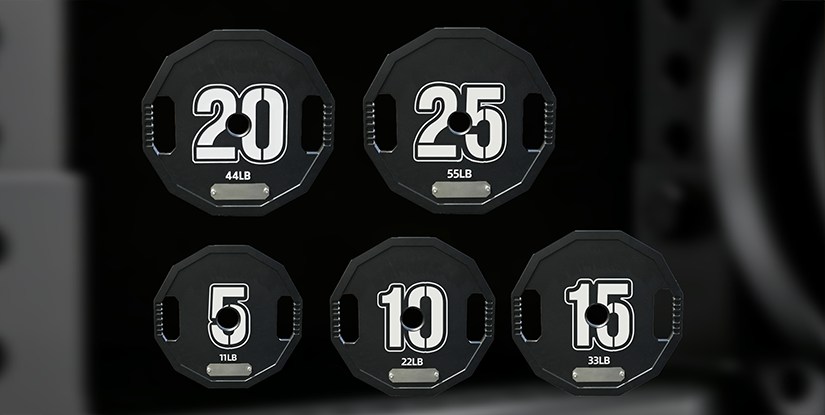
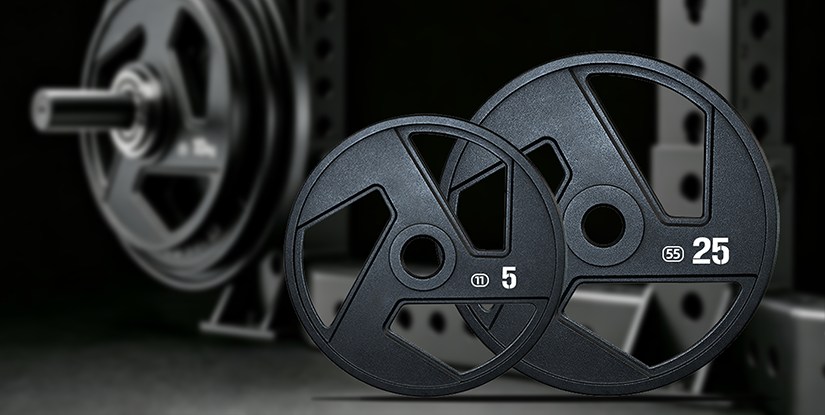
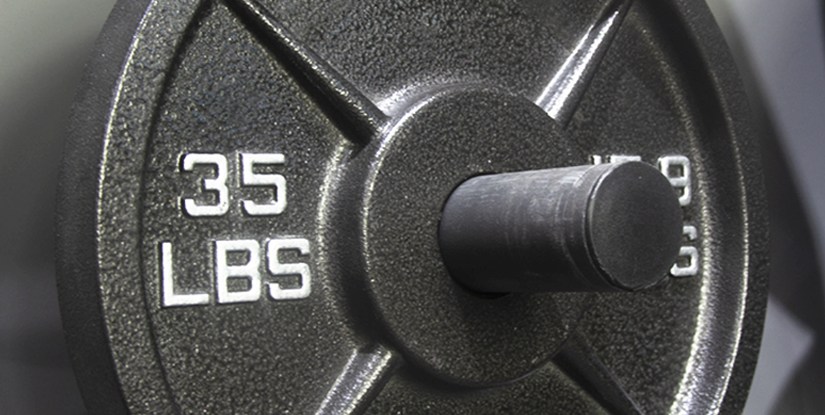
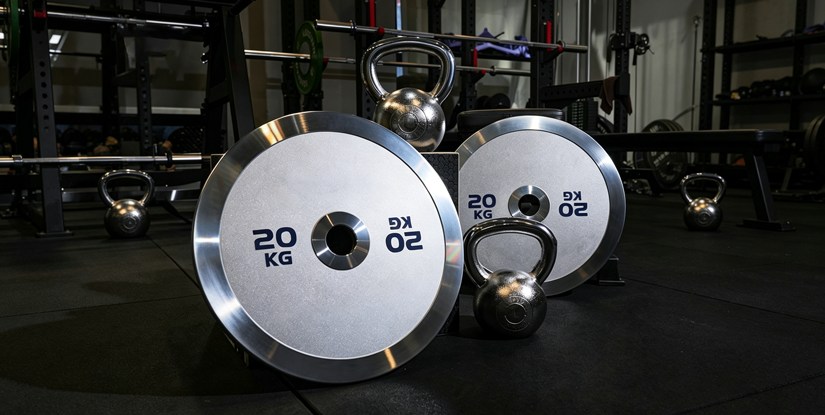
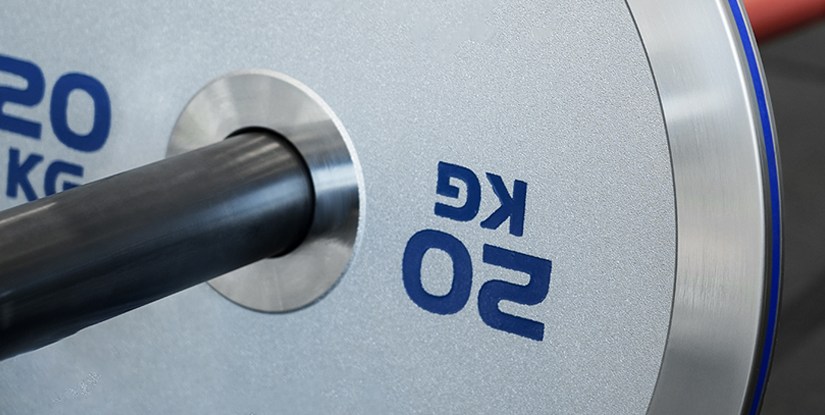
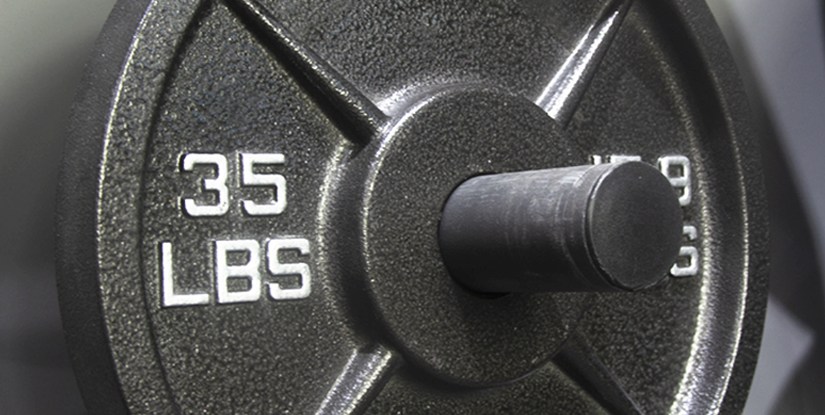
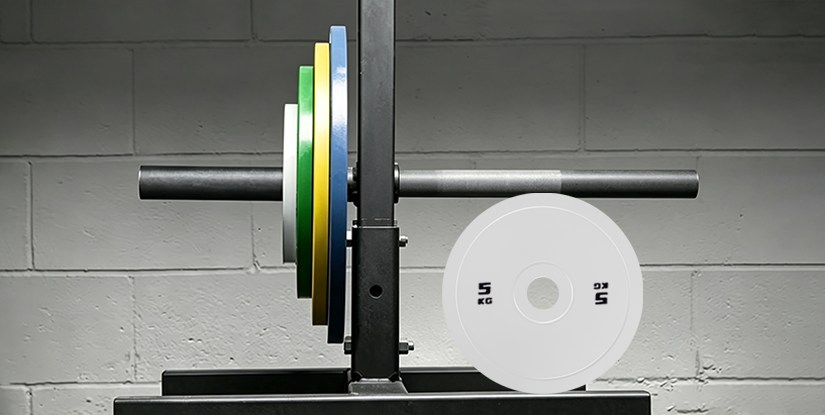
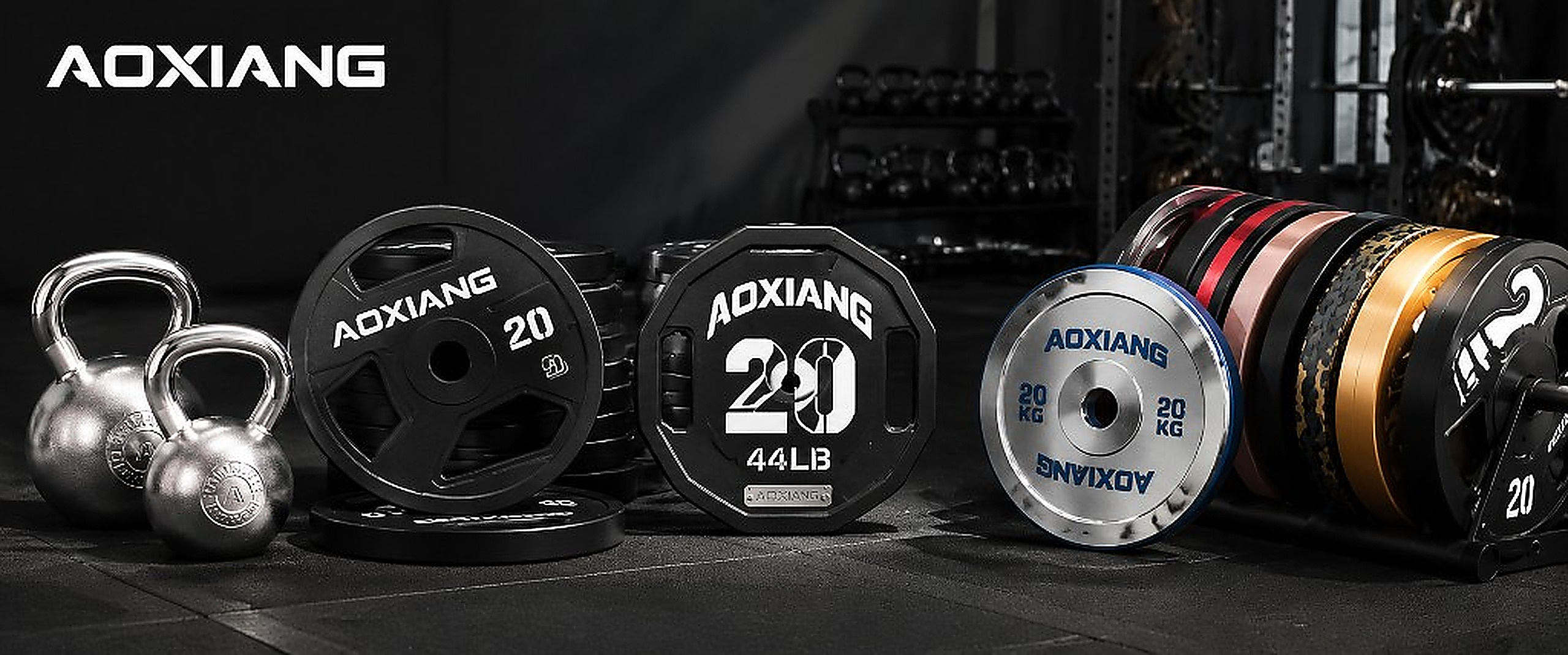
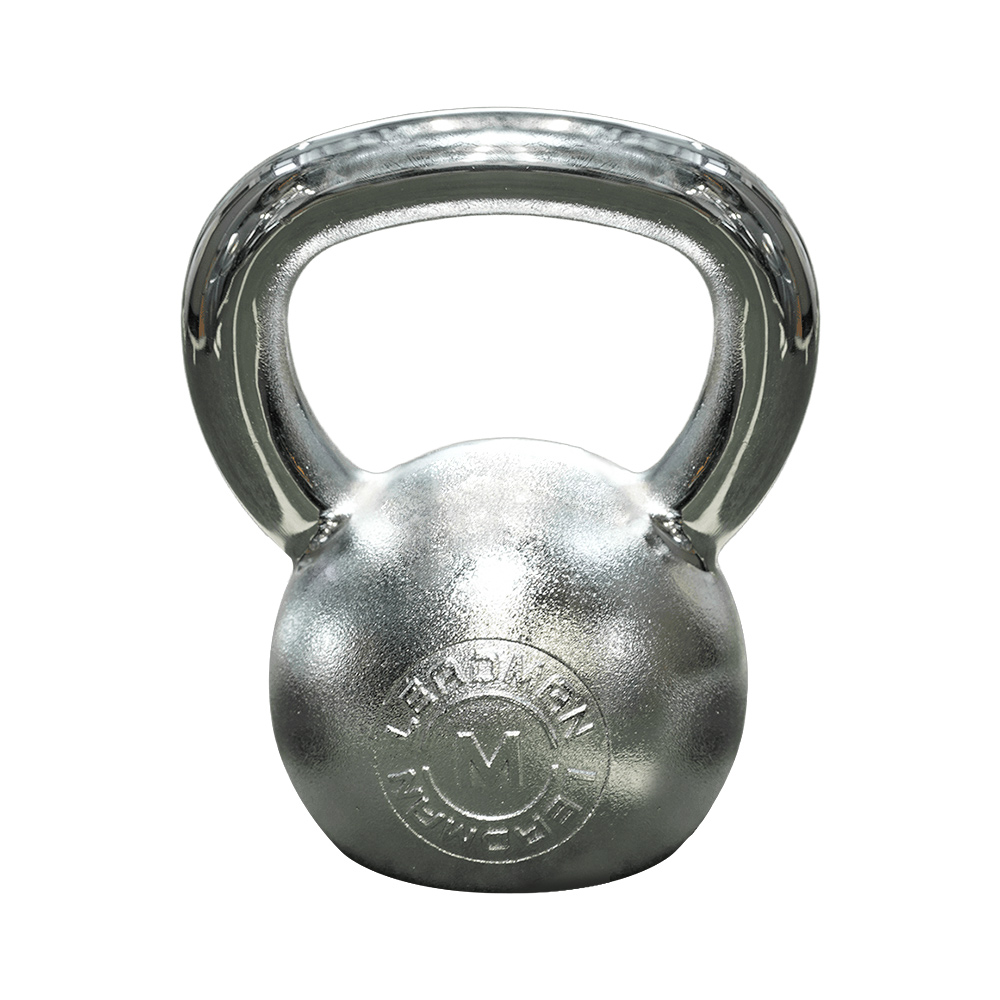
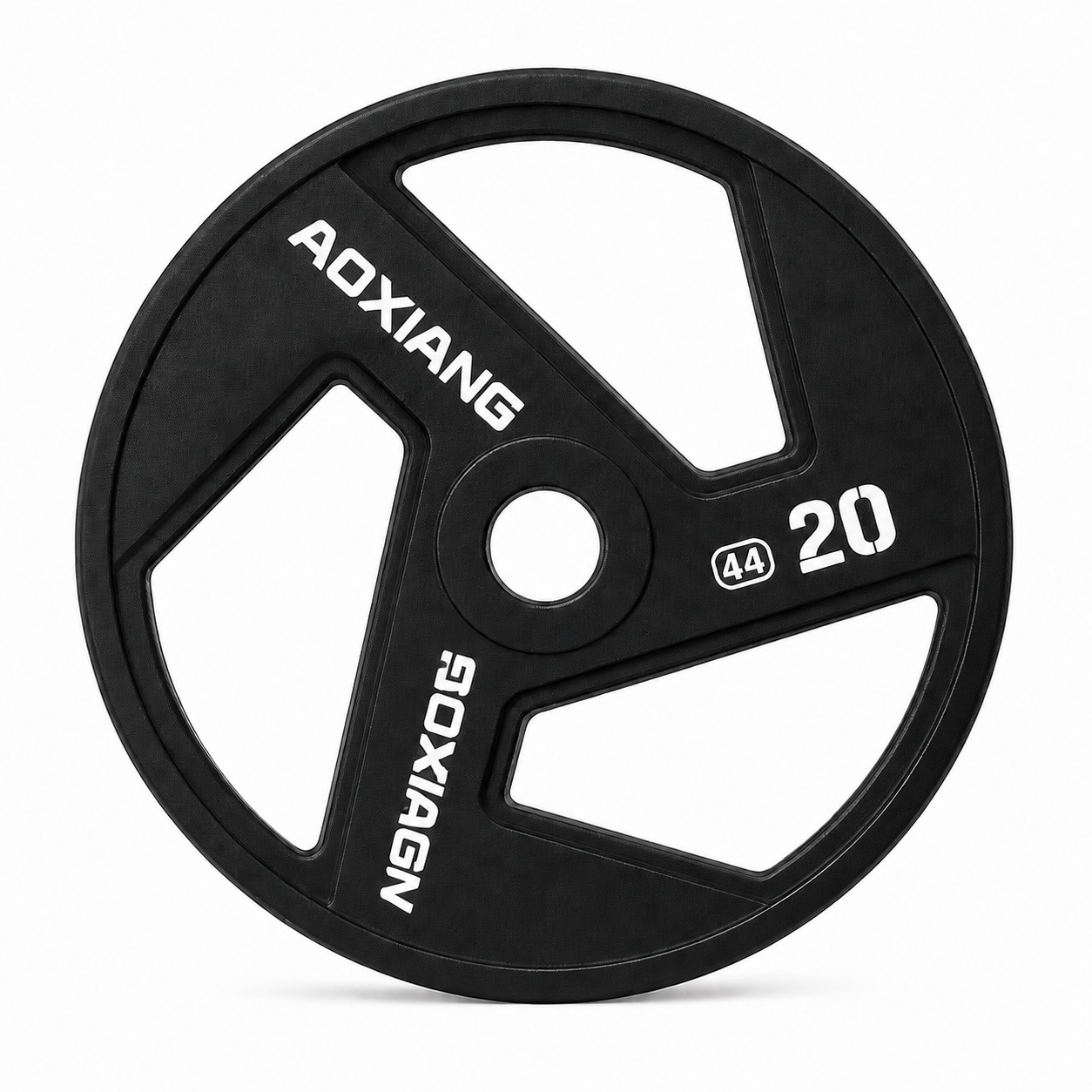
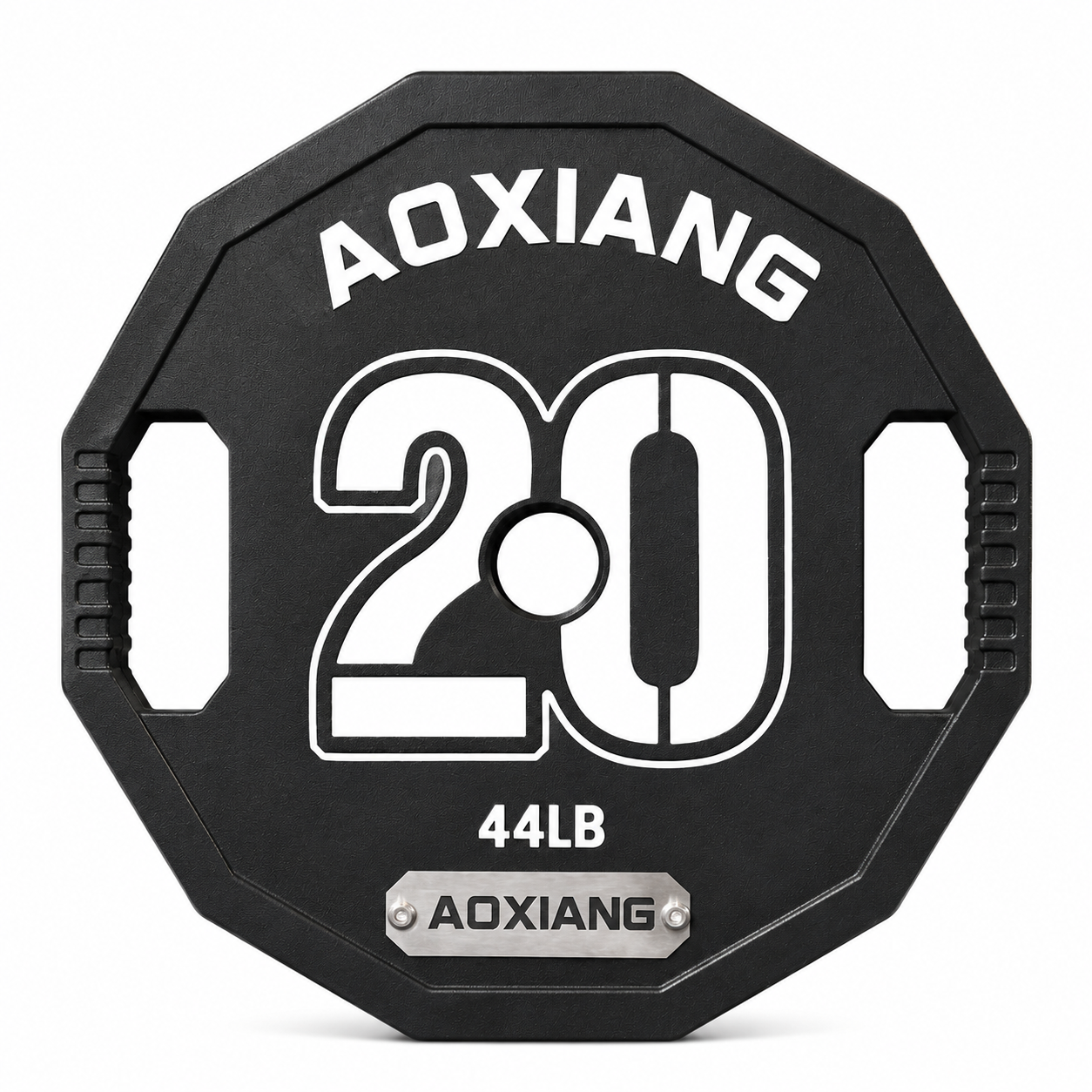
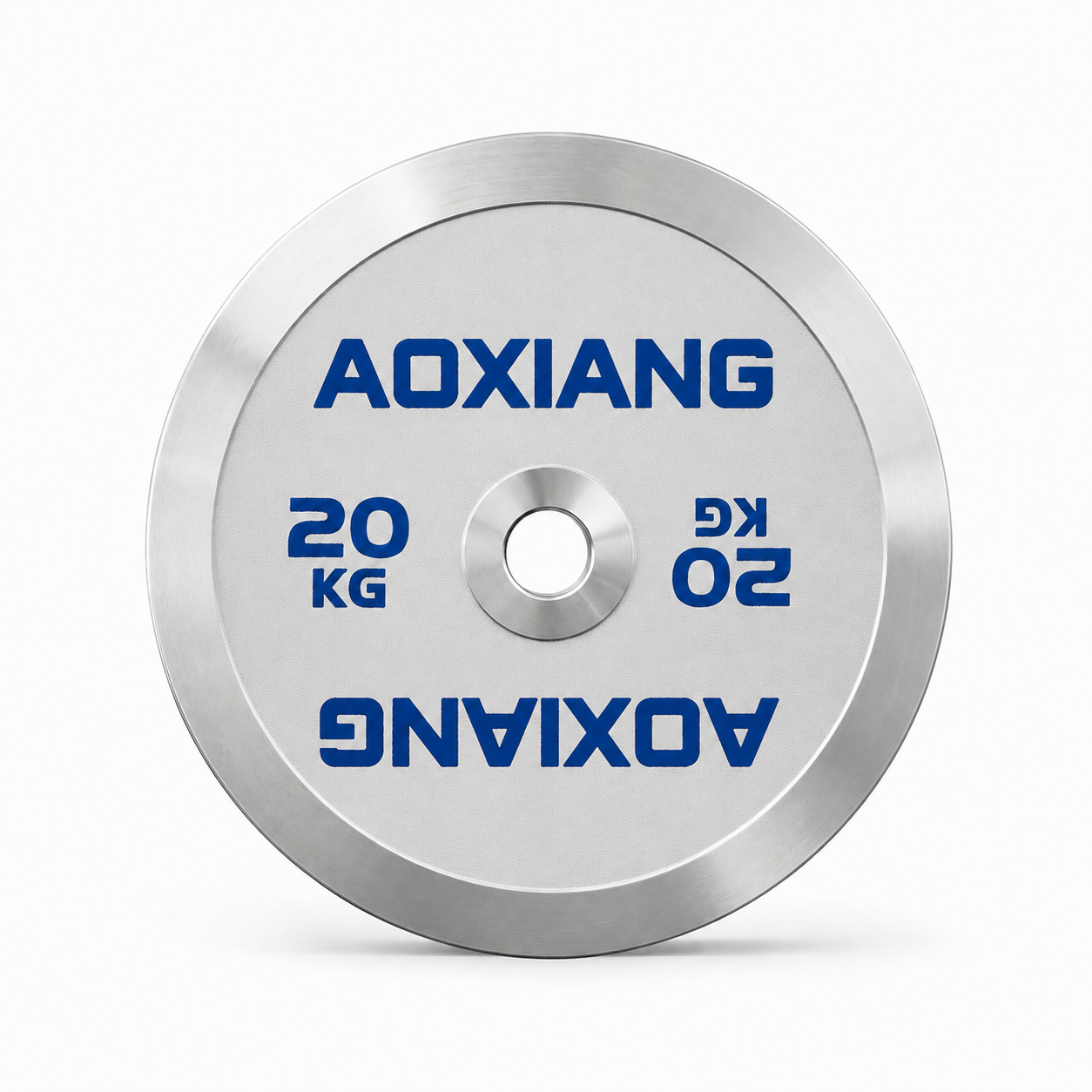
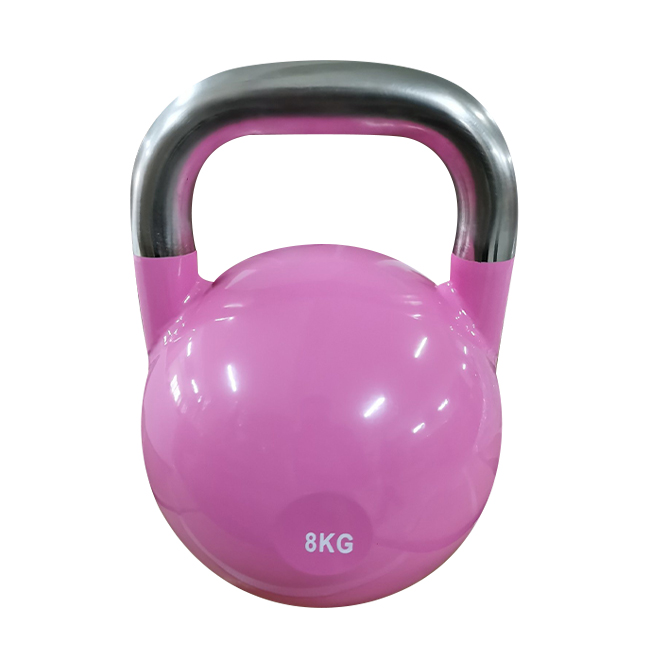
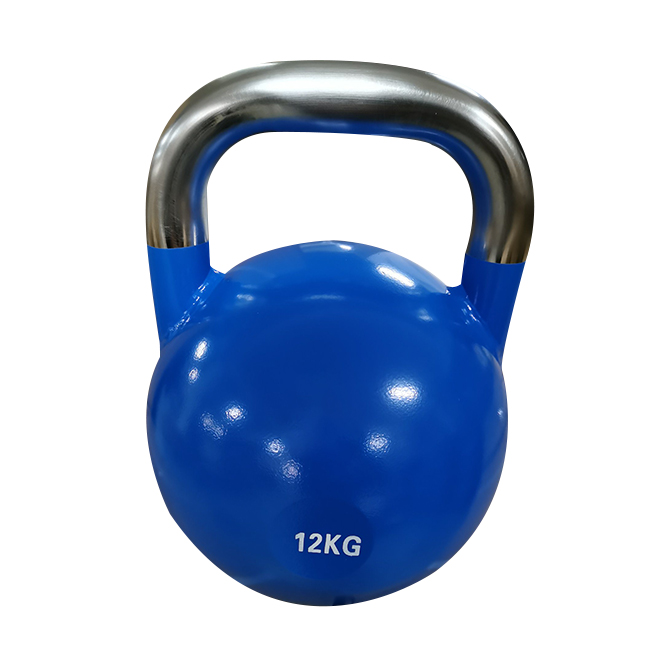
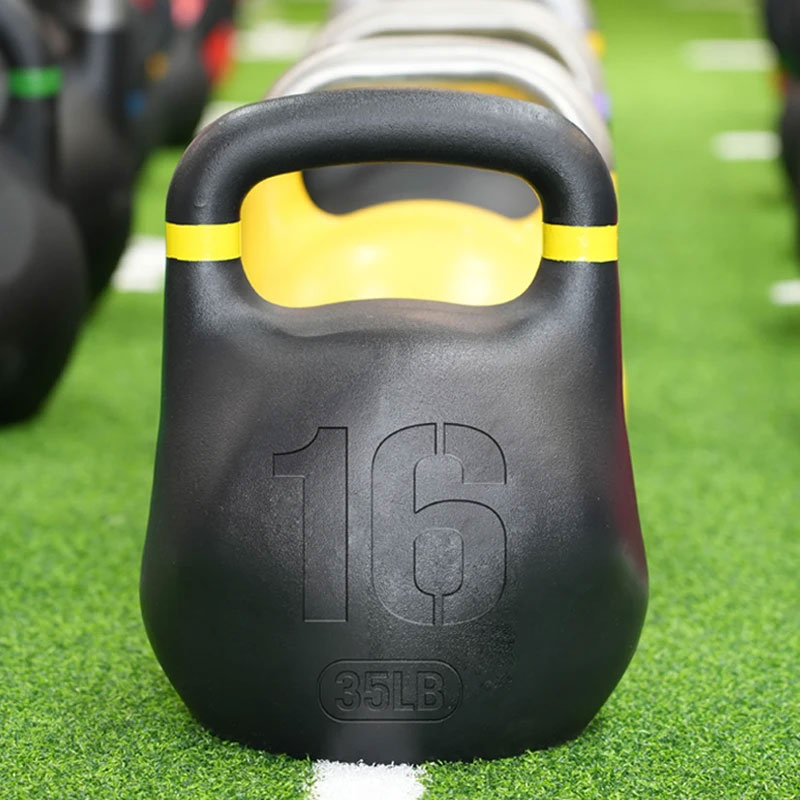
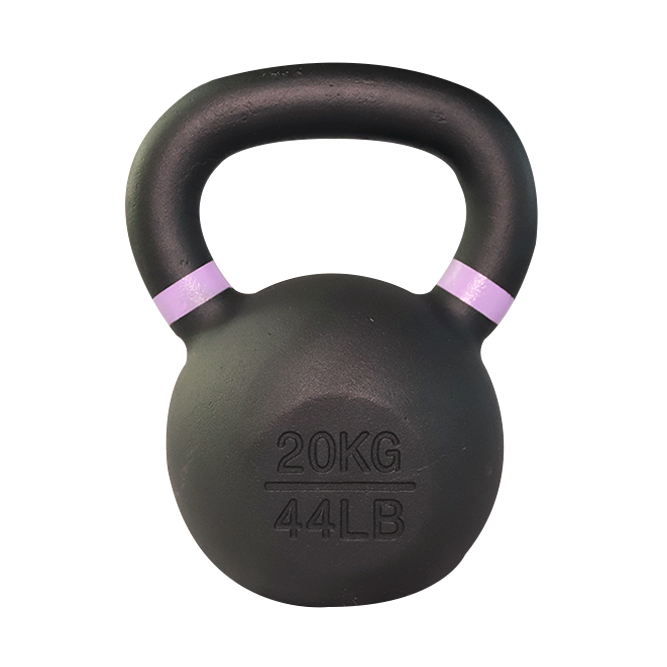
Our latest kettlebell & plate lineup is built for buyers who want top-tier gym equipment without the premium badge — competition-grade kettlebells, grip plates, and cast iron plates straight from the foundry, at factory-direct pricing for wholesalers, gyms, and private-label brands.

  • Commercial-grade build
  • Better wholesale margins
  • OEM & private label

Why Choose AoXiang Factory

Direct cast-iron factory for kettlebells, weight plates, and custom fitness equipment — trusted by wholesalers, gyms, and OEM brands worldwide.

  • OEM / ODM Customization

    Logo, color, weight tolerance, handle finish, and export packaging tailored to your brand.

  • Strict Quality Control

    Precision casting, weight calibration, surface inspection, and full finished-product testing.

  • Flexible MOQ & Samples

    Sample orders welcome · wholesale and bulk production with competitive factory pricing.

  • Global Export Shipping

    Reliable export packaging, on-time delivery, and support for DDP/FOB/CIF shipping terms.
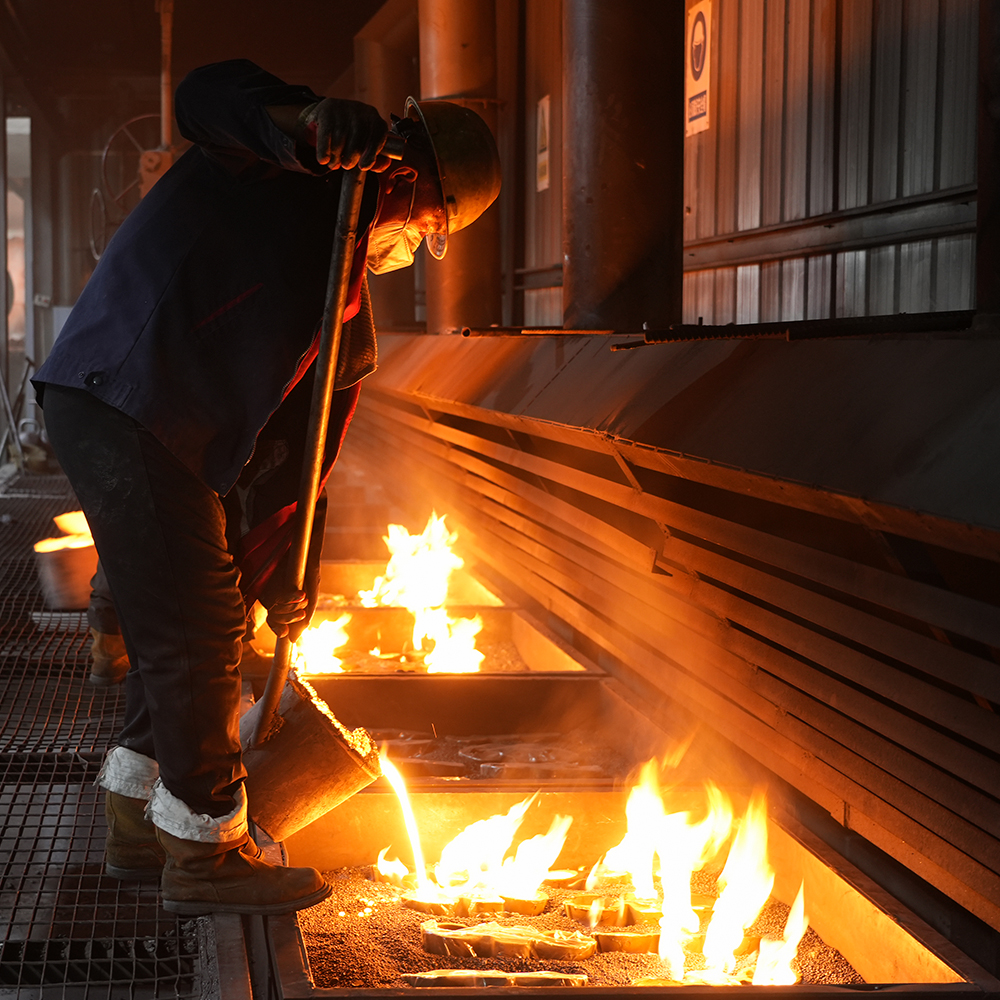
AoXiang Factory kettlebell casting and manufacturing facility
CE SLCP SGS

Related Products

Factory-direct alternatives matched to this topic — same commercial-grade quality, competitive wholesale pricing.

View All Products →

Need Custom Fitness Equipment?

Tell us your specs, logo, and quantity — our foundry team will reply with pricing, samples, and lead time within 24 hours.
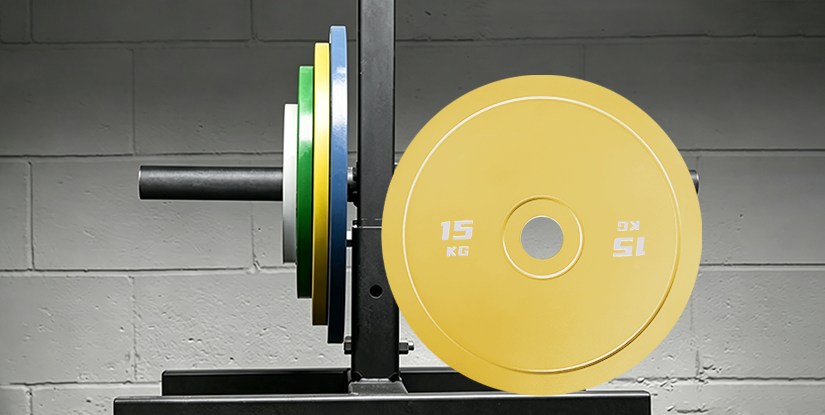
  • Free quotation & sample support
  • CE / SLCP / SGS verified factory
  • Kettlebells · plates · custom casting
Get A Free Quote
01 Send Requirements
02 Sample & Quote
03 Mass Production
04 Ship Worldwide

Related Blog Articles

Expert guides and buying tips from AoXiang Factory — kettlebells, weight plates, and commercial gym equipment.

View All Blogs →

Contact Us

Format: +[country code][number] (e.g. +1234567890)