For international distributors, gym franchise owners, and fitness brand developers, the transition from local sourcing to global scaling requires more than just finding a vendor; it requires identifying a reliable gym equipment exporter capable of maintaining consistent high-performance standards. The modern fitness market demands a diverse range of high-durability products, from heavy-duty commercial gym machines to precision-engineered resistance bands and sophisticated cardio systems. However, the primary challenge remains the gap between technical specifications and actual field performance during high-intensity commercial use.
This guide addresses the critical decision-making frameworks required to navigate the global supply chain effectively. Whether you are building a boutique studio or managing a large-scale commercial gym rollout, the goal is to secure equipment that balances structural integrity with cost-efficiency. We focus on the specific needs of B2B procurement, including the nuances of OEM customization, quality control protocols, and the logistics of international distribution.
Specifically, professional buyers often face difficulties in three key areas:
By understanding these dimensions, procurement professionals can move beyond basic price comparisons and focus on long-term value, ensuring that their facility or distribution network is built on a foundation of reliable, high-tolerance fitness gear.
To make an informed decision, procurement managers must look beyond the surface-level price tags and evaluate the underlying value proposition of different sourcing channels. The choice between a high-end retail brand, a specialized distributor, or a direct gym equipment exporter depends heavily on your specific business objectives, whether you are prioritizing brand prestige, immediate availability, or long-term scalability through customization.
The following table provides a comparative analysis of three common procurement models. This comparison uses neutral industry terminology to help you identify which tier aligns with your current facility needs or distribution strategy. We focus on verifiable metrics such as customization depth, cost-efficiency, and technical control.
| Procurement Dimension | Premium Retail Tier | Specialized Distributor Tier | Direct Factory/Exporter Tier |
|---|---|---|---|
| Primary Focus | Brand recognition and lifestyle prestige. | Rapid availability and standardized inventory. | Customization depth and cost-to-performance ratio. |
| OEM/ODM Capability | Very limited; strictly follows brand guidelines. | Moderate; limited to color or minor accessory changes. | High; full control over frame, motor, and branding. |
| Technical Control | Relies on established proprietary technology. | Standardized specifications across multiple brands. | Direct involvement in material and tolerance specs. |
| Cost Structure | High (includes heavy marketing/retail margins). | Medium (optimized for volume and turnover). | Optimized (direct-to-client B2B pricing). |
| Supply Chain Speed | Dependent on retail stock or long lead times. | Relatively fast for standard, stocked items. | Variable (based on customized production cycles). |
When evaluating these tiers, it is essential to note that the "Direct Factory/Exporter Tier" is not merely about finding the lowest price. Instead, it is about gaining a strategic advantage through technical alignment. For example, when sourcing complex items like commercial gym machines or rowing machines, working directly with an exporter allows you to dictate the exact gauge of steel, the type of bearing used in the flywheel, and the specific duty cycle of the motor. This level of control is often lost when purchasing through multiple layers of middle-tier distributors, where the original manufacturing specifications become obscured by the time the product reaches your warehouse.
For distributors looking to build their own house brands, the ability to transition from purchasing standard stock to executing a full OEM program is a critical growth milestone. A professional gym equipment exporter provides the technical bridge necessary to move from "buying products" to "developing a product line," ensuring that your brand's quality promise is backed by actual factory-level data and rigorous testing protocols.
A common pitfall in B2B procurement is the reliance on "marketing-grade" specifications rather than "engineering-grade" data. In the commercial fitness industry, a machine that looks robust in a catalog may fail within six months of heavy use if the underlying structural tolerances and component grades are insufficient. To avoid these high-cost errors, professional buyers must transition from asking "what is the price" to "what is the technical standard."
When sourcing heavy-duty strength equipment, the most critical factor is the steel gauge and the quality of the welding process. A high-performance gym equipment exporter will not just list "steel frame," but will specify the thickness (e.g., 3mm or 11-gauge steel) and the type of welding used (such as robotic MIG welding for consistency). In high-traffic environments, even a 0.5mm variance in steel thickness can lead to structural fatigue over time. Furthermore, the durability of moving parts—such as the pulleys in a multi-gym system or the bearings in a rowing machine—depends on the load-bearing capacity and the friction coefficient of the materials used. A professional procurement framework should always require documentation regarding the bearing type (ball bearings vs. bushings) and the duty cycle of the electronic components in cardio machines.
The "low-cost trap" often manifests in two ways: premature component failure and excessive maintenance downtime. For a gym owner or a large-scale distributor, the initial savings from a low-tolerance supplier are quickly erased by the operational costs of replacing broken cables, worn-out upholstery, or malfunctioning electronic consoles. This is particularly true for cardio equipment, where the motor duty cycle is the heartbeat of the machine. A motor designed for home use, even if marketed as "semi-commercial," will inevitably overheat under the continuous load of a commercial facility. When evaluating a supplier, it is vital to verify if they provide standardized testing reports for motor heat dissipation and electronic stability under peak load conditions.
Beyond the physical product, the complexity of international shipping introduces significant risks to lead times and cost predictability. A common mistake is failing to account for the "hidden" variables in the supply chain, such as customs classification, packaging durability for long-distance transit, and compliance with regional safety standards. A sophisticated procurement strategy involves more than just a PO; it requires a detailed agreement on packaging specifications (e.g., reinforced double-wall corrugated boxes for heavy weights) and a clear understanding of the Incoterms that govern the transfer of risk. Working with an experienced exporter allows you to integrate these logistical realities into your project timeline, ensuring that your facility opening or retail launch remains on schedule.
In the competitive landscape of global fitness distribution, the ability to provide high-performance equipment without the massive retail markup of premium brands is a significant competitive advantage. This is often achieved through a "Value-Aligned Sourcing" strategy, where buyers identify products that match the technical benchmarks of top-tier brands while leveraging direct factory-to-client pricing. Rather than seeking a "replica," professional procurement focuses on matching specific, verifiable performance indicators across the same functional categories.
When moving from a premium retail model to a direct exporter model, the goal is to ensure that the "performance gap" is non-existent in critical areas. For example, when sourcing commercial gym machines, the focus shifts from brand prestige to quantifiable metrics. A high-tier solution can be achieved by ensuring the following alignment in key components:
For established fitness brands looking to expand their product lines, engaging with a specialized manufacturer provides a scalable way to develop proprietary gear. Our production philosophy is built upon the rigorous standards required to service international brand orders. This involves a highly disciplined approach to the lifecycle of a product, from the initial concept to mass production.
The OEM/ODM process is structured around three core pillars: precision prototyping, strict quality control, and intellectual property security. During the prototyping stage, we focus on technical feasibility, ensuring that custom resistance bands or complex multi-gym systems meet your exact tension and dimension requirements. Once a sample is approved, the transition to mass production is governed by a strict QC protocol. This includes in-line inspections of welding consistency, electronic component testing, and final load-bearing stress tests. Furthermore, we maintain strict confidentiality boundaries regarding client designs and proprietary specifications, ensuring that your brand's unique intellectual property remains protected throughout the manufacturing and export process.
Moving beyond theoretical frameworks, the true value of a professional gym equipment exporter is best demonstrated through the resolution of complex, real-world procurement challenges. Successful partnerships are rarely about simple transactions; they are built on the ability to solve multi-dimensional constraints involving technical precision, strict timelines, and specific branding requirements. The following two anonymous case studies illustrate how customized solutions address the unique pain points of different B2B segments.
A growing regional fitness chain in Southeast Asia required a complete equipment overhaul for twelve new locations within a compressed six-month window. The primary constraints were a rigid launch schedule and the need for a unified, high-end aesthetic across all branches to maintain brand consistency. The client initially struggled with standard distributors who could not guarantee the simultaneous availability of synchronized cardio and strength lines.
The solution involved a phased production and shipping plan. Instead of a single massive shipment, we developed a staggered delivery schedule that aligned with the construction milestones of each individual facility. To meet their aesthetic requirements, we implemented a customized color-coding system for the frames and upholstery, ensuring that the "signature look" of their brand was consistent. Furthermore, to mitigate the risk of transit damage, we utilized reinforced, custom-sized packaging for the heavier multi-gym systems. The result was a seamless rollout where all twelve locations were fully operational and equipped with high-tolerance, brand-aligned machines exactly on the scheduled opening dates, without a single delay caused by equipment shortages or shipping damage.
A specialized fitness distributor in Europe sought to launch a proprietary line of premium resistance gear and small-scale strength accessories. Their challenge was not just finding a manufacturer, but finding a partner capable of executing high-precision OEM production with extremely low tolerances for error. They required a specific tension profile for their resistance bands and a unique ergonomic grip for a series of weightlifting accessories that had to meet stringent European safety standards.
We approached this as a technical development project rather than a standard order. The process began with an intensive prototyping phase where multiple iterations of the resistance bands were tested against the client's specific tension-to-length ratios. Once the technical specifications were finalized and the prototype samples were approved, we moved into a controlled mass production run. This included a specialized QC step where every batch of raw material was tested for elasticity consistency before being integrated into the final product. By providing detailed material test reports and maintaining high-level transparency during the production cycle, we helped the distributor launch a high-performance, branded product line that successfully passed all local market quality inspections and established their reputation for premium quality.
Transitioning from a successful sample approval to a full-scale commercial rollout requires a clear understanding of the operational protocols that govern B2B manufacturing. A professional gym equipment exporter operates through a structured framework designed to minimize ambiguity and maximize predictability for global distributors and facility owners. This structured approach ensures that technical specifications are translated accurately into mass-produced inventory.
The progression of a customized project, whether for a specialized rowing machine or a branded resistance band line, typically follows a disciplined four-stage workflow:
Understanding the practical constraints of manufacturing is essential for realistic project planning. Minimum Order Quantities (MOQ) are typically determined by the level of customization involved. For standardized commercial gym machines, MOQs may be lower, whereas highly customized OEM projects—such as those involving bespoke electronic consoles or unique frame geometries—require higher volumes to offset the costs of specialized tooling and programming.
Lead times are similarly bifurcated. Standardized stock items can often be processed for rapid dispatch, but custom-engineered solutions must account for the time required for prototyping, material procurement, and specialized testing. We recommend that procurement managers build a "buffer window" into their facility launch timelines to account for international shipping variables and potential customs clearance durations. By integrating these logistical and manufacturing realities into your initial procurement strategy, you can ensure a stable and predictable supply chain that supports your long-term growth.
Establishing a reliable supply chain with a gym equipment exporter requires moving beyond the initial inquiry phase into a rigorous validation of technical and logistical capabilities. To ensure your facility or distribution network is built on a foundation of durability and brand integrity, professional buyers should utilize the following actionable checkpoints during the vendor selection and onboarding process.
By implementing these rigorous standards, procurement professionals can transition from reactive purchasing to proactive supply chain management. This disciplined approach ensures that every piece of equipment—from the smallest accessory to the most complex multi-gym system—contributes to the long-term operational excellence and commercial success of your fitness brand or facility.
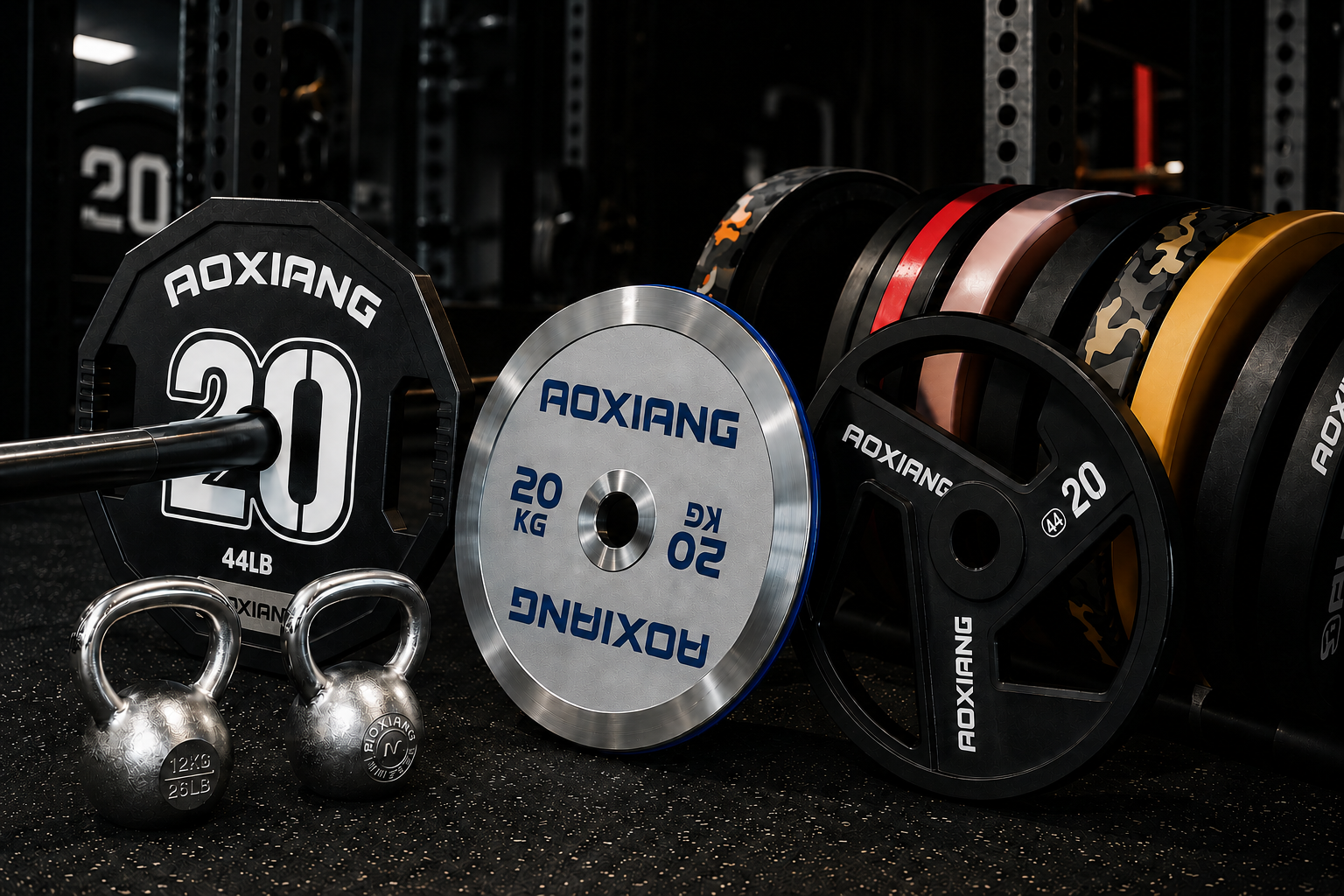 New Product Line
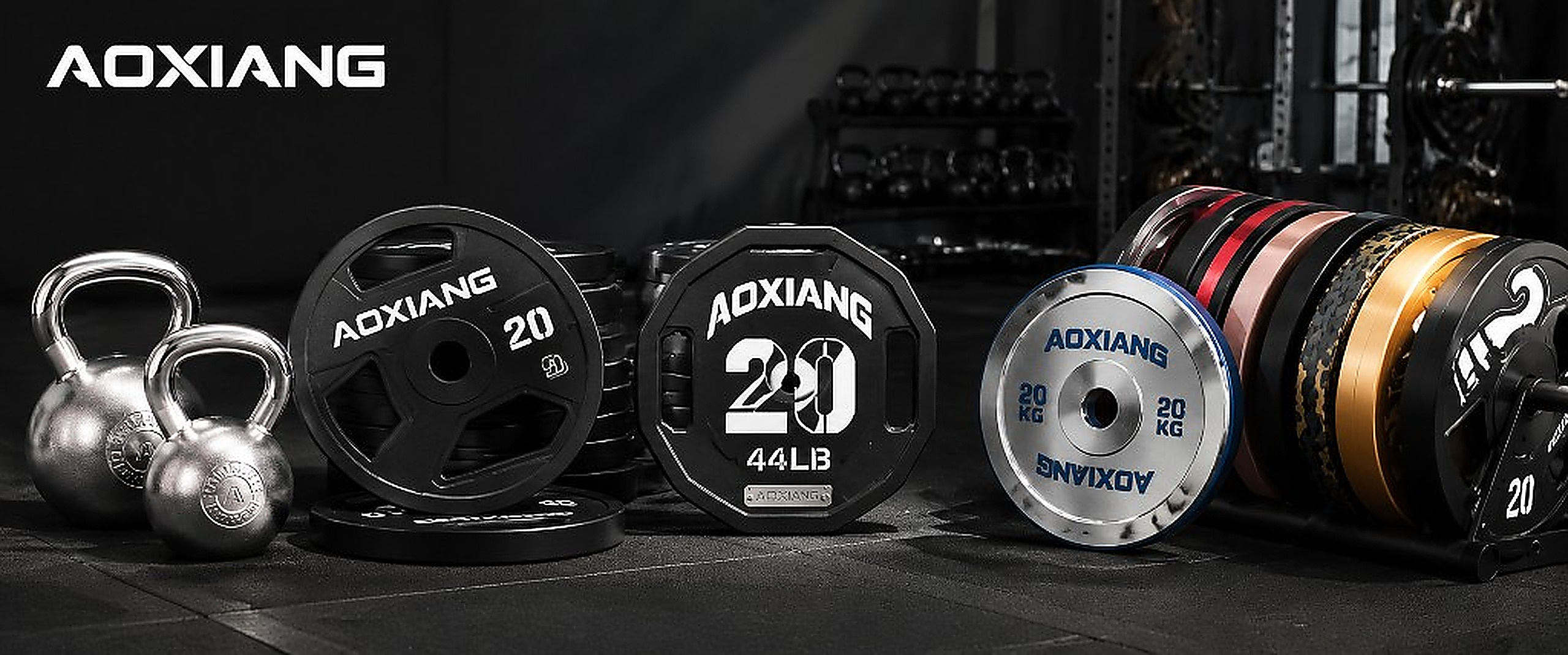
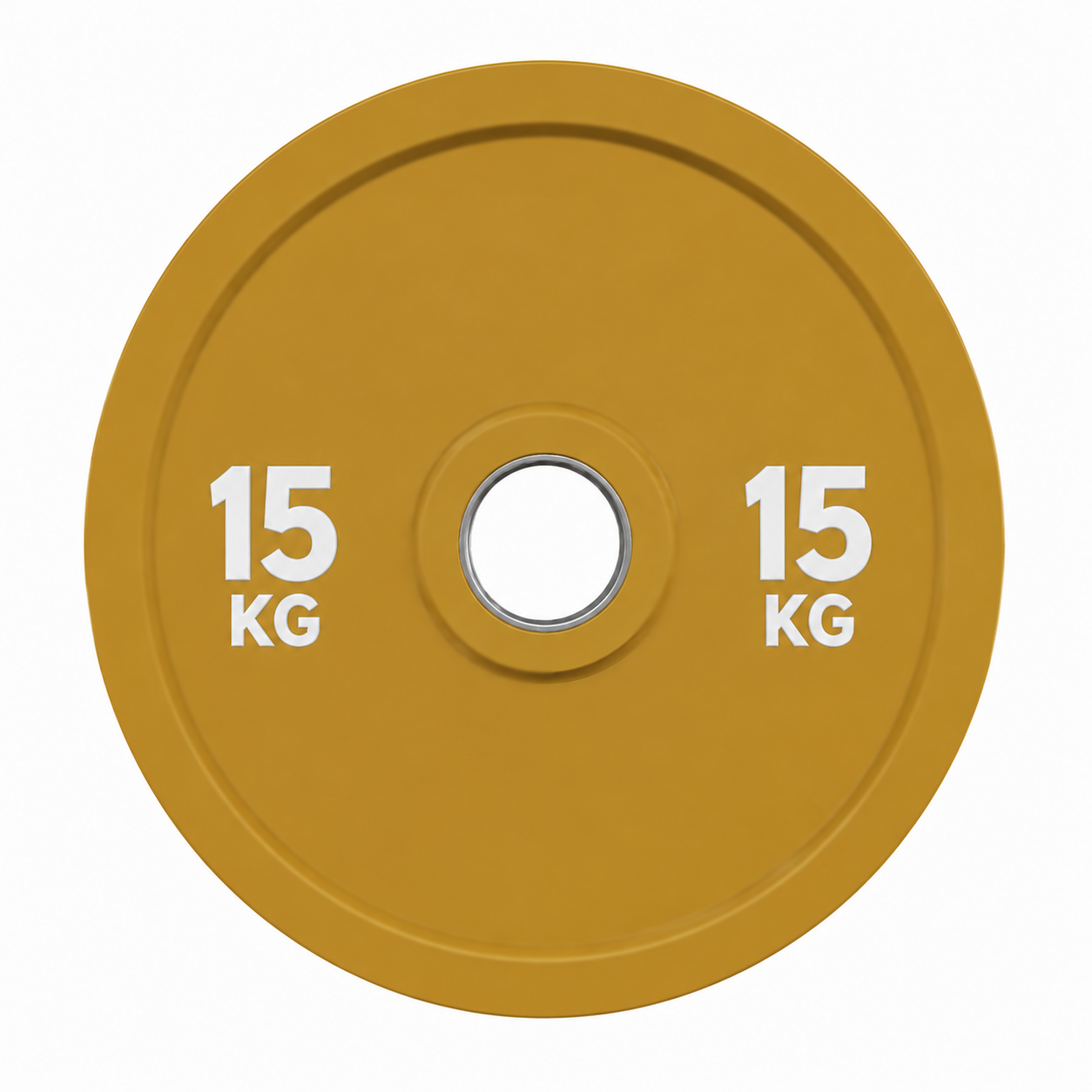
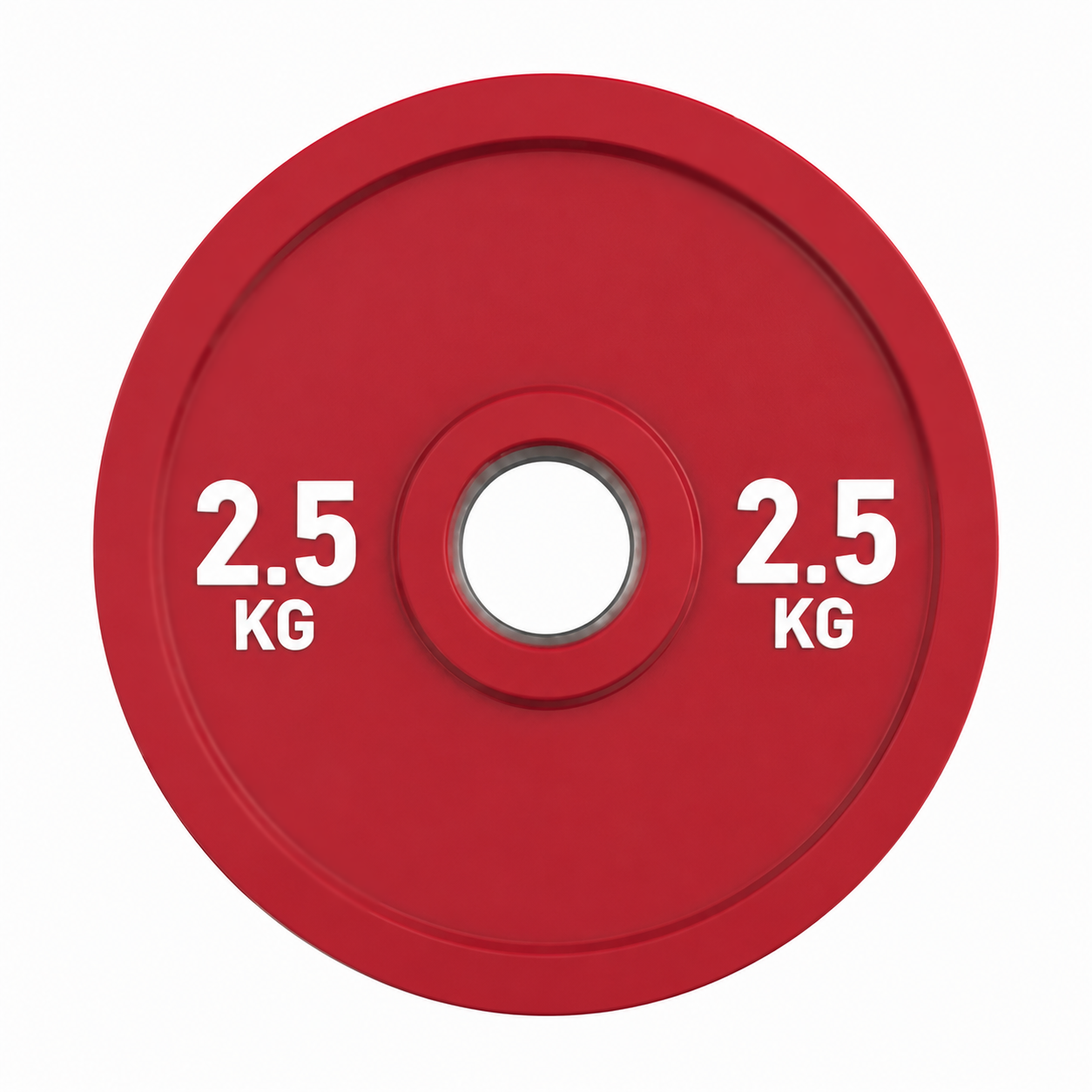
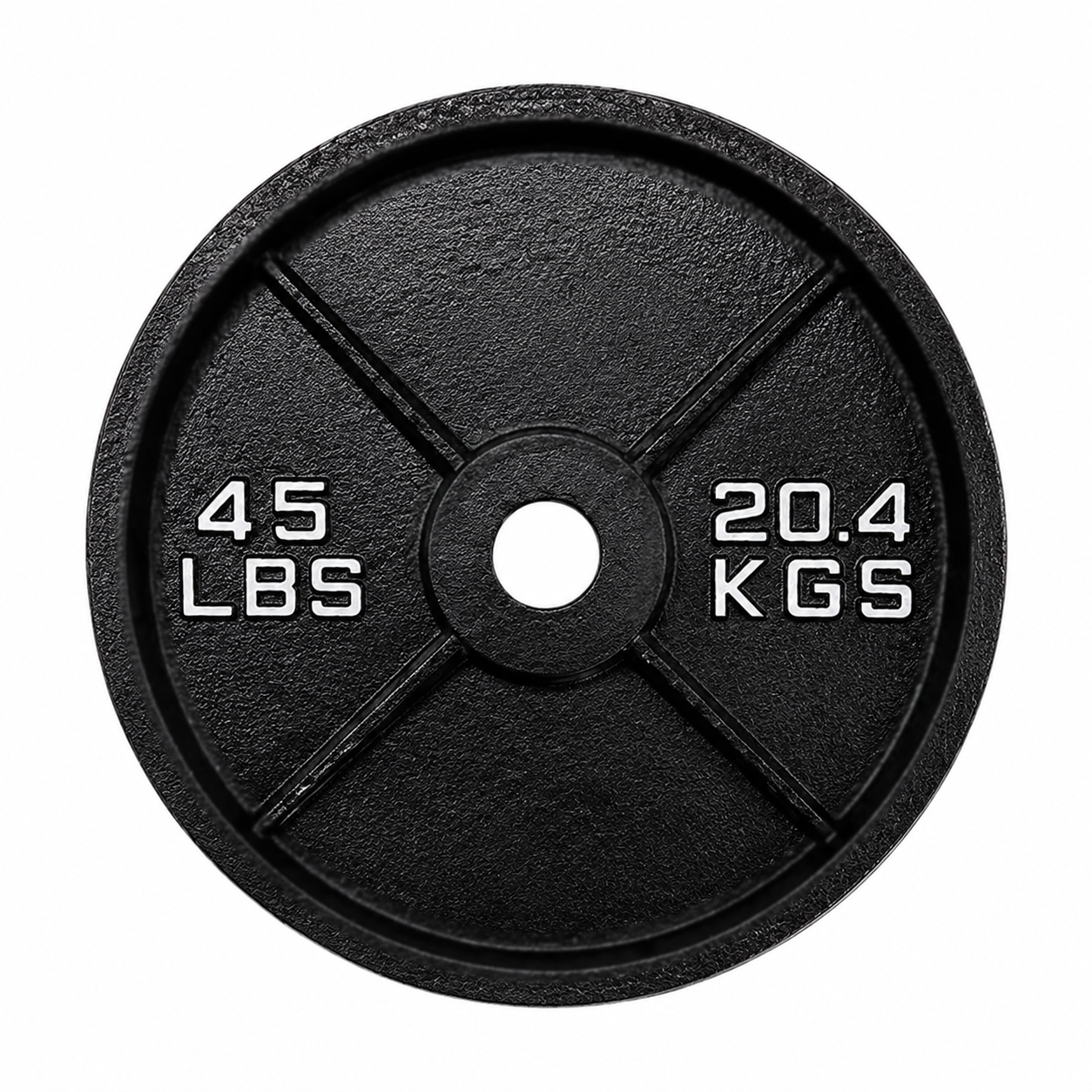
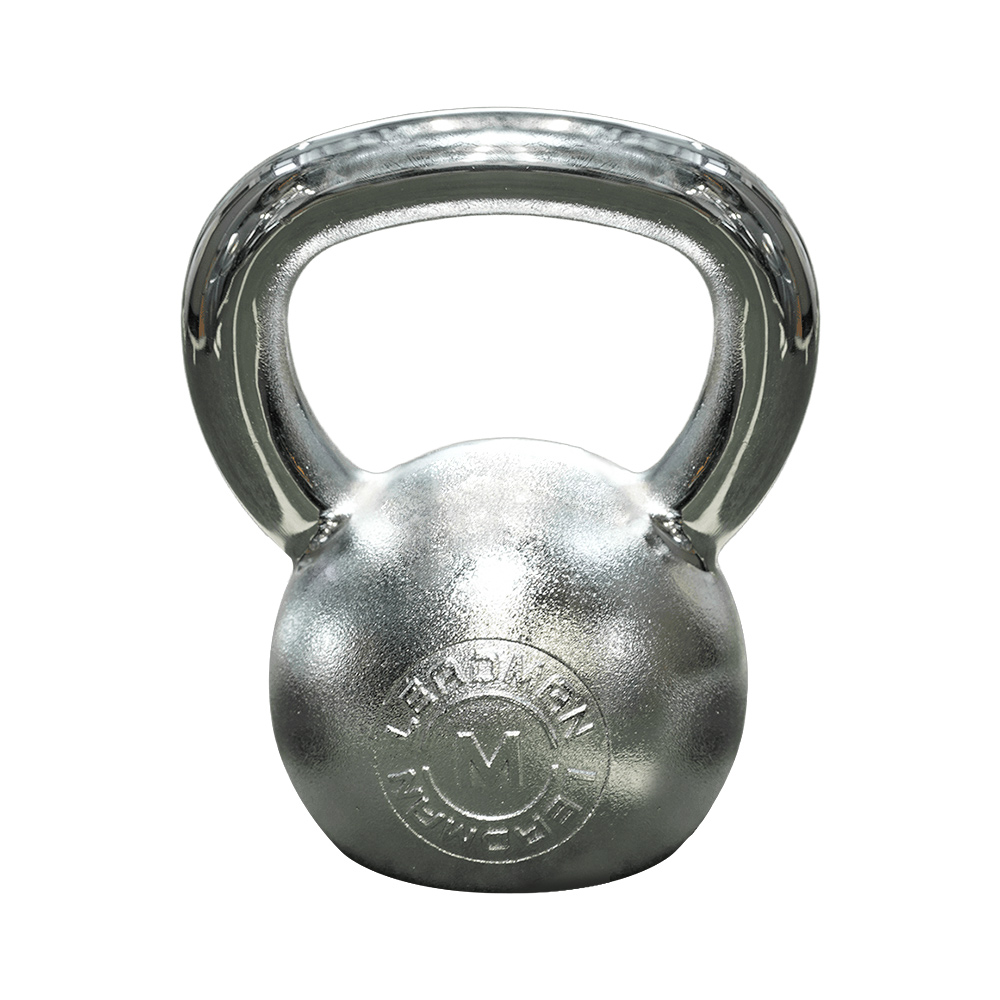
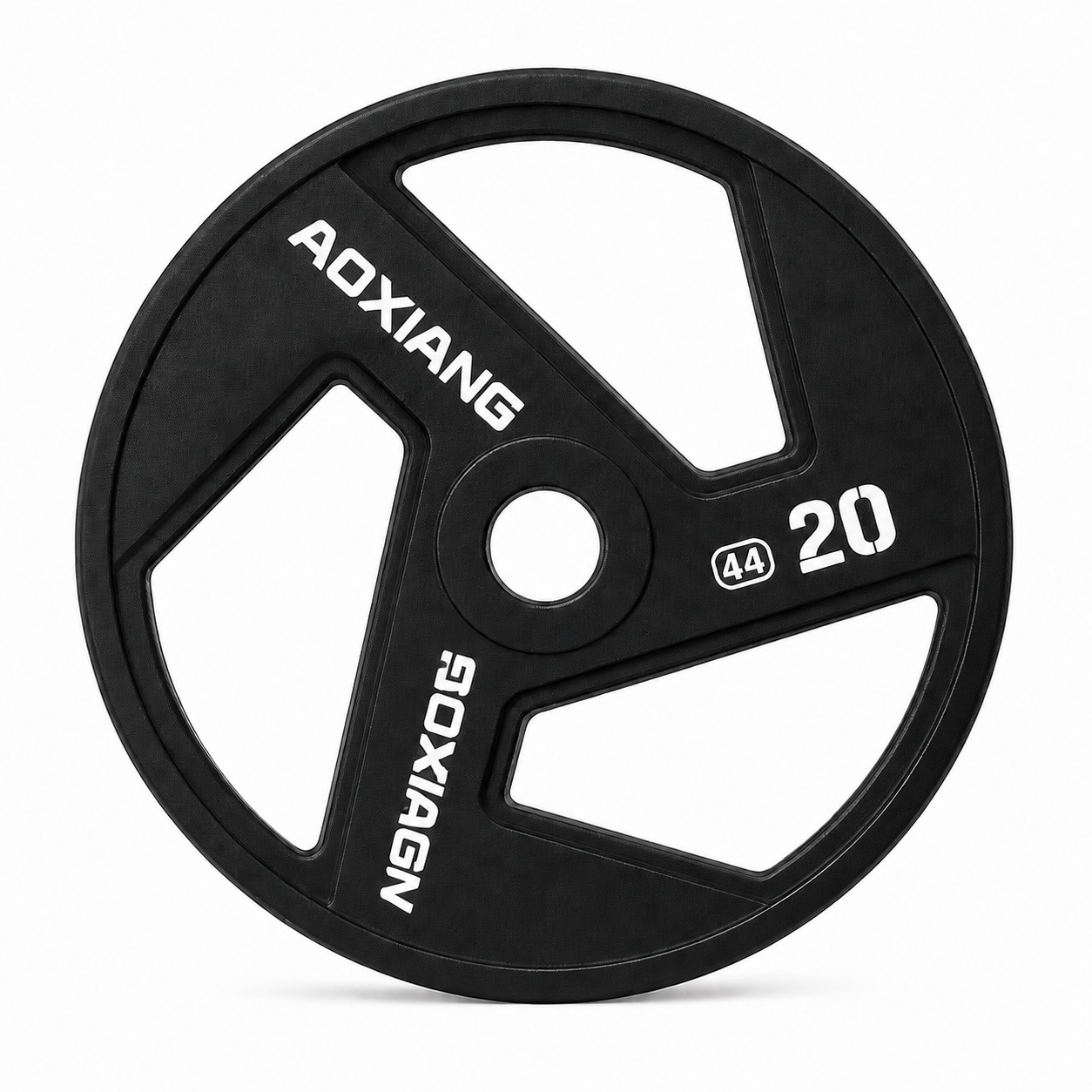
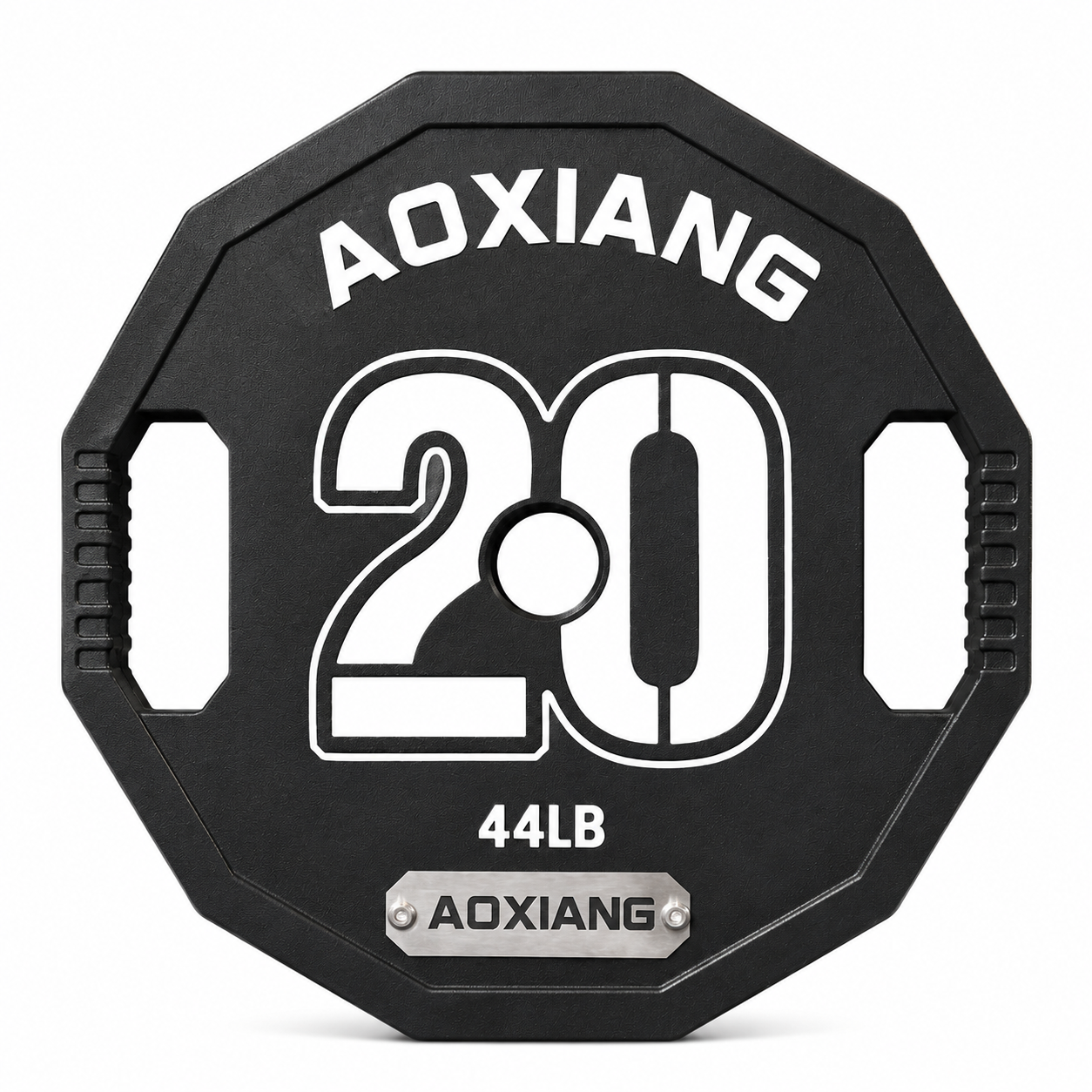
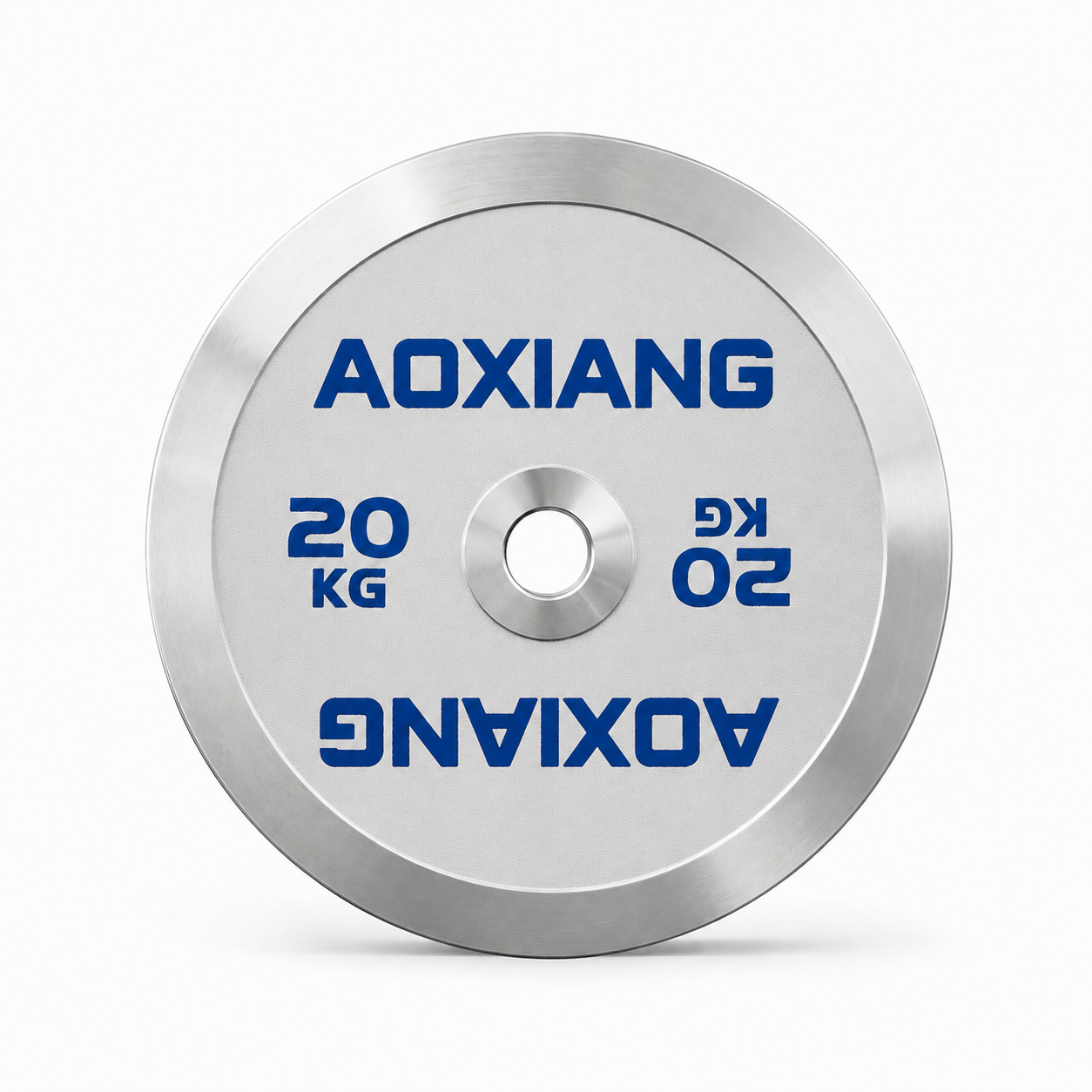
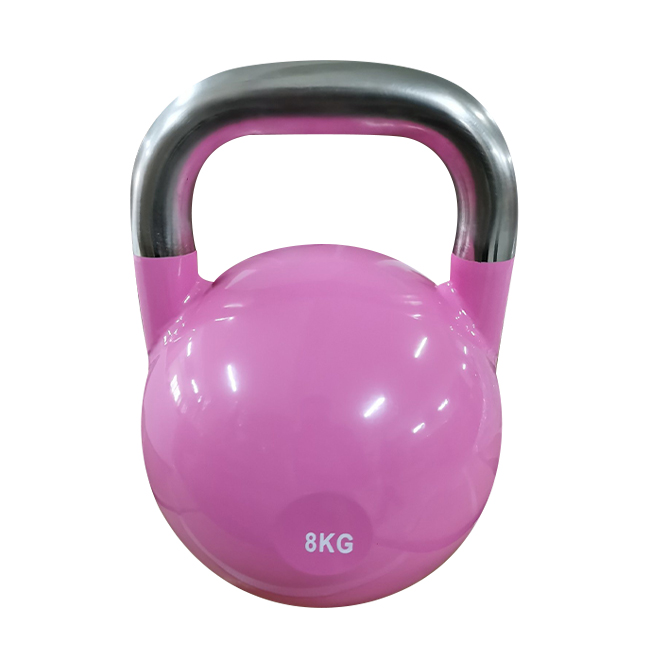
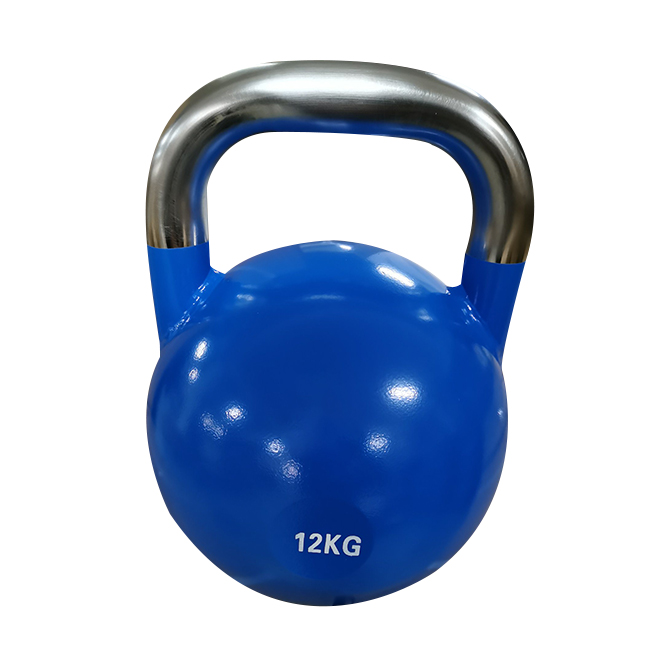
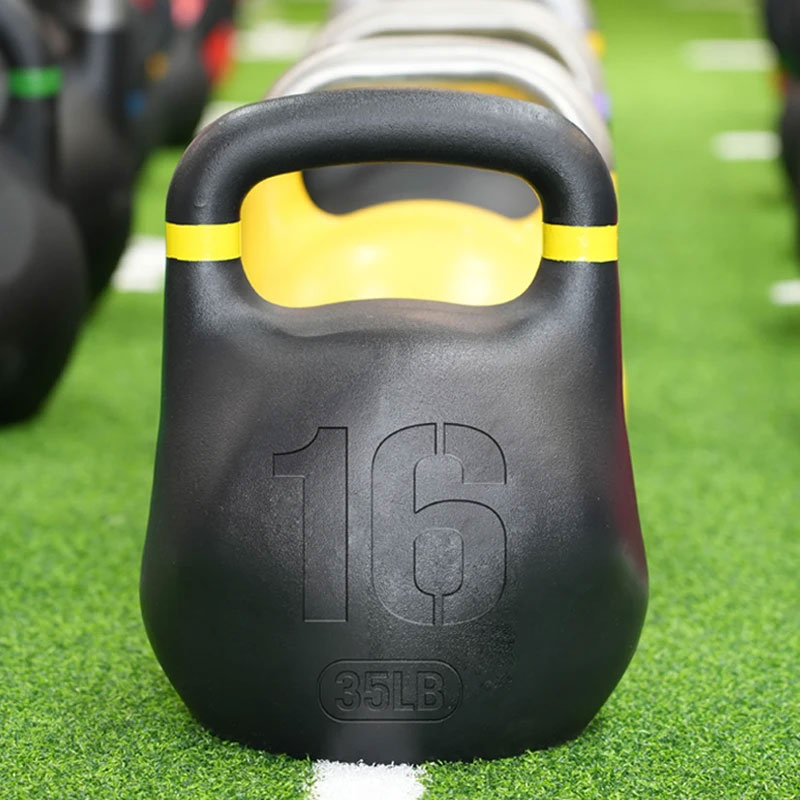
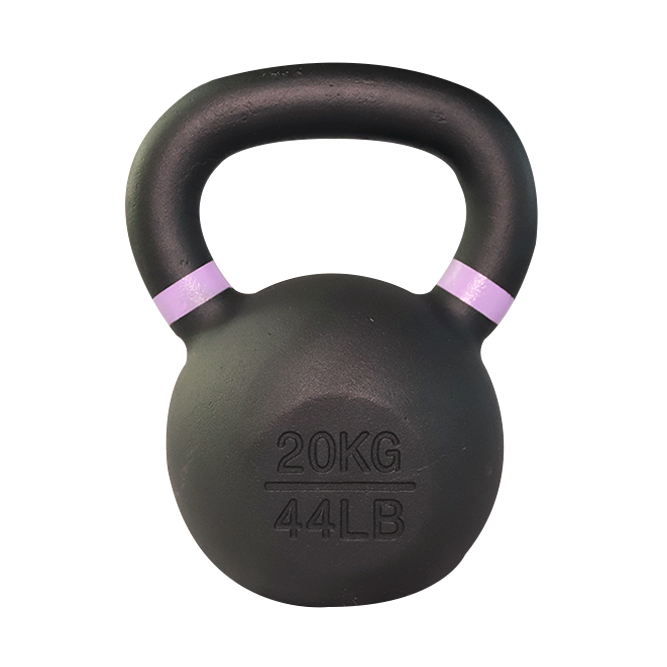
Our latest kettlebell & plate lineup is built for buyers who want top-tier gym equipment without the premium badge — competition-grade kettlebells, grip plates, and cast iron plates straight from the foundry, at factory-direct pricing for wholesalers, gyms, and private-label brands.
Direct cast-iron factory for kettlebells, weight plates, and custom fitness equipment — trusted by wholesalers, gyms, and OEM brands worldwide.
Logo, color, weight tolerance, handle finish, and export packaging tailored to your brand.
Precision casting, weight calibration, surface inspection, and full finished-product testing.
Sample orders welcome · wholesale and bulk production with competitive factory pricing.
Reliable export packaging, on-time delivery, and support for DDP/FOB/CIF shipping terms.
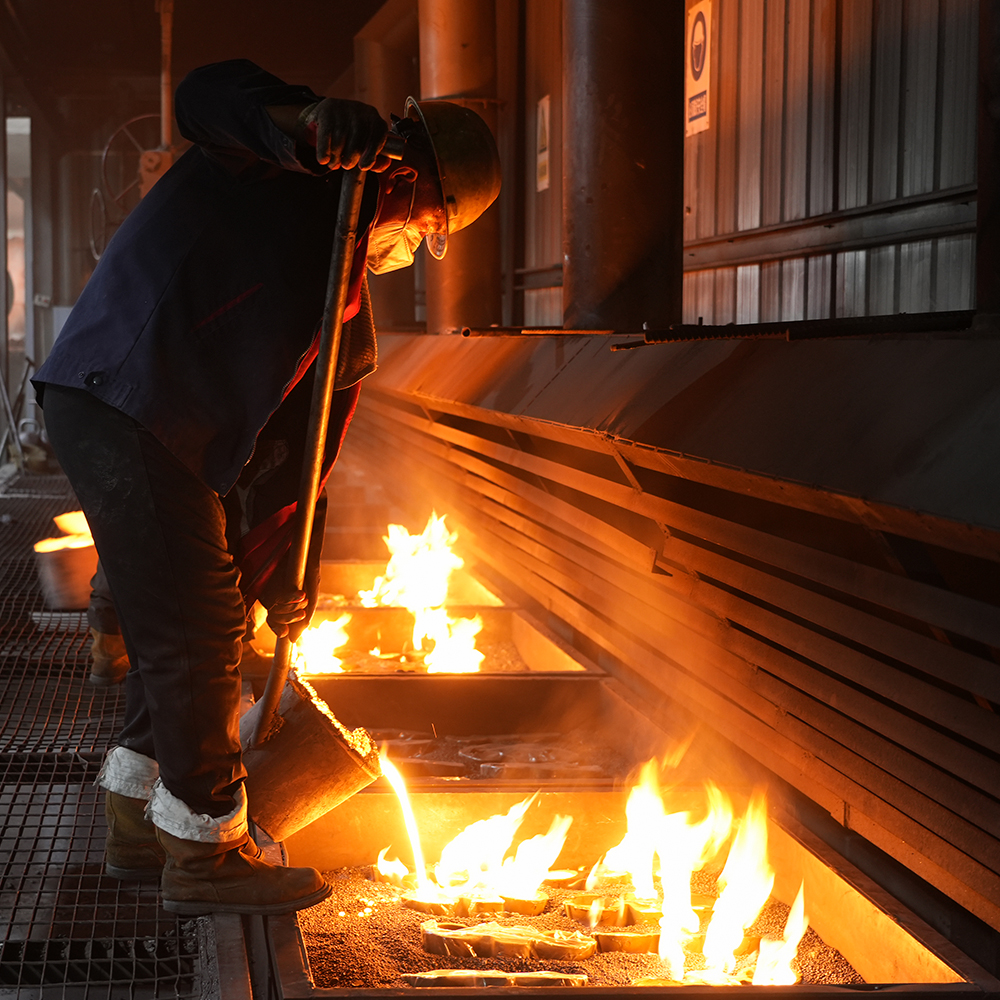
Tell us your specs, logo, and quantity — our foundry team will reply with pricing, samples, and lead time within 24 hours.
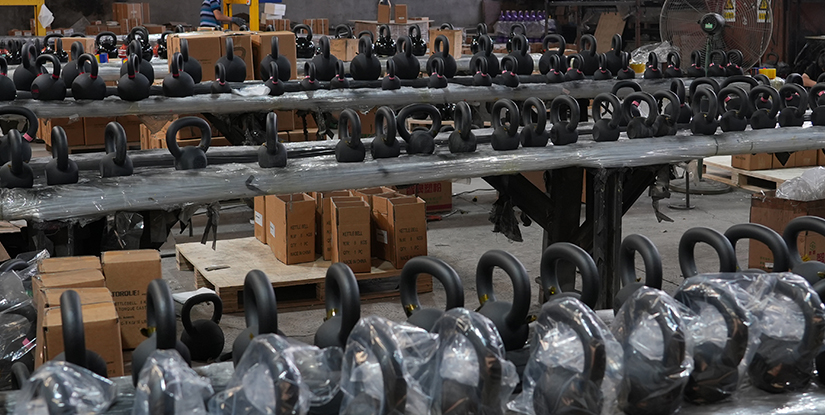
Source high-quality wholesale kettlebells directly from a professional manufacturing facility. Learn about material selection, casting processes, and export QC
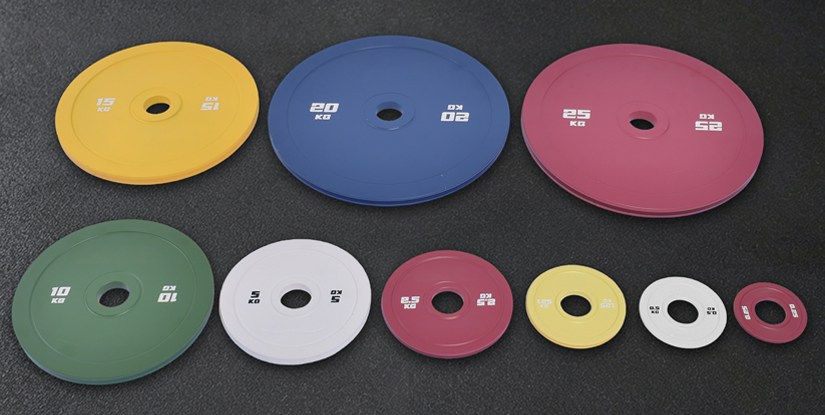
Optimize your procurement with high-quality custom barbell plates. Learn about material selection, manufacturing processes, and factory-direct sourcing.
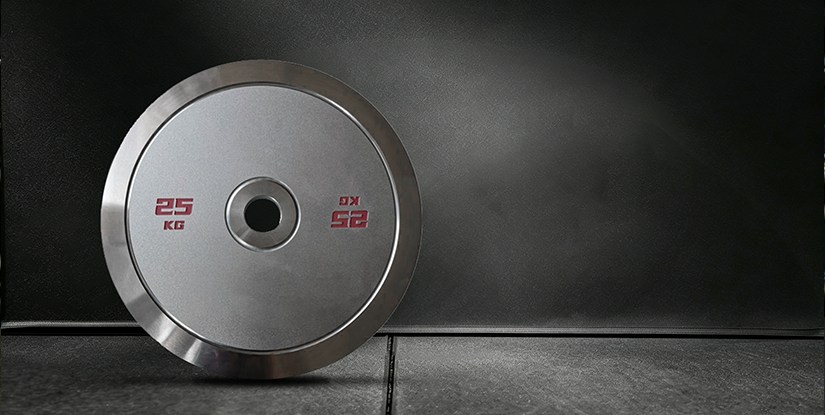
Evaluate stainless steel power rack specifications for commercial procurement. Learn about material durability, welding processes, and export QC standards.
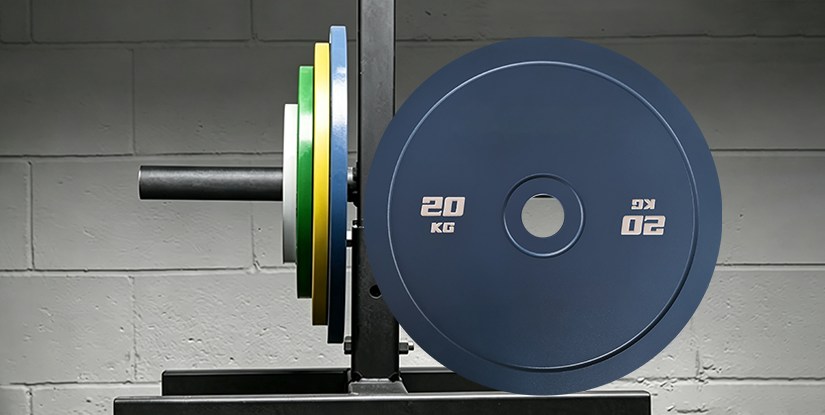
Source high-performance plate loaded pullover machines through our private label OEM factory. We provide professional manufacturing for gym distributors.
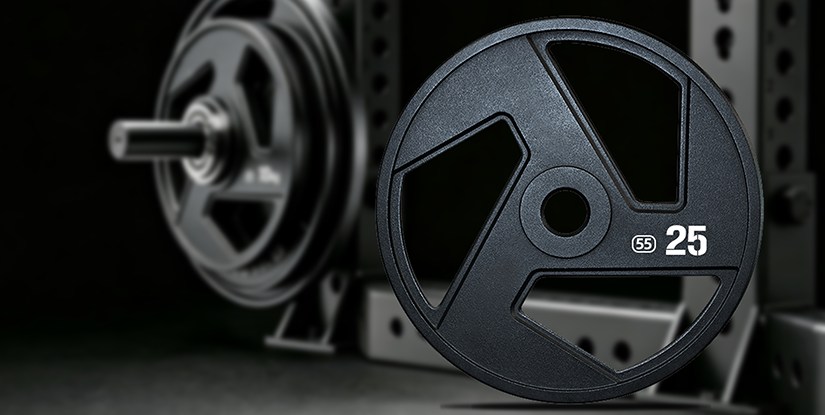
Optimize your facility layout with high-efficiency plate loaded gym equipment. Learn about material standards, manufacturing processes, and space-saving procure
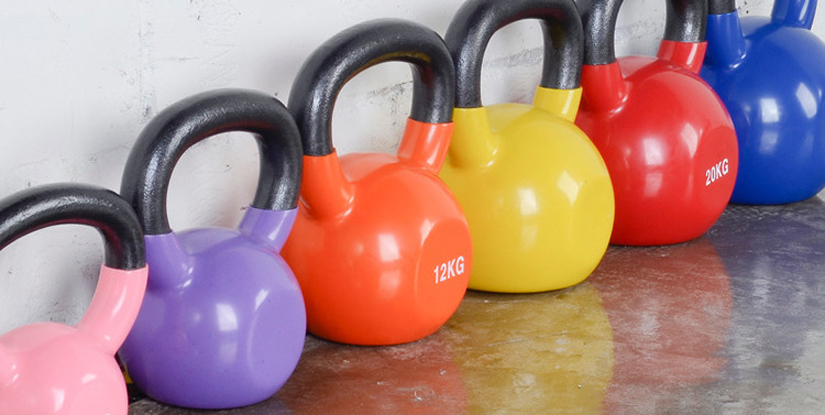
Evaluate kettlebell manufacturers for commercial supply. Learn about casting processes, material standards, and export QC for bulk gym equipment procurement.
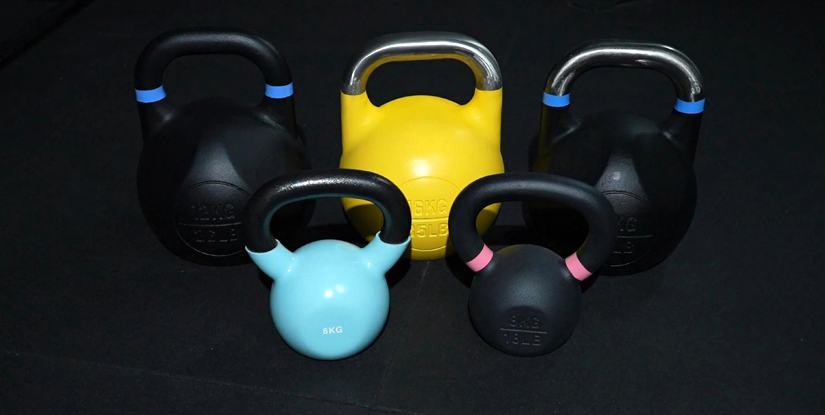
Explore professional kettlebell design standards for commercial procurement. Learn about casting processes, coating adhesion, and factory QC for bulk orders.
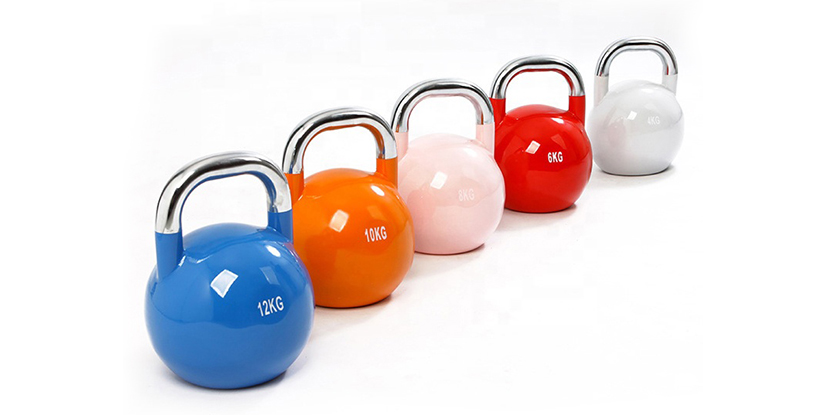
Optimize your inventory with a customizable kettlebell from a leading China factory. Learn about material selection, casting processes, and commercial QC standa
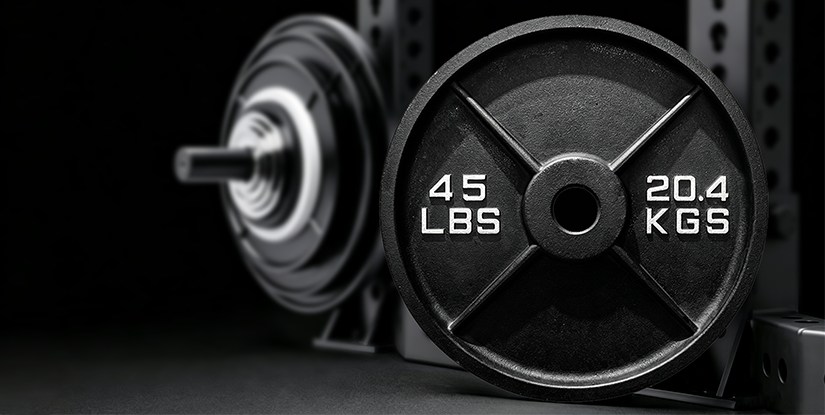
Explore the professional manufacturing processes and quality control standards for custom weight plates to ensure commercial-grade durability and precision.