China Manufacturer

sporting goods manufacturer - China Factory,Supplier,Manufacturer

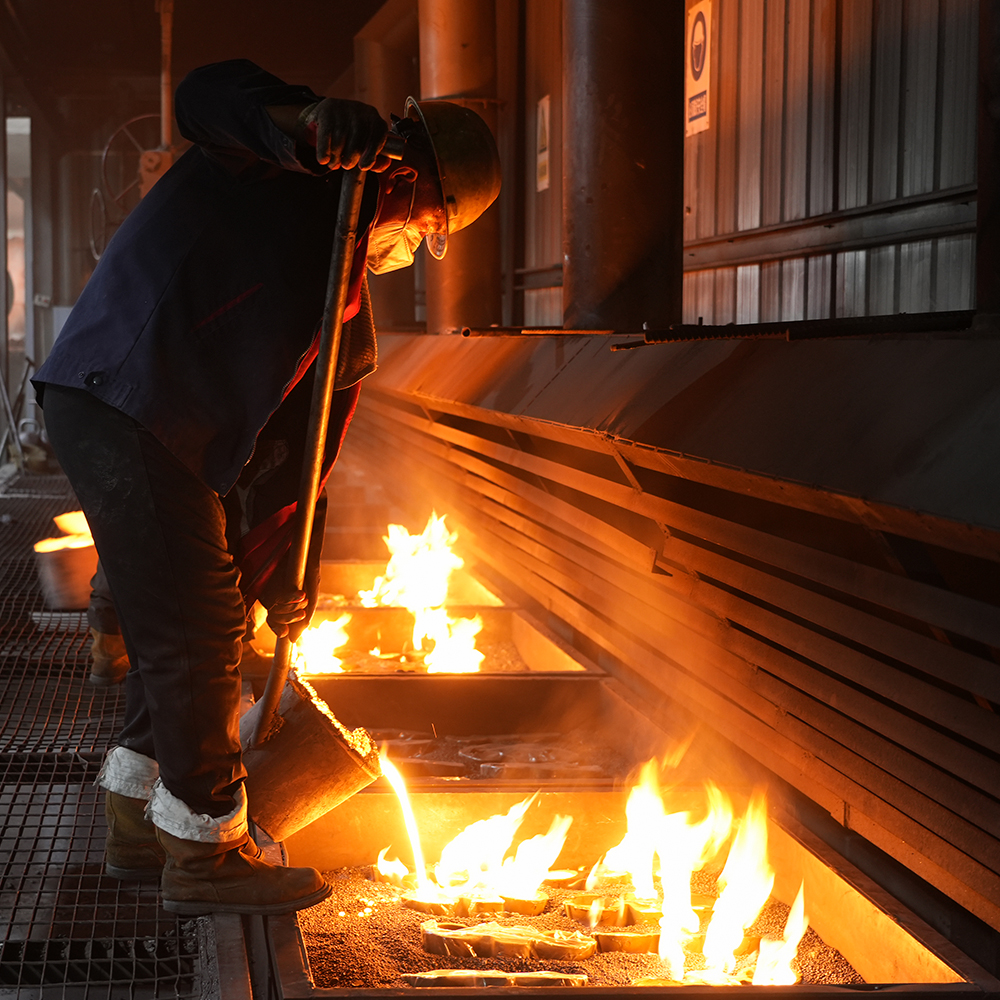
Global distributors, gym franchise owners, and fitness brand developers often face a complex dilemma when scaling their operations: how to maintain premium equipment standards while optimizing procurement costs. Navigating the diverse landscape of a professional sporting goods manufacturer requires more than just finding a vendor; it requires identifying a strategic partner capable of delivering high-tolerance machinery, consistent accessory quality, and reliable OEM services. Whether you are outfitting a single high-end boutique studio or managing a multi-region commercial gym chain, the technical nuances of equipment durability and supply chain stability directly impact your long-term operational success.

This guide is designed to help B2B procurement professionals decode the complexities of the fitness equipment manufacturing sector. We focus on the critical dimensions that differentiate a standard factory from a high-performance manufacturing partner, specifically addressing the needs of those sourcing:

  • Commercial-grade strength training systems and multi-gym setups.
  • High-traffic cardio equipment including rowing machines and cycles.
  • Specialized accessories such as custom resistance bands and weightlifting gear.
  • Scalable OEM/ODM solutions for established fitness brands.

By understanding the underlying logic of production standards, material specifications, and quality control protocols, buyers can move beyond simple price-per-unit comparisons. Instead, they can build a procurement framework that prioritstizes equipment longevity, brand consistency, and seamless facility integration. Through the lens of a professional sporting goods manufacturer, we will explore how to effectively bridge the gap between high-end retail expectations and direct factory-level efficiency.

When structuring a facility procurement plan, the choice between purchasing through established retail brands or working directly with a sporting goods manufacturer involves a trade-off between convenience and cost-efficiency. For high-volume distributors and gym owners, understanding these differences across verifiable technical dimensions is essential to avoid common pitfalls in equipment durability and brand positioning.
The following table provides a comparative analysis of different sourcing tiers. This comparison is intended to help procurement officers determine which model best aligns with their specific facility requirements, whether they are prioritizing brand prestige or operational scalability.

Procurement DimensionMainstream Retail TierProfessional Factory Direct Tier
Primary FocusBrand recognition and end-user experienceTechnical specifications and production scalability
Cost StructureHigher markup due to marketing and retail overheadOptimized cost-to-performance ratio via direct sourcing
Customization (OEM)Limited to standard product lines and colorsHigh flexibility in frame gauge, finish, and branding
Lead Time ControlDependent on distributor stock and retail cyclesDirect control over production scheduling and shipping
Equipment DurabilityStandardized for high-traffic environmentsCustomizable load-bearing specs for specific usage
Typical Client ProfileIndividual fitness enthusiasts and small studiosGym chains, distributors, and fitness brands

While the mainstream retail tier offers immediate availability and established brand trust, the factory-direct model provides the transparency required for large-scale operations. For example, when sourcing commercial gym machines, a direct partnership allows for the verification of steel thickness, weld strength, and electronic component duty cycles before the production run begins. This level of technical oversight is often difficult to achieve when purchasing through multiple layers of intermediaries.

Furthermore, for businesses looking to develop their own product lines, the factory-direct tier serves as an essential OEM partner. Rather than simply buying off-the-shelf products, professional buyers can leverage the manufacturing expertise of a specialized factory to create proprietary gear that meets specific market gaps, ensuring that the final product meets both aesthetic and functional standards.

A common misconception in B2B procurement is that "commercial grade" is a monolithic standard. In reality, the structural integrity of strength equipment and the electronic reliability of cardio systems depend on highly specific manufacturing variables. When vetting a sporting goods manufacturer, professional buyers must move beyond superficial visual inspections and demand data-driven verification of the following technical pillars.

Structural Integrity and Material Gauges

For heavy-duty strength training equipment, the difference between a high-performance machine and a low-tier alternative often lies in the steel gauge and the quality of the welding. A professional factory will not only provide the thickness of the tubing (e.g., 11-gauge or 12-gauge steel) but also specify the type of welding used—such as full-penetration MIG welding—to ensure joint stability under extreme load. Relying on a supplier that only offers "standard commercial" without providing mill certificates or material specifications can lead to premature frame fatigue and increased maintenance costs in high-traffic facilities.

Precision in Accessory Production

The durability of smaller items, such as those produced by a specialized resistance band factory, is equally critical. In the commercial sector, resistance bands must undergo rigorous tensile strength testing and UV resistance verification to prevent snapping or material degradation. When sourcing fitness gear and accessories, procurement officers should verify whether the manufacturer utilizes multi-layer latex or TPE technology and if the products have been subjected to repeated stretch-recovery cycles to simulate long-term commercial usage.

The Logic of Lead Time and Compliance

Effective procurement frameworks must account for the "hidden" variables in the production cycle. A reliable manufacturer manages lead times not just through assembly speed, but through proactive component sourcing. For instance, a shortage in high-duty cycle motors for rowing machines or cycles can halt an entire production line. A sophisticated sporting goods manufacturer maintains a buffer of critical components and provides transparent timelines that include time for pre-production sampling, mold adjustment, and final quality control (QC) inspections. This transparency allows distributors to align their local marketing launches with actual product arrival, preventing the capital tie-up associated with delayed shipments.

Ultimately, the decision-making framework for a gym owner or distributor should be built on a "Total Cost of Ownership" (TCO) model. This means evaluating the initial purchase price against the expected lifespan, the availability of replacement parts, and the ease of technical support. A lower upfront price from an unverified factory often results in a higher TCO due to frequent equipment downtime and the logistical complexity of sourcing non-standardized replacement components.

Bridging the Gap: High-End Performance and OEM Manufacturing Capabilities

In the global fitness market, a significant gap often exists between premium retail-branded equipment and direct-from-factory solutions. However, for professional buyers, this gap is not a matter of quality, but of cost-structure optimization. A sophisticated sporting goods manufacturer can produce equipment that aligns with the high-performance benchmarks of top-tier brands by focusing on specific, verifiable technical indicators rather than marketing-driven premiums.

Achieving High-End Performance via Verifiable Metrics

When sourcing alternatives to premium retail-grade equipment, procurement officers should shift their focus from brand names to measurable technical specifications. A high-quality "factory-direct" solution can match the performance of high-priced retail options by ensuring alignment in the following key areas:

  • Material Consistency: Utilizing the same high-grade steel gauges and non-corrosive powder coating finishes used in premium commercial lines.
  • Mechanical Precision: Ensuring that bearing systems, cable tensioning, and electronic control modules meet the same duty-cycle requirements as top-tier brands.
  • Ergonomic Standards: Adhering to standardized anatomical dimensions for seating and grip positioning to ensure user comfort and safety.
  • Durability Testing: Implementing standardized load-bearing and stress-test protocols that simulate years of heavy-duty commercial usage.

By focusing on these objective metrics, distributors and gym owners can secure high-performance gear that meets the functional demands of a professional facility while significantly optimizing their initial capital expenditure.

Professional OEM and ODM Production Standards

For established fitness brands and large-scale distributors, the ability to outsource production to a reliable partner is a critical growth lever. A professional manufacturing facility operates under rigorous protocols designed to meet the stringent requirements of international brand orders. This includes a highly structured workflow that ensures both product excellence and intellectual property protection.

The standard OEM/ODM workflow within a high-level production environment typically follows these stages:

  • Technical Consultation & Design: Translating client-provided CAD drawings or conceptual requirements into manufacturable technical specifications.
  • Prototyping & Sampling: Developing a physical pre-production sample for rigorous testing and client sign-off, ensuring that every detail—from color shade to mechanical feel—is accurate.
  • Standardized Mass Production: Executing the production run on dedicated lines that adhere to strict quality control (QC) checkpoints at every stage, from raw material arrival to final assembly.
  • Compliance & Confidentiality: Maintaining strict boundaries regarding client-specific designs and proprietary technology, ensuring that all manufacturing processes comply with international safety and quality management standards.

This disciplined approach allows brands to scale their product offerings rapidly without the overhead of managing independent manufacturing facilities. By leveraging the specialized expertise of a professional sporting goods manufacturer, brands can maintain a consistent high-quality output while focusing their internal resources on market development and brand positioning.

Strategic Implementation: Case Studies in Custom Procurement Solutions

A professional sporting goods manufacturer does not merely fulfill orders; they solve complex logistical and technical challenges through tailored engineering and supply chain management. The following anonymous case studies illustrate how a deep understanding of client constraints—ranging from strict branding requirements to rigid delivery windows—translates into successful facility launches.

Scenario A: Rapid Expansion of a Regional Fitness Franchise

A rapidly growing fitness franchise in Southeast Asia faced a significant challenge: they needed to equip ten new boutique locations within a strict six-month window. Their primary constraints were a fixed budget per site and a requirement for a highly specific aesthetic—minimalist, matte-black equipment with custom logo placement—to maintain brand consistency across all branches. Most standard wholesalers could not meet the simultaneous demand for both the aesthetic customization and the aggressive delivery timeline.

Our manufacturing partner addressed this by implementing a dual-track production strategy. First, the technical team finalized a standardized frame design using high-gauge steel to ensure durability, while the aesthetic team developed a specialized matte-black powder coating process that met the client's visual standards. To mitigate the risk of delay, the factory utilized a buffer of pre-allocated raw materials and established a dedicated assembly line for this specific franchise. By providing weekly progress reports and photographic verification of the assembly stages, the manufacturer ensured the client had full visibility. The result was the successful, on-time delivery of complete equipment sets for all ten locations, meeting both the visual identity and the functional demands of a high-traffic commercial environment.

Scenario B: Specialized Product Line Development for an E-commerce Brand

An established fitness accessory brand looking to enter the premium resistance band market required a partner who could move beyond generic, low-quality products. Their requirement was highly technical: they needed resistance bands with a specific tension profile, enhanced UV resistance for outdoor use, and customized, eco-friendly packaging that would appeal to a high-end consumer base. The primary constraint was the need for high-precision quality control to ensure every single unit met the exact tension specifications promised in their marketing.

The manufacturer responded by developing a customized production protocol. Instead of using standard off-the-shelf materials, the factory utilized a high-grade multi-layer latex compound and subjected the production batches to rigorous tensile strength and recovery-rate testing. Furthermore, the factory integrated a specialized packaging line that handled the assembly of the brand's custom-designed, sustainable pouches. By establishing a strict QC threshold where even minor deviations in band diameter or color consistency resulted in immediate rejection, the manufacturer helped the client launch a product line that achieved high customer satisfaction and low return rates. This partnership demonstrated how a specialized factory can act as a technical extension of a brand's own R&D and quality assurance departments.

Operationalizing the Partnership: MOQ, Sampling, and Logistics

Transitioning from a procurement strategy to active execution requires a clear understanding of the operational protocols that govern a professional sporting goods manufacturer. Successful B2B collaborations are built on predictable cycles—from the initial technical sign-off to the final arrival of goods at a destination warehouse. To ensure a smooth transition from order placement to facility installation, buyers should align their expectations with standard industry benchmarks for sampling, minimum order quantities, and quality assurance.

The Lifecycle of a Custom Order

A structured procurement process minimizes the risk of misalignment between design intent and physical output. For distributors and brand owners, the following stages represent the standard operational flow for customized or OEM projects:

  • Technical Specification & Quote: The process begins with the submission of detailed technical requirements, including material gauges, component specifications, and branding assets. The manufacturer provides a formal quote based on these specific parameters.
  • Sampling & Iteration: Before bulk production, a physical sample is produced. This is a critical milestone where the client verifies the mechanical feel, color accuracy, and branding placement. A professional factory typically requires a 15–30 day window for high-fidelity sampling, depending on the complexity of the equipment.
  • Mass Production & QC Intercepts: Once the sample is approved and the deposit is processed, the order enters the production phase. Quality control is not a single event but a series of intercepts, including raw material inspection, mid-process assembly checks, and final load-bearing tests.
  • Pre-Shipment Inspection (PSI): Clients are encouraged to conduct or hire a third-party inspection to verify that the finished batch matches the approved sample and meets all documented specifications before the container is sealed.

Managing MOQ and Scalability

Minimum Order Quantities (MOQ) are a standard tool used by manufacturers to balance production efficiency with client needs. For high-value items like commercial gym equipment, MOQs are often determined by the customization level. While standard product lines may have lower thresholds, highly customized OEM orders—such as those involving unique frame geometries or proprietary electronic consoles—generally require higher volumes to offset the costs of specialized tooling and mold development.

Packaging and Global Logistics Optimization

For international distributors, the complexity of shipping heavy-duty steel machinery cannot be overstated. A professional manufacturer provides specialized packaging solutions designed to withstand long-distance ocean freight and multi-stage handling. This includes:

  • Reinforced Export Packaging: Using high-density foam, edge protectors, and heavy-duty corrugated boxes to prevent impact damage to sensitive parts or finished surfaces.
  • Container Optimization: Strategic palletization and "nesting" of equipment (where possible) to maximize container volume and reduce the per-unit shipping cost.
  • Documentation Support: Providing all necessary commercial invoices, packing lists, and certificates of origin required for smooth customs clearance in various global regions.

By establishing these clear operational boundaries early in the negotiation phase, procurement professionals can mitigate the logistical risks inherent in international B2B sourcing. A transparent communication protocol—addressing everything from material arrival dates to container loading schedules—ensures that the supply chain remains a predictable asset rather than an unpredictable variable.

Pre-Procurement Checklist for High-Performance Sourcing

Before finalizing any purchase order or initiating a complex OEM development cycle, procurement professionals should conduct a final verification of their technical and logistical requirements. A disciplined approach to the final stages of vendor selection ensures that the partnership remains focused on long-term facility performance and brand integrity.

Utilize the following checklist to evaluate your readiness for direct factory-level engagement:

  • Technical Specification Audit: Confirm that all dimensional tolerances, steel gauges, and electronic duty cycles are documented in a formal technical specification sheet rather than relying on verbal descriptions.
  • Branding and Asset Readiness: Ensure that all vector-based branding assets (logos, color codes, and font specifications) are finalized and ready for the pre-production sampling phase to avoid delays in the visual sign-off process.
  • Logistical and Compliance Verification: Verify that the manufacturer can provide the necessary documentation for your specific target region, including commercial invoices and any required material or safety certificates, to facilitate seamless customs clearance.

By prioritizing these verifiable benchmarks over superficial marketing claims, distributors and gym owners can effectively leverage the capabilities of a professional sporting goods manufacturer. This rigorous selection process transforms procurement from a transactional event into a strategic advantage, providing the foundation for a scalable, high-performance fitness facility.

Related Products

sporting goods manufacturer

Top Selling Products

Contact Us

Format: +[country code][number] (e.g. +1234567890)