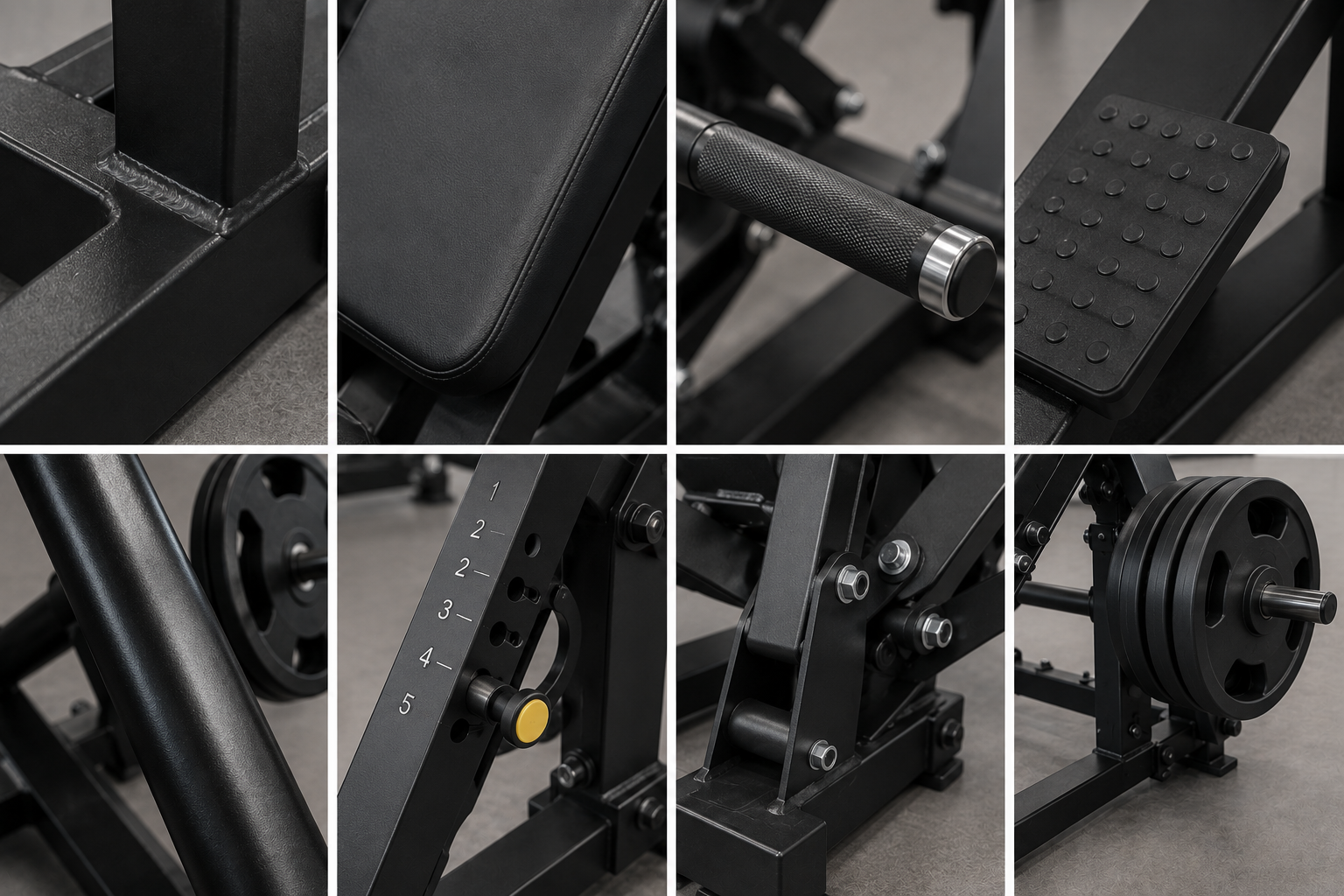
Global fitness distributors, commercial gym owners, and international fitness brands face a complex procurement landscape when scaling their facilities or product lines. The core challenge lies in balancing high-performance durability with cost-efficiency, especially when navigating the technical nuances of strength training systems and cardio technology. Sourcing directly from a specialized sports equipment manufacturer allows these professionals to bypass the inflated markups of retail-centric models while maintaining strict control over product specifications and brand identity. This guide provides a deep dive into the industrial standards and sourcing strategies required to build a professional-grade facility. Whether you are looking to replace aging inventory or develop a new private-label line, understanding the distinction between basic fitness gear and high-tolerance commercial equipment is critical. We address the fundamental questions surrounding manufacturing capabilities, including: By focusing on the intersection of engineering excellence and supply chain reliability, procurement professionals can secure equipment that meets the rigorous demands of modern fitness environments, from boutique studios to large-scale commercial gym centers. When building a fitness facility or a distribution network, the decision between sourcing from high-end retail brands and direct manufacturing channels often comes down to specific operational goals. While premium brands offer high brand recognition, a professional sports equipment manufacturer provides a more scalable and cost-effective path for businesses looking to optimize their capital expenditure without sacrificing mechanical integrity. The following table illustrates the key technical and commercial differences between various procurement tiers. This comparison focuses on verifiable indicators such as material specifications, customization depth, and logistical control, rather than subjective brand prestige. For distributors aiming to establish a strong market presence, the "Professional Factory Direct Tier" often represents the most balanced approach. It offers the ability to source heavy-duty commercial gym machines that meet professional standards while maintaining a competitive price point. Meanwhile, for established brands seeking to expand their product lines, the "Custom OEM/ODM Tier" provides the necessary technical infrastructure to transform a design concept into a market-ready product with proprietary branding and specialized features. A common pitfall in B2B procurement is focusing solely on the purchase price without accounting for the total cost of ownership (TCO). In the fitness industry, a lower initial investment in a gym machine can lead to exponentially higher costs through frequent maintenance, premature component failure, and facility downtime. A sophisticated procurement framework requires looking beyond the sticker price to evaluate the engineering integrity behind the product. When sourcing strength training equipment, the primary indicator of durability is not just the weight capacity, but the tolerance of the moving parts and the gauge of the steel frame. For instance, a high-quality sports equipment manufacturer will utilize heavy-duty steel tubing with consistent wall thickness to prevent structural warping under repetitive load. Furthermore, the precision of the pulley systems and the grade of the bearings determine the smoothness of the resistance curve. Low-tolerance manufacturing often results in "stuttering" during movement, which increases wear on both the machine and the end-user, eventually leading to premature mechanical failure. Many distributors mistakenly assume that "commercial-grade" is a generic term. In reality, professional-grade equipment must meet specific industrial standards regarding welding quality, powder coating thickness, and electronic component durability for cardio systems. A major mistake is failing to verify the manufacturer's capacity for batch consistency. Without a rigorous quality control (QC) protocol, a single production run might meet specifications while the next fails due to variations in raw material quality or assembly precision. This inconsistency can devastary a brand's reputation if you are acting as an OEM partner. For international buyers, compliance is not just a legal checkbox but a risk management strategy. Whether it involves electrical safety certifications for rowing machines or material toxicity reports for resistance bands, ensuring that a factory adheres to international standards protects the buyer from liability and customs delays. A reliable fitness machine manufacturer should be able to provide verifiable documentation and test reports that align with the regulatory requirements of your target market, ensuring a seamless transition from the factory floor to the end-user facility. In the global fitness market, there is a significant gap between premium retail-branded equipment and high-quality factory-direct solutions. For many distributors and gym chains, the goal is to secure equipment that performs at the same level as high-end brands but at a more sustainable cost structure. Achieving this requires a focus on verifiable technical parity rather than brand-name prestige. A professional sports equipment manufacturer provides high-performance alternatives by focusing on the fundamental engineering components that drive machine longevity and user experience. Instead of paying a premium for brand marketing, procurement professionals can focus on the following technical indicators to ensure they are receiving a high-tier product: For established fitness brands seeking to expand their product lines, our manufacturing facility offers robust OEM and ODM services designed to meet international production standards. We operate under a strict protocol that ensures your intellectual property and brand identity are protected throughout the development lifecycle. Our production process is built around the rigorous requirements often seen in international brand orders, covering every stage from initial concept to mass distribution. The OEM workflow begins with a detailed technical consultation to define product geometry, material density, and branding requirements. This is followed by a rigorous prototyping and sampling phase, where the physical model is tested against your specific performance benchmarks. Once the sample is approved, the transition to mass production is managed through a controlled production schedule, incorporating strict quality control (QC) checkpoints at every stage—including raw material inspection, sub-assembly testing, and final lot-level functional verification. This systematic approach ensures that every piece of gym product manufacturer output meets the exact specifications of your purchase order, allowing for seamless integration into your global supply chain. The ability of a sports equipment manufacturer to act as a strategic partner is best demonstrated through the resolution of complex, multi-dimensional procurement challenges. Unlike simple transactional suppliers, a true manufacturing partner provides engineered solutions that address the specific constraints of budget, time, and regulatory compliance. A regional fitness distributor in Southeast Asia sought to expand their market presence by launching a private-label line of high-intensity resistance gear and small-scale strength accessories. Their primary constraints were a strict budget per unit and a requirement for highly customized, high-density packaging to ensure product integrity during long-distance sea freight. The client needed a range of products—including specialized resistance bands and weightlifting gear—that maintained a premium "feel" despite the competitive pricing structure. The manufacturing team responded by developing a customized material specification that utilized a higher-density TPE core for the resistance bands, enhancing durability without increasing the cost of the outer layer. To meet the packaging requirement, we designed a reinforced, branded retail box system that utilized biodegradable structural inserts, providing both protection and a premium unboxing experience. By integrating the branding directly into the molding process and utilizing a streamlined assembly line, we achieved the target unit cost while ensuring every item passed a rigorous tension-test protocol. The result was a successful product launch that allowed the distributor to capture a significant market share in the mid-tier fitness segment. A growing commercial gym chain required a complete equipment overhaul across five new locations within a highly compressed six-month window. The challenge was not just the volume of commercial gym machines required, but the need for aesthetic consistency across different product categories—strength, cardio, and multi-gym systems. The client had a fixed facility layout and required equipment that could be integrated into a specific color-coded branding scheme, all while adhering to strict safety certifications for their local market. Our technical team provided a comprehensive facility solution that went beyond mere order fulfillment. We conducted a detailed review of their floor plans to suggest optimal machine placement for improved traffic flow. To address the aesthetic requirement, we offered a customized powder-coating service that matched their brand's specific color palette across all steel frames. To manage the tight timeline, we implemented a phased production and shipping schedule, ensuring that the most critical strength equipment arrived first for installation, followed by the cardio and accessory shipments. By maintaining transparent communication regarding production milestones and conducting pre-shipment inspections at the factory, we ensured that all equipment arrived on-site, fully compliant with local safety standards, and ready for immediate deployment. The project was completed within the designated timeframe, allowing the chain to open all five locations on schedule. Transitioning from a technical selection to a live production order requires a clear understanding of the operational parameters that govern a professional sports equipment manufacturer. Successful B2B procurement is built on predictable workflows, from the initial prototype approval to the final arrival of goods at a distribution center or gym facility. Before committing to high-volume production, we implement a structured sampling phase to mitigate technical risks. This process ensures that the final product aligns perfectly with your brand's expectations and the intended end-user experience. The standard workflow includes: Our Minimum Order Quantity (MOQ) policies are designed to accommodate both specialized OEM requests and large-scale facility replenishments. For customized items, such as branded resistance bands or color-specific strength gear, MOQs are typically higher due to the setup requirements for specialized tooling and color-matching. For standard commercial gym machines, we offer tiered pricing structures that reward volume, allowing distributors to optimize their margins as they scale their operations. To ensure batch consistency, we employ a multi-stage inspection system. Quality control is not a single event but a continuous process that occurs during raw material intake, sub-assembly, and final product testing. Buyers are encouraged to participate in the inspection process through digital reporting or by arranging third-party factory audits. This transparency ensures that every shipment meets the structural and functional benchmarks defined in the original purchase order. Shipping heavy-duty fitness equipment requires specialized logistics expertise to prevent transit damage. We provide several packaging and shipping options tailored to your specific needs: Establishing a high-performance facility or a scalable product line requires more than just selecting a vendor; it requires a systematic approach to technical verification and supply chain integration. To ensure your partnership with a sports equipment manufacturer yields long-term commercial value, utilize the following operational benchmarks during your decision-making process. By prioritizing these technical and operational fundamentals, procurement professionals can move beyond the limitations of retail-centric sourcing and build a robust, high-quality supply chain that supports sustainable business growth in the global fitness market.Procurement Dimension Mainstream Retail Tier Professional Factory Direct Tier Custom OEM/ODM Tier Primary Target Audience Individual consumers and boutique studios Gym owners and regional distributors Global fitness brands and large chains Structural Specification Standardized steel gauge and designs High-tolerance commercial-grade steel Fully customized frame and movement specs Customization Depth Limited to color or minor accessories Standardized branding and color options Complete private-label and technical IP Cost Structure High markup due to retail overhead Optimized B2B pricing for volume Lowest unit cost through direct production Lead Time Management Dependent on retail stock availability Predictable production cycles (4–8 weeks) Managed through detailed PO scheduling Typical Product Scope Single-use or home-use items Commercial gym machines and cardio Full-facility integrated equipment sets The Logic of Material and Tolerance Standards
Identifying Common Procurement Misconceptions
The Role of Compliance and Certification in Global Trade
Optimizing Value: High-Performance Alternatives and OEM Capabilities
Aligning with Premium Standards through Technical Parity
Professional OEM and ODM Manufacturing Excellence
Strategic Implementation: Real-World Sourcing Scenarios
Case Study 1: Expanding a Regional Distributor's Product Portfolio
Case Study 2: Rapid Facility Deployment for a Commercial Chain
Operationalizing the Partnership: MOQ, Sampling, and Logistics
The Prototyping and Sampling Workflow
MOQ and Production Scaling
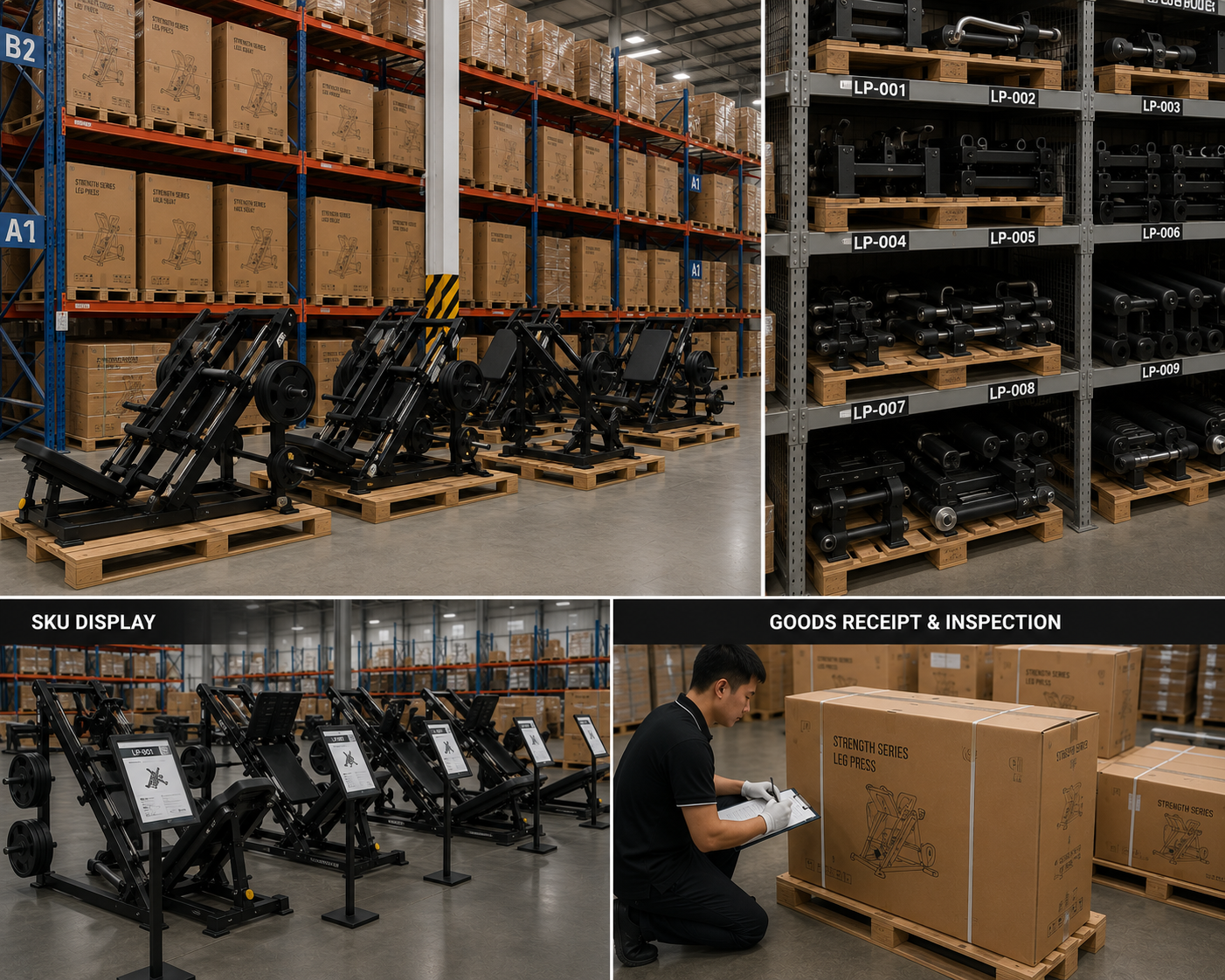
Quality Control and Inspection Protocols
Packaging and Global Logistics Solutions
Strategic Checklist for Long-Term Procurement Success