China Manufacturer

strength equipment supplier - China Factory,Supplier,Manufacturer

For global fitness distributors, gym chain procurement officers, and emerging fitness brand owners, the search for a reliable strength equipment supplier involves more than just comparing price lists. The complexity of modern facility management requires equipment that balances structural durability, biomechanical precision, and long-term maintenance efficiency. Whether you are scaling a boutique studio network or supplying a large-scale commercial fitness center, the quality of your strength and cardio inventory directly dictates your operational overhead and user retention rates.

This guide addresses the critical challenges faced during the B2B sourcing process, specifically focusing on how to identify high-performance manufacturing capabilities that go beyond basic assembly. We examine the nuances of sourcing commercial-grade gear—ranging from heavy-duty weightlifting equipment to high-tolerance resistance systems—to help you navigate the distinction between simple trading companies and specialized manufacturers. By understanding the technical benchmarks of professional-grade production, you can secure assets that withstand high-frequency usage while maintaining a competitive market position.

Navigating the global supply chain requires a clear understanding of the diverse categories within the strength and cardio sectors. A comprehensive procurement strategy should account for the following key product dimensions:

  • Strength Training Systems: Including multi-gym stations, plate-loaded machines, and selectorized weight equipment designed for high-volume commercial environments.
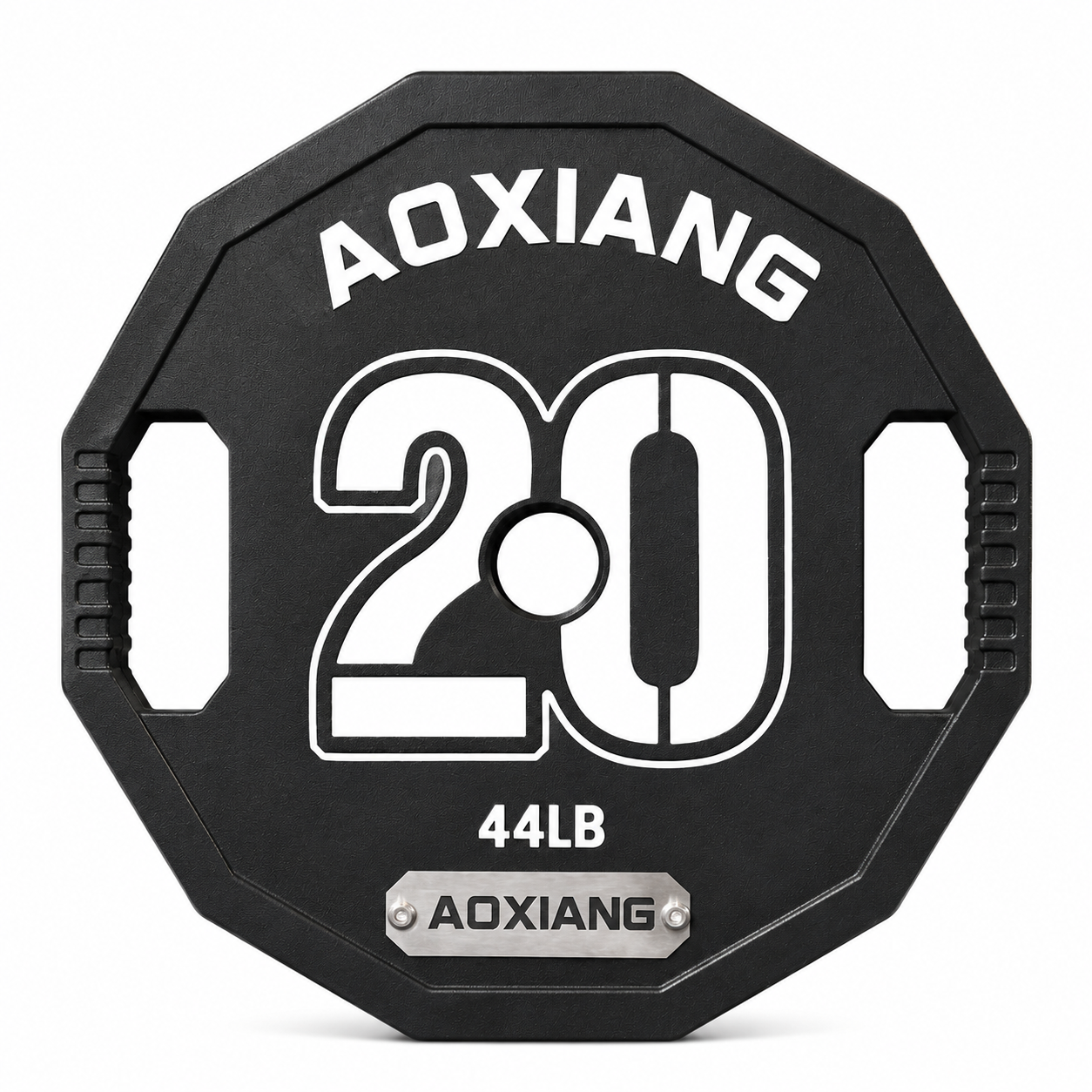
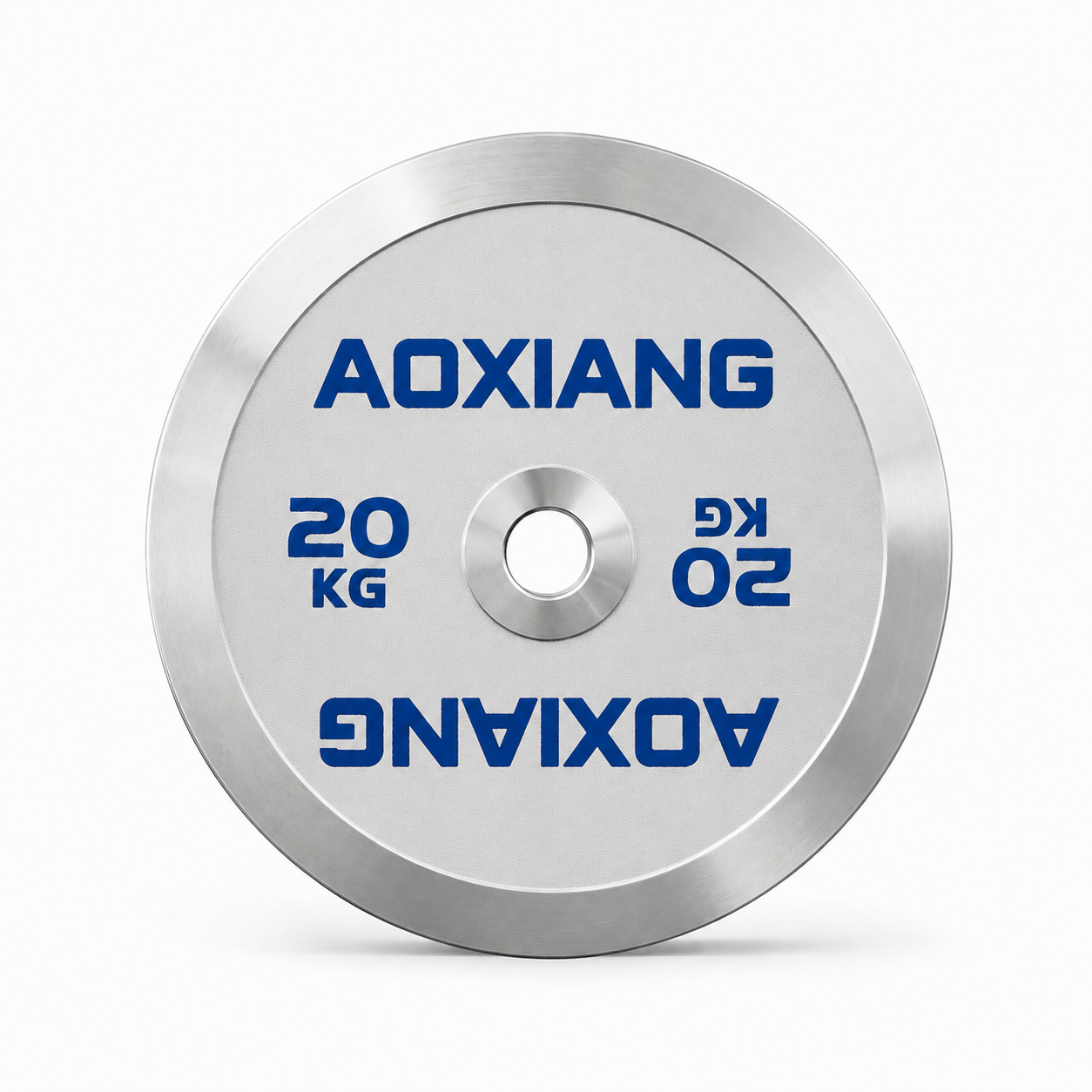
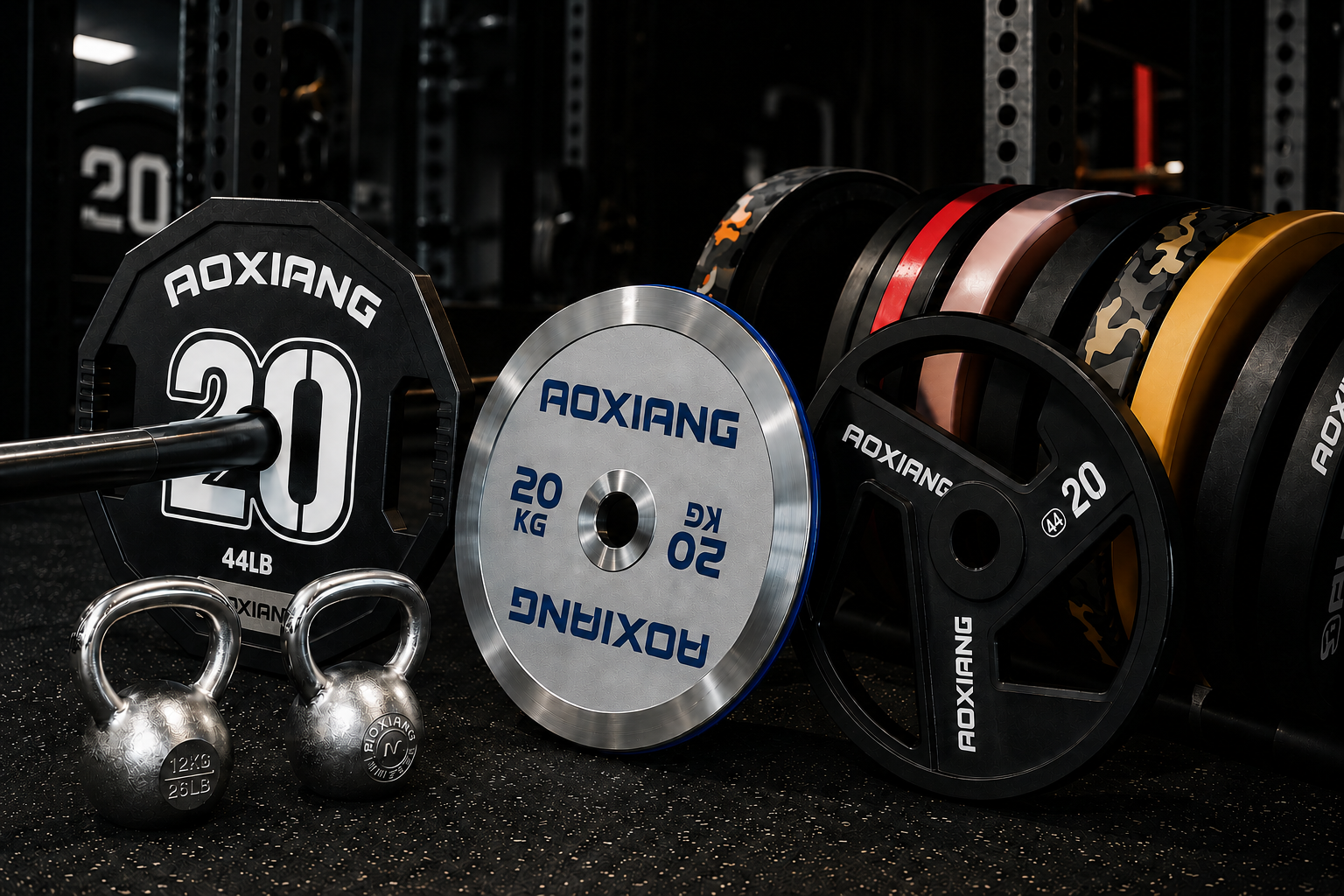
  • Precision Weightlifting Gear: Such as high-density dumbbells, barbell sets, and specialized lifting platforms that meet strict weight tolerance standards.
  • Cardio and Endurance Equipment: Ranging from high-durability rowing machines to specialized gym cycles for varied fitness applications.
  • Accessory and Resistance Solutions: Including customized resistance bands and specialized gear that support functional training and mobility programs.

As a professional strength equipment supplier, our objective is to provide the technical transparency required for informed decision-making. We move beyond surface-level descriptions to provide the data-driven insights necessary for managing large-scale facility rollouts, OEM branding projects, and specialized equipment distribution.

When building a professional fitness facility or a distribution network, the choice of sourcing channel fundamentally alters your capital expenditure (CAPEX) and long-term maintenance requirements. Many procurement officers mistakenly equate high retail price tags with guaranteed durability, but in the professional strength equipment sector, value is more accurately measured by verifiable engineering specifications. A professional strength equipment supplier provides a direct path to high-tolerance machinery by removing the brand-premium markup while maintaining rigorous technical standards.
The following table provides a comparative framework to assist B2B buyers in evaluating the differences between sourcing from a direct manufacturer/factory and purchasing through traditional retail-oriented distributors or high-end brand channels. This comparison focuses on the technical and economic dimensions critical for large-scale facility rollouts.

Procurement DimensionHigh-End Brand TierStandard Retail TierDirect Factory/OEM Tier
Primary FocusBrand equity and lifestyle marketingGeneral consumer fitness usageTechnical durability and B2B scalability
Structural IntegrityHigh-grade steel with proprietary coatingsStandard mild steel with basic finishesHigh-gauge steel with industrial-grade powder coating
Customization CapabilityLimited to standard color/logo optionsMinimal or no customization availableFull OEM/ODM (color, logo, mechanical specs)
Price StructureHighest (includes heavy branding/marketing)Moderate (includes distributor margins)Optimized (direct-to-source cost efficiency)
Lead Time ControlDependent on global brand inventoryStandardized retail shipping cyclesCustomizable based on production scheduling
Maintenance & PartsProprietary, often expensive componentsStandard consumer-grade replacementsStandardized, high-durability componentry

For distributors looking to establish their own product lines, the "Direct Factory/OEM Tier" offers the most strategic advantage. Instead of competing on brand name alone, you can compete on the quality of the engineering. By focusing on measurable metrics—such as the thickness of the steel tubing (gauge), the grade of the bearings in a rowing machine, or the tension consistency in a resistance band factory's output—you can build a reputation for reliability without the prohibitive costs associated with legacy brands.

Understanding these distinctions allows procurement professionals to move beyond "price-per-unit" thinking and toward "total cost of ownership" (TCO) optimization. A high-tolerance machine sourced directly may have a slightly higher initial cost than a low-end consumer model, but its extended lifecycle and reduced downtime provide far greater value in a commercial environment.

A common pitfall for procurement managers is focusing exclusively on the initial purchase price while overlooking the hidden costs of low-tolerance manufacturing. In the commercial fitness industry, a "cheap" machine often translates to frequent downtime, high maintenance labor costs, and potential liability issues. To avoid these, professional buyers must shift their focus from superficial aesthetics to the underlying mechanical integrity of the equipment.

The Logic of Cost vs. Durability

The cost structure of a high-performance strength training machine is primarily driven by three factors: material gauge, mechanical tolerance, and finishing technology. A professional strength equipment supplier utilizes high-gauge steel (typically 11-gauge or thicker for commercial frames) and industrial-grade electrostatic powder coating. While this increases the initial production cost compared to consumer-grade mild steel, it drastically reduces the rate of oxidation and structural fatigue. When evaluating a supplier, ask for the specific steel gauge and the micron thickness of the coating; these are verifiable metrics that indicate how well the machine will withstand high-frequency, heavy-load usage.

Common Procurement Misconceptions

One significant misconception is that all "commercial" labels are created equal. Many manufacturers use the term "commercial" to describe equipment that is simply more robust than home-use gear, but lacks the rigorous testing required for 24/7 facility environments. A true professional-grade supplier adheres to strict tolerance standards for moving parts. For example, in selectorized weight machines, the smoothness of the weight stack movement depends on the precision of the guide rods and the grade of the bearings. If the tolerances are loose, the machine will exhibit "jitter" or uneven resistance, which accelerates wear on both the machine and the user's joints.

Building a Verification Checklist

To ensure a successful B2B partnership, procurement teams should implement a multi-dimensional verification framework. Rather than relying on a catalog, request documentation or video evidence of the following technical checkpoints:

  • Welding Integrity: Request high-resolution images of full-penetration welds on load-bearing joints. Spot welding is insufficient for commercial strength training equipment.
  • Mechanical Smoothness: For rowing machines or cycles, verify the duty cycle of the motors and the precision of the resistance modulation.
  • Upholstery Durability: Ensure that the high-density foam is wrapped in high-tensile, medical-grade or commercial-grade PU/PVC that resists sweat and UV degradation.
  • Compliance and Certification: Verify that the factory's production lines meet international safety standards, particularly regarding the structural stability of multi-gym systems.

By applying this level of scrutiny, distributors can move from reactive purchasing to proactive asset management. Understanding the "why" behind the cost—whether it is the precision of a CNC-machined component or the durability of a specialized resistance band—allows you to justify your procurement decisions to stakeholders and build a more resilient business model.

Strategic Advantages: High-Performance Alternatives and OEM Manufacturing Capabilities

In the global fitness market, a significant gap exists between premium-tier brand-name equipment and high-performance factory-direct solutions. For many distributors and gym owners, the goal is not merely to find a lower price, but to find a "performance-aligned" alternative—equipment that matches the technical specifications of top-tier brands without the associated marketing premium. By focusing on verifiable engineering benchmarks rather than brand logos, B2B buyers can implement highly effective procurement strategies.

Aligning with Premium Standards through Verifiable Metrics

Achieving a high-end user experience through a direct strength equipment supplier requires a focus on specific, quantifiable indicators. Rather than seeking a direct imitation of a specific brand, professional buyers should demand alignment on the following critical technical dimensions:

  • Bearing and Motion Precision: High-tier machines utilize high-grade, sealed bearings to ensure smooth, silent weight stack transitions. When sourcing alternatives, verify the bearing grade and the precision of the guide rod alignment to ensure a premium feel.
  • Frame Stability and Gauge: Premium equipment is characterized by extreme structural rigidity. Ensure your supplier utilizes high-gauge steel (e.g., 11-gauge or 3mm thickness) and advanced welding techniques to prevent frame deflection under heavy loads.
  • Upholstery and Surface Finish: High-end brands often feature specialized, high-density foam and medical-grade upholstery. A professional factory-direct source can match these tactile and durability standards by specifying high-tensile, anti-microbial materials.
  • Consistency in Resistance: For products like rowing machines or specialized resistance gear, the consistency of the resistance curve is a key marker of quality. High-performance alternatives must meet strict tolerance levels in tension and modulation.

Professional OEM and ODM Manufacturing Standards

For brands looking to expand their product lines, leveraging a specialized manufacturing partner for OEM (Original Equipment Manufacturer) or ODM (Original Design Manufacturer) services is a proven way to scale. Working with a factory that operates under international production standards ensures that your brand's reputation is protected through rigorous quality control and technical compliance.

Our production philosophy is built on the standards required by high-end international fitness chains. This includes a highly structured workflow designed to manage the transition from conceptual design to mass production:

  1. Technical Specification & Prototyping: The process begins with a deep dive into your specific requirements—whether it is a custom color scheme, a unique logo placement, or a specialized mechanical adjustment. We produce high-fidelity prototypes for client approval, ensuring all tolerances and biomechanical movements meet your exact standards before the production run begins.
  2. Strict Quality Control (QC) Nodes: Quality is not checked only at the end; it is integrated into every stage. This includes raw material verification, CNC-machined component inspection, and mid-production welding checks.
  3. Confidentiality and Compliance: We operate within strict professional boundaries regarding intellectual property and design confidentiality. All production processes are documented and compliant with international safety and manufacturing protocols to ensure seamless integration into your global distribution network.

By shifting the focus from "brand name" to "technical specification," distributors can build highly competitive, high-performance product lines. This approach allows you to offer the market a product that delivers the same reliability and user experience as premium brands, while maintaining a much more optimized and scalable cost structure.

Case Studies: Tailored Solutions for Complex Procurement Scenarios

The ability of a strength equipment supplier to move beyond standardized catalogs and into customized solution-building is often the deciding factor in successful large-scale projects. Real-world B2B procurement rarely follows a perfect path; it is usually defined by specific constraints such as strict branding requirements, tight delivery windows, or specialized mechanical adjustments. The following anonymous case studies illustrate how technical problem-solving and proactive communication can resolve typical industry bottlenecks.

Scenario A: Custom Branding and Rapid Market Entry for a Regional Distributor

A regional fitness distributor in Southeast Asia aimed to launch a proprietary brand of high-intensity training gear within a compressed six-month window. Their primary constraint was not just the budget, but the need for a distinct visual identity that differentiated them from generic imports. They required a specialized resistance band factory that could provide consistent tension levels while incorporating a specific logo placement and custom packaging designs.

Our technical team addressed this by first establishing a rigorous sampling protocol. We provided multiple material iterations—varying the latex density and thickness—to ensure the resistance profiles matched the client's branding of "professional-grade" performance. Once the prototype was approved, we integrated a customized color-coding system for the bands and developed a high-durability, branded packaging solution that could withstand long-distance shipping. By synchronizing the production schedule with their marketing launch, the client successfully debuted their brand on schedule, achieving high consumer trust due to the consistent product quality and professional aesthetic.

Scenario B: High-Tolerance Equipment for a Multi-Location Boutique Studio Chain

An emerging boutique studio chain in Europe required a specialized equipment set for a new multi-location rollout. Their specific challenge was the physical footprint of their boutique spaces; they needed multi-gym systems and weightlifting gear that were compact yet maintained the structural rigidity expected in high-end commercial environments. Furthermore, they had strict requirements regarding the "noise profile" of their equipment to maintain a premium studio atmosphere.

To solve this, we collaborated on a customized mechanical specification. Instead of offering a standard selectorized machine, we adjusted the bearing specifications and the guide rod coating to ensure near-silent operation during high-load movements. We also provided technical drawings to help their facility designers optimize the floor plan around the customized dimensions of the machines. The result was a seamless installation across all locations, where the equipment met both the spatial constraints of the boutique layout and the high-performance expectations of their clientele. The project was completed within the agreed lead time, passing all internal quality inspections and meeting the client's high standards for both durability and aesthetics.

These scenarios highlight that a professional partnership is built on more than just fulfilling a purchase order; it is about providing the technical expertise and flexibility required to navigate the unique constraints of the global fitness market.

Operationalizing Procurement: MOQ, Sampling, and Global Logistics

Transitioning from a technical evaluation to a full-scale procurement execution requires a clear understanding of the operational protocols that govern a professional strength equipment supplier. B2B transactions in the commercial fitness sector are characterized by specific milestones—ranging from initial prototyping to final customs clearance—that must be managed with precision to avoid project delays and budget overruns.

Standardized Sourcing Milestones

To ensure transparency and predictability, we adhere to a structured workflow that defines the critical stages of the procurement lifecycle. Each stage is designed to mitigate risk and ensure that the final output aligns perfectly with the client's technical and branding specifications.

  • Minimum Order Quantity (MOQ) & Tiered Pricing: Our MOQ policies are structured to support both emerging fitness brands and established distributors. For standard product lines, MOQs are optimized for container-load efficiency, while customized OEM projects may involve different thresholds based on the complexity of the mechanical adjustments and branding requirements.
  • Sampling and Prototyping Cycles: Before mass production, a formal sampling phase is mandatory. This involves the creation of a physical prototype—whether it is a specific weightlifting plate or a customized multi-gym station—to verify mechanical tolerances, material feel, and aesthetic alignment. The typical lead time for a customized prototype ranges from 15 to 30 days, depending on the degree of mechanical customization required.
  • Quality Control (QC) and Factory Audits: We encourage clients to perform remote or on-site factory audits. Our quality control nodes are integrated into the production line, covering raw material testing, welding precision, and final functional testing. This ensures that every unit shipped meets the pre-agreed technical standards defined in the Purchase Order (PO).

Packaging and Global Logistics Management

Shipping heavy-duty commercial gym machines and high-density weightlifting gear presents unique logistical challenges. The structural integrity of the equipment must be protected throughout the international transit process to prevent damage and ensure a seamless installation at the destination facility.

Our logistics approach focuses on three core pillars:

  1. Industrial-Grade Packaging: We utilize reinforced corrugated boxes, high-density foam protection, and customized palletization for heavy components. For large-scale equipment like multi-gym systems, we employ specialized crates designed to withstand the rigors of ocean freight and multi-modal transport.
  2. Shipping Documentation and Compliance: We provide comprehensive documentation support, including commercial invoices, packing lists, and necessary certificates of origin. This helps B2B buyers navigate customs clearance smoothly and ensures compliance with the import regulations of the destination country.
  3. Communication and Tracking: Transparency is maintained through regular status updates. From the moment a production run begins to the final dispatch of the container, clients receive updates regarding production progress, shipping schedules, and real-time tracking information.

By establishing these clear operational boundaries, we provide more than just equipment; we provide a reliable supply chain solution that allows distributors and gym owners to focus on their core business of facility management and brand growth.

Strategic Checklist for Professional Equipment Procurement

Establishing a long-term partnership with a professional strength equipment supplier requires moving beyond the initial inquiry. To ensure that your facility or distribution network is built on a foundation of high-tolerance, durable assets, we recommend incorporating the following actionable steps into your final procurement workflow. These checkpoints are designed to bridge the gap between technical specifications and real-world operational success.

  • Finalize a Detailed Technical Specification Document: Before issuing a formal Purchase Order, ensure that all mechanical nuances—such as steel gauge, bearing grades, upholstery density, and resistance curves—are explicitly documented. A vague description leads to variable quality; a precise specification ensures that the factory-direct output aligns with your "premium-tier" performance expectations.
  • Execute a Rigorous Prototype Approval Process: Never bypass the sampling phase for customized OEM or ODM projects. Use the physical prototype to test not only the mechanical movement but also the aesthetic integration with your branding. Verify that the weight tolerances and the "feel" of the equipment meet the standards of your target end-users in a real-world setting.
  • Align Logistics and Quality Milestones: Integrate quality control checkpoints into your shipping timeline. Confirm that the packaging protocols (such as reinforced crating for multi-gym systems) are sufficient for your specific transit routes and that all necessary customs documentation is prepared well in advance of the container's departure to prevent port delays.

By adhering to these professional sourcing standards, you transition from a transactional buyer to a strategic partner. Whether you are sourcing high-performance alternatives to legacy brands or developing a proprietary line through specialized OEM manufacturing, the focus remains on technical transparency, verifiable quality, and scalable operational efficiency.

Related Products

strength equipment supplier

Top Selling Products

Contact Us

Format: +[country code][number] (e.g. +1234567890)