China Manufacturer

weight lifting equipment manufacturers - China Factory,Supplier,Manufacturer

For professional gym owners, international distributors, and fitness brand developers, the procurement of high-performance equipment is a high-stakes balancing act between capital expenditure and long-term asset durability. Sourcing wholesale weight lifting equipment requires more than just finding a low price; it demands a deep understanding of manufacturing standards, material specifications, and the ability to mitigate the risks associated with long-distance logistics and quality fluctuations.

The modern fitness landscape is increasingly fragmented, with a growing demand for specialized gear that caters to everything from boutique strength studios to massive commercial fitness chains. Whether you are looking to expand a retail product line through OEM partnerships or outfitting a new multi-gym facility, the primary challenge remains the same: how to secure equipment that performs at a professional grade without the inflated overhead of Tier-1 retail branding.

This guide is designed to provide procurement professionals with a technical framework for evaluating potential partners across several critical categories, including:

  • High-load strength training machines and multi-gym systems.
  • Precision-engineered weightlifting gear and plates.
  • Durable resistance bands and functional training accessories.
  • Commercial-grade cardio solutions such as rowing machines and cycles.

By shifting the focus from simple "product sourcing" to "manufacturing partnership," buyers can leverage direct factory-to-client models to optimize their inventory turnover and ensure that every piece of equipment—from a single resistance band to a complex multi-gym station—meets the rigorous demands of daily commercial use.
Comparative Framework: Evaluating Sourcing Tiers for Commercial Fitness Assets

When building a commercial fitness facility or expanding a distribution network, understanding the structural differences between various procurement tiers is essential. Most buyers mistakenly assume that a higher price tag automatically translates to superior durability. However, in the professional weight lifting equipment sector, high-performance gear is often a matter of verifiable engineering specifications—such as steel gauge, coating thickness, and bearing quality—rather than brand prestige alone.

The following table provides a technical comparison to help procurement managers differentiate between high-end retail-branded solutions, mid-tier distributor models, and direct factory-to-client procurement strategies. This framework focuses on verifiable metrics that impact the total cost of ownership (TCO) and long-term asset reliability.

Procurement DimensionPremium Retail-Branded TierMid-Tier Distributor ModelDirect Factory/OEM Tier
Primary Value PropositionBrand recognition and established retail presenceStandardized inventory and localized supportOptimized cost-to-performance ratio and customization
Material SpecificationHigh-gauge steel with proprietary finishesStandard commercial-grade steel and coatingsCustomizable gauge and industrial-grade finishes
OEM/ODM CapabilityExtremely limited; focuses on finished productsLimited to branded catalog itemsHigh; full control over design and branding
Pricing StructureHigh markup due to marketing and retail overheadModerate markup for logistics and distributionDirect factory pricing with optimized margins
Customization DepthStandardized models onlyLimited color or minor component optionsFull customization of dimensions, colors, and logos
Lead Time ControlSubject to retail stock availabilityDependent on distributor inventory cyclesDirectly managed via production scheduling

For businesses seeking to scale, the "Direct Factory/OEM Tier" offers a significant advantage in terms of agility. While the "Premium Retail-Branded Tier" serves well for single-unit luxury boutique needs, the ability to control the production line allows large-scale gym owners and distributors to align their equipment specifications—such as the specific tension of a resistance band or the weight tolerance of a multi-gym system—directly with their brand identity and budget constraints.

By focusing on these technical benchmarks rather than marketing narratives, professional buyers can secure high-durability equipment that meets the rigorous demands of a commercial environment while maintaining a competitive edge in their local markets.

Deep Dive: Technical Benchmarks for High-Performance Equipment Procurement

Successful procurement of weight lifting equipment is rarely about finding the lowest quote; it is about identifying the hidden costs of substandard manufacturing. In a commercial setting, a machine that fails after 18 months due to poor weld integrity or low-grade bearings represents a massive loss in both capital and operational uptime. Professional buyers must look beyond the surface aesthetics to the structural engineering and compliance protocols that define true commercial-grade assets.

The Engineering Logic of Durability: Steel Gauge and Coating

One of the most common pitfalls in B2B sourcing is the confusion between "residential-grade" and "commercial-grade" steel. While a residential weight bench might use 14-gauge steel, a professional gym machine typically requires 11-gauge or even 7-gauge steel for high-impact stations. The thickness of the steel directly dictates the machine's ability to withstand lateral stress and repetitive heavy loading. Furthermore, the quality of the powder coating is a critical indicator of longevity. High-end manufacturers use multi-stage electrostatic processes to ensure the finish can resist scratches, oxidation, and the chemical cleaning agents used in daily gym maintenance.

Understanding the Cost-Quality Paradox in OEM Production

Many procurement managers are wary of the "low cost" associated with direct factory sourcing, fearing a compromise in safety or precision. However, the cost advantage of working with a specialized manufacturer often stems from the removal of middle-tier brand markups rather than a reduction in raw material quality. A sophisticated OEM partner utilizes economies of scale to source high-grade components—such as precision-machined pulleys and high-density foam—at a lower per-unit cost than a retail brand. The key is to verify that the manufacturer's cost-saving measures are located in the supply chain efficiency rather than the structural integrity of the product.

The Compliance and Certification Framework

When sourcing at scale, especially for international distribution, compliance is not optional. A professional procurement framework must include a rigorous verification of the following:

  • Load-Bearing Certification: Verification that the machine has undergone standardized weight-stress testing to ensure safety under peak usage.
  • Material Safety: Ensuring that all coatings and contact surfaces (such as grips and upholstery) are free from prohibited chemicals and meet international safety standards.
  • Welding Standards: Checking for consistent bead width and penetration in structural frames to prevent fatigue cracks under heavy lifting.
  • Assembly Precision: Verifying that moving parts, such as those in rowing machines or gym cycles, have minimal tolerance gaps to ensure smooth, long-term operation.

By applying these technical filters, buyers can move away from subjective "brand trust" and toward an objective, data-driven decision-making process that secures high-performance assets for their long-term business growth.

Strategic Value: Aligning with High-End Standards through OEM and Direct Sourcing

In the competitive fitness industry, the ability to offer premium-feeling equipment without the premium-branded markup is a significant strategic advantage. This is often achieved through high-level OEM (Original Equipment Manufacturer) partnerships, where specialized factories produce gear that meets the rigorous performance metrics of the world's leading fitness brands. Rather than attempting to replicate a specific brand's identity, professional manufacturers focus on aligning with the technical benchmarks that define that tier of equipment.

Achieving High-End Performance via Technical Parity

When procurement managers seek "brand-tier" alternatives, they are essentially looking for parity in specific, verifiable categories. A high-quality factory-direct solution can match the performance of top-tier retail brands by ensuring the following technical standards are met:

  • Structural Integrity: Utilizing high-gauge, heavy-duty steel tubing and precision robotic welding to ensure frames can withstand high-frequency, high-impact commercial use.
  • Smooth Kinetic Motion: Implementing industrial-grade bearings and precision-machined pulleys in weight machines and rowing equipment to provide a fluid, resistance-free movement.
  • Surface Durability: Applying multi-layer, electrostatic powder coatings that offer superior resistance to oxidation and heavy-duty cleaning protocols.
  • Ergonomic Precision: Using high-density, medical-grade foam and non-slip, sweat-resistant materials for upholstery and grips to ensure user comfort and safety.

Professional OEM Production and Quality Control Protocols

For brands and distributors looking to launch their own product lines, the manufacturing process must be transparent and strictly controlled. A professional manufacturing facility operates under a structured workflow that ensures every customized order—whether it is a specialized multi-gym system or a high-volume shipment of resistance bands—meets the client's exact specifications.

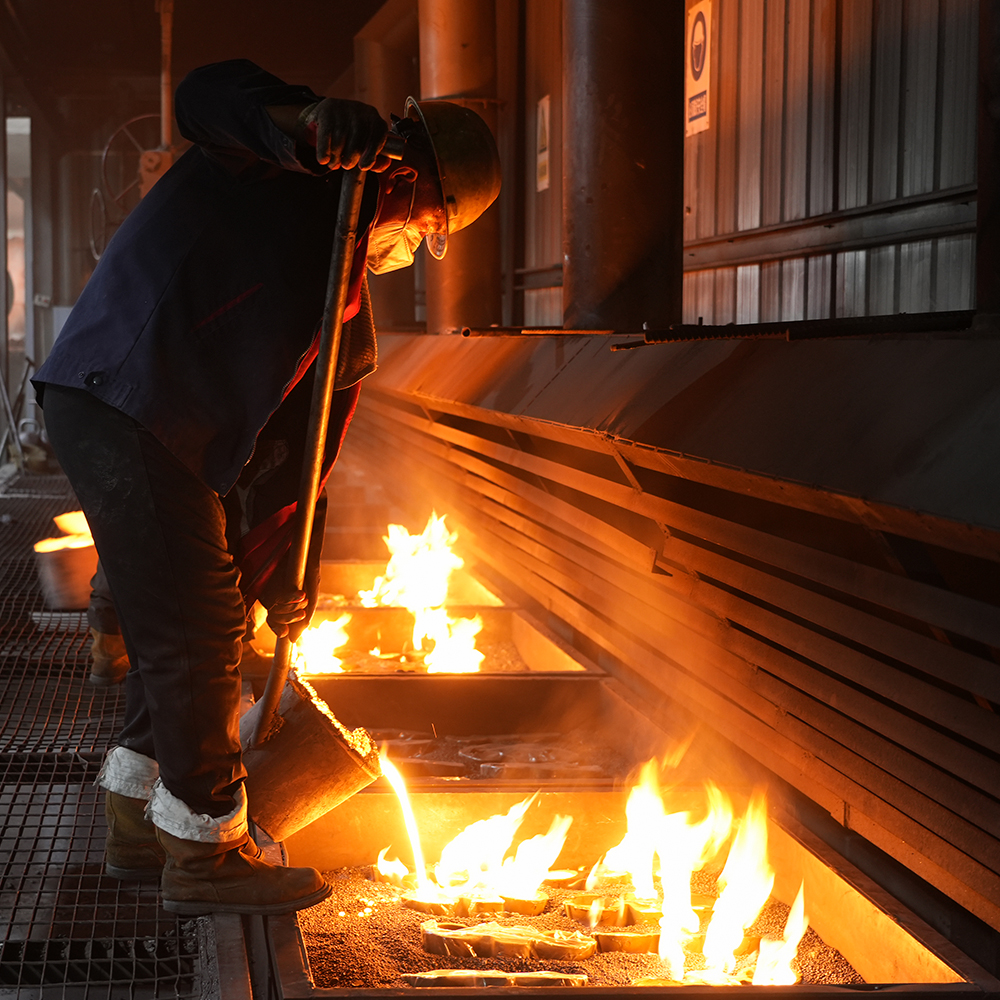
The standard OEM workflow typically begins with a rigorous prototyping and sampling phase. During this stage, the factory produces a physical sample based on the client's CAD drawings or technical requirements. This sample undergoes a series of stress tests and functional evaluations to ensure that the design is both safe and commercially viable. Once the prototype is approved, the production moves into the bulk manufacturing phase, where strict quality control (QC) nodes are established at every step: from raw material inspection and welding thickness verification to final assembly testing and pre-shipment load-bearing checks. This systematic approach ensures that the final product maintains consistency across thousands of units, providing the reliability required for global distribution.

Case Studies: Solving Complex Procurement Challenges through Customized Solutions

The true value of a specialized manufacturing partner is best demonstrated through their ability to navigate complex constraints. Unlike standard catalog-based suppliers, a high-level factory-direct model focuses on solving specific logistical, technical, and branding challenges for its clients. The following anonymous scenarios illustrate how tailored manufacturing solutions address real-world B2B requirements.

Scenario 1: Expanding a Regional Fitness Brand via Custom Strength Gear

A growing fitness brand in Southeast Asia sought to launch a signature line of strength training gear to differentiate itself from generic importers. Their primary requirement was to maintain a "premium" aesthetic—characterized by matte black finishes and high-density upholstery—while keeping the unit cost low enough for a competitive mid-range retail price. The major constraint was the need for unique branding on all contact points, including custom-embossed weight plates and laser-engraved logos on the machine frames.

The manufacturing partner responded by providing a comprehensive OEM service. This included developing customized CAD drawings to refine the ergonomic grip profiles and establishing a specialized electro-static coating line to achieve the requested matte finish. To ensure brand consistency, the factory implemented a multi-stage QC protocol that specifically inspected the logo precision and the uniformity of the coating thickness. The result was a successful product launch where the client achieved a high-end brand perception with a significantly optimized cost structure, successfully meeting their target market's expectations for both style and durability.

Scenario 2: Rapid Inventory Replenishment for a European Distributor

A European distributor specializing in functional training accessories faced a critical supply chain disruption. They needed to replenish a high-volume order of customized resistance bands and rowing machine components within a compressed timeframe to meet a seasonal demand spike. The primary constraints were the strict European safety certification standards and a non-negotiable 60-day window for both production and sea freight delivery.

The solution involved a coordinated effort between the client's technical team and the factory's production planners. The factory prioritized the client's production line, utilizing pre-certified raw material batches to bypass lengthy material-testing delays. To meet the tight deadline, the manufacturer implemented a dual-track QC process: automated tension testing for the resistance bands was conducted in parallel with the final assembly of the rowing components. Furthermore, the factory optimized the export packaging design to maximize container density, reducing the total number of shipments required. The order was completed and cleared customs within the designated window, allowing the distributor to maintain market presence without losing seasonal momentum.

These cases highlight that professional manufacturing is not merely about producing items, but about providing the technical and logistical agility required to support a client's specific business objectives, whether those involve brand differentiation or rapid market response.

Operationalizing the Partnership: MOQ, Prototyping, and Logistics Execution

Transitioning from a single procurement event to a long-term manufacturing partnership requires a clear understanding of the operational protocols that govern B2B transactions. Successful collaboration is built on predictable cycles—from the initial request for a quotation (RFQ) to the final arrival of goods at a distribution center. A professional factory-direct model operates through several structured phases to ensure that both technical specifications and commercial timelines are strictly honored.

Standardized Order Cycles and Prototyping

The lifecycle of a customized order typically follows a rigid progression to mitigate the risk of mass-production errors. Most specialized manufacturers operate with a tiered Minimum Order Quantity (MOQ) system, which allows distributors to test new product lines with smaller volumes before committing to large-scale inventory. For highly customized items, such as specialized multi-gym systems or branded rowing machines, a formal prototyping phase is mandatory. This involves a technical review of the client's CAD files, followed by the production of a single functional unit. Approval of this sample is the critical milestone that triggers the formal production schedule and the finalization of the purchase order (PO) specifications.

Quality Assurance and Inspection Protocols

To maintain consistency across high-volume shipments, professional manufacturers integrate quality control (QC) into every stage of the production line. Rather than a single end-of-line check, a robust B2B framework utilizes multiple touchpoints:

  • Inbound Material Inspection: Verifying the gauge of incoming steel tubing and the elasticity of raw latex for resistance bands before production begins.
  • In-Process QC: Monitoring welding consistency and coating uniformity during the assembly of strength training machines.
  • Pre-Shipment Inspection (PSI): Conducting final load-bearing tests and functional checks on a randomized sample of the finished batch to ensure compliance with the approved prototype.

Packaging and Global Logistics Management

For international buyers, the durability of the equipment is only half the battle; the other half is the integrity of the packaging and the efficiency of the shipping process. Professional manufacturers offer various packaging solutions designed to withstand the rigors of long-distance sea freight. This includes heavy-duty corrugated cartons for smaller items like weightlifting gear and reinforced wooden crates or custom-sized steel frames for large-scale gym machines.

Effective B2B communication must also cover the logistics coordination phase. This involves aligning production completion dates with vessel schedules to avoid unnecessary warehouse storage costs. Whether you are shipping via Full Container Load (FCL) for large-scale facility outfitting or Less than Container Load (LCL) for smaller retail replenishment, a clear communication protocol regarding container loading plans and shipping documentation is essential for a seamless arrival at your destination.

Essential Checklists for Successful Equipment Procurement

Moving from initial research to active procurement requires a structured approach to ensure that the technical and commercial objectives of your fitness brand or facility are met. To mitigate risk and ensure long-term asset reliability, professional buyers should utilize the following actionable checklists during their final selection and onboarding phases.

Pre-Order Technical Verification Checklist

Before issuing a formal purchase order for wholesale weight lifting equipment, verify that the manufacturer has provided documented evidence for the following critical specifications:

  • Material Certifications: Confirmed steel gauge (e.g., 11-gauge vs. 14-gauge) and chemical composition reports for resistance band latex or metal plates.
  • Load-Bearing Test Results: Data-backed results from recent stress tests on structural frames and moving components like pulleys or weight stacks.
  • Finish and Coating Standards: Technical data sheets (TDS) specifying the thickness and durability of the electrostatic powder coating or industrial paint.
  • Component Compatibility: Confirmation that all bearings, cables, and electronic components (for cardio equipment) meet the required commercial-grade lifespans.

OEM and Customization Readiness Assessment

When engaging in an OEM partnership to develop a signature product line, ensure the following operational capabilities are clearly defined in the initial agreement:

  • Prototyping Protocol: A clearly defined timeline and budget for the development, testing, and approval of a physical sample before bulk production begins.
  • Branding Control: Detailed specifications for logo placement, whether via laser engraving, silk screening, or custom-molded components, to ensure brand consistency.
  • Customization Limits: A clear understanding of the MOQ and technical constraints for custom colors, dimensions, or specialized ergonomic adjustments.

Logistics and Delivery Coordination Points

To prevent delays in facility outfitting or retail replenishment, align with your manufacturing partner on these logistical execution details:

  • Packaging Specification: Confirmation of packaging durability, such as reinforced wooden crates for heavy machines or high-density corrugated boxes for weightlifting gear, to withstand sea freight.
  • Shipping Documentation: A standardized list of required documents (e.g., Bill of Lading, Packing List, Certificate of Origin) to ensure smooth customs clearance.
  • Loading Efficiency: Coordination on container loading plans (FCL or LCL) to maximize volume utilization and reduce per-unit shipping costs.

Related Products

weight lifting equipment manufacturers

Top Selling Products

Contact Us

Format: +[country code][number] (e.g. +1234567890)