China Manufacturer

commercial gym equipment supplier - China Factory,Supplier,Manufacturer

For gym owners, international distributors, and fitness brand developers, the challenge of building a high-performance facility extends far beyond simple aesthetics. The core difficulty lies in identifying a commercial gym equipment supplier that balances structural durability with cost-efficiency. Whether you are scaling a boutique studio network or managing a large-scale distributor network, the quality of your strength and cardio inventory directly impacts your long-term operational overhead and client retention rates.

This guide is designed to move past surface-level marketing. We address the critical decision-making frameworks required to vet manufacturers, understand the nuances of OEM customization, and recognize how factory-direct models can provide high-spec alternatives to high-priced retail brands. We focus on the technical and logistical realities that professional buyers face, including:

  • Verifying material tolerances and mechanical longevity in strength machines.
  • Navigating the transition from standard catalog items to customized OEM production.
  • Evaluating the scalability of a supplier's production lines for large-scale project delivery.
  • Understanding the technical benchmarks that differentiate commercial-grade gear from residential-grade equipment.

By focusing on these structural and operational pillars, procurement professionals can secure a reliable supply chain that supports both immediate facility needs and long-term brand growth. A strategic partnership with a capable commercial gym equipment manufacturer ensures that your investment in strength, cardio, and accessory gear remains a high-performing asset rather than a mounting maintenance liability.
Comparative Framework: High-End Retail vs. Factory-Direct Models

When selecting a commercial gym equipment supplier, professional buyers often face a dilemma between the perceived security of established premium brands and the cost-efficiency of direct manufacturing. To make an informed decision, it is necessary to move beyond brand names and evaluate the actual technical specifications and service capabilities. The following table provides a benchmark for comparing these two procurement paths across critical operational dimensions.

Distributor-led with multiple markup layers
Procurement DimensionPremium Retail TierFactory-Direct/OEM TierKey Verification Metric
Frame ConstructionHigh-gauge structural steel with branded finishesHeavy-duty industrial steel with customizable powder coatingSteel gauge (mm) and weld consistency
Mechanical ComponentsProprietary high-performance bearing systemsStandardized industrial-grade bearings and pulleysBearing load capacity and noise levels
Customization DepthLimited to brand-approved color palettesFull OEM/ODM (colors, logos, and structural tweaks)Sample approval and prototype turnaround
Supply Chain ModelDirect-to-client or B2B distributor modelDirect factory-to-warehouse logistics
Cost StructureHigh markup for brand equity and marketingOptimized for volume and direct procurementTotal Landed Cost (TLC) vs. Unit Price
Lead Time ManagementStandardized shipping cycles via regional hubsCustomized production schedules based on POProduction-to-shipping milestone tracking

The goal of a professional procurement strategy is not simply to find the cheapest option, but to identify the highest "spec-per-dollar" ratio. For instance, while a premium brand may offer a specific aesthetic, a specialized gym machine factory can often match the structural integrity and mechanical durability of that same machine by utilizing identical steel thickness and industrial-grade components, while significantly reducing the overhead associated with brand-name markups.

For distributors and gym owners, the "Factory-Direct/OEM Tier" offers a strategic advantage in scalability. Instead of being restricted to a pre-defined catalog, you can work directly with the production line to ensure that every piece of equipment—from heavy strength machines to precision-engineered rowing machines—aligns with your specific brand identity and facility requirements.

Deep Dive: Technical Benchmarks and Vetting Standards

Effective procurement in the fitness industry requires moving beyond superficial checklists. A common pitfall for novice buyers is equating "heavy" with "durable." While weight contributes to stability, true commercial-grade quality is determined by the precision of the mechanical assembly and the metallurgical standards of the frame. When auditing a potential commercial gym equipment supplier, professional buyers must look for specific, verifiable indicators of long-term reliability.

Structural Integrity and Material Specifications

The longevity of strength equipment is primarily a function of steel gauge and welding quality. In a high-traffic commercial environment, even a 0.5mm difference in steel thickness can lead to structural fatigue over time. A professional manufacturer should be able to provide technical data sheets specifying the exact gauge of the steel used in frames and weight stacks. Furthermore, look for continuous robotic welding rather than manual spot welding; robotic welding ensures uniform heat distribution and consistent bead strength, which is critical for preventing stress fractures in multi-gym systems and heavy lifting rigs.

Mechanical Precision in Cardio and Resistance Gear

For cardio equipment and resistance-based machines, the primary failure points are often the bearings, cables, and electronic control units. A high-quality manufacturer does not merely source generic parts; they utilize industrial-grade components designed for high duty cycles. When evaluating rowing machines or gym cycles, verify the specifications of the magnetic or friction resistance systems. In resistance bands or cable-based machines, the tensile strength and the elasticity retention of the materials are paramount. A reliable fitness product manufacturer will provide testing reports that prove the material can withstand repeated high-tension cycles without permanent deformation or snapping.

The Hidden Logic of Lead Times and Compliance

A frequent misconception in B2B procurement is that a shorter lead time always indicates higher efficiency. In reality, aggressive lead times can sometimes signal a bypass of critical quality control (QC) stages. A professional production schedule should include dedicated windows for: raw material inspection, component assembly, full-load testing, and final packaging verification. Additionally, ensure that all products meet the necessary international safety and environmental standards (such as CE or RoHS) relevant to your target market. Relying on a supplier that prioritizes speed over these structured QC milestones often results in high replacement costs and operational downtime once the equipment is deployed in a live facility.

Strategic Value: High-Spec Alternatives and OEM Production Standards

In the global fitness market, there is a significant distinction between "brand-driven" and "specification-driven" procurement. Many professional buyers seek high-performance alternatives to high-priced retail brands by focusing on technical parity. Instead of paying a premium for brand equity, sophisticated distributors look for a commercial gym equipment supplier that can match the core mechanical and structural benchmarks of top-tier products through direct-to-factory sourcing.

Achieving Technical Parity with Premium Solutions

To successfully implement a high-spec alternative strategy, buyers must move away from visual comparisons and focus on measurable engineering metrics. A high-performance "factory-direct" solution can align with premium retail standards by ensuring the following technical benchmarks are met:

  • Frame Durability: Utilizing high-gauge, heavy-duty steel (typically 3mm or higher for main structures) and advanced electrostatic powder coating for scratch and corrosion resistance.
  • Mechanical Smoothness: Integrating industrial-grade bearings and high-tensile cables that provide the same fluid motion found in high-end strength and cardio machines.
  • Upholstery Lonage: Employing high-density, high-resilience (HR) foam paired with reinforced, anti-microbial synthetic leather designed for heavy commercial usage.
  • Consistent Tolerances: Maintaining strict tolerances in moving parts to prevent the "rattle" or mechanical play often found in lower-tier equipment.

Professional OEM and ODM Manufacturing Capabilities

For brands looking to expand their proprietary product lines, the transition from a standard catalog to custom OEM production requires a partner with rigorous industrial discipline. A capable fitness machine manufacturer operates under a structured production framework that ensures both customization and quality stability. This process is not merely about adding a logo, but about integrating a client's specific design language into a scalable manufacturing workflow.

Our production lines follow the standards required for international brand-level orders, emphasizing several critical stages:

  • Prototyping and Sampling: Developing initial physical samples based on client CAD drawings or technical specifications for rigorous functional testing and aesthetic approval.
  • Strict Quality Control (QC) Nodes: Implementing inspection checkpoints at raw material entry, mid-assembly (welding and painting), and final mechanical testing before the goods leave the factory floor.
  • Confidentiality and Compliance: Maintaining strict boundaries regarding intellectual property and proprietary designs, ensuring that client-specific engineering remains protected throughout the manufacturing cycle.
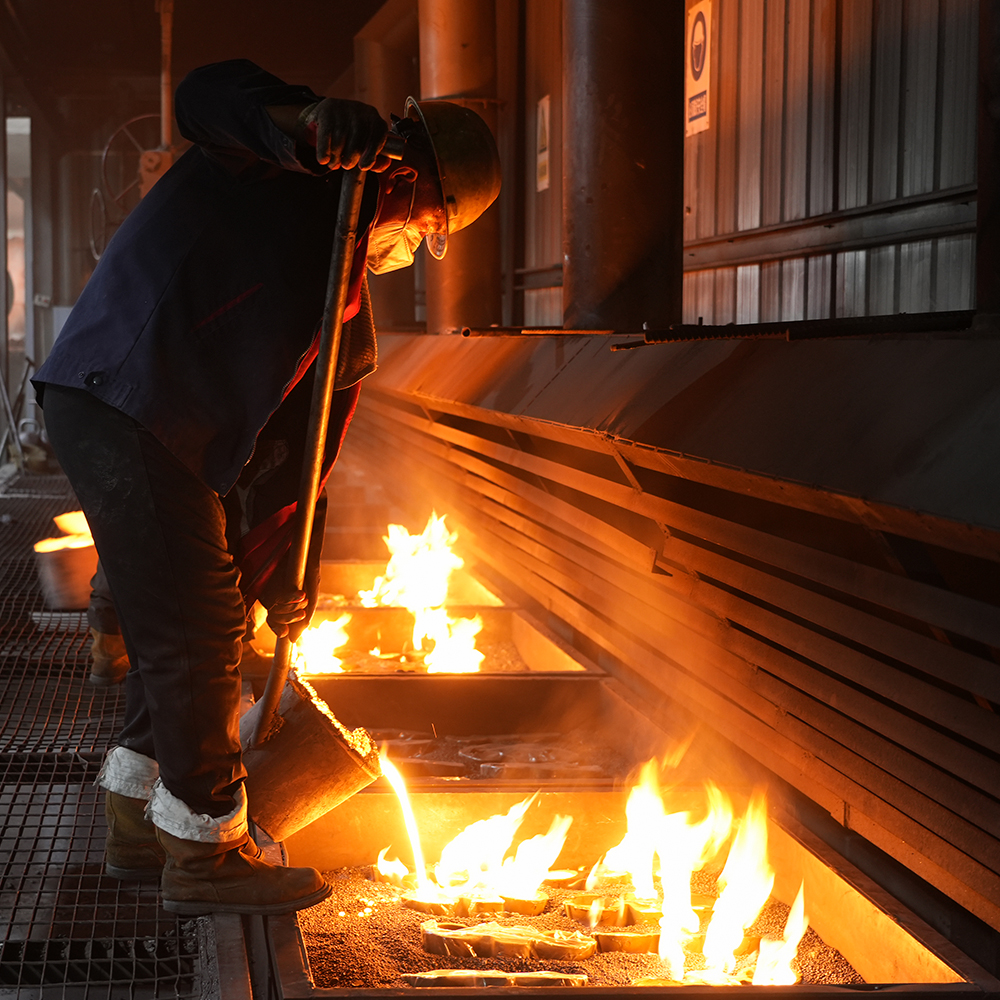
  • Standardized Bulk Production: Utilizing automated assembly lines to ensure that the 1,000th unit produced maintains the exact same dimensional tolerances and finish quality as the first approved sample.


By leveraging these professional-grade production standards, B2B clients can build their own unique brand identity without the immense overhead of establishing independent manufacturing infrastructure.

Case Studies: Solving Complex Procurement Challenges through Customized Solutions

Real-world procurement often involves much more than selecting items from a catalog. It frequently requires navigating a complex web of logistical constraints, strict branding requirements, and highly specific technical demands. The following two anonymous scenarios illustrate how a specialized commercial gym equipment supplier moves beyond simple order fulfillment to provide comprehensive engineering and logistical solutions.

Scenario 1: Scaling a Regional Distributor Network with Custom Branding

A mid-sized fitness equipment distributor in Southeast Asia faced a significant challenge: they needed to launch a proprietary "premium" line of strength training gear to compete with established international brands. Their primary constraints were a strict budget for the initial launch and a requirement for a highly specific aesthetic—matte black finishes with minimalist, high-contrast branding—to differentiate themselves in a crowded market.

Instead of offering a standard catalog, the manufacturer developed a tailored OEM solution. This involved a three-stage process: first, providing high-gauge steel prototypes that matched the weight and feel of high-end retail models; second, implementing a customized electrostatic powder coating process to achieve the exact matte finish requested; and third, integrating the client's logo through high-precision laser etching rather than simple stickers. By focusing on these specific technical details, the manufacturer helped the distributor launch a branded line that passed all regional durability tests and successfully captured a significant market share within the first year of release.

Scenario 2: Navigating Tight Timelines and Certification for a Boutique Studio Chain

A boutique fitness studio chain planning an expansion across several European cities encountered a critical bottleneck. They had a fixed opening date for five new locations, but their primary supplier reported a three-month delay in producing specialized rowing machines and gym cycles due to raw material shortages. The client's main constraints were the non-negotiable opening deadlines and the necessity for all equipment to meet strict European safety and environmental compliance standards.

To resolve this, the manufacturer restructured the production and logistics plan. They prioritized the client's order by utilizing a pre-verified stock of high-grade aluminum and electronic components, ensuring that the mechanical assembly could proceed without waiting for new raw material shipments. Simultaneously, the factory provided full documentation for all compliance-related testing (such as CE certification) during the mid-production stage, rather than waiting until the end. By coordinating a synchronized production and sea-freight schedule, the manufacturer ensured that the equipment arrived at each location two weeks before the grand openings, allowing the client to maintain their expansion timeline without compromising on quality or regulatory compliance.

Operationalizing the Partnership: MOQ, Sampling, and Global Logistics

Transitioning from a standard procurement model to a customized B2B partnership requires a clear understanding of the operational protocols that govern factory-direct sourcing. Successful engagement with a commercial gym equipment supplier depends on aligning expectations regarding minimum order quantities (MOQ), sampling timelines, and the technical specifics of international shipping and packaging.

Defining the Scope: MOQ and Prototyping Protocols

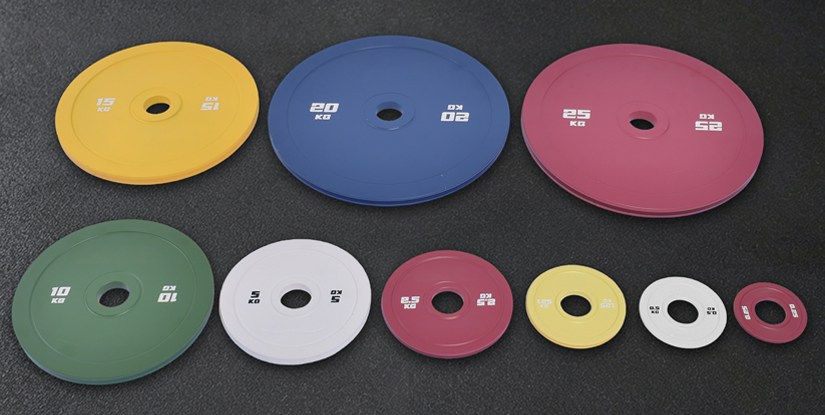
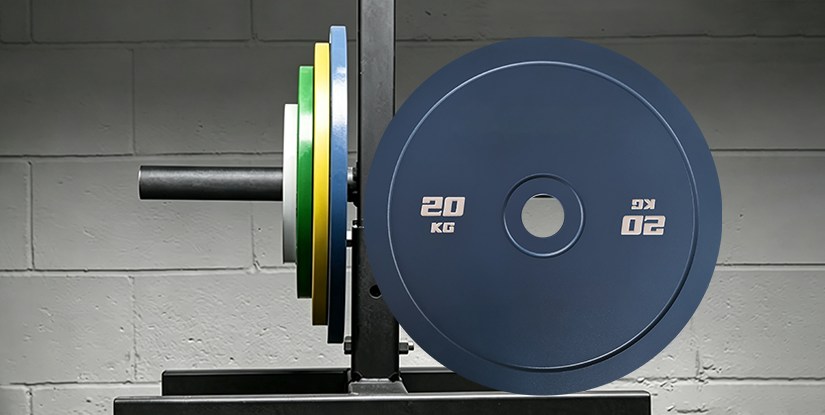
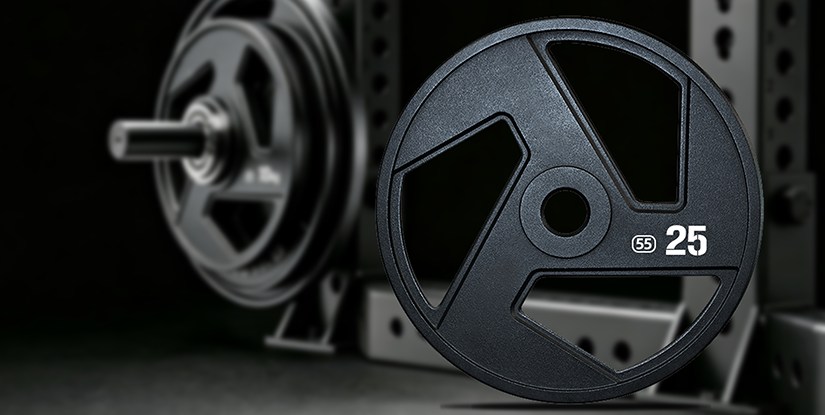
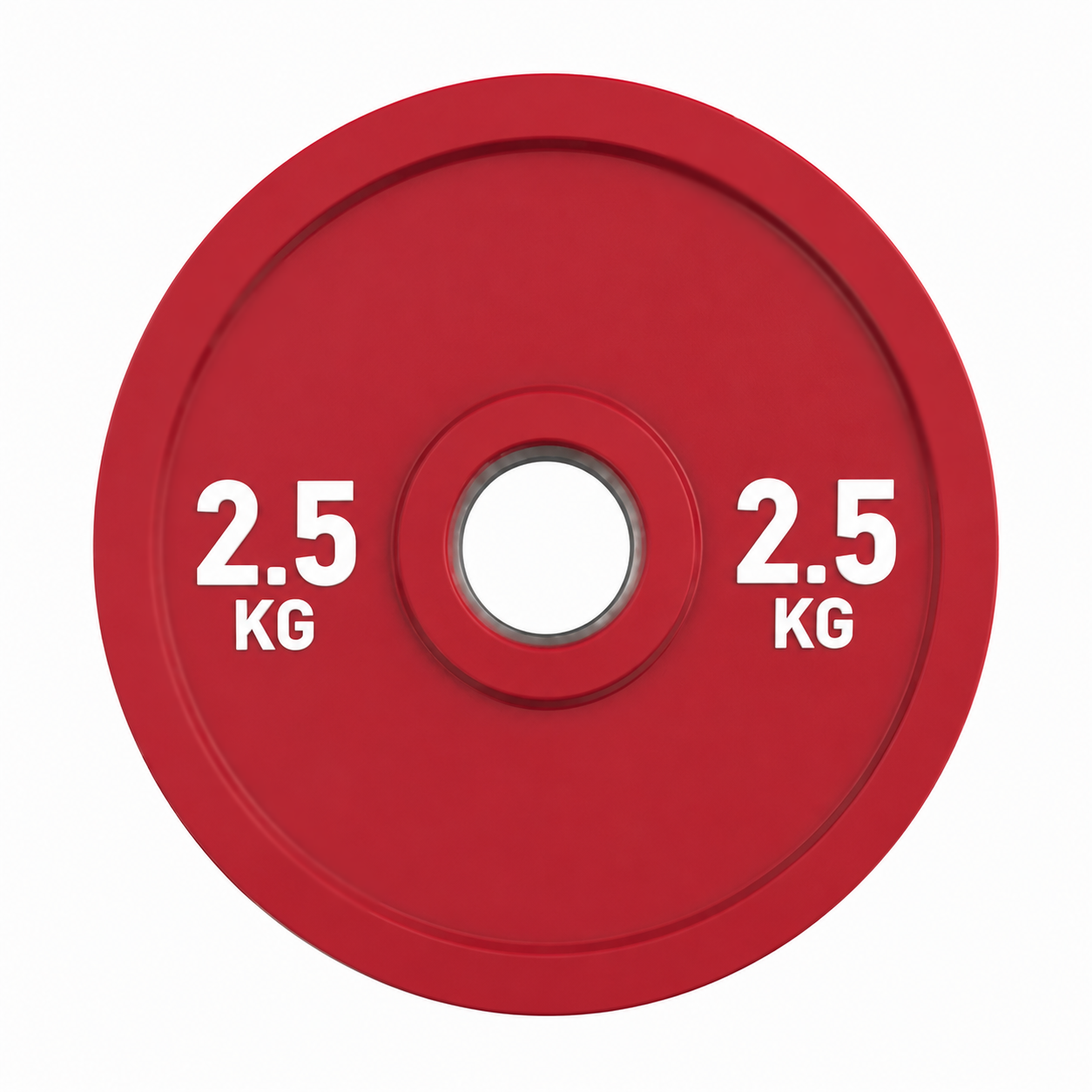
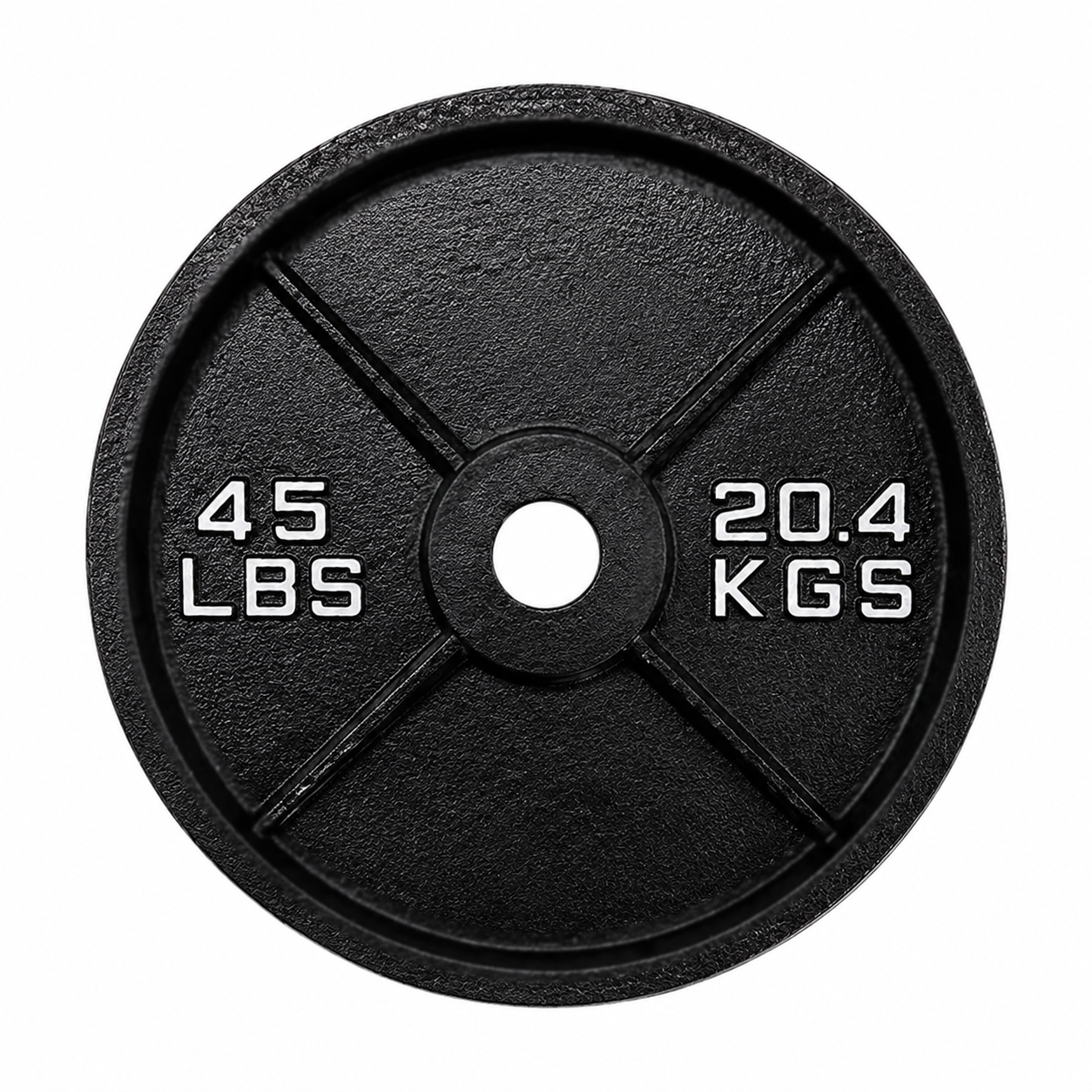
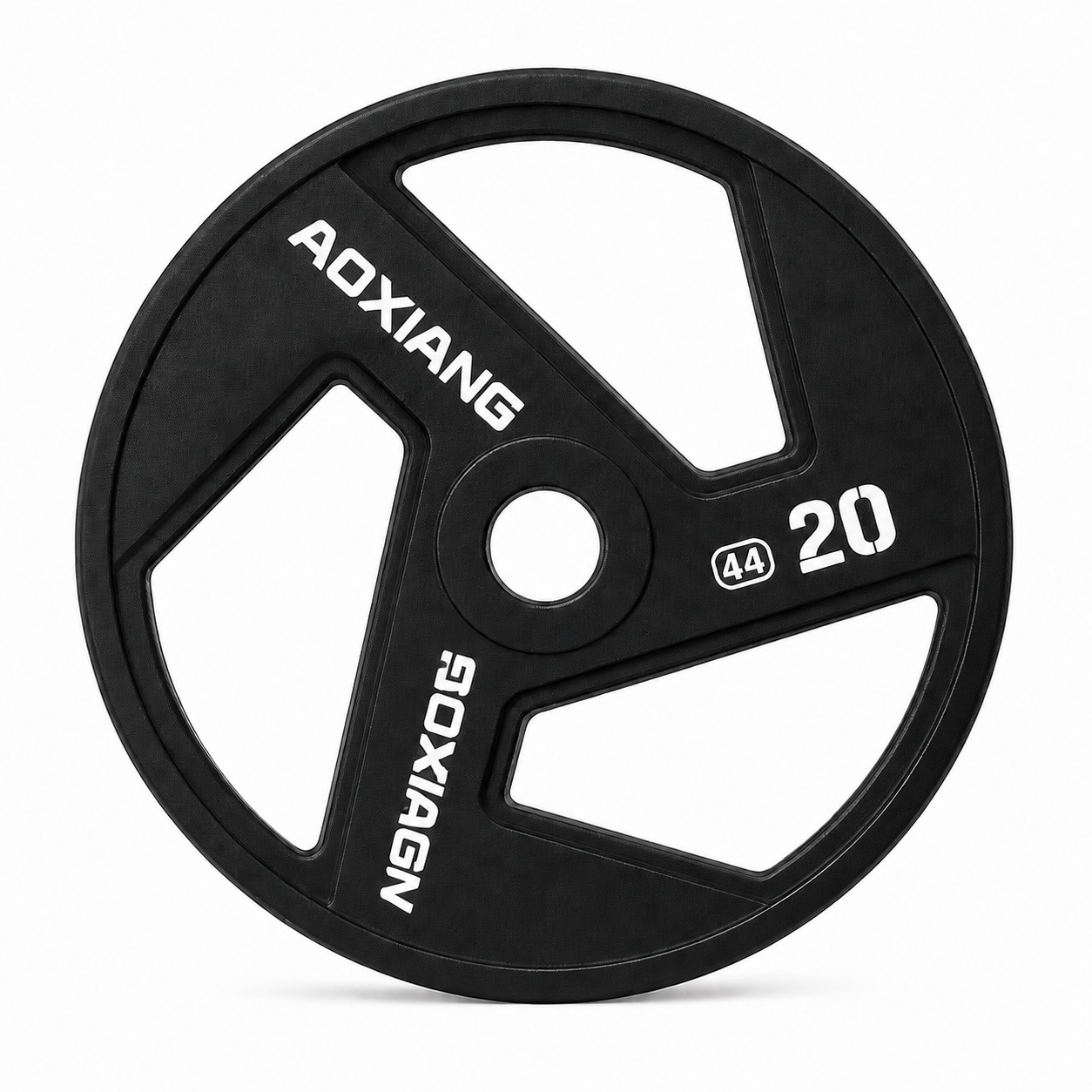
Unlike retail purchasing, B2B and OEM orders are governed by production scalability. Most specialized manufacturers operate with tiered MOQs that vary significantly depending on the complexity of the product. For standard strength or cardio machines, the MOQ may be higher due to the specialized assembly required, whereas accessory items like resistance bands or weight plates often allow for lower-volume initial orders.

The prototyping phase is a non-negotiable step in the customization process. A professional manufacturer will not proceed to bulk production without a signed-off physical sample. This stage typically involves:

  • Technical Validation: Verifying that the CAD designs translate accurately to a physical unit with correct weight distribution and mechanical movement.
  • Aesthetic Approval: Confirming that custom powder coating colors, logo placement, and upholstery textures meet the brand's visual identity.
  • Functional Stress Testing: Subjecting the prototype to repeated cycles of use to ensure that the tension, resistance, and durability meet the specified commercial-grade standards.

Quality Control and Inspection Milpoints

To mitigate the risks associated with long-distance procurement, professional buyers should integrate specific inspection nodes into their purchase orders. Relying solely on a final product check is often insufficient for large-scale facility projects. Instead, a robust procurement strategy includes:

  • Pre-Production Inspection: Verifying that the raw materials (such as steel gauge and bearing grades) match the approved technical data sheets.
  • In-Process Quality Control (IPQC): Monitoring critical assembly stages, such as welding integrity and electronic component installation in cardio machines.
  • Pre-Shipment Inspection (PSI): A final, comprehensive audit of the finished goods, including random load testing and packaging durability checks, before the container is sealed.

Packaging and Global Logistics Readiness

Shipping heavy-duty commercial equipment requires specialized logistics expertise to prevent damage during transit. A reliable partner provides various packaging and shipping options tailored to the destination and the mode of transport. For sea freight, this often includes reinforced corrugated boxes, high-density foam inserts, and heavy-duty palletizing to ensure structural stability within a shipping container.

Furthermore, professional suppliers are experienced in managing the documentation required for international trade, including commercial invoices, packing lists, and compliance certificates. This readiness ensures that the transition from the factory floor to your warehouse or facility is seamless, reducing the likelihood of customs delays or unexpected logistical overhead. By establishing these clear communication and operational protocols early in the negotiation phase, procurement professionals can build a predictable and scalable supply chain for their fitness enterprises.

Strategic Checklist for Commercial Equipment Procurement

Establishing a long-term supply chain with a commercial gym equipment supplier requires a transition from transactional purchasing to technical partnership. To ensure that your facility or distribution network remains competitive, utilize the following actionable benchmarks during your next procurement cycle.

  • Technical Specification Audit: Demand explicit material data sheets (MDS) for all structural components. Do not settle for generic descriptions; insist on verified steel gauges, bearing load capacities, and upholstery density metrics to ensure your "high-spec alternative" actually meets the required durability standards.
  • Integrated QC Milestones: Embed specific inspection windows into your purchase orders. A successful B2B relationship relies on verifying quality at the raw material, mid-assembly, and pre-shipment stages, rather than discovering defects upon arrival at your facility.
  • Scalability and OEM Readiness: Before committing to large-scale orders, validate the manufacturer's ability to handle customization. Confirm their prototyping speed, their capacity for logo integration (such as laser etching or customized powder coating), and their ability to maintain consistent production volumes during peak demand.

By prioritizing these technical and operational variables over brand-driven marketing, procurement professionals can secure high-performance strength and cardio gear that supports sustainable facility growth and optimized long-term maintenance costs.

Related Products

commercial gym equipment supplier

Top Selling Products

Contact Us

Format: +[country code][number] (e.g. +1234567890)