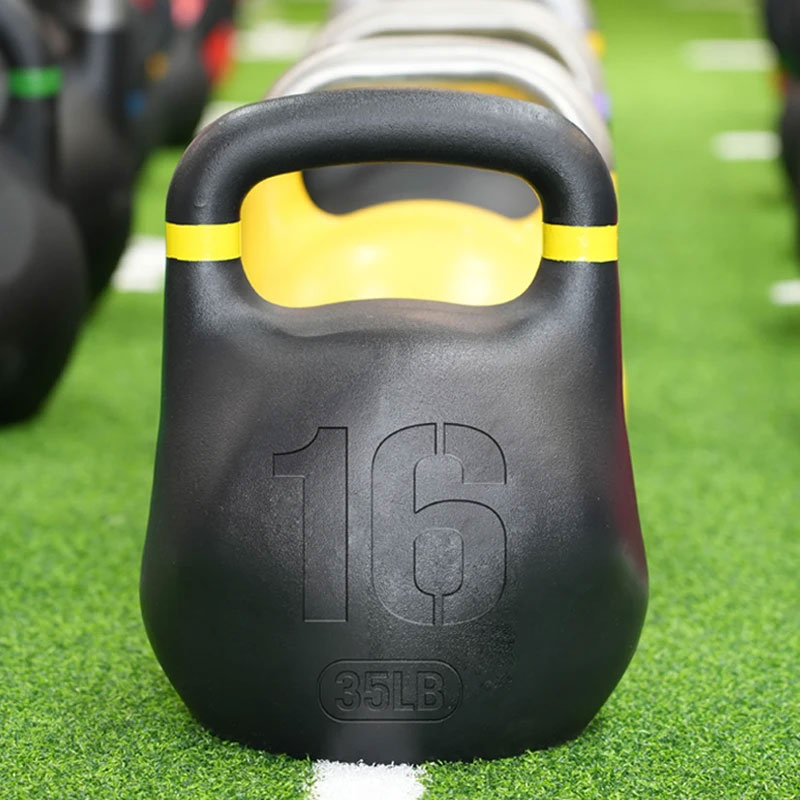
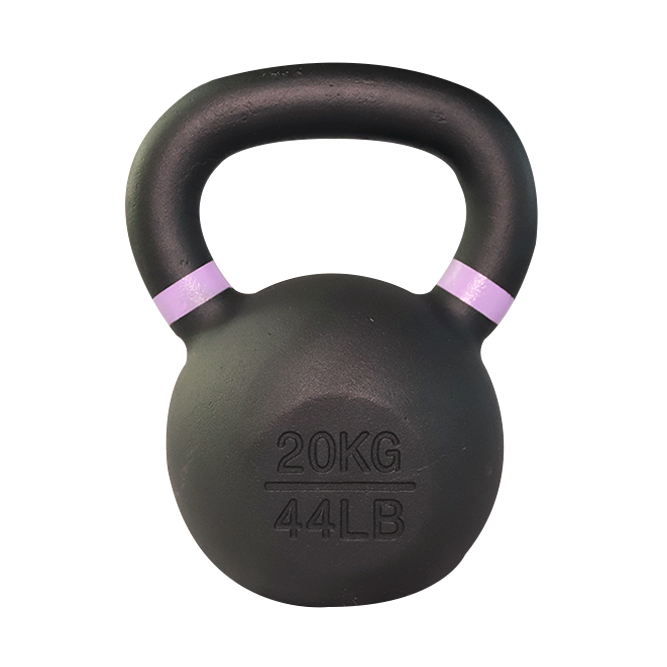
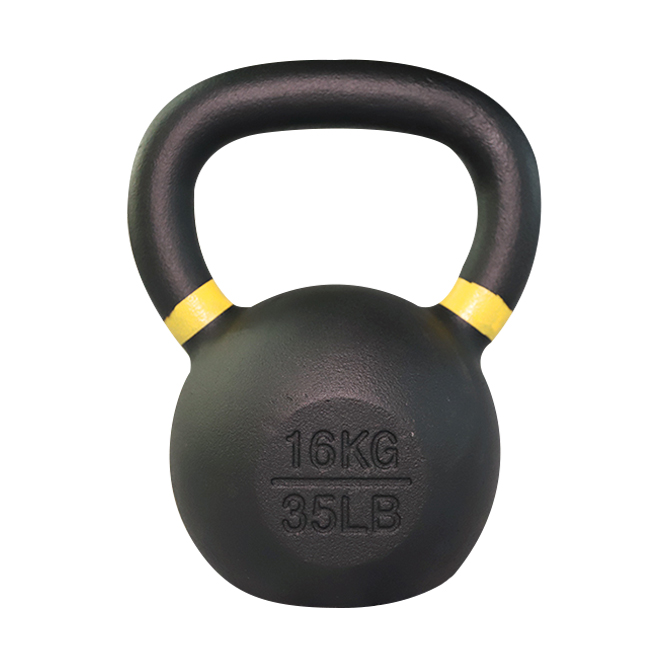
For professional gym owners, fitness equipment distributors, and global fitness brands, the challenge of scaling a facility or a product line often hinges on a single critical decision: where to source high-durability gear. The market is flooded with options, but finding reliable commercial gym suppliers who can balance high-performance specifications with cost-effective B2B pricing requires a deep understanding of the manufacturing landscape. Whether you are setting up a boutique strength studio or managing a large-scale distribution network, the goal remains the same: securing equipment that withstands rigorous daily use while maintaining brand-level aesthetics. This guide is designed to help procurement professionals navigate the complexities of sourcing strength and cardio equipment. We address the fundamental questions regarding production standards, the nuances between different types of manufacturing entities, and how to leverage direct factory channels to achieve high-quality results. By the end of this article, you will have a framework for evaluating potential partners based on technical capability rather than just price points. Specifically, we will explore the following key dimensions of the commercial fitness supply chain: By focusing on the structural integrity and the operational logic behind the gear, you can move beyond simple purchasing and toward building a resilient, high-performance supply chain. Understanding these professional-grade commercial gym machines and cardio systems is the first step toward long-term facility success. When building a commercial fitness facility or a distribution catalog, understanding the structural differences between various sourcing tiers is essential. Many procurement professionals struggle to identify why certain products fail under heavy usage or why price discrepancies exist between seemingly similar items. The following table provides a technical comparison of different sourcing models to help you align your procurement strategy with your specific business goals, whether you are seeking high-end branding or cost-effective scalability. As demonstrated above, the "Factory-Direct Tier" serves as the strategic middle ground. For businesses looking to establish their own brand identity or equip a large-scale facility without the massive markup of premium retail brands, this is the most efficient route. By working directly with professional exercise equipment suppliers, you gain access to the same core manufacturing processes—such as precision welding and high-grade powder coating—while maintaining control over your budget and customization requirements. A critical takeaway for any procurement officer is that "quality" is not a monolithic term. In a commercial setting, quality is defined by the ability of the equipment to maintain its mechanical integrity under high-frequency load. While a retail brand might focus on digital integration or aesthetic prestige, a direct factory approach focuses on the durability of the steel frame, the smoothness of the resistance path, and the longevity of the electronic components in cardio machines. This distinction is what allows businesses to scale successfully through high-performance, high-value sourcing. The most frequent mistake in commercial procurement is equating "heavy weight" with "high durability." A machine can be made of thick steel, but if the welding precision is low or the bearing tolerances are loose, the equipment will develop mechanical noise and structural instability within months of high-frequency use. To avoid this, procurement professionals must shift their focus from superficial aesthetics to verifiable technical benchmarks. When evaluating a gym machine manufacturer, your primary focus should be on the "invisible" components that dictate the lifecycle of the product. For strength equipment, this means scrutinizing the gauge of the steel tubing and the quality of the powder coating. A high-quality commercial frame should typically utilize 3mm to 4mm heavy-duty steel to prevent warping under extreme load. Furthermore, the finish must be more than just visually appealing; it must be a high-micron electrostatic powder coating that resists chipping and oxidation in high-humidity environments. For cardio equipment, the complexity increases. The reliability of a rowing machine or a gym cycle depends heavily on the duty cycle of the electronic components and the precision of the electromagnetic resistance systems. A common pitfall is overlooking the motor's thermal management and the quality of the drive belt. When sourcing, always ask for the maximum continuous operating time and the specific grade of the electronic control board, as these factors directly impact the long-term maintenance costs of your facility. Many buyers fall into the trap of "lowest initial cost," failing to account for the Total Cost of Ownership (TCO). A low-cost supplier might offer a competitive price for a single unit, but if their production line lacks standardized quality control (QC) protocols, your bulk order will likely suffer from high defect rates and inconsistent assembly. This leads to increased downtime, higher spare parts costs, and potential liability issues. To mitigate these risks, implement a structured decision framework based on three pillars: By shifting the conversation from "price per unit" to "technical specification compliance," you move the relationship from a simple transaction to a strategic partnership. This approach ensures that your investment in fitness machine manufacturers results in a durable, high-performance asset rather than a recurring maintenance liability. In the global fitness market, there is a significant gap between "premium retail brands" and "direct factory-sourced equipment." Many distributors and gym owners assume that high-end brand names are the only way to guarantee durability. However, a sophisticated procurement strategy involves identifying manufacturers that can align technical specifications with the requirements of high-end retail products, effectively providing a high-value alternative without the heavy brand markup. Achieving a "premium alternative" status is not about superficial imitation; it is about matching verifiable technical benchmarks. When we discuss aligning with higher-priced solutions, we focus on measurable indicators such as: By focusing on these core engineering aspects, procurement professionals can secure equipment that performs identically to high-end brands in a commercial environment, while optimizing the overall capital expenditure of the project. For brands looking to expand their product lines, leveraging an experienced manufacturer's OEM/ODM capabilities is a proven way to scale. High-tier manufacturing facilities operate under strict protocols to ensure that customized orders meet international quality and compliance standards. A professional production workflow typically follows a rigorous path from initial concept to mass delivery. The process begins with a detailed technical consultation where the client's branding requirements—such as custom colors, logo placement, and unique component specifications—are documented. This is followed by a formal prototyping and sampling phase. A pre-production sample is manufactured and undergoes rigorous testing to ensure it meets the client's exact tolerances. Only after the client provides a formal sign-off on the sample and the QC test reports does the factory transition to the mass production stage. To maintain professional integrity, reputable manufacturers implement strict confidentiality and compliance boundaries. This includes protecting the client's proprietary designs and ensuring that all production lines adhere to standardized quality management systems. Whether producing a specialized gym product manufacturer specification or a custom rowing machine series, the focus remains on consistent output, traceable material origins, and adherence to the agreed-upon technical documentation. This level of discipline is what allows a factory to serve as a reliable extension of a global brand's supply chain. Theoretical specifications are essential, but the true test of a manufacturing partner lies in their ability to solve complex, multi-dimensional problems during a live project. The following anonymous case studies illustrate how professional commercial gym suppliers navigate the tension between ambitious branding goals and the hard realities of logistics, budget, and technical constraints. A mid-sized fitness distributor in Southeast Asia sought to launch a proprietary line of strength equipment to differentiate themselves from generic wholesalers. Their primary requirements were a distinct aesthetic—specifically a matte black finish with high-contrast neon accents—and a customized logo placement on all weight plates and machine frames. However, they faced a significant constraint: a strict budget that prevented them from sourcing from premium-tier manufacturers, yet they required the durability of a high-end commercial product to maintain their brand reputation. The manufacturer responded by providing a comprehensive customization roadmap. Instead of a simple "yes/no" on design, the factory team proposed a specific high-micron electrostatic powder coating process that achieved the desired matte aesthetic while meeting commercial abrasion standards. To manage the budget, the team suggested using standardized frame dimensions but applying the custom aesthetic elements to the high-visibility parts, such as the weight stack shrouds and adjustment handles. A detailed pre-production sample was developed, showing the exact color hex codes and logo etching depth. After the client approved the physical sample and the durability test reports, the full production run was executed. The result was a successful brand launch that delivered a "premium feel" at a mid-market price point, with the first shipment passing all incoming quality inspections at the distributor's warehouse. An international fitness group was tasked with opening three new high-intensity interval training (HIIT) centers across different time zones within a condensed six-month window. The project required a diverse mix of cardio machines, specifically rowing machines and cycles, alongside specialized resistance gear. The main constraint was the unpredictable lead time of electronic components and the need for localized, reinforced packaging to prevent damage during long-distance sea freight. The supplier addressed this by implementing a dual-track production strategy. While the mechanical frames and resistance systems were prioritized in the initial production run to ensure the structural core was ready, the electronic components (including consoles and motor controllers) were managed through a secondary, high-frequency procurement cycle. To resolve the packaging concern, the factory designed a custom reinforced carton specification for the cardio machines, incorporating high-density foam inserts and moisture-resistant liners specifically for maritime transport. By providing weekly progress reports and a transparent timeline for both mechanical and electronic assembly, the supplier ensured that all equipment arrived at the three different locations within the required window. The centers successfully opened on schedule, with zero reports of transit-related damage to the sensitive electronic components. Transitioning from a successful technical evaluation to a full-scale procurement cycle requires a structured approach to operational logistics. For B2B buyers, the ability to manage Minimum Order Quantities (MOQ), lead times, and quality checkpoints determines the efficiency of the entire supply chain. Professional commercial gym suppliers operate within a standardized framework to ensure that customized requirements do not compromise delivery timelines or product consistency. A typical high-volume procurement cycle involves several critical milestones that must be strictly managed to avoid project delays. Understanding these stages allows distributors and gym owners to plan their facility openings or product launches with greater precision: One of the most common questions in B2B procurement is regarding the Minimum Order Quantity (MOQ). While standard commercial-grade items often have established MOQs to maintain production efficiency, specialized OEM projects offer more flexibility. For instance, a gym product manufacturer may offer lower MOQs for customized accessories or branding elements (like logo plates or custom colors) while maintaining higher MOQs for heavy structural machines. This tiered approach allows distributors to test new product lines with lower initial capital risk before committing to high-volume orders. Shipping heavy-duty commercial equipment requires more than standard logistics. To ensure that high-precision machines arrive in optimal condition, we offer several packaging and shipping solutions tailored to different market needs: By establishing these clear operational protocols, businesses can mitigate the inherent risks of international sourcing and ensure that their procurement process is as robust as the equipment they are purchasing. Building a high-performance fitness facility or a scalable distribution brand requires more than just identifying a supplier; it requires a rigorous validation of their technical and operational capacity. To ensure your next procurement cycle yields durable, high-value assets, utilize the following framework to evaluate your potential manufacturing partners. Before finalizing any purchase orders or signing OEM agreements, ensure that your technical requirements have been translated into verifiable manufacturing standards. A professional partnership is built on the clarity of these three pillars: A successful procurement strategy extends beyond the initial delivery. As you transition from sourcing to facility operation, keep these operational considerations in mind to maximize your return on investment: By treating the sourcing process as a technical and strategic endeavor rather than a simple transaction, you can build a resilient supply chain that supports both your immediate facility needs and your long-term business growth.Comparative Framework: Sourcing Tiers and Procurement Dimensions
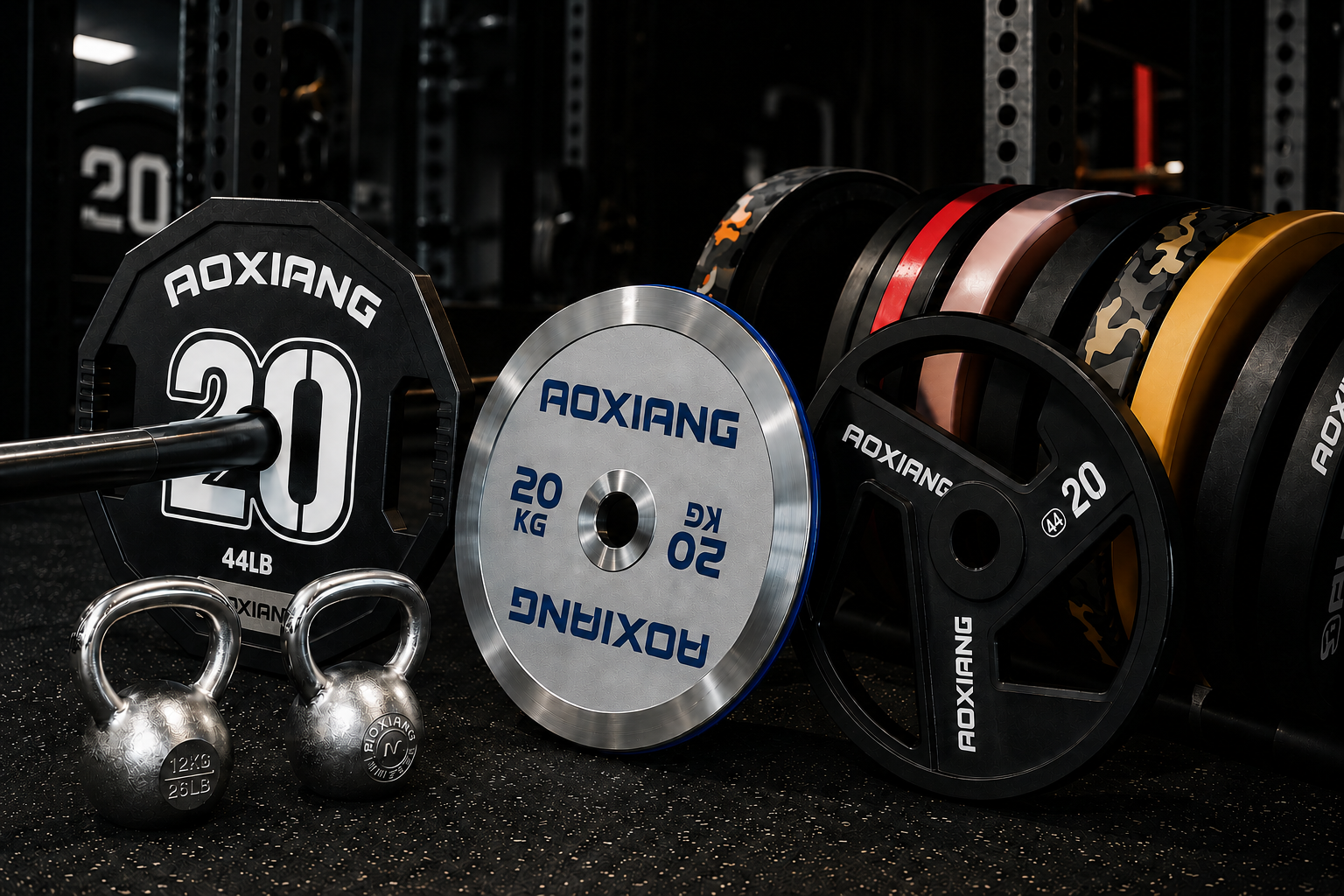
Procurement Dimension Premium Retail Tier (Brand-Driven) Factory-Direct Tier (B2B/OEM Focus) General Trade Tier (Broker-Led) Primary Value Prop Brand recognition and established ecosystem Optimized cost-to-performance ratio Low-volume flexibility and convenience Material & Build High-gauge steel with proprietary finishes Standardized high-durability steel (e.g., 3mm-4mm) Variable quality; often inconsistent gauge Customization (OEM/ODM) Strictly controlled, limited to high-volume High capability for custom colors, logos, and specs Minimal capability; limited to existing SKUs Technical Oversight Internal R&D and global QC teams Direct factory-level QC and production control Third-party or superficial inspection only Typical Use Case Global franchise chains and luxury studios Gym owners, distributors, and brand builders Small boutique studios or residential users Lead Time Control Fixed by global supply chain schedules Negotiable based on production capacity Highly variable depending on broker stock Technical Due Diligence: Verifying Quality and Compliance in B2B Sourcing
The Logic of Durability: Beyond the Surface
Avoiding Common Procurement Pitfalls
Strategic Sourcing: High-End Alternatives and OEM Production Standards
Aligning Performance with Premium Standards
Professional OEM/ODM and Production Integrity
Strategic Implementation: Real-World Procurement Scenarios
Scenario A: Expanding a Regional Distribution Network via Customization
Scenario B: Rapid Facility Setup with Complex Logistics Constraints
Operational Execution: MOQ, Sampling, and Logistics Framework
The Lifecycle of a B2B Order
Managing MOQ and Scalability
Packaging and Global Logistics Options
Critical Checklist for Commercial Procurement Success
Pre-Contract Verification Points
Long-Term Facility Management Essentials