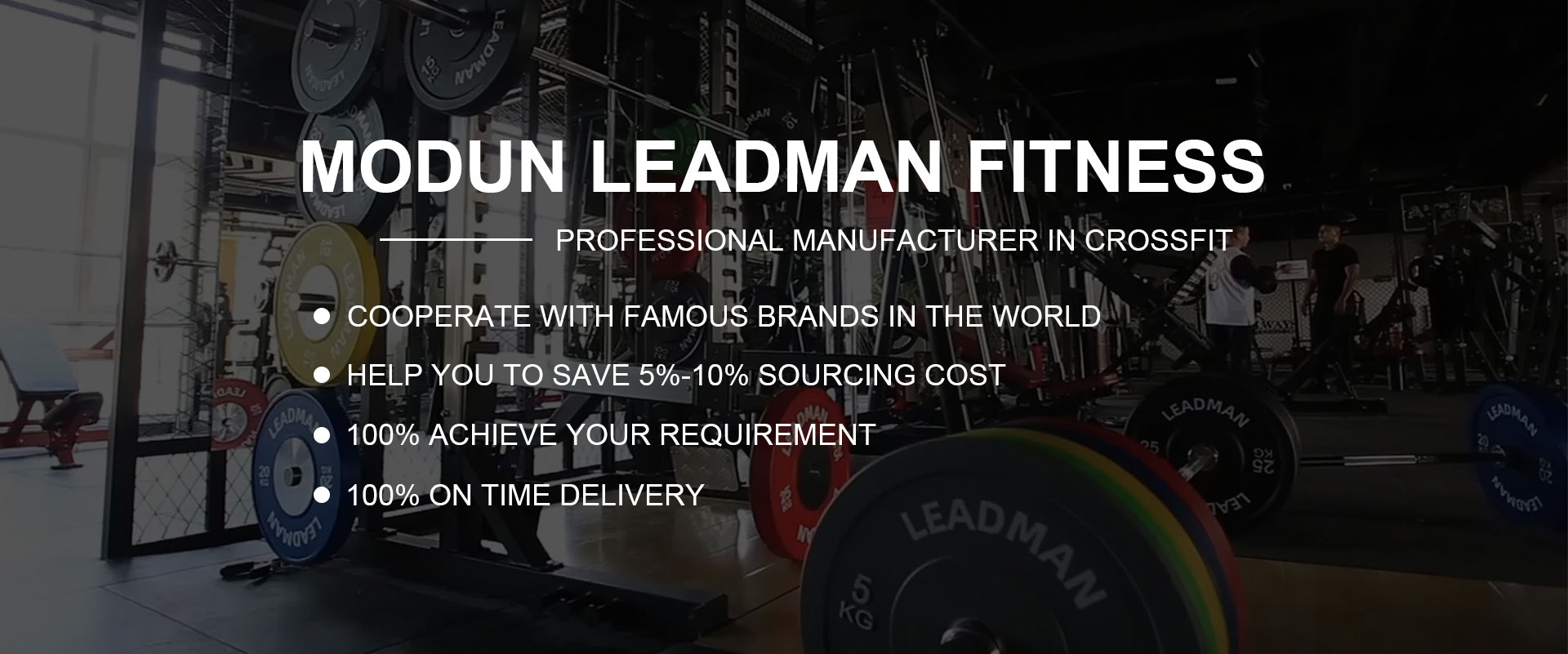
For international gym owners, large-scale distributors, and fitness brand developers, the challenge of scaling a facility or a product line often hinges on a single critical variable: the reliability of the supply chain. Finding a qualified fitness equipment exporter is not merely about locating a vendor; it is about identifying a strategic partner capable of delivering high-tolerance strength training gear, precision cardio systems, and customized accessories that meet the rigorous demands of commercial environments. The modern fitness landscape requires more than just generic machinery. Whether you are furnishing a boutique studio with specialized resistance bands or outfitting a multi-zone commercial gym chain with heavy-duty multi-gym systems, the procurement process must address several complex layers: material durability, mechanical precision, brand consistency, and logistical compliance. This guide is designed to help procurement professionals navigate these complexities by focusing on the structural realities of manufacturing and the strategic advantages of direct sourcing. In this comprehensive overview, we address the core requirements for professional-grade procurement, including: By understanding the underlying mechanics of how a professional commercial strength and cardio procurement process works, buyers can move beyond simple price-per-unit comparisons and toward a holistic value-driven sourcing model that supports long-term facility growth and brand reputation. When building a commercial fitness facility or establishing a distribution brand, procurement professionals must decide between sourcing from high-end retail-oriented brands or engaging directly with a specialized fitness equipment exporter. While premium brands offer high visibility, the actual mechanical core—the steel gauge, the bearing quality, and the welding precision—often shares a common engineering foundation with high-tier factory-direct solutions. The primary difference lies in the "value-added" markup and the level of customization available. To make an informed decision, it is essential to look beyond the marketing terminology and focus on verifiable technical specifications. The following table compares the typical profiles of different sourcing channels to help you align your procurement strategy with your business goals, whether you are looking for high-margin retail products or cost-effective facility outfitting. Understanding these distinctions allows buyers to identify where they can achieve the best return on investment. For instance, a gym owner focusing on long-term durability for a high-traffic facility might find that a specialized manufacturer provides the same structural integrity as a premium brand but with significantly more efficient lead times and lower total cost of ownership. Meanwhile, a distributor looking to launch a private label line would prioritize the OEM capabilities of a factory that can handle custom resistance bands or specialized rowing machines with specific branding requirements. A professional commercial gym equipment manufacturer does not just sell products; they provide the technical documentation and material certifications required to prove that their "factory-direct" tier meets the rigorous safety and durability standards of the global market. The gap between a high-functioning commercial gym and a failing one often lies in the invisible technical tolerances of the equipment. For procurement officers, the decision-making framework must shift from "price per unit" to "lifecycle cost and operational reliability." A common pitfall in global sourcing is over-prioritizing the initial purchase price while ignoring the long-term implications of low-tolerance components, such as substandard bearings in rowing machines or thin-gauge steel in strength stations. In the world of professional fitness gear, cost reduction typically occurs in three areas: material thickness (gauge), component grade, and labor automation. A high-quality fitness equipment exporter will be transparent about these trade-offs. For example, a reduction in steel thickness from 3mm to 2mm may lower the shipping weight and price, but it significantly increases the risk of structural fatigue under high-intensity commercial use. Similarly, utilizing standard nylon bushings instead of high-precision ball bearings in cardio equipment might save costs initially, but it leads to increased maintenance frequency and decreased user satisfaction. To avoid the common mistake of sourcing from "trading-only" entities that lack actual production control, buyers should implement a rigorous vetting protocol. A true manufacturer-led supply chain offers several verifiable advantages: A sophisticated procurement strategy treats the manufacturer as a technical partner rather than a mere vendor. When you engage with a fitness machine manufacturer, the conversation should revolve around technical drawings, material grade confirmation, and the specific testing protocols used to validate the durability of the mechanical parts. This depth of engagement is what separates a successful facility launch from a logistical and maintenance nightmare. In the global fitness industry, the distinction between "premium retail brands" and "high-tier factory-direct solutions" is often found in the engineering documentation rather than the outward appearance. For many distributors and gym chains, the strategic goal is to secure equipment that matches the structural performance of top-tier brands while optimizing the procurement budget. This is achieved by focusing on verifiable metrics such as steel gauge, bearing precision, and coating durability, rather than relying on brand-name premiums. A professional fitness equipment exporter enables clients to implement "high-tier alternatives" by aligning production with specific, high-end benchmarks. Instead of focusing on a brand logo, procurement specialists should focus on the following technical alignments to ensure the replacement solution meets the same operational demands as a premium retail model: For brands looking to expand their product lines, our manufacturing processes are designed to meet the rigorous standards required by international orders. We operate under a strict framework that ensures technical precision and operational security throughout the product lifecycle. This includes a dedicated production line architecture capable of handling diverse requirements, from specialized resistance gear to complex multi-gym systems. The standard workflow for our OEM and ODM partnerships follows a disciplined progression: By partnering with a precision fitness equipment manufacturer, clients gain access to a production environment that treats customization not just as a service, but as a disciplined engineering process designed to protect both the product's quality and the client's brand reputation. Theoretical excellence in manufacturing is best demonstrated through the practical resolution of complex procurement challenges. To illustrate the value of a specialized fitness equipment exporter, we examine two distinct scenarios where technical adaptability and logistical precision were critical to the client's success. A growing boutique fitness brand in North America sought to expand its product line by introducing a premium range of resistance bands and functional accessories. Their primary requirement was to move away from generic, low-durability items to a product that could carry their specific brand aesthetic and meet high-frequency usage standards for studio environments. The main constraints were a strict requirement for high-elasticity latex material and a highly customized color palette that matched their existing studio branding. The manufacturer initiated a deep-dive technical consultation to define the exact tensile strength and thickness required. We developed a series of prototypes using high-density, medical-grade natural latex, which were then subjected to rigorous way-to-failure testing to ensure they met the brand's durability expectations. Beyond the physical product, we provided customized packaging solutions, including branded carry bags and high-durability retail boxes, to ensure a seamless transition from factory to the end consumer. The result was a successful product launch that allowed the client to command a premium price point while maintaining a healthy margin through direct-to-manufacturer sourcing. An international fitness distributor was tasked with outfitting several large-scale commercial gym locations across Southeast Asia. The project involved a diverse mix of heavy-duty strength machines, rowing systems, and cardio equipment. The client faced a significant challenge: a rigid installation window that required all equipment to be onsite and ready for assembly within a compressed 12-week timeframe, alongside a budget that necessitated a balance between high-end performance and cost-efficiency. To address the timeline, we optimized the production schedule by prioritizing the high-volume multi-gym systems and coordinating a staggered shipping plan. We provided the distributor with detailed technical drawings and assembly manuals early in the process to facilitate pre-site planning. To meet the budget without sacrificing the "premium feel" required for a commercial chain, we utilized high-gauge steel frames with a standardized high-end powder coating finish. The equipment passed all local structural inspections upon arrival, and the entire shipment was delivered and staged according to the client's strict installation schedule, enabling the gym chain to launch its new locations on time and within the projected capital expenditure. These instances highlight that a professional wholesale gym set provider acts as more than a factory; they serve as a technical and logistical extension of the client's own procurement and product development teams. Transitioning from a successful technical consultation to a high-volume production run requires a disciplined approach to operational execution. For B2B clients, the complexity of an order is not just in the manufacturing of the machines, but in the management of Minimum Order Quantities (MOQ), sampling timelines, and the logistical nuances of international shipping. A professional partnership is defined by transparency at every touchpoint of the procurement lifecycle. The sampling phase is the most critical milestone in any customized project. Whether you are developing a new line of resistance bands or a specialized multi-gym system, the transition from design to physical prototype must be strictly controlled. A typical development cycle includes: We recognize that business needs vary between boutique studio replenishment and large-scale distributor inventory building. Our MOQ structures are designed to be flexible yet sustainable for high-capacity manufacturing. For standardized commercial products, MOQs are generally lower to facilitate rapid market testing. For highly customized OEM/ODM orders involving unique colors, branded components, or specialized dimensions, the MOQ reflects the requirement for dedicated production line setup and specialized tooling. This approach ensures that even specialized orders maintain a high standard of consistency across the entire batch. Shipping heavy-duty commercial gym machines and high-volume accessories across global borders requires more than just standard boxing. To ensure equipment arrives in factory-spec condition, we implement a multi-layered packaging strategy: Effective commercial gym equipment supplier engagement relies on these clearly defined operational boundaries. By aligning on these logistical and manufacturing milestones early in the negotiation phase, buyers can mitigate the risks of shipping delays, damaged goods, or technical misalignment, ensuring a seamless integration of new products into their local markets. Successful engagement with a global fitness equipment exporter requires moving beyond the initial inquiry to a structured technical and logistical alignment. To ensure your facility or product line scales without the friction of quality or delivery failures, consider these final operational benchmarks before finalizing any purchase order. By integrating these rigorous standards into your sourcing framework, you transition from reactive purchasing to proactive supply chain management. Whether you are seeking a high-performance alternative to a retail brand or a dedicated OEM partner for a new product launch, a disciplined approach to technical and logistical verification remains the most effective way to protect your capital investment and ensure long-term operational excellence.Navigating Global Sourcing for High-End Fitness Facilities
Strategic Comparison: Sourcing Models and Quality Benchmarks
Procurement Dimension Premium Retail/Brand Tier Specialized Factory-Direct Tier B2B/Distributor OEM Tier Core Material Standard High-grade steel with branded finish Industrial-grade heavy-duty steel Customizable gauge based on spec Mechanical Precision High-tolerance bearing systems Standardized high-tolerance components Precision-engineered per client design Branding & Identity Fixed brand identity and aesthetics Standardized commercial aesthetics Full logo, color, and SKU customization Primary Target User End-user consumers and boutique studios Commercial gym chains and distributors Global brands and large-scale retailers Cost-Efficiency Profile High markup for brand equity Optimized for high-volume durability Maximum efficiency via direct manufacturing Customization Depth Limited to color or minor accessories Moderate (Standardized parts/colors) Deep (Full ODM and technical prototyping) Decoding the Complexity of Commercial-Grade Manufacturing
The Logic of Cost vs. Durability
Critical Benchmarks for Vetting Suppliers
Aligning with Global Standards: OEM Capabilities and High-Tier Alternatives
Achieving High-Performance Alternatives
Professional OEM and ODM Manufacturing Framework
Case Studies in Strategic Sourcing and Custom Solutions
Scenario 1: Scaling a Boutique Fitness Brand via Custom Resistance Gear
Scenario 2: Outfitting a Multi-Zone Commercial Gym Chain under Tight Deadlines
Operational Execution: MOQ, Sampling, and Logistics Protocols
Managing Sampling and Production Cycles
MOQ and Scalability for Distributors
Packaging and International Logistics Compliance
Strategic Checklist for Long-Term Procurement Success
Pre-Contract Verification Points
Operational Readiness for High-Volume Orders