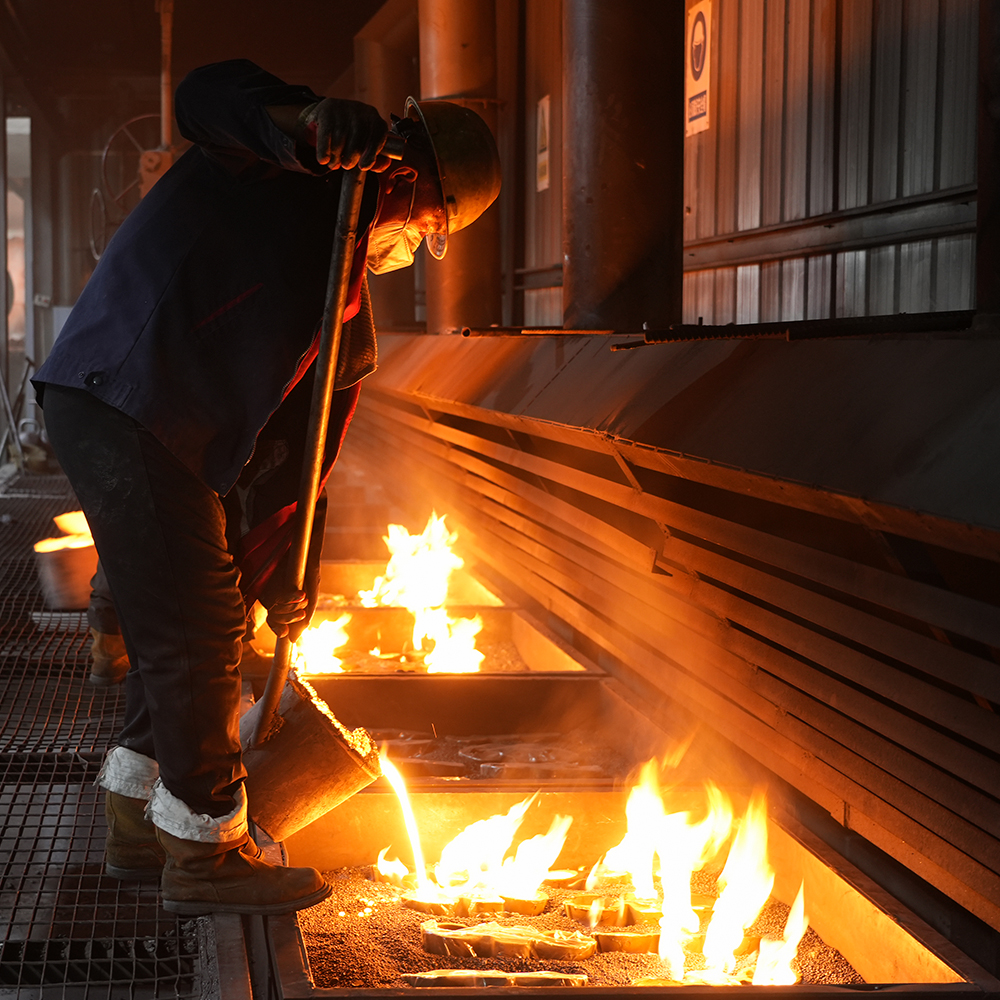
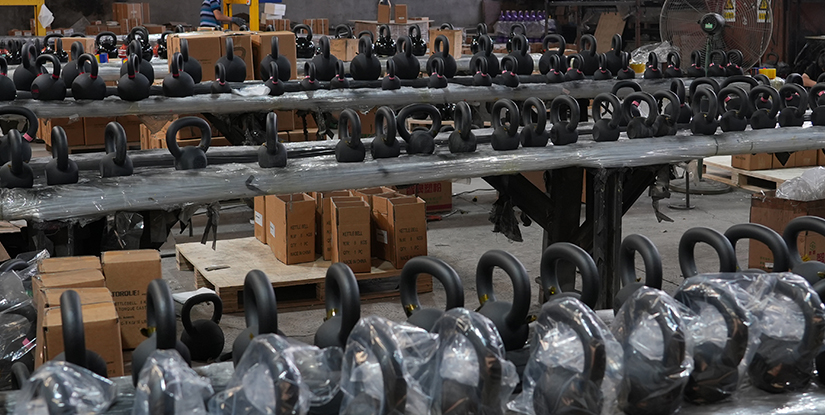
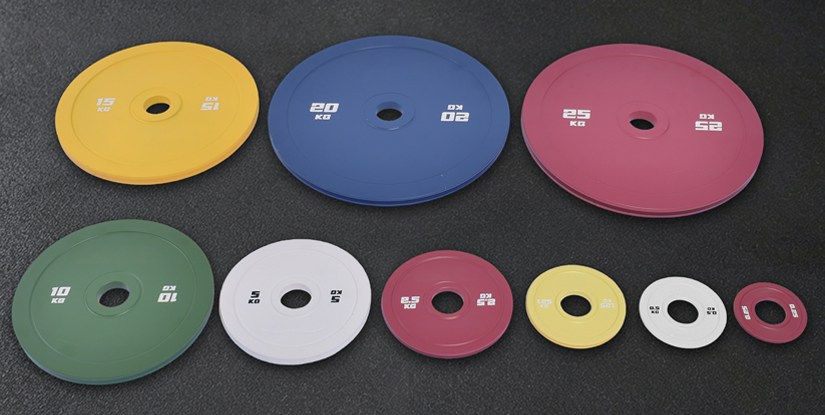
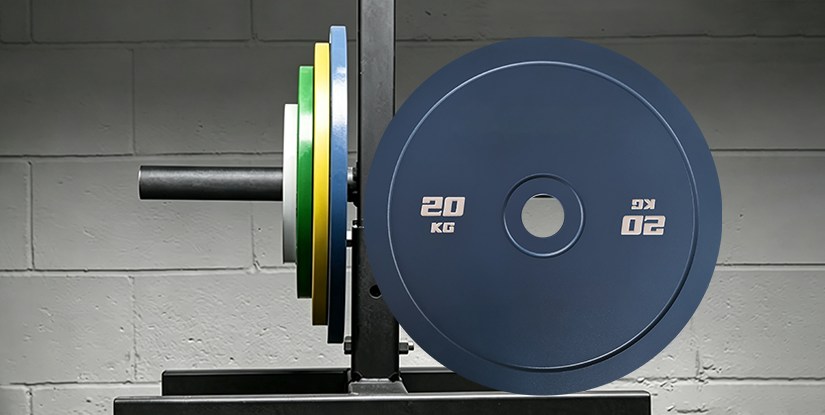
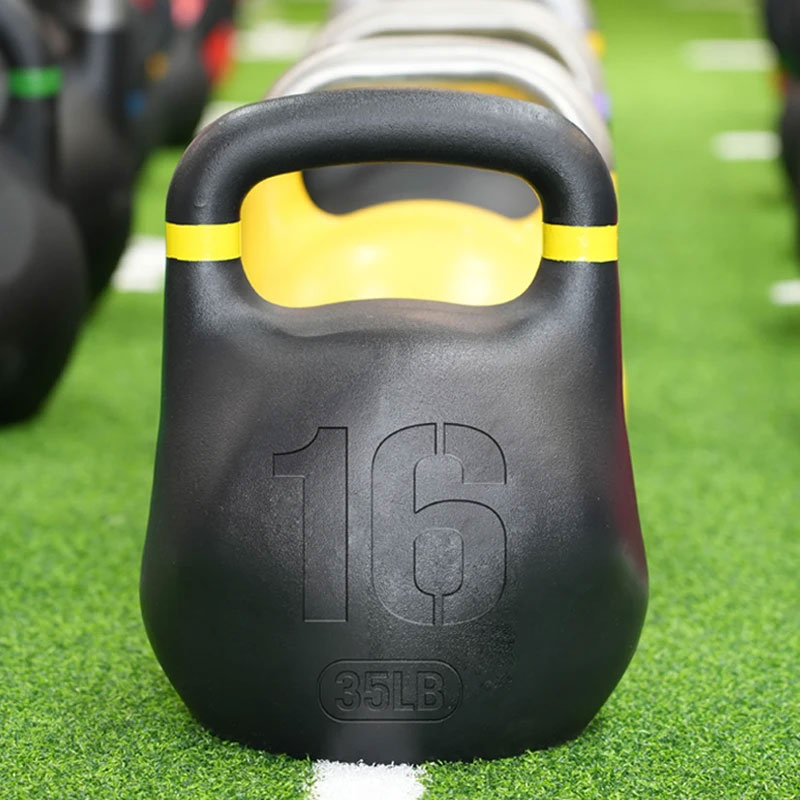
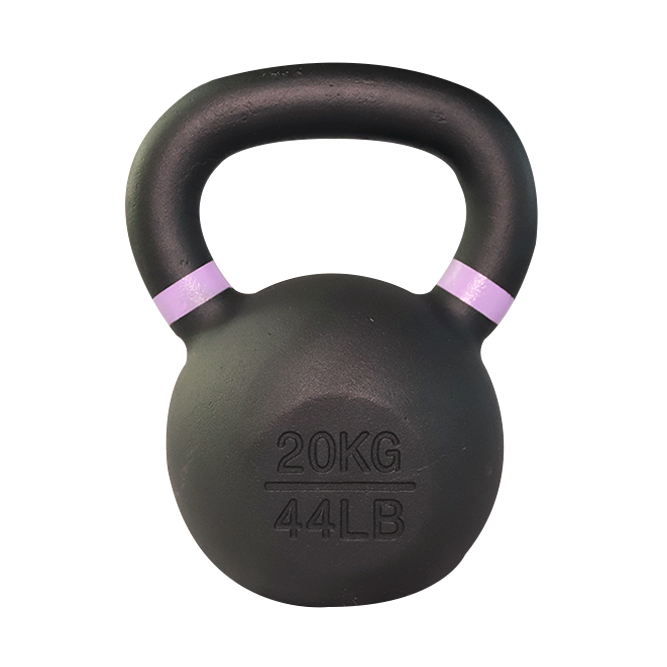
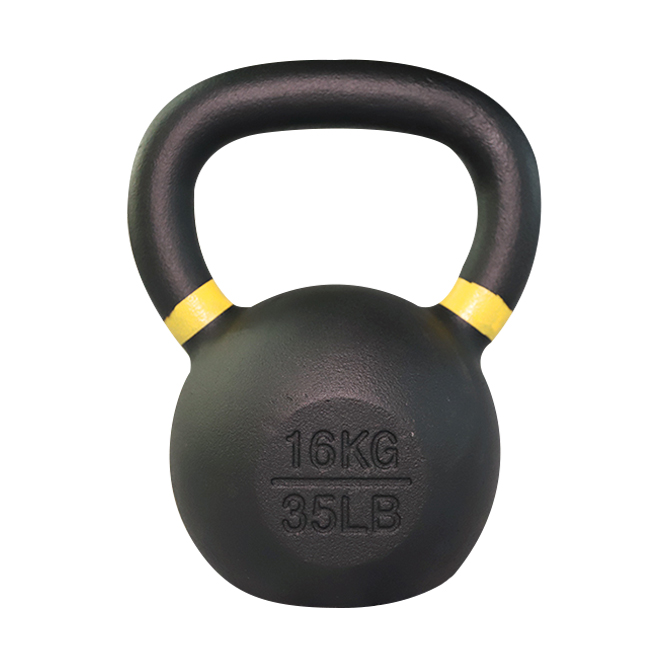
For international distributors, gym franchise owners, and private label brands, the complexities of building a high-performance inventory extend far beyond simple price comparisons. Navigating the global supply chain requires more than finding a vendor; it requires identifying a reliable fitness gear manufacturer capable of balancing structural integrity with scalable production. Whether you are outfitting a boutique fitness studio or managing a large-scale commercial gym rollout, the quality of your foundational equipment dictates your long-term operational costs and brand reputation. This guide addresses the critical pain points encountered during professional procurement, specifically focusing on the technical benchmarks required to ensure equipment longevity. We move beyond surface-level descriptions to explore the nuances of manufacturing standards, from the tolerance levels of resistance systems to the durability of cardio electronics. By understanding the internal logic of a professional factory, procurement professionals can better mitigate risks related to shipping delays, quality fluctuations, and compliance issues. The scope of this technical overview covers several essential categories within the professional fitness ecosystem: The objective is to provide a framework for evaluating potential partners based on verifiable manufacturing capabilities rather than marketing claims. By focusing on the intersection of engineering precision and B2B service capacity, we aim to assist you in securing high-value assets that meet the rigorous demands of modern fitness environments. When expanding a fitness facility or launching a new product line, procurement professionals often face a spectrum of options ranging from high-end retail brands to direct factory sourcing. To make an informed decision, it is necessary to look past marketing aesthetics and evaluate the core technical specifications that define long-term value. A professional fitness gear manufacturer provides more than just a lower price point; they offer a scalable infrastructure for customized solutions that align with specific business models. The following table provides a structural comparison between different sourcing tiers. This comparison focuses on neutral categories such as material grade, customization depth, and cost-efficiency, allowing buyers to determine which tier best serves their current market positioning, whether it be luxury boutique services or high-volume commercial distribution. Understanding these distinctions is vital for managing Total Cost of Ownership (TCO). While a "Premium Retail Tier" offers high brand recognition, a "Professional Factory Direct Tier" allows a business to capture higher margins by controlling the manufacturing process directly. For instance, when sourcing from a specialized gym machine manufacturer, a distributor can specify the exact thickness of a resistance band or the specific gauge of a rowing machine frame to ensure it meets local regulatory standards without paying the excessive markup of a retail brand. This level of control is particularly important for long-term maintenance. A factory-direct approach enables the procurement of specific spare parts and custom-designed components that are often unavailable or overpriced through traditional retail channels. By selecting a partner that understands both the engineering requirements and the B2B procurement cycle, buyers can build a sustainable supply chain that supports both immediate launch needs and future expansion. Effective procurement in the fitness industry requires moving beyond superficial metrics like "weight capacity" to examine the underlying engineering and compliance structures. A common pitfall for buyers is focusing solely on the final price per unit without accounting for the technical tolerances and material consistency that dictate long-term reliability. A high-quality fitness gear manufacturer does not just build machines; they manage a complex interplay of metallurgy, mechanical friction, and electronic stability. In commercial environments, equipment undergoes high-frequency, repetitive loading that can expose even minor manufacturing defects. When evaluating strength training gear, the critical metric is often the steel gauge and the quality of the welding. For instance, a frame built with 11-gauge steel will offer significantly higher structural rigidity than an 18-gauge alternative, even if the exterior paint looks identical. Furthermore, the smoothness of a resistance system depends on the precision of the bearings and the quality of the cable coating. A poorly maintained bearing or a low-grade cable can lead to increased friction, which not only degrades the user experience but also accelerates mechanical wear and increases maintenance frequency. For cardio equipment, the complexity increases with the integration of electronic components. Procurement professionals must verify the duty cycle of motors in treadmills and the stability of electronic consoles. A motor designed for a 2-hour continuous run will fail rapidly in a commercial setting if it is actually a consumer-grade motor repurposed for a gym environment. This is why verifying the manufacturer's testing protocols for heat dissipation and electronic responsiveness is a non-negotiable step in the vetting process. Beyond technical specs, the decision framework must include a rigorous assessment of the factory's operational capacity. A significant risk in global sourcing is the "capacity gap"—where a manufacturer can produce high-quality samples but lacks the industrial infrastructure to maintain consistency during mass production. To mitigate this, buyers should evaluate the following three dimensions: By implementing these rigorous standards, procurement teams can transition from reactive purchasing to proactive strategic sourcing. This approach ensures that the equipment arriving at the facility is not just a temporary solution, but a durable asset that supports the long-term operational goals of the business. In the modern fitness market, there is a significant distinction between "retail-branded" products and "industrial-grade" equipment. Many procurement professionals seek high-performance alternatives that match the mechanical specifications of top-tier global brands while optimizing the cost-to-value ratio. This is not about replicating a logo, but about aligning technical benchmarks—such as steel gauge, bearing precision, and upholstery density—with the rigorous demands of a commercial environment. By focusing on these verifiable physical attributes, distributors can offer products that perform at a premium level without the excessive markup associated with brand-heavy retail models. To achieve a successful "brand-equivalent" performance tier, a fitness gear manufacturer must ensure that the foundational components meet or exceed standard commercial requirements. For instance, when a buyer compares a mainstream premium machine to a direct-sourced solution, the focus should remain on the following verifiable metrics: For brands seeking to develop proprietary product lines, the transition from a concept to a mass-produced reality requires a highly disciplined manufacturing workflow. A professional factory operates under strict protocols to ensure that custom designs are both functional and scalable. The process typically follows a rigorous sequence designed to minimize deviations during the transition from sampling to bulk production. Our manufacturing framework is built upon the standards used to fulfill international brand orders, ensuring that every customized project adheres to professional-grade quality control. The workflow begins with a detailed technical consultation to define the mechanical constraints, followed by a precise prototyping phase. During the sampling stage, the focus is on verifying mechanical tolerances, material feel, and aesthetic alignment. Once the pre-production sample is approved, the project enters the mass production phase, where automated production lines and multi-stage inspection points—including raw material testing, in-process QC, and final load-bearing verification—ensure that every unit meets the defined specifications. This structured approach allows brands to maintain high levels of product consistency while scaling their inventory to meet global market demands. In the professional fitness landscape, standard off-the-shelf catalogs often fail to meet the specific logistical or branding requirements of large-scale projects. Real-world procurement success frequently hinges on a manufacturer's ability to move beyond standard product lines and provide engineered solutions tailored to unique constraints. The following anonymous case studies illustrate how customized technical responses can resolve complex supply chain challenges. A growing fitness franchise in Southeast Asia required a complete equipment overhaul for twenty new locations. Their primary challenge was not just the budget, but the need for absolute brand consistency across all branches. They required a specific shade of matte charcoal for their strength equipment and a custom-branded colorway for their resistance accessories to match their interior design identity. Furthermore, the expansion timeline was extremely aggressive, with a strict requirement to have all equipment on-site before the grand opening of the flagship facility. The manufacturer responded by initiating a dedicated OEM project. The process began with the development of custom powder coating samples that were sent to the client for color-matching approval under various lighting conditions. To ensure the brand's aesthetic was integrated, the factory implemented a high-precision laser etching process for the client's logo on all metal surfaces. To address the timeline constraint, the factory utilized a prioritized production schedule, running a dedicated line for the franchise'_s orders. By integrating a real-time QC reporting system, the client was able to verify the progress of each batch remotely. The result was a full-scale deployment that met both the aesthetic and temporal demands of the expansion, ensuring all twenty locations launched with a unified, professional brand image. A specialized fitness retailer looking to launch a premium line of functional training gear faced significant hurdles regarding product durability and retail-ready presentation. Their goal was to move away from low-cost, generic resistance bands and instead offer a high-end product that could justify a premium price point. Their constraints included a requirement for specific material density to ensure long-term elasticity and a highly customized, eco-friendly packaging solution that would stand out on retail shelves. The factory provided a specialized solution by adjusting the material formulation of the resistance bands, utilizing a higher-grade latex blend that offered superior recovery rates and resistance to environmental degradation. To meet the branding requirements, the manufacturer developed a customized packaging system involving biodegradable carry bags and color-coded instructional inserts. Before mass production, the factory conducted rigorous tension-test cycles on the new material to ensure it met the client's durability benchmarks. The final product arrived at the distributor's warehouse with a high level of finish and retail-ready packaging, allowing them to successfully position the new line as a premium offering in their catalog. Transitioning from a successful technical consultation to a completed shipment requires a standardized operational framework. For B2B buyers, understanding the logistical milestones—from Minimum Order Quantities (MOQ) to final customs clearance—is essential for maintaining predictable cash flow and inventory turnover. A professional fitness gear manufacturer operates through a structured engagement model that prioritly emphasizes transparency in lead times and quality validation. A typical procurement cycle with a specialized factory involves several critical touchpoints designed to mitigate risk and ensure technical alignment. Unlike retail purchasing, the B2B process is iterative and documentation-heavy: Shipping heavy-duty commercial gym machines requires specialized logistical handling to prevent structural damage or finish degradation during transit. Manufacturers typically offer several tiers of packaging and shipping solutions tailored to the buyer's distribution model: By adhering to these rigorous protocols, both the manufacturer and the buyer can ensure that the transition from the production floor to the final destination is seamless. Clear communication regarding lead times, production milestones, and shipping documentation ensures that the procurement process remains a predictable and scalable component of the client's long-term business strategy. Securing a sustainable supply chain in the fitness industry requires a transition from transactional purchasing to strategic partnership. Before finalizing any large-scale purchase order or initiating an OEM project, procurement teams should utilize the following technical and operational benchmarks to ensure the manufacturer can meet both immediate and future scaling requirements. By focusing on these verifiable manufacturing capabilities and structural benchmarks, facility operators and global distributors can build a resilient inventory of high-performance equipment. This approach ensures that every asset—from heavy-duty strength machines to specialized resistance gear—contributes to the long-term operational success and brand reputation of the fitness facility.Strategic Sourcing for Global Fitness Brands and Facility Operators
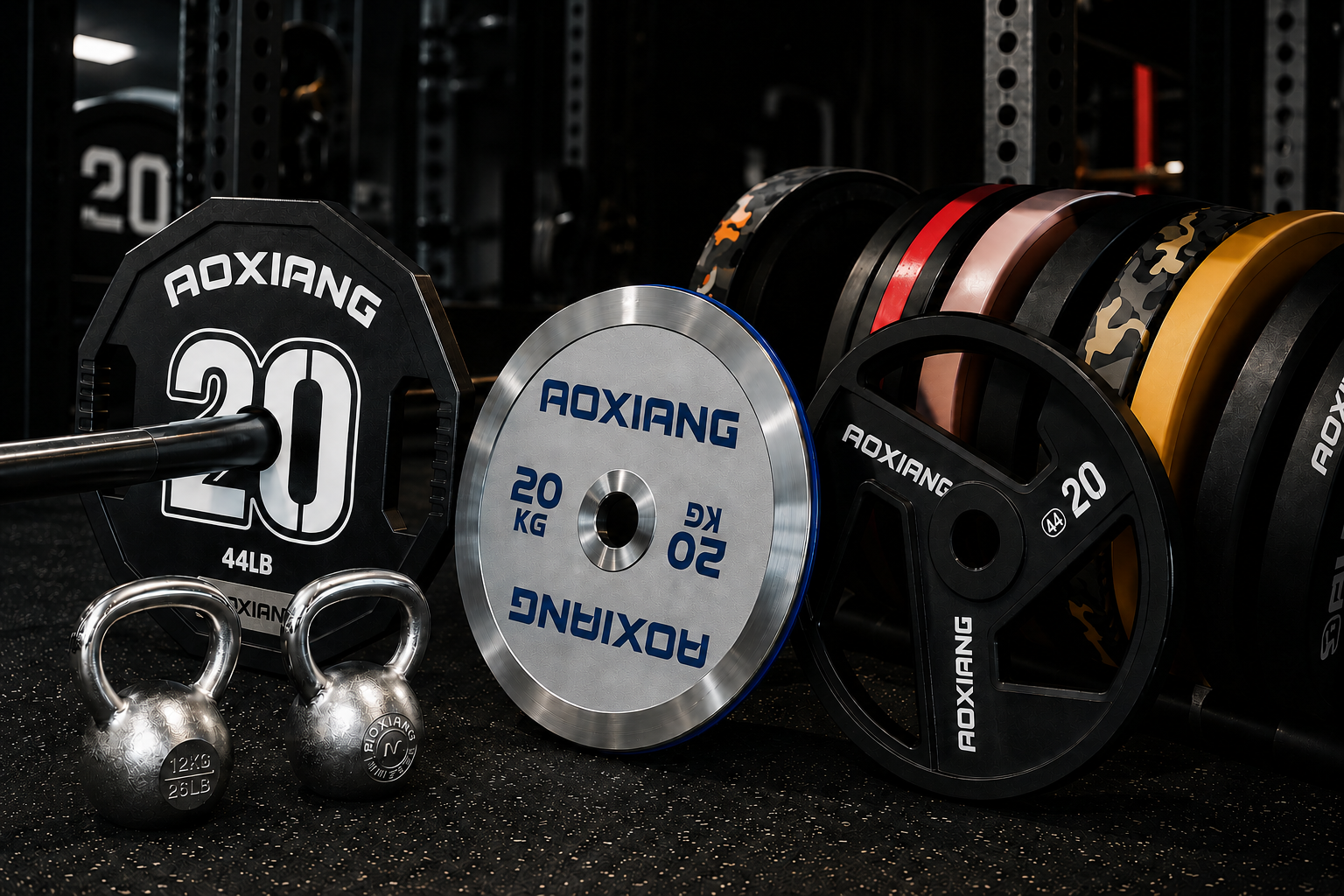
Comparative Framework: Evaluating Procurement Tiers and Value Propositions
Procurement Dimension Premium Retail Tier Professional Factory Direct Tier Standard Retail/Consumer Tier Primary Material Grade High-gauge reinforced steel and premium upholstery Industrial-grade steel with certified coating thickness Lightweight steel with basic powder coating Customization Capability Limited to brand-standard colorways Full OEM/ODM (Custom colors, logos, and specs) Minimal (Standardized colors and models only) Mechanical Tolerance Extremely tight, high-precision bearings Strict industrial standards for commercial use Standard consumer-grade tolerance levels Lead Time & Scalability Highly predictable but low volume flexibility Scalable production based on order volume Rapid shipping but limited custom capacity Cost-to-Durability Ratio High premium for brand equity and design Optimized for high-frequency commercial use Optimized for low-frequency home usage Ideal Use Case Luxury boutique studios and high-end gyms Global distributors and commercial gym chains Home users and small-scale fitness retailers Technical Benchmarks and Decision Frameworks for Professional Sourcing
The Logic of Durability: Material and Mechanical Standards
Mitigating Risks in the B2B Supply Chain
High-Performance Alternatives and Professional OEM Manufacturing Capabilities
Aligning Technical Specifications for Value Optimization
The OEM Workflow: From Prototype to Global Distribution
Case Studies in Bespoke B2B Solutions and Strategic Delivery
Scenario A: Expanding a Regional Fitness Chain with Brand Consistency
Scenario B: Optimizing a Retail Distributor's Accessory Line
Operational Execution: MOQ, Sampling, and Global Logistics Protocols
The B2B Engagement Lifecycle
Packaging and Global Logistics Options
Critical Checklists for Long-Term Procurement Success