China Manufacturer

sporting goods supplier - China Factory,Supplier,Manufacturer

For professional gym owners, global distributors, and fitness brand developers, the complexity of scaling a facility or a product line lies in the reliability of the supply chain. Identifying a competent sporting goods supplier is not merely about finding a vendor, but about securing a partner capable of delivering high-tolerance equipment that withstands heavy commercial usage. Whether you are outfitting a boutique strength studio or managing a large-scale distribution network, the primary challenges remain consistent: balancing cost-efficiency with uncompromising durability, ensuring technical compliance, and managing complex lead times.

This guide addresses the critical decision-making frameworks required to navigate the international procurement landscape. We focus on the technical and operational nuances that distinguish a high-capacity manufacturer from a simple trading company. By understanding the underlying logic of production standards and the differentiation between various sourcing models, procurement professionals can mitigate risks related to product failure, shipping delays, and brand inconsistency.

In the following sections, we will explore specific dimensions of the commercial fitness industry, including:

  • The technical differentiation between various sourcing models (Manufacturer vs. Supplier vs. Factory).
  • Key performance indicators (KPIs) for vetting commercial-grade strength and cardio equipment.
  • The strategic advantages of OEM/ODM partnerships for brand-driven expansion.
  • A comparative analysis of procurement-ready solutions for diverse gym environments.
  • Real-world application through anonymous case studies involving customized equipment delivery.

As the global fitness market evolves, the demand for specialized equipment—ranging from precision-engineered rowing machines to high-elasticity resistance bands—requires a more sophisticated approach to sourcing. A professional gym machine manufacturer must provide more than just hardware; they must provide technical documentation, material certification, and scalable production capacities to support long-term business growth.

In the global fitness procurement landscape, the terminology used by vendors often obscures the actual operational capacity. For a procurement manager or a gym owner, distinguishing between a general trading company, a specialized supplier, and an integrated factory is essential for risk mitigation. While a general supplier might offer a broader catalog, a dedicated manufacturer or a specialized commercial gym machine supplier provides the technical depth required for high-intensity environments.
To make an informed decision, buyers should look beyond the superficial price tag and evaluate the structural and mechanical integrity of the equipment. The following table provides a comparative framework to help you differentiate between different tiers of market solutions based on verifiable technical and commercial dimensions.

Procurement DimensionPremium Retail TierMid-Market Distribution TierFactory Direct / OEM Tier
Core FocusBrand prestige and lifestyle marketingStandardized product availabilityCustomized technical specifications
Material StandardsHigh-grade alloy and premium finishesStandard commercial-grade steelCustomizable gauge and coating options
Customization (OEM/ODM)Limited to brand-specific colorsLimited to catalog variationsFull structural and branding integration
Cost StructureHigh markup for brand equityModerate markup for logisticsOptimized direct-from-source pricing
Lead Time ControlControlled by brand inventory cyclesDependent on distributor stockDirectly managed via production scheduling
Technical SupportBrand-led service networksRegional distributor supportManufacturer-level engineering support

When evaluating these tiers, it is important to note that "Factory Direct" does not inherently mean "Lower Quality." In a professional B2B context, the goal of sourcing from a specialized manufacturer is to achieve "High-Tolerance Parity." This means matching the mechanical performance, durability, and safety standards of the premium tier—such as the duty cycle of a cardio motor or the weld strength of a multi-gym system—while leveraging the cost advantages of direct production. A competent sporting goods supplier will provide the technical data sheets and testing protocols necessary to prove this parity to your end-users or stakeholders.

The primary pitfall in high-volume procurement is the "low-cost trap," where an initial reduction in unit price leads to catastrophic long-term expenses in maintenance, downtime, and replacement. A professional sporting goods supplier operates on a logic of total cost of ownership (TCO) rather than just initial purchase price. To navigate this, procurement specialists must move beyond surface-level aesthetics and implement a rigorous vetting framework based on verifiable engineering and operational data.

The Logic of Material Integrity and Precision Engineering

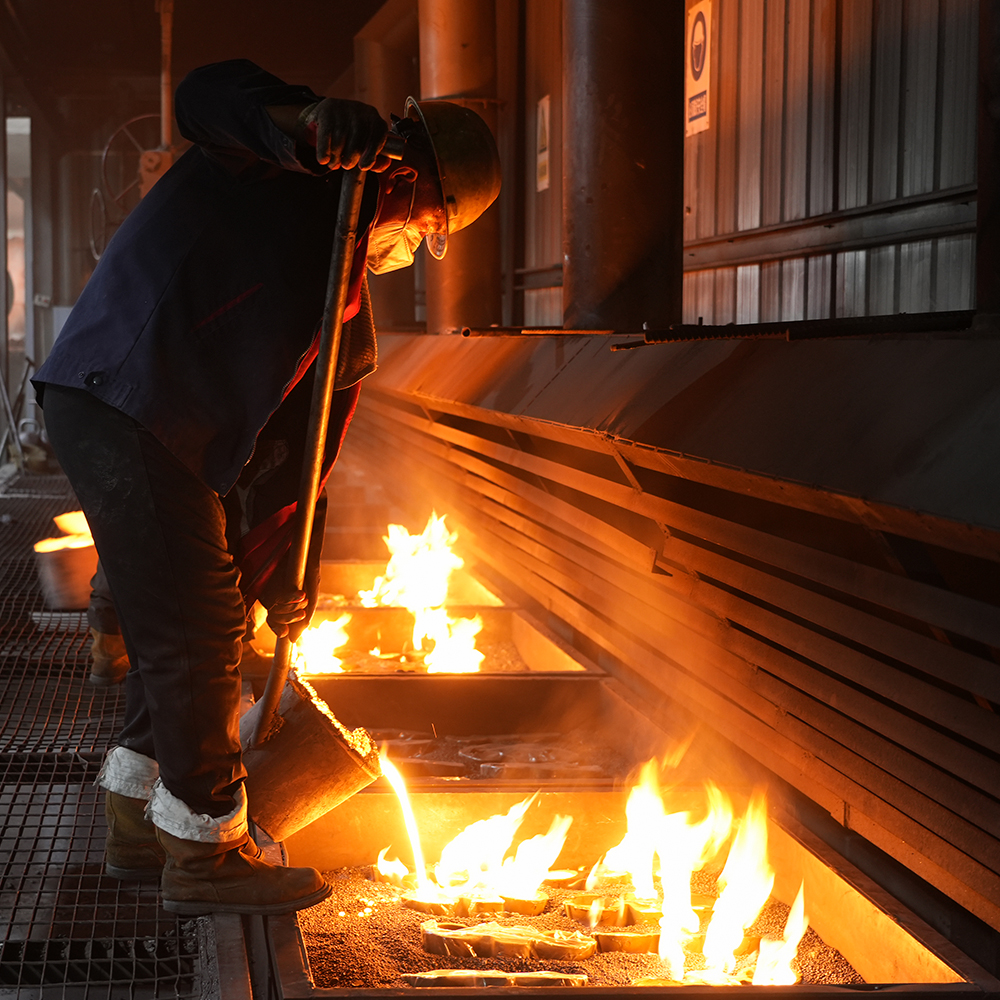
In the commercial fitness sector, the durability of a machine is directly proportional to its structural tolerances. When sourcing strength training equipment, the most critical variable is the steel gauge and the quality of the welding process. A high-quality factory does not merely use "heavy steel," but specifies precise wall thicknesses (e.g., 3mm vs. 2.5mm) and employs robotic or high-precision manual welding to ensure uniform load distribution. Lack of uniformity in welds often leads to micro-fractures under repetitive high-impact use, which is a common cause of structural failure in lower-tier equipment.

For cardio equipment, the complexity shifts toward electronic and mechanical endurance. A robust procurement strategy requires verifying the "duty cycle" of motors and the grade of bearings used in rowing machines or cycles. A motor designed for light home use will fail rapidly in a commercial gym environment. Therefore, requesting the specific duty cycle rating and the manufacturer's internal testing protocols for heat dissipation and continuous operation is a non-negotiable step in the vetting process.

Navigating Compliance and Quality Control Realities

A common misconception is that a "certificate" alone guarantees quality. In reality, a reliable fitness machine manufacturer should be able to provide a detailed Quality Control (QC) roadmap. This roadmap must include specific checkpoints: raw material inspection, in-process testing (such as powder coating thickness tests), and final load-bearing stress tests. A factory that relies solely on end-of-line inspection is far more likely to deliver batches with inconsistent performance.

Furthermore, procurement professionals should scrutinize the factory's approach to international compliance. Rather than asking "Are you ISO certified?", ask "How do you document the traceability of your steel batches?" or "What is your protocol for testing the electromagnetic compatibility (EMC) of your cardio consoles?" The depth of these answers reveals whether the supplier possesses a true manufacturing mindset or is merely a broker utilizing a third-party facility. Understanding these technical nuances allows you to build a supply chain that is both resilient and scalable.

Strategic Alignment: High-Performance Alternatives and OEM Capabilities

In the global fitness equipment market, a significant gap often exists between the high price of "premium retail-tier" brands and the actual functional requirements of a commercial facility. For many distributors and gym owners, the goal is not necessarily to own a specific brand name, but to secure equipment that meets or exceeds specific performance benchmarks. A professional sporting goods supplier enables this by providing "high-tolerance parity" solutions—equipment that aligns with top-tier standards across verifiable metrics without the inflated brand premium.

To achieve this parity, our manufacturing processes focus on the core mechanical drivers of performance. Instead of focusing on marketing, we focus on the technical specifications that justify a commercial-grade classification:

  • Structural Rigidity: Utilizing high-gauge carbon steel and advanced welding techniques to ensure frame stability under maximum load.
  • Mechanical Endurance: Implementing industrial-grade bearings and high-duty cycle motors in cardio systems to prevent premature wear in high-traffic environments.
  • Surface Resilience: Applying multi-stage powder coating and anti-corrosion treatments that withstand heavy use and environmental moisture.
  • Ergonomic Precision: Ensuring precise adjustment ranges and smooth resistance transitions in strength training machines.

Beyond providing high-performance alternatives, we operate as a high-capacity partner for established fitness brands through professional OEM and ODM services. Our production lines are engineered to meet the rigorous requirements of international brand orders, adhering to strict protocols for quality, confidentiality, and scalability. We understand that for a global brand, the manufacturing partner is an extension of their own reputation.

Our OEM workflow is designed to ensure seamless integration from concept to mass production:

  • Technical Verification: We begin with a deep dive into your technical drawings and material requirements to ensure engineering feasibility and structural integrity.
  • Prototyping & Sampling: A dedicated sampling phase allows for the verification of ergonomics, branding placement (logo/color), and mechanical movement before any bulk production begins.
  • Strict Compliance & Confidentiality: We maintain high boundaries regarding intellectual property and production-line exclusivity. Our facility operates under a strict internal control system to ensure that client-specific designs and proprietary technical data remain protected.
  • Standardized Mass Production: Once the pre-production sample is formally signed off, the process transitions to a controlled production cycle with standardized QC checkpoints at every critical stage, from raw material arrival to final load testing.

By leveraging these manufacturing capabilities, brands can scale their product lines with confidence, knowing that the underlying production-line standards are designed to meet the demands of professional-grade fitness environments. This approach allows for a more agile response to market trends while maintaining the high level of reliability expected by end-users.

Applied Solutions: Navigating Complex Procurement Scenarios

Theoretical standards are essential, but the true value of a professional sporting goods supplier is demonstrated through the ability to solve real-world logistical and technical constraints. Complex orders often involve more than just selecting a product; they require a customized approach to engineering, packaging, and delivery timelines to meet specific market entry or facility opening requirements.

Case Study A: Regional Distributor Expansion with Custom Branding

A mid-sized fitness equipment distributor in Southeast Asia sought to launch a proprietary line of resistance gear and functional training accessories. Their primary requirement was to transition from a general wholesaler to a branded entity with a distinct visual identity. The constraint was twofold: they required highly customized packaging and specific color-coding for their resistance bands to match their brand guidelines, but they also had a strict budget that precluded the high costs of boutique manufacturing.

To address this, we provided a comprehensive OEM solution. Instead of offering only standard catalog items, we worked with their design team to verify the elasticity specifications of the latex material, ensuring the resistance levels remained consistent across different color batches. We implemented a customized production run that included precision-printed branding on the packaging and specialized color-matching for the bands. By optimizing the production schedule and utilizing a streamlined assembly process, we met their launch deadline while keeping the unit cost within their target range. The result was a successful brand launch that allowed the distributor to capture a higher-margin segment of the local market.

Case Study B: Large-Scale Facility Outfitting with Tight Lead Times

An international gym chain management group was tasked with outfitting several new commercial wellness centers across multiple regions. Their procurement challenge involved a highly heterogeneous product list, ranging from heavy-duty multi-gym systems to high-precision rowing machines and specialized weightlifting gear. The critical constraint was a synchronized opening schedule: all facilities had to be fully operational within a narrow 12-week window, including shipping and local assembly time.

The complexity lay in the coordination of diverse product categories with varying production cycles. We developed a phased procurement and logistics plan. For the high-volume strength equipment, we prioritized raw material procurement to secure production slots early. For the more technical cardio components, we implemented an accelerated QC protocol to ensure that electronic modules and motor assemblies passed all functional tests before leaving the factory floor, preventing any last-minute technical delays. We also provided specialized, reinforced packaging for the rowing machines to minimize the risk of damage during long-distance sea freight. The project was completed successfully, with all equipment arriving and being installed ahead of the facility openings, meeting the client's strict operational timelines.

These scenarios illustrate that successful procurement is not just about the final product, but about the strategic coordination of technical specs, manufacturing capacity, and logistical execution. A capable partner understands that every constraint—whether it is a budget limit, a branding requirement, or a rigid deadline—is a variable that must be managed through professional engineering and operational planning.

Operational Execution: From Sampling to Global Delivery

Transitioning from a successful technical evaluation to a full-scale procurement cycle requires rigorous operational discipline. For B2B clients, the uncertainty surrounding minimum order quantities (MOQ), sampling durations, and shipping reliability often represents the highest friction point in the sourcing process. A professional sporting goods supplier mitigates these risks by providing a transparent, milestone-based roadmap that aligns manufacturing output with your commercial needs.

Managing Samples and Customization Cycles

The sampling phase is the most critical stage for ensuring that "High-Tolerance Parity" is achieved. Whether you are developing a custom line of resistance bands or a specialized piece of strength equipment, the timeline for a first-article sample typically ranges from 15 to 30 days, depending on the complexity of the engineering requirements. This period includes material sourcing, prototype fabrication, and initial functional testing. We recommend that procurement managers treat the sample sign-off as a formal contractual checkpoint; once the physical sample meets your specific tolerances for weight, color, and mechanical resistance, it becomes the definitive standard for the entire production batch.

Standardized B2B Procurement Protocols

To maintain scalability and predictability, we adhere to structured protocols across several key dimensions:

  • MOQ and Volume Scalability: While initial orders for customized OEM projects may have specific minimums to cover tooling and setup costs, our production lines are designed to scale. We support both specialized boutique runs and high-volume distributor orders through optimized resource allocation.
  • Quality Control (QC) and Inspection: Our QC process is not an afterthought. It involves scheduled inspections at three critical stages: raw material verification, in-process assembly monitoring, and final pre-shipment testing. Clients are encouraged to request specific inspection reports or third-party verification for high-value items like cardio consoles or multi-gym systems.
  • Packaging and Protection: For heavy-duty equipment and precision cardio machines, standard packaging is insufficient. We provide reinforced, export-grade packaging solutions designed to withstand the rigors of sea freight and multi-stage handling, reducing the risk of transit-related damage.
  • Logistics and Documentation: We provide comprehensive documentation support, including packing lists, commercial invoices, and technical specification sheets, to facilitate smooth customs clearance in your destination market.

Effective communication is the backbone of this process. We establish clear touchpoints at every milestone: raw material arrival, prototype completion, production start, and final inspection. This level of transparency ensures that if a variable—such as a global shipping delay or a raw material shortage—impacts the timeline, you have the data necessary to adjust your market-facing commitments. By treating procurement as a coordinated technical and logistical operation, we help you move from a single purchase to a sustainable, long-term supply chain partnership.

Strategic Checklist for Long-Term Procurement Success

Establishing a resilient supply chain with a sporting goods supplier requires moving beyond transactional interactions toward a structured, technical partnership. To ensure that your facility or distribution network remains competitive, procurement decisions should be grounded in the ability to verify engineering standards and operational scalability. Before finalizing any large-scale purchase order or OEM agreement, utilize the following professional checkpoints to align your expectations with manufacturing realities.

  • Validate Technical Documentation: Request comprehensive specification sheets that detail steel gauges, motor duty cycles, and bearing grades. Do not rely on verbal assurances; ensure that all performance benchmarks are documented in a way that can be audited during the pre-production sampling phase.
  • Audit the QC Roadmap: Confirm the specific stages where inspections occur. A reliable partner should offer visibility into raw material testing, in-process assembly checks, and final load-bearing stress tests to ensure that every unit meets the high-tolerance standards required for commercial environments.
  • Confirm Logistics and Packaging Integrity: For high-value items such as cardio systems or multi-gym machines, verify that the export-grade packaging protocols are sufficient for your specific shipping route. Ensure that lead times include realistic buffers for both production cycles and international freight transit.

By prioritizing these technical and operational dimensions, you transition from a buyer of hardware to a manager of a high-performance asset portfolio. Whether you are seeking high-performance alternatives to premium brands or developing a proprietary line through OEM, the strength of your facility depends entirely on the precision and reliability of the manufacturing foundation you build today.

Related Products

sporting goods supplier

Top Selling Products

Contact Us

Format: +[country code][number] (e.g. +1234567890)