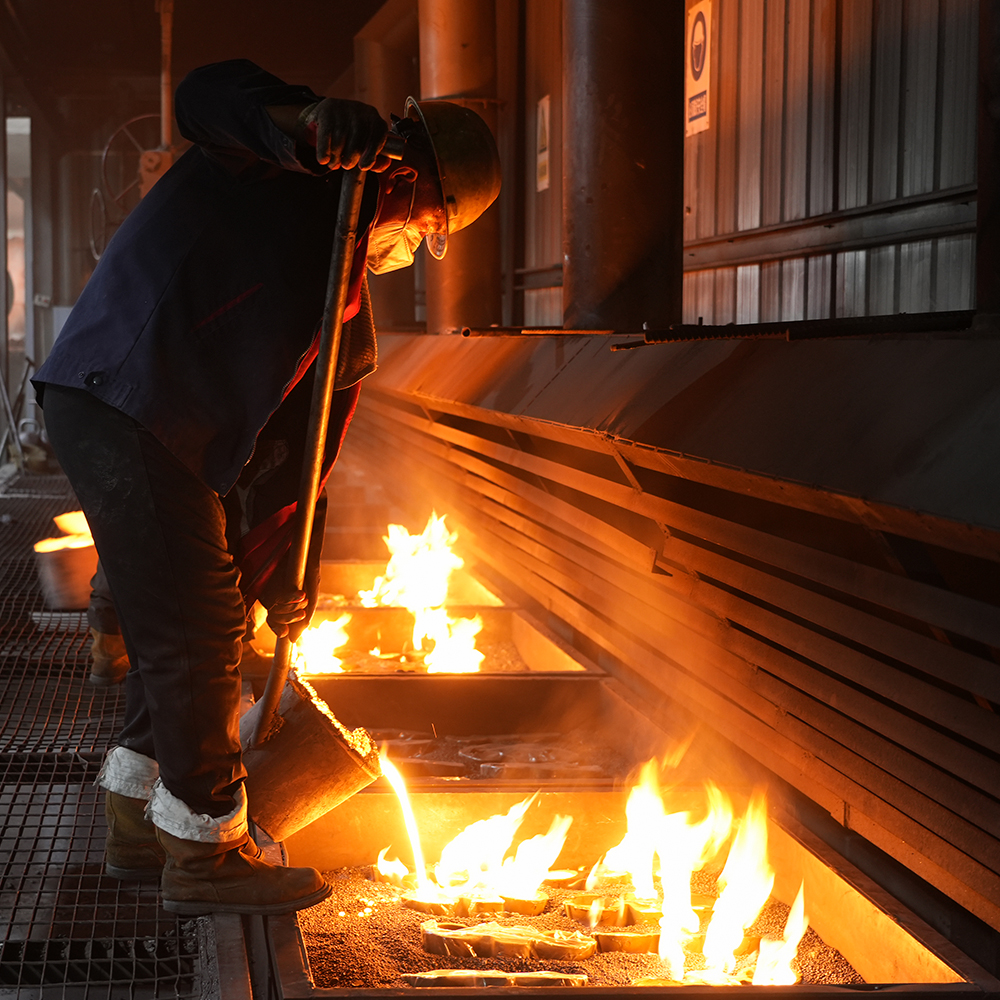
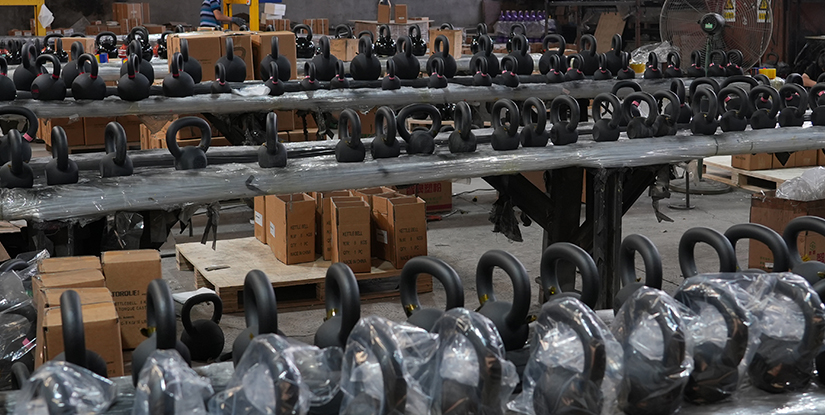
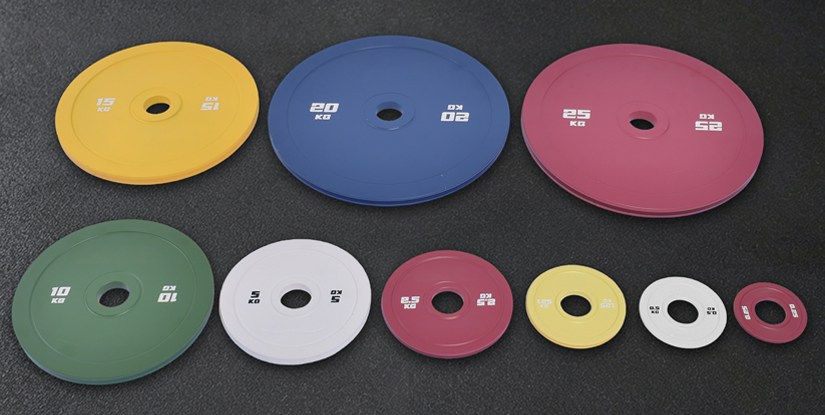
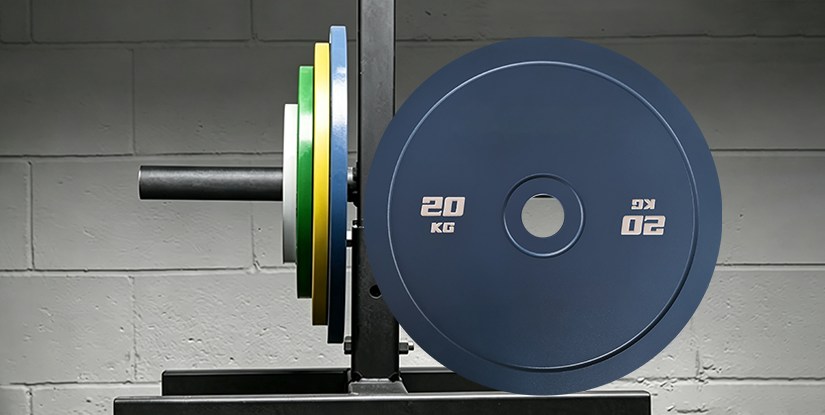
For commercial gym owners, international distributors, and fitness brand developers, the challenge of scaling a facility or a product line lies in the ability to source high-durability assets without the prohibitive markups of premium retail brands. Identifying the right top exercise equipment manufacturers requires more than a simple search; it demands an understanding of how production standards, material specifications, and OEM capabilities intersect to create a reliable supply chain. This guide is designed to provide professional buyers with a strategic framework for evaluating potential partners. Whether you are looking to outfit a large-scale commercial fitness center, expand a specialized strength training product line, or develop a private label brand, the following insights address the critical variables in the procurement lifecycle: By shifting the focus from "lowest price" to "total cost of ownership" and "technical specification alignment," procurement professionals can build a more resilient and profitable fitness business. We will explore the nuances of the manufacturing process to help you differentiate between a simple trading company and a true industrial-grade fitness machine manufacturer. When professional buyers evaluate potential top exercise equipment manufacturers, they often face a choice between purchasing established retail brands or sourcing directly from specialized production facilities. While retail brands offer high brand recognition, the direct factory-to-distributor model provides a significant advantage in terms of technical control and cost-efficiency. To make an informed decision, procurement professionals must look past marketing narratives and focus on verifiable mechanical and material specifications. The following table illustrates the typical divergence in value propositions between high-end retail-tier solutions and professional factory-direct procurement. This comparison is intended to help gym owners and distributors understand where to allocate budget for maximum long-term asset durability. Understanding these distinctions is crucial when developing a strength training equipment strategy. A factory-direct approach allows a distributor to act as a brand owner, controlling every aspect from the initial mechanical drawing to the final packaging, rather than simply reselling a pre-packaged retail product. Identifying a reliable partner among thousands of global exercise equipment manufacturers requires moving beyond superficial certifications. A common mistake in B2B procurement is treating "commercial grade" as a generic marketing term rather than a set of measurable engineering standards. To mitigate risk, procurement officers must implement a decision-making framework based on technical transparency and verifiable production capabilities. The primary differentiator between a high-durability machine and a low-cost alternative is the specification of the steel gauge and the quality of the welding process. For instance, a commercial strength machine intended for high-traffic environments should ideally utilize 11-gauge or 12-gauge steel for primary frames. Many lower-tier suppliers offer 14-gauge or even 16-gauge steel to reduce weight and material costs, which significantly compromises the structural integrity and lifespan of the equipment under heavy use. When reviewing technical drawings, do not merely ask if the steel is "strong"; demand the specific gauge and the type of powder coating used to prevent oxidation in humid gym environments. Furthermore, the mechanical components—such as bearings, pulleys, and cables—are where the "total cost of ownership" is truly determined. A high-quality gym machine manufacturer will provide detailed specifications for their bearing systems (e.g., sealed ball bearings) and cable tensile strength. Using substandard cables or unsealed bearings leads to premature mechanical failure, increasing maintenance costs and downtime for the end-user. A frequent error in the sourcing process is failing to distinguish between a manufacturer with an assembly plant and a trading company that merely brokers orders. A true manufacturer maintains control over the critical nodes of production: raw material procurement, CNC machining, welding, and final assembly. This control is essential for ensuring that the precision tolerances defined in the initial prototype are maintained during mass production. If a supplier cannot provide a detailed breakdown of their internal quality control (QC) stages—such as load testing, welding inspection, and paint thickness measurement—they are likely a broker with limited oversight of the actual manufacturing process. Additionally, buyers must scrutinize the compliance of the production line. It is not enough to possess an ISO certificate; one must understand how the manufacturer handles batch-level testing. For example, in the production of resistance bands or specialized accessories, the ability to perform consistent elongation tests and material thickness verification is what separates a professional factory from a generic commodity producer. A robust procurement strategy treats compliance not as a one-time checkbox, but as a continuous requirement for every production cycle. In the modern fitness landscape, the gap between "premium retail brands" and "specialized factory-direct solutions" is no longer defined by brand name, but by the ability to match specific technical benchmarks. For distributors looking to build a high-end product line, the goal is to identify a partner capable of providing high-value alternatives that align with the mechanical expectations of the top-tier market without the excessive brand-premium overhead. A high-value alternative is not a "cheap version" of a premium product; rather, it is a precision-engineered solution that focuses on core functional metrics. To ensure a factory-direct product performs at a professional level, procurement teams should verify alignment across several key performance indicators: For businesses aiming to launch their own branded equipment, the ability to leverage a manufacturer's existing high-standard production lines is a significant competitive advantage. Many specialized facilities operate under strict protocols designed to meet the requirements of international brands. This involves a structured transition from conceptual design to full-scale production, ensuring that every customized detail is documented and validated. A professional OEM workflow typically includes several critical stages to ensure quality and confidentiality. It begins with a rigorous prototyping phase, where 3D renderings and physical samples are produced and tested against the client's specific mechanical requirements. Once the sample is approved, the project moves into a standardized mass-production cycle. During this stage, the manufacturer employs strict quality control (QC) checkpoints, such as material thickness verification and load-bearing stress tests, to ensure the final output remains consistent with the approved prototype. Furthermore, professional manufacturers maintain clear boundaries regarding intellectual property and design confidentiality, ensuring that a client's proprietary product developments are protected throughout the manufacturing and shipping processes. The true value of a professional manufacturer is best demonstrated through their ability to navigate non-standardized requirements and logistical constraints. While standard catalogs serve general needs, high-level B2B procurement often involves highly specific technical or branding challenges that require a customized approach rather than a simple off-the-shelf purchase. A mid-sized fitness distributor in Southeast Asia sought to launch a premium private-label line of strength equipment. Their primary challenge was twofold: they required a distinct visual identity that departed from the standard black-and-silver color schemes of the market, and they needed to ensure that the equipment could withstand high humidity levels without premature oxidation. The client’s constraints included a strict six-month window to launch the brand and a requirement for specific upholstery textures to match their high-end branding. The manufacturing partner responded by developing a customized OEM production plan. Instead of providing standard products, the factory integrated a multi-stage electroplating and high-density powder coating process specifically designed for tropical climates. To meet the branding requirements, the factory provided high-resolution 3D renders for approval and produced a physical prototype featuring custom laser-etched logos and a bespoke color palette. By managing the production schedule with a dedicated QC team focused on coating thickness and upholstery seam strength, the project moved from the prototyping phase to full-scale shipment within five months. The result was a successful brand launch that met all durability benchmarks and established the distributor as a premium player in their region. A boutique gym chain expanding into several new urban locations required a diverse range of equipment, including multi-gym systems, rowing machines, and customized resistance gear. Their main constraint was a fragmented budget: they needed high-performance cardio and strength machines for their flagship locations, but required more cost-effective, space-efficient solutions for their smaller studio branches. They also required all equipment to be shipped in specialized, reinforced packaging to minimize damage during transit to high-rise buildings with limited loading access. The solution involved a tiered procurement strategy. For the flagship locations, the manufacturer provided high-gauge steel machines with premium bearing systems to ensure longevity. For the studio locations, the factory provided a streamlined version of the equipment that maintained core mechanical reliability while optimizing the footprint. To address the logistical constraint, the factory implemented a specialized "compact-stack" packaging protocol, using reinforced corrugated boxes and optimized pallet dimensions. This approach allowed the gym chain to maintain a consistent brand experience across all locations while staying within their total capital expenditure limits. The project was completed on schedule, with all shipments passing the client's third-party arrival inspections without structural or cosmetic defects. Transitioning from the selection phase to active procurement requires a clear understanding of the operational protocols that govern high-volume B2B transactions. Successful collaboration with top exercise equipment manufacturers depends on aligning expectations regarding minimum order quantities (MOQ), prototyping timelines, and the technical nuances of international shipping and quality verification. For customized OEM or ODM projects, the sampling phase is the most critical milestone. A professional manufacturer will typically provide a technical drawing and a 3D rendering for initial approval. Once the geometry and mechanical logic are validated, a physical prototype is produced. This stage allows the buyer to verify the tactile quality of the upholstery, the smooth motion of the bearing systems, and the accuracy of the custom branding. It is essential to treat the sample approval as a formal sign-off; the specifications of the approved sample—including material gauge, finish texture, and component tolerances—must be explicitly documented in the Purchase Order (PO) to ensure the mass-production run adheres to the agreed-upon standard. Regarding production timelines, a standard manufacturing cycle for commercial-grade machines generally spans 30 to 45 days following the receipt of the deposit and final sample approval. However, highly customized orders involving complex electronic components for cardio equipment or specialized resistance gear may require extended lead times. Procurement professionals should factor in these variables when planning facility rollouts or product launches to avoid logistical bottlenecks. Effective B2B procurement extends beyond the factory floor and into the final inspection and shipping stages. To ensure the integrity of the shipment, buyers should implement a multi-layered quality control (QC) strategy. This includes: Logistics coordination is equally vital. Depending on the volume and destination, manufacturers can offer various shipping configurations, such as standard palletization or customized "compact-stack" solutions for space-constrained urban deliveries. Engaging with a manufacturer that offers clear communication nodes—providing regular updates on raw material arrival, production progress, and shipping documentation—will significantly reduce the administrative burden on the distributor and ensure a predictable arrival schedule. Building a resilient supply chain with top exercise equipment manufacturers requires a shift from transactional buying to strategic partnership management. Before finalizing any large-scale purchase order or initiating an OEM project, procurement professionals should utilize the following actionable benchmarks to ensure alignment with commercial-grade standards and business objectives. By adhering to these technical and operational standards, gym owners and distributors can successfully navigate the complexities of global sourcing, securing high-performance assets that drive long-term facility growth and brand reliability.Navigating the Complex Landscape of Global Fitness Equipment Procurement
Strategic Comparison: High-End Retail vs. Factory-Direct Procurement Models
Procurement Dimension Mainstream Retail Tier Professional Factory-Direct Tier Primary Value Driver Brand prestige and retail availability Technical specification and cost optimization Material Standards Standardized high-grade components Customizable gauges (e.g., 11-gauge steel vs 14-gauge) Customization (OEM/ODM) Limited to color or minor accessory changes Full structural, branding, and functional customization Price Structure High markup (includes marketing and retail overhead) Optimized (direct cost of production and logistics) Lead Time Control Dependent on distributor stock availability Direct control via production scheduling and PO management Typical Target User Individual consumers and boutique studios Commercial gym chains, distributors, and fitness brands Technical Benchmarks for Vetting High-Performance Manufacturers
The Logic of Material Integrity and Mechanical Precision
Common Procurement Pitfalls and Compliance Realities
Aligning with Premium Standards: OEM Capabilities and High-Value Alternatives
Bridisng the Gap with Verifiable Specifications
Professional OEM/ODM and Production Protocols
Case Studies: Translating Complex Requirements into Tangible Solutions
Scenario 1: Scaling a Private Label Brand for a Regional Distributor
Scenario 2: Optimizing a Multi-Category Procurement for a Boutique Gym Chain
Operationalizing the Partnership: MOQ, Sampling, and Logistics Execution
Managing Prototypes and Production Cycles
Quality Control and Logistics Optimization
Strategic Checklist for Long-Term Procurement Success
Pre-Contract Verification Benchmarks
Operational Execution Milities