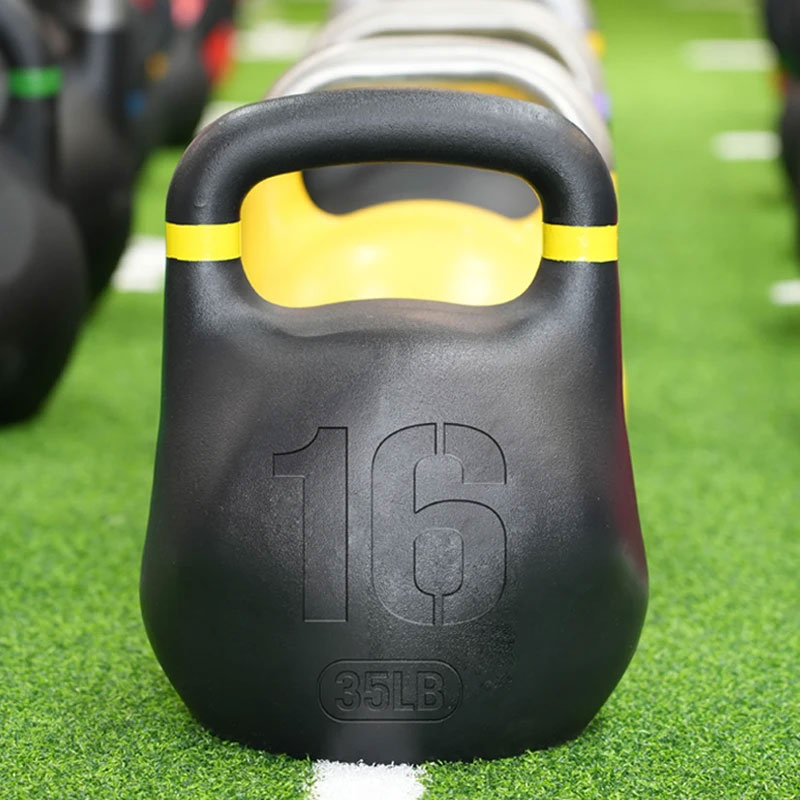
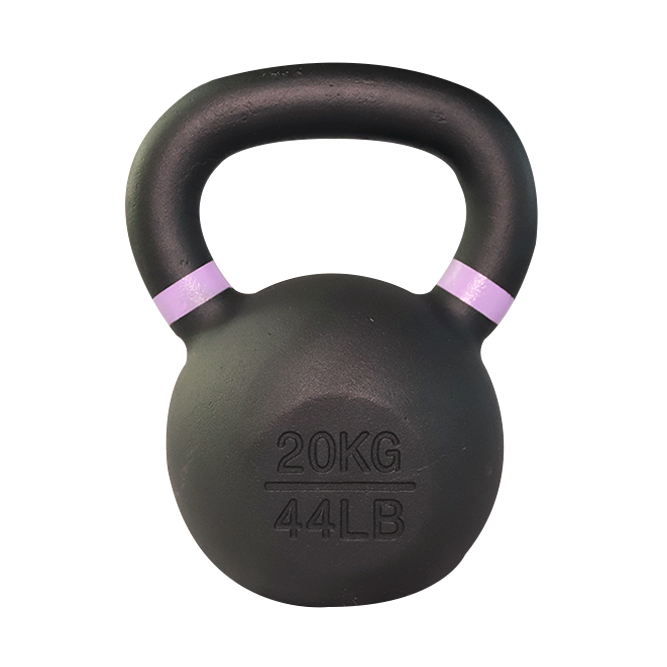
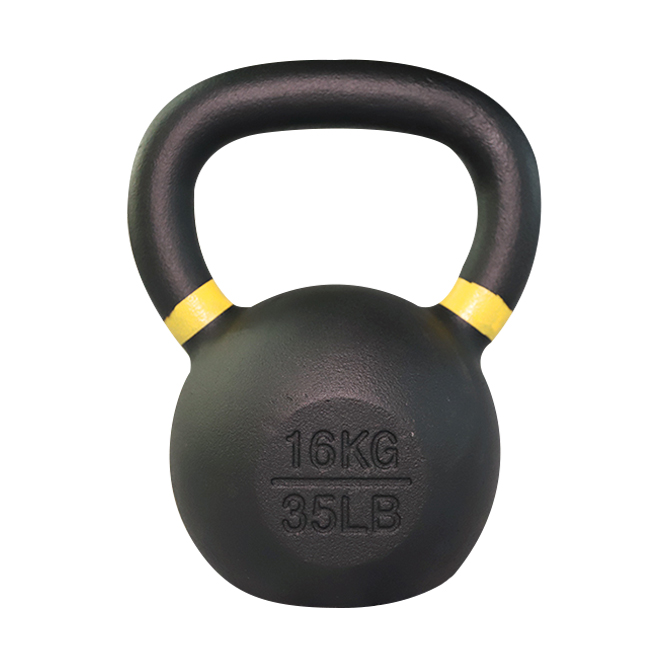
For commercial gym owners, global distributors, and fitness brand managers, the complexity of building a high-performance facility or a scalable product line lies in the reliability of the supply chain. Navigating the landscape of weight lifting manufacturers requires more than just finding a low price; it demands an understanding of mechanical durability, material consistency, and the ability to execute complex OEM specifications. Whether you are outfitting a boutique strength studio or scaling a retail brand, the fundamental challenge remains the same: how to secure equipment that meets rigorous commercial use standards while maintaining a competitive edge in cost and lead times. This guide is designed to help professional procurement officers and fitness entrepreneurs move beyond surface-level vendor searches. We address the critical variables that differentiate a standard factory from a true strategic partner, focusing on: By understanding the technical requirements of various equipment categories—from heavy-duty multi-gym systems to precision-engineered resistance bands—you can build a more resilient procurement framework. A successful partnership with a professional weight lifting manufacturers involves aligning your brand's quality benchmarks with the factory's actual production capabilities and quality control protocols. When planning a large-scale procurement project, decision-makers must evaluate the trade-offs between different supply chain models. Understanding whether to source through high-end retail distributors, specialized gym machine suppliers, or direct weight lifting manufacturers is crucial for balancing capital expenditure with long-term operational reliability. The following comparison outlines the functional differences across three common procurement tiers, focusing on technical specifications and business flexibility. For distributors looking to establish a unique brand identity, the "Direct Factory/OEM Tier" offers the highest degree of control. While the premium tier provides established brand prestige, it often lacks the agility required for rapid market adaptation. In contrast, working directly with professional weight lifting manufacturers allows for the creation of high-durability alternatives that align with specific regional market needs or unique facility requirements, such as specialized resistance bands or custom-branded weightlifting gear. Choosing the right tier depends on your primary objective: are you seeking the safety of an established name, the convenience of a local supplier, or the high-margin potential of a custom-manufactured product line? For those scaling a global footprint, the technical transparency offered by a direct factory-to-distributor model provides the most robust foundation for long-term growth. Deep-level procurement in the strength and weightlifting sector requires moving beyond aesthetic appeal to scrutinize the mechanical and metallurgical foundations of the equipment. A common pitfall for inexperienced buyers is focusing solely on the finished product without auditing the underlying production standards. For instance, a gym machine might look identical to a premium retail model, but the difference in long-term operational cost often lies in the steel gauge and the quality of the welding processes used during manufacturing. When sourcing from weight lifting manufacturers, the most critical specification to verify is the steel thickness (gauge) and the structural design of the frame. Commercial-grade equipment must withstand high-impact loads and repetitive stress without deformation. A high-quality factory will provide technical drawings that specify the wall thickness of the steel tubing and the type of high-tensity welding used at critical junctions. Relying on a supplier's verbal assurance of "heavy-duty" is insufficient; procurement professionals should request mill certificates for the steel and specific test reports for weld strength to ensure the product meets the expected lifespan of a commercial facility. The variance in product quality often stems from the rigor of the Quality Control (QC) process during the mid-production stage. High-performance weightlifting gear—such as dumbbells, kettlebells, or multi-gym systems—requires precise tolerances to ensure balance and smooth movement. A professional manufacturer integrates QC checkpoints at multiple stages: raw material inspection, precision machining, assembly testing, and final finish verification. For example, in the production of resistance bands, the consistency of the latex or TPE material's tensile strength is determined by the stability of the extrusion process and the precision of the curing time. Without these controlled variables, a batch may suffer from premature breakage, leading to significant liability and replacement costs for the distributor. A frequent misunderation in B2B procurement is the belief that a shorter lead time always indicates a more efficient supplier. In reality, overly aggressive lead times for complex, custom-designed strength training equipment can be a red flag for compromised QC or substandard material sourcing. A reliable manufacturing partner will provide a transparent timeline that accounts for: By applying these technical benchmarks, buyers can transition from a reactive purchasing model to a proactive strategic sourcing model. This depth of inquiry ensures that the equipment sourced is not just a low-cost commodity, but a durable asset that supports the long-term operational goals of the end-user. In the competitive landscape of commercial fitness, there is a significant opportunity for distributors to offer high-performance alternatives to the most expensive retail brands. Rather than focusing on imitation, the strategic goal is "specification alignment." This means ensuring that the core performance indicators—such as load-bearing capacity, movement smoothness, and material durability—meet or exceed the benchmarks set by premium tier brands, while optimizing the cost structure through direct factory-to-distributor channels. To position a product as a high-value alternative, procurement officers must look at the technical parity between different market tiers. A professional weight lifting manufacturers' output can align with premium standards by focusing on these verifiable dimensions: For brands seeking to expand their product lines, the ability to leverage a factory's existing production capacity through OEM or ODM services is a powerful growth lever. A professional manufacturing partner operates with a level of sophistication that goes beyond simple assembly. This includes a structured workflow from initial technical concept to final mass production, designed to protect the client's intellectual property and brand reputation. The standard workflow for high-level OEM orders typically follows a rigorous sequence: The true value of a professional manufacturing partner is best demonstrated through their ability to resolve complex logistical and technical constraints. Unlike standard suppliers who only fulfill existing SKU orders, high-level weight lifting manufacturers act as engineering consultants to solve specific market entry or facility scaling challenges. A mid-sized fitness equipment distributor in Southeast Asia sought to launch a proprietary line of resistance bands to differentiate their retail offering. Their primary challenge was not just the design, but the stringent requirement for material consistency and specific color branding that matched their existing gym aesthetic. They faced a significant constraint: a relatively low initial volume (MOQ) and a strict 90-day window to launch before a major regional trade show. The manufacturer provided a comprehensive solution that began with a custom material formulation. Instead of using standard latex, the factory suggested a high-density TPE blend to ensure longer durability and a specific "matte" tactile feel requested by the client. To address the branding needs, the factory implemented a precision color-matching process and a customized heat-transfer logo technique that resisted peeling during high-stretch use. By optimizing the production schedule to run the custom band line alongside existing high-volume orders, the manufacturer met the 90-day deadline. The result was a successful brand launch with a product line that passed all durability stress tests and achieved high customer satisfaction ratings for its premium feel. An international gym chain management group required a complete overhaul of their strength training zones across multiple locations. The project involved sourcing heavy-duty multi-gym systems and specialized weightlifting gear. The main constraints were two-fold: the equipment had to adhere to a very specific dimensional footprint to fit into existing floor plans, and the delivery had to be staggered across five different countries with varying import compliance requirements. The manufacturing partner responded by providing detailed 3D mechanical models for every piece of equipment, allowing the client to virtually "fit" the machines into their facility layouts before any purchase orders were signed. To manage the logistical complexity, the factory developed a customized packaging and labeling system for each destination. Each shipment included specific documentation and assembly guides tailored to the local technical standards of the destination countries. Through this phased production and shipping strategy, the client successfully rolled out the new equipment across all locations without any delays in their facility reopening schedules, ensuring a seamless transition for their members. These scenarios illustrate that successful B2B procurement is rarely about a single transaction; it is about the synergy between a client's market vision and a manufacturer's technical execution and logistical adaptability. Transitioning from a conceptual design or a product selection to a finalized purchase order requires a structured operational framework. For B2B buyers, understanding the granular details of the production-to-delivery pipeline is essential to maintaining project timelines and managing cash flow. Professional weight lifting manufacturers operate through defined milestones that ensure both the buyer's technical requirements and the logistical realities of international trade are addressed. A successful procurement cycle is typically divided into several critical stages, each with its own set of deliverables and verification points: Given the high mass and volume of strength training equipment, packaging and shipping strategies directly impact the total landed cost and the safety of the goods during transit. A professional manufacturer offers various solutions to mitigate these risks: For heavy-duty items like weight machines or rowing machines, the factory typically employs reinforced, multi-layer corrugated boxes and custom-fit internal supports (such as EPE foam or high-density cardboard) to prevent structural deformation. For smaller, high-density items like metal weight plates or kettlebells, heavy-duty wooden crates or reinforced cartons are used to handle the impact of containerized shipping. Logistics coordination should also account for: As the procurement process transitions from initial research to active vendor engagement, the focus must shift toward highly specific, verifiable data points. A successful partnership with professional weight lifting manufacturers is built on the clarity of technical documentation and the transparency of the manufacturing pipeline. To ensure your facility or brand receives equipment that meets long-term commercial standards, utilize the following actionable checkpoints during your final selection phase. By integrating these technical and operational rigor levels into your sourcing workflow, you move beyond simple price-based competition. This approach secures a supply chain capable of supporting high-performance strength training environments, whether through high-value retail alternatives or sophisticated, custom-branded OEM solutions.Optimizing Procurement Strategy for Professional Strength and Weight Training Gear
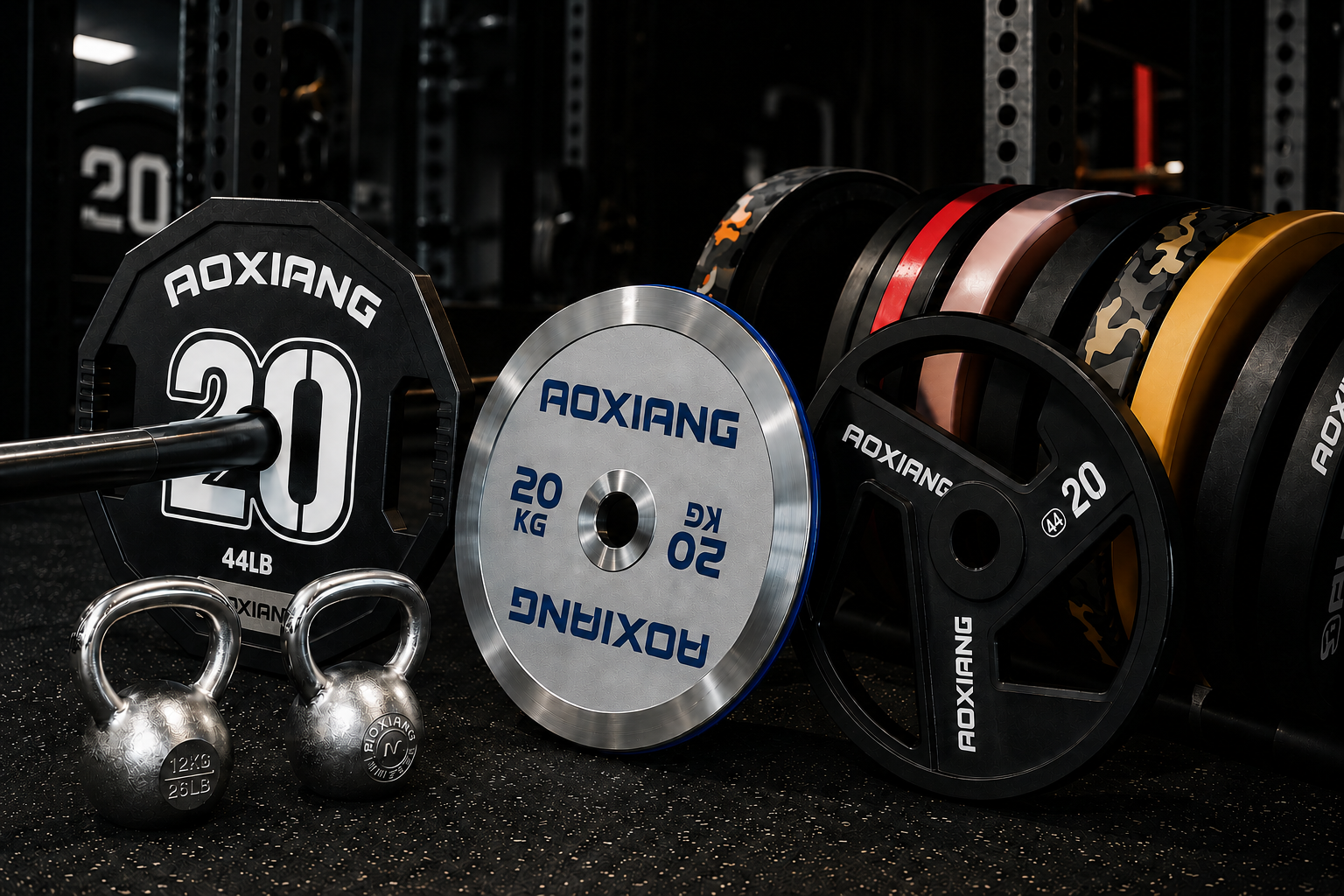
Comparative Analysis of Sourcing Models for Commercial Fitness Equipment
Procurement Dimension Premium Brand Tier Specialized Distributor Tier Direct Factory/OEM Tier Typical Target Audience Luxury hotel gyms, elite training centers Regional fitness retailers, boutique studios Global distributors, large gym chains, private labels Product Customization Limited to pre-set aesthetic options Standardized catalog variations Full OEM/ODM (dimensions, colors, logo, tension) Material & Build Standards High-grade certified steel & proprietary finishes Standard commercial-grade steel and coatings Verifiable technical specs (gauge, micron thickness) Cost Structure High markup (includes brand premium & marketing) Moderate markup (includes logistics & service) Optimized cost (direct-to-source, minimal middleman) Lead Time & Scalability Longer lead times due to complex logistics Moderate, dependent on local stock availability Scalable based on production cycle & MOQ agreements Technical Support Comprehensive brand-led service Third-party technician availability Direct engineering-to-factory communication Technical Benchmarks and Risk Mitigation in Equipment Sourcing
Structural Integrity and Material Verification
The Logic of Quality Control and Compliance
Navigating Lead Times and Production Cycles
Understanding this sequence allows procurement officers to set realistic expectations with their clients and avoid the reputality risks associated with late deliveries or rushed production.Bridging the Gap: High-End Performance and Professional OEM Capabilities
Achieving High-End Performance Through Verifiable Metrics
Professional OEM/ODM and Brand Protection Standards
By partnering with a facility that maintains these high-level production standards, brands can scale their offerings with the confidence that their customized gear will perform reliably under the heavy demands of a commercial environment.Strategic Problem-Solving: Real-World Implementation Scenarios
Case Study 1: Expanding a Regional Fitness Brand via Custom Resistance Lines
Case Study 2: Outfitting a Multi-Location Commercial Strength Facility
Operational Framework: MOQ, Sampling, and Global Logistics Execution
Standardized Procurement Milestones
Packaging and International Logistics Options
By establishing these clear communication nodes and operational standards, procurement professionals can minimize the inherent uncertainties of global sourcing and ensure that their strength and weightlifting gear arrives on-site ready for immediate commercial installation.Critical Checklist for Strategic Sourcing and Partnership Engagement