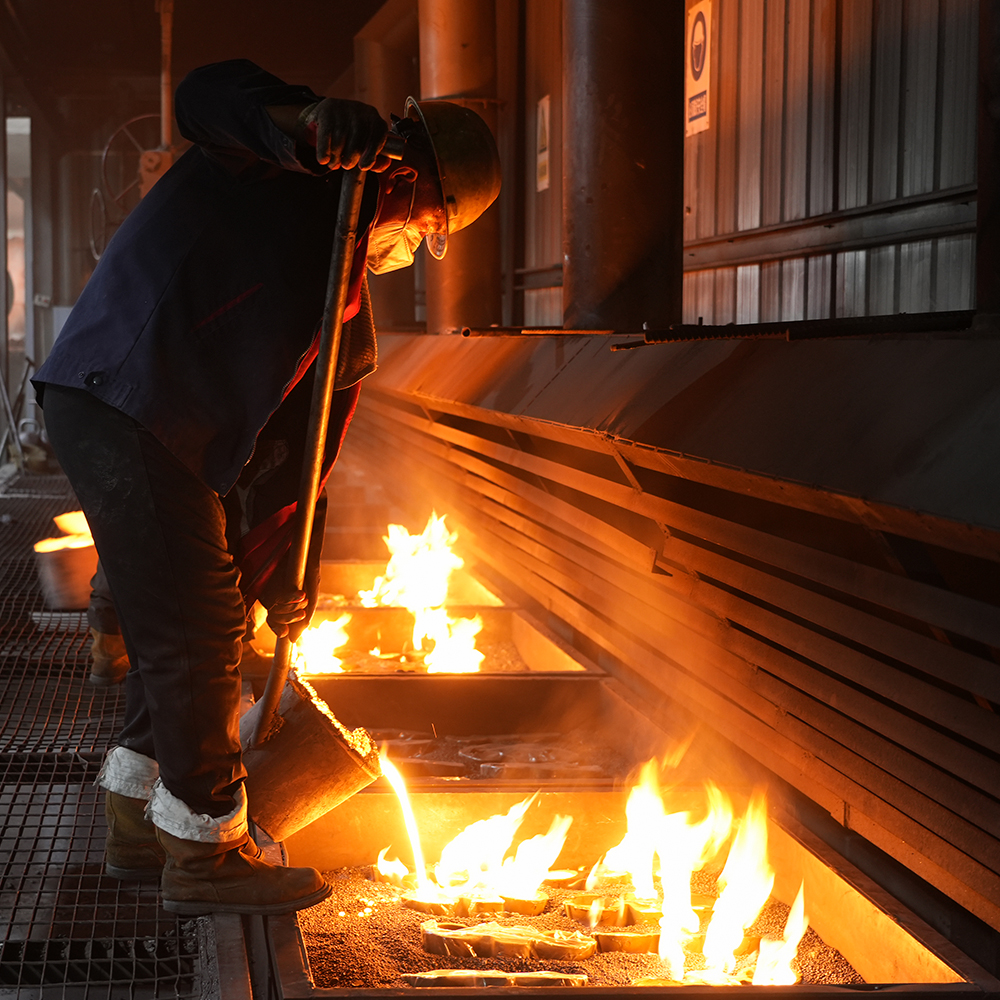
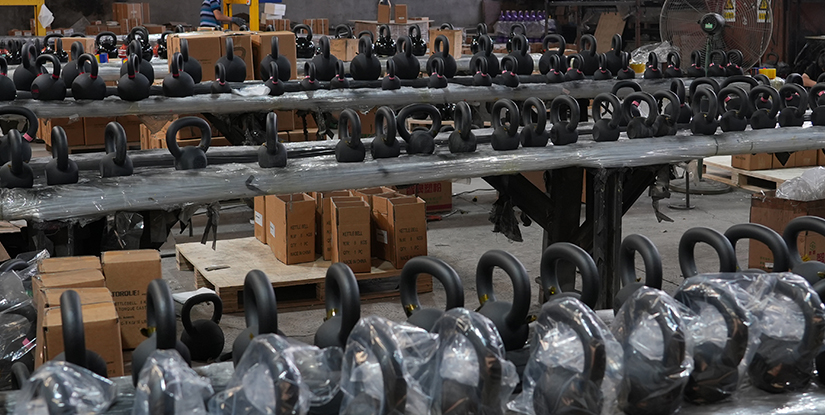
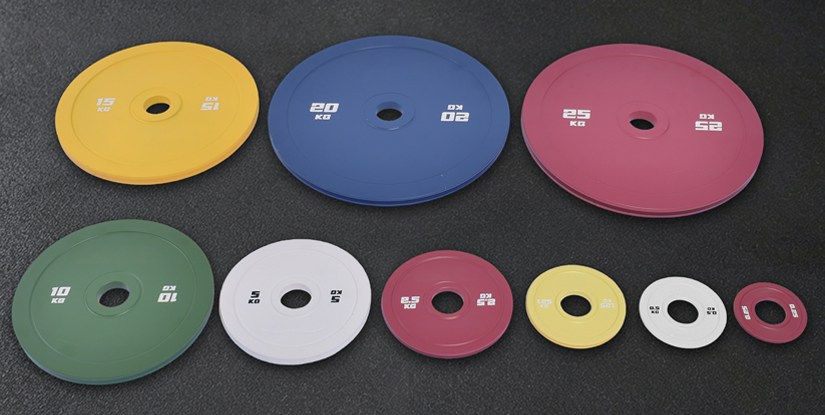
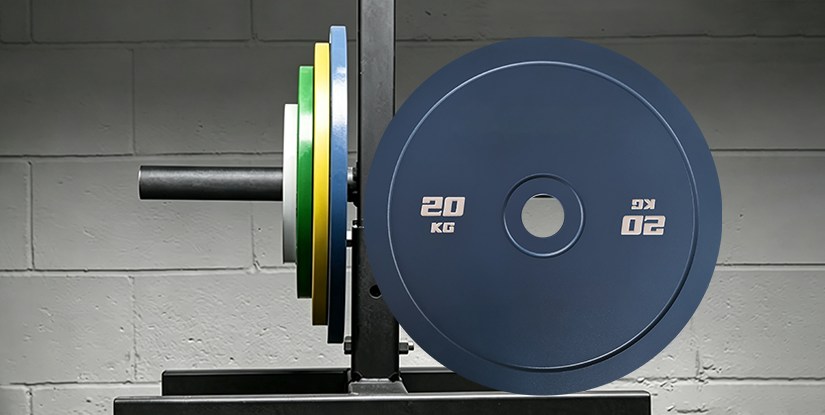
For international distributors, gym owners, and fitness brand developers, the challenge of scaling a facility or a product line often hinges on a single critical decision: selecting the right weight lifting equipment manufacturers. Whether you are outfitting a boutique strength studio or managing a nationwide distribution network, the complexity of sourcing high-durability machines, specialized resistance gear, and cardio systems requires more than just finding a vendor; it requires identifying a strategic manufacturing partner. This guide addresses the fundamental complexities involved in B2B procurement, focusing on the technical and operational gaps that often separate a standard supplier from a true manufacturing partner. We aim to provide actionable intelligence for professionals who need to balance high-performance requirements with strict budgetary and lead-time constraints. Specifically, we will explore: By understanding the underlying logic of production standards and supply chain management, procurement professionals can move beyond simple price comparisons and focus on long-term asset value and operational stability. This expertise is essential when navigating the diverse offerings within the commercial gym sourcing guide landscape. When scaling a fitness business or launching a new product line, procurement professionals must decide whether to source from premium retail brands, mid-tier distributors, or direct weight lifting equipment manufacturers. Each model serves a distinct strategic purpose, and the decision often hinges on the intended end-use environment and the required level of customization. Understanding these differences through verifiable metrics—such as material gauge, mechanical tolerances, and service depth—is essential for effective capital allocation. The following table provides a comparative framework to help buyers evaluate the value proposition of different sourcing tiers. This comparison focuses on the structural integrity and operational capabilities typically found in the commercial fitness industry. For businesses looking to build their own brand identity or supply large-scale commercial projects, the "Factory Direct/OEM Tier" offers the most significant leverage. While the premium tier provides established prestige, the direct manufacturing model allows for a more controlled approach to product development. By working closely with a professional gym machine manufacturer, buyers can ensure that the technical specifications—such as bearing precision in rowing machines or the tensile strength of resistance bands—are precisely aligned with their specific market positioning. Identifying reliable weight lifting equipment manufacturers requires moving beyond superficial marketing claims and focusing on verifiable engineering standards. A common mistake in B2B procurement is prioritizing the lowest unit price without accounting for the "total cost of ownership," which includes maintenance frequency, part replacement cycles, and potential downtime caused by mechanical failure. To avoid these pitfalls, procurement professionals should implement a multi-dimensional vetting framework that examines the structural, mechanical, and operational integrity of a supplier. The longevity of commercial strength equipment is fundamentally determined by the gauge of the steel and the quality of the welding processes. High-performance machines require heavy-duty steel tubing (often 3mm or thicker) to withstand the dynamic loads and vibrations inherent in intensive training. When reviewing specifications, do not simply ask if the steel is "heavy-duty"; request the exact gauge and the type of powder coating used. A high-quality finish prevents oxidation and ensures the equipment remains aesthetically consistent even in high-humidity environments. Furthermore, verify if the manufacturer utilizes robotic welding for consistent seam strength, as manual welding can lead to structural weak points in high-stress areas like multi-gym frames. For moving parts—such as the pulleys in rowing machines or the resistance systems in weight stacks—the critical metric is the tolerance level. Low-tier manufacturers often use generic bearings and nylon pulleys that degrade quickly under continuous load. In contrast, a professional manufacturer will specify high-precision ball bearings and reinforced nylon components to ensure smooth, silent, and consistent movement. If you are sourcing specialized gear, such as resistance bands, the focus must shift to polymer stability and tensile strength testing. A reliable resistance band manufacturer should provide data on how the material retains its elasticity after repeated stretching cycles and UV exposure. A significant risk in global sourcing is the gap between the quoted lead time and the actual delivery date. Reliable manufacturers manage their production capacity through integrated ERP systems and can provide realistic timelines that account for raw material fluctuations and shipping logistics. Beyond speed, compliance is non-negotiable. Ensure that the factory holds recognized certifications (such as ISO or CE) and that their quality control (QC) protocols include a formal sign-off process for both individual SKUs and batch-level inspections. Relying on a supplier that lacks a structured QC protocol often results in receiving "near-spec" products that fail to meet the rigorous demands of a commercial facility environment. In the competitive landscape of commercial fitness, the ability to source high-quality alternatives to premium retail brands is a significant strategic advantage. Many procurement professionals seek "brand-tier" quality—characterized by mechanical stability, aesthetic consistency, and durability—without the extensive markup associated with established consumer-facing brands. Achieving this requires a shift in focus from brand names to verifiable technical benchmarks that can be cross-referenced during the sourcing process. A high-quality alternative does not mean a compromise in safety; rather, it means optimizing the cost structure by sourcing directly from specialized weight lifting equipment manufacturers. To ensure a "brand-tier" experience, buyers should verify that the alternative products align with the following critical indicators: For companies looking to develop their own proprietary lines, engaging with a factory that possesses sophisticated OEM and ODM capabilities is essential. Leading manufacturers often operate production lines that meet the rigorous standards required for international brand orders. This includes a highly structured workflow designed to protect intellectual property and ensure product consistency across massive production runs. A professional manufacturing process typically follows a strict sequence: from the initial technical specification review and CAD-based design, to the creation of a high-fidelity prototype. During the prototyping stage, clients can approve specific details such as logo placement, color codes (Pantone matching), and customized component configurations. Once the sample is signed off, the production moves into a controlled mass-manufacturing phase where strict quality control (QC) checkpoints are integrated at every stage—from raw material testing to final assembly and pre-shipment inspection. This level of precision ensures that the final product is not just a generic item, but a specialized piece of equipment that reflects the client's brand identity and quality standards. Real-world B2B procurement often involves more than just selecting items from a catalog; it requires solving intricate logistical and technical puzzles. The following anonymous case studies illustrate how professional weight lifting equipment manufacturers transition from simple vendors to strategic partners by addressing specific client constraints through customized engineering and rigorous process management. A rapidly expanding fitness brand in Southeast Asia sought to launch a proprietary line of strength training gear to differentiate itself from local distributors. The client's primary challenge was twofold: they required a highly specific "industrial-minimalist" aesthetic to match their boutique studio branding, but they also operated under a strict budget that precluded sourcing from premium European-tier manufacturers. Furthermore, they needed a partner capable of managing a staggered rollout across multiple locations with varying lead-time requirements. Upon reviewing the client's design concepts, the manufacturing team proposed a customized OEM solution. Instead of using standard off-the-shelf colors, the factory utilized precision Pantone matching for the powder coating and integrated custom laser-etched logos on the steel frames. To manage the budget, the engineers optimized the frame geometry—maintaining the required 3mm steel gauge for durability while simplifying non-structural aesthetic components to reduce costs. The result was a cohesive, branded product line that met the client's high-end visual standards while remaining well within the projected capital expenditure. The entire first batch was delivered to the central warehouse ahead of schedule, allowing the brand to meet its grand opening deadlines across three major cities. An international fitness equipment distributor specializing in high-traffic commercial gym chains faced a critical issue when a previous supplier failed to meet the mechanical tolerance standards required for their high-end rowing machine series. The client needed a new partner who could guarantee the long-term durability of moving parts and provide documented evidence of quality control to satisfy their end-users' rigorous safety audits. The constraint was not just quality, but the need for a highly transparent and documented production process. The manufacturer responded by implementing a customized quality assurance protocol specifically for this order. This involved a multi-stage testing regimen: every rowing machine underwent a 48-hour continuous-use stress test to simulate heavy commercial traffic, and every pulley system was subjected to a precision-tolerance check. The factory provided the distributor with detailed inspection reports for each batch, documenting the tensile strength of the cables and the smoothness of the bearing transitions. By providing this level of technical transparency and adhering to strict ISO-aligned QC checkpoints, the manufacturer helped the distributor rebuild trust with their large-scale commercial clients. The project was completed with zero reported mechanical failures during the initial six-month deployment phase. Transitioning from a technical specification to a physical product involves several critical milestones that dictate the success of a B2B procurement cycle. For professional buyers, understanding the standard operational rhythm of weight lifting equipment manufacturers is essential for managing expectations with stakeholders and ensuring that the final delivery aligns with both branding and logistical requirements. The journey begins with a formal sample or prototype stage. Unlike retail purchasing, B2B orders often start with a single unit or a limited run designed to validate the engineering and aesthetic direction. During this phase, the manufacturer provides a high-fidelity version of the product—incorpor-ating specific steel gauges, customized colors, and branding elements—for client approval. It is during this stage that the most critical decisions regarding mechanical tolerances and material feel are finalized. A successful sign-off on a prototype acts as the baseline for all subsequent mass production and quality control protocols. Minimum Order Quantities (MOQ) and lead times are the two most influential variables in the procurement timeline. While high-volume orders for commercial gym machines often benefit from economies of scale, customized OEM projects may involve higher MOQs to justify the setup of specialized production lines or unique component sourcing. A professional manufacturer will provide a clear production schedule that accounts for: Because commercial fitness equipment is often heavy, bulky, and sensitive to mechanical stress, the packaging strategy is a vital component of the delivery process. Manufacturers typically offer several tiers of packaging depending on the destination and the end-user: By establishing clear communication nodes—ranging from initial CAD design approval to pre-shipment inspection (PSI) reports—buyers can maintain full visibility over the supply chain, ensuring that the final shipment meets the high standards required for professional fitness environments. Establishing a reliable supply chain for high-performance fitness gear requires moving beyond a single transaction toward a structured partnership. To ensure your next procurement cycle—whether for a single facility upgrade or a global brand launch—meets the highest standards of durability and brand alignment, utilize the following professional verification benchmarks before finalizing any purchase orders. By focusing on these measurable engineering and operational standards, procurement professionals can effectively bridge the gap between high-end brand expectations and direct-from-factory cost efficiencies. Building a partnership based on technical transparency and documented quality protocols is the most effective way to secure long-term asset value in the global fitness equipment market.Navigating Global Procurement for Professional Fitness Facilities
Strategic Comparison: Tiered Procurement Models for Fitness Equipment
Procurement Dimension Premium Brand Tier Mid-Tier Retail Tier Factory Direct/OEM Tier Primary Target High-end commercial chains and elite training centers. Boutique studios and premium home gym enthusiasts. Global distributors, gym chains, and private brands. Material Specification Heavy-duty steel (e.g., 3mm+ gauge) with high-spec coatings. Standard commercial gauge (e.g., 2mm-2.5mm) and standard finishes. Customizable steel gauge and finishes based on technical specs. Customization Depth Extremely limited; strictly follows established brand identity. Limited to standard color palettes and basic logo placement. High; includes full color, custom logo, and component engineering. Cost Structure High premium due to brand equity and marketing overhead. Moderate; includes distributor margins and retail markup. Optimized; direct-from-factory pricing with minimal intermediaries. Order Flexibility Strictly fixed SKUs; minimal ability to request changes. Standardized inventory-driven procurement. High; supports both low-MOQ samples and large-scale production. Supply Chain Role End-user brand and product owner. Retailer or specialized equipment distributor. Strategic manufacturing partner and OEM/ODM provider. Technical Benchmarks and Vetting Frameworks for Heavy-Duty Equipment
Structural Integrity and Material Standards
Mechanical Precision and Component Reliability
Operational Compliance and Lead-Time Realities
High-Performance Alternatives and Professional OEM/ODM Capabilities
Aligning Specifications for High-Value Alternatives
Advanced Manufacturing Standards for Global Brands
Case Studies: Solving Complex Procurement Challenges through Custom Solutions
Scenario A: Scaling a Regional Fitness Brand with Strict Aesthetic and Budgetary Limits
Scenario B: Navigating Certification and Durability Requirements for a Global Distributor
Operational Execution: From Prototyping to Global Delivery
The Prototyping and Sampling Phase
MOQ, Production Cycles, and Lead-Time Management
Packaging and International Logistics Options
Strategic Checklist for Long-Term Procurement Success