China Manufacturer

Sourcing High-Durability Strength and Cardio Gear from Workout Equipment Manufacturers - China Factory,Supplier,Manufacturer

Strategic Procurement for Commercial Fitness Facilities and Global Distributors

For gym owners, international distributors, and fitness brand managers, the challenge of scaling a facility or a product line lies in the complexity of the supply chain. Navigating the landscape of workout equipment manufacturers requires more than just finding a vendor; it demands identifying a partner capable of balancing high-durability standards with cost-efficient production. Whether you are equipping a boutique strength studio or a massive commercial gym chain, the quality of your heavy-duty machines and resistance gear directly impacts your long-term maintenance costs and user safety.

This guide addresses the core friction points in professional procurement: how to verify production capacity, ensure material consistency, and leverage OEM capabilities to build a unique brand identity. We focus on the critical distinctions between different sourcing models to help you make informed decisions regarding:

  • Direct factory procurement for high-volume strength and cardio equipment.
  • Customization depth for specialized resistance gear and branded accessories.
  • The technical requirements for high-use commercial environments.
  • Mitigating risks associated with lead times, shipping logistics, and quality control.

By understanding the operational logic behind professional manufacturing, procurement professionals can transition from simple purchasing to strategic asset management. This transition is essential when sourcing everything from complex multi-gym systems to high-precision precision strength gear or standard cast iron training plates.
Evaluating Sourcing Models: From Retail-Grade to Factory-Direct Solutions

When professional buyers evaluate workout equipment manufacturers, they often struggle to distinguish between the value propositions of different supply tiers. Understanding these distinctions is crucial for managing capital expenditure (CAPEX) and ensuring the longevity of gym assets. A common mistake is comparing a premium retail brand's price point directly to a factory-direct quote without analyzing the underlying technical specifications and service levels.

The following table provides a comparative framework for procurement professionals to evaluate the three most common sourcing channels. This comparison focuses on verifiable metrics such as customization depth, cost-efficiency, and technical control, rather than subjective brand prestige.

Procurement DimensionPremium Retail Brand TierSpecialized Brand Counter TierDirect Factory/OEM Tier
Core Value PropositionHigh brand equity and established retail presence.Balanced performance with lifestyle branding.High-durability engineering and cost optimization.
Customization (OEM/ODM)Highly limited; focus on standardized SKU sets.Moderate; limited to color and basic logo.Extensive; full control over specs and branding.
Technical ControlRelies on brand-approved specifications.Standardized manufacturing processes.Direct oversight of material and tolerances.
Price EfficiencyHighest; includes significant marketing/retail markup.Mid-range; optimized for consumer markets.Highest efficiency; direct-from-source pricing.
Typical Target AudienceHigh-end boutique studios and luxury gyms.Fitness retailers and home-use distributors.Commercial chains, gym owners, and large B2B.
Lead Time ManagementDependent on retail distributor availability.Standardized seasonal procurement cycles.Negotiable based on production capacity.

For a gym owner or a large-scale distributor, the "Direct Factory/OEM Tier" offers a strategic advantage in terms of long-term asset management. By working with a professional gym machine factory, you are not just purchasing a product, but rather securing a predictable supply chain for specialized items like heavy duty strength training equipment. This model allows for the alignment of technical tolerances and material durability with the specific high-intensity requirements of a commercial facility, ensuring that the equipment survives the rigors of continuous use without premature failure.

Technical Benchmarking: Navigating Quality and Compliance in Manufacturing

A common pitfall in B2B procurement is treating fitness equipment as a commodity rather than a precision-engineered mechanical asset. When vetting workout equipment manufacturers, buyers often focus solely on the unit price, overlooking the long-term cost of ownership. A lower initial price on a strength machine often hides hidden expenses in the form of high maintenance frequency, part shortages, and premature structural fatigue caused by substandard steel gauges or inferior bearing assemblies.

The Logic of Material Selection and Durability

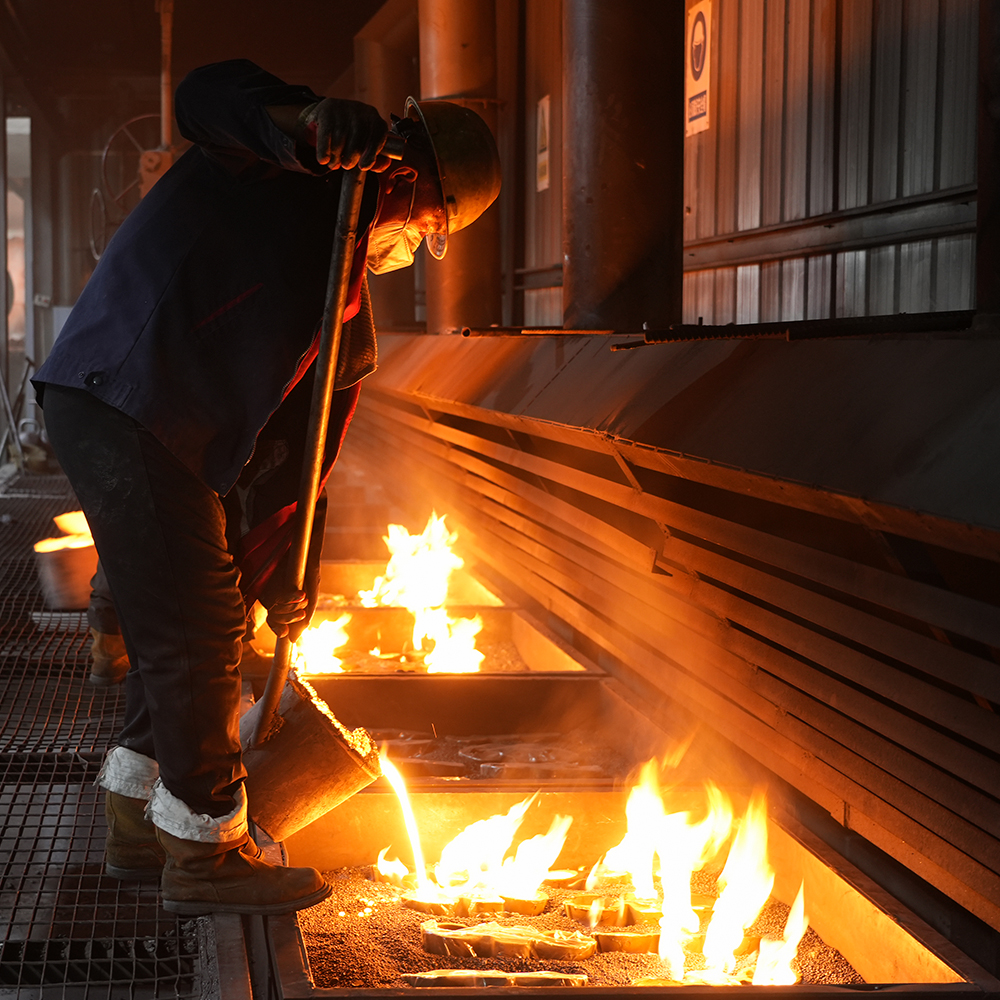
In a commercial environment, the difference between "consumer-grade" and "commercial-grade" is not just marketing; it is a matter of metallurgical and mechanical standards. For instance, high-use strength equipment requires heavy-duty steel tubing with specific wall thicknesses (often 3mm or higher) and high-precision welding to withstand repetitive high-impact loads. When sourcing, procurement professionals should demand clarity on the steel grade and the powder coating process. A high-quality finish is not just for aesthetics; it is a critical layer of defense against oxidation and friction-induced wear in high-humidity gym environments.

Verifying Compliance and Quality Control Frameworks

True industry leadership is demonstrated through rigorous testing protocols rather than just certifications. A reliable gym machine factory should be able to provide detailed reports on several key technical dimensions:

  • Load-Bearing Capacity: Evidence of static and dynamic load testing to ensure structural integrity under extreme stress.
  • Tolerance Precision: Verification of mechanical tolerances in moving parts, such as pulleys, cables, and pivot points, to prevent uneven wear.
  • Surface Integrity: Documentation of salt spray tests or abrasion resistance for coatings applied to metal surfaces.
  • Safety Certifications: Compliance with recognized international standards (such as ISO or CE) which govern the safety of mechanical interfaces and electrical components in cardio machines.

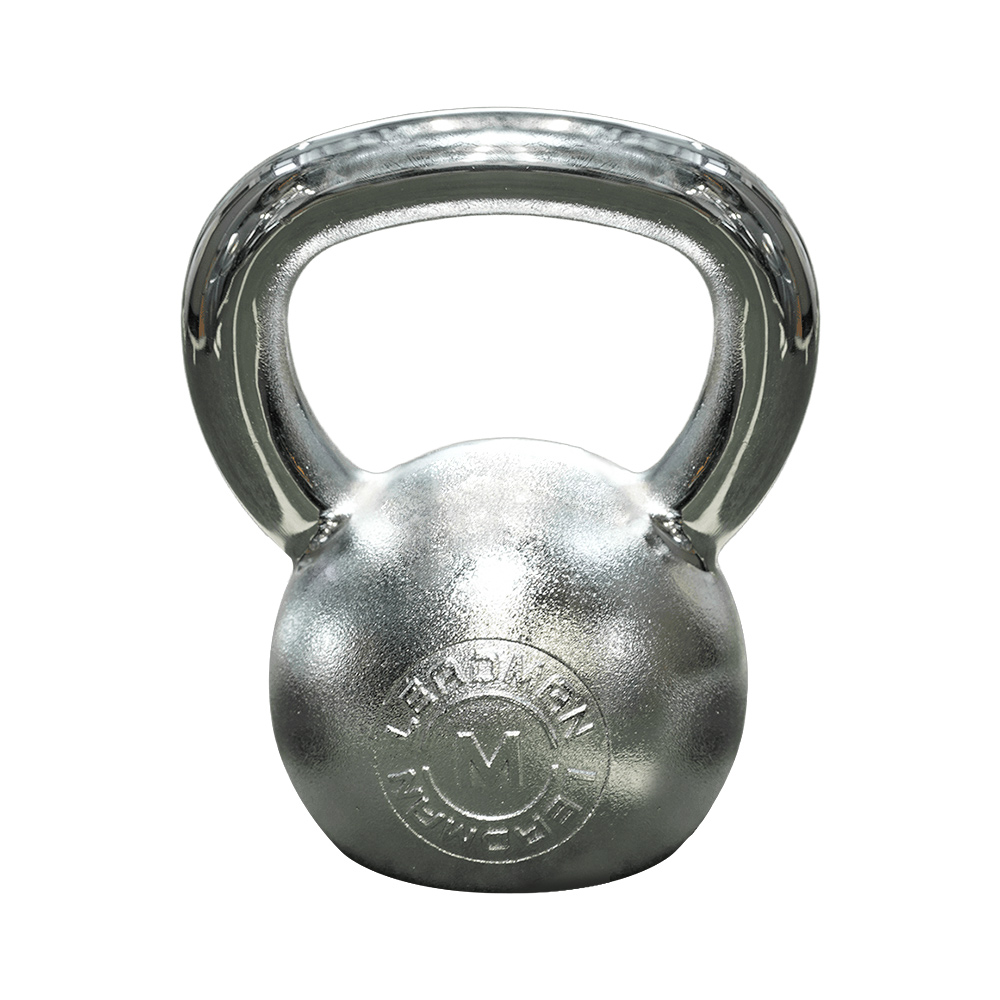
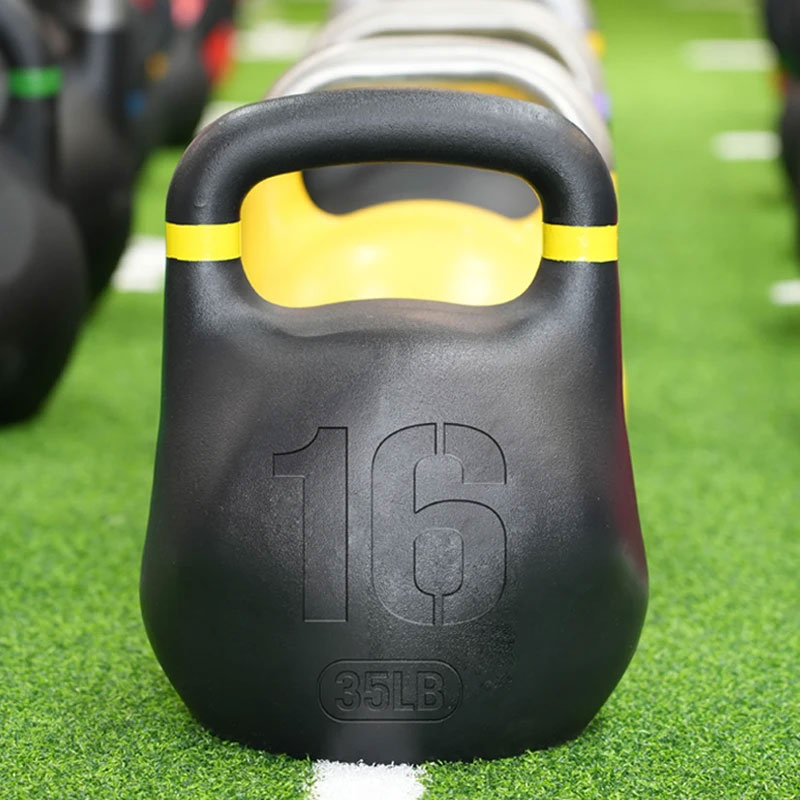
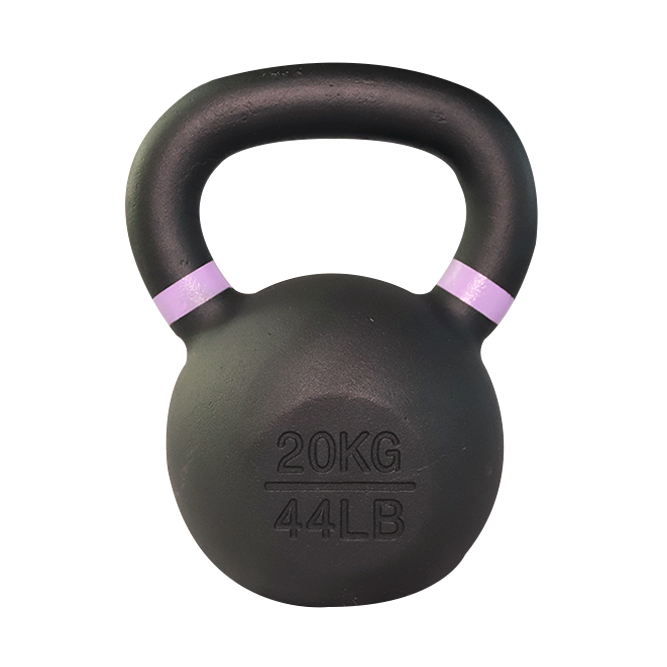
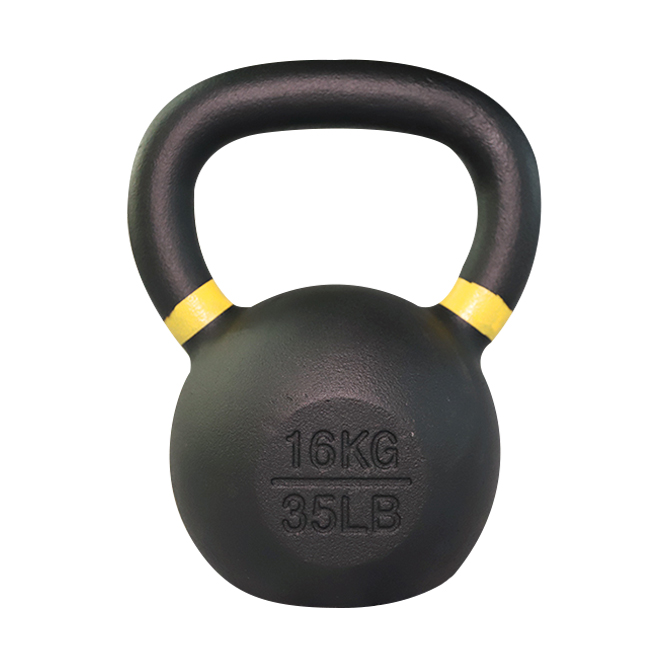
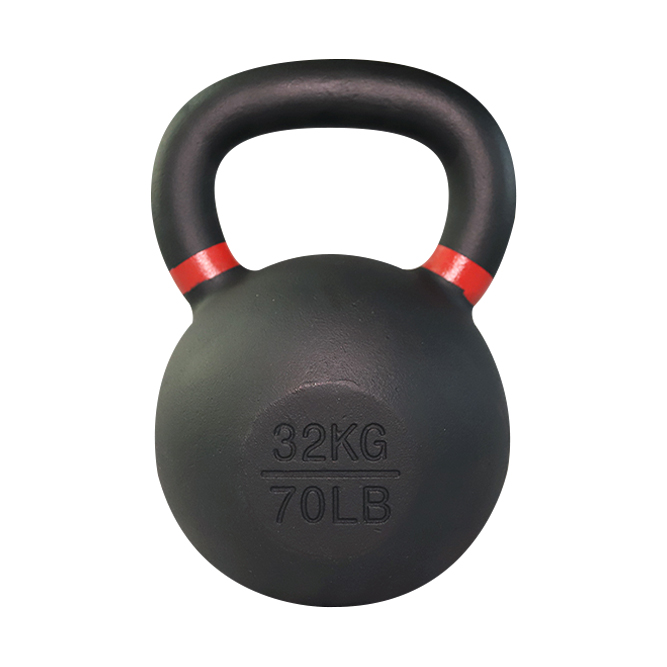
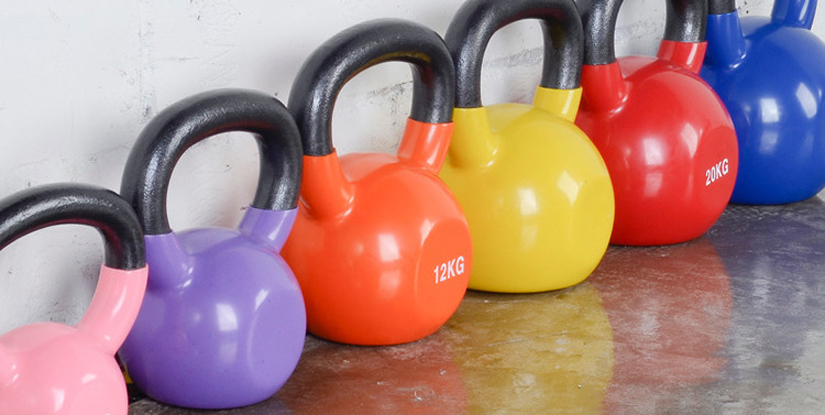
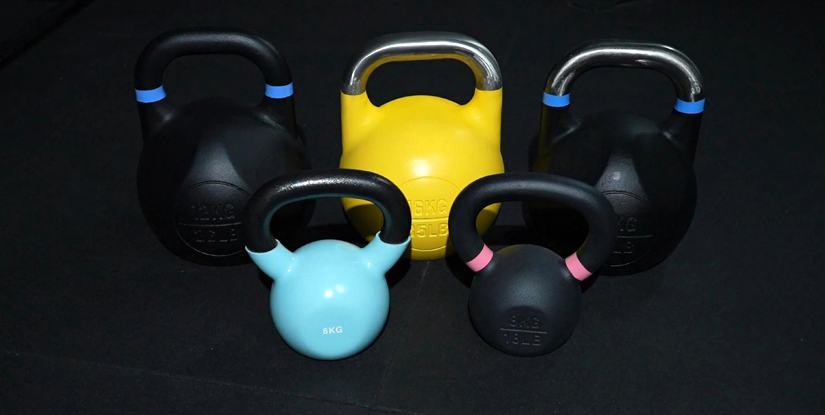
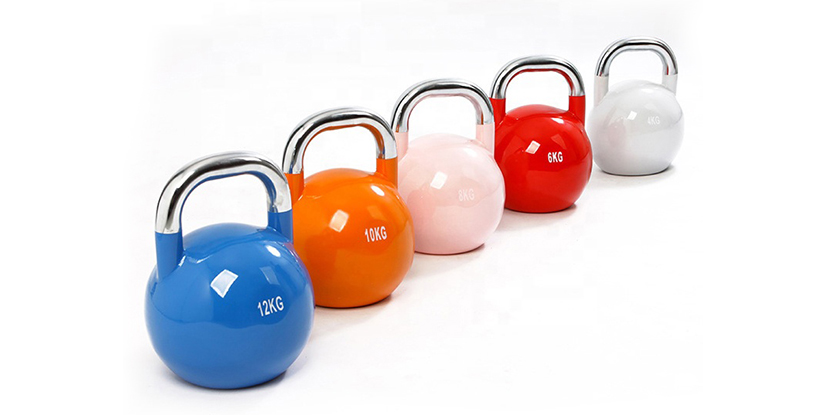
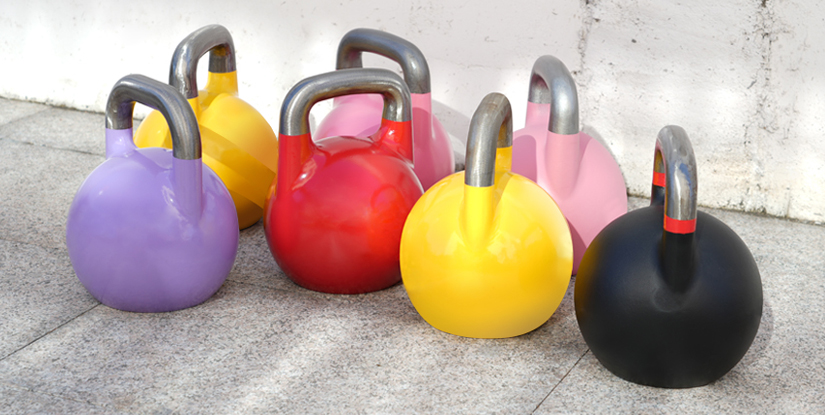
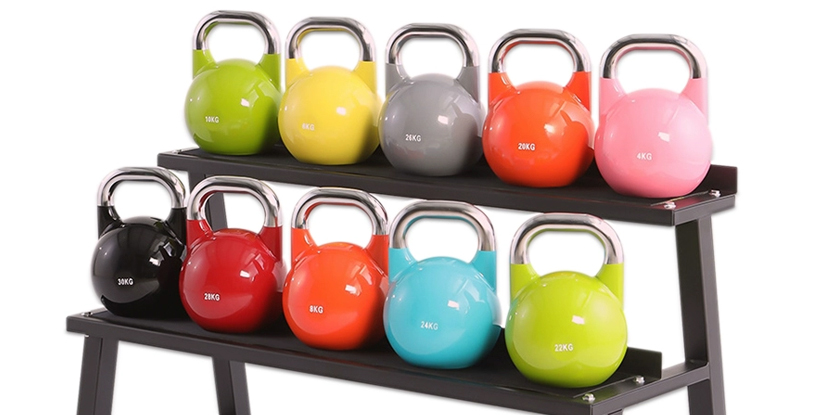
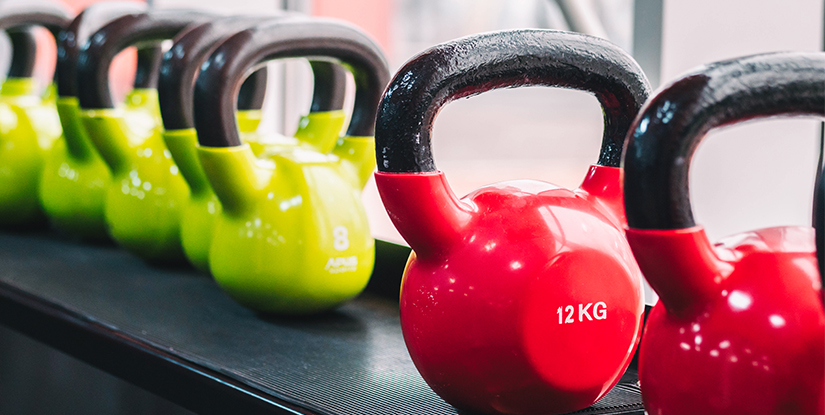
Understanding these technical nuances allows a distributor to move beyond superficial comparisons. For example, when procuring high-precision items like steel kettlebells or complex multi-gym systems, the ability to audit the manufacturer's testing equipment and raw material sourcing becomes a decisive competitive advantage. Relying on a manufacturer that integrates these quality checkpoints into their daily production flow significantly reduces the risk of receiving batches that fail to meet the rigorous demands of a professional fitness facility.

Optimizing Value Through High-Standard OEM and Brand-Aligned Solutions

In the competitive landscape of commercial fitness, procurement professionals often seek to balance high-end performance with optimized capital expenditure. A strategic approach involves identifying manufacturers capable of producing "tier-one equivalent" solutions—products that meet or exceed the rigorous mechanical and durability standards of premium retail brands without the heavy brand-equity markup. This is achieved by focusing on verifiable physical indicators rather than marketing prestige.

Aligning Specifications for High-Performance Alternatives

When sourcing high-quality alternatives for strength or cardio equipment, the focus must remain on technical parity. A professional gym machine factory can provide solutions that align with premium specifications by ensuring the following benchmarks are met:

  • Structural Gauge: Utilizing high-grade steel tubing with wall thicknesses (e.g., 3mm or higher) that match the structural stability of leading market players.
  • Bearing and Motion Fluidity: Implementing high-precision bearings and reinforced cable systems to ensure smooth, silent operation during high-frequency use.
  • Surface Durability: Applying advanced electrostatic powder coating or specialized finishes that provide identical resistance to oxidation and abrasion as high-end retail models.
  • Component Precision: Maintaining tight tolerances in adjustable weight stacks and pivot points to ensure long-term mechanical reliability.

Professional OEM/ODM and Production Standards

For distributors and brand owners looking to launch their own proprietary lines, the transition from a concept to a finished product requires a manufacturer with sophisticated OEM/ODM capabilities. Rather than simple assembly, professional manufacturing involves a structured process designed to protect intellectual property and ensure consistency across large-scale production runs.

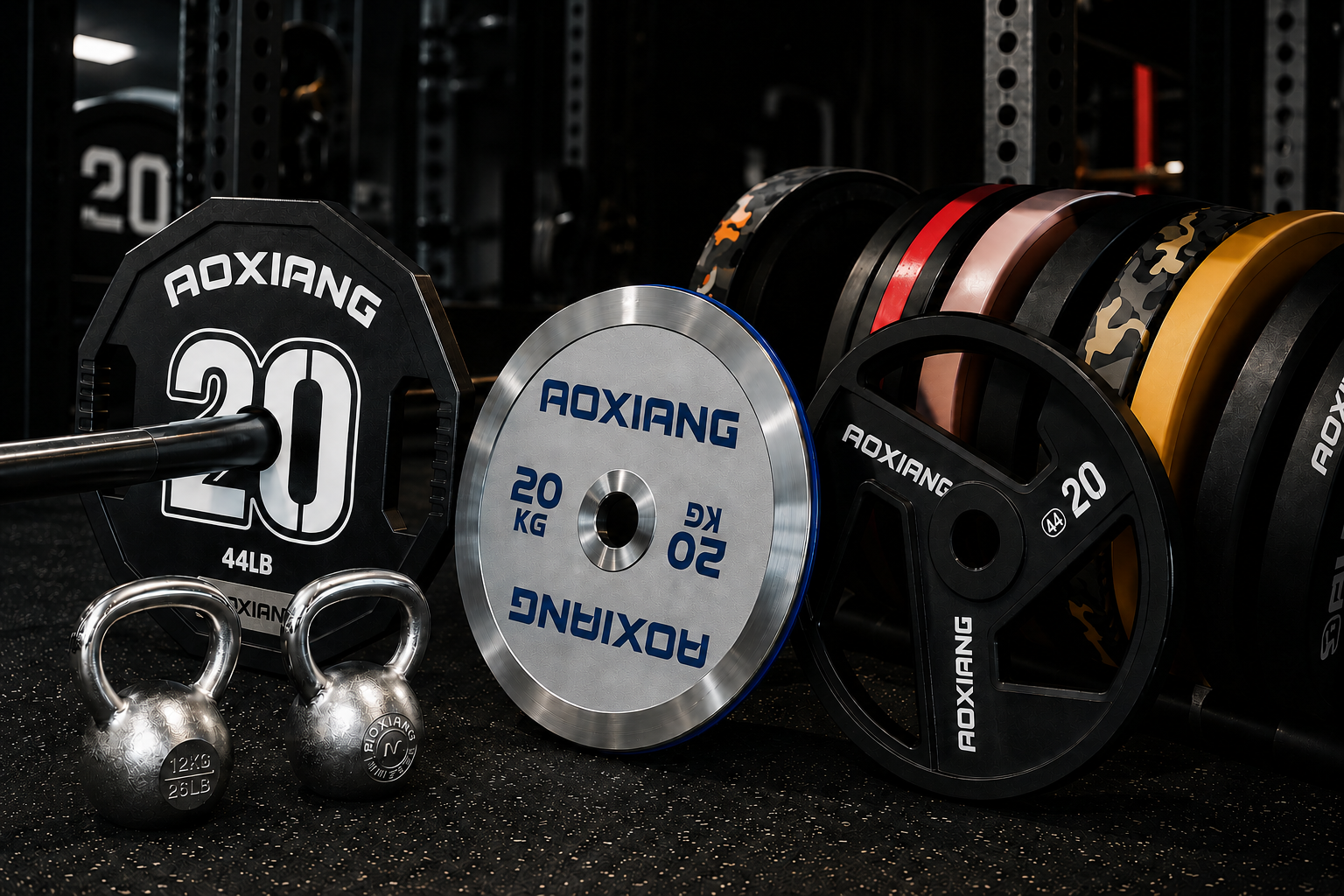
A high-standard production line, such as those used for international brand orders, typically follows a disciplined lifecycle: from the initial prototyping and sample approval phase to mass production and final lot inspection. This process includes rigorous quality checkpoints at every stage—raw material entry, precision machining, welding, and final assembly. By adhering to these stringent protocols, manufacturers can provide customized branding, such as bespoke color schemes or laser-etched logos, while maintaining a consistent level of quality that meets global safety and durability expectations. This professional approach ensures that the final product is not just a generic item, but a reliable, branded asset that builds trust with the end-user.

Case Studies: Solving Complex Procurement Challenges Through Customization

Real-world procurement often involves navigating conflicting variables such as strict budget ceilings, rapid expansion timelines, and high durability requirements. To illustrate how specialized workout equipment manufacturers operate as strategic partners rather than mere vendors, we look at two anonymous scenarios involving customized solutions for different market segments.

Scenario A: Expanding a Regional Commercial Gym Chain

A regional gym operator in Southeast Asia was planning to open five new flagship locations within a single calendar year. Their primary requirement was a uniform, high-end aesthetic for their strength training zones, but they faced a significant constraint: the budget allocated for heavy-duty machines was 30% lower than the quotes provided by mainstream international brands. Additionally, the client required a specific color scheme (matte charcoal and copper) to match their interior design identity.

Instead of providing a standard catalog selection, the manufacturing partner developed a tailored OEM solution. The factory adjusted the powder coating specifications to match the requested color profile and utilized high-grade steel tubing that met the client's durability standards. To manage the tight expansion timeline, the manufacturer integrated a staggered production and shipping schedule, ensuring that the most critical machines arrived at each location ahead of the grand openings. The result was a fully branded, professional-grade facility setup that stayed within the CAPEX limits while maintaining the visual prestige of a premium gym.

Scenario B: Launching a Niche Strength Accessory Brand

An e-commerce-focused fitness brand in Europe wanted to launch a specialized line of resistance and strength gear, specifically focusing on high-precision items like adjustable systems and specialized weights. Their main challenge was the high level of technical detail required for the products to stand out in a crowded digital marketplace, coupled with a need for retail-ready, high-quality packaging that could withstand international shipping.

The manufacturer acted as an ODM partner, moving beyond simple production to assist in the refinement of the product's technical profile. This included optimizing the weight distribution for the adjustable resistance systems and implementing a rigorous multi-stage QC process to ensure every unit met the brand's high-precision standards. Furthermore, the factory provided customized, branded packaging solutions that were both aesthetically pleasing for the end-user and structurally reinforced for long-distance logistics. The product line successfully launched on schedule, achieving high customer satisfaction ratings due to the consistent quality and professional presentation of the gear.

Operationalizing the Partnership: MOQ, Sampling, and Logistics Execution

Moving from the selection phase to active procurement requires a clear understanding of the operational workflows used by professional workout equipment manufacturers. Successful B2B partnerships are built on transparent communication regarding minimum order quantities (MOQ), sampling protocols, and the logistical complexities of shipping heavy-duty fitness assets across international borders.

Standard B2B Engagement Cycles

A professional procurement cycle typically follows a structured progression to mitigate risk and ensure technical alignment. While timelines vary depending on the complexity of the equipment—ranging from simple resistance gear to complex multi-gym systems—the following stages are standard:

  • Initial Inquiry and Technical Scoping: Defining the specific requirements, including material grades, dimensions, and any OEM branding needs.
  • Prototyping and Sampling: A critical phase where the manufacturer produces a sample (e.g., a customized versatile resistance system) for the client to verify ergonomics, branding, and build quality before bulk production begins.
  • Formal Quote and PO Issuance: Finalizing the price based on the approved sample, with clear documentation of the MOQ and lead times.
  • Production and In-Process QC: The manufacturing phase, where periodic inspections ensure the production run adheres to the approved technical specifications.
  • Final Inspection and Shipment: A final lot-wide quality check followed by the coordination of logistics.

Managing Logistics and Packaging for Heavy-Duty Gear

Shipping large-scale fitness equipment presents unique challenges in terms of volume, weight, and protection. High-quality manufacturers offer several strategic options to ensure products arrive in optimal condition and at a manageable cost:

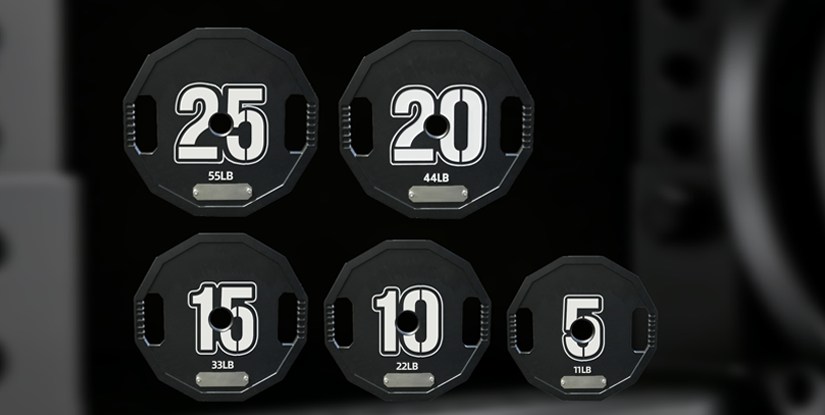
  • Optimized Packaging: Utilizing reinforced corrugated boxes, customized foam inserts, or specialized wooden crates for heavy items like polyurethane-coated weights to prevent impact damage during transit.
  • Container Loading Optimization: Coordinating with freight forwarders to maximize container space (FCL or LCL) through efficient nesting of machines and accessories.
  • Compliance Documentation: Providing all necessary commercial invoices, packing lists, and certificates of origin required for smooth customs clearance in the destination country.

By establishing these clear operational boundaries, procurement professionals can ensure that their orders move smoothly from the factory floor to the final destination. Whether you are ordering a single container of specialized accessories or a full suite of commercial machines, a structured approach to sampling and logistics is the foundation of a reliable, long-term supply chain.

Critical Checklist for Commercial Equipment Procurement

Transitioning from a standard buyer to a strategic sourcing partner requires a rigorous approach to vendor evaluation. Before finalizing any purchase order or committing to a long-term OEM partnership, procurement professionals should ensure that all technical, logistical, and quality-related variables have been addressed through direct verification rather than secondary assurances.

Use the following actionable points to guide your final decision-making process during the vetting stage:

  • Technical Specification Audit: Verify that the manufacturer provides specific material grades (such as steel gauge thickness and coating type) and can produce a physical sample that meets your exact ergonomic and branding requirements before mass production begins.
  • Quality Control Verification: Confirm the existence of a structured, multi-stage inspection protocol that includes load-bearing tests for strength machines and precision checks for accessories, ensuring that the production line can maintain consistency across large-scale orders.
  • Logistical and Compliance Readiness: Ensure the supplier has a proven tracks record in managing international shipping for heavy-duty assets, including optimized packaging for protection and the provision of all necessary commercial documentation for seamless customs clearance.

By implementing these verification steps, distributors and gym owners can secure a reliable supply chain that supports both immediate facility needs and long-term brand growth through high-quality, durable, and cost-effective fitness solutions.

Related Products

Sourcing High-Durability Strength and Cardio Gear from Workout Equipment Manufacturers

Top Selling Products

Contact Us

Format: +[country code][number] (e.g. +1234567890)